
Free visual inspection and a written scope of work before any mitigation begins - photos, moisture readings, and drying logs go in your claim file
The scope we write is the scope we bill. Anything new gets shown to you, in writing, before we touch it.
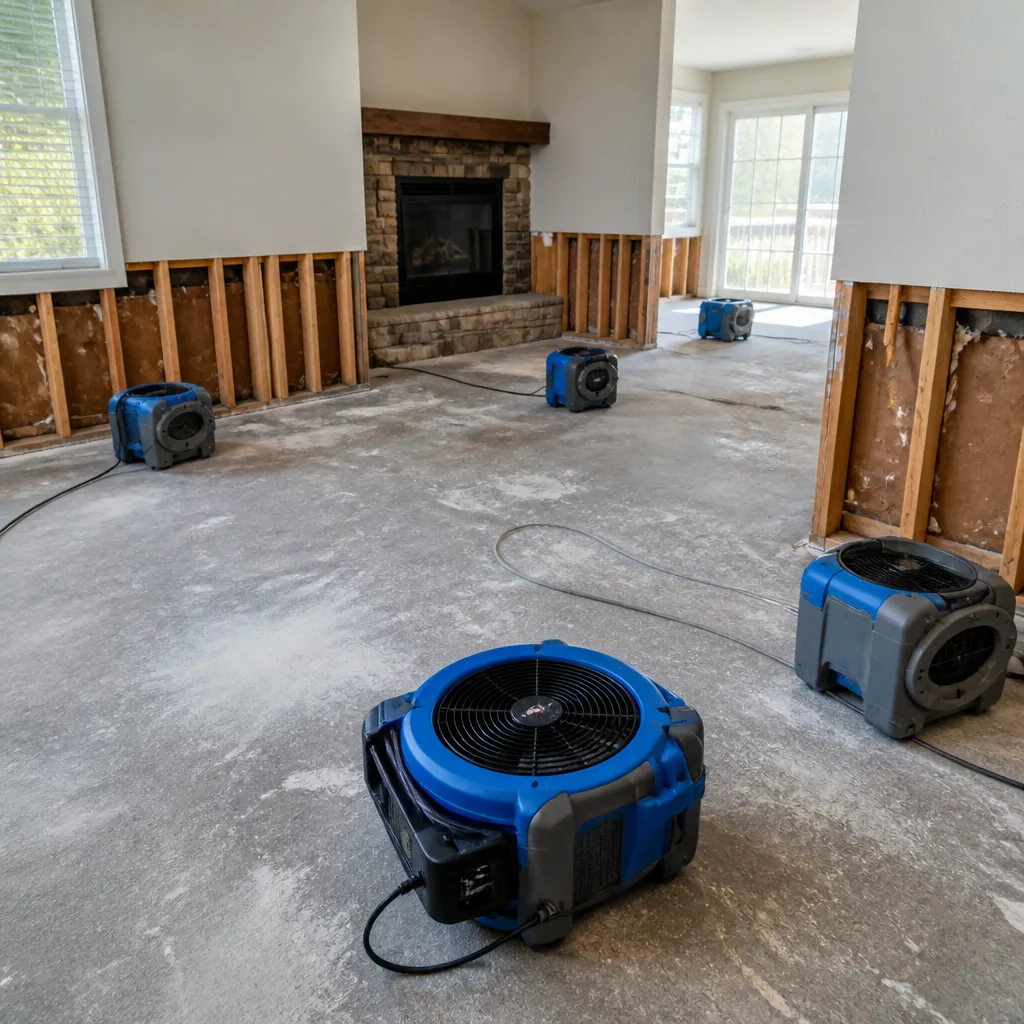
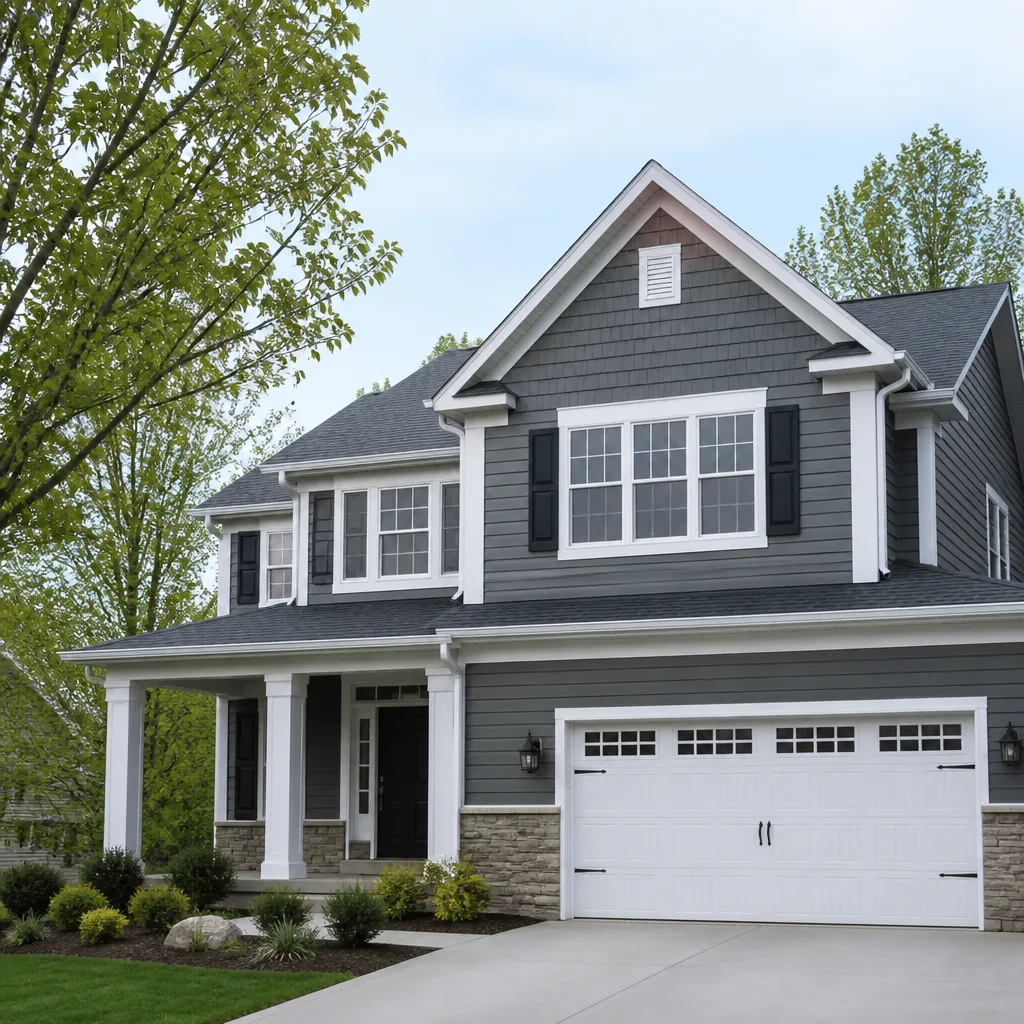
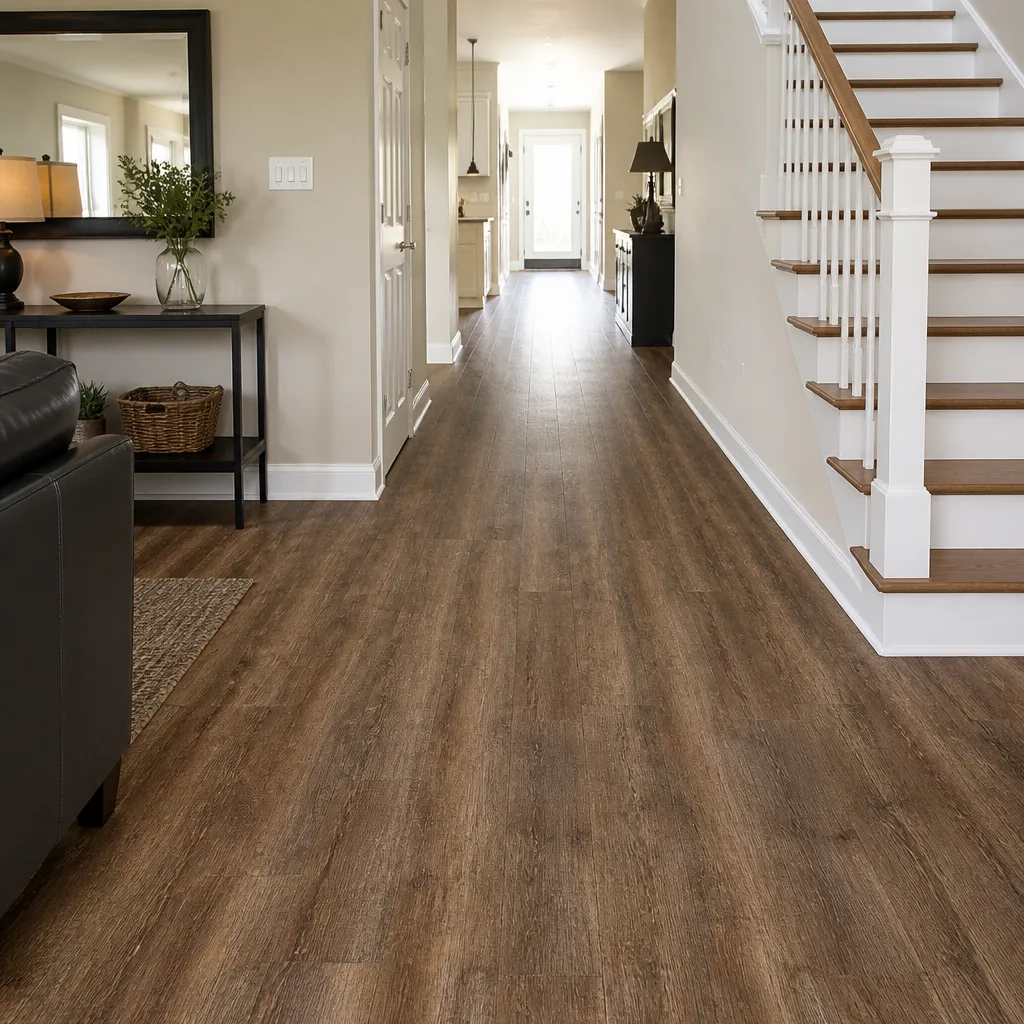
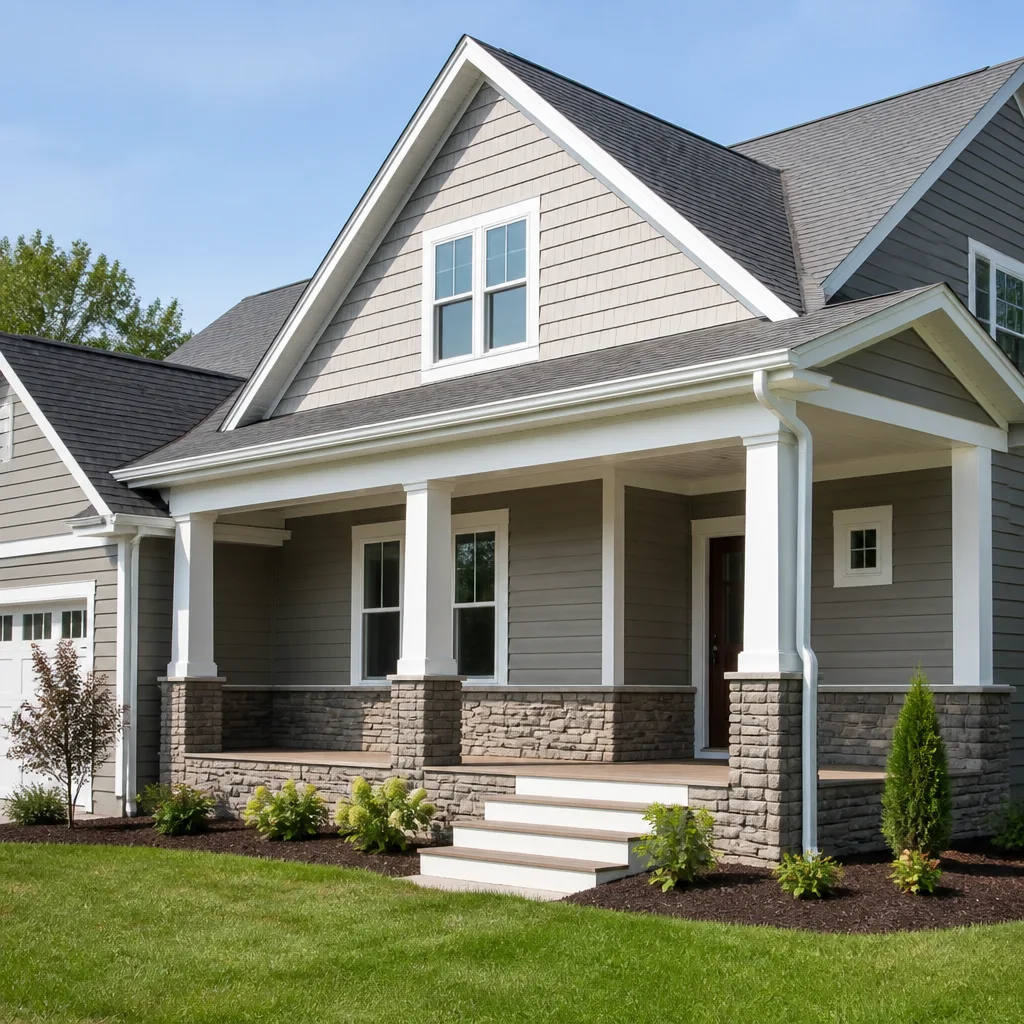
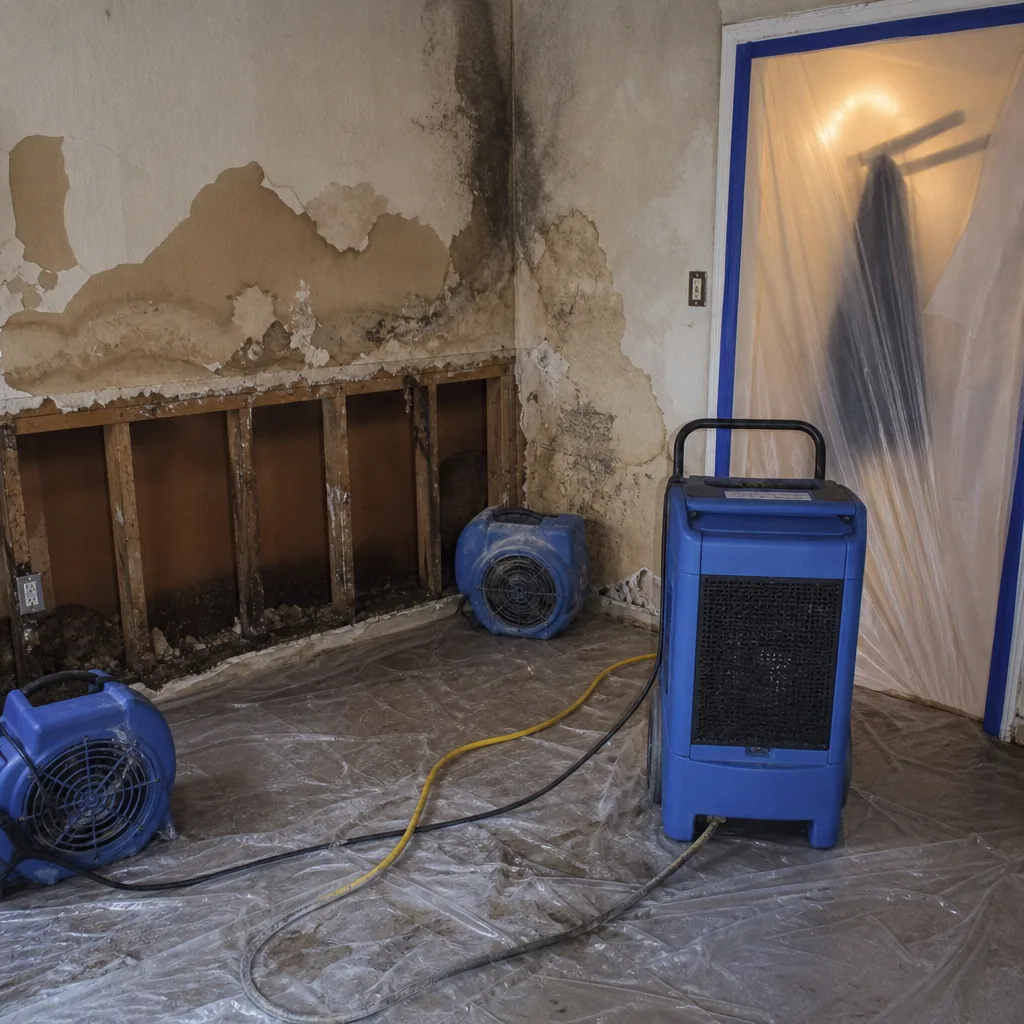 Before
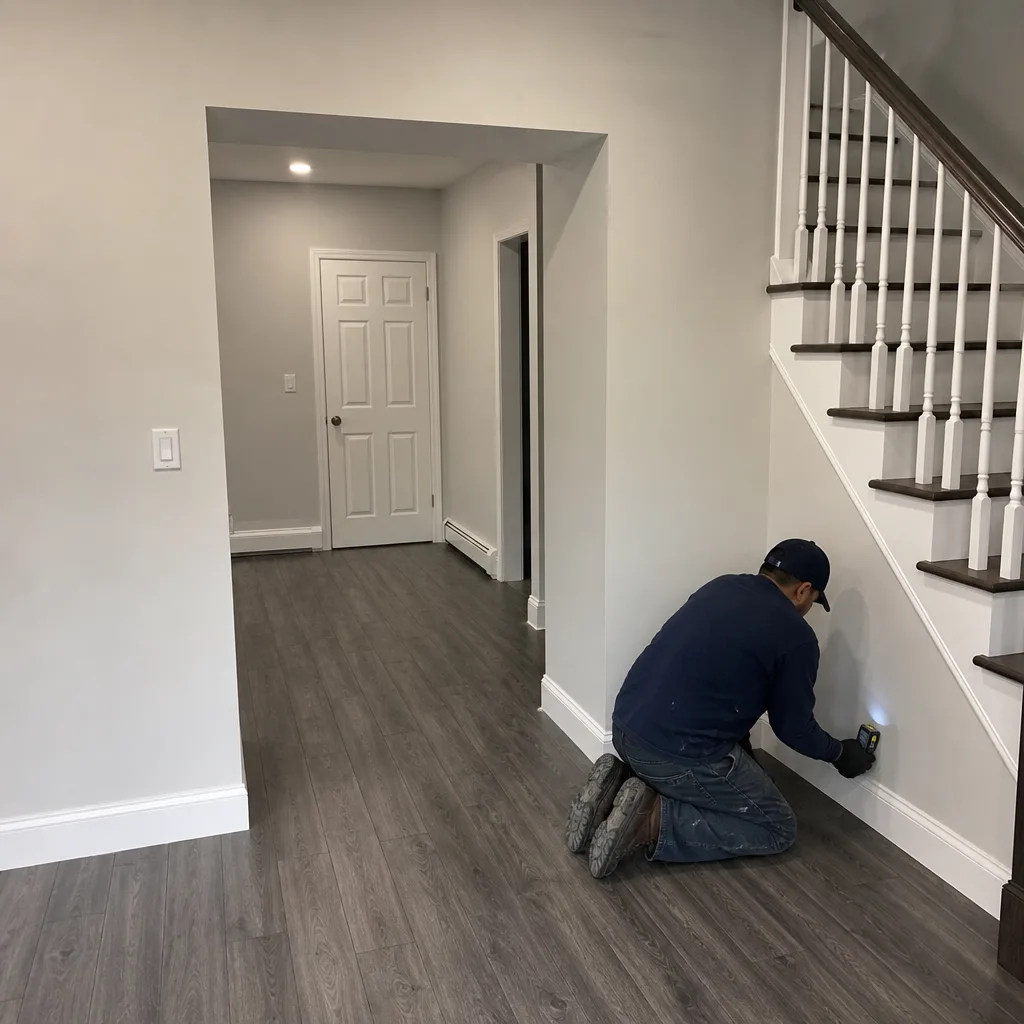 After
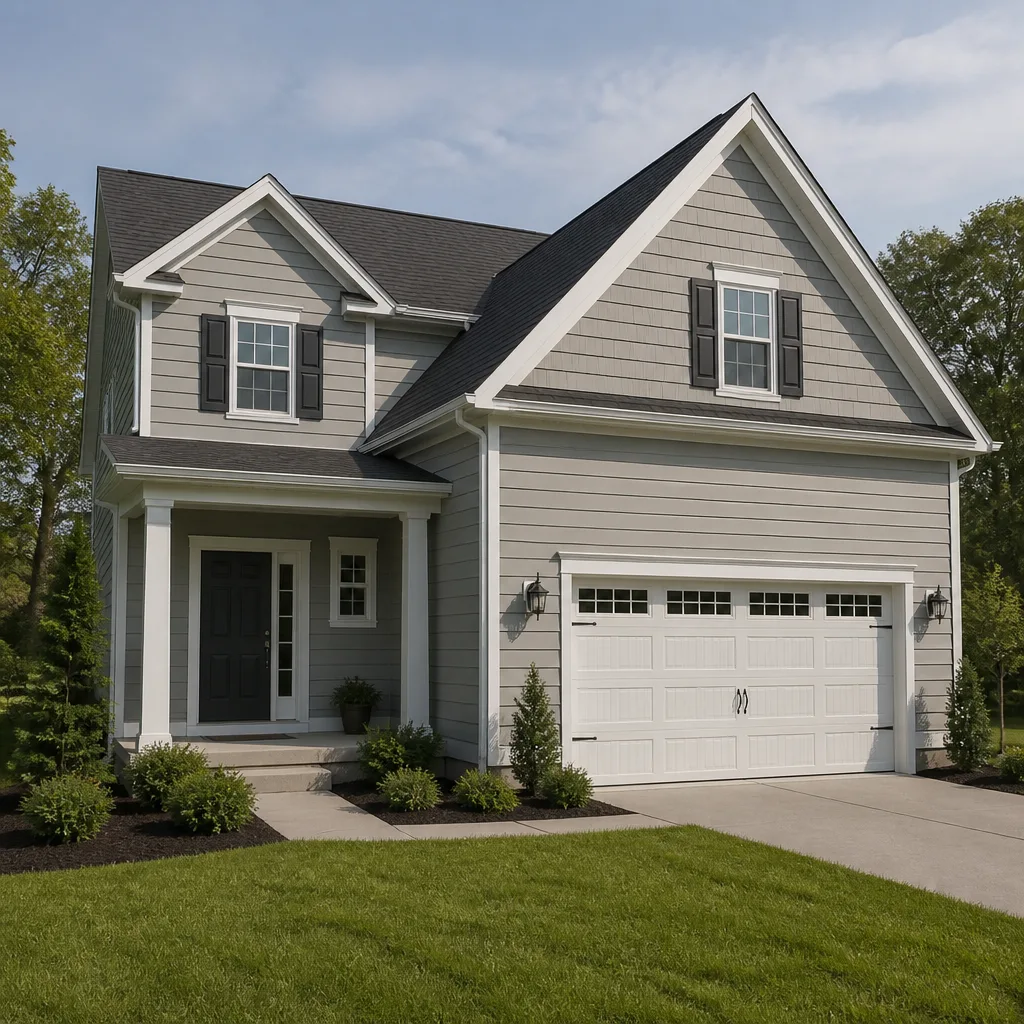
After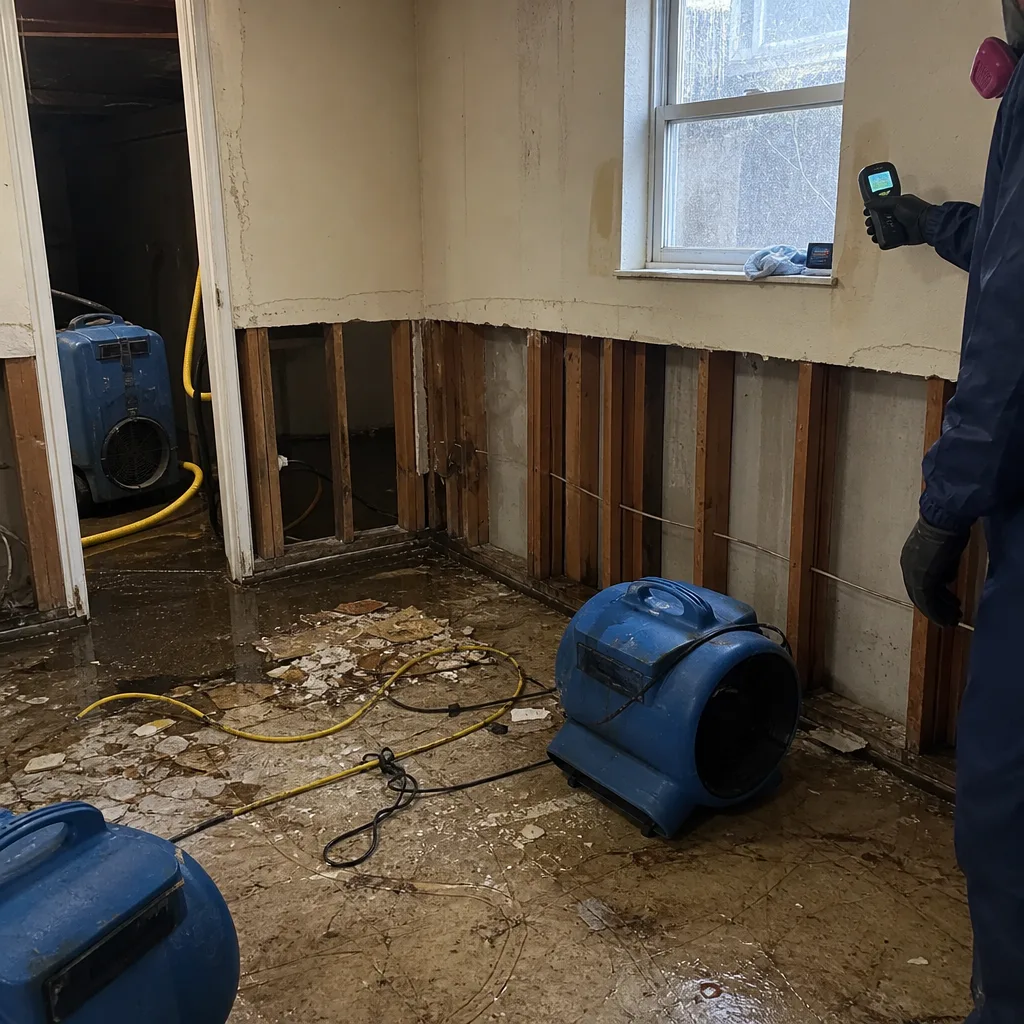 Before
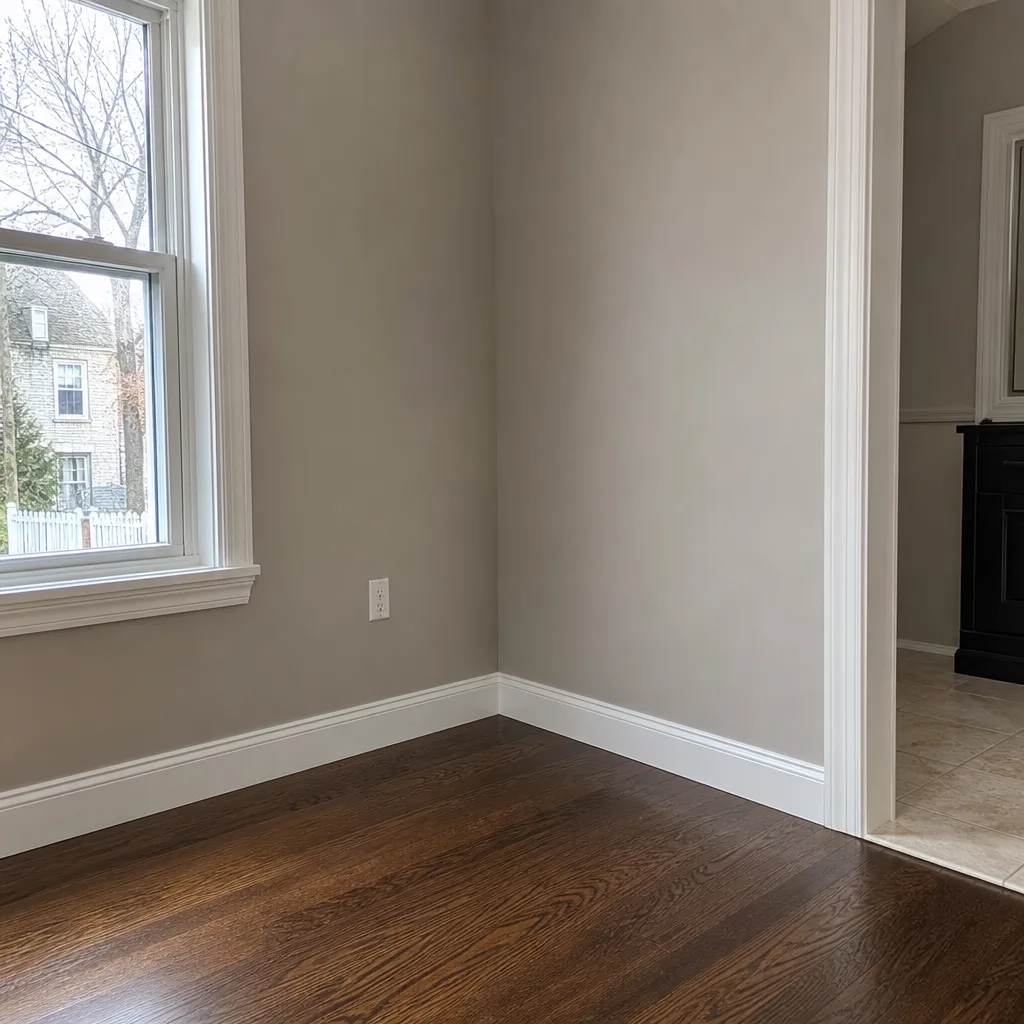 After
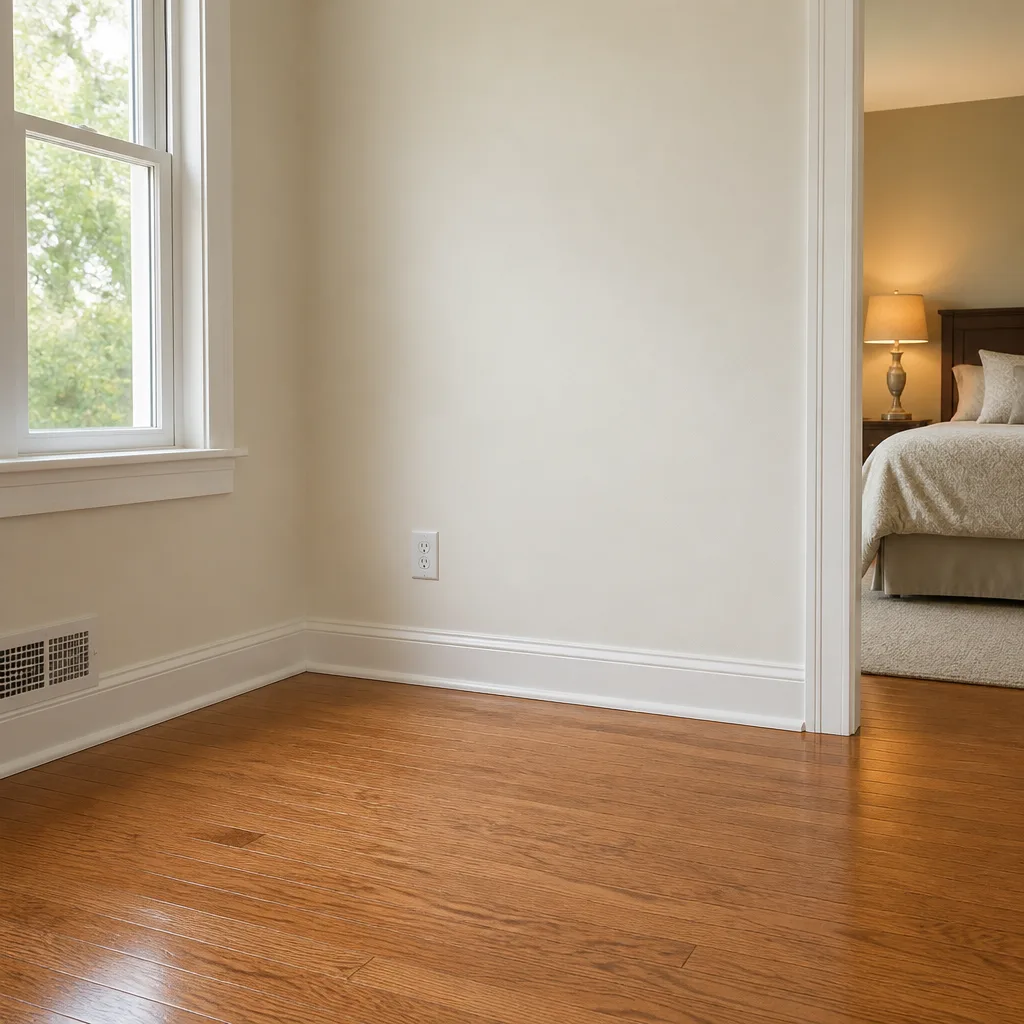
After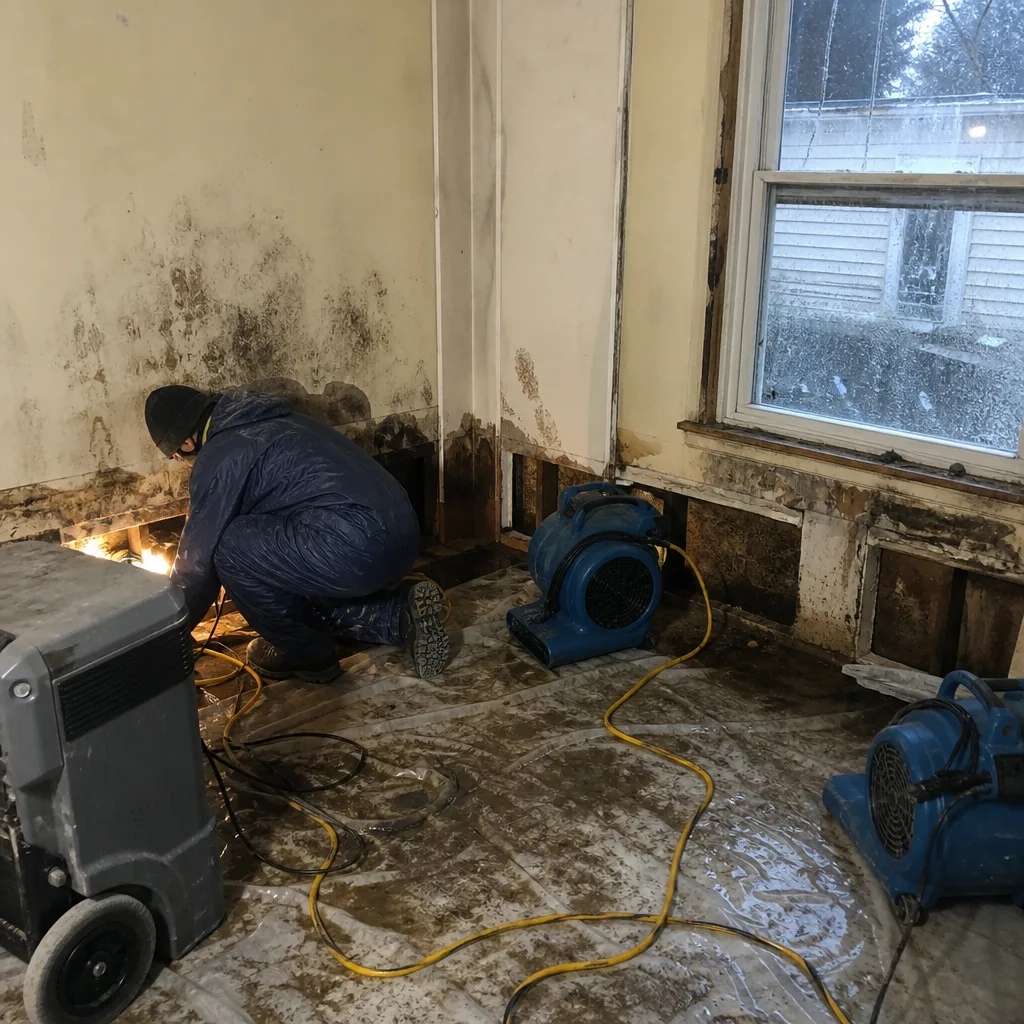 Before
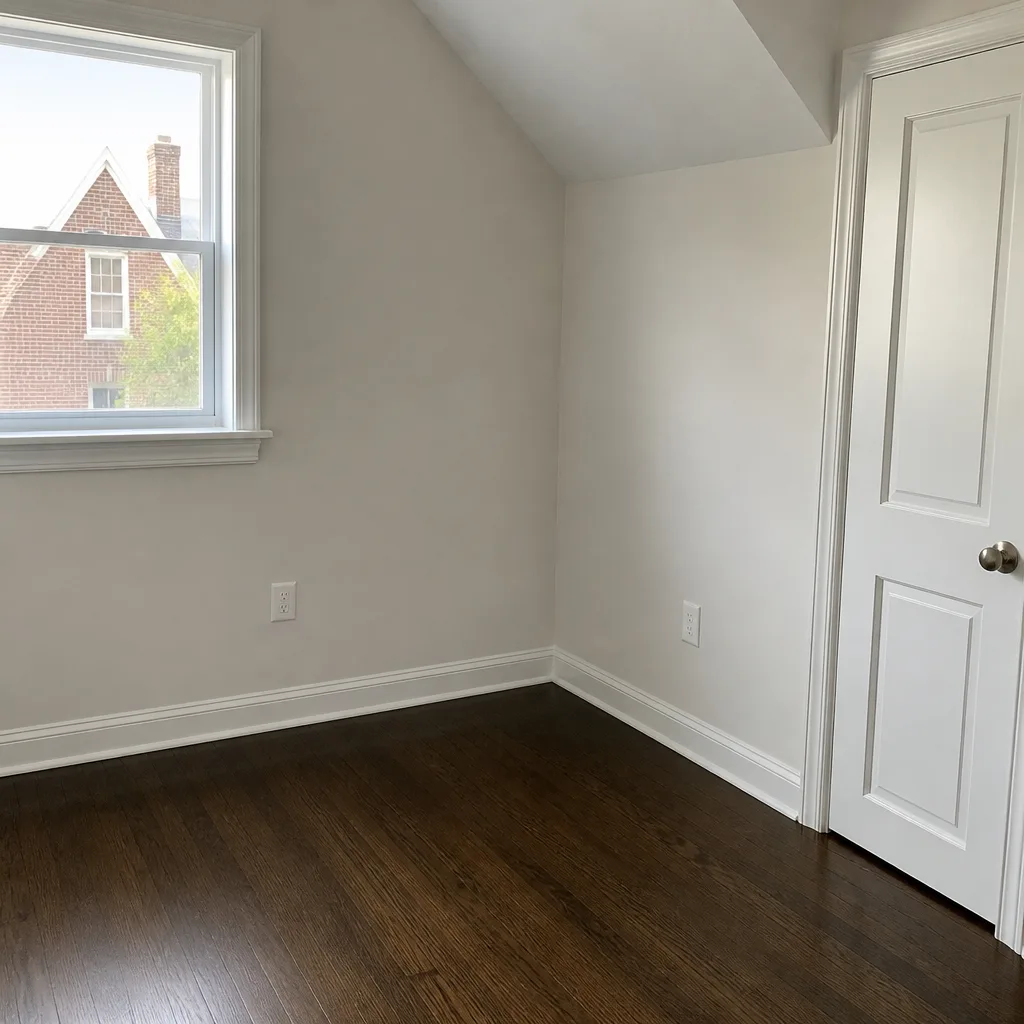 After
After24/7 Emergency Commercial Restoration in St. Albans
Commercial restoration in St. Albans is what happens after the water, fire, or storm damage stops and the real work begins. Most commercial losses in this neighborhood trace back to flooding, not flames. When a nor’easter overruns the Victorian sewers or a supply line lets go in a 1960s rowhouse, you need a crew that answers at 2 a.m. and starts extraction the same visit. Call Floodline Restoration Co. at (631) 557-5029 any hour, any day. A live dispatcher answers. A uniformed, background-checked crew reaches St. Albans fast, performs a free visual inspection, and gets containment and drying running before the damage spreads into framing, drywall, and inventory.
We are the full-cycle Commercial Restoration team, and we do not hand the job to a third party after the water is gone. The same certified technicians who extract and dry also rebuild. We bill your carrier directly and hand you a written scope before work starts. For property owners across St. Albans, that means one accountable name from the floodline to the finished rebuild.
Understanding Commercial Restoration Severity in St. Albans Properties
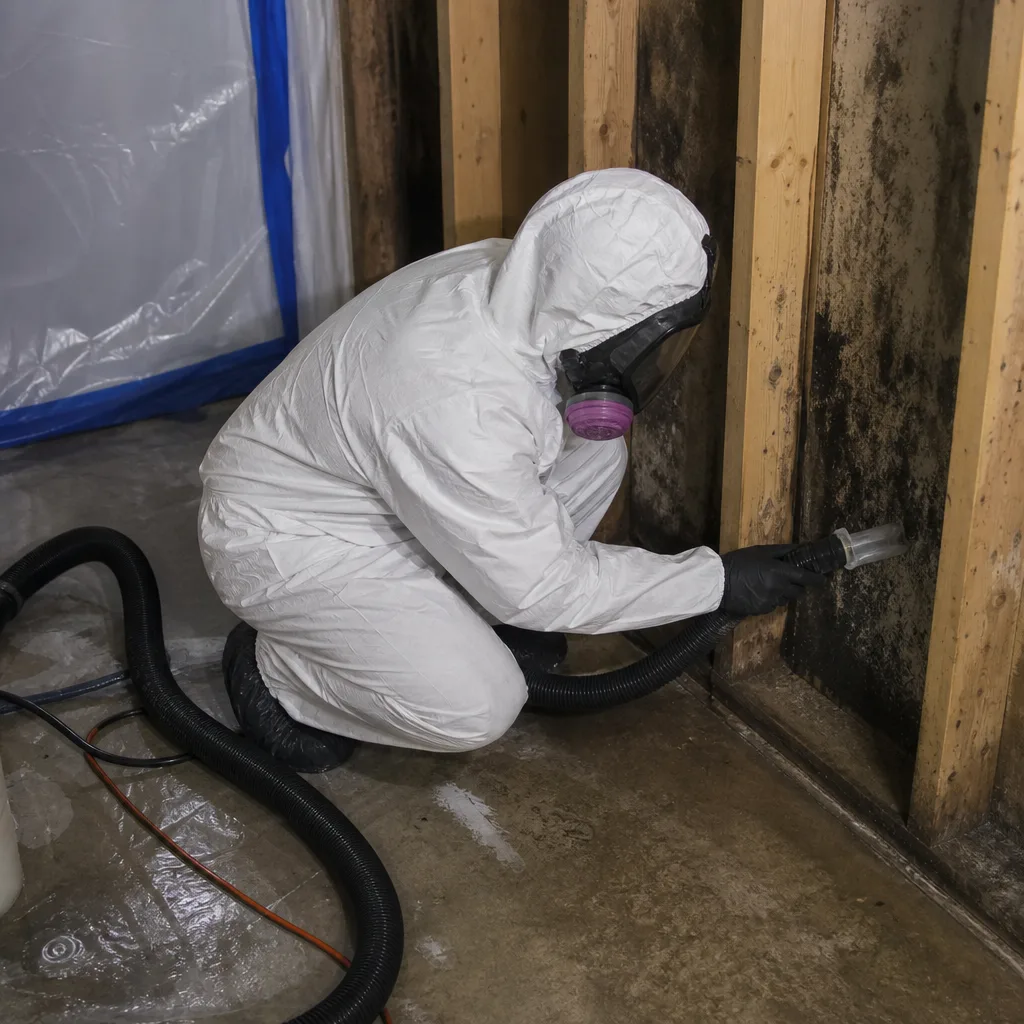
Not all water is the same, and in St. Albans that distinction matters more than in most of Queens. Category 1 water comes from a clean supply line. Category 2 carries soaps or detergents. Category 3 is sewage, storm backflow, or anything that has picked up human or chemical waste. Because this neighborhood sits on low-lying, historically marshy ground and drains through a combined sewer system that predates modern separation, a heavy rain can push Category 3 water up through basement floor drains in commercial buildings. That is not a drying job. That is a biohazard cleanup with containment, air scrubbing, and removal of contaminated drywall and flooring.
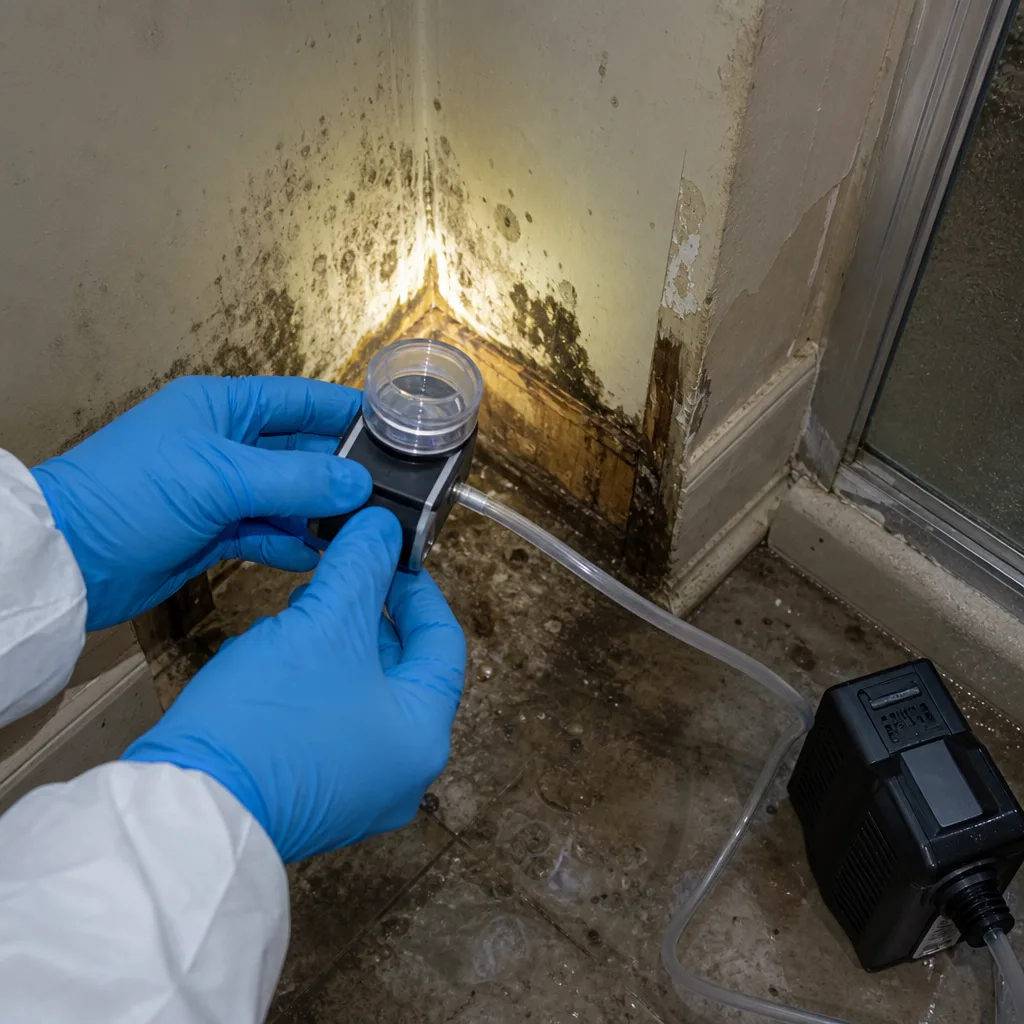
We classify water on arrival, map moisture with thermal imaging and hygrometers, and document everything in a drying log. For fire and smoke losses, we assess soot residue type and smoke migration before scoping cleaning. For Mold Remediation - St. Albans, we set HEPA containment and negative air before any disturbed material leaves the building. St. Albans’s 1940s and 1960s brick and frame rowhouses hide water behind plaster and between floor joists, and what looks dry on the surface is often still wicking moisture through the framing. The right severity classification at hour one dictates whether a space is salvageable or a tear-out.
Why St. Albans Property Owners Choose Floodline Restoration Co.
- 45-minute response commitment: From the moment you call, we schedule crews to be rolling toward St. Albans within 45 minutes. The first hour determines how much framing, flooring, and drywall survives.
- 24/7 live answer: A real person picks up at two in the morning. No recording, no call-back line, no third-party answering service reading a script.
- IICRC-certified crews: Our technicians carry WRT, FSRT, and AMRT certifications and train to IICRC, RIA, and IFA standards. Not apprentices guessing with rented fans.
- Free visual inspection: Before any work begins, we walk the loss site with you, explain what we see, and give you a straight assessment. The estimate is free. The advice is free.
- Direct insurance billing: We bill your carrier directly and speak with your adjuster. You do not become a messenger between Floodline and the insurance company.
- One team from extraction to reconstruction: The same crew that reads the moisture map on day one handles daily readings, hands you the log, and rebuilds what needs rebuilding. No mid-job handoff. No inherited strangers.
Our Commercial Restoration Process
Inspection & Assessment
We arrive, classify the water or damage type, and scan with thermal imaging to find hidden moisture. You get a clear verbal and written picture of the scope before equipment comes off the truck.
Extraction & Stabilization
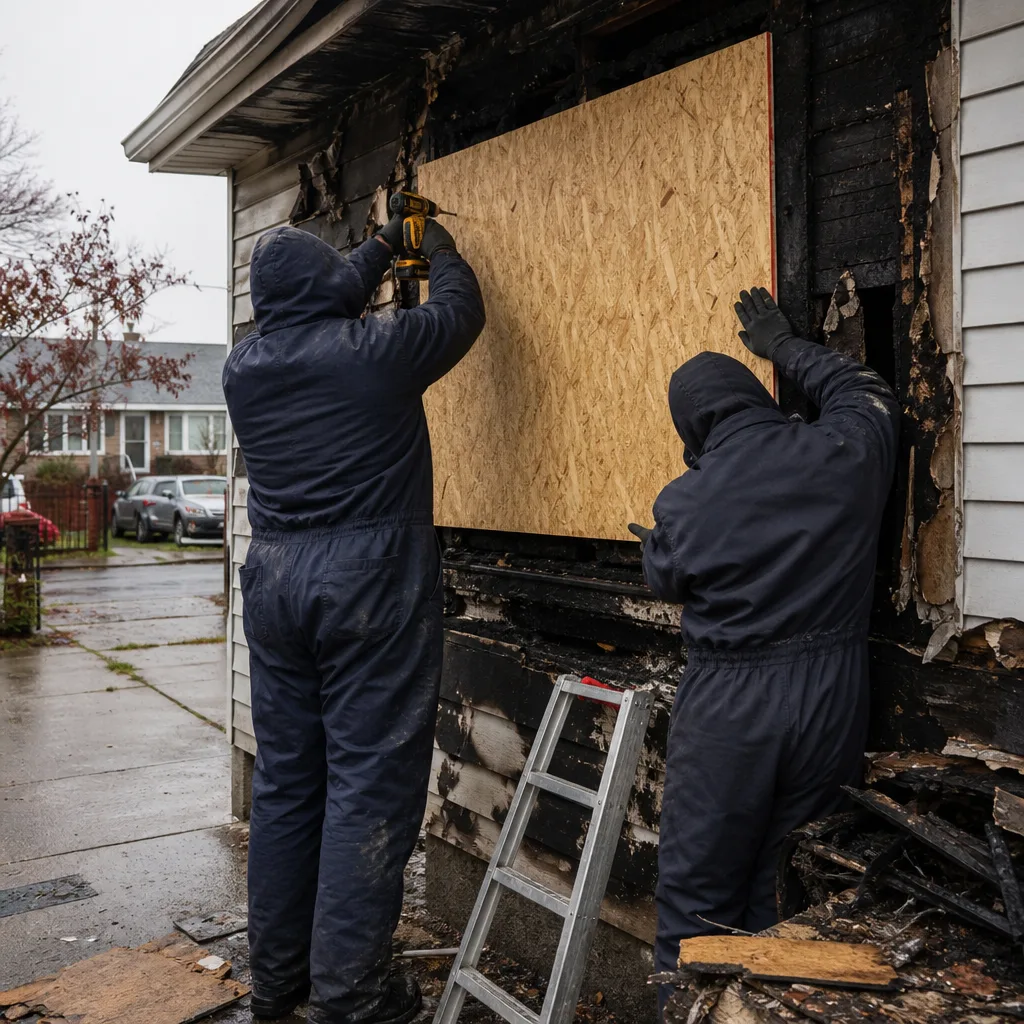
Standing water comes out with professional-grade extraction units. We set containment if contamination is present and board up or tarp penetrations to stop further damage.
Drying & Dehumidification
Dri-Eaz LGR 7000XLi dehumidifiers and XPOWER air movers go down the same visit. Daily moisture readings track progress until the dry standard is met, and every reading is logged.
Cleaning & Sanitization
We clean salvageable surfaces, sanitize affected areas, and run HEPA air scrubbers where Category 3 water or mold is involved. Contaminated material is cut out and disposed of under proper protocol.
Commercial Restoration Specialty Treatment
For St. Albans commercial spaces, this includes document and inventory recovery, equipment stabilization, and rapid-response planning to minimize business interruption. We coordinate with your schedule, not against it.
Repairs & Restoration
Framing, drywall, flooring, paint, and finish work are completed by the same Floodline crew. We hand you the drying log, the written warranty under the 90-Day Done Right Promise, and a space ready for business.
Need Emergency Commercial Restoration in St. Albans Now?
Crews minutes away, answering live 24 hours a day. The sooner we start, the less it costs.
Working With Your Insurance Company
Insurance claims for commercial restoration in St. Albans move faster when the carrier receives a documented loss from hour one. We photograph every room, log moisture readings daily, and write a line-item scope in industry-standard estimating software that most carriers accept without pushback. Our crew coordinates directly with your adjuster, so you are not stuck forwarding emails or re-explaining the job. When the carrier asks for proof of dry standards met or an explanation of why Category 3 water requires full tear-out, we give them the documentation, not a phone call to you.
What We Provide Your Insurer
- Thorough documentation of the loss
- Photos of all damage, room by room
- Moisture readings and drying logs
- A detailed, line-item scope of work
- Direct coordination with your carrier
We also honor the three standing Floodline offers on every job: $50 off any repair over $250, the $89 seasonal tune-up, and a 5% senior and veteran discount, always. Insurance work does not disqualify those offers. Done right, and backed in writing.
Built for St. Albans’s Loss Calendar
St. Albans has a predictable loss calendar, and our scheduling reflects it. January deep freezes split supply lines in unheated annexes and rear additions on 1940s rowhouses. The spring thaw, which comes late and hard in southeastern Queens, sends meltwater against foundations and through window wells on flat, low-lying lots. Summer thunderstorms drop two or three inches of rain in an hour, and the combined sewer system downstream of Farmers Boulevard backs up through basement floor drains. Autumn nor’easters tear roof membranes, displace exhaust fans, and drive rain through brick parapets - which is why Storm & Disaster Restoration in St. Albans is part of our year-round readiness. None of this is a surprise to a company that has worked St. Albans for years. It just shapes when we pre-stage equipment and which failure modes our crews expect when the call comes in.
Curt Bowman founded Floodline in 2010 around a dispatch board, not a sales desk. That means our St. Albans response is planned around the storm calendar, not around when a salesperson is available to write a bid. A live dispatcher answers at 2 a.m. in January, the same as in August. The floodline, the honest mark the water left on the wall, is where we start. We will be there when we say.
Commercial Restoration Across St. Albans’s Neighborhoods
St. Albans is not one uniform grid. The commercial strips along Farmers Boulevard and Linden Boulevard carry mixed-use rowhouses where a ground-floor shop sits under two floors of occupied residential space. When water comes through the parapet on one of those buildings, we are working around tenants, back-of-house inventory, and a structure that was never designed for modern HVAC or roof penetrations. Over near Addisleigh Park, the larger single-family homes and carriage houses often have finished basements converted into offices or clinics. A window well flood there is not a crawl space problem. It is a Category 3 sewage event if the drain backs up.
Around Merrick Boulevard and the blocks east toward Springfield Gardens, commercial kitchens and auto-related businesses sit on slabs with aging waste lines. Grease and sewage backups in those spaces require full biohazard protocol, not just a wet-vac and fans. And the industrial lots south of the LIRR tracks, near Baisley Pond, hold flat-roofed warehouses where a torn roof membrane sends water across thousands of square feet of stock within minutes. We know these blocks. We know which buildings have a history of drain backups and which ones lose power to the sump pump after the first gust.
Specialized Commercial Restoration Services We Offer in St. Albans
Industrial Facility Cleanup
Warehouses and light industrial spaces in St. Albans do not tolerate downtime. A roof failure over a stocked floor on a Friday night means Monday morning revenue lost if drying stalls. Our crews bring Dri-Eaz and Phoenix desiccant units sized for large cubic footage and pace the job to reopen you as fast as the drying standard allows.
Multi-Unit & HOA Restoration
Co-ops, condo associations, and two-family rowhouses make up much of St. Albans. When a common boiler lets go or a shared drain backs up, we scope the loss, coordinate with the board or managing agent, and document for a carrier that may be covering common areas while unit owners file separate claims. One crew, one log, one accountable name.
Business Interruption Minimization
Every day a retail shop or dental office on Farmers Boulevard stays closed is real money. We stage drying equipment in the evening, work around your off hours, and document everything so a business interruption claim has the support it needs. Our goal is to get you operating while we wrangle the moisture.
Large-Loss Response
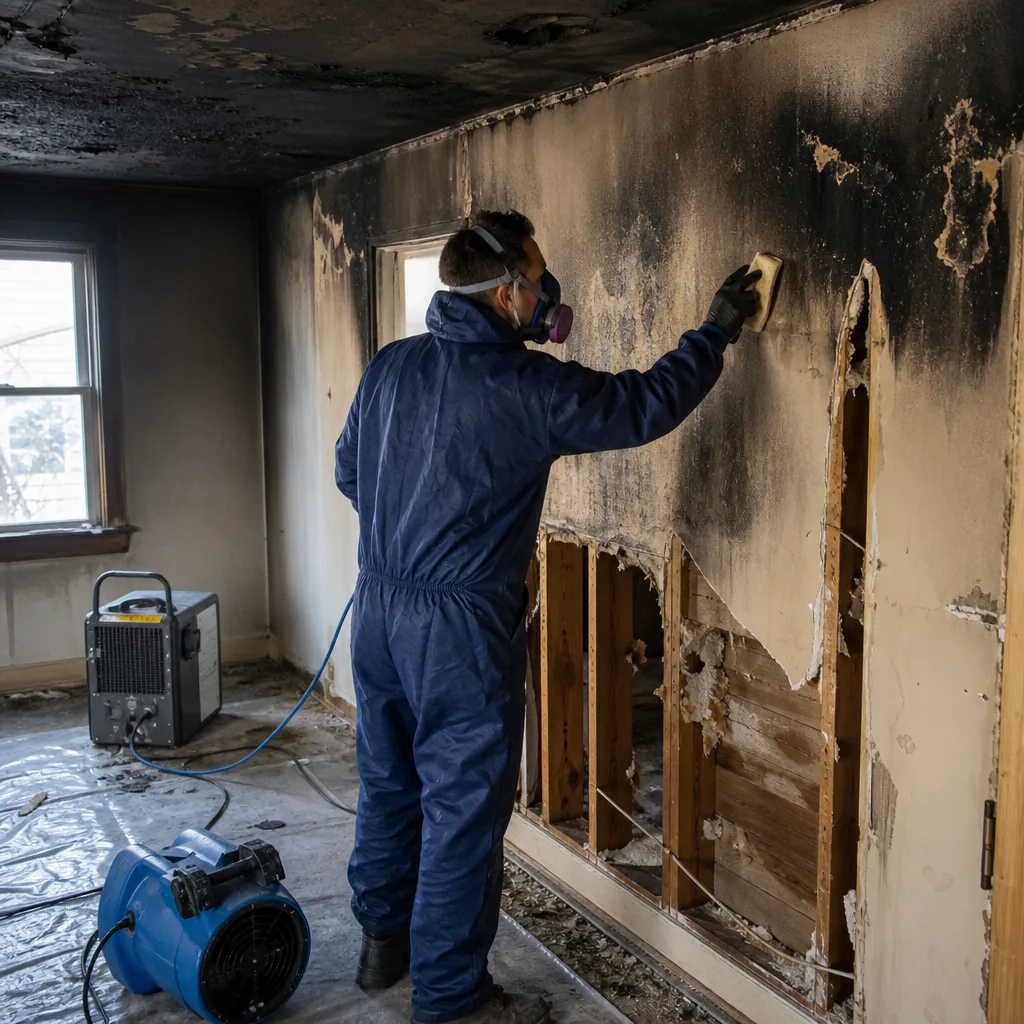
Apartment-building fires, full-floor floods, and commercial kitchen losses demand more than a van with two techs. Floodline dispatches multiple crews, a project lead, and direct adjuster communication on the same visit. We have the equipment and the manpower for big St. Albans losses without calling in an out-of-state franchise.
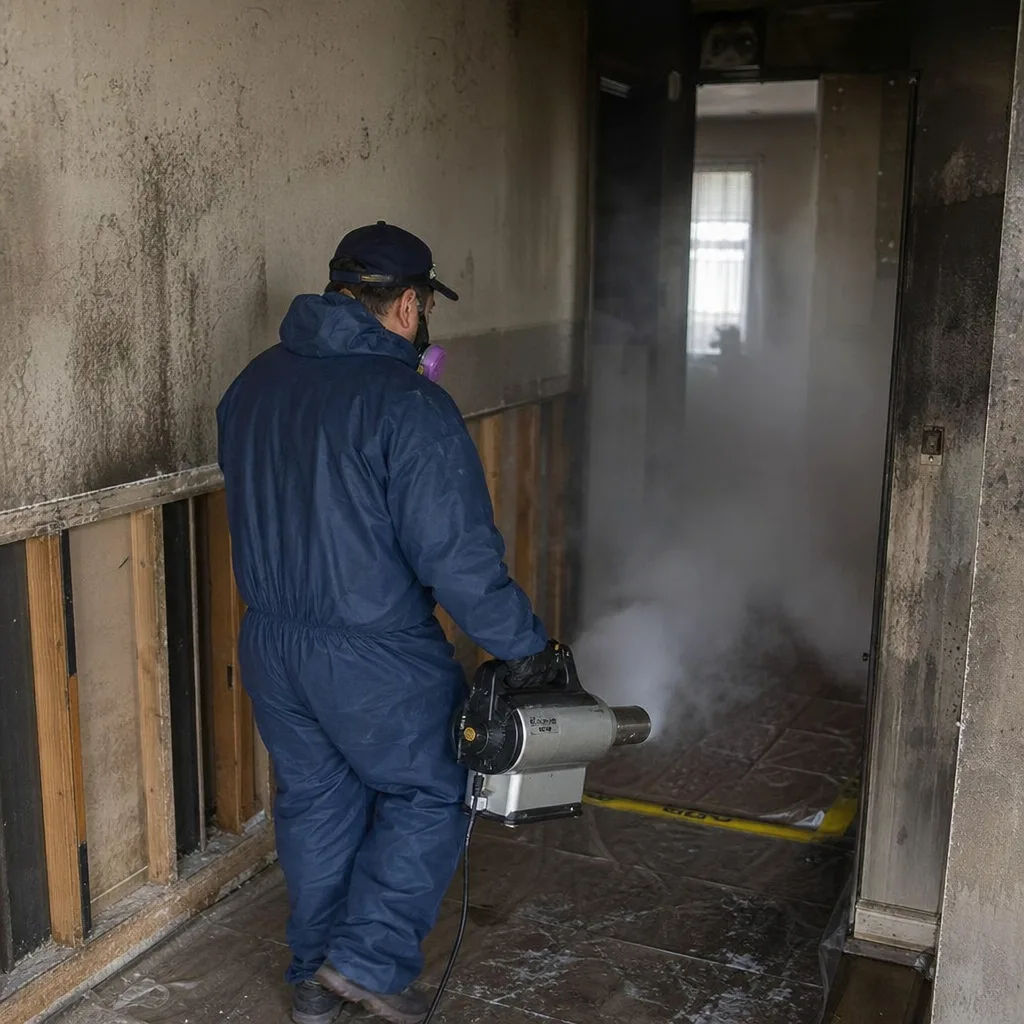
Office & Retail Restoration
For offices and storefronts, we recover inventory, stabilize documents, and dry in place where possible so you keep selling. Where a wall or floor must come out, we schedule the demo around your hours and build the rebuild timeline in writing.
What happens when you call
- 1
A real person answersNo phone trees - you reach a local pro.
- 2
You get an upfront price rangeHonest numbers before anyone is dispatched.
- 3
A background-checked tech heads outLicensed & insured, dispatched right away.
- 4
You approve before work beginsNothing starts until you say go.
Commercial Restoration Costs in St. Albans, NY
A commercial water extraction with drying in St. Albans typically runs $2,800 to $7,500, depending on square footage, water category, and how much of the space is finished. Category 3 sewage backup costs more because containment, biohazard disposal, and full removal of contaminated drywall and flooring are mandatory. Expect $5,000 to $15,000 and up for a finished basement office with a sewer backflow event. Roof leak drying in a retail bay often lands between $3,000 and $8,000. Full reconstruction after a heavy loss runs $15,000 to $60,000 or more, and that is where the written scope and our 90-Day Done Right Promise matter most.
What moves the price in St. Albans specifically: whether the building is a 1940s rowhouse with hidden wall cavities, whether a stop-work risk exists because the basement use is not permitted, and whether the combined sewer pushed Category 3 water into the space. Our inspection is free, and you get a firm, line-item scope before any work starts. That is a square deal. No surprises on the bill.
We Also Serve Cities Near St. Albans
Our crews cover the surrounding southeastern Queens communities daily. If your property sits just over the line, we serve Queens Village, Bellerose, New Hyde Park, and Cambria Heights with the same live-dispatch response, certified crews, and written guarantee.
St. Albans Commercial Restoration Questions, Answered
How does St. Albans’s combined sewer infrastructure change the scope of a commercial water damage job?
St. Albans’s Victorian-era combined sewer system carries sewage and stormwater in the same pipe. During heavy rain, that pipe surcharges and pushes Category 3 black water up through basement floor drains in commercial buildings. A job that looks like a simple water cleanup becomes a biohazard remediation requiring containment, HEPA air scrubbing, and removal of contaminated drywall and flooring. We classify the water on arrival and scope it correctly, because misclassifying storm-driven sewage as Category 2 leads to drying-in-place contaminated material, which means failed clearance testing and a building that stays unsafe. Call (631) 557-5029 if a drain has backed up.
Do I need to check permit status before restoring a flooded basement office in St. Albans?
Yes, and this is one of the most important local nuances we handle. Many finished basements in St. Albans’s 1940s rowhouses were built out without proper DOB permits. If a flood-damaged space carries an illegal dwelling occupancy or unpermitted commercial use, remediation can trigger a DOB stop-work order mid-job. We check the permit status before scoping the work so you are not caught between restoration and code compliance at the worst moment. This is standard practice for our Commercial Restoration team in southeast Queens, and it saves property owners from expensive surprises.
How fast can mold start in a St. Albans commercial space after a roof leak?
Mold colonization can begin in 24 to 48 hours on wet drywall in a warm commercial space. In St. Albans, the flat topography and high humidity after a nor’easter slow evaporation, which extends the window where mold takes hold. If a roof leak or window well flood goes unaddressed for more than a day, expect that remediation scope to include cut-out and mold protocol, not just drying. The faster you call, the more drywall, framing, and inventory we can save. Our crews answer live around the clock at (631) 557-5029.
Can we keep our retail shop open while you dry the back office after a window well flood?
Often yes. We set clear containment barriers, run drying equipment behind the line, and work around your business hours. A window well flood in a St. Albans storefront is typically Category 1 or 2 water if no sewage is involved, and those spaces can usually stay partially operational while we dry. If the water is Category 3 from a backed-up drain, then the affected area must be sealed and the public kept out of the containment zone until clearance is given. We will tell you which path applies within the first half-hour on site.
What should St. Albans property managers do right after a storm before calling a restoration company?
Shut off electricity to any flooded area if it is safe to reach the panel. Do not enter standing water that may be in contact with outlets or equipment. Photograph the damage, including the waterline, and note whether the water came up from a floor drain or down from above, because that distinction drives the water category classification. Then call a restoration company. Do not attempt to drain a combined sewer backup yourself. The longer Category 3 water sits in a commercial space, the more framing, flooring, and drywall must be removed. Our dispatchers are at (631) 557-5029 and will walk you through the first steps while a crew rolls to St. Albans.
How fast can you reach a commercial building in St. Albans?
We commit to a 45-minute dispatch window to St. Albans from the moment your call ends. A live dispatcher gives you a crew’s ETA, not a call-back promise. Most commercial calls in this area see a crew on site within 60 minutes door to door. The first hour after a flood or roof leak determines how much of the building envelope and inventory can be saved, which is why we do not route calls through an answering service.
What certifications do your St. Albans commercial restoration techs hold?
Our technicians are certified to IICRC, RIA, and IFA standards, with specific certifications in Water Damage Restoration (WRT), our Fire & Smoke Damage Restoration in St. Albans (FSRT), and Applied Microbial Remediation (AMRT). Every crew member is background-checked and uniformed. We train apprentices into journeymen instead of plugging gaps with day labor, which is how a company that plans to be in St. Albans in thirty years should operate.
Is commercial restoration in St. Albans more expensive than nearby areas?
Costs run similar to Queens Village and Cambria Heights, but St. Albans carries two cost multipliers neighboring areas often lack. The combined sewer means more Category 3 jobs, which require biohazard containment and tear-out at a higher price point. And the aging rowhouse stock means hidden moisture in wall cavities and between joists that demands more drying time and more equipment than a newer building. Our free inspection gives you a firm scope before any work starts, so the number you see is the number you approve.
Serving St. Albans, NY - Our Local Coverage Area
We’re based in the St. Albans area and know this community well. Use the map below to see our service coverage - if you’re nearby, we can almost certainly help.
Storm and Wind Resilience in St. Albans Commercial Buildings
St. Albans sits exposed to the same nor’easter and tropical remnant wind fields that hit the whole New York metro. But its flat, former wetland terrain means water moves slowly once it lands, and wind damage often becomes a water damage problem within hours. A roof-mounted exhaust fan torn off by a nor’easter left a two-story mixed-use building on Farmers Boulevard with rain pouring through the parapet and into a nail salon below. Our crew set containment, extracted Category 2 water from the drop ceiling, and ran Dri-Eaz LGR 7000XLi dehumidifiers and XPOWER air movers through the night. The shop reopened in 48 hours, before mold could colonize the drywall.
We repair and reinforce commercial doors, windows, and roof penetrations to meet wind-rated standards, not just to patch a leak. A failing commercial door is not a cosmetic issue before a storm. It is the first failure point for wind-driven rain. Post-storm track and panel damage on overhead doors and entry systems gets the same inspection and repair process as any structural loss, documented for your carrier and completed by the same crew that handled the storm response. We stand behind it. The 90-Day Done Right Promise applies to every repair, every rebuild, every door we hang.
Written by Curt Bowman, Owner at Floodline Restoration Co., serving St. Albans, NY with commercial restoration, storm response, and full-cycle rebuild since 2010.