
Free visual inspection and a written scope of work before any mitigation begins - photos, moisture readings, and drying logs go in your claim file
The scope we write is the scope we bill. Anything new gets shown to you, in writing, before we touch it.
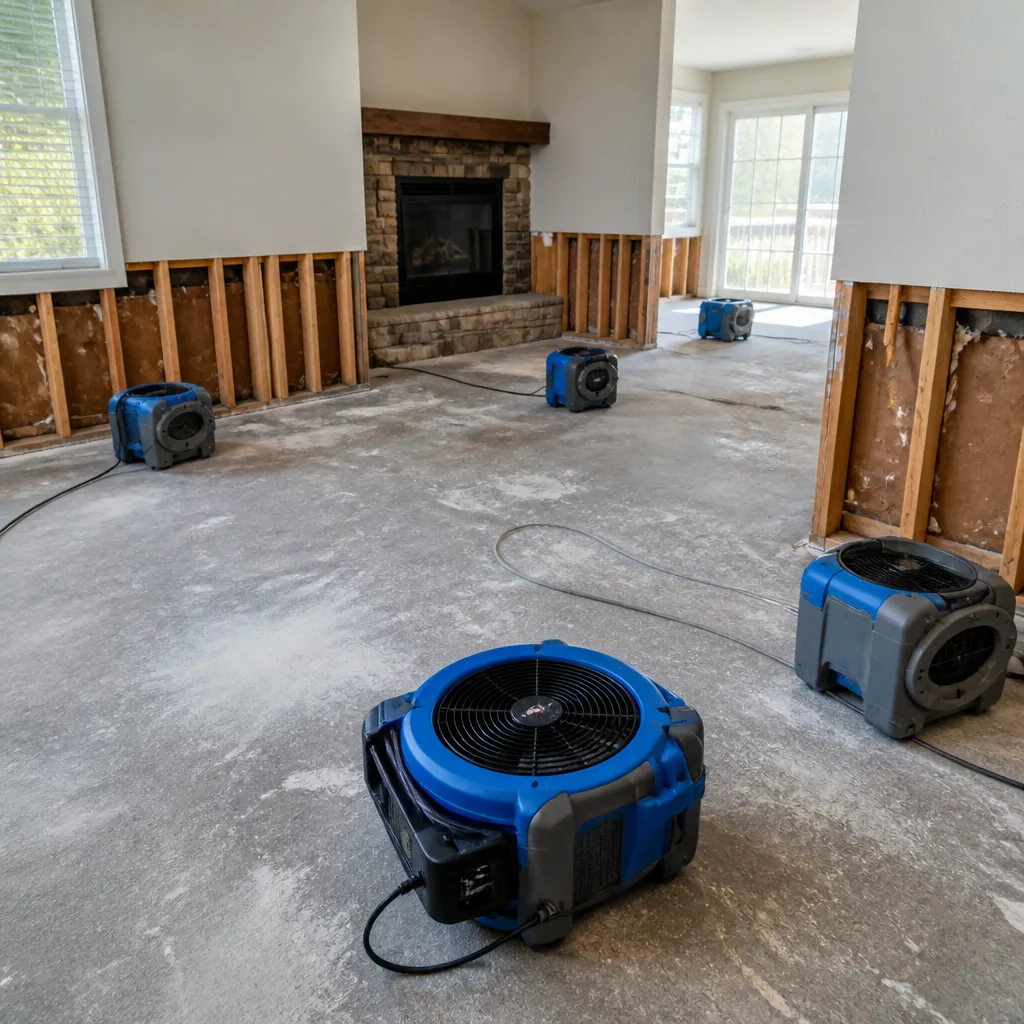
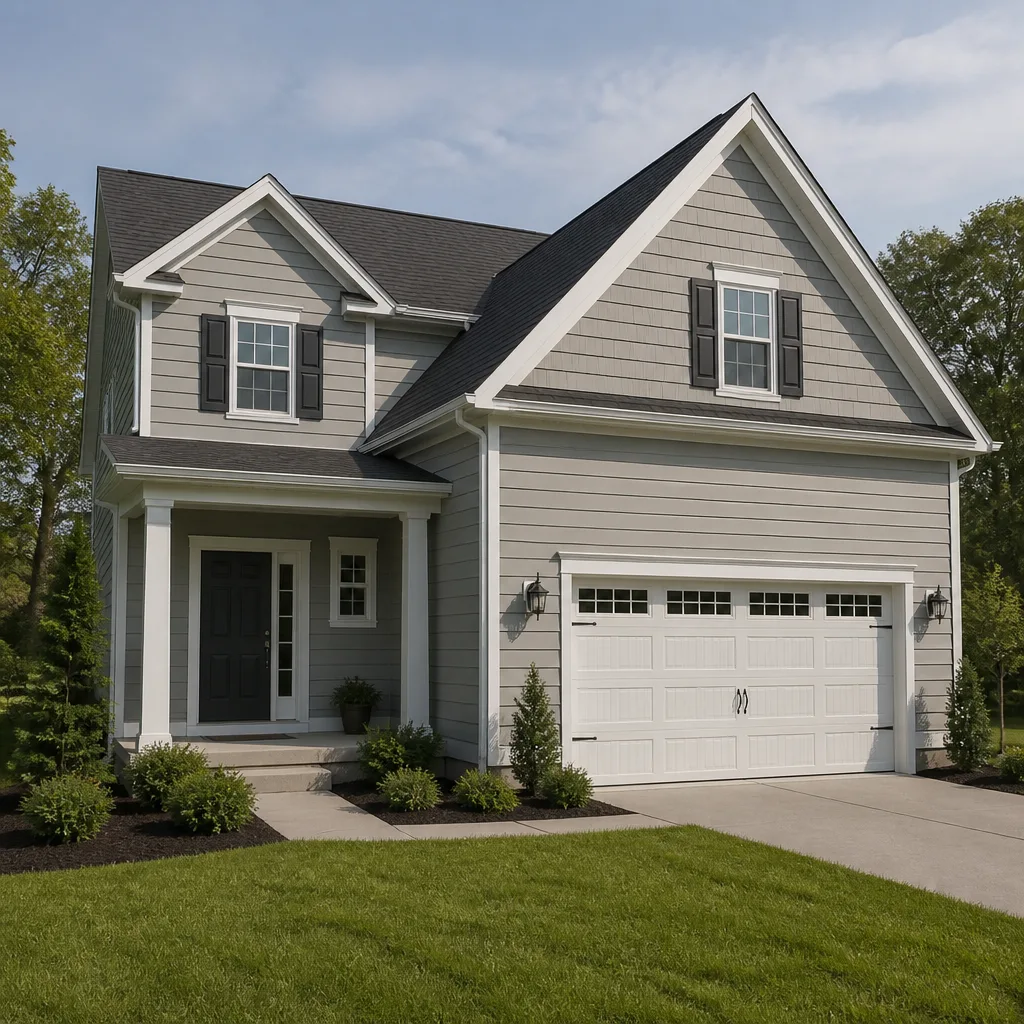
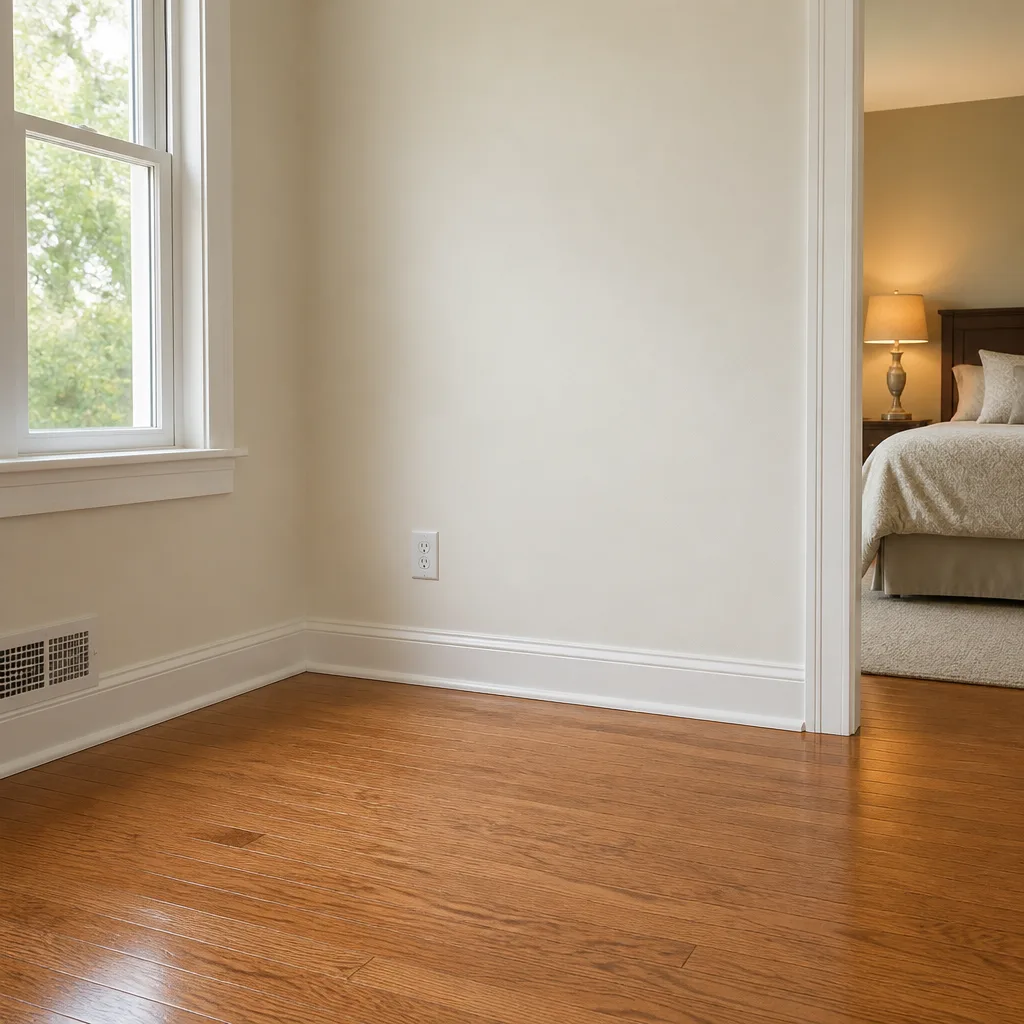
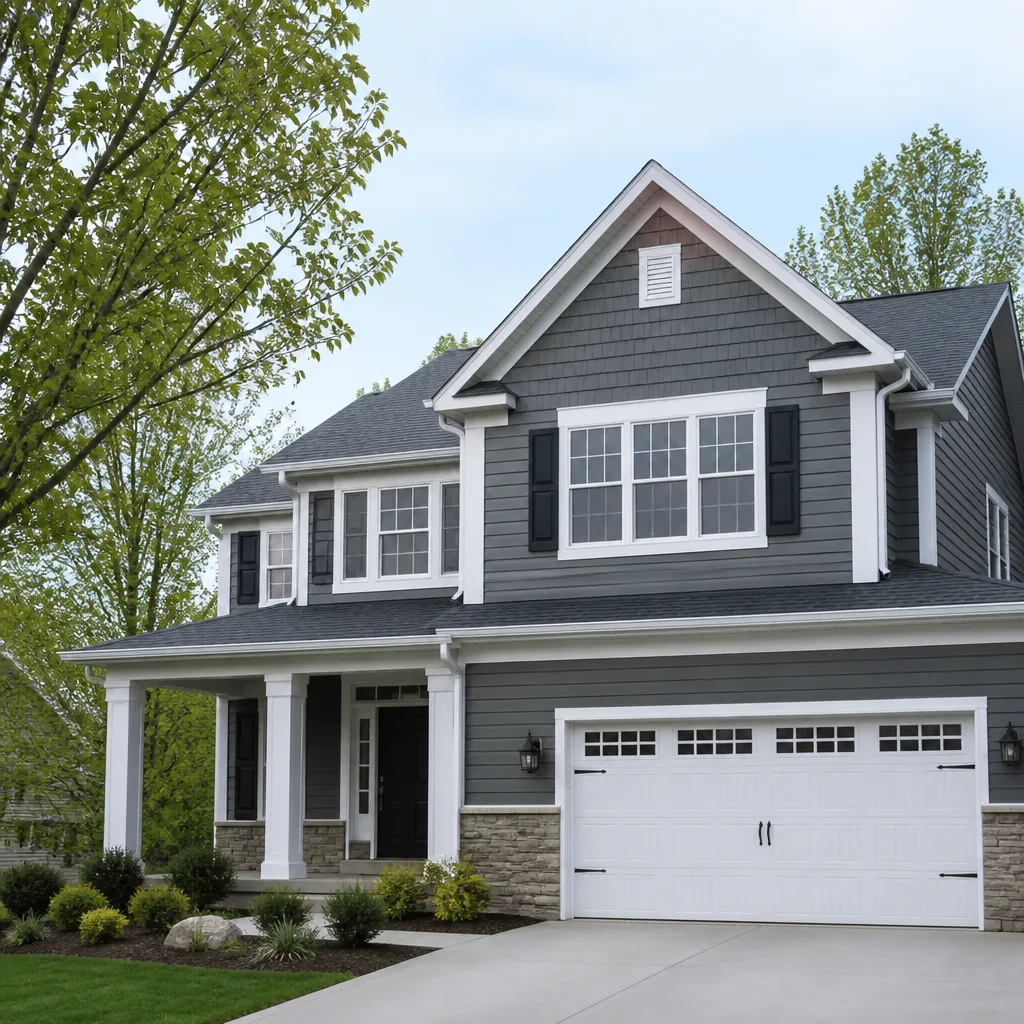
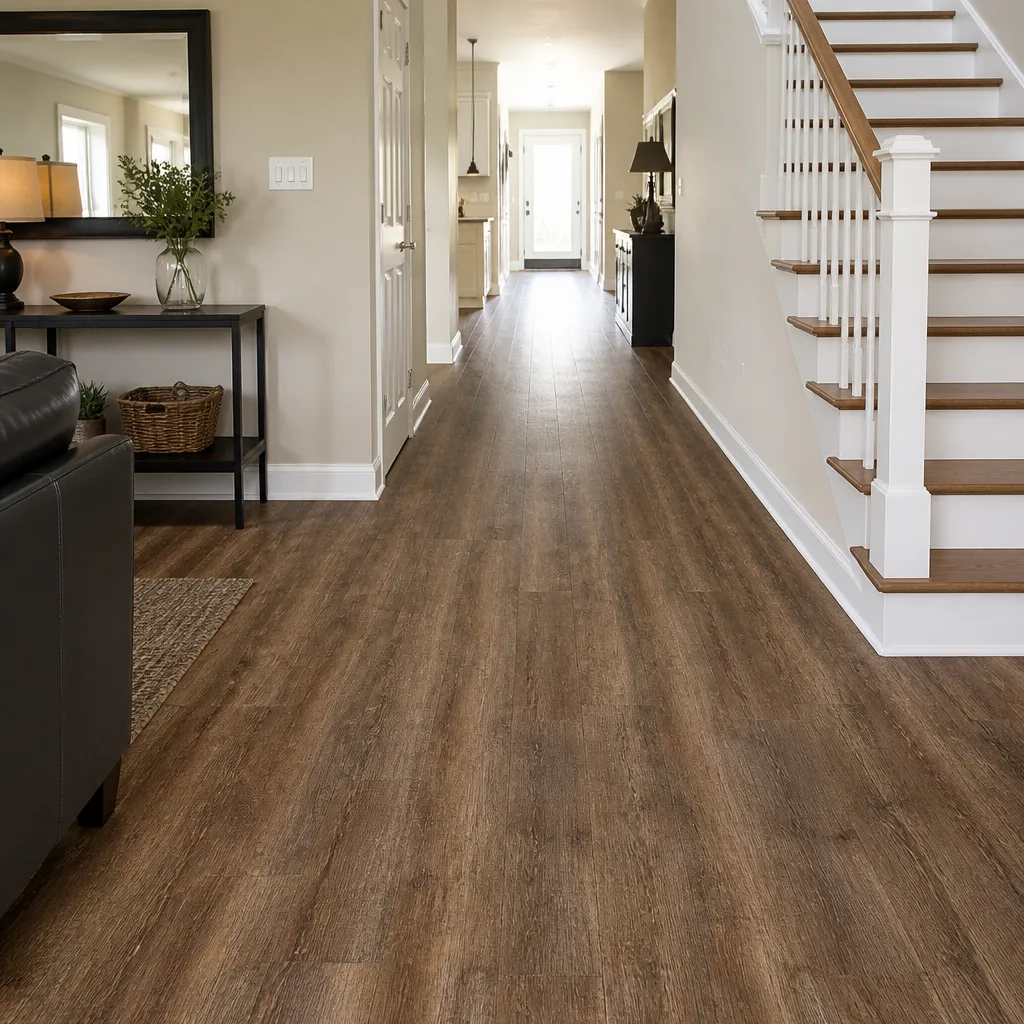
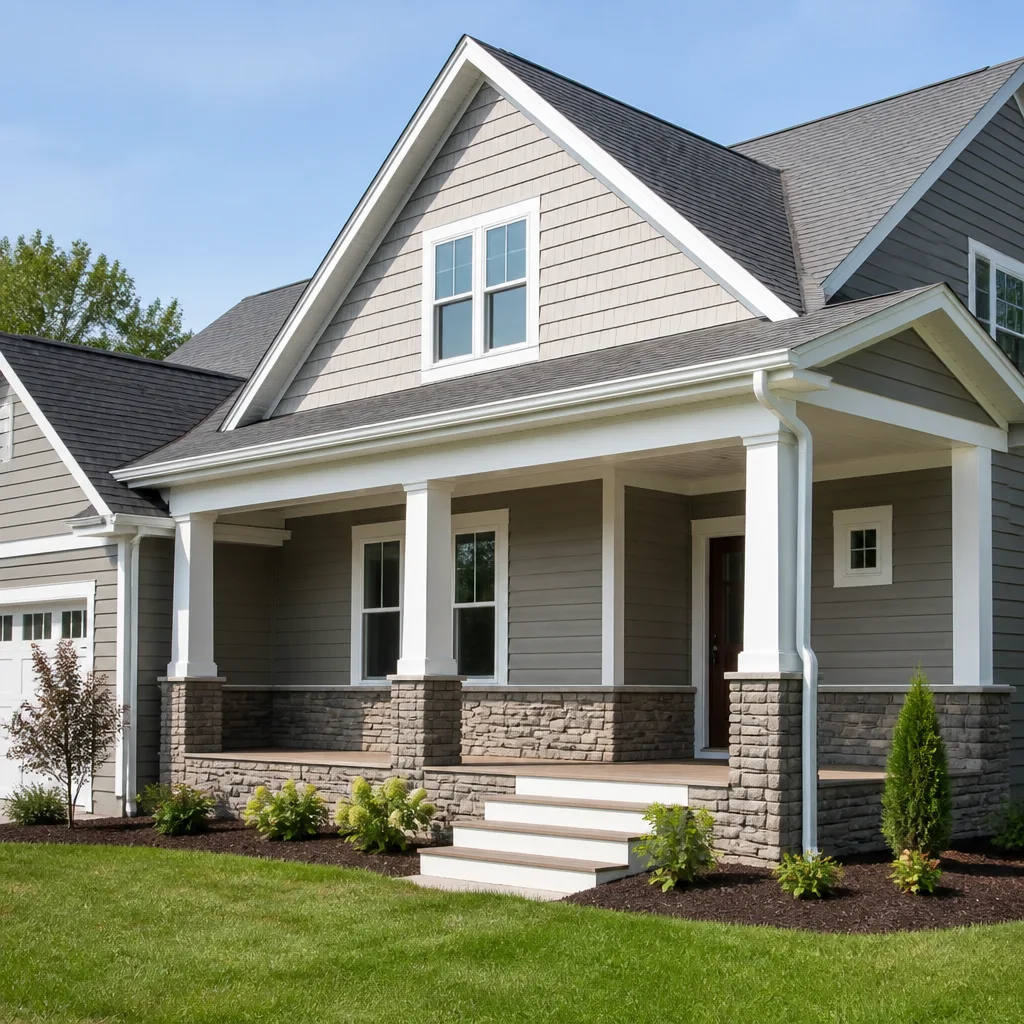
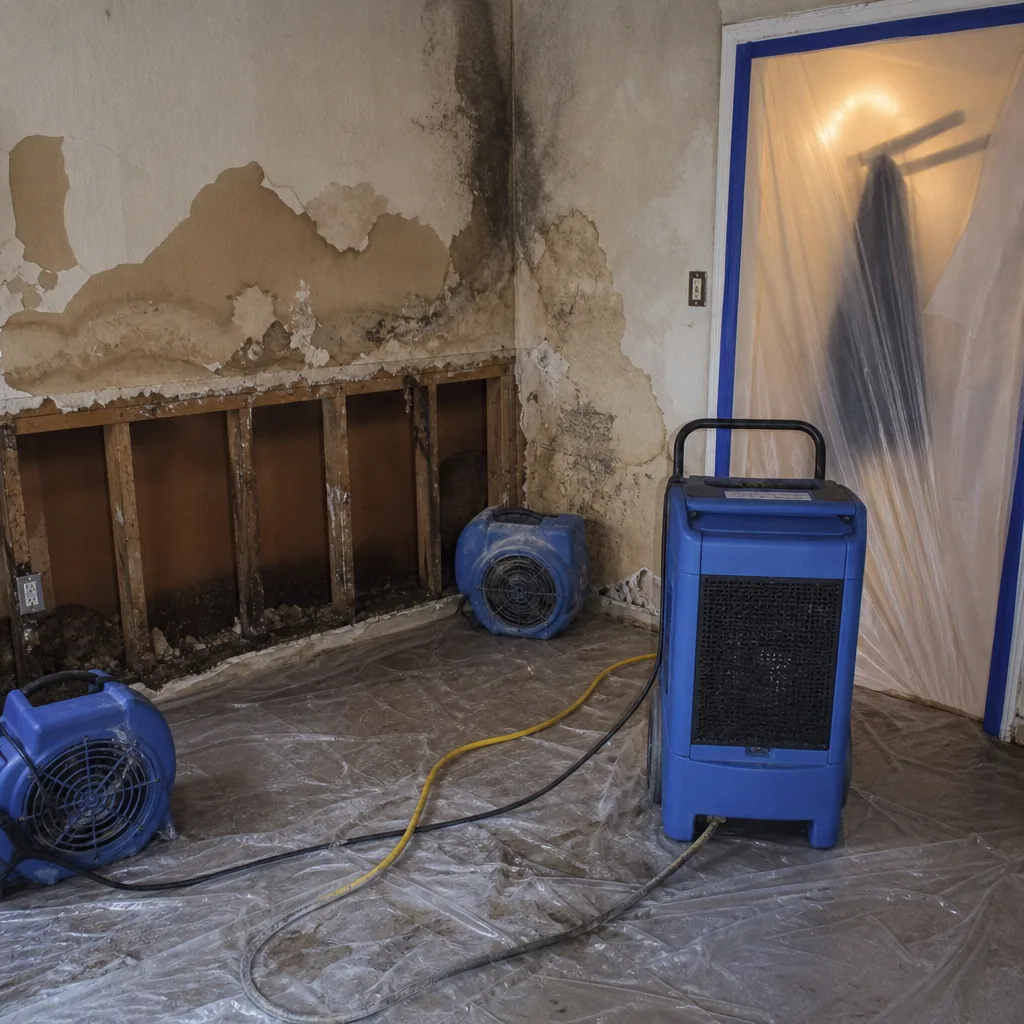 Before
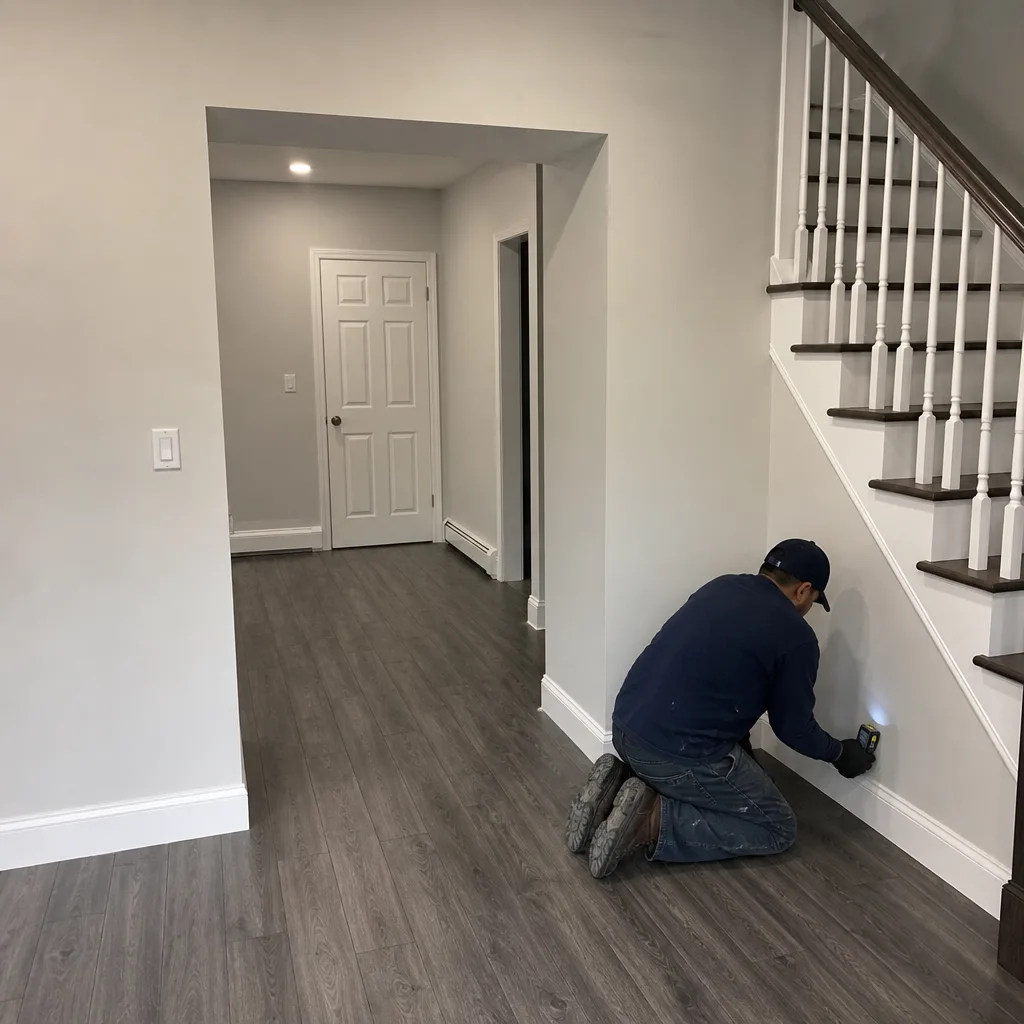 After
After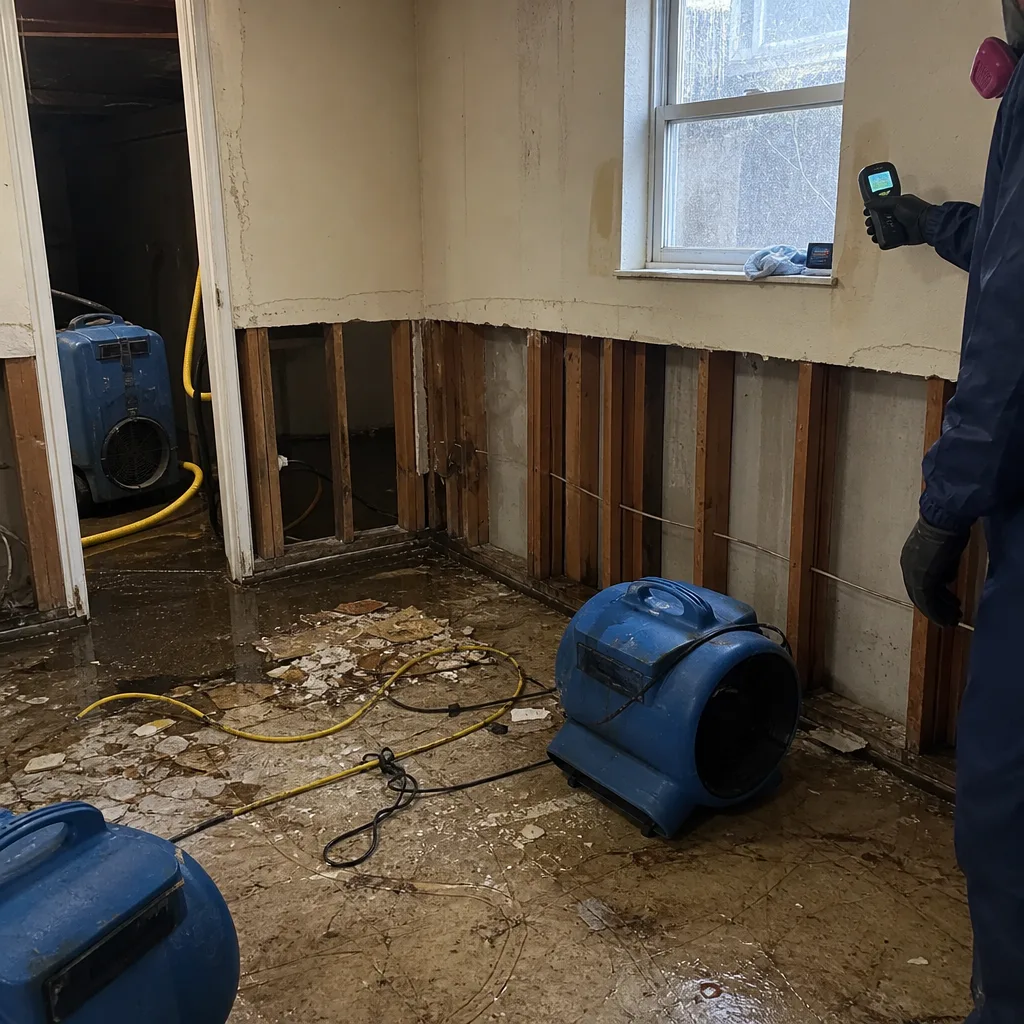 Before
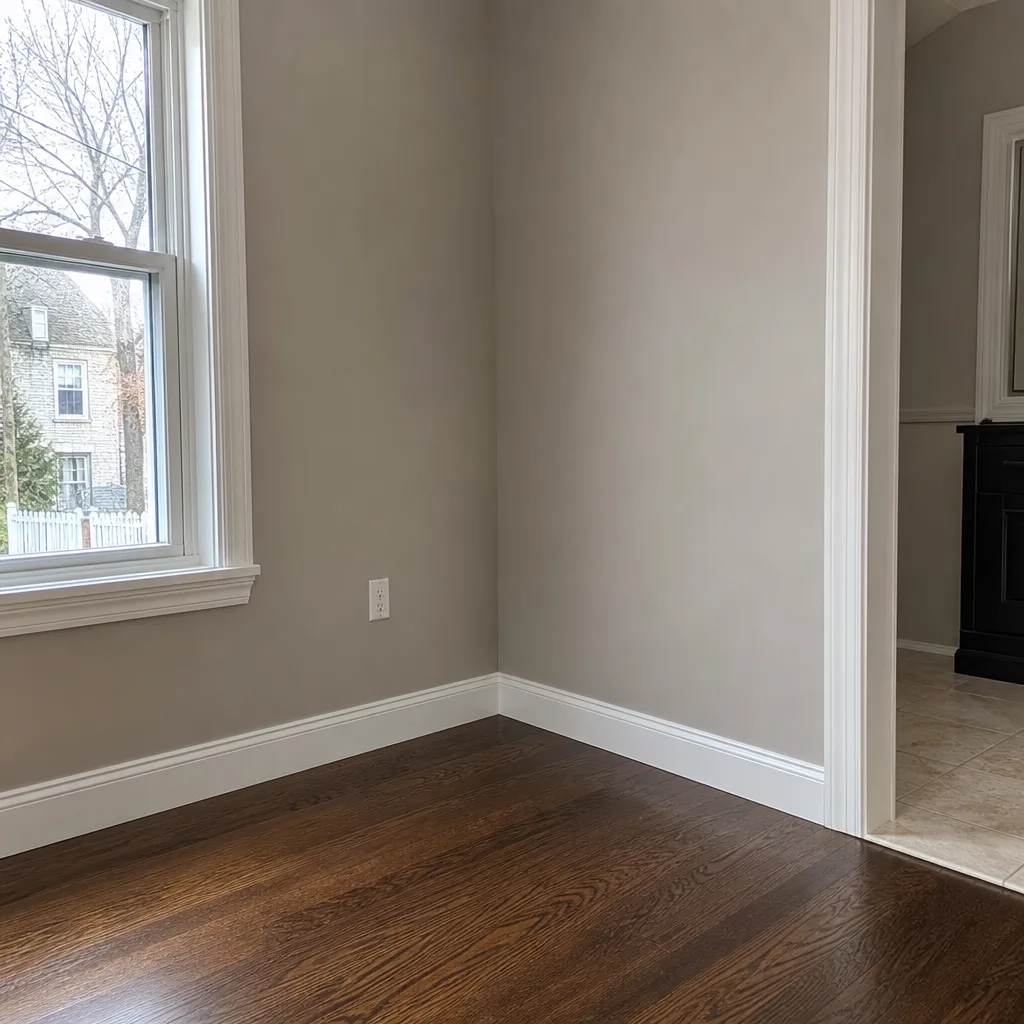 After
After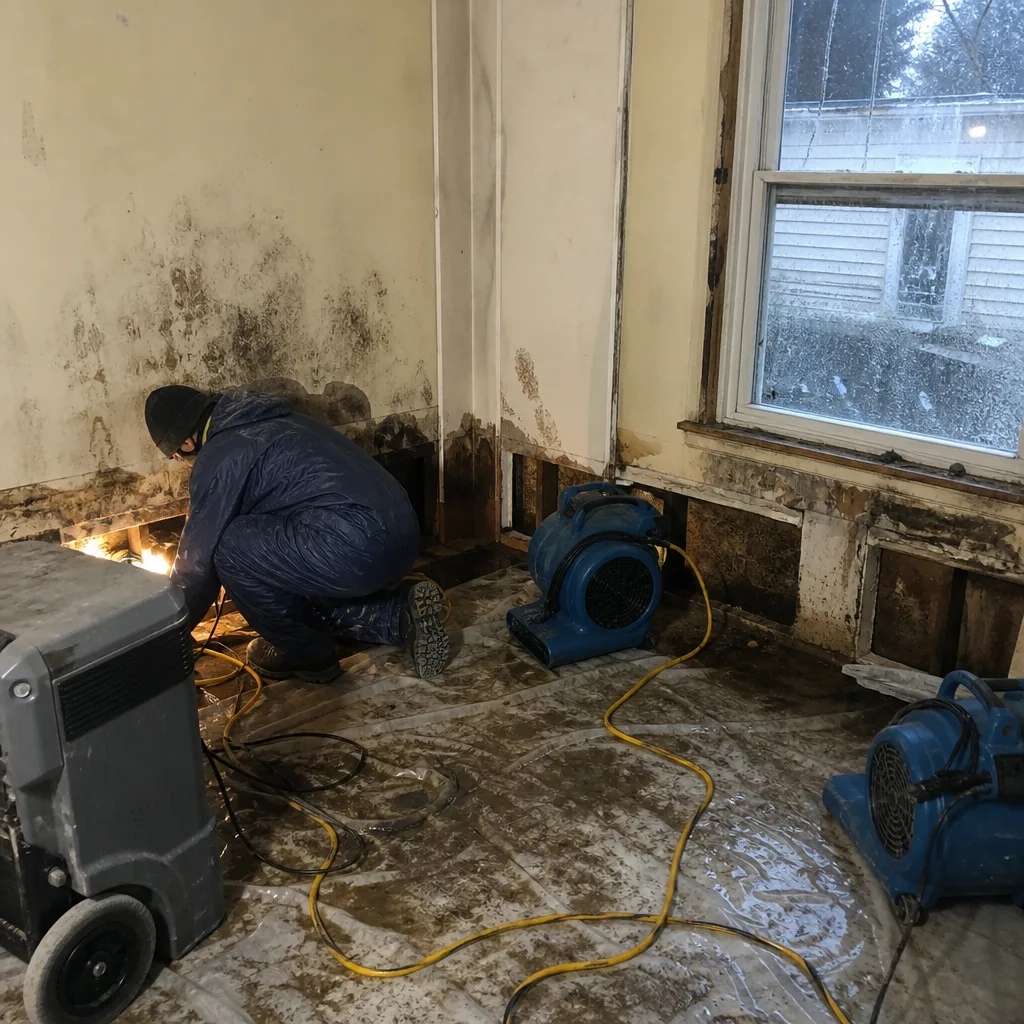 Before
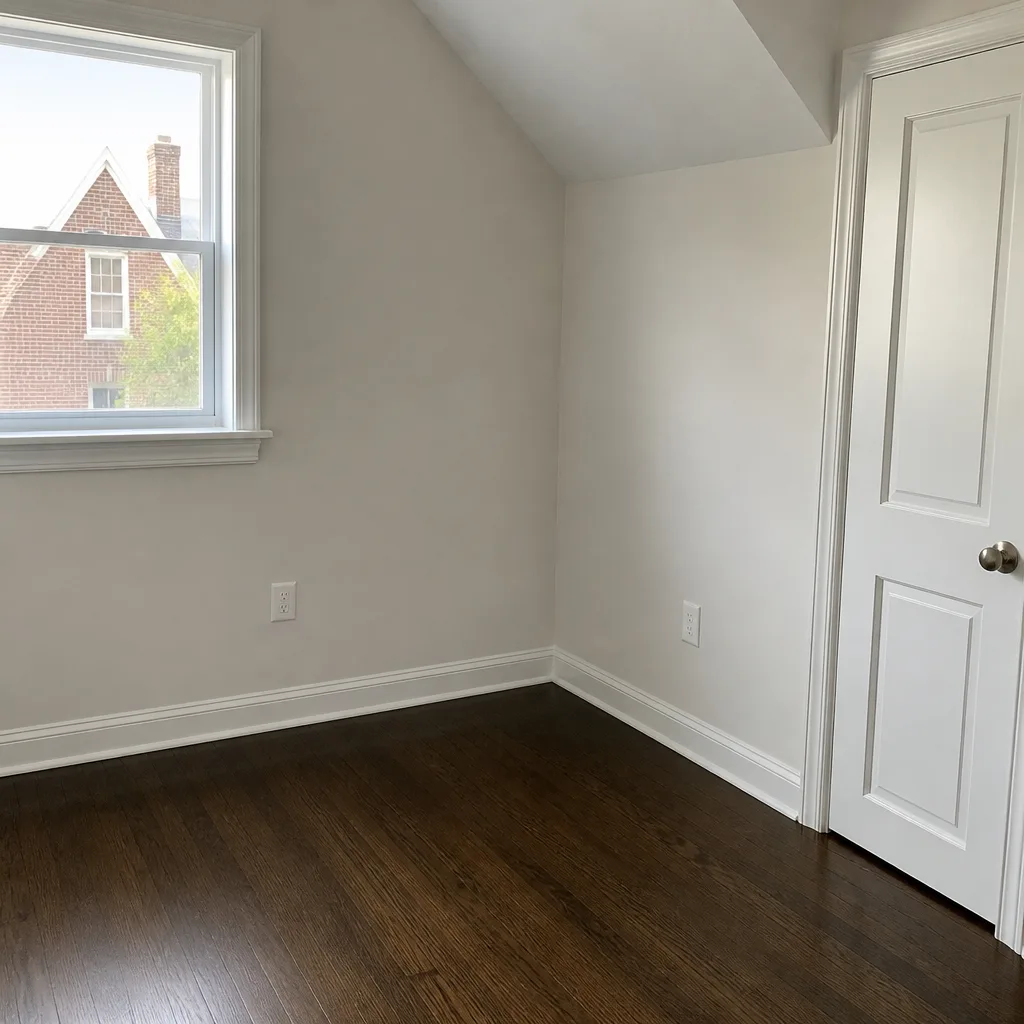 After
After24/7 Emergency Fire & Smoke Damage Restoration in Jamaica
A kitchen fire in a two-family brick house off Sutphin Boulevard doesn’t stay in one apartment. Smoke moves through party walls, up stairwells, into the neighbor’s unit before the first engine rolls. When that happens in Jamaica, you need a crew that understands attached housing stock, not a franchise that treats your loss like a stand-alone suburban build. Floodline Restoration Co. answers live at (631) 557-5029, around the clock, every day of the year. A certified crew from our NYC dispatch desk reaches Jamaica neighborhoods like South Jamaica, Hollis, and the corridor along Hillside Avenue fast, because we keep restoration teams staged locally. The first hour after a fire matters. Soot etches surfaces it sits on. Smoke odor settles into drywall, framing, and contents. Water from fire suppression seeps through floors and wicks into shared masonry. Our Fire & Smoke Damage Restoration team arrives, walks the entire structure including the unit next door, and starts containment before demolition begins. That early work protects what can be saved and keeps the damage footprint from spreading into a second claim.
Understanding Fire & Smoke Damage Restoration Severity in Jamaica Properties
Fire damage in Jamaica’s housing stock is rarely a single apartment problem. Most of the homes here are attached and semi-detached brick two-family buildings put up between the 1920s and 1950s. Shared masonry party walls, common joist bays, and finished basement units below street grade mean smoke, heat, and fire-suppression water don’t respect the property line. We classify what we find by damage type and severity. Soot residue falls into categories based on what burned and how far it traveled: dry protein soot from food fires, oily hydrocarbon soot from plastics and synthetics, and furnace puff-back residue that coats every flat surface in a fine gray film. Smoke migration in attached structures is driven by pressure differences between units. The warmed air in the fire unit rises, pushing smoke into any gap in the shared wall, around pipe penetrations, under baseboards, and through electrical boxes. Fire-suppression water gets classified separately, using the same Category 1/2/3 system we use for water losses. Clean water from sprinklers or fire hoses is typically Category 1, but it can degrade quickly once it contacts soot, ash, and burned building materials. We document all of it, because the classification drives whether we dry, clean, or remove each surface.
Why Jamaica Property Owners Choose Floodline Restoration Co.
- Live answer, always. Someone picks up at (631) 557-5029 at 2 a.m. or 2 p.m. Not a recording. A dispatcher who knows Jamaica’s neighborhoods and can route a crew immediately.
- Crews that know attached brick housing. We check the party wall, the basement unit, and the neighbor’s side before we call a scope complete. That’s not standard. That’s Jamaica-specific.
- IICRC-certified technicians. Our crews hold FSRT and WRT certifications, the standard for fire and water restoration. Uniformed, background-checked, and trained to RIA and IFA standards.
- Free visual inspection. We walk the whole structure with you, explain what we’re seeing in plain language, and put the scope in writing before work starts. No pressure, no surprises.
- Direct insurance billing. We document everything from hour one, build industry-standard estimates, and talk to your adjuster directly. You don’t carry messages between us and the carrier.
- One team from extraction to rebuild. We don’t hand the job off to a sub after mitigation. The same crew that pulls smoke-damaged drywall rebuilds the wall, paints it, and stands behind it with our 90-Day Done Right Promise in writing.
Our Fire & Smoke Damage Restoration Process
Inspection & Assessment
We walk the fire unit and the adjacent structure, including the shared party wall and any basement spaces. Thermal imaging finds heat-damaged framing that looks fine from the outside. We document everything with photos and moisture readings.
Extraction & Stabilization
Standing water from fire suppression comes out first, using truck-mounted extraction and portable units. We secure the structure with board-up and tarping as needed, and set containment barriers to stop soot and odor from migrating further.
Drying & Dehumidification
Dri-Eaz and Phoenix air movers and dehumidifiers run on a moisture map we establish on day one. Daily readings are logged until every affected material hits the dry standard. In Jamaica’s attached brick homes, we dry both sides of the party wall, not just the fire unit.
Cleaning & Sanitization
Soot removal differs by surface. We use HEPA vacuums on porous materials, chemical sponges on painted surfaces, and specialized agents on oily residue. HEPA air scrubbers run continuously to pull airborne particles out of the breathing space.
Odor Removal & Deodorization
Smoke odor trapped in structural cavities requires more than masking. We use thermal fogging, hydroxyl generators, and in severe cases, sealants on charred framing. The goal is no detectable smoke smell, not a cover scent.
Repairs & Restoration
Salvageable surfaces get refinished. Damaged drywall, insulation, and framing come out and get replaced. If the fire exposed an unpermitted basement buildout, we document what’s there and rebuild to code. The job isn’t done until the wall is painted and the odor is gone.
Need Emergency Fire & Smoke Damage Restoration in Jamaica Now?
Crews minutes away, answering live 24 hours a day. The sooner we start, the less it costs.
Working With Your Insurance Company
We’ve handled fire claims in Jamaica’s 11405, 11424, and 11425 ZIP codes long enough to know what carriers need and what slows a claim down. Documentation is everything. We start photographing before we touch anything. Every room, every surface, every piece of damaged contents, cataloged and timestamped. Our moisture readings, drying logs, and daily progress notes go into a file your adjuster can review. We write line-item scopes that match industry-standard pricing, which means fewer back-and-forth negotiations. And our team talks directly with your carrier’s adjuster, so you’re not the one making phone calls between two parties who should be talking to each other. If the fire exposed undisclosed or unpermitted work in a basement apartment, we document that carefully too, because it affects the claim scope. A square deal means no surprises on the bill and no homeowner playing messenger.
What We Provide Your Insurer
- Thorough documentation of the loss
- Photos of all damage, room by room
- Moisture readings and drying logs
- A detailed, line-item scope of work
- Direct coordination with your carrier
Built for Jamaica’s Loss Calendar
Fires in Jamaica follow patterns. Winter brings space heater overloads in older two-family homes, where the original wiring wasn’t designed for modern electrical demand. January and February see kitchen fires from unattended cooking, the number one cause in attached brick housing where a stovetop fire in one unit becomes a two-unit event through the shared wall. Spring brings the sewage backflow problem Jamaica knows too well: a heavy rain event overwhelms the combined sewer system along the Sutphin Boulevard and Merrick Boulevard corridor, sending Category 3 water into basements, and if that basement sits below the fire line, a previous fire loss becomes a compounded biohazard job. Summer thunderstorms push power surges through older panels, and window A/C units in 1920s and 1930s houses draw current through wiring that hasn’t been upgraded since Nixon was president. Nor’easters in fall and early winter bring the added risk of water intrusion after a fire, when a tarped roof or boarded window meets 40-mile-per-hour wind. We plan for all of it. Our crews in Jamaica keep drying and containment equipment staged locally, because the call volume doesn’t wait for rush hour.
Fire & Smoke Damage Restoration Across Jamaica’s Neighborhoods
The response route to a fire in South Jamaica along Rockaway Boulevard isn’t the same as a fire in a mixed-use building on Hillside Avenue, and the building types change what we bring. South Jamaica’s block after block of brick two-family homes means we’re checking the attached neighbor’s unit before we open any walls. The homes around Baisley Pond, many built in the 1920s and 1930s, carry original lathe-and-plaster under painted layers, and smoke penetrates plaster differently than modern drywall. Up around Rufus King Park, the larger detached homes and a few older apartment buildings need a different containment strategy, because common hallways spread smoke to six or eight units from a single kitchen fire. The commercial strips along Jamaica Avenue and Merrick Boulevard bring their own challenges: storefront fires in buildings with apartments above them, where a sign company’s fire becomes three families’ smoke damage. And in the residential blocks between Liberty Avenue and South Road, finished basement rental units mean a fire on the first floor sends smoke down into living spaces we have to clear before anyone moves back in. We’ve driven every one of these routes, and we know where the hydrants are.
Specialized Fire & Smoke Damage Restoration Services We Offer in Jamaica
Fire Damage Cleanup
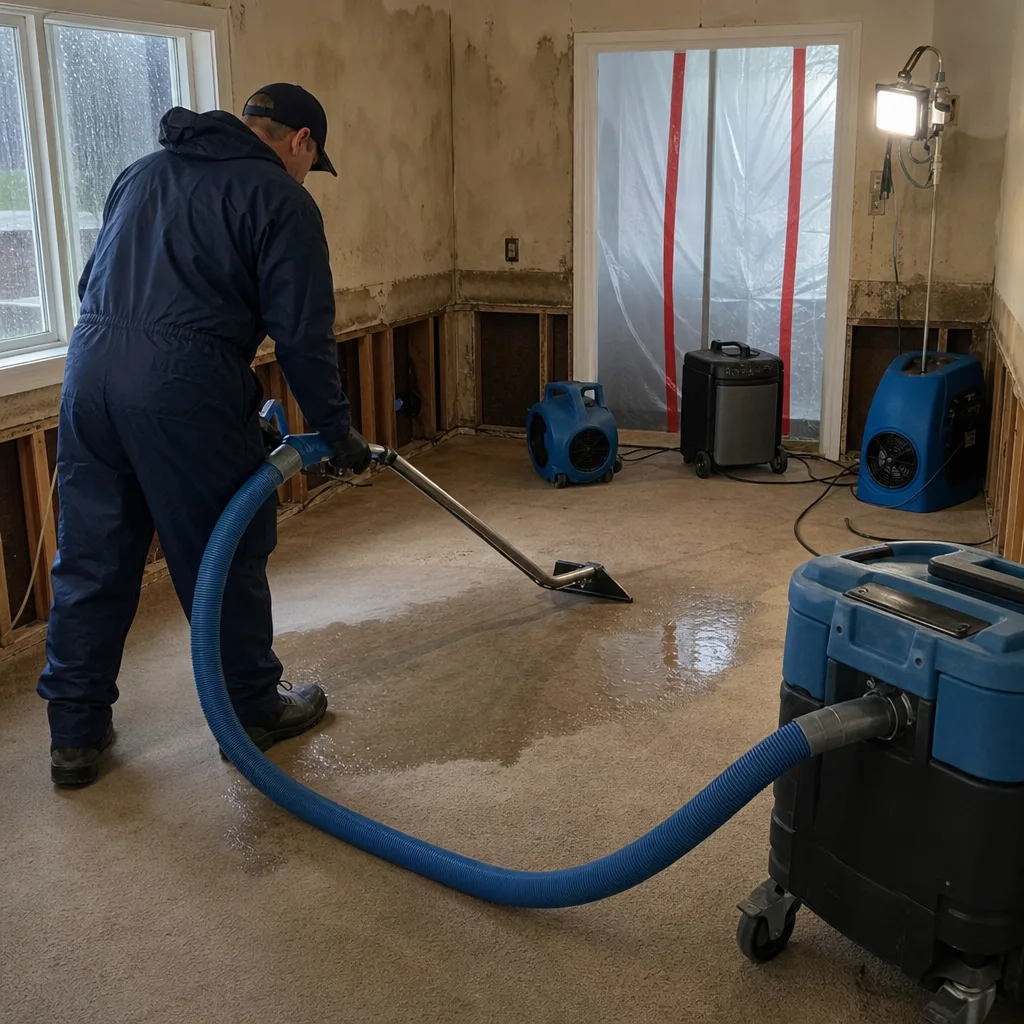
After a fire in a Jamaica two-family home, the burned materials have to come out before drying and cleaning can start. We remove charred drywall, insulation, and contents that can’t be saved, bag and catalog everything for the adjuster, and prep the space for reconstruction. In attached homes, that often means opening the party wall to check the neighbor’s studs for hidden char.
Smoke & Soot Removal
Soot bonds to surfaces within hours, and the residue type determines the cleaning method. Protein soot from a kitchen fire needs different agents than the oily black residue left by burning synthetics. We clean every paintable surface, including the backside of baseboards and the inside of electrical boxes, which is where the smell hides in older Jamaica homes.
Odor Removal & Deodorization
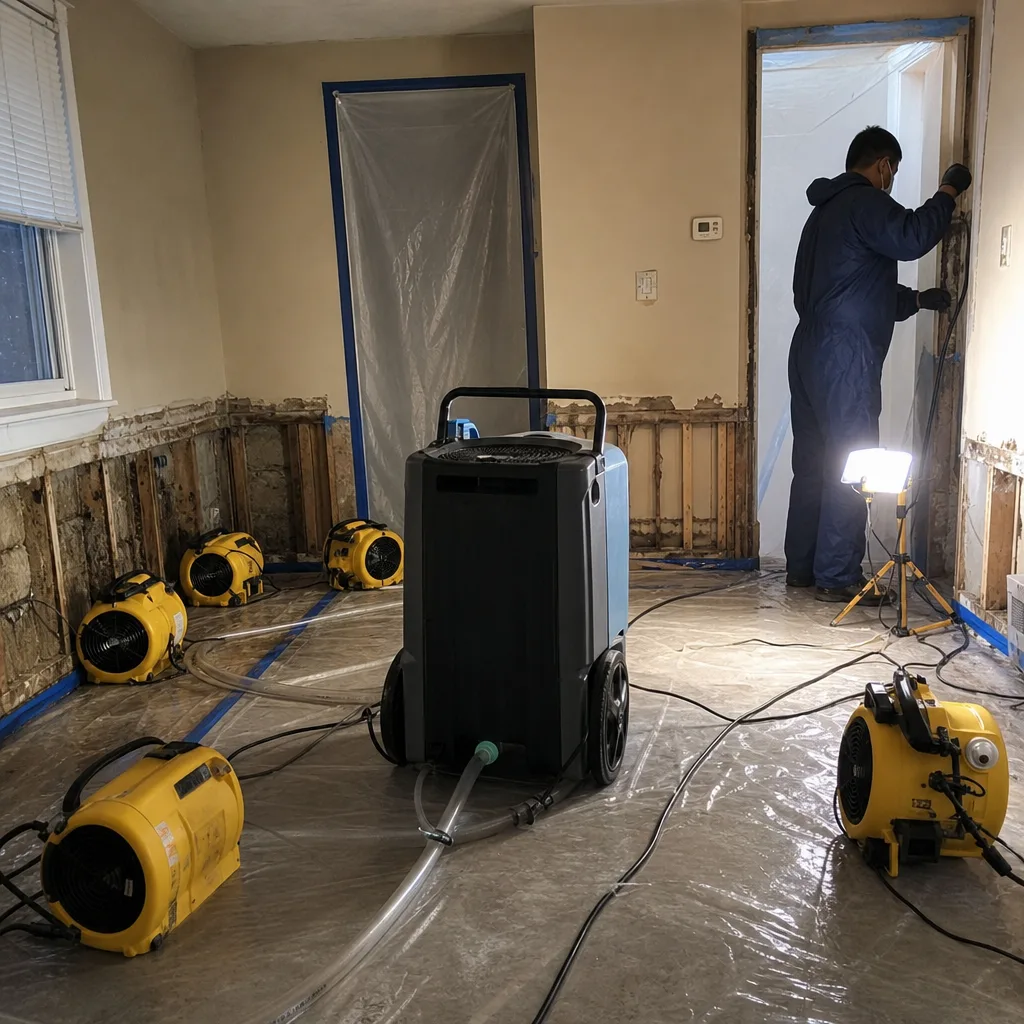
We use hydroxyl generators and thermal fogging in contained spaces, not just air fresheners. In brick two-family houses, odor travels through shared wall cavities and common joist bays, so deodorization has to treat the neighbor’s unit too. We don’t stop until the smoke smell is undetectable to a fresh nose, not just masked under a chemical cover.
Contents Cleaning & Pack-Out
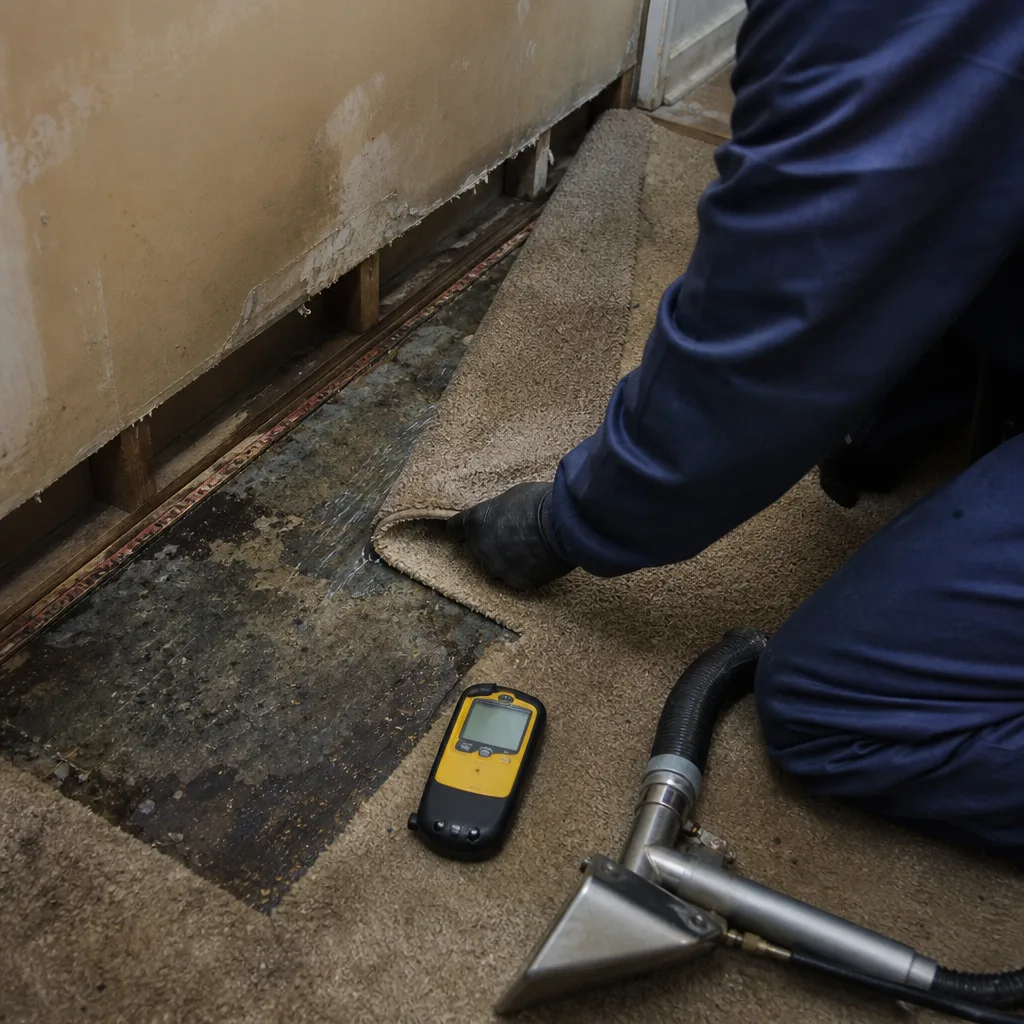
Furniture, clothing, and personal items from a fire unit go to a secured cleaning facility where we document, clean, and store everything. Porous items like upholstery and books need specialized treatment. We keep a running inventory for your adjuster, and nothing moves without a manifest.
Emergency Board-Up & Tarping
A burned window or open roof cavity in Jamaica invites more than weather; it invites a break-in. We board up and tarp the structure on the first visit, using hurricane-rated fasteners when wind is expected. On historic storefronts with original multi-pane transom windows, we board without damaging the window frames or the surrounding masonry.
Structural Fire Repair
Once mitigation is done, we rebuild. Framing, drywall, flooring, and finishes go back under our supervision. We handle the permit process with the NYC Department of Buildings, coordinate with your co-op or attached neighbor when party wall work is required, and the finished job carries the 90-Day Done Right Promise in writing.
What happens when you call
- 1
A real person answersNo phone trees - you reach a local pro.
- 2
You get an upfront price rangeHonest numbers before anyone is dispatched.
- 3
A background-checked tech heads outLicensed & insured, dispatched right away.
- 4
You approve before work beginsNothing starts until you say go.
Fire & Smoke Damage Restoration Costs in Jamaica, NY
Jamaica pricing reflects the attached housing stock and the scope expansion that comes with shared walls. A minor stovetop fire with light smoke in a single unit typically runs $3,000 to $8,000 for cleanup, deodorization, and repainting. A kitchen fire that opens the party wall and involves the neighbor’s unit runs $12,000 to $30,000, depending on how much framing and drywall comes out and whether basement space was affected. Full fire restoration on a two-family brick house with structural damage can reach $50,000 to $100,000 or more, especially when unpermitted basement buildouts hide smoke damage that requires additional demolition. Insurance typically covers most of this, minus your deductible. What moves the price: how far smoke migrated, whether the party wall opened up, what category the fire-suppression water is, and how much of the original 1920s-1950s building material has to be replaced to match. We give free visual inspections, and the scope is in writing before any work begins. Call (631) 557-5029 for a firm number on your loss.
We Also Serve Cities Near Jamaica
Floodline Restoration Co. responds to fire and smoke calls throughout southeast Queens. We serve Hollis, Fresh Meadows, Cambria Heights, and Queens Village, in addition to every Jamaica ZIP code: 11405, 11424, and 11425. Same live answer, same certified crews, same standard of work.
Serving Jamaica, NY - Our Local Coverage Area
We’re based in the Jamaica area and know this community well. Use the map below to see our service coverage - if you’re nearby, we can almost certainly help.
Jamaica Fire & Smoke Damage Restoration Questions, Answered
How does a fire next door affect our Jamaica attached brick house if our unit wasn’t burned?
A fire in the attached unit sends smoke through the shared party wall, into common joist bays, and through any gap around pipes, wiring, or baseboards. Even if your side never saw flames, the studs and drywall can carry smoke residue and odor. We check the shared wall first, before we touch anything, and the answer usually involves opening at least part of that wall.
Do we need Category 3 protocols for the water used to put out a fire in Jamaica?
Fire-suppression water usually starts as Category 1, clean water from the hose or sprinkler. But once it contacts soot, ash, and burned materials, it degrades. If the fire happened in a basement below the sewer line during a rain event, the water may already be Category 3 from sewage backflow. We test and document before deciding whether to dry or remove. Our Jamaica crews carry the full range of PPE and containment gear either way.
Our basement apartment smells like smoke weeks after the fire in the unit above. Why didn’t the first crew catch it?
In Jamaica’s finished basement rentals, smoke hides behind drop ceilings, added partition walls, and subfloor buildouts that were never on the original floor plan. A visual inspection after the fire looks clean, but charred framing above the drop ceiling or behind a partition wall keeps off-gassing. We find it with thermal imaging and open the concealed spaces, then dry and deodorize what’s actually there. Call us at (631) 557-5029 and we’ll find what the first crew missed.
Can you board up our Jamaica storefront after a fire without hitting any original multi-pane transom windows?
Yes. We board from the inside where possible, anchoring to the jamb and mullion rather than the glass. On older storefronts along Jamaica Avenue or Merrick Boulevard, we set the board clear of the transom and secure it to the frame, so the historic window survives the burnout and can be restored instead of replaced.
How long does structural drying take after a fire in a brick two-family house in Jamaica?
Typically three to seven days for the affected unit, longer if the party wall wicked water into the attached neighbor’s framing. Brick masonry holds moisture and releases it slowly, so we keep air movers and dehumidifiers running on both sides until daily readings hit the dry standard. We hand you the moisture log, not just a verbal assurance.
How fast can someone actually get to our Jamaica address?
Our crews are staged in and around Queens, and dispatch routes them immediately when you call (631) 557-5029. In most Jamaica neighborhoods, we’re on site in under an hour. If it’s an active emergency, start with 911, then call us. The first hour with a fire loss is when soot etches surfaces and odor penetrates porous materials, so we move without a sales call, without a site visit fee, and without delay.
Does insurance cover fire and smoke damage in an attached neighbor’s unit?
This gets complicated fast. Your policy typically covers your unit. The neighbor’s policy covers theirs. But when smoke from a fire in Unit A migrates into Unit B through the shared wall, the answer depends on policy language, subrogation, and whether the loss is judged to originate on one side of the line. We document exactly where the damage sits, how it got there, and what it will take to fix it. Our team coordinates directly with both adjusters when needed.
What should I do in the first 30 minutes after a fire in a Jamaica home?
Get everyone out, call 911 if you haven’t already, and don’t re-enter until the fire department releases the scene. Then call Floodline Restoration Co. at (631) 557-5029. Take photos from outside if you can, but don’t open walls, don’t wipe soot, and don’t turn on ceiling fans or HVAC, which spread particulate. The less disturbance before we arrive, the more surface we can clean rather than replace.
Written by Curt Bowman, Owner at Floodline Restoration Co., serving New York City and Jamaica’s 11405, 11424, and 11425 ZIP codes with fire and smoke restoration since 2010.