
Free visual inspection and a written scope of work before any mitigation begins - photos, moisture readings, and drying logs go in your claim file
The scope we write is the scope we bill. Anything new gets shown to you, in writing, before we touch it.
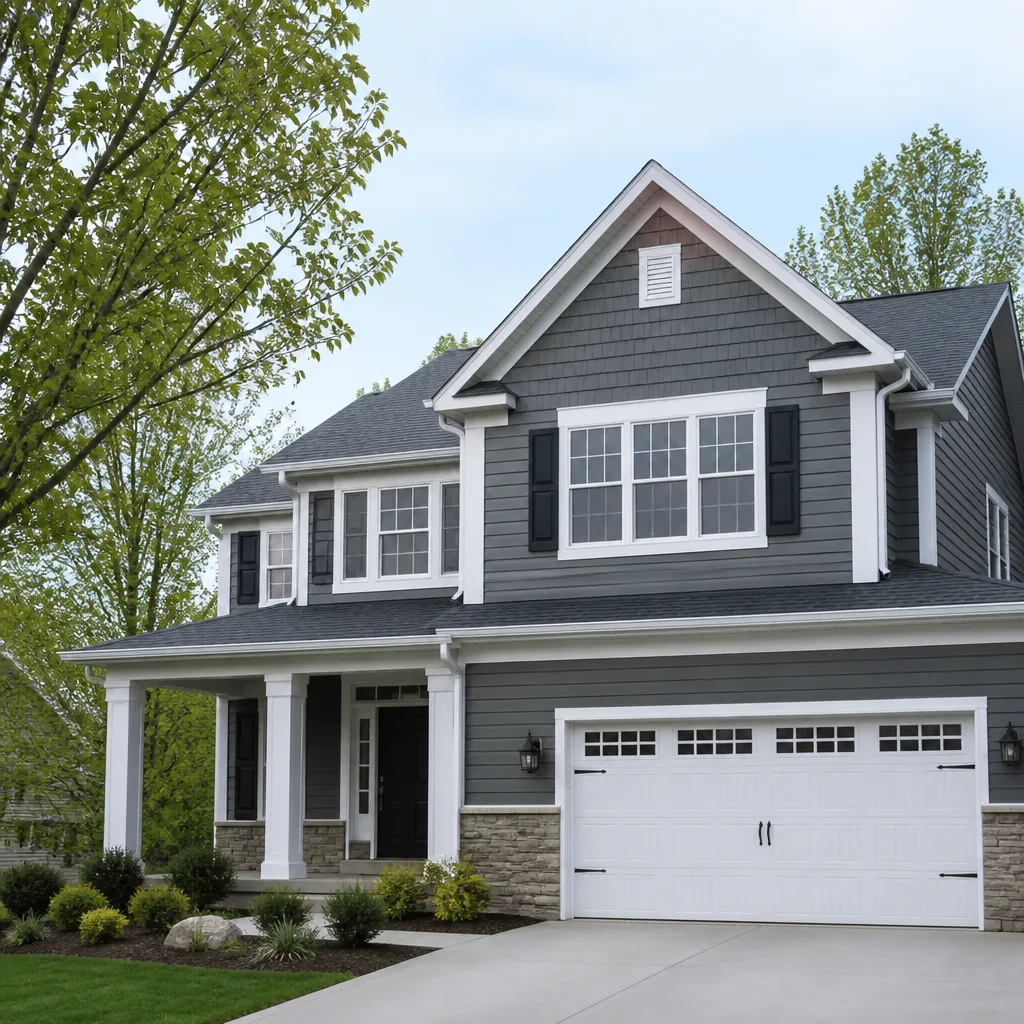
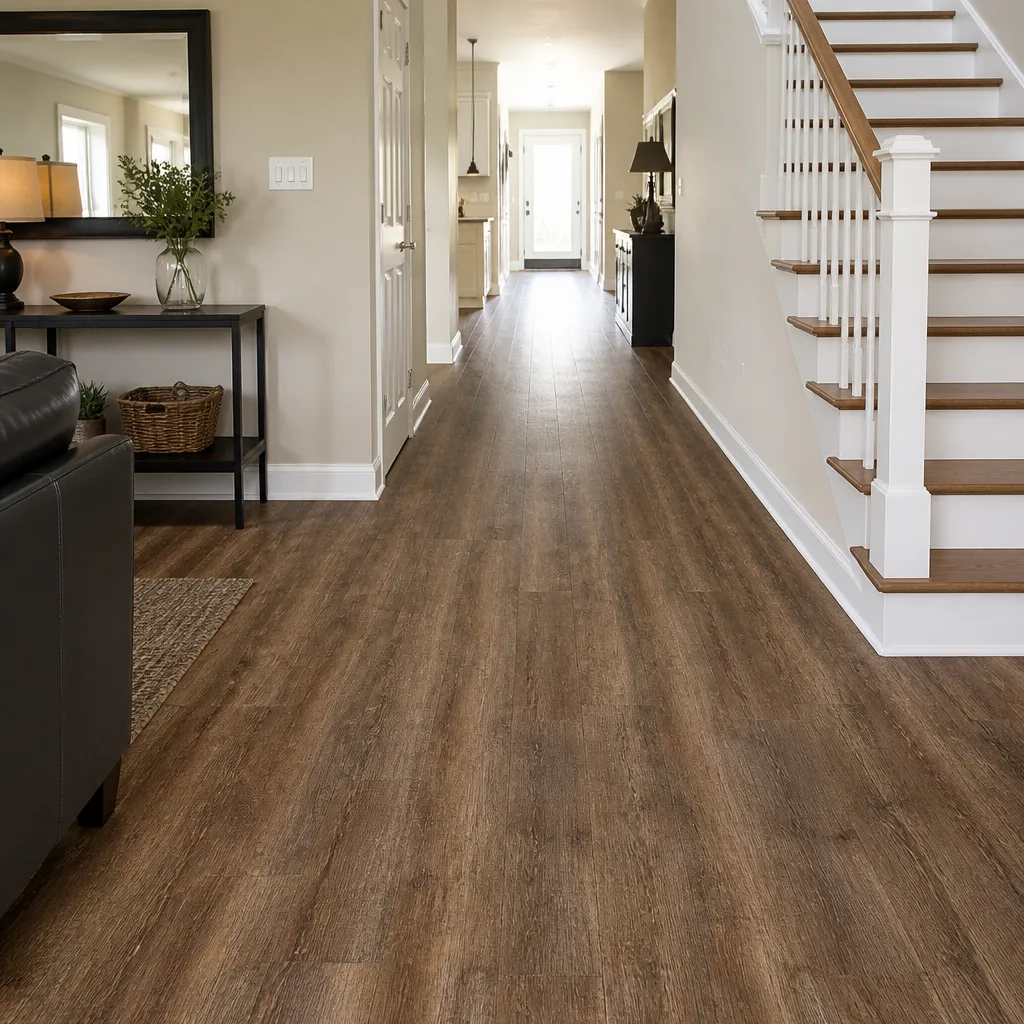
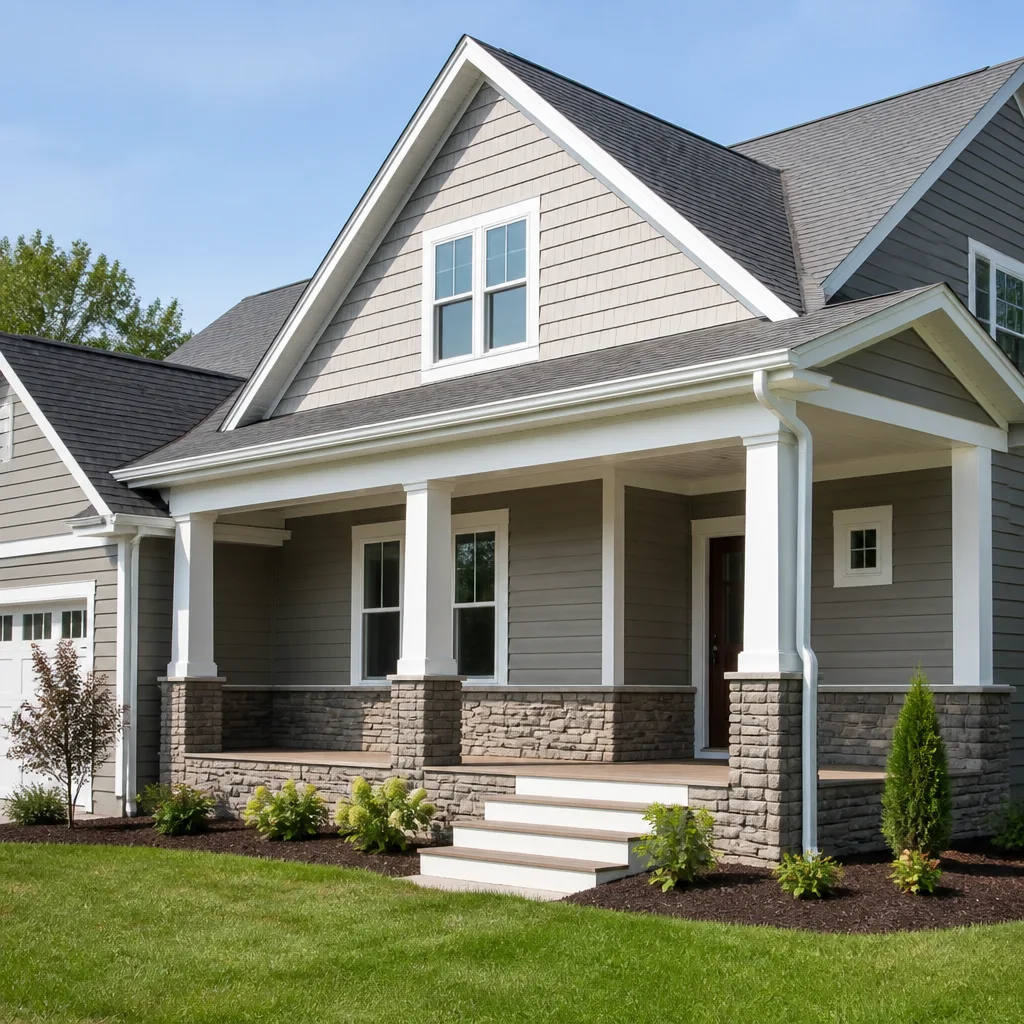
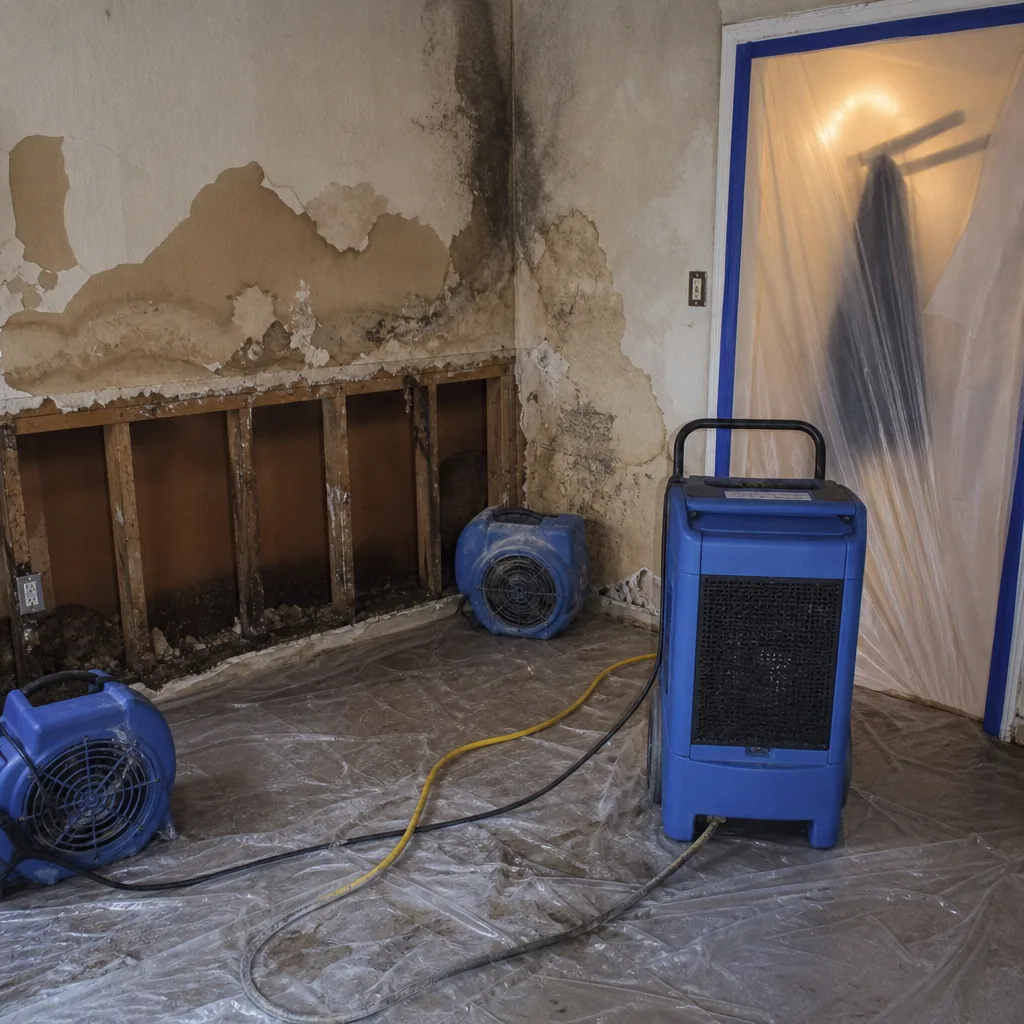 Before
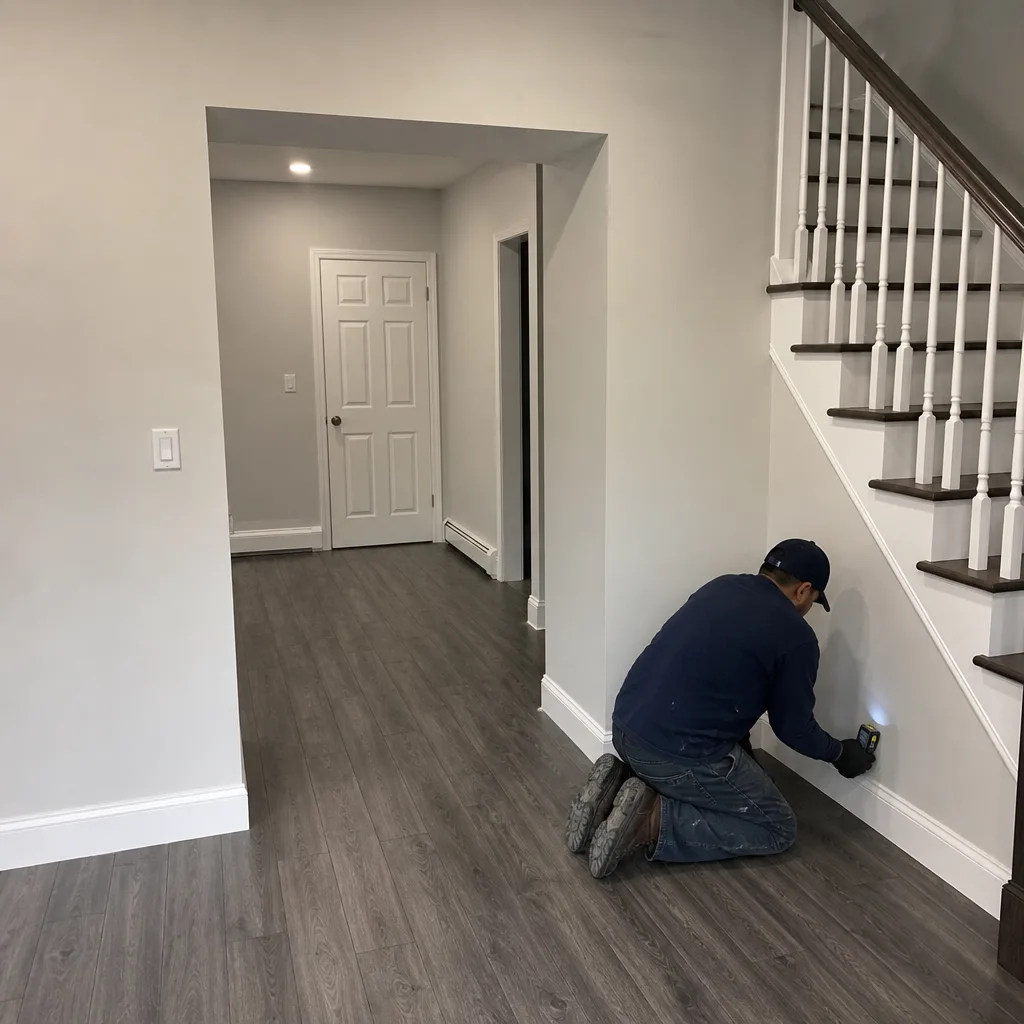 After
After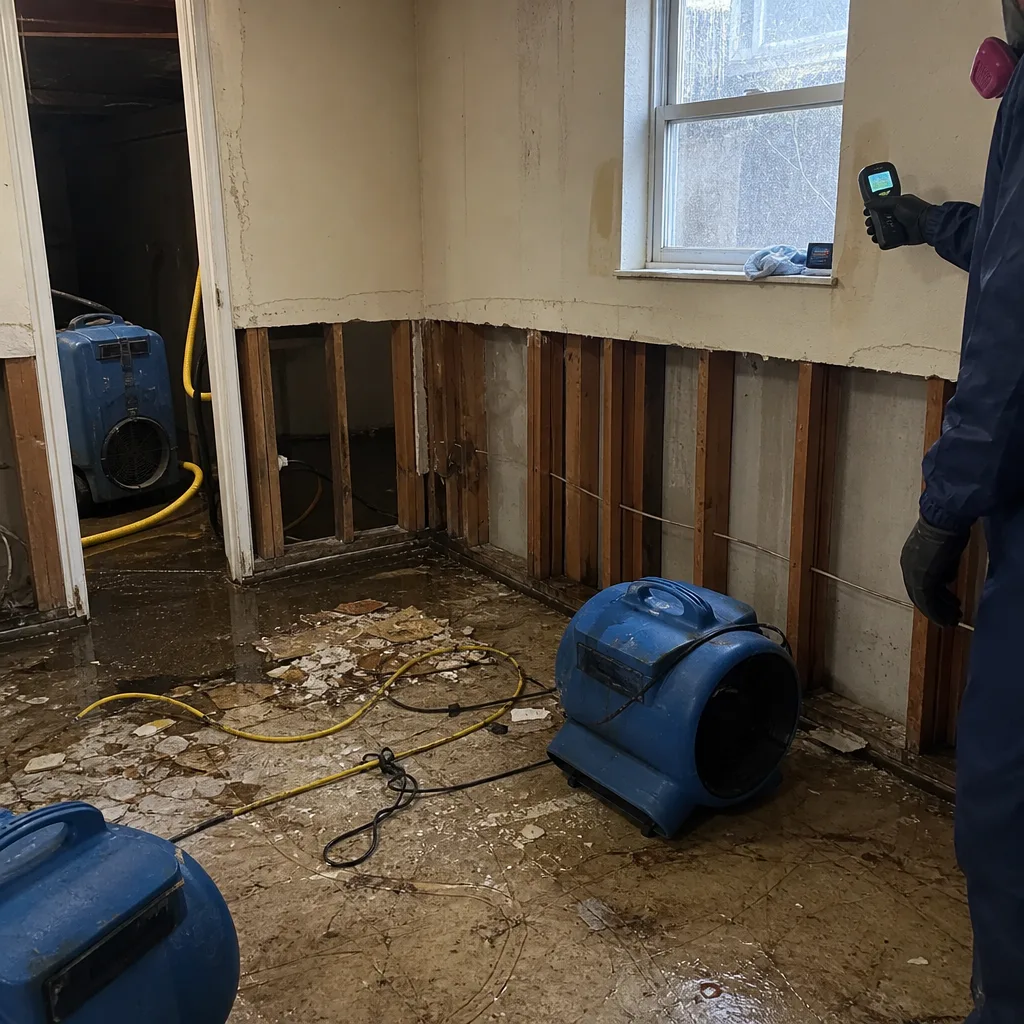 Before
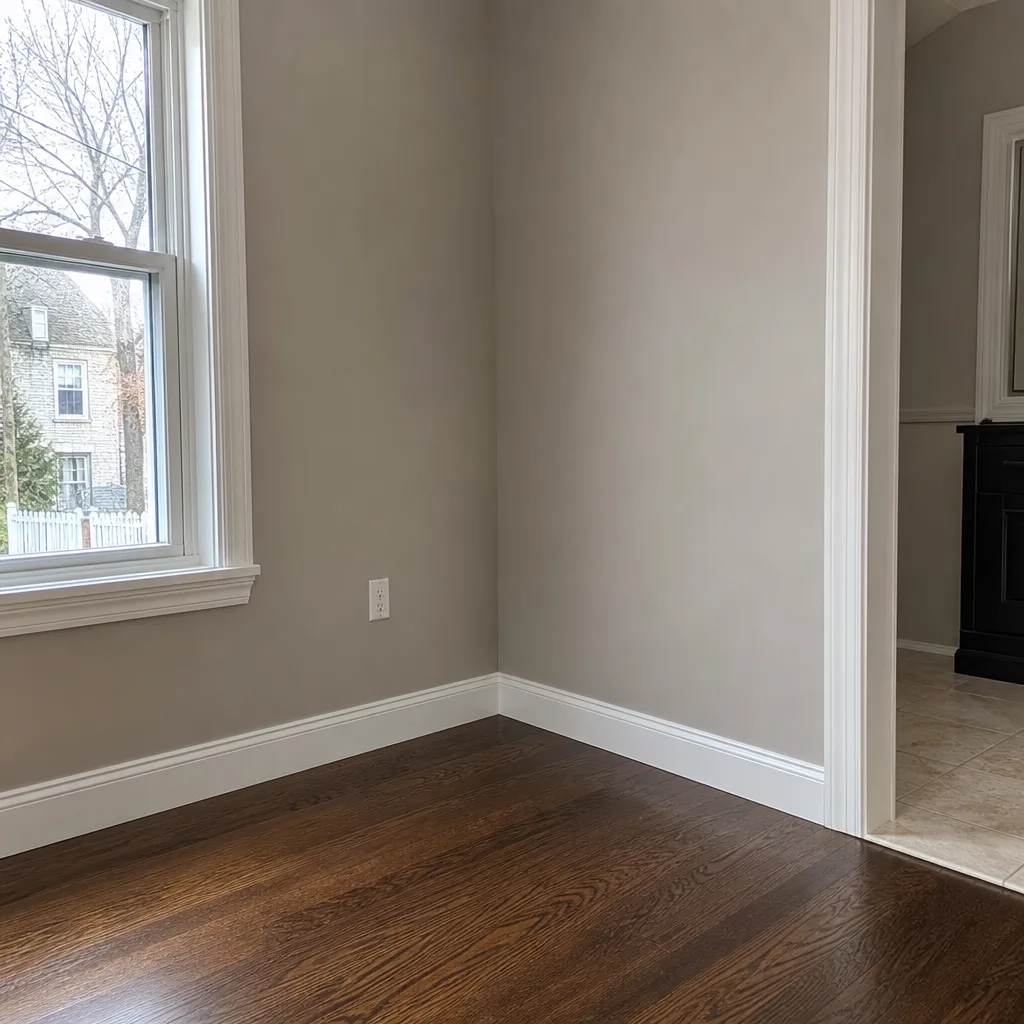 After
After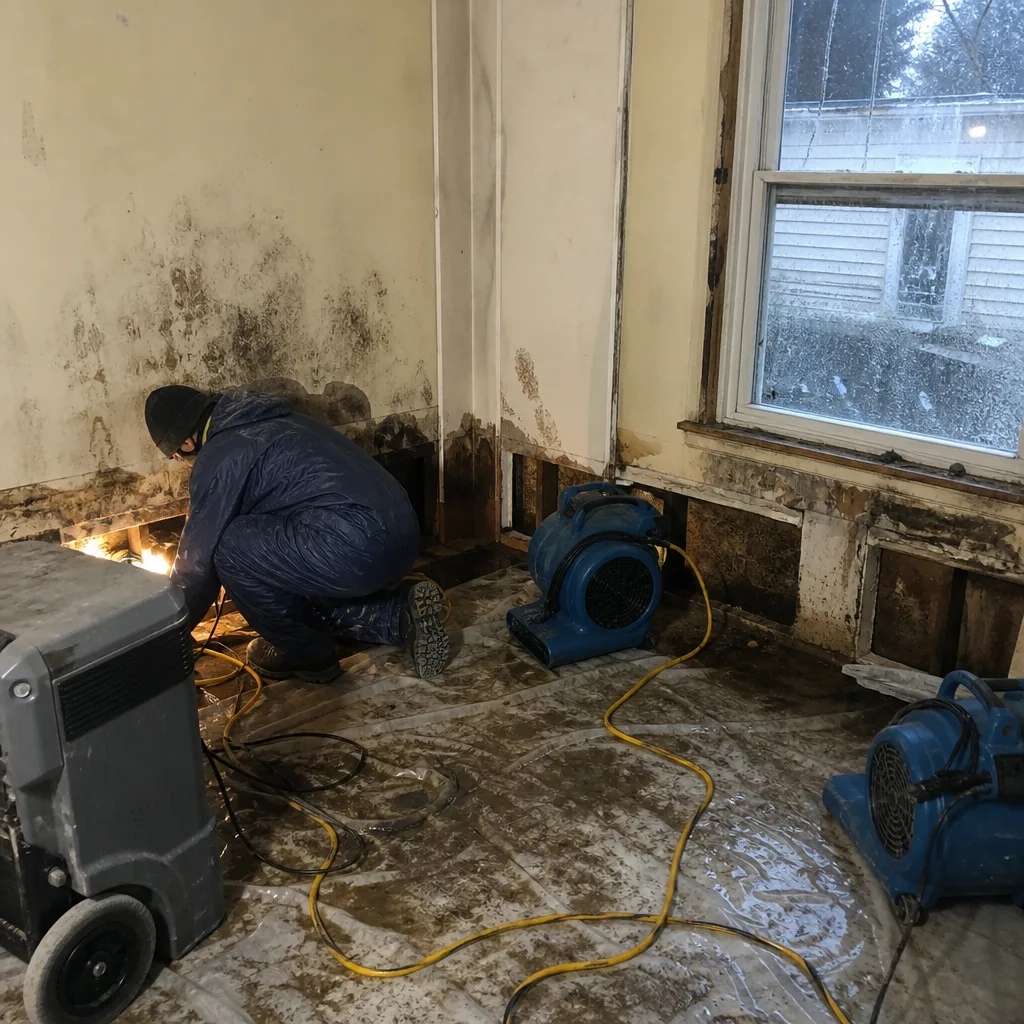 Before
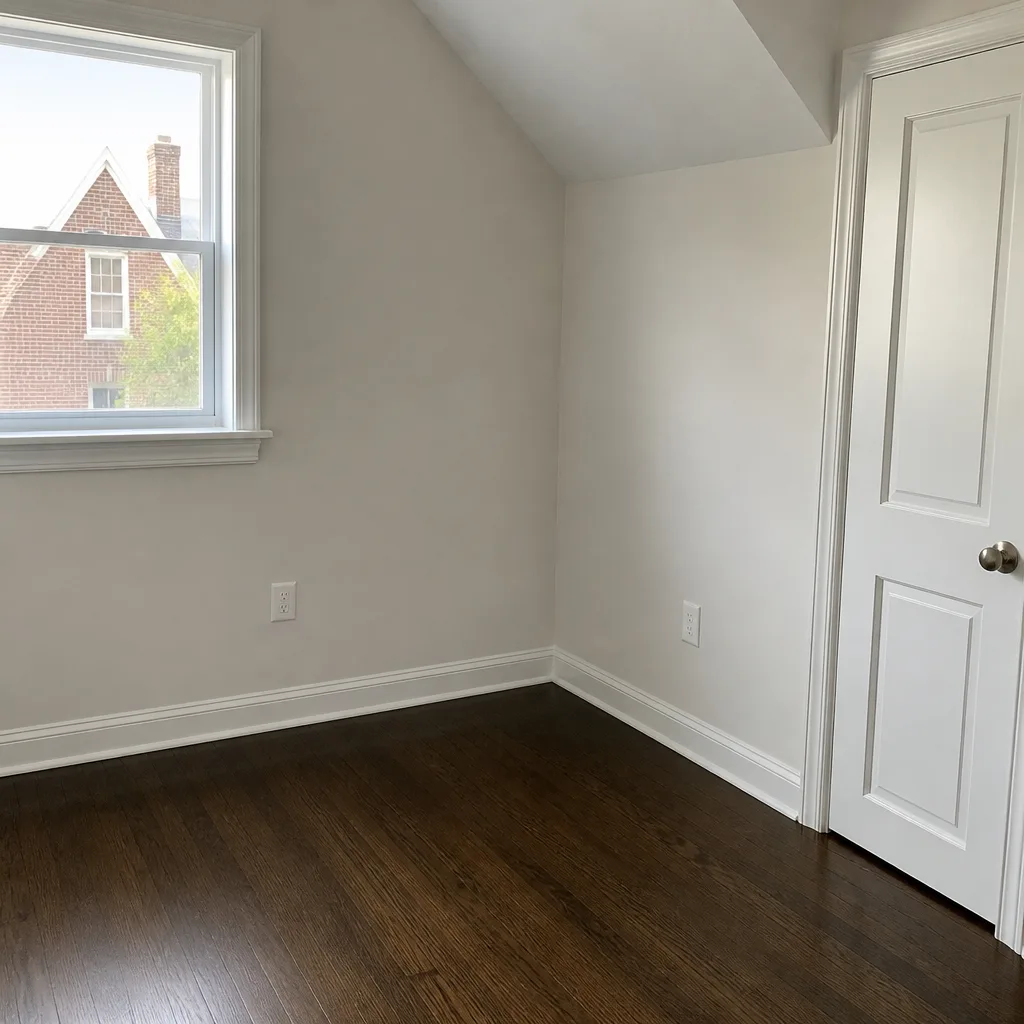 After
After24/7 Emergency Fire & Smoke Damage Restoration in Valley Stream
Fire and smoke damage in Valley Stream needs an immediate response, and our crews are dispatched around the clock. Call (631) 557-5029 any hour, day or night, and a live dispatcher answers. Not a recording. Not a callback queue. A person who can put a certified crew on the road to your neighborhood within 45 minutes.
The first hour after a fire matters more than most homeowners realize. Soot is acidic and starts etching glass, tarnishing chrome, and yellowing appliances within hours. Smoke odor works into drywall, insulation, and upholstery faster than you’d think. And in Valley Stream, where many homes have finished basements that sit at or below grade, fire-suppression water can pool behind walls and soak into framing already compromised by years of moisture from a different kind of event entirely. We start extraction and stabilization the same visit, because waiting turns a cleanup into our Reconstruction & Cleanup in Valley Stream.
Understanding Fire & Smoke Damage Restoration Severity in Valley Stream Properties
Fire damage comes in layers, and the layers behave differently depending on the house. Wet smoke residue from smoldering fires leaves a sticky, pungent film that clings to every surface and requires specialized degreasing agents. Dry smoke residue from fast-burning fires is powdery and fine, which sounds easier but actually migrates deeper into cracks, electrical outlets, and behind baseboards. Protein smoke from kitchen fires is nearly invisible but leaves a stubborn, acrid film that resists standard household cleaners. Each requires a different cleaning approach.
Valley Stream’s housing stock adds another variable. The late-1940s through 1960s Cape Cods, ranches, and split-levels that dominate neighborhoods from Gibson to North Valley Stream were built with horsehair plaster, original galvanized supply lines, and cast-iron waste stacks. A small kitchen fire in one of these homes often exposes pinhole leaks at corroded fittings, which means water extraction becomes part of the fire job. Fire-suppression water saturates plaster ceilings that can’t be dried with air movers alone. And if the home flooded in Sandy or Ida, charred framing may be soft and water-wicked behind the soot, not dry, stable lumber. We assess all of it before we scope the work.
Why Valley Stream Property Owners Choose Floodline Restoration Co.
- 45-minute response commitment: Our dispatch board tracks every call, and local crews reach Valley Stream neighborhoods quickly. When we say we’ll be there, we’re there.
- 24/7 live answer: A real dispatcher picks up at 2 a.m. Not a triage service. Not voicemail. A person who can move a certified crew immediately.
- Certified crews, real credentials: Our technicians are background-checked, uniformed, and trained to IICRC standards including FSRT and OCT. No subcontracted strangers in your home.
- Free visual inspection: We assess the damage, explain what you’re looking at, and put the scope in writing before any work begins. No pressure, no overselling.
- Direct insurance billing: We handle the claim paperwork, photo documentation, and adjuster coordination directly with your carrier. You don’t play messenger.
- One team from start to finish: The same crew that sets containment on day one handles the drying, the soot removal, the odor treatment, and the rebuild. No handoffs.
Our Fire & Smoke Damage Restoration Process
Inspection & Assessment
We do a room-by-room evaluation using thermal imaging and moisture meters. We look for soot type, smoke migration paths, hidden water, and any pre-existing conditions like mold behind finished basement walls. You get a written scope and an honest conversation about what needs doing now versus what can wait.
Emergency Board-Up & Tarping
If the fire compromised windows, doors, or roof sections, we secure the structure immediately. Board-up prevents weather intrusion, unauthorized entry, and further damage while the restoration work proceeds. We also tarp roof penetrations before the next rain arrives.
Water Extraction & Stabilization
Fire-suppression water gets removed first. We use truck-mounted extraction units and portable extractors on saturated carpet, padding, and any standing water in basements. In Valley Stream decades-old homes, we check supply lines and plumbing fittings for fire-related damage while the water comes out.
Structural Drying
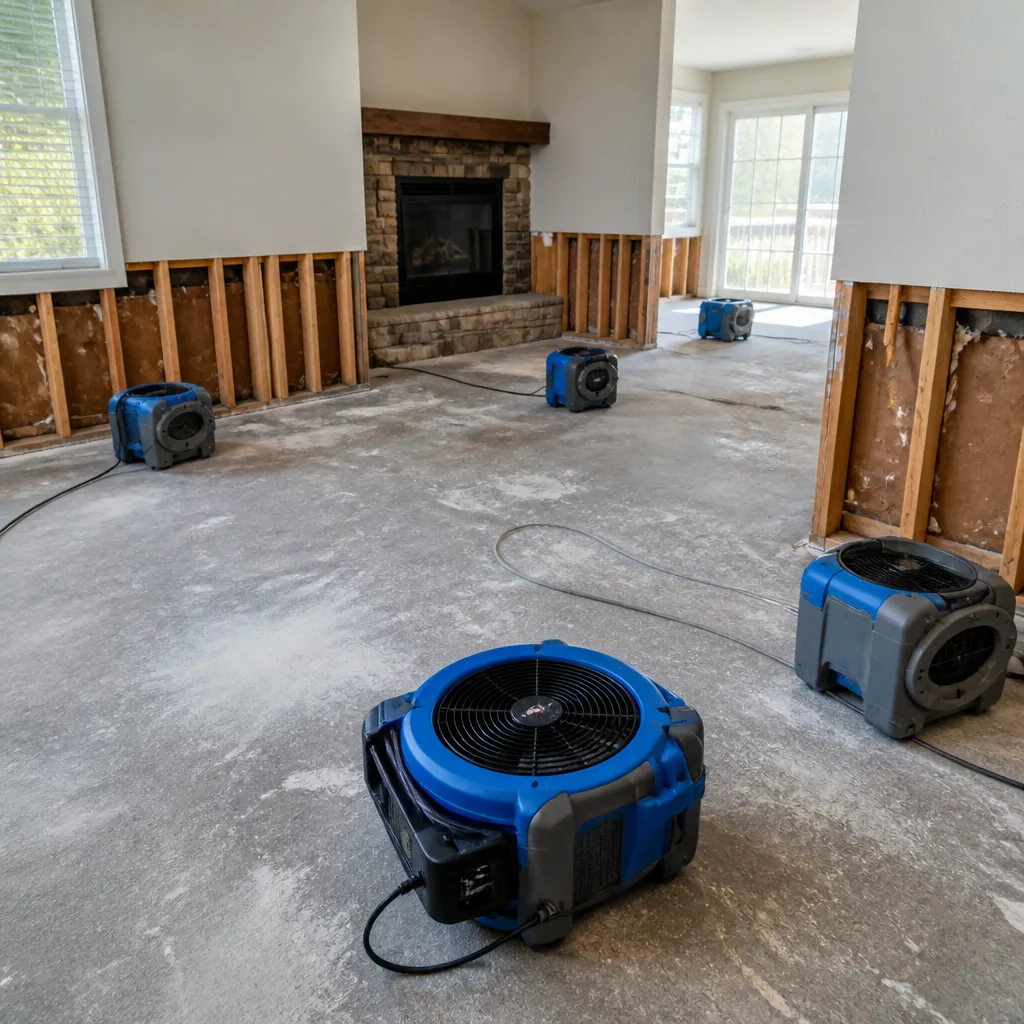
Dri-Eaz dehumidifiers and XPOWER air movers get placed according to a moisture map, not guesswork. Daily readings are logged until the dry standard is met. Horsehair plaster and below-grade basements in Valley Stream need more time and more equipment than drywall in newer construction.
Smoke, Soot & Odor Removal
Surface-specific cleaning methods tackle each type of residue. HEPA air scrubbers run throughout the process to capture airborne particulates. For odor, we use thermal fogging, ozone treatment where appropriate, and sealants on structural cavities where smoke penetrated deeply. Contents get cleaned, deodorized, or packed out as needed.
Repairs & Restoration
The final phase is structural repair and rebuild: framing, drywall, flooring, paint, and finishes. Because we handle this in-house, there’s no gap between mitigation and reconstruction where a second crew shows up without knowing what happened before. The 90-Day Done Right Promise covers the entire scope.
Need Emergency Fire & Smoke Damage Restoration in Valley Stream Now?
Crews minutes away, answering live 24 hours a day. The sooner we start, the less it costs.
Working With Your Insurance Company
Fire claims are complex even without the complications that Valley Stream’s repetitive-loss history brings. We document from the first hour: photos of every affected room, moisture readings from day one through the final dry reading, a line-item scope with clear justification for each phase of work. Our team communicates directly with your adjuster, provides the technical documentation they need, and handles the back-and-forth so you don’t have to. You should never feel like the go-between in your own claim. We bill the carrier directly, and when hidden damage is discovered mid-job, we document it, justify it, and supplement the claim properly rather than skipping corners to stay inside the original estimate.
What We Provide Your Insurer
- Thorough documentation of the loss
- Photos of all damage, room by room
- Moisture readings and drying logs
- A detailed, line-item scope of work
- Direct coordination with your carrier
Built for Valley Stream’s Loss Calendar
Valley Stream’s fire restoration needs don’t follow a single season. They follow the rhythms of a low-lying South Shore community with aging infrastructure and weather that arrives in waves. January and February bring deep freezes that strain original heating systems in 1950s ranches, and frozen pipe bursts can spark electrical shorts in finished basements. March brings the freeze-thaw cycle: shallow-pitched Cape Cod roofs develop ice dams, and the resulting ceiling leaks hit wiring and fixtures that were dry all winter. Summer thunderstorms dump heavy rain in short bursts, overwhelming the flat topography and backing up Mill Creek, which sends water into basements that also carry years of accumulated dust, stored belongings, and aging electrical panels. Nor’easters in the fall bring the storm surge risk that Valley Stream knows too well. Any of these can be the spark, and a fire that starts in a basement with a documented flood history rarely stops at smoke damage. Our crews know this calendar. We staff for it, and we show up fast when it hits.
Fire & Smoke Damage Restoration Across Valley Stream’s Neighborhoods
Valley Stream’s neighborhoods have distinct housing patterns, and those patterns shape how fire restoration work is approached. North Valley Stream, bordered by the Southern State Parkway, has a high concentration of mid-century split-levels and ranches where garages sit directly beneath bedrooms. A garage fire there sends smoke upward through floor cavities and heating ducts, which means odor treatment has to reach into spaces you can’t see. The Gibson area, west of Mill Creek, has many Cape Cods where the second-floor half-story makes smoke migration predictable: it collects at the peak, penetrates the knee-wall insulation, and requires attic ventilation and sealing. Central Valley Stream, around Rockaway Avenue and Sunrise Highway, has a bungalow stock from the 1920s and 30s that predates modern fire codes, with balloon framing that lets fire and smoke travel vertically inside wall cavities from basement to attic in minutes. South Valley Stream, closer to the Queens line and the tidal influences of Jamaica Bay, has many homes where finished basements sit below grade and fire jobs there almost always involve water extraction first. Each area needs a different response plan, and our dispatchers know the difference.
Specialized Fire & Smoke Damage Restoration Services We Offer in Valley Stream
Fire Damage Cleanup
We remove debris, charred materials, and unsalvageable structural elements. In Valley Stream’s older homes, this often means careful demolition around original materials like vinyl asbestos floor tiles or lead-painted trim, handled properly with containment and disposal protocols rather than ripped out carelessly. The cleanup phase is where we find what the fire hid, including moisture intrusion and mold that predates the fire event, which is why our Sewage Cleanup in Valley Stream protocols are often part of the broader restoration.
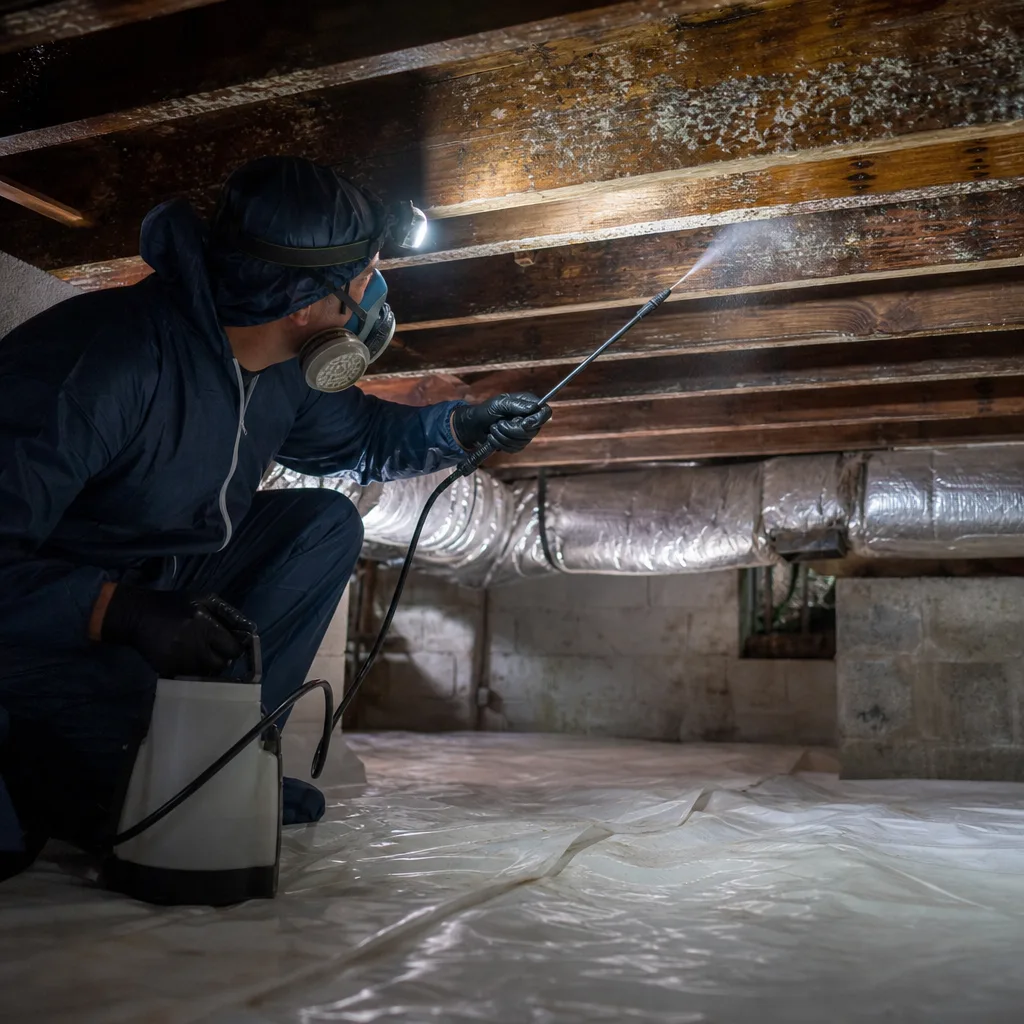
Smoke & Soot Removal
Soot type determines the cleaning method. We test residue, identify whether it’s wet, dry, or protein-based, and then use appropriate degreasers, dry sponges, or alkaline cleaners on every affected surface. This includes the spaces most people forget: inside ductwork, behind switch plates, on top of door frames, and inside closet interiors. In Valley Stream Cape Cods with open ceiling cavities, smoke travels farther than most homeowners expect.
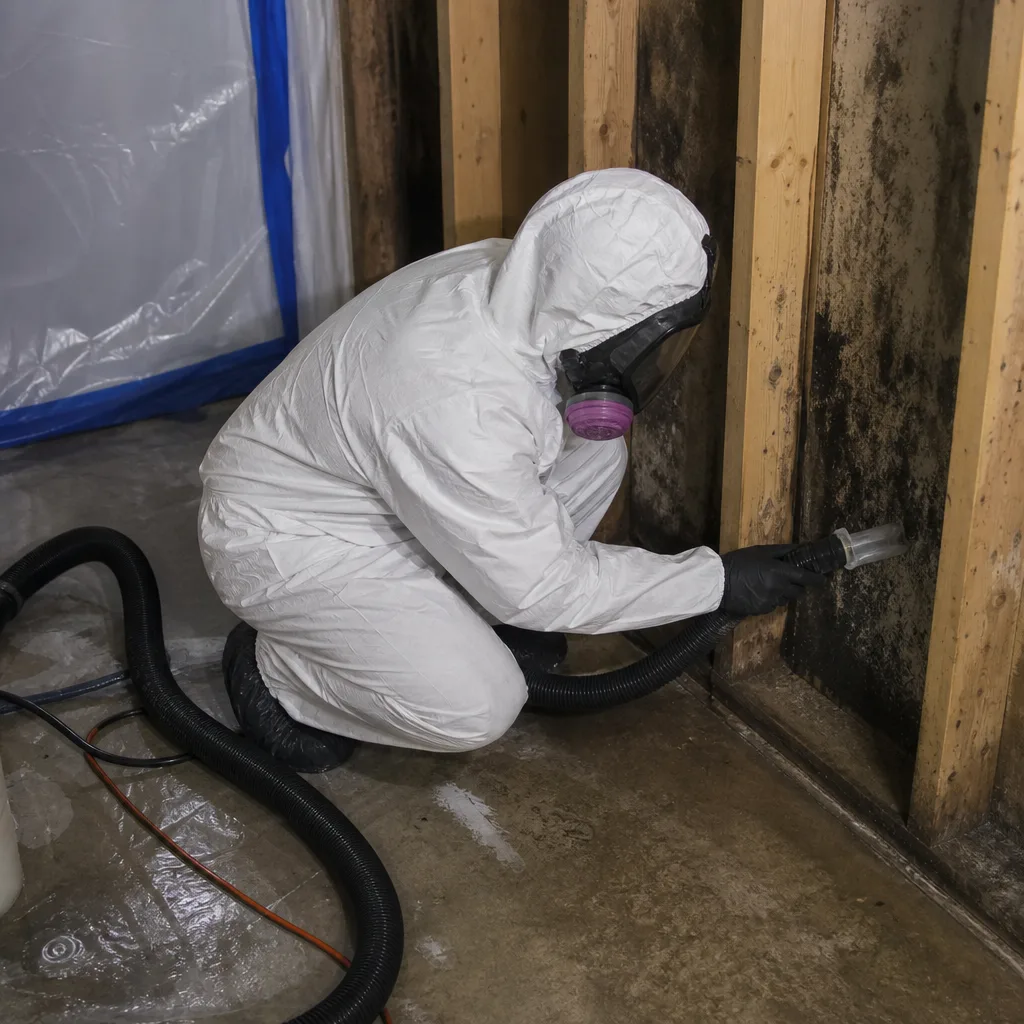
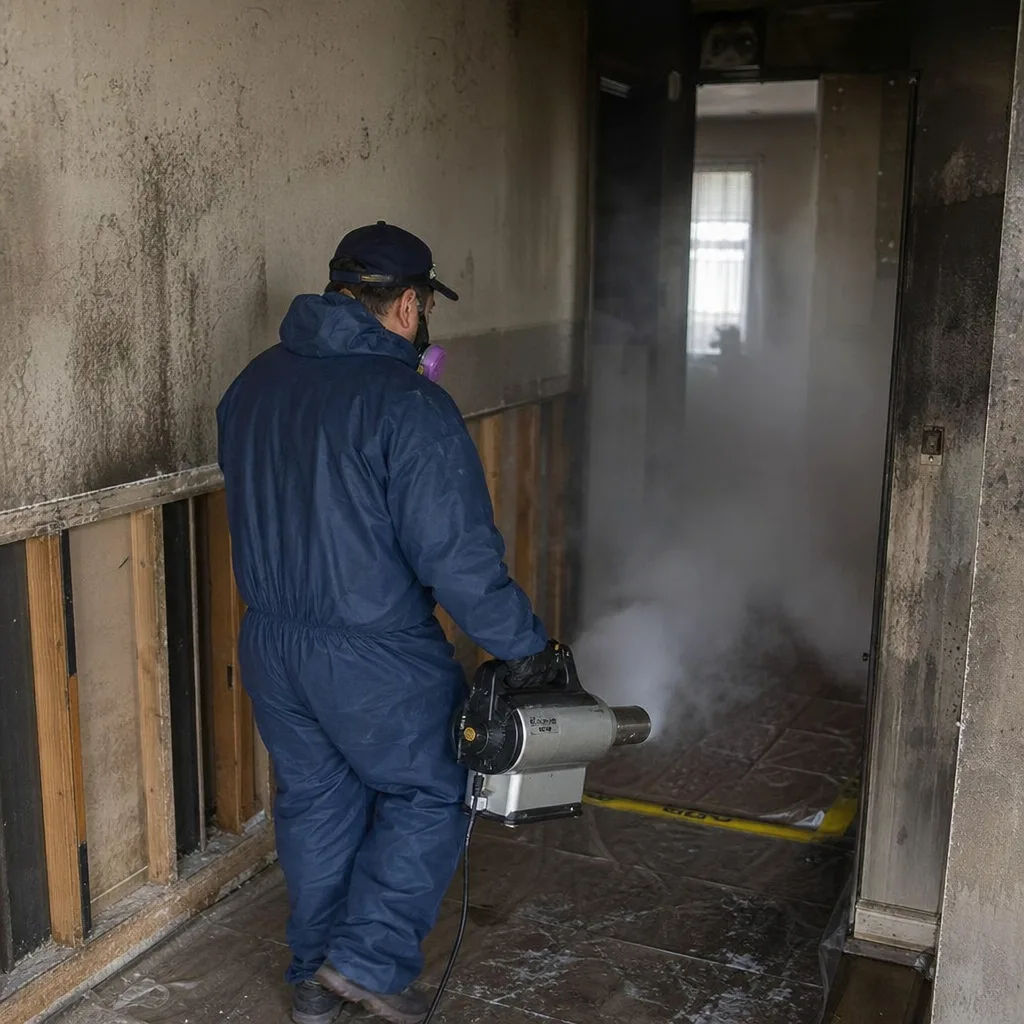
Odor Removal & Deodorization
Removing soot is different from removing odor. Smoke odor lives in porous materials: drywall, insulation, wood framing, carpet padding. We use thermal fogging to recreate the conditions under which the odor entered the materials, then seal the cavities with an odor-blocking sealant where appropriate. Ozone treatment is used selectively and properly, with the space unoccupied during treatment. No air freshener approach. Either the odor is eliminated, or we keep working until it is.
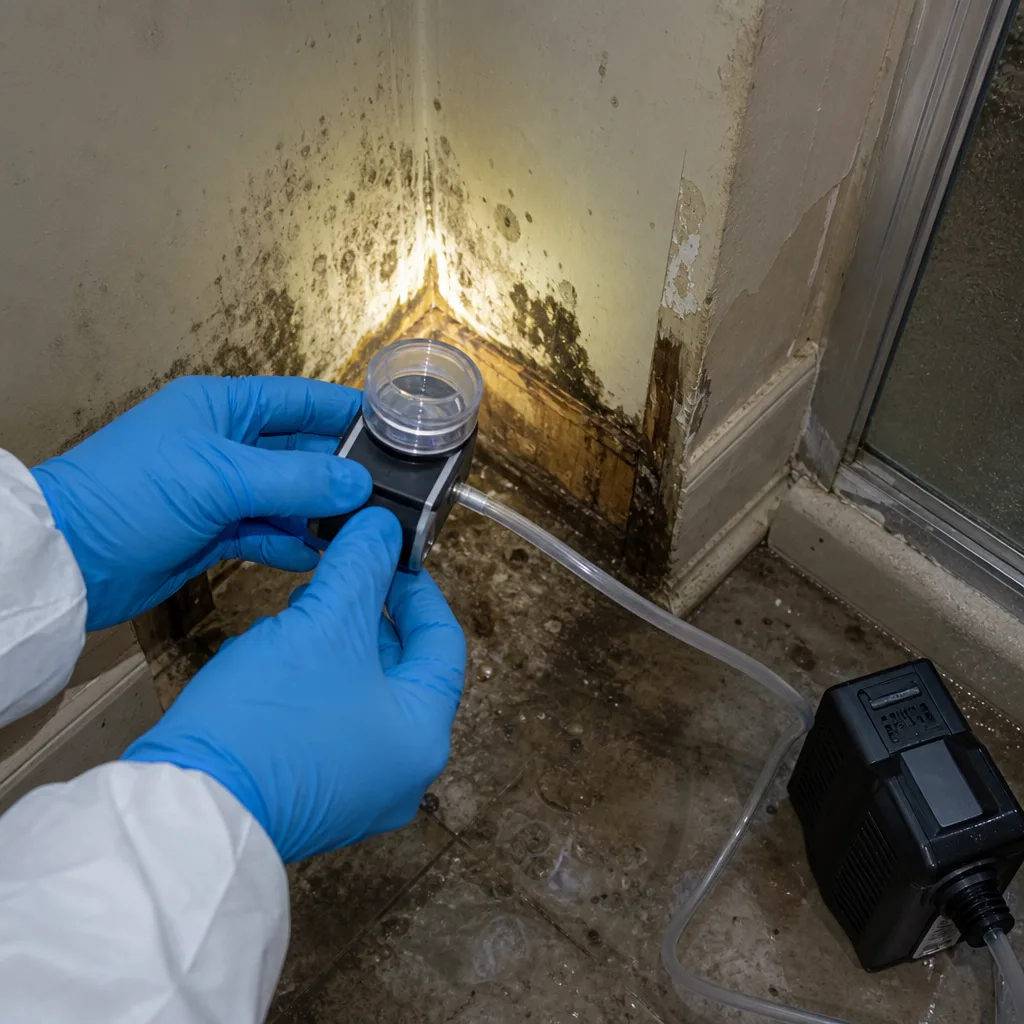
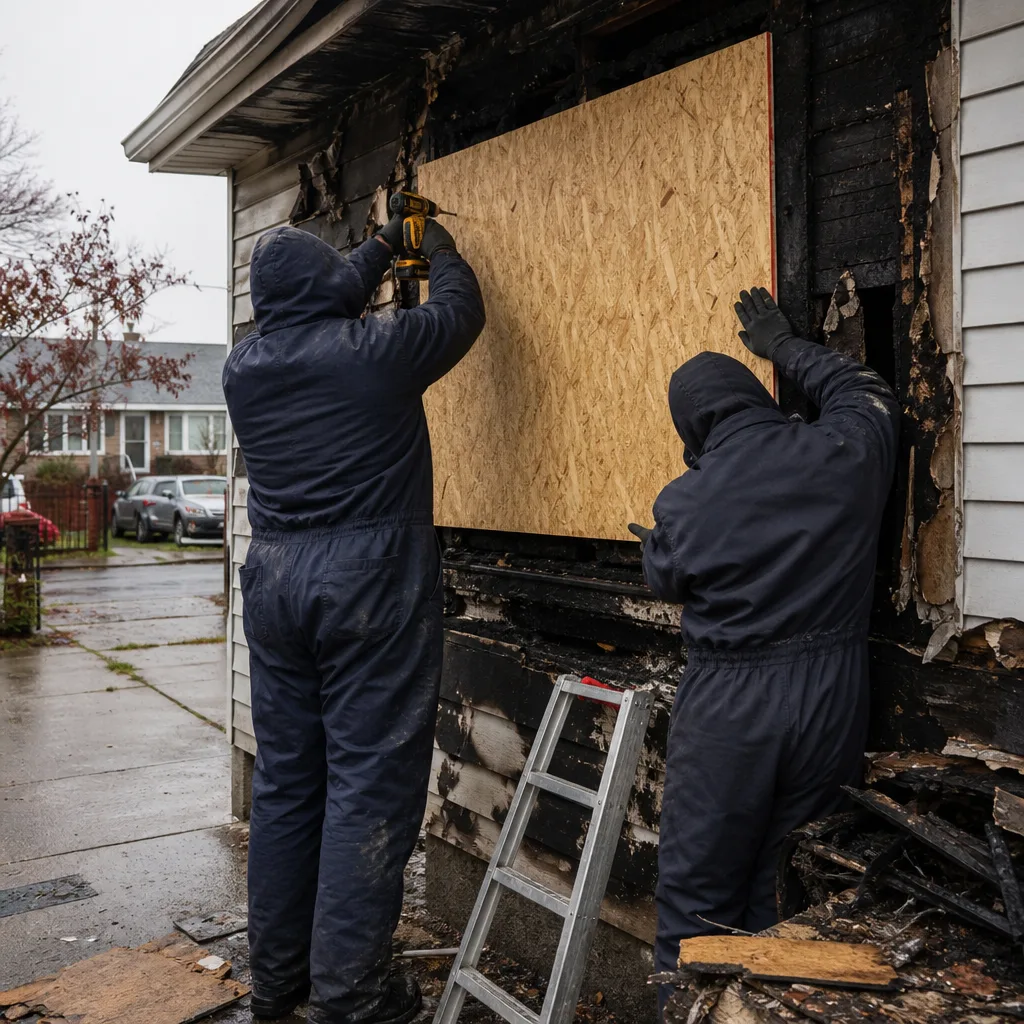
Emergency Board-Up & Tarping
If fire damage opened the structure to weather or intrusion, board-up and tarping happen immediately. In Valley Stream, where rain can arrive with little warning and Mill Creek’s tidal patterns complicate drainage, securing the structure against the next weather event matters as much as cleaning up the last one. We use plywood, heavy-gauge poly sheeting, and proper fastening that doesn’t add damage to the opening.
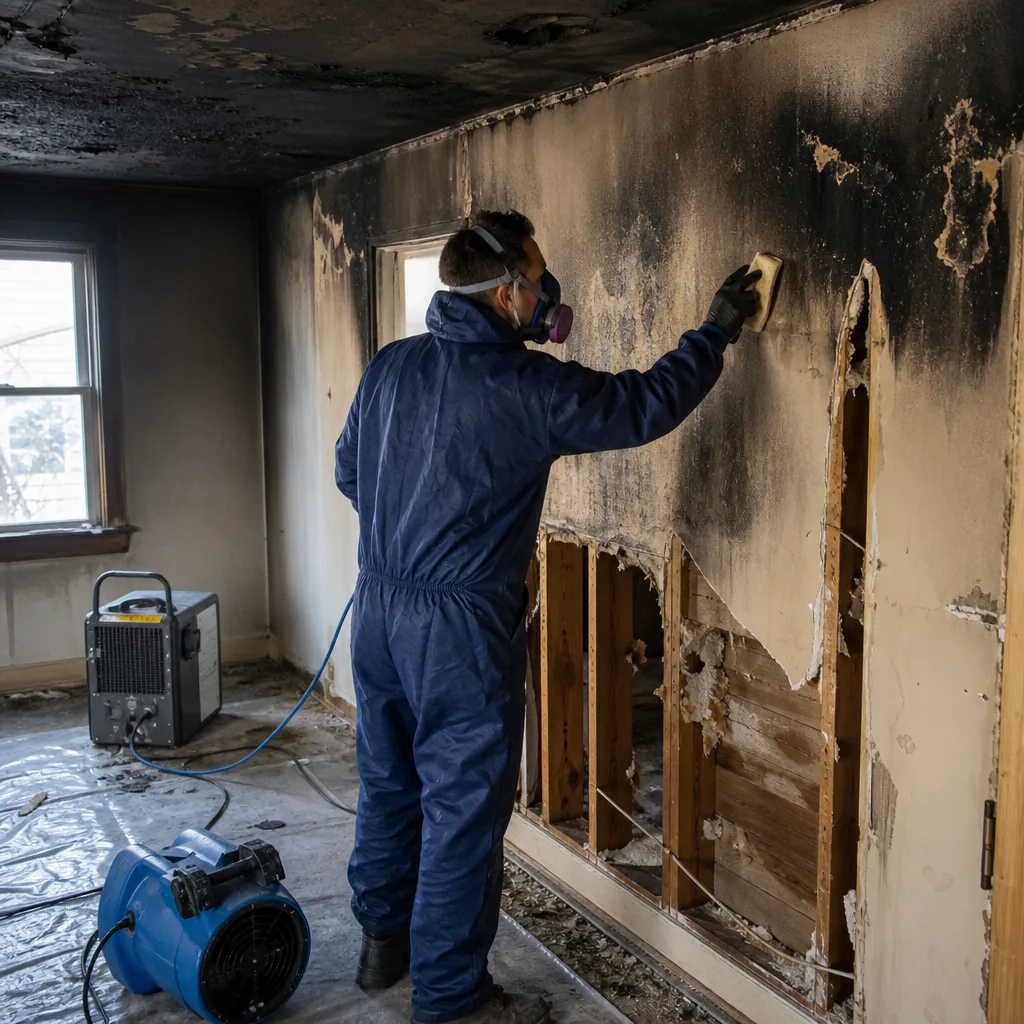
Contents Cleaning & Pack-Out
Furniture, clothing, books, and keepsakes get inventoried and assessed for restorability. Items that can be cleaned on-site are treated with appropriate methods. Items that need deeper treatment get packed out to a secure facility, cleaned, deodorized, and returned when the home is ready. For Valley Stream homeowners who have lived in their houses twenty years and plan to stay, those contents often include irreplaceable family items. We treat them accordingly.
Structural Fire Repair
When framing, joists, rafters, or load-bearing walls are compromised, our in-house reconstruction team handles the repair. This is where the Fire & Smoke Damage Restoration process becomes a rebuild: new framing, drywall, flooring, and finishes, done by the same crew that handled the mitigation. No handoff to a different contractor, no gap in the work, and the entire scope is covered by our 90-Day Done Right Promise.
What happens when you call
- 1
A real person answersNo phone trees - you reach a local pro.
- 2
You get an upfront price rangeHonest numbers before anyone is dispatched.
- 3
A background-checked tech heads outLicensed & insured, dispatched right away.
- 4
You approve before work beginsNothing starts until you say go.
Fire & Smoke Damage Restoration Costs in Valley Stream, NY
Fire restoration costs in Valley Stream depend on the severity of the fire, the size of the affected area, and the condition of the underlying structure. But here are honest ranges based on the work we do most often across Valley Stream’s neighborhoods. Basic smoke and soot cleanup in a single room typically runs $2,500 to $6,000. Full smoke and odor removal across a multi-room home ranges from $8,000 to $18,000. Structural fire repair on framing, drywall, and finishes often lands between $15,000 and $40,000 depending on the square footage and what the fire did to load-bearing elements. Emergency board-up and tarping usually runs $500 to $1,500. If there’s water damage from fire suppression or a pre-existing mold issue behind finished basement walls, the scope expands accordingly. Most fire claims in Valley Stream are covered by insurance, and we work with your carrier directly. If you’re paying out of pocket, we give you a written scope before work starts. The free inspection gives you a firm number, not a guess. Call (631) 557-5029 and we’ll put numbers in front of you.
We Also Serve Cities Near Valley Stream
Our crews respond across southern Nassau County to Valley Stream and nearby communities including Elmont, Cambria Heights, Floral Park, and New Hyde Park. If you’re in one of these areas and looking for fire and smoke restoration, the same live dispatchers, the same certified crews, and the same written guarantee apply.
Serving Valley Stream, NY - Our Local Coverage Area
We’re based in the Valley Stream area and know this community well. Use the map below to see our service coverage - if you’re nearby, we can almost certainly help.
Valley Stream Fire & Smoke Damage Restoration Questions, Answered
Why does fire damage restoration in Valley Stream require different protocols than in Garden City?
Valley Stream sits in a documented FEMA repetitive-loss corridor, which means many homes here have a flood history that Garden City’s higher-elevation housing stock doesn’t share. When we open fire-damaged walls in Valley Stream, we routinely find charred framing that’s also been compromised by years of moisture intrusion and hidden mold from Sandy, Ida, or nor’easters. Garden City homes don’t carry that same hidden condition, so a fire job there is typically a straightforward soot and smoke cleanup. In Valley Stream, we set containment and assume microbial testing is needed. Protocol differs because the houses differ.
What’s the first thing your crew does after a basement fire in a Valley Stream Cape Cod?
We secure power and gas, then assess the structure for immediate hazards. Then we extract any standing fire-suppression water, because in a Cape Cod with a finished below-grade basement, that water is already soaking into framing that may have wicked moisture from a previous flood event. We check the original galvanized supply lines for fire-related damage, because pinhole leaks at corroded fittings are common in 1940s through 1960s Valley Stream homes. Extraction starts before drying starts.
How do you handle the mix of smoke damage and mold behind finished basement walls in flood-prone areas like Mill Creek?
We treat it as a dual-scope job from the outset. Containment goes up, HEPA air scrubbers run, and we don’t open walls without assuming microbial growth may be present. If mold is found, it’s remediated under proper containment protocols while smoke and soot removal proceeds in parallel. The fire isn’t the only damaging event in these homes, and pretending otherwise leaves a problem behind the new drywall. This combined approach is specific to flood-prone neighborhoods like Mill Creek and Gibson.
Can you repair fire-damaged joists in a Valley Stream split-level without full structural replacement?
Frequently yes. We assess the char depth on each joist using industry standards for structural grading. Surface charring on solid lumber can often be sanded, treated, and reinforced with sistered framing. If the fire burned deep enough to compromise the load-bearing capacity, or if the joist was already softened by water damage from a previous flood, we replace it. The difference between repair and replacement is determined by what’s behind the char, and in Valley Stream’s repetitive-loss homes, that assessment matters more than in drier neighborhoods.
Will you work with my insurance on a fire claim if my Valley Stream home is a documented repetitive-loss property?
Yes. Repetitive-loss status complicates claims, but it doesn’t change our process. We document everything from the first hour: photos, moisture readings, thermal imaging, and a line-item scope that clearly distinguishes fire damage from pre-existing conditions. We communicate directly with your adjuster and provide the technical evidence they need to process the claim. The paperwork on these properties takes longer, but we handle it. You shouldn’t be the one arguing with the carrier.
How fast can someone actually get to my house in Valley Stream?
Our dispatch commitment is 45 minutes from when you call. We run crews from the New York City office and keep local availability in Valley Stream’s neighborhoods. Call (631) 557-5029 and a live dispatcher gives you a real ETA, not a promise with a shrug.
Can we stay in the house during fire restoration?
It depends on the severity. Light smoke cleanup in a single room usually allows you to stay, with containment separating the workspace from living areas. Structural fires with significant smoke migration, water damage, or suspected mold behind walls often make the space unsafe or unhealthy to occupy. We give you an honest assessment at the inspection and help you plan accordingly. No one wants to leave home, and we don’t recommend it unless we’d do the same in your shoes.
What should I do in the first 30 minutes after a fire in Valley Stream?
Call 911 if you haven’t already, then call us at (631) 557-5029. Don’t touch or wipe soot-covered surfaces, because oils from your skin can set the residue. Don’t turn on HVAC systems, which spread smoke particles. Don’t use plugged appliances or outlets until they’re checked. Open windows if safe to do so. And don’t start cleaning with household products, which can make soot and protein residues worse. The sooner we begin professional mitigation, the more we can save.
After a kitchen fire in a 1950s Cape Cod near Mill Creek, our crew opened the ceiling to find the fire-damaged joists had also wicked Category 3 water from a previous storm surge, leaving the wood soft and discolored behind the char. We set containment, pulled the saturated insulation, and ran Dri-Eaz dehumidifiers and XPOWER air movers for four days until moisture readings dropped below 15% before rebuilding the fire-damaged section. That’s the reality of fire restoration in Valley Stream. The fire is rarely the whole story.
If you’re dealing with fire or smoke damage in Valley Stream, call (631) 557-5029 now. We’ll answer live, get there fast, and put the scope in writing before any work begins. Free visual inspection, direct insurance billing, and the 90-Day Done Right Promise on every job. We’re Fire & Smoke Damage Restoration in Valley Stream done right, backed in writing.
Written by Curt Bowman, Owner at Floodline Restoration Co., serving Valley Stream and the South Shore with full-cycle restoration since 2010.