
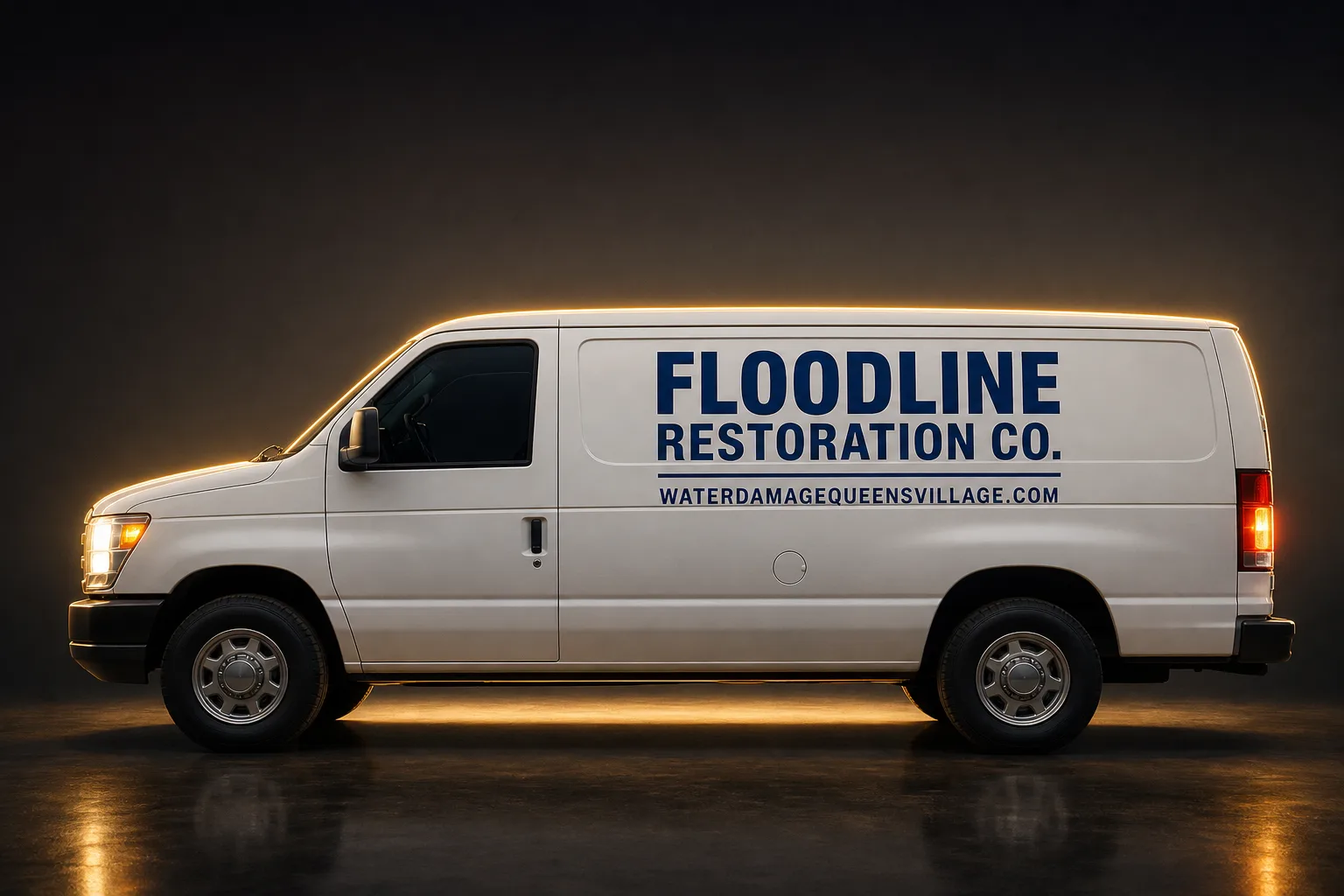
Free visual inspection and a written scope of work before any mitigation begins - photos, moisture readings, and drying logs go in your claim file
The scope we write is the scope we bill. Anything new gets shown to you, in writing, before we touch it.
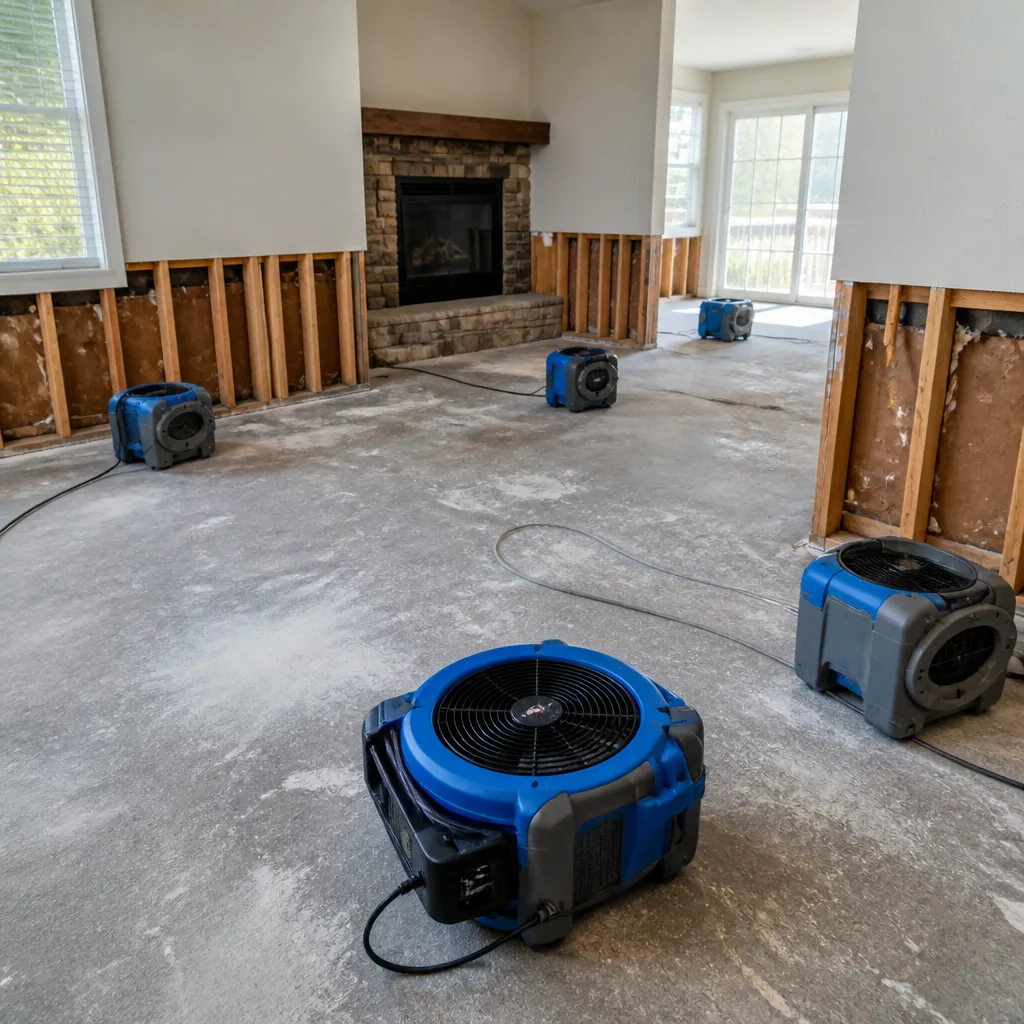
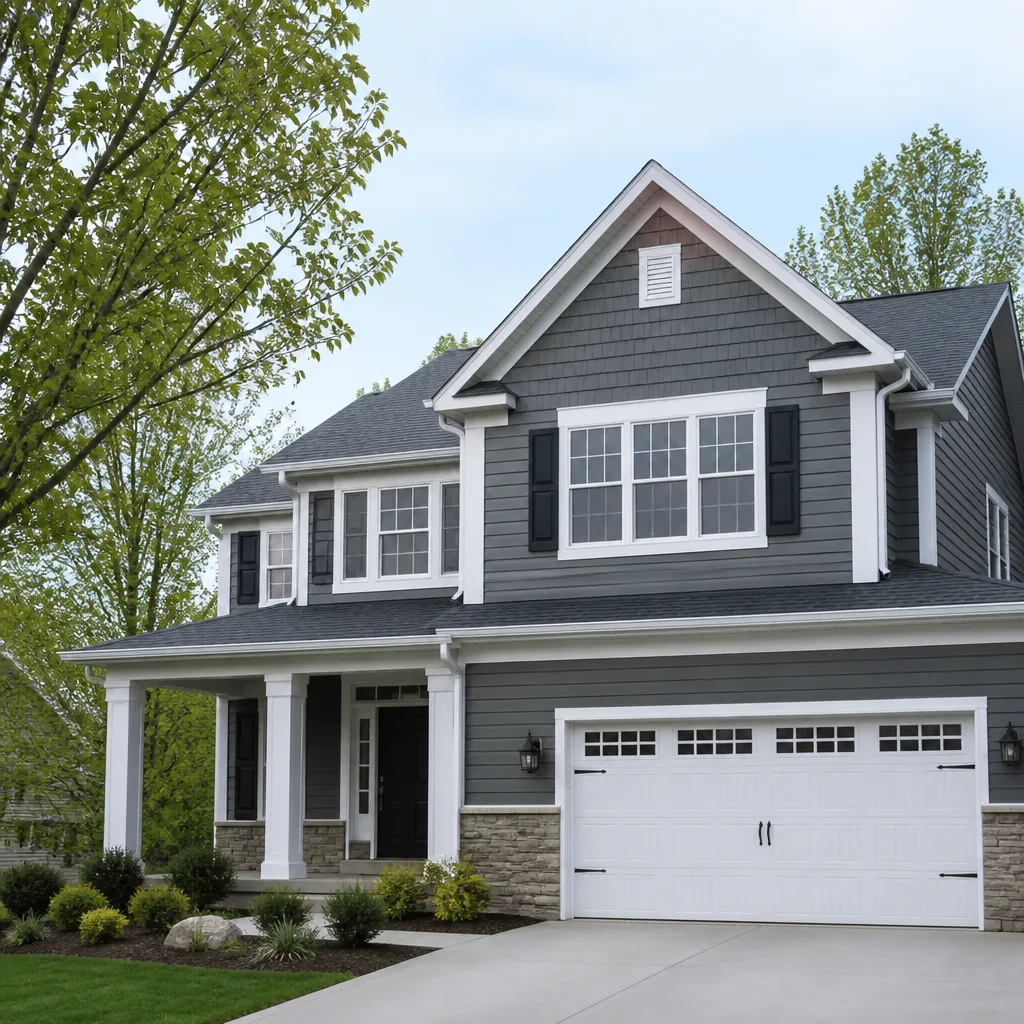
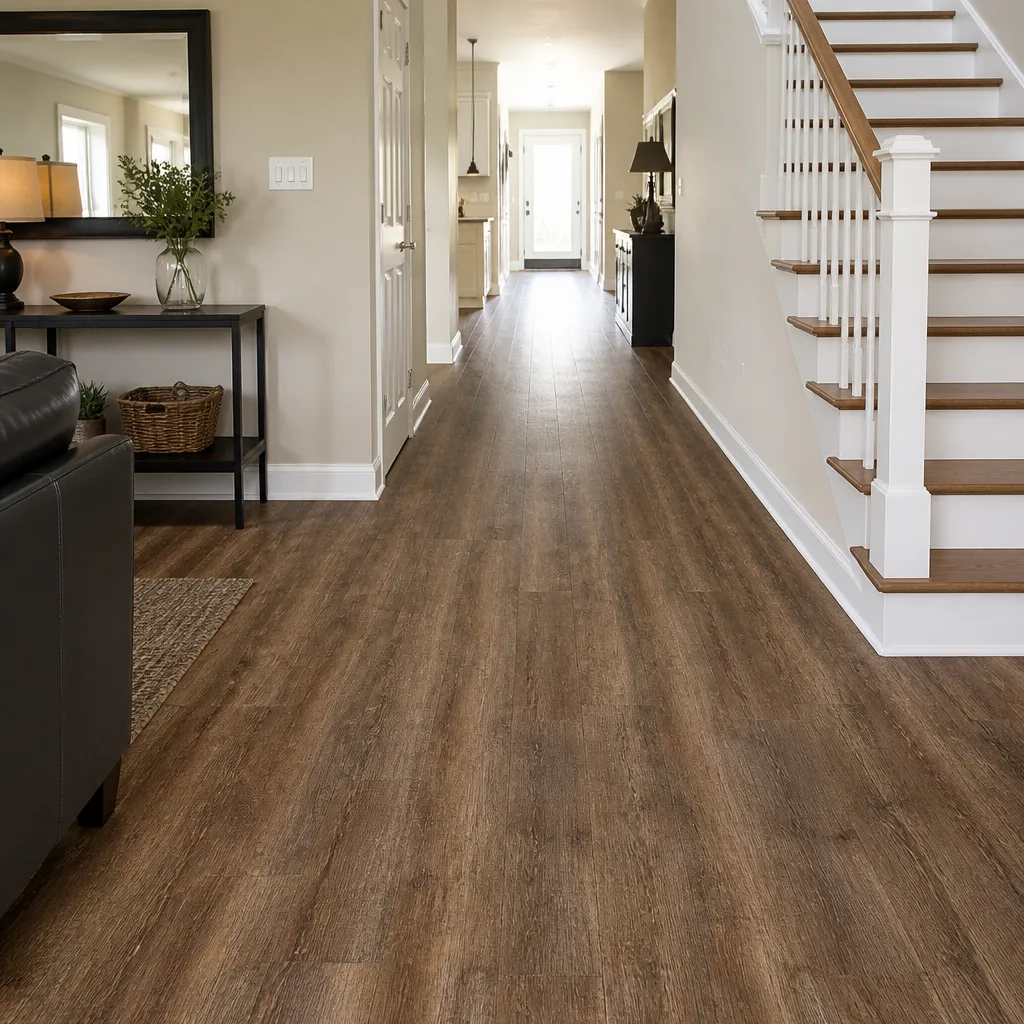
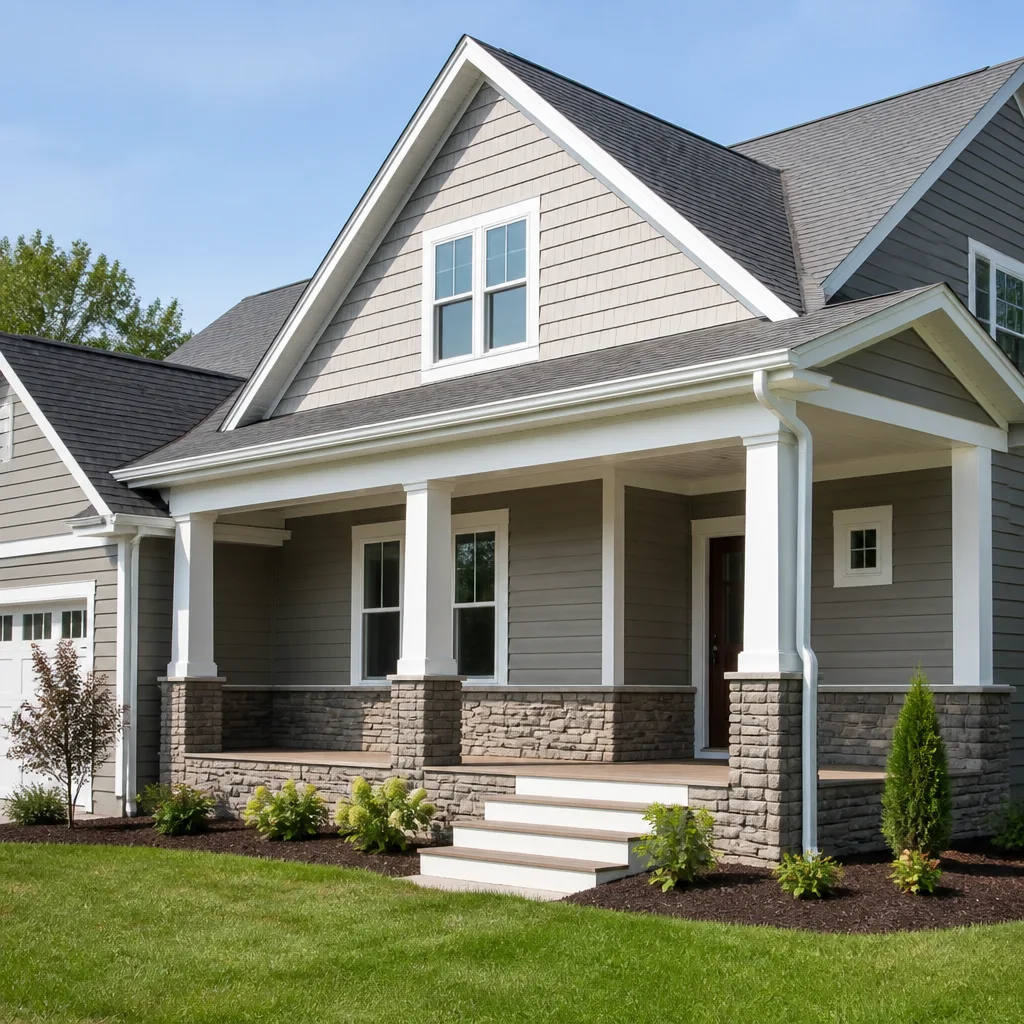
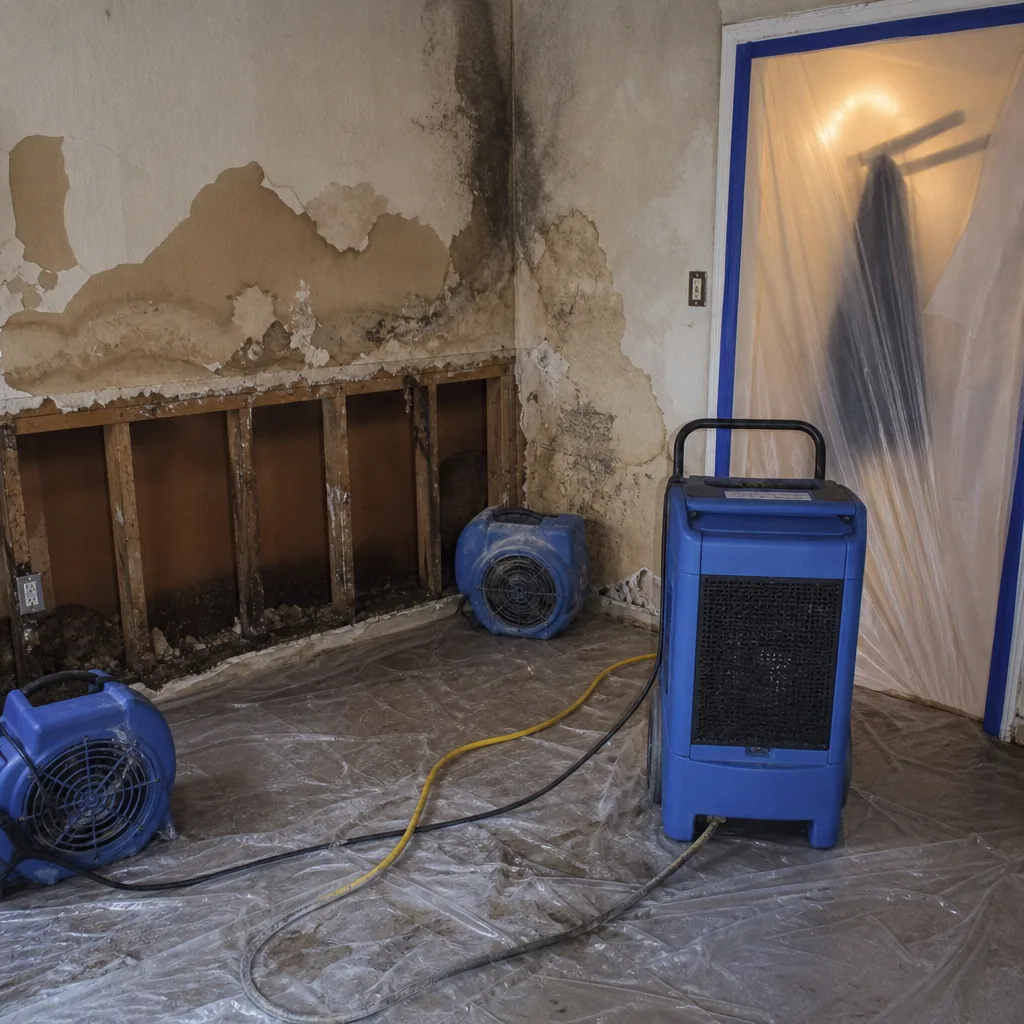 Before
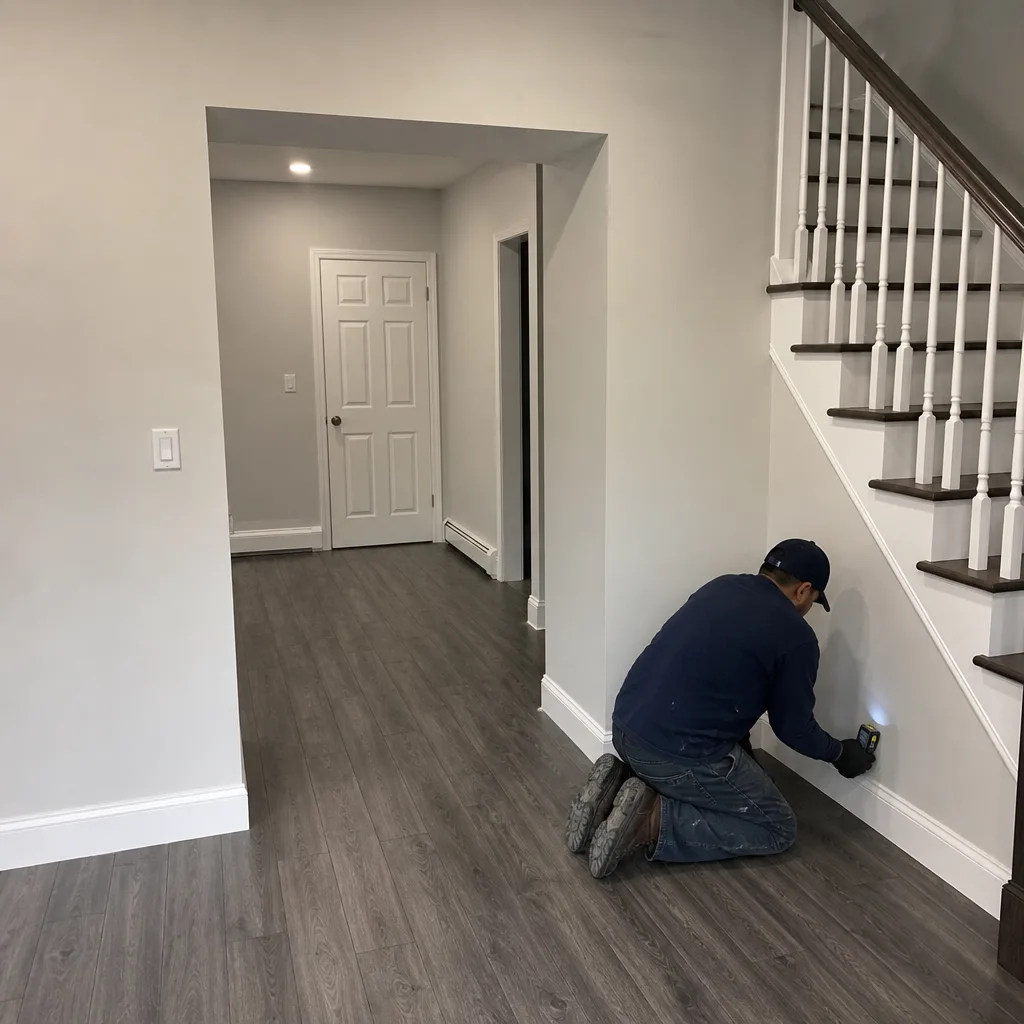 After
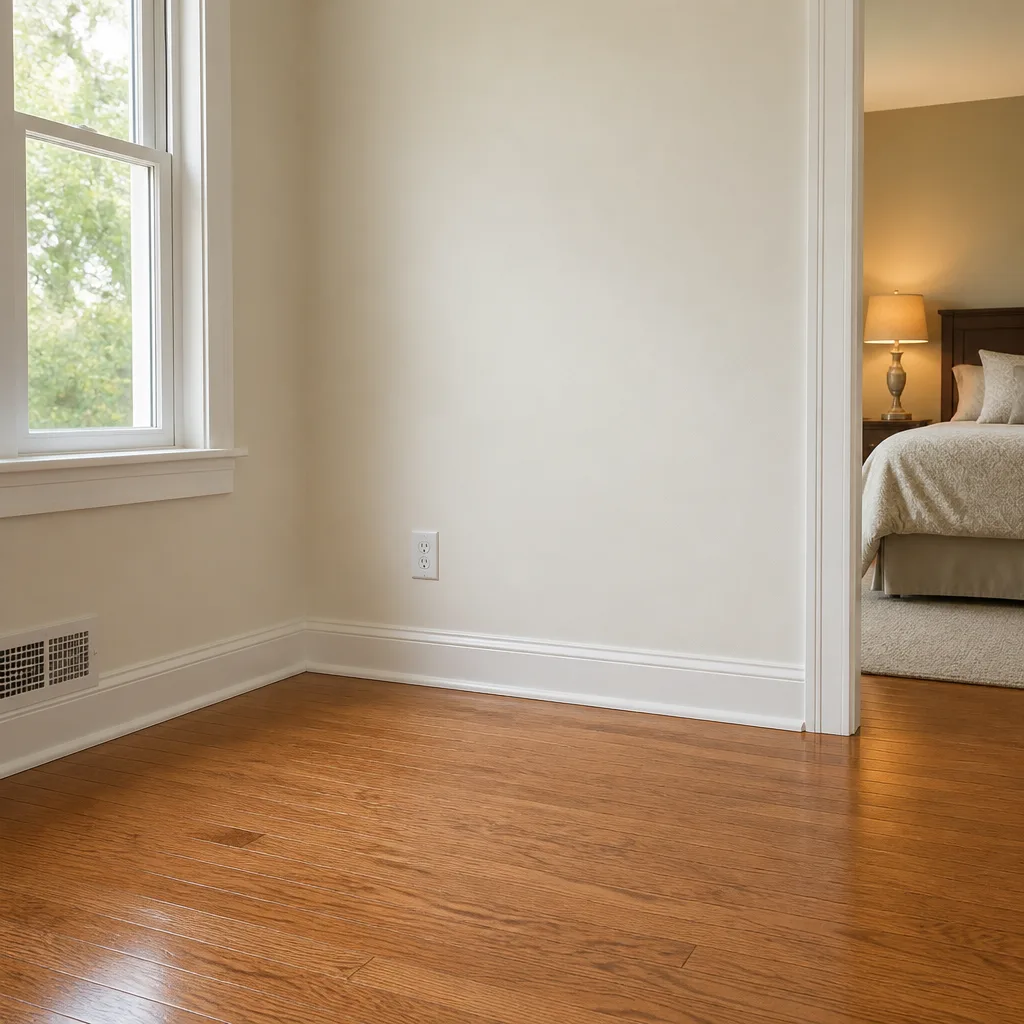
After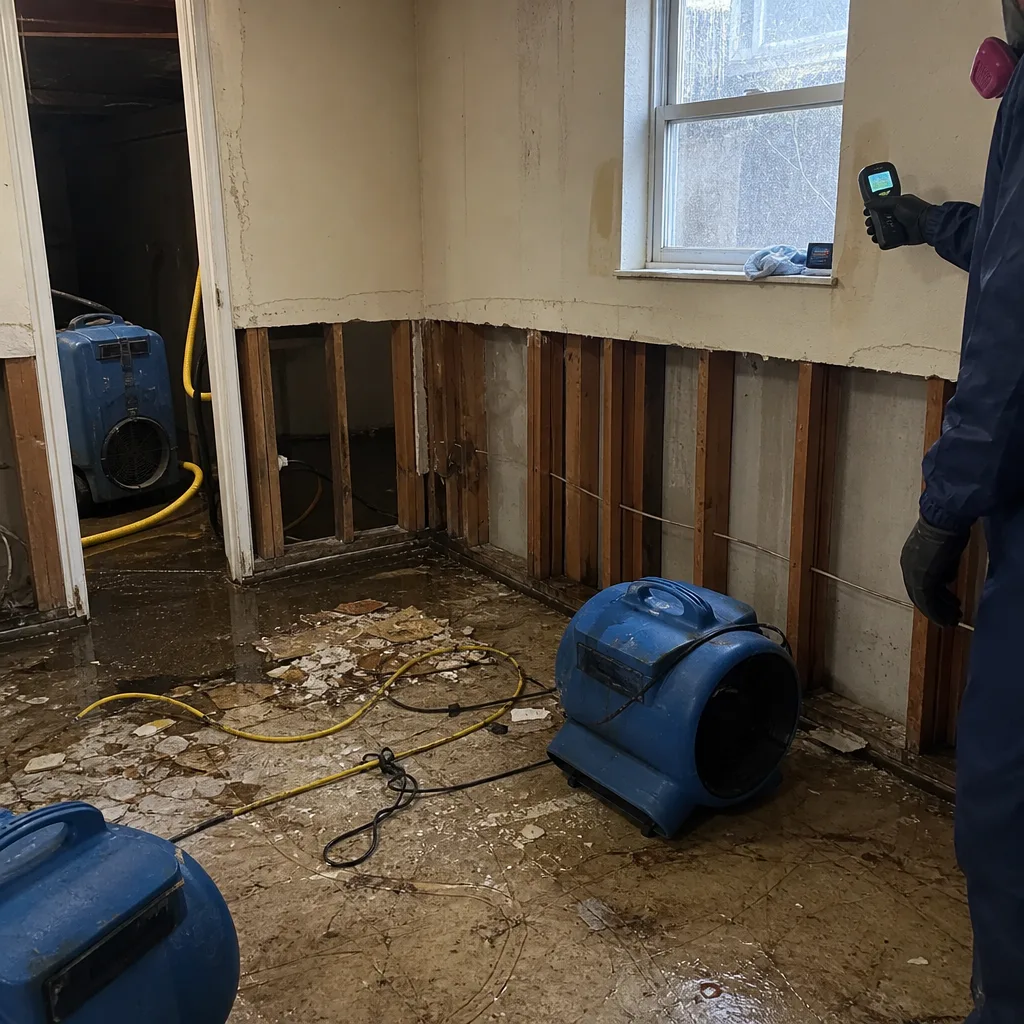 Before
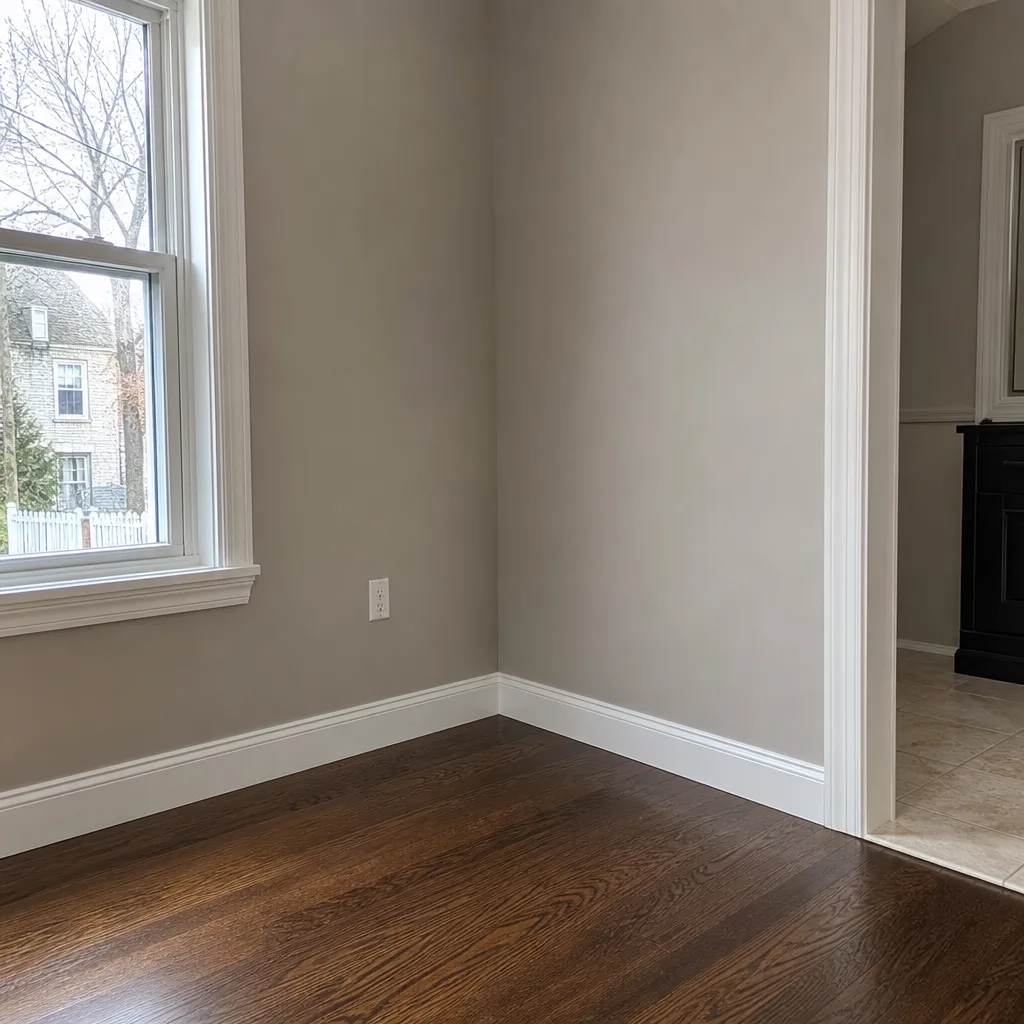 After
After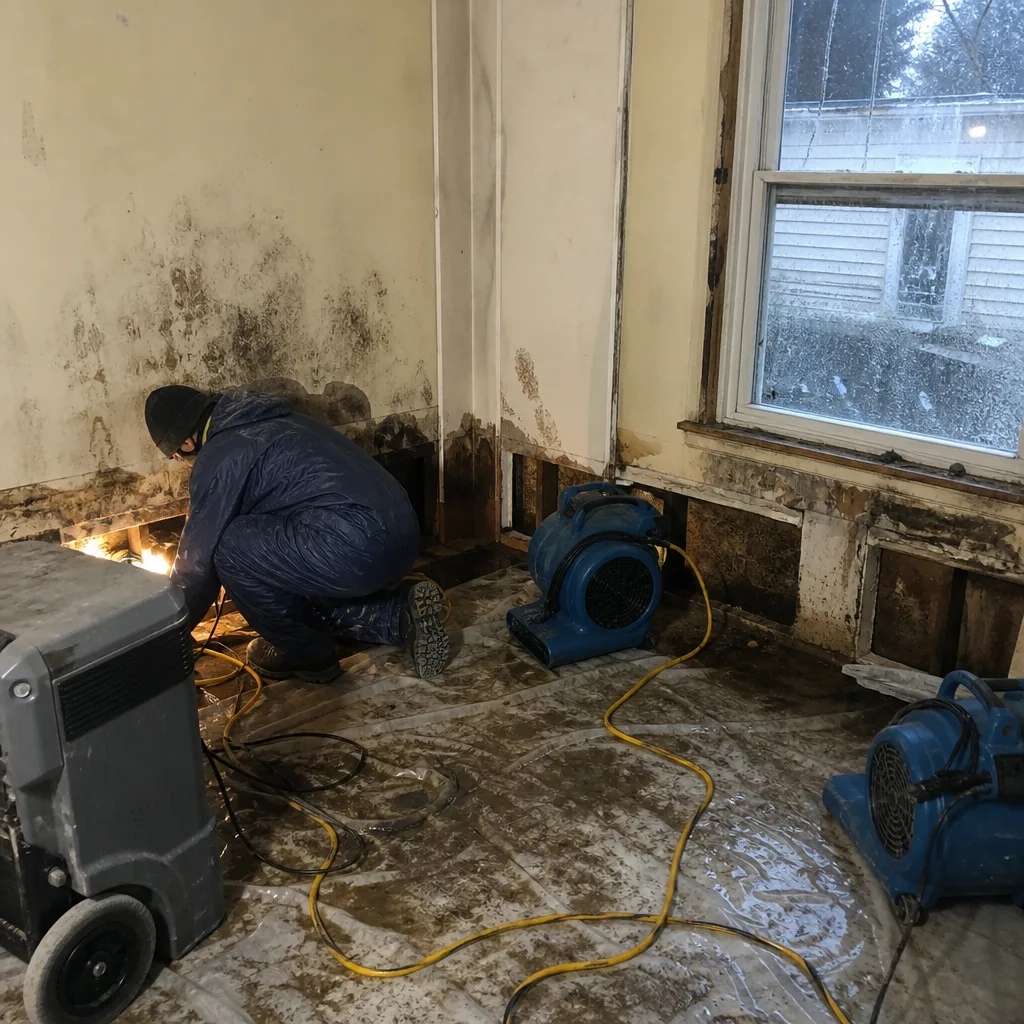 Before
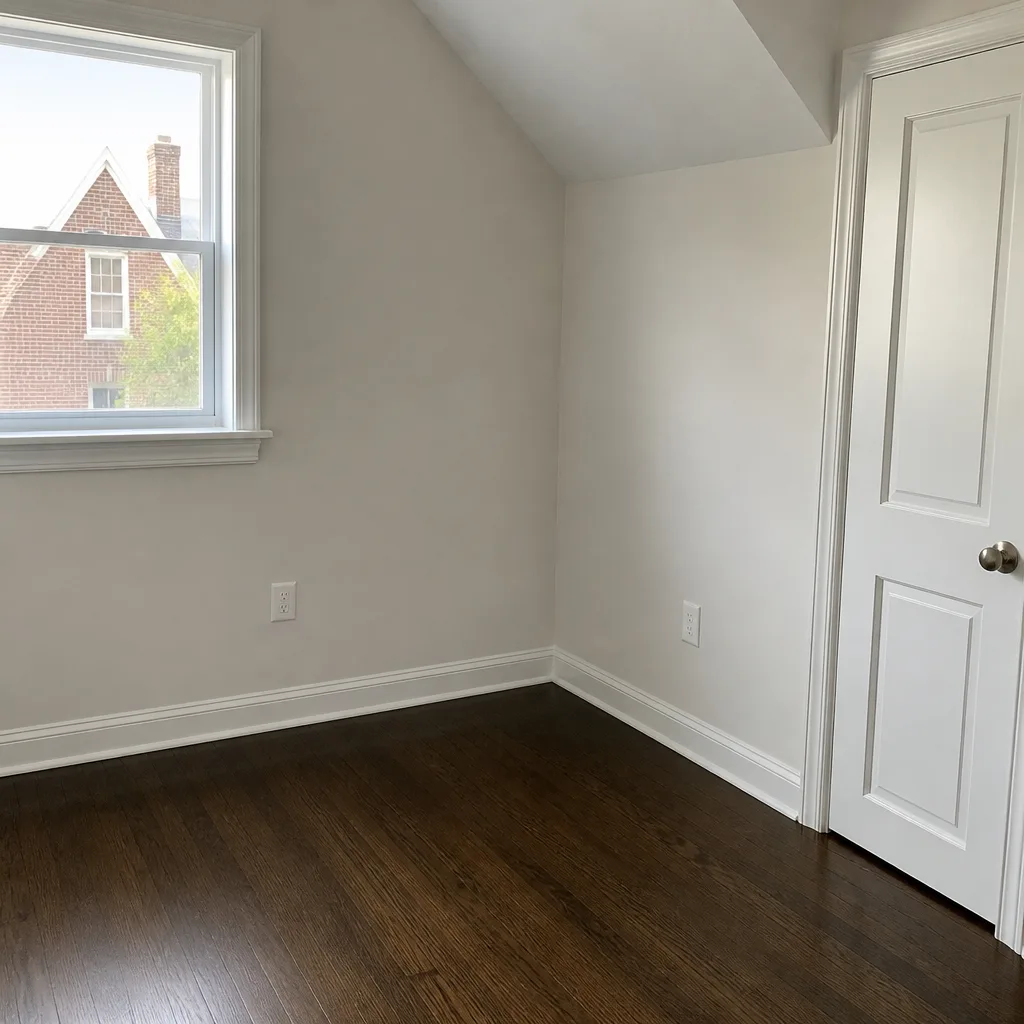 After
After24/7 Emergency Reconstruction & Cleanup in Cambria Heights
Reconstruction and cleanup in Cambria Heights after a basement sewage backup or storm-driven flood typically costs between $4,000 and $18,000, depending on how far the water traveled and what it touched. We answer the phone live at (631) 557-5029 at any hour, and our crews reach Cambria Heights addresses fast because we stage locally. The first hour matters most here: Category 3 water in a finished basement doesn’t wait while you leave a voicemail.
Cambria Heights sits in a flat southeastern Queens corridor where heavy rain overwhelms the combined sewer system, and when that happens, the water coming up through floor drains isn’t rainwater. It’s sewage. That changes everything about cleanup, containment, and what gets rebuilt. Our Reconstruction & Cleanup team handles the full cycle: extraction, structural drying, drywall removal, rebuild, and the insurance paperwork that goes with it. One crew, one name, from the waterline to the final coat of paint.
Understanding Reconstruction & Cleanup Severity in Cambria Heights Properties
Most homes in Cambria Heights are post-WWII brick Cape Cods and two-story colonials built between the 1940s and 1960s. Nearly all of them have below-grade finished basements sitting on flat terrain with no natural grade for surface water to escape. When a nor’easter or a summer convective storm hits, water ponds against foundations before the city sewer system can accept it. And in this neighborhood specifically, the aging combined storm-and-sanitary infrastructure means basements take in Category 3 water: sewage-laden, pathogen-bearing, and classified by the IICRC as grossly contaminated.
That distinction drives the entire reconstruction scope. A Category 1 clean-water loss might need extraction and drying. A Category 3 loss in Cambria Heights requires full containment, removal of saturated porous materials, antimicrobial treatment, and moisture mapping before any rebuild begins. The original cast-iron drain-line stubs in many of these homes also predate modern backflow prevention, which means the water isn’t just coming in; it’s being pushed in from the municipal side. We read moisture on the slab, not just the walls, because hidden saturation under original 1940s-era concrete is common here.
Why Cambria Heights Property Owners Choose Floodline Restoration Co.
- Live answer, 24/7: A real dispatcher picks up at 2 a.m., not a recording. We are in the business of showing up.
- 45-minute response commitment: Our crews stage near Cambria Heights, so extraction starts the same visit, not the next day.
- IICRC-certified technicians: WRT, FSRT, and AMRT trained. Background-checked and uniformed. They know the difference between Category 1 and Category 3 water and act accordingly.
- Free visual inspection: We assess the damage, explain the scope in plain terms, and put it in writing before any work starts.
- Direct insurance billing: We bill your carrier directly and talk to your adjuster so you don’t have to play messenger.
- One crew from extraction to rebuild: No mid-job handoff to a subcontractor you’ve never met. The same team that reads the moisture map on day one rebuilds what needs rebuilding.
Our Reconstruction & Cleanup Process
Inspection & Assessment
We start with a full visual and moisture-mapped assessment of your Cambria Heights property. Thermal imaging and hygrometers tell us where water has traveled inside walls and under flooring. We photograph everything for your insurer.
Extraction & Stabilization
For a sewage backup, we set containment before anything else so contaminated air doesn’t move through the rest of the house. Then we extract standing water and remove saturated porous materials: drywall, carpet, pad, and baseboard.
Drying & Dehumidification
Dri-Eaz and Phoenix air movers and dehumidifiers go in, with daily moisture readings on the slab and wall cavities. In a below-grade basement on flat Cambria Heights ground, drying takes time. We log it all for your carrier.
Cleaning & Sanitization
After Category 3 water, surface cleaning isn’t enough. We apply antimicrobial treatment to affected framing and concrete, then HEPA-clean the air before rebuild materials come in.
Reconstruction & Finish Work
We replace drywall, flooring, and trim, and we address the root cause while the walls are open. If your floor drain lacks a backflow preventer, we install one so the next storm doesn’t repeat the loss.
Final Inspection & Documentation
Before we call the job done, we verify moisture readings are at the dry standard and walk the finished space with you. We hand you the moisture log, the scope of work, and a written 90-Day Done Right Promise.
Need Emergency Reconstruction & Cleanup in Cambria Heights Now?
Crews minutes away, answering live 24 hours a day. The sooner we start, the less it costs.
Working With Your Insurance Company
Insurance claims after a Cambria Heights basement flood are rarely straightforward. Sewer backup is often treated as a separate coverage under your policy, and some carriers exclude it unless you’ve added it. That means documentation matters from the first hour. We photograph the damage room by room, take moisture readings before and after drying, and give your adjuster a line-item scope of work they can’t argue with.
Our team communicates directly with your carrier, so you’re not translating between a restoration crew and a claims office. We’ve spent 42 years in this business, and we know what adjusters need to see. The paperwork is part of the job.
What We Provide Your Insurer
- Thorough documentation of the loss
- Photos of all damage, room by room
- Moisture readings and drying logs
- A detailed, line-item scope of work
- Direct coordination with your carrier
Built for Cambria Heights’s Loss Calendar
Cambria Heights’s loss pattern follows the seasons. January deep freezes burst supply lines in the uninsulated crawlspaces and utility rooms of 1940s-era Capes. Spring thaw and heavy rain push groundwater against foundation walls that have sat in southeast Queens clay for seventy-plus years, finding every seam and crack. Summer brings convective thunderstorms that dump inches of rain in an hour, overloading the combined sewer and sending Category 3 water into finished basements through floor drains and the original cast-iron stubs.
Nor’easters in the fall and winter add a second layer: wind-driven rain through aging entry doors and windows, plus saturated soil that keeps basement walls wet for weeks. Cambria Heights sits low and flat, so there’s nowhere for the water to go. That’s not a problem you fix with a sump pump alone; it’s a reconstruction issue that includes checking backflow prevention, exterior grade, and wall assembly. We plan rebuilds around this calendar, because the next storm is always coming.
Reconstruction & Cleanup Across Cambria Heights’s Neighborhoods
Cambria Heights runs from the Cross Island Parkway corridor on the east to the neighborhoods approaching St. Albans on the west, and the response routes matter. Homes near Cambria Heights Park and the blocks off Linden Boulevard tend to be the classic brick Capes with below-grade basements and original drain stubs. We see sewage-backup losses there regularly after hard rain. Down near the border with Elmont and Queens Village, the two-story colonials with finished basement family rooms carry more contents and more drywall, which means longer pack-outs and bigger scopes.
The blocks off Francis Lewis Boulevard and toward the southern edge of the neighborhood sit slightly lower, and they take surface water first. Homeowners near the older sections of 11411 with original 1940s slabs tell us the same story: the water came up through the floor drain, and it wasn’t clean. We know these streets because we work them. Our crews carry the right containment and drying equipment for a below-grade slab on ground that doesn’t drain.
Specialized Reconstruction & Cleanup Services We Offer in Cambria Heights
Full-Service Reconstruction
When a Cambria Heights basement takes Category 3 water, the rebuild isn’t cosmetic. We strip saturated drywall, treat framing, dry to standard, and rebuild with materials that hold up in a humid, flood-prone basement. That includes checking for a missing backflow preventer on the floor drain before we close the walls.
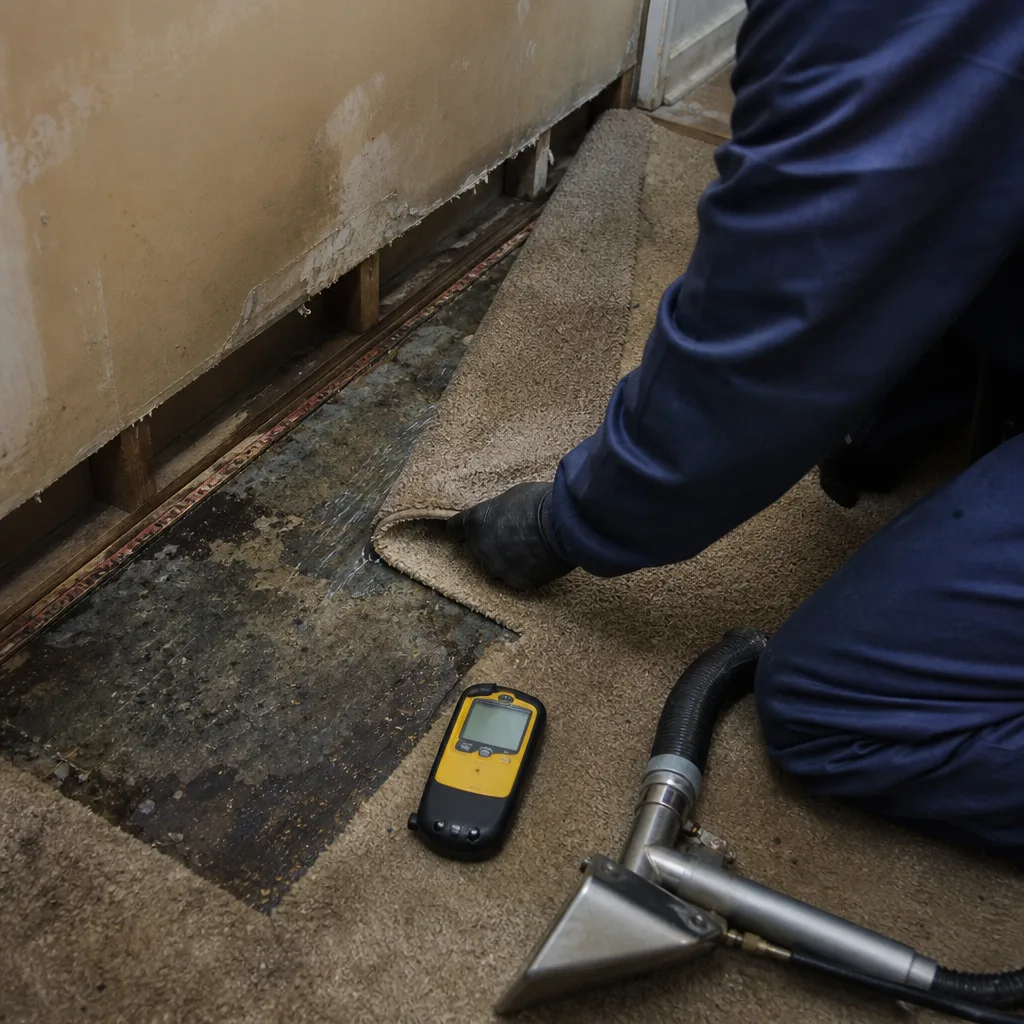
Drywall & Flooring Repair
We replace water-damaged drywall and flooring in finished basements throughout Cambria Heights. For the original 1940s-era slabs common here, we moisture-map before any new flooring goes down. Skipping that step is how homeowners end up with buckled LVP and hidden mold six months later.
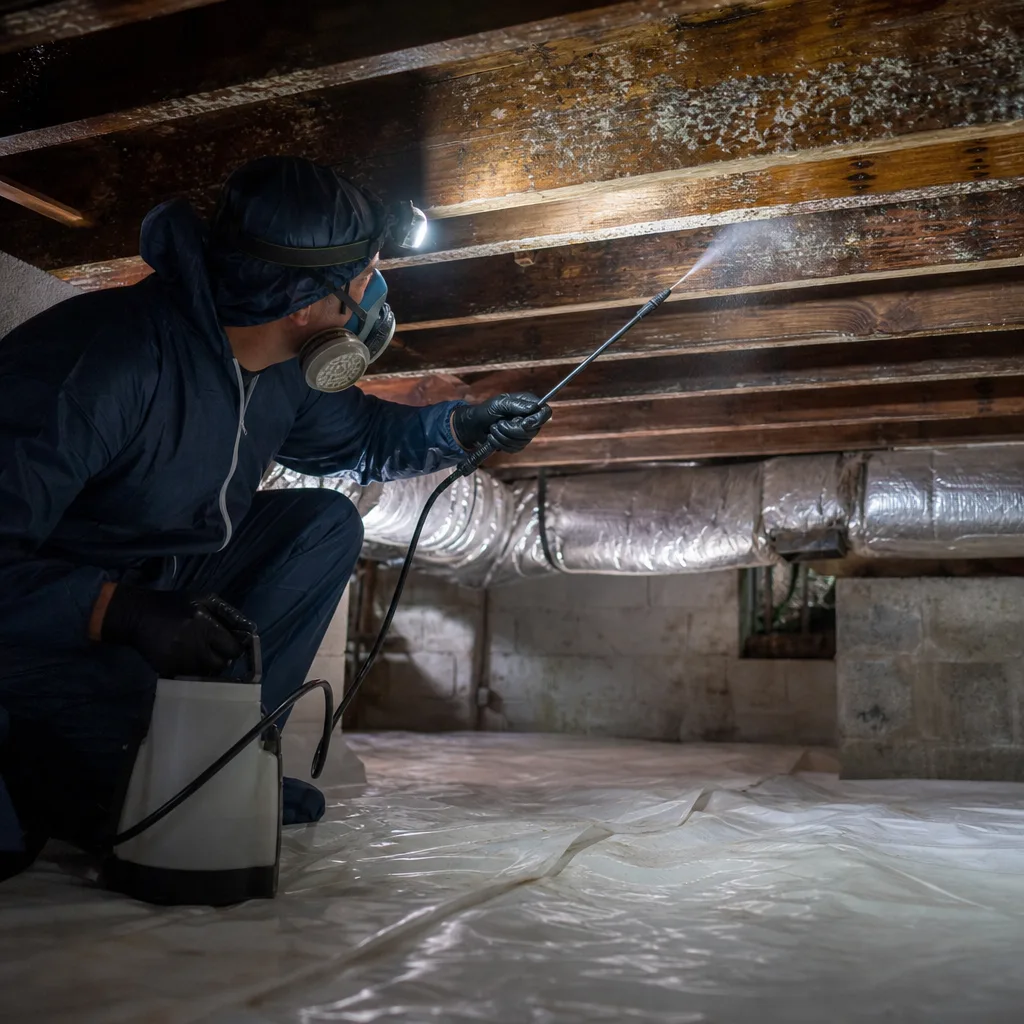
Contents Restoration & Pack-Out
When a finished basement floods, the furniture, boxes, and family photos on the floor get saturated too. We pack out contents, document everything for your claim, and restore what’s restorable. The rest is itemized and adjusted.
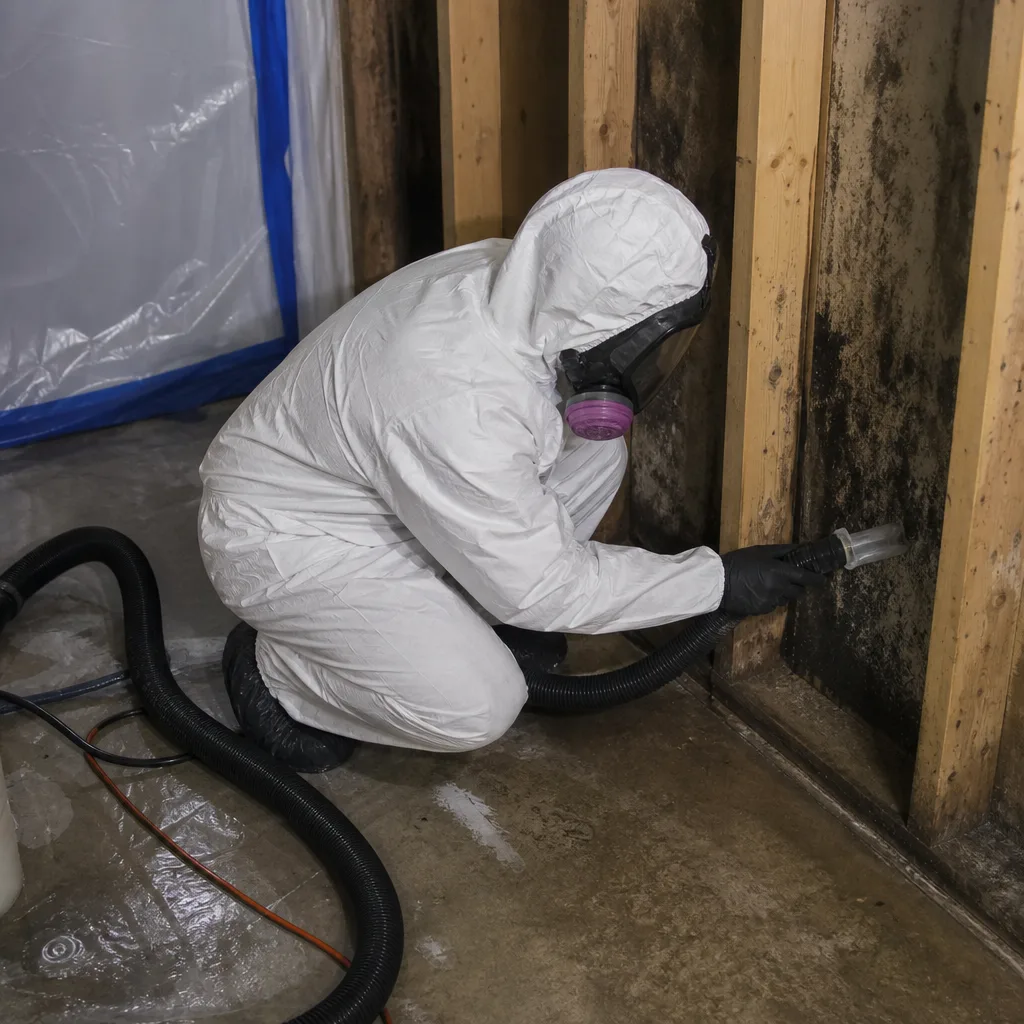
Carpet & Upholstery Cleaning
Category 1 or 2 water sometimes leaves carpet salvageable but soaked. We clean, sanitize, and dry carpet and upholstery on site. After sewage contact, we recommend replacement, not cleaning. We’ll tell you straight which case you have.
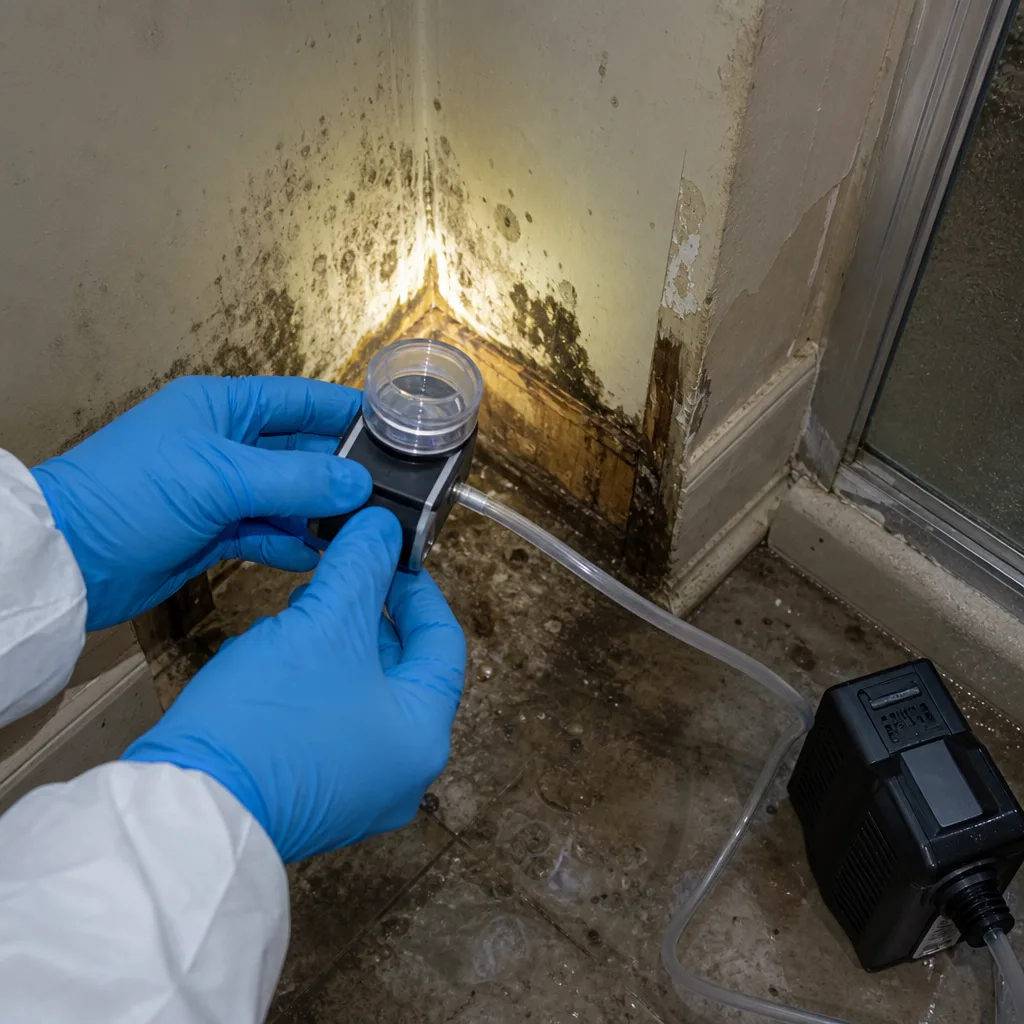
Post-Construction Cleanup
After drywall dust and reconstruction debris settle, we do a full post-construction clean: HEPA vacuuming, surface cleaning, and a final walkthrough. Your rebuilt basement should look finished and feel safe, not like a job site.
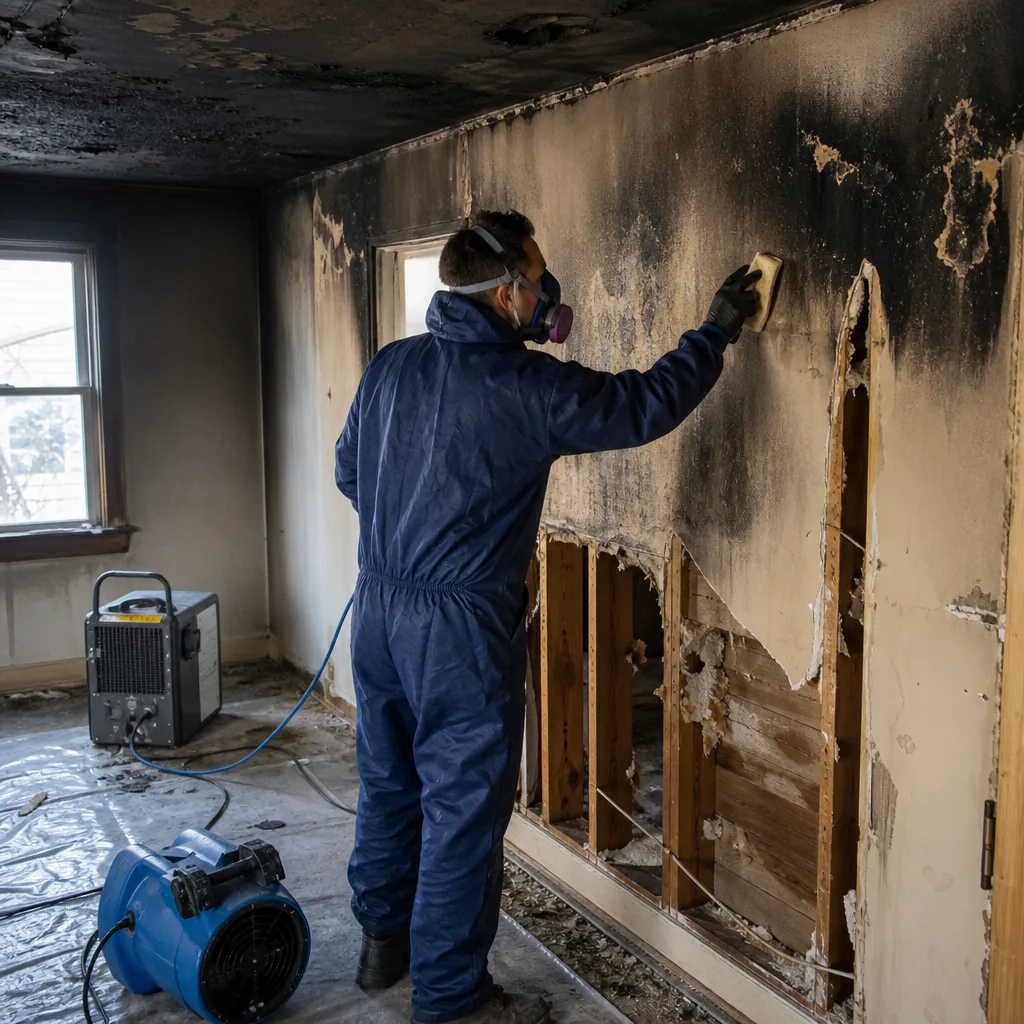
Insurance Claim Documentation
Cambria Heights homeowners dealing with a sewer-backup claim need documentation that holds up. We provide the moisture logs, photo evidence, and line-item scopes your adjuster needs. You didn’t cause this loss, and you shouldn’t have to argue your way through it alone.
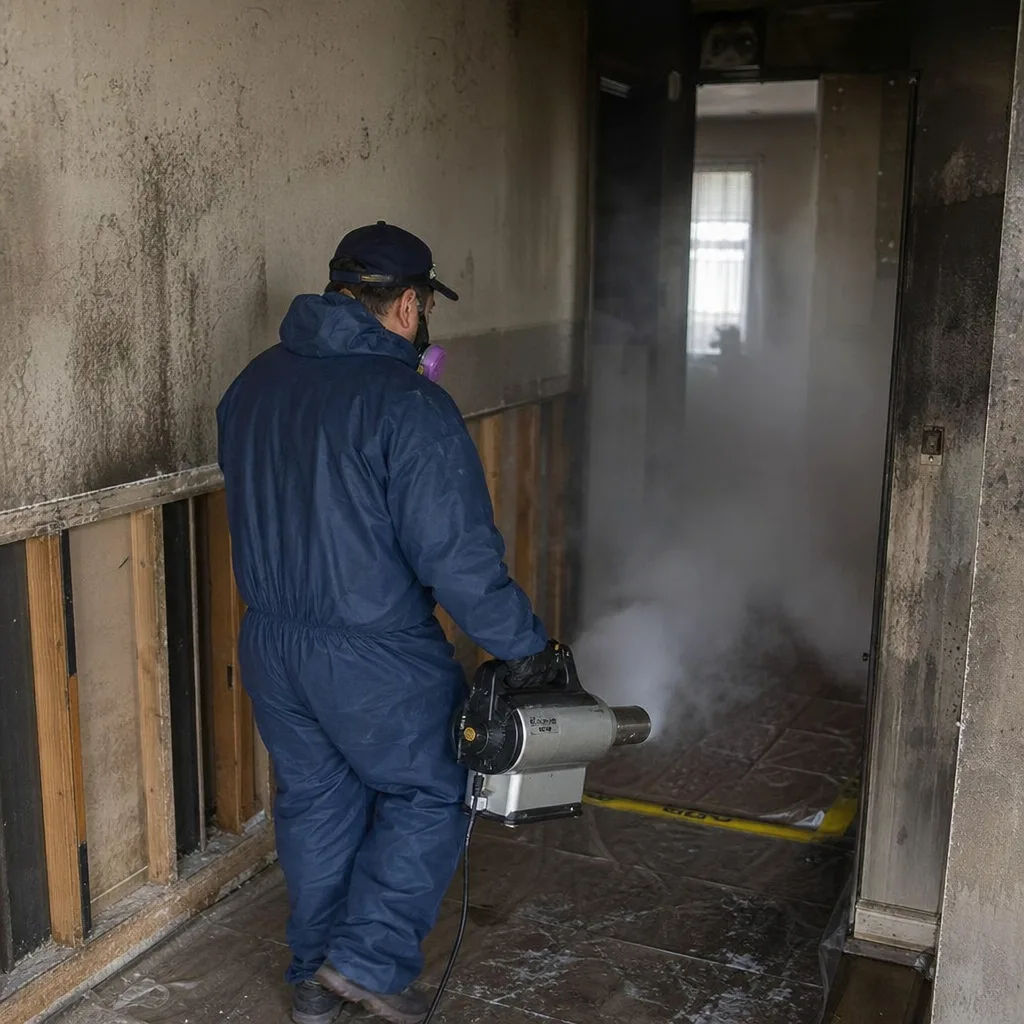
What happens when you call
- 1
A real person answersNo phone trees - you reach a local pro.
- 2
You get an upfront price rangeHonest numbers before anyone is dispatched.
- 3
A background-checked tech heads outLicensed & insured, dispatched right away.
- 4
You approve before work beginsNothing starts until you say go.
Reconstruction & Cleanup Costs in Cambria Heights, NY
In Cambria Heights, a contained Category 3 basement loss with full drywall removal, drying, and rebuild typically runs $6,000 to $15,000. Post-construction cleanup alone runs $400 to $1,200 depending on square footage. Carpet and upholstery cleaning runs $150 to $600. Contents pack-out and restoration typically falls between $1,500 and $5,000 depending on volume and what’s salvageable.
What moves the price: how far sewage traveled, whether the original slab is saturated, how much drywall comes out, and whether flooring is carpet, tile, or hardwood. Insurance coverage varies by policy; sewer-backup riders are common but not guaranteed. If you’re not sure what you’re covered for, call us. We’ll do a free visual inspection, explain the scope in writing, and talk to your carrier directly. No pressure, just a square deal.
We Also Serve Cities Near Cambria Heights
Our crews cover the same flat, flood-prone corridor across Elmont, Hollis, Valley Stream, and Queens Village. If you’re just over the border in one of those neighborhoods, the same team that knows southeast Queens basements is already close by. Call (631) 557-5029 and a live person answers.
Serving Cambria Heights, NY - Our Local Coverage Area
We’re based in the Cambria Heights area and know this community well. Use the map below to see our service coverage - if you’re nearby, we can almost certainly help.
Cambria Heights Reconstruction & Cleanup Questions, Answered
Why does Cambria Heights call my basement flood a ‘black water’ loss when it just looked like rainwater?
Because Cambria Heights sits on flat terrain with a combined sewer system that overflows during heavy rain, so what comes up through your basement floor drain is mixed with raw sewage. The IICRC classifies that as Category 3 water, or black water, and it requires full containment and antimicrobial treatment, not standard extraction. Homeowners in neighboring Nassau County suburbs usually don’t face this because they’re on separate storm and sanitary systems. Call (631) 557-5029 if you’re not sure what came through your floor drain. We’ll assess it straight.
My 1950s Cambria Heights home has no backflow valve on the floor drain-can you install one during reconstruction?
Yes. Most homes built in Cambria Heights in the 1940s through the 1960s were never required to have a backflow preventer, and that’s exactly why so many finished basements here take sewage during storms. When we rebuild, we can install a backflow check valve on the basement floor drain before we close the walls. It’s the single most effective thing you can do to prevent a repeat loss. Call (631) 557-5029 for a free inspection and a written scope.
How do you dry the below-grade basement slab in a Cambria Heights colonial after a sewer backup?
We moisture-map the slab with hygrometers and thermal imaging to find where water penetrated, then run Dri-Eaz and Phoenix air movers and dehumidifiers against the concrete until readings hit the dry standard. That takes days, not hours, and it has to happen before any new flooring goes down. Skipping the slab is the fastest way to get mold under new laminate six months later. We log every reading for your insurance carrier.
I need to pack out my finished basement for reconstruction-what happens to my contents?
We pack out everything that’s salvageable, clean and dry what can be saved, and itemize the rest for your claim. In a finished Cambria Heights basement with a family room, bedroom, or storage area, pack-out is a big part of the job, and it has to be documented properly for the adjuster. We handle it all with your carrier directly. Estimates are free; call (631) 557-5029.
Do I need a permit to replace wind-damaged entry doors in Cambria Heights?
In most cases, replacing an existing entry door with a like-for-like unit doesn’t require a permit, but upgrading to wind-rated or impact-rated doors may trigger a review depending on scope. If the door opening or framing changes, a permit is more likely. We handle code checks and permit coordination as part of any exterior rebuild after storm damage, so you don’t have to sort it out yourself.
How fast can someone actually get here after I call?
We answer live 24/7, and our crews target a 45-minute response to Cambria Heights addresses. Extraction and containment start the same visit. The faster sewage-contaminated water is contained, the less drywall comes out and the lower the final scope. Call (631) 557-5029 any hour; a real person picks up.
Can we stay in the home during reconstruction after a basement sewage backup?
Most of the time, yes, if the affected basement is properly contained and air-scrubbed. But if the HVAC system is tied into the basement and contamination has spread, or if a bathroom or kitchen is involved, the answer may change. We’ll tell you straight after the inspection and explain what containment means for your specific floor plan.
What should I do in the first 30 minutes after water comes up through the floor drain?
Turn off electricity to the basement at the breaker panel if you can do so without stepping through water. Don’t run the HVAC. Don’t touch the water; if it came up through a floor drain in Cambria Heights, it’s likely sewage. Then call (631) 557-5029. We’ll walk you through what to do over the phone while the crew is on the way.
Written by Curt Bowman, Owner at Floodline Restoration Co., serving Cambria Heights and surrounding Queens neighborhoods.