
Free visual inspection and a written scope of work before any mitigation begins - photos, moisture readings, and drying logs go in your claim file
The scope we write is the scope we bill. Anything new gets shown to you, in writing, before we touch it.
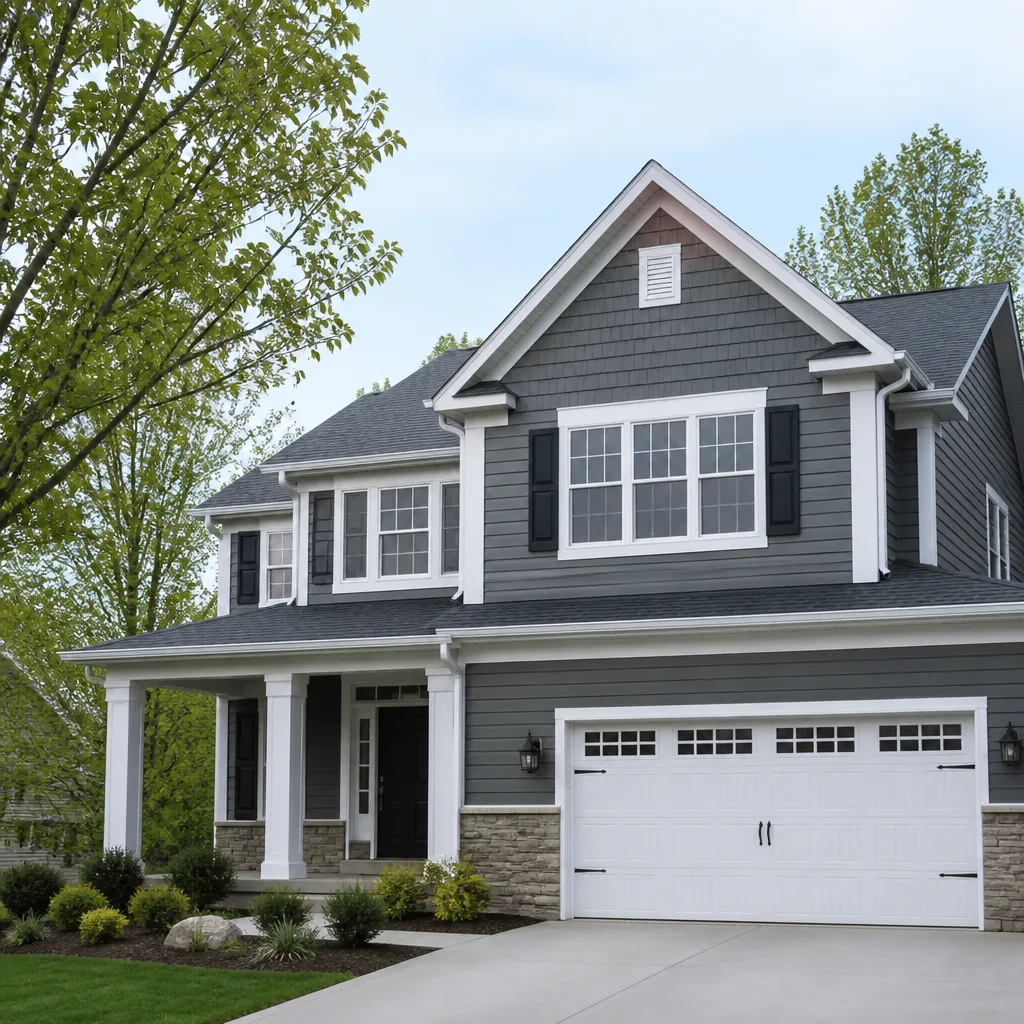
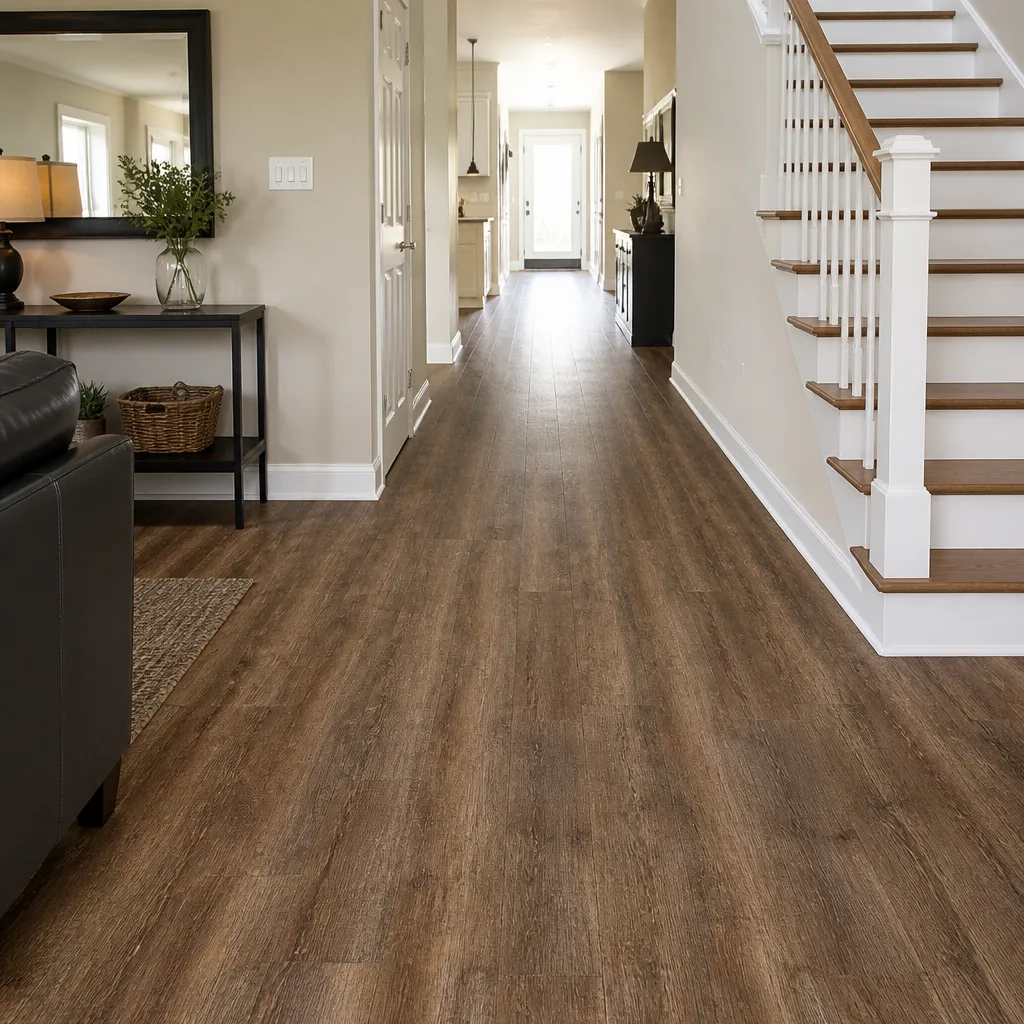
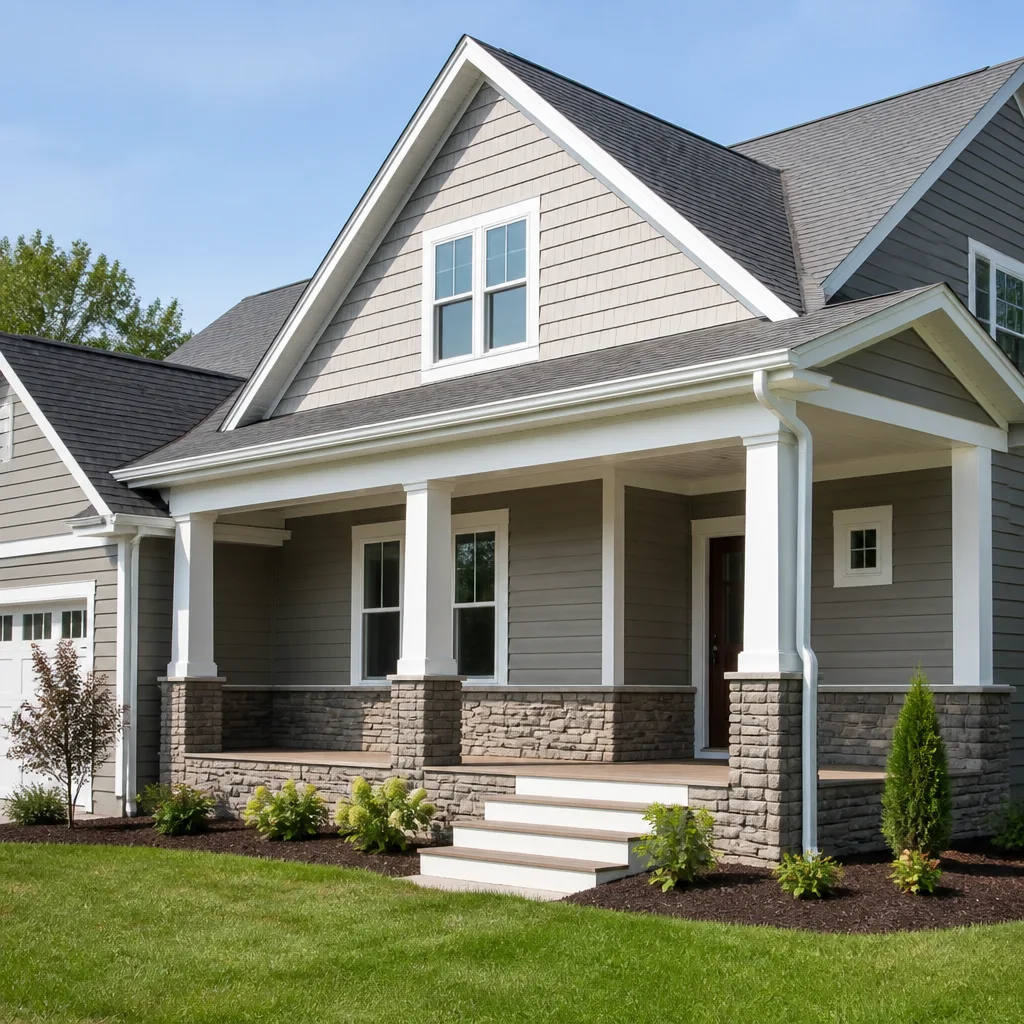
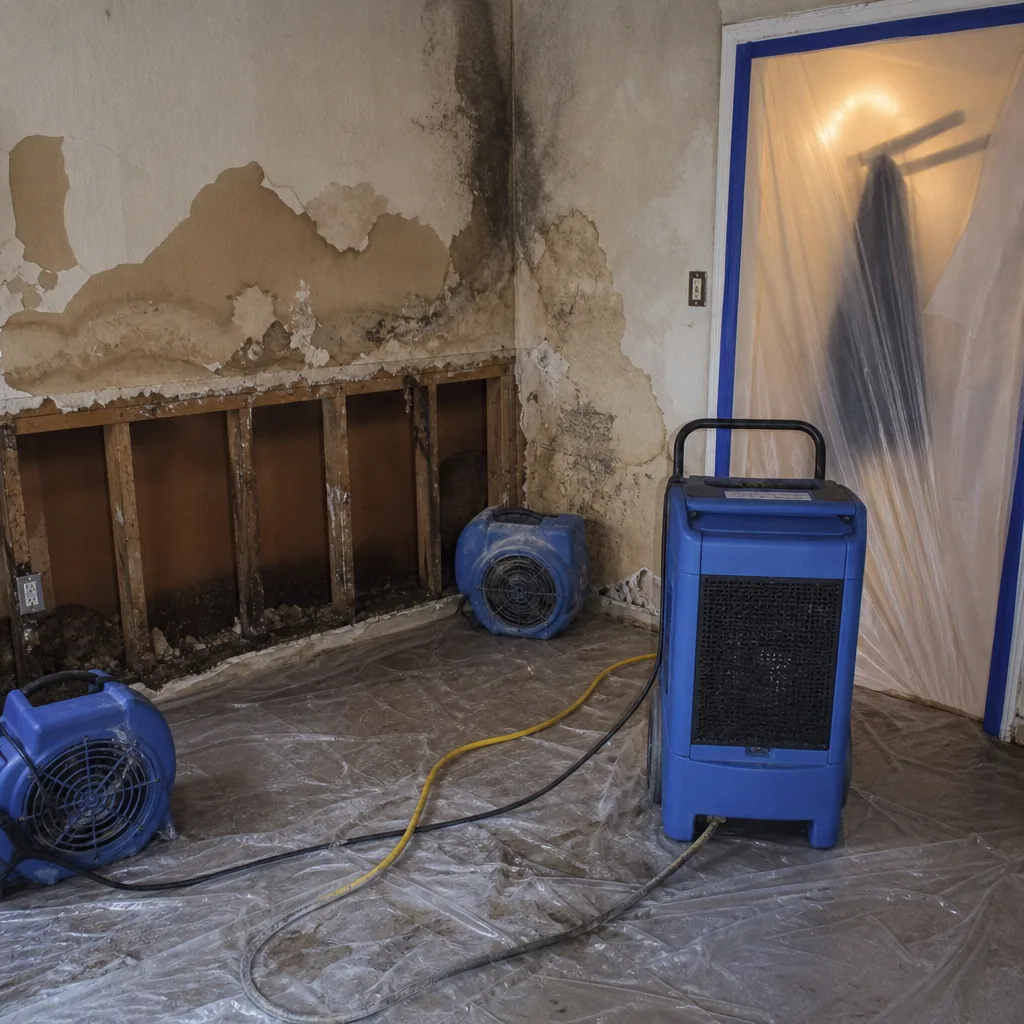 Before
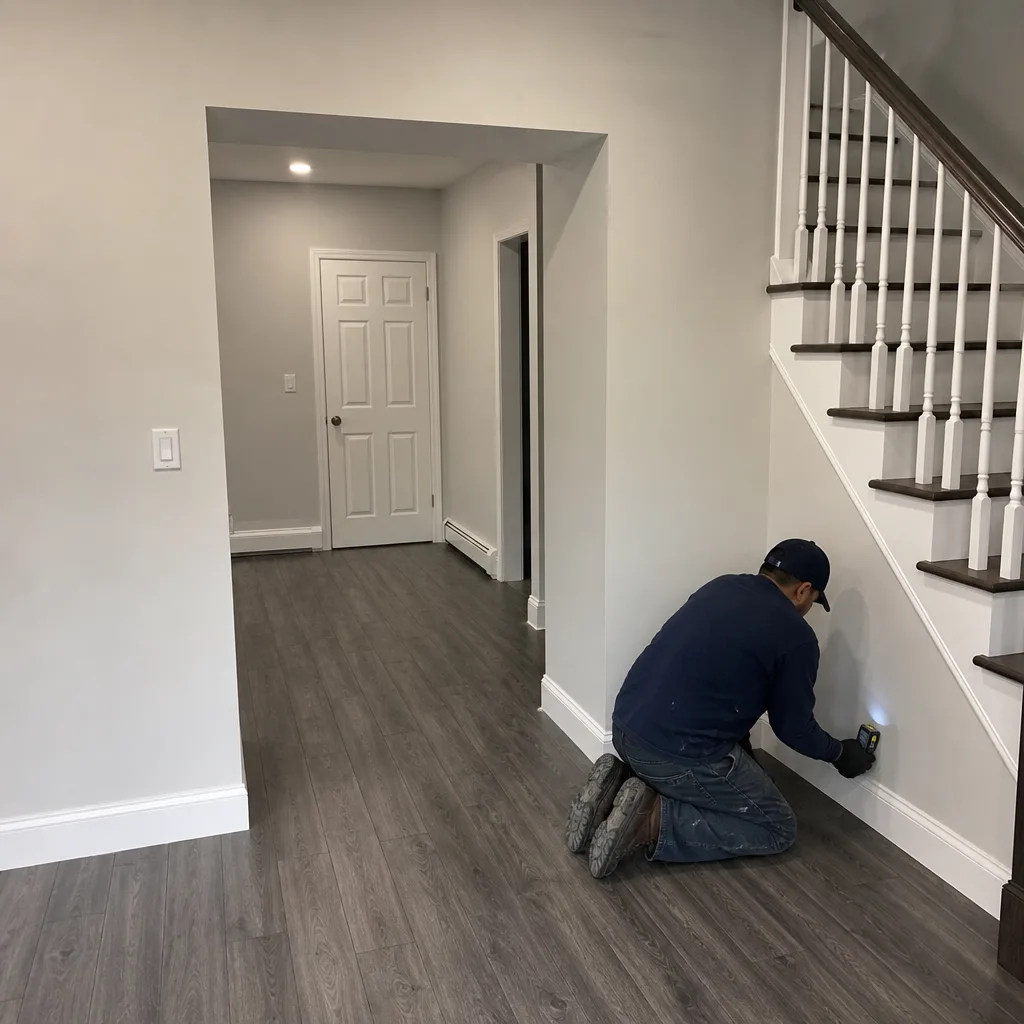 After
After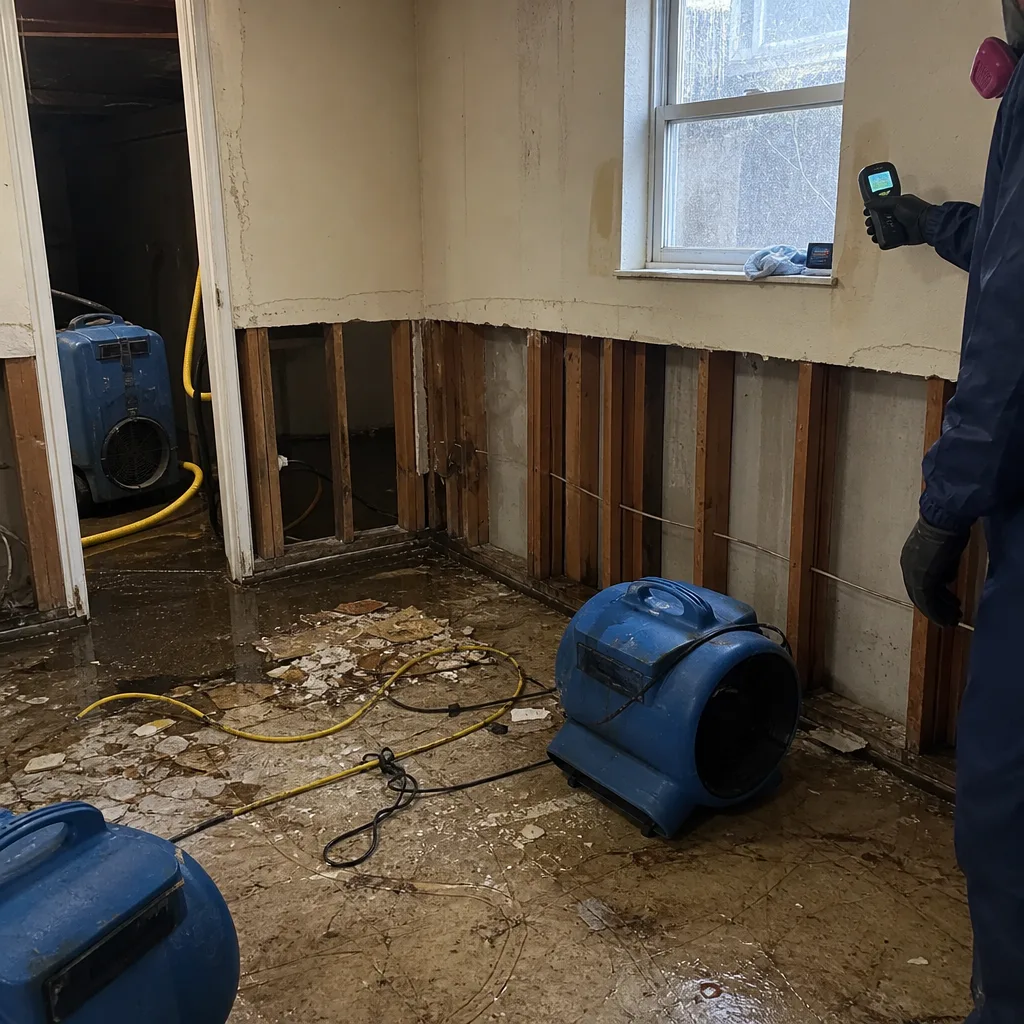 Before
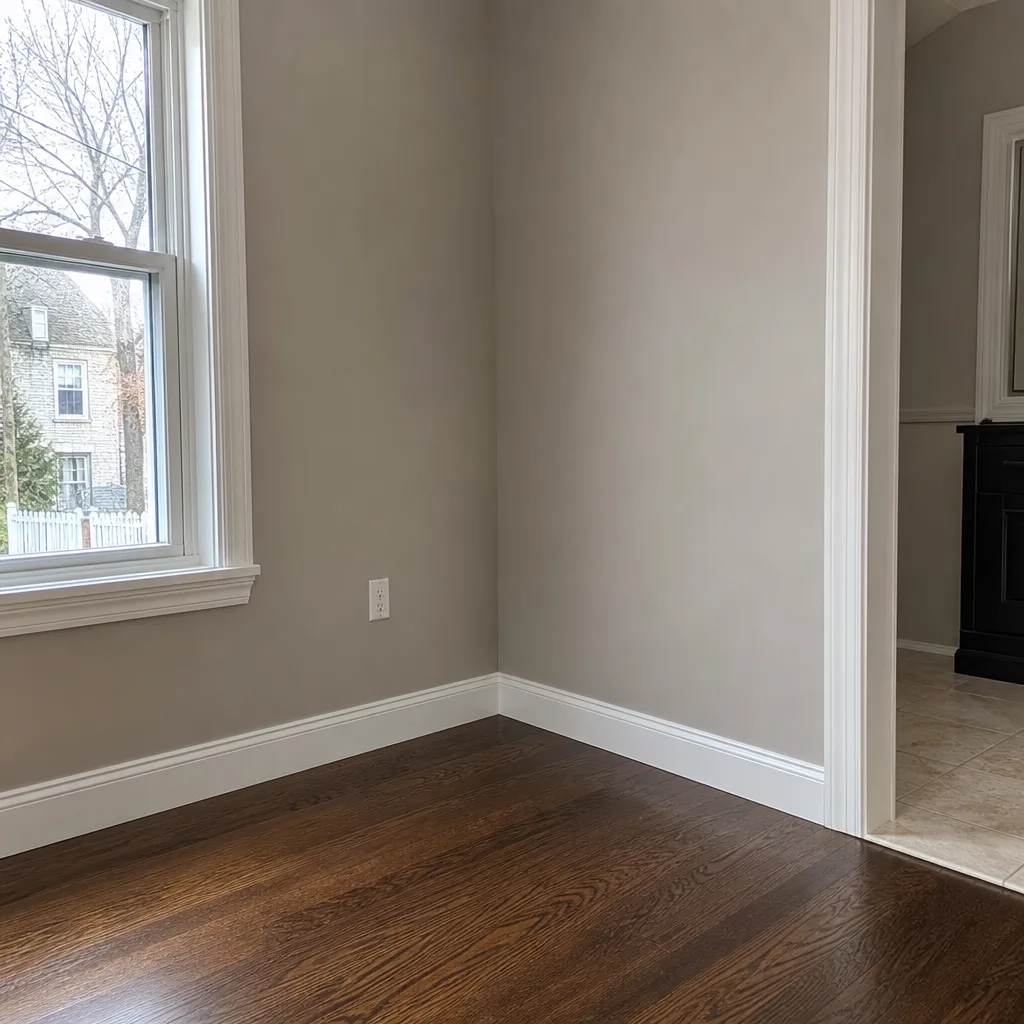 After
After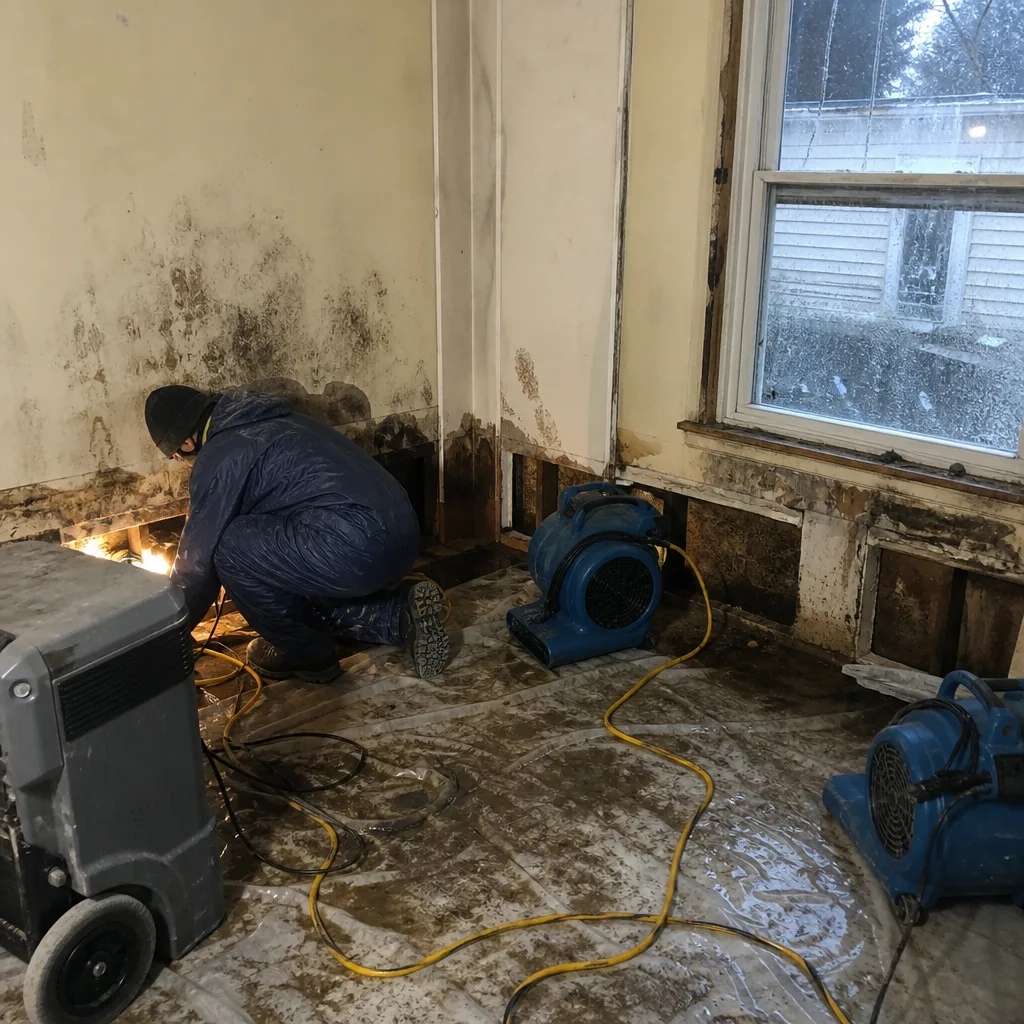 Before
 After
After24/7 Emergency Reconstruction & Cleanup in St. Albans
Storm and water damage in St. Albans doesn’t wait for business hours, and neither do we. Floodline Restoration Co. answers live, 24 hours a day, 7 days a week at (631) 557-5029. A real dispatcher picks up at 2 a.m. and a certified crew reaches most St. Albans addresses within 45 minutes. The first hour after basement flooding or storm damage is the one that determines whether you’re facing a cleanup or a full reconstruction. Finished basements in this neighborhood, many of them 1940s brick rowhouses, hold water against wood framing and drywall in ways that turn a window well failure into a gut-and-rebuild within 48 hours. Call us the moment you spot water. We’ll walk the property with you, document the loss, and start extraction the same visit.
Understanding Reconstruction & Cleanup Severity in St. Albans Properties
Not all water in St. Albans is the same water. The IICRC classifies floodwater into three categories, and the distinction matters more here than in most Queens neighborhoods. Category 1 is clean supply water from a burst pipe. Category 2, called gray water, carries biological or chemical contaminants, think failed window wells pulling in yard runoff. Category 3 is black water, and St. Albans sees far too much of it. The neighborhood’s aging combined sewer system routinely backs up through basement floor drains during heavy rain, pushing sewage into homes that sit on low-lying, historically marshy ground. When that happens, you’re not looking at drying. You’re looking at containment, antimicrobial treatment, and the removal of every porous material the water touched.
The housing stock compounds the problem. Most St. Albans homes were built between 1940 and 1970, brick and frame rowhouses with owner-finished basements. Those basements frequently became rental units, sometimes legally, sometimes not. Water that reaches a finished basement saturates drywall, laminate flooring, and the framing behind them. Within 48 to 72 hours, hidden moisture behind 1940s plaster and paneling breeds mold that spreads into newly dried drywall if the job was scoped without moisture mapping. That’s the difference between a cleanup and a reconstruction. That’s why we map moisture from day one and keep daily readings until the dry standard is met.
Why St. Albans Property Owners Choose Floodline Restoration Co.
- 45-minute response commitment. Crews are staged to reach St. Albans addresses fast, because the water in this neighborhood does not wait for traffic on the Van Wyck.
- 24/7 live answer, always a person. No phone trees, no recording. A dispatcher picks up at 2 a.m. and a certified crew is on the road.
- IICRC-certified crews. Our technicians train and certify to WRT, FSRT, and AMRT standards, so the job is scoped correctly the first time, especially the Category 3 calls St. Albans’s sewers create.
- Free visual inspection. Before any work begins, we assess the damage, explain what you’re facing, and give you a written scope. No pressure, no oversell.
- Direct insurance billing. We bill your carrier directly and handle adjuster communication, so you never play messenger.
- One team from first extraction to final rebuild. The crew that reads the moisture map on day one handles the drying log and rebuilds the walls. No mid-job handoff, no inherited crew.
Our Reconstruction & Cleanup Process
Inspection & Assessment
We start with a full visual and thermal imaging walkthrough. In St. Albans, that includes checking the sewer line and floor drain for the Category 3 contamination this neighborhood’s infrastructure is known for. The assessment includes a written scope before any work starts.
Extraction & Stabilization
Standing water comes out first. We use professional-grade extraction equipment and begin structural stabilization, meaning we secure wet materials, stop active leaks, and prevent further spread before drying starts. On Category 3 jobs, we set up containment at this stage.
Drying & Dehumidification
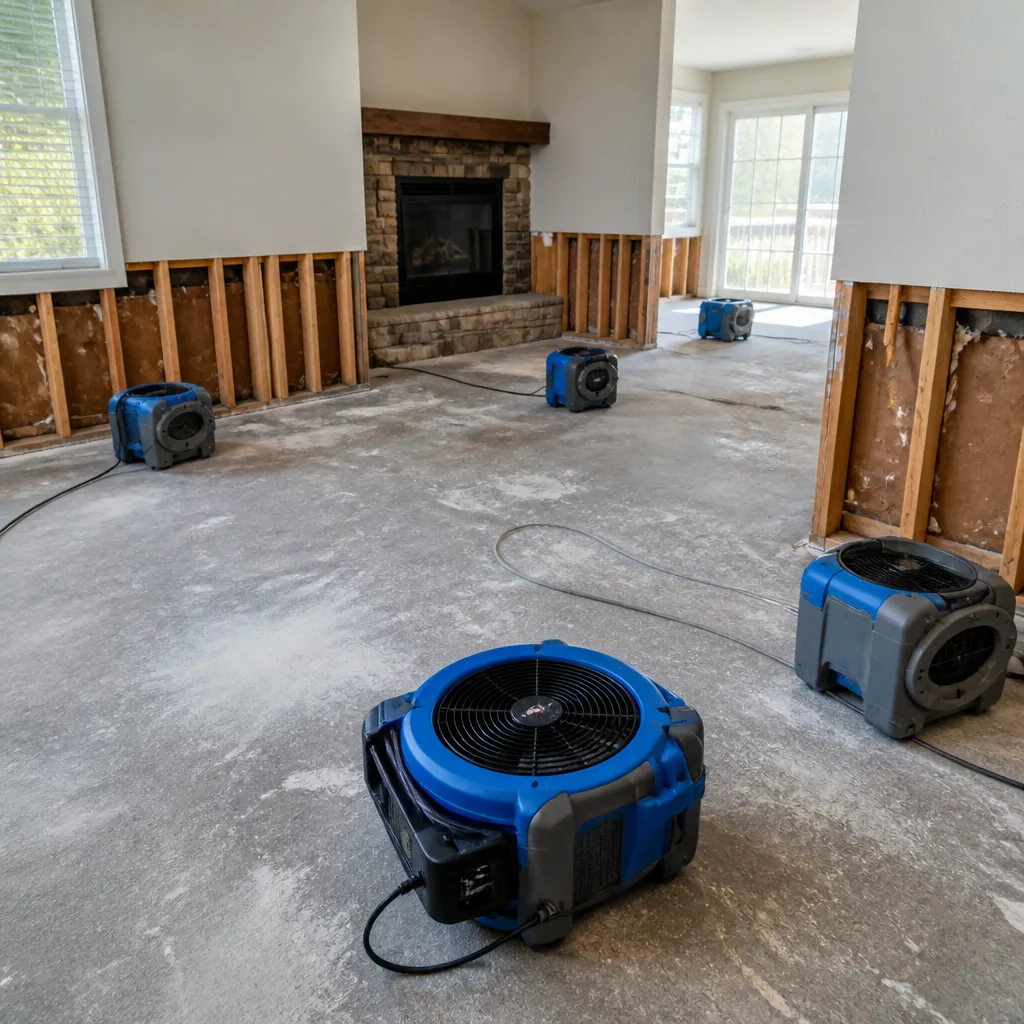
We run Dri-Eaz and Phoenix dehumidifiers with XPOWER air movers positioned against a moisture map we build in hour one. Daily readings are logged in writing, and you and your carrier get a copy. We don’t call it dry until the numbers say dry, not the calendar.
Cleaning & Sanitization
Every affected surface gets cleaned with appropriate antimicrobials and sanitizers. On sewage backups, which St. Albans sees through its combined sewers, this step follows IICRC biohazard protocols and includes HEPA air scrubbing before any rebuild begins.
Specialty Treatment for St. Albans Conditions
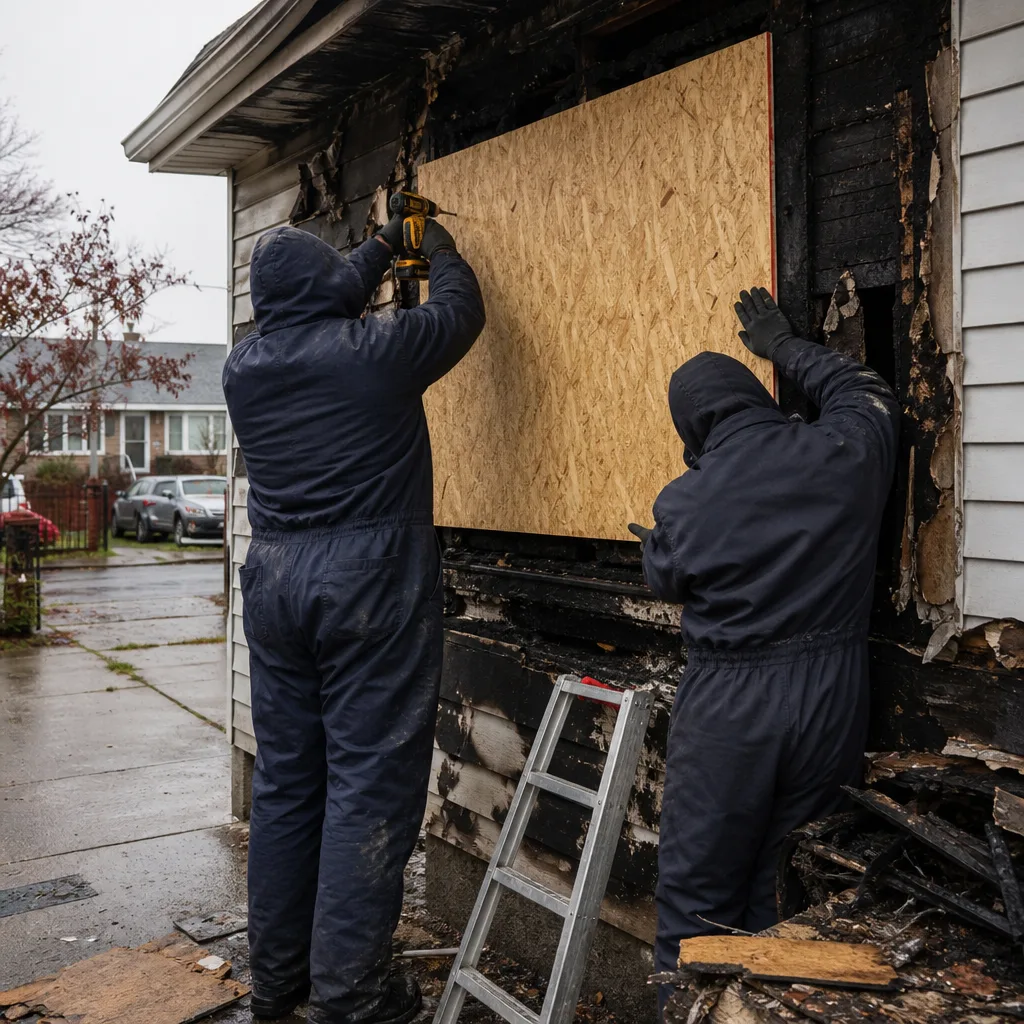
We address localized failures this neighborhood is prone to: window well repairs, drain and sewer backwater valve recommendations, and wind-rated exterior door retrofits on 1940s brick rowhouses where storm pressure forced water through the entry points.
Repairs & Restoration
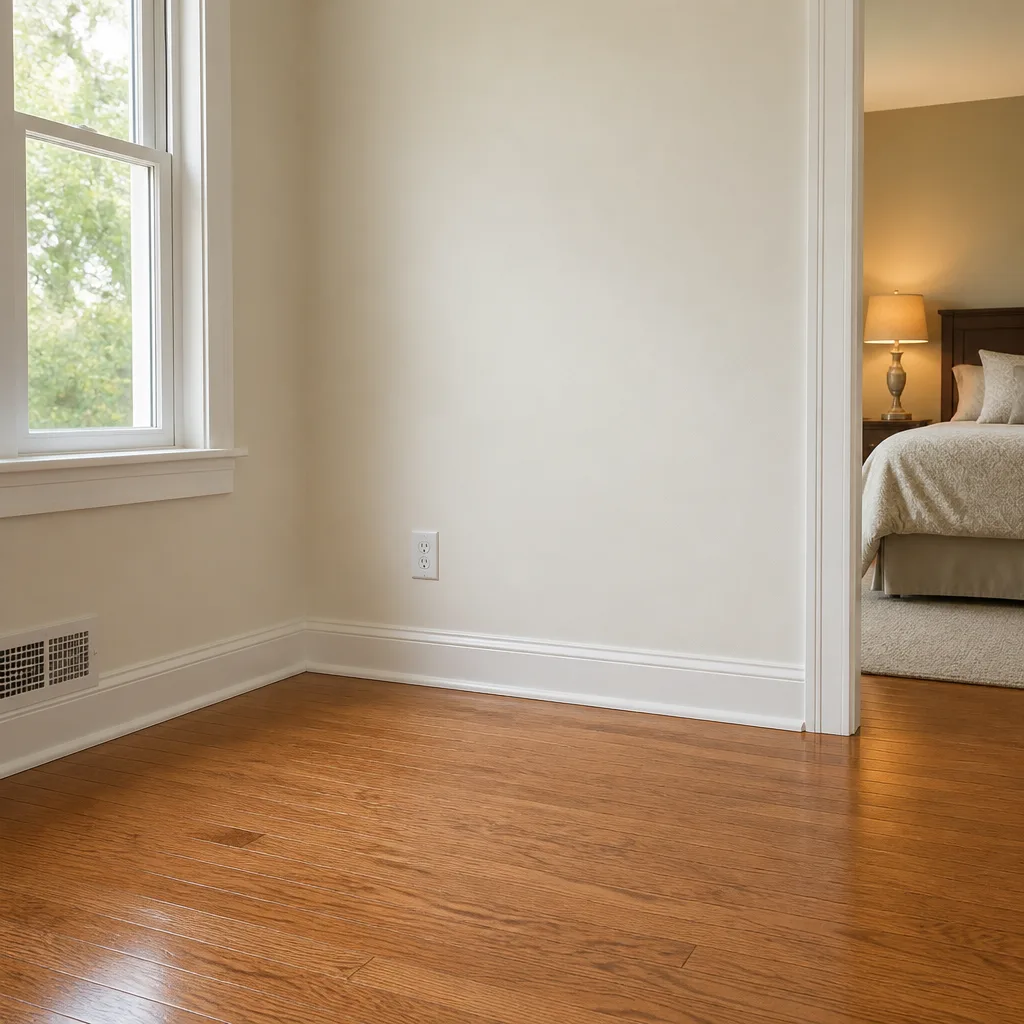
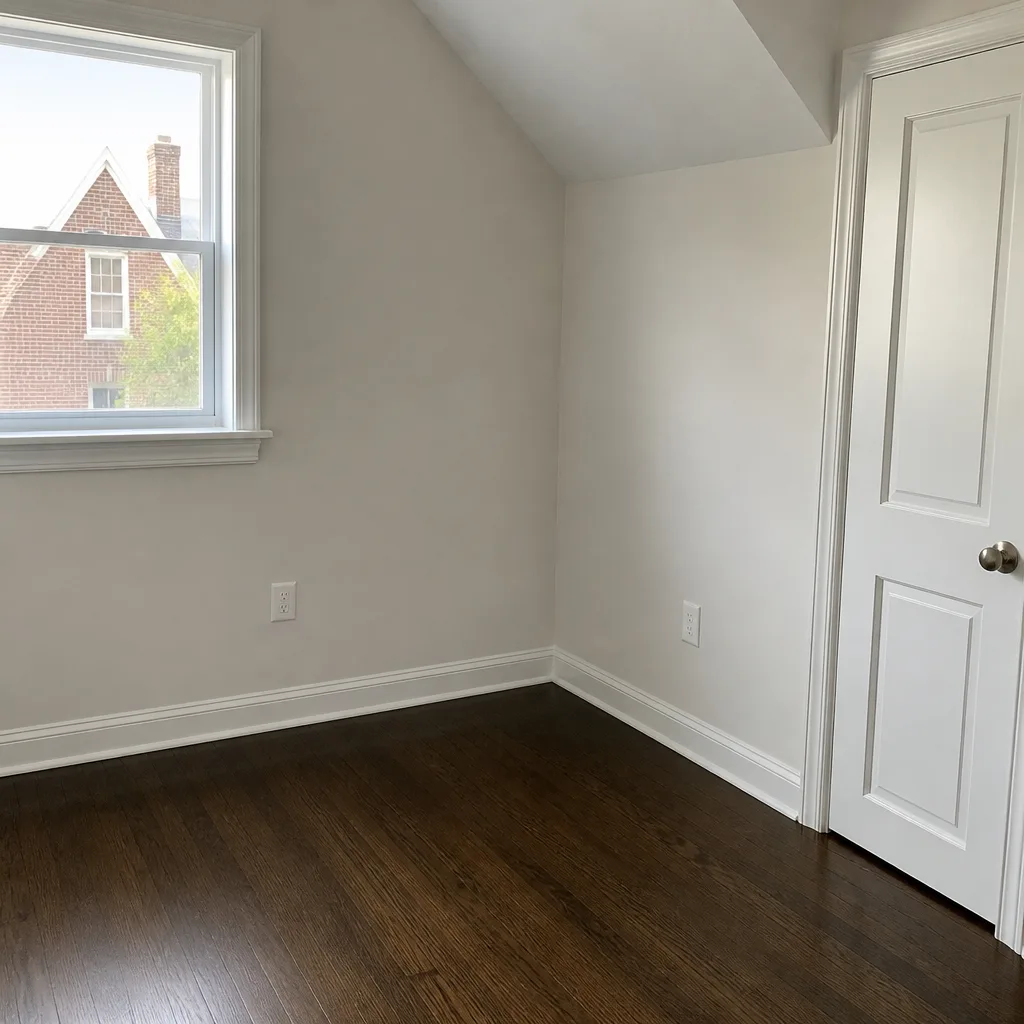
The same crew rebuilds what was removed: drywall, flooring, trim, doors. The finished space is restored to its pre-loss condition, documented for your insurer, and backed by our 90-Day Done Right Promise in writing.
Need Emergency Reconstruction & Cleanup in St. Albans Now?
Crews minutes away, answering live 24 hours a day. The sooner we start, the less it costs.
Working With Your Insurance Company
Insurance is in the room on almost every St. Albans reconstruction job, whether it’s a flooded basement off Linden Boulevard or storm damage near the Baisley Park Houses. We document from the first hour: photos of every affected room before demolition, moisture readings, thermal imaging scans, and written scope of work. We speak directly with your adjuster, provide industry-standard estimates using the same software the carriers use, and bill directly. You don’t negotiate, and you don’t play messenger. If your basement apartment was never legally permitted, we will be straight with you about what that means for coverage before work begins, so there are no surprises mid-remediation.
What We Provide Your Insurer
- Thorough documentation of the loss
- Photos of all damage, room by room
- Moisture readings and drying logs
- A detailed, line-item scope of work
- Direct coordination with your carrier
Built for St. Albans’s Loss Calendar
St. Albans’s damage season is not a season. It is a year-round calendar with distinct failure modes for each stretch. January and February deep freezes burst supply lines in unheated basement crawl spaces of 1940s and 1950s rowhouses, and that water is almost always Category 1 but brings the same demolition scope once it soaks finished drywall. Spring thaw and March rain push groundwater up through a water table that sits close to the surface in this former wetland, leading to seepage through foundation cracks and window wells. Summer thunderstorms dump two to three inches on flat, low-lying streets where stormwater has nowhere to drain, overwhelming yard drains and pushing Category 3 water up through floor drains connected to aging combined sewers. Nor’easters in the late summer and fall drive wind and rain against exterior doors and windows, finding every weak seal on a brick facade that’s been standing since Eisenhower was president. We schedule around that calendar because we’ve been answering calls on it for years.
St. Albans’s Terrain and What It Means for Your Reconstruction
St. Albans sits on low-lying, historically marshy terrain in southeastern Queens, and that single fact shapes more of this neighborhood’s reconstruction work than any building code. The flat grade means stormwater has nowhere to drain quickly. A two to three inch rain event overwhelms yard drains and window wells, sending water into basements that would stay dry in better-elevated Queens neighborhoods like Forest Hills or Flushing. When we rebuild a finished basement in St. Albans, we do not just replace the drywall and flooring. We assess the drainage around the window wells, the slope of the yard, the condition of the sewer line, and whether the home needs a backwater valve to stop floor drain backups. A rebuild that ignores the terrain just fills with water again next summer.
On a July evening after a nor’easter remnant, our crew responded to a 1940s brick rowhouse near Farmers Boulevard and Linden Boulevard where a window well had failed and sent Category 2 water into a finished basement used as an informal rental unit. We set up containment, ran three XPOWER air movers and a Dri-Eaz dehumidifier, and took moisture readings that confirmed saturated drywall and laminate flooring. Because the space lacked a legal certificate of occupancy, we paused demolition until the owner could verify permit status, then completed structural drying and rebuild with a scope of work reviewed for insurance documentation.
Reconstruction & Cleanup Across St. Albans’s Neighborhoods
We run calls all over St. Albans, from the rowhouse blocks south of Murdock Avenue to the two-family homes near the Baisley Pond Park edge. The homes along Farmers Boulevard are some of the oldest in the neighborhood, 1940s brick rowhouses with shallow yards that pitch toward the foundation and window wells that have been patched for decades. Those calls are almost always seepage and window well failures. Around Linden Boulevard, the commercial mix and older sewer laterals mean more floor drain backups and Category 3 water during heavy rain. North of Baisley Boulevard near the park, we see basements with finished rentals and the permit complications that follow. Up by Hollis Avenue, the frame construction and older additions mean post-storm door and window damage where wind-driven rain found the gap between the original structure and the add-on. Each area has a pattern, and knowing it gets our crews to the right fix faster.
Specialized Reconstruction & Cleanup Services We Offer in St. Albans
Full-Service Reconstruction
From the first extraction to the final coat of paint, one crew handles the entire job under one scope of work. In St. Albans, that means rebuilding finished basements, replacing water-damaged framing and drywall, and restoring your home to the condition it was in before the loss. We handle the full cycle of Reconstruction & Cleanup so you never deal with a mid-job handoff.
Drywall & Flooring Repair
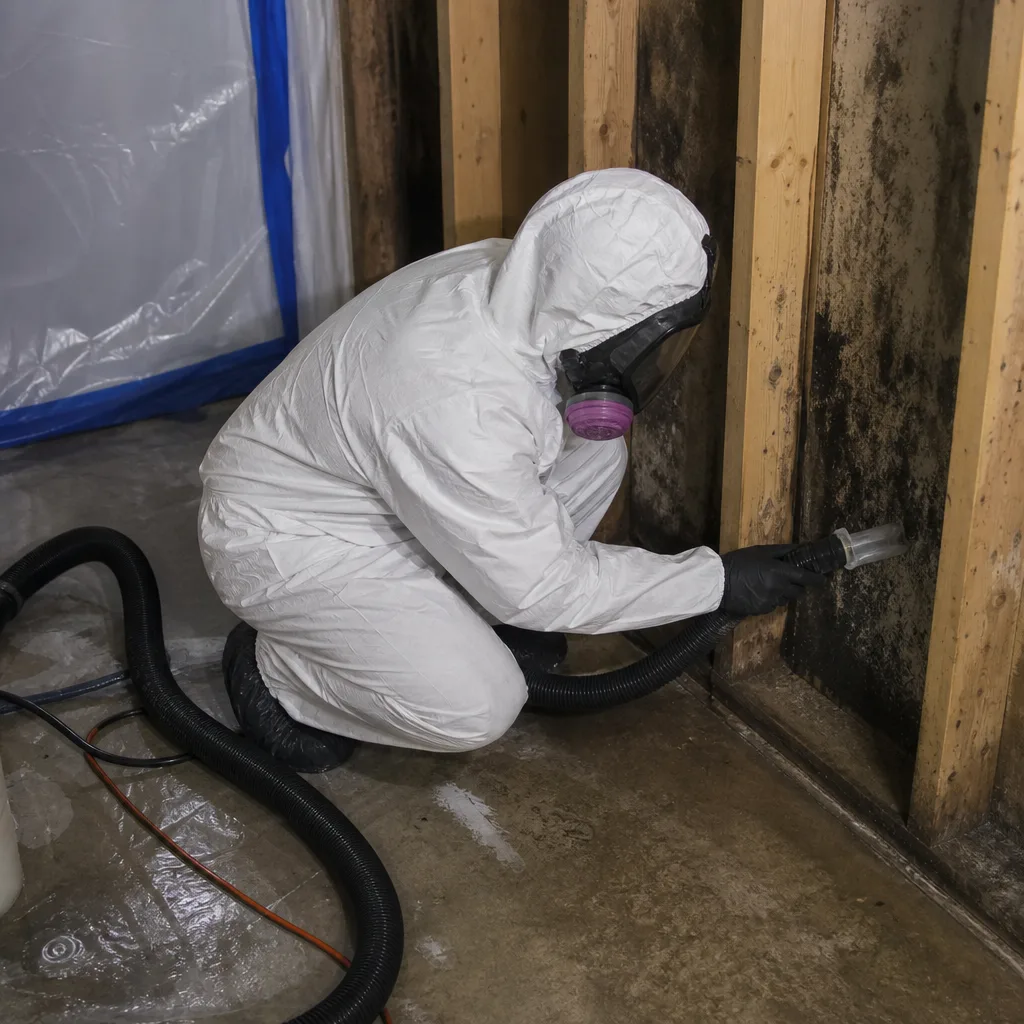
Water in a 1940s rowhouse means saturated drywall and buckled laminate, and neither can be salvaged once Category 2 or Category 3 water has been through. We remove the affected material to the line the moisture map says is safe, then rebuild with new drywall and flooring matched to the existing space.
Contents Restoration & Pack-Out
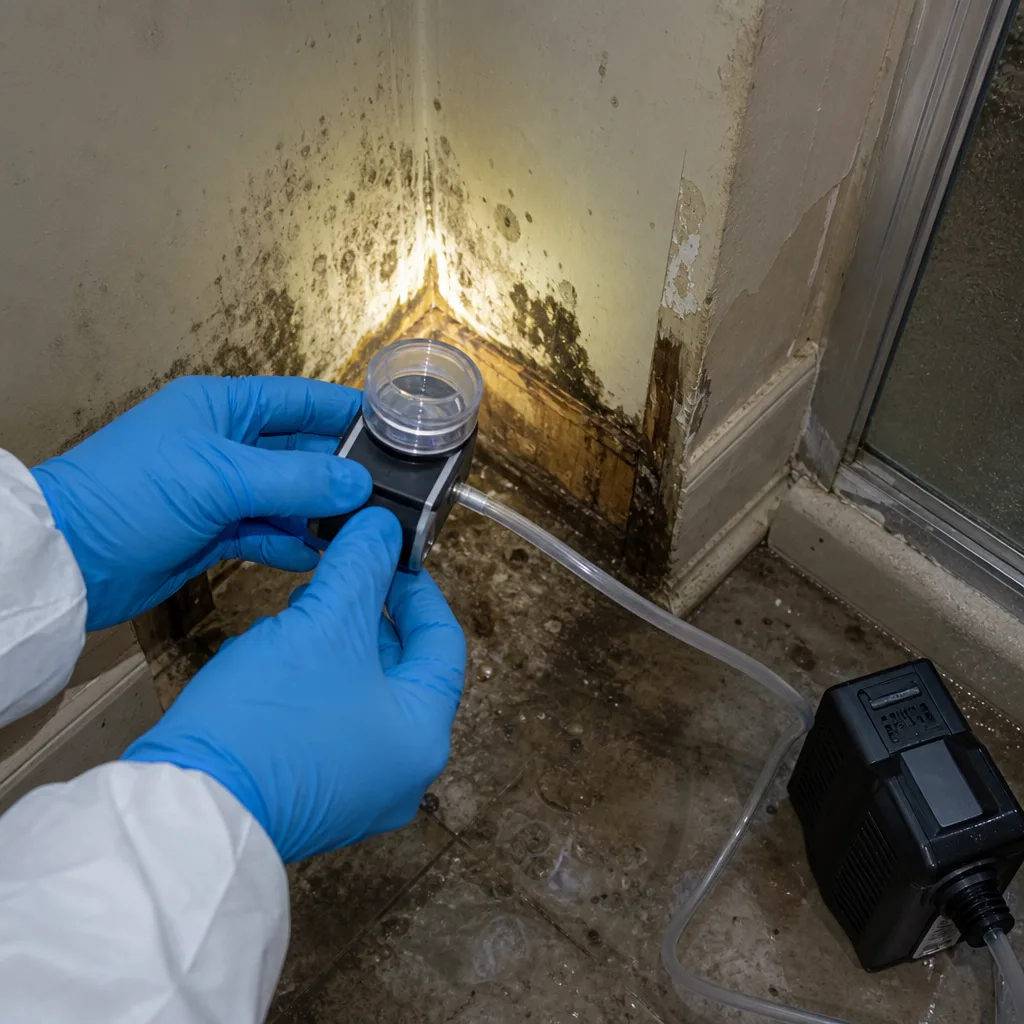
Furniture and personal property in a flooded basement are not automatically lost. We pack out, clean, and restore what can be saved, with contents documented for your insurer before anything is disposed of. For St. Albans homeowners with rental units, this step protects both the landlord’s property and the tenant’s belongings.
Carpet & Upholstery Cleaning
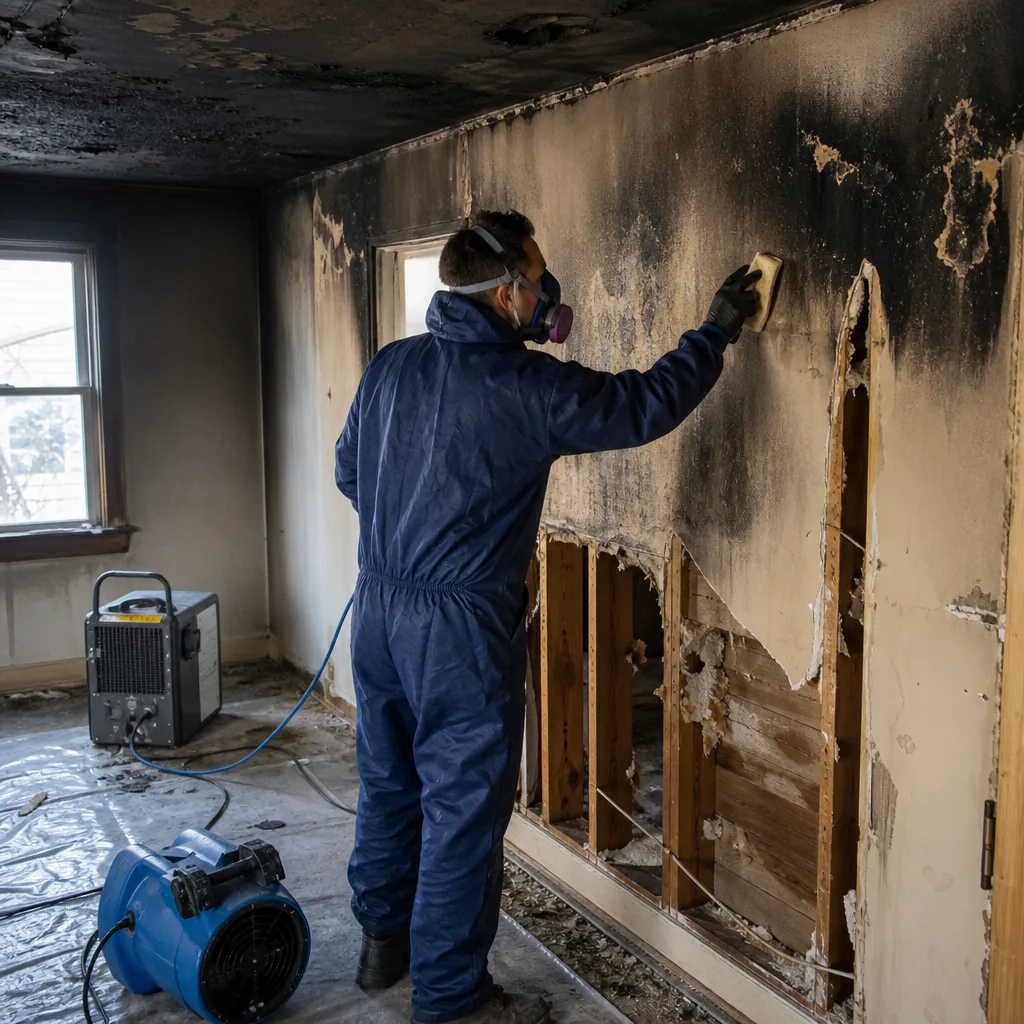
Carpets soaked in Category 2 or Category 3 water should generally be replaced, not cleaned. But in cases where the water was clean and the carpet was not saturated through the pad, professional hot water extraction and drying can save it. We will tell you straight which situation you have.
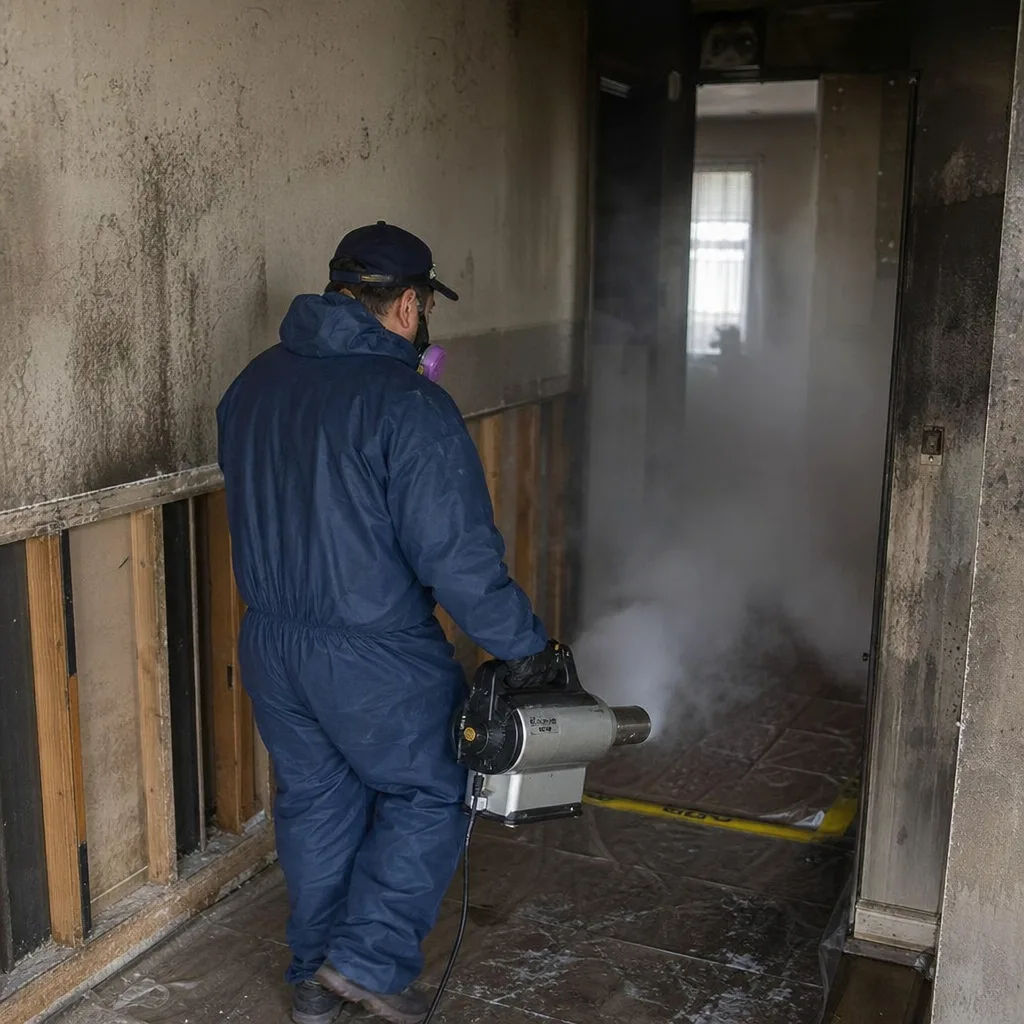
Post-Construction Cleanup
After the rebuild, the dust from drywall and flooring demolition settles into every corner. We do a full post-construction clean, including HEPA air scrubbing, so the space is livable the day we hand it back to you.
What happens when you call
- 1
A real person answersNo phone trees - you reach a local pro.
- 2
You get an upfront price rangeHonest numbers before anyone is dispatched.
- 3
A background-checked tech heads outLicensed & insured, dispatched right away.
- 4
You approve before work beginsNothing starts until you say go.
Reconstruction & Cleanup Costs in St. Albans, NY
Honest numbers help you plan, so here is what we see in St. Albans. A finished basement flood with Category 2 or Category 3 water typically runs $4,800 to $14,000 depending on square footage, the extent of drywall and flooring removal, and whether a permit complication extends the timeline. Door and window storm damage repairs around wind-rated retrofits run $900 to $3,200 for materials and labor. Contents pack-out and restoration of a single furnished basement adds $1,500 to $4,500. Post-construction cleanup after a rebuild runs $400 to $1,100 for a typical St. Albans basement. The price moves on three things: the water category, the square footage of finished space, and the permit status of any basement living area. The free inspection gives you a written scope and a firm number before anything starts, and our St. Albans team bills your carrier directly wherever coverage applies.
We Also Serve Cities Near St. Albans
Floodline Restoration Co. serves St. Albans and the surrounding communities of Queens Village, Bellerose, New Hyde Park, and Cambria Heights. If you are just over the neighborhood line and dealing with flood or storm damage, call us and we will be there.
Serving St. Albans, NY - Our Local Coverage Area
We’re based in the St. Albans area and know this community well. Use the map below to see our service coverage - if you’re nearby, we can almost certainly help.
St. Albans Reconstruction & Cleanup Questions, Answered
Does St. Albans require a permit to replace a storm-damaged exterior door with a wind-rated model on a 1940s brick rowhouse?
Yes. A wind-rated exterior door replacement on a St. Albans rowhouse requires a NYC DOB permit, and installing one without it can trigger a stop-work order, especially if flood damage has already exposed an unpermitted basement living space. We handle the permit paperwork as part of our reconstruction scope and will not install a door without the required approvals. Call (631) 557-5029 to start with a free inspection.
After a nor’easter pushed water through my basement window well in St. Albans, does the water count as Category 1 or Category 3 for restoration?
If the water came through a window well, it is typically Category 2, gray water, because it carries yard runoff, soil, and whatever was on the ground outside. The water is considered contaminated but not sewage. If the same storm also backed up a floor drain connected to the combined sewer, that portion is Category 3 and requires biohazard protocols. We determine the category at the inspection and document it for your insurer. Call (631) 557-5029 for an assessment.
How fast should I start reconstruction after a finished basement flood in St. Albans if I want to keep my tenant?
Within 24 to 48 hours. Mold begins forming on wet drywall and flooring within two days, and once it spreads behind 1940s plaster and paneling, the demolition scope grows. The faster we start extraction and drying, the sooner the rebuild is done and the tenant can stay or return. We dispatch crews to St. Albans within 45 minutes, 24/7. Call (631) 557-5029 the day you find the water.
Will my St. Albans insurance claim cover replacing water-damaged drywall and flooring if my basement apartment was never legally permitted?
Coverage depends on your policy and the carrier’s position on unpermitted living space. Some policies will cover the damage to the structure while excluding improvements made without permits. Others may deny the full claim. We document the damage accurately and work with your adjuster to maximize what your policy covers. Our direct insurance billing means we handle that conversation for you. Call (631) 557-5029 and we will walk you through it.
What does a wind-rated exterior door retrofit involve for a St. Albans brick house built in the 1940s?
A wind-rated door retrofit involves removing the existing door and frame, checking the rough opening for water damage behind the brick facade, installing a code-compliant impact-rated door with proper flashing and sealing, and securing the required NYC DOB permit. In St. Albans, where nor’easters drive rain against 1940s brick, the flashing detail matters more than the door itself, and that is what we inspect during the free assessment. Call (631) 557-5029 to schedule it.
How long does full reconstruction take after a finished basement flood in St. Albans?
Drying alone takes 3 to 7 days with professional-grade Dri-Eaz and Phoenix dehumidifiers running against a moisture map. Demolition and rebuild of a typical finished St. Albans basement runs another 5 to 14 days, depending on square footage, flooring material, and whether permit issues with a basement rental unit require scheduling adjustments. We will give you a written timeline at the inspection. Call (631) 557-5029 for a scope and firm dates.
What certifications do your crews hold?
Our technicians are certified to IICRC standards, including WRT (Water Restoration Technician), FSRT (Fire and Smoke Restoration Technician), and AMRT (Applied Microbial Remediation Technician). The same crews train to RIA and IFA standards. Background-checked, uniformed, and supervised by Curt Bowman, our technicians belong in your home. Call (631) 557-5029 and ask us anything.
What should I do in the first 30 minutes after discovering floodwater in my St. Albans basement?
Turn off electricity to the basement at the breaker if you can do so without stepping in water, then call us at (631) 557-5029. Do not enter standing water if you suspect a sewer backup, and do not run dehumidifiers until the water category is determined. The first 30 minutes are about stopping further damage and getting a crew dispatched. We will guide you through the rest on the phone and be there within 45 minutes.
St. Albans is where we work, and the marshy grade, the rowhouse basements, and the combined sewers are problems we solve every week. If you have water in your basement, damage from a nor’easter, or a door that will not survive the next storm, call (631) 557-5029 now. We answer live, we dispatch fast, and we stand behind the work in writing.
Written by Curt Bowman, Owner at Floodline Restoration Co., serving St. Albans since 2010.