
Free visual inspection and a written scope of work before any mitigation begins - photos, moisture readings, and drying logs go in your claim file
The scope we write is the scope we bill. Anything new gets shown to you, in writing, before we touch it.
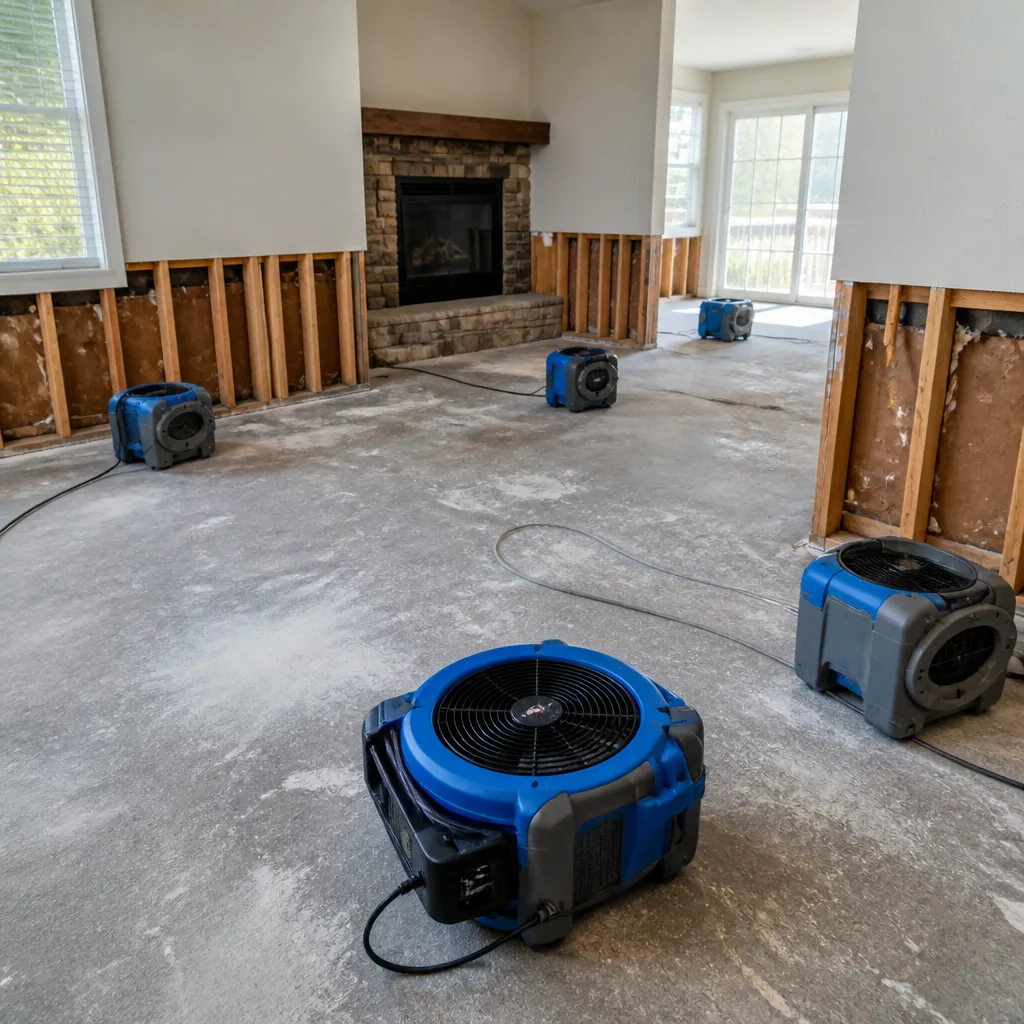
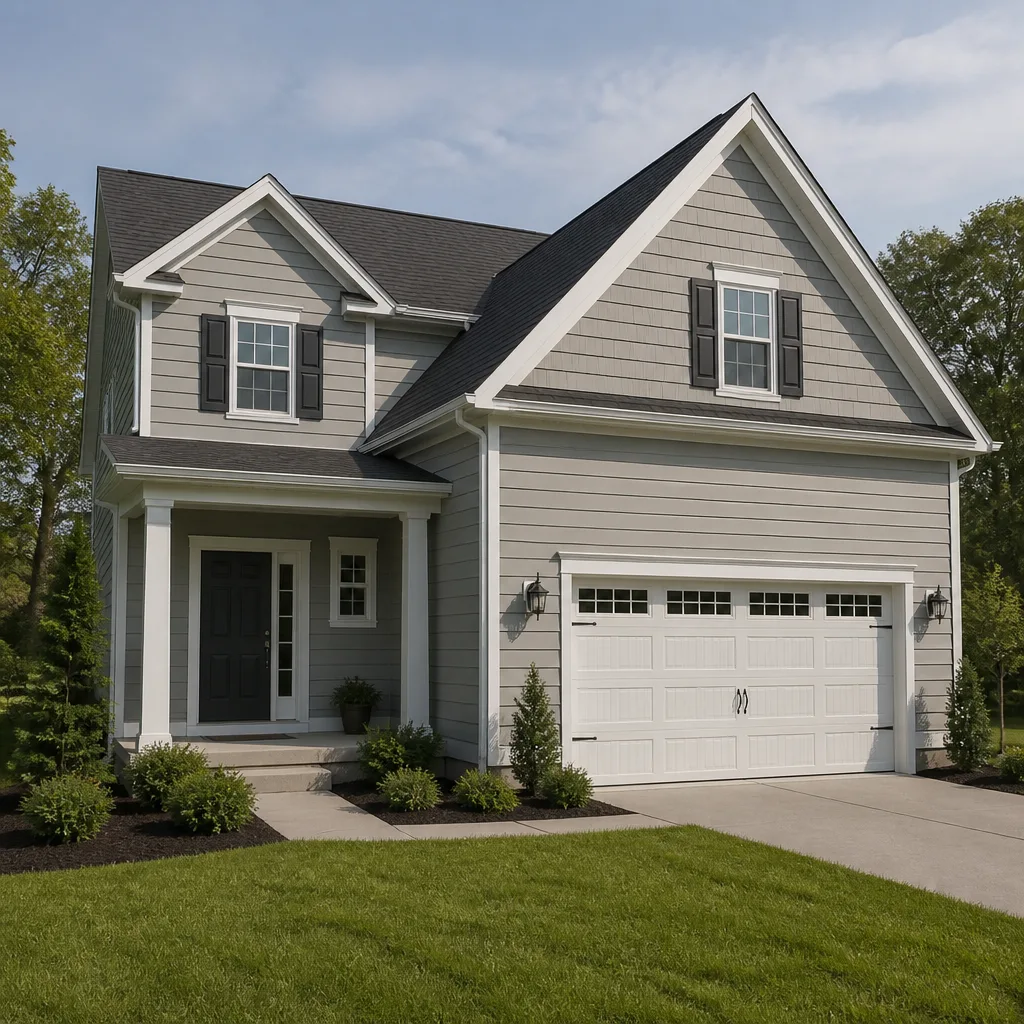
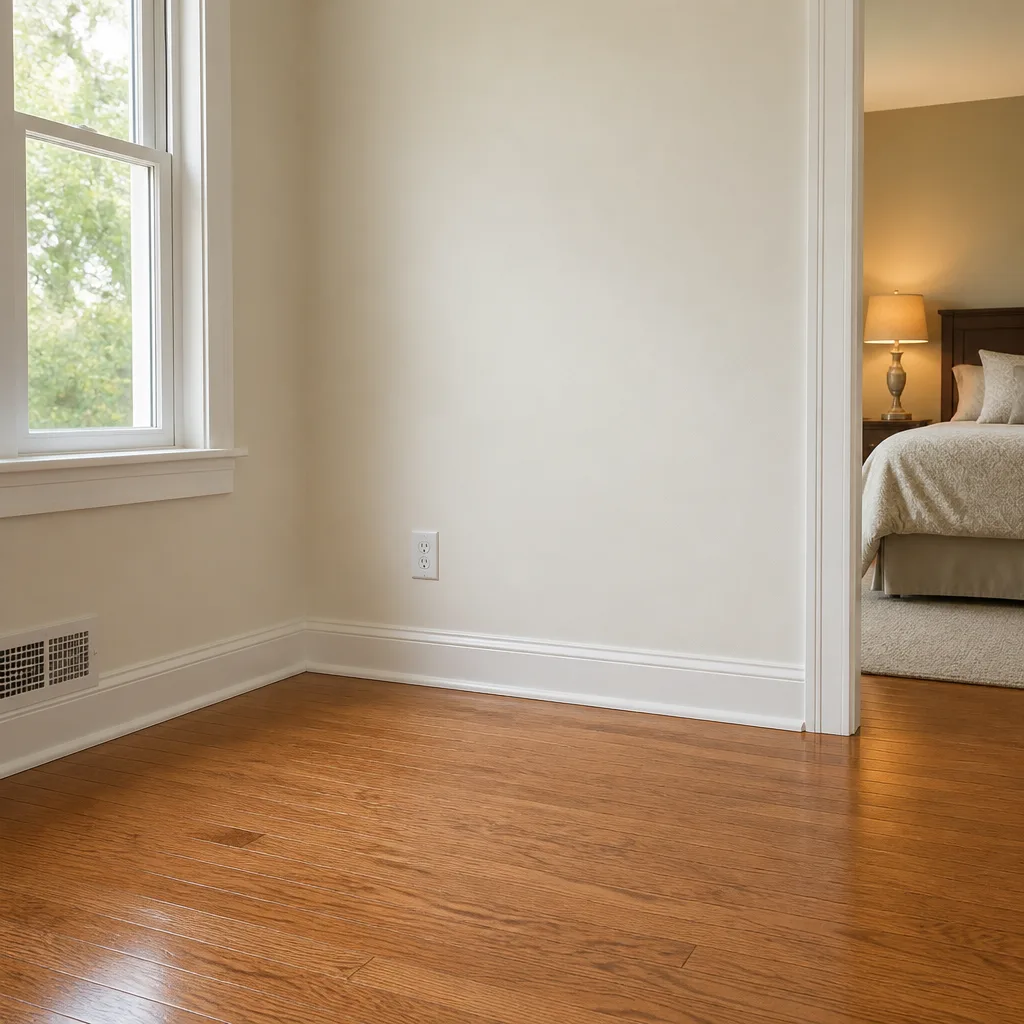
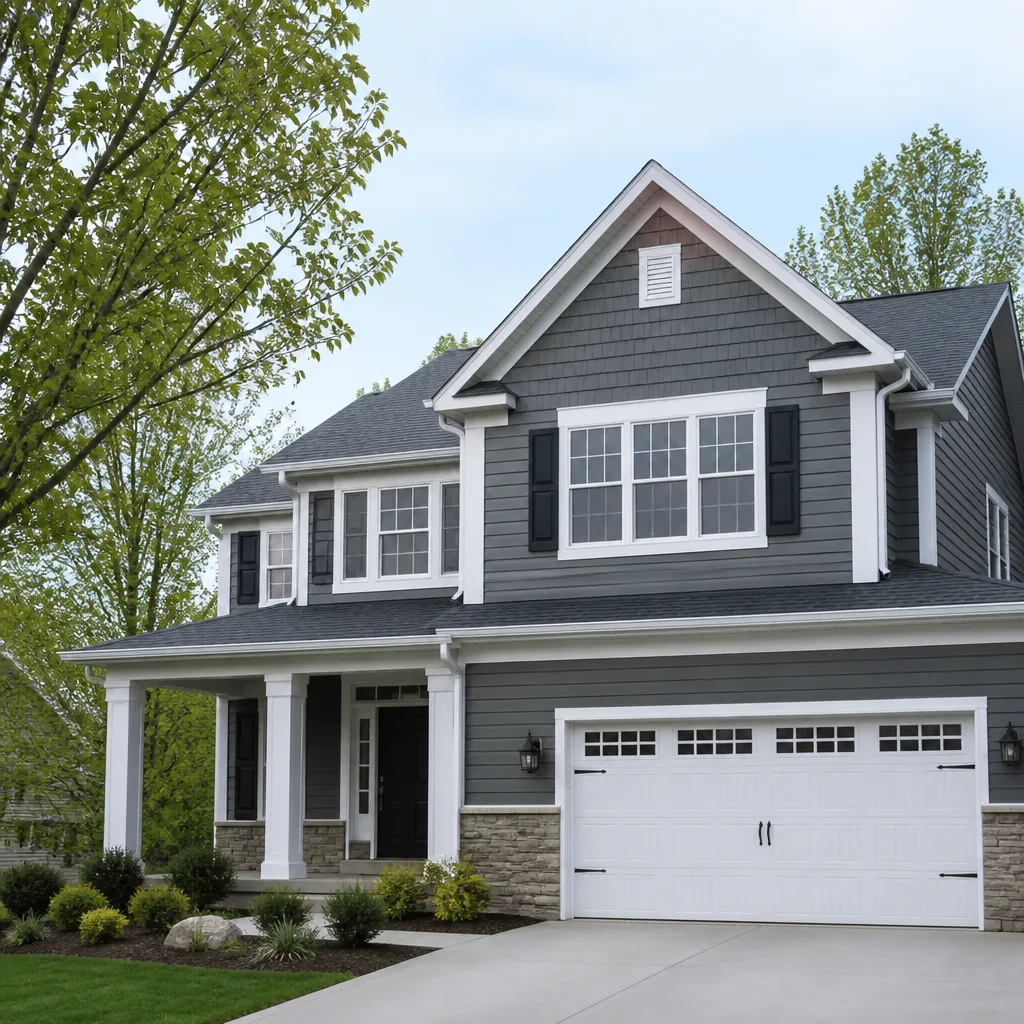
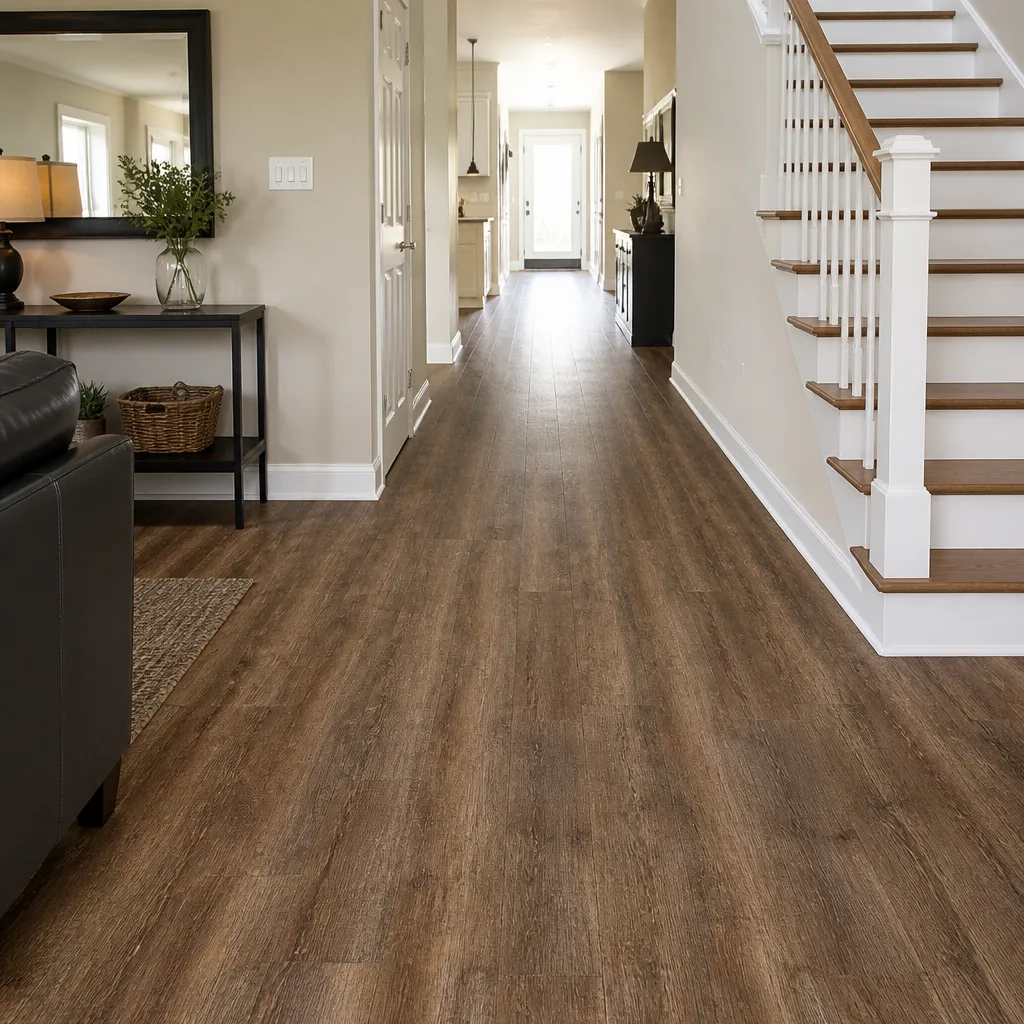
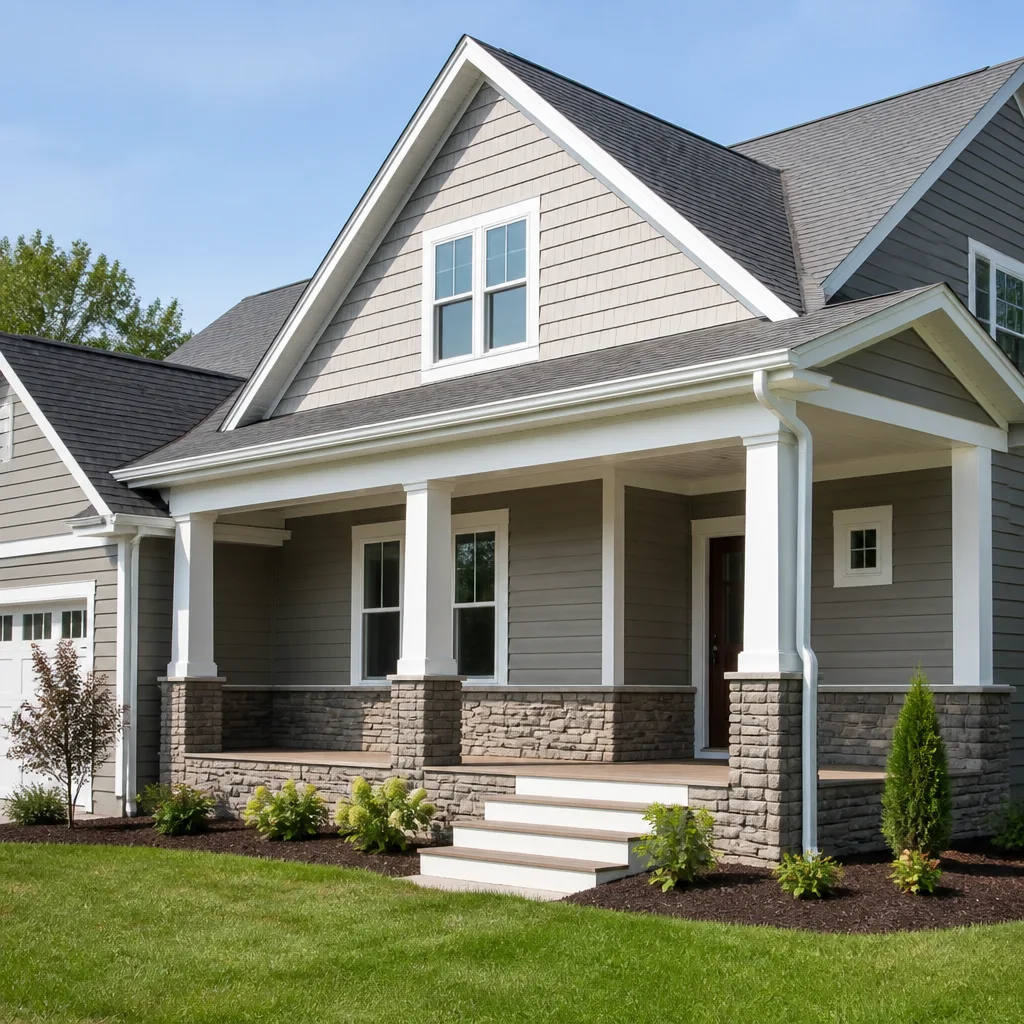
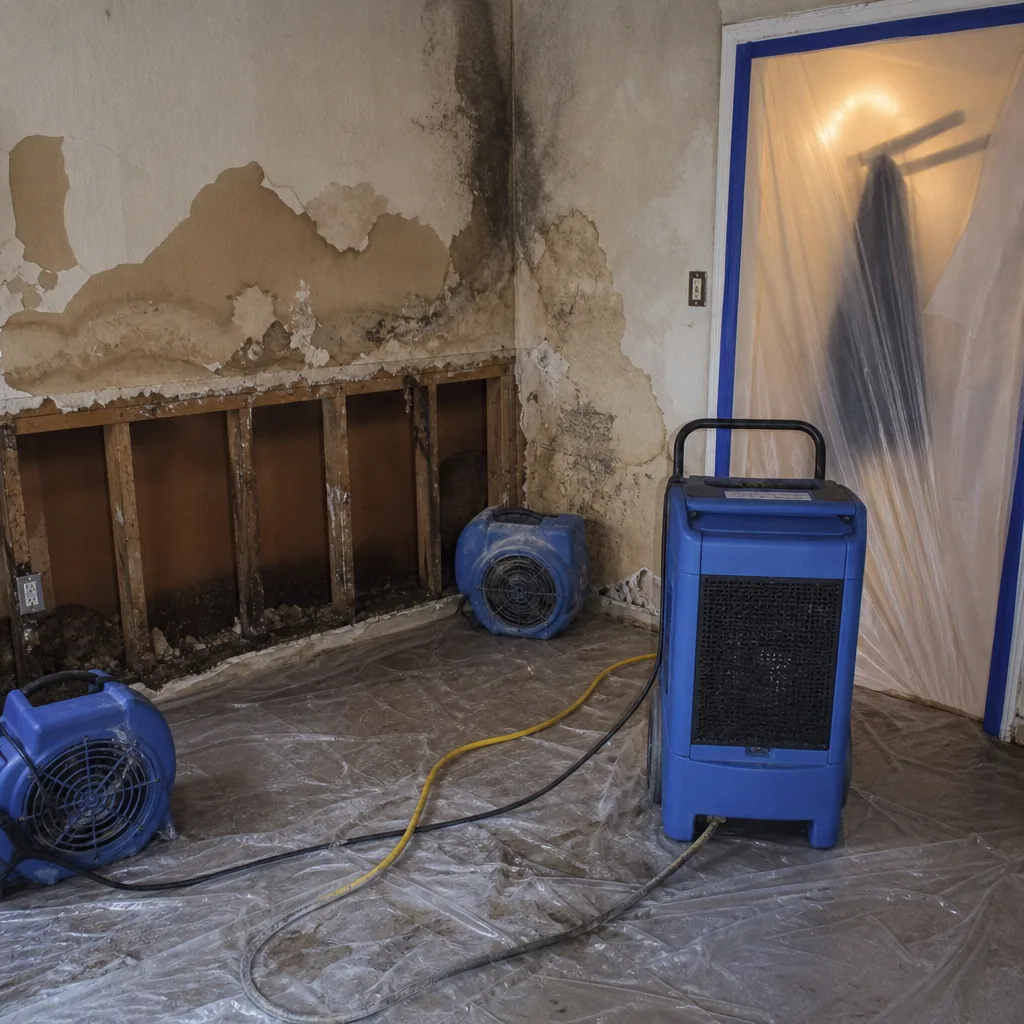 Before
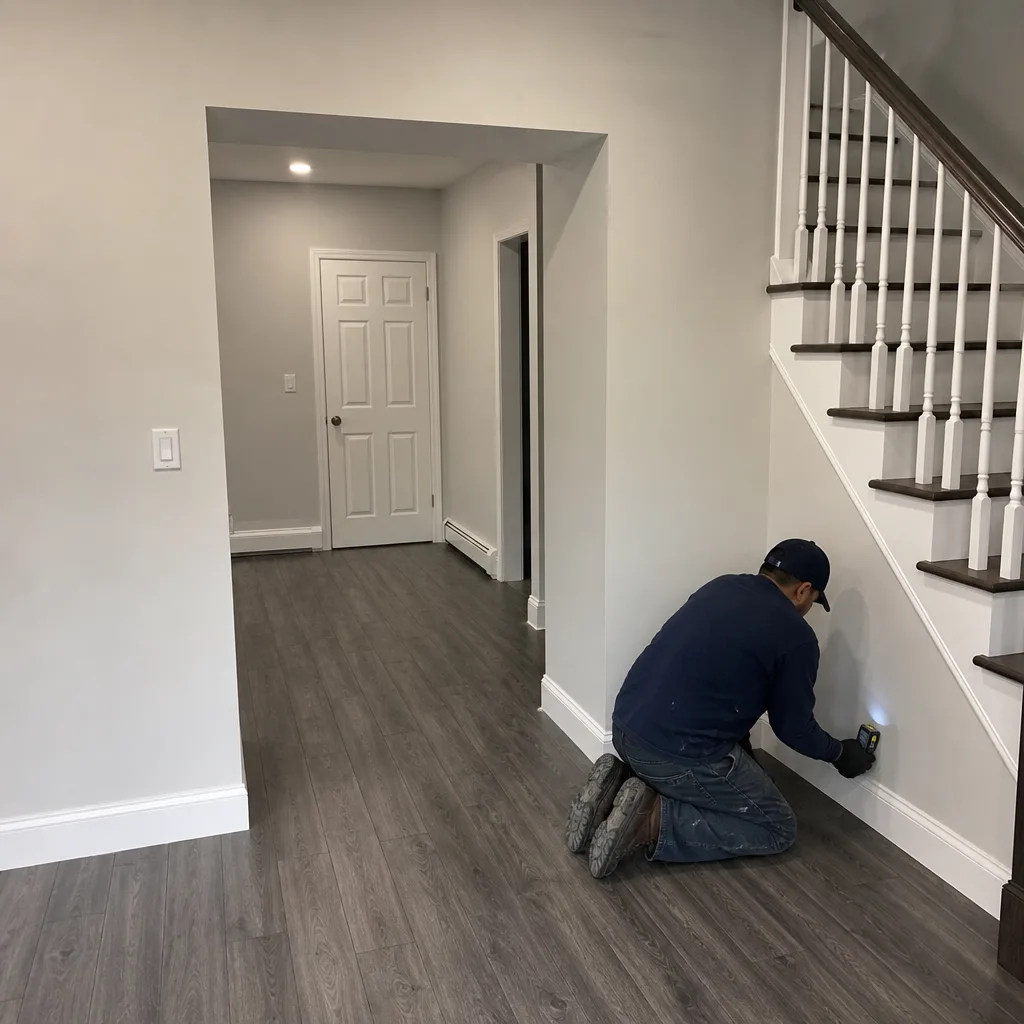 After
After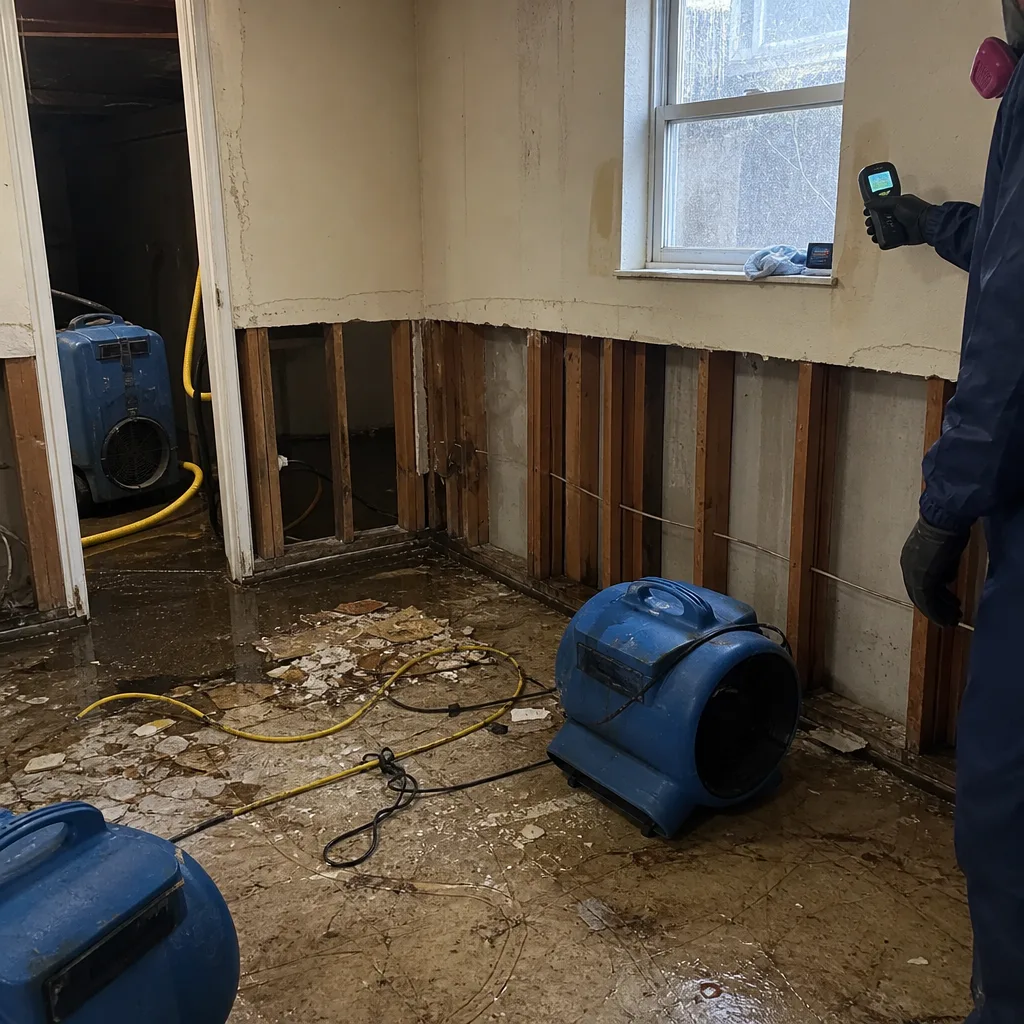 Before
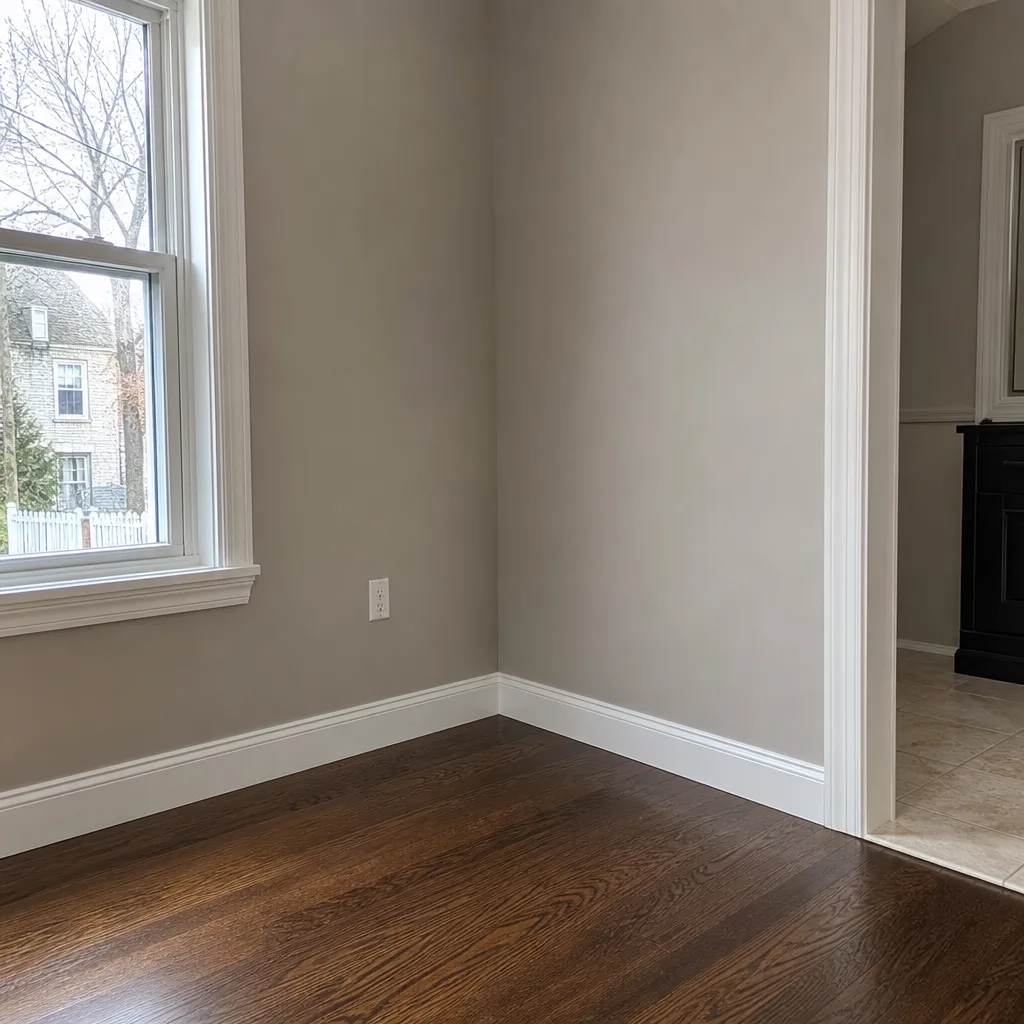 After
After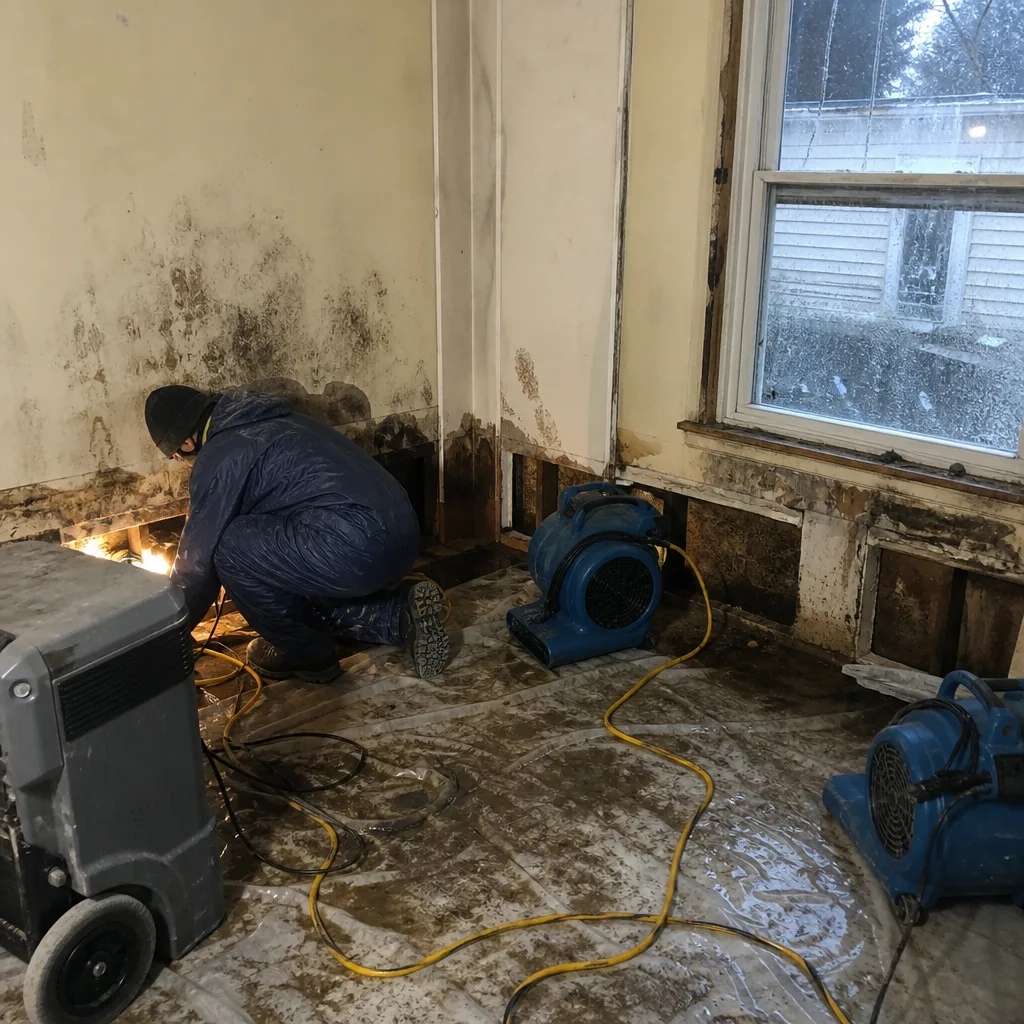 Before
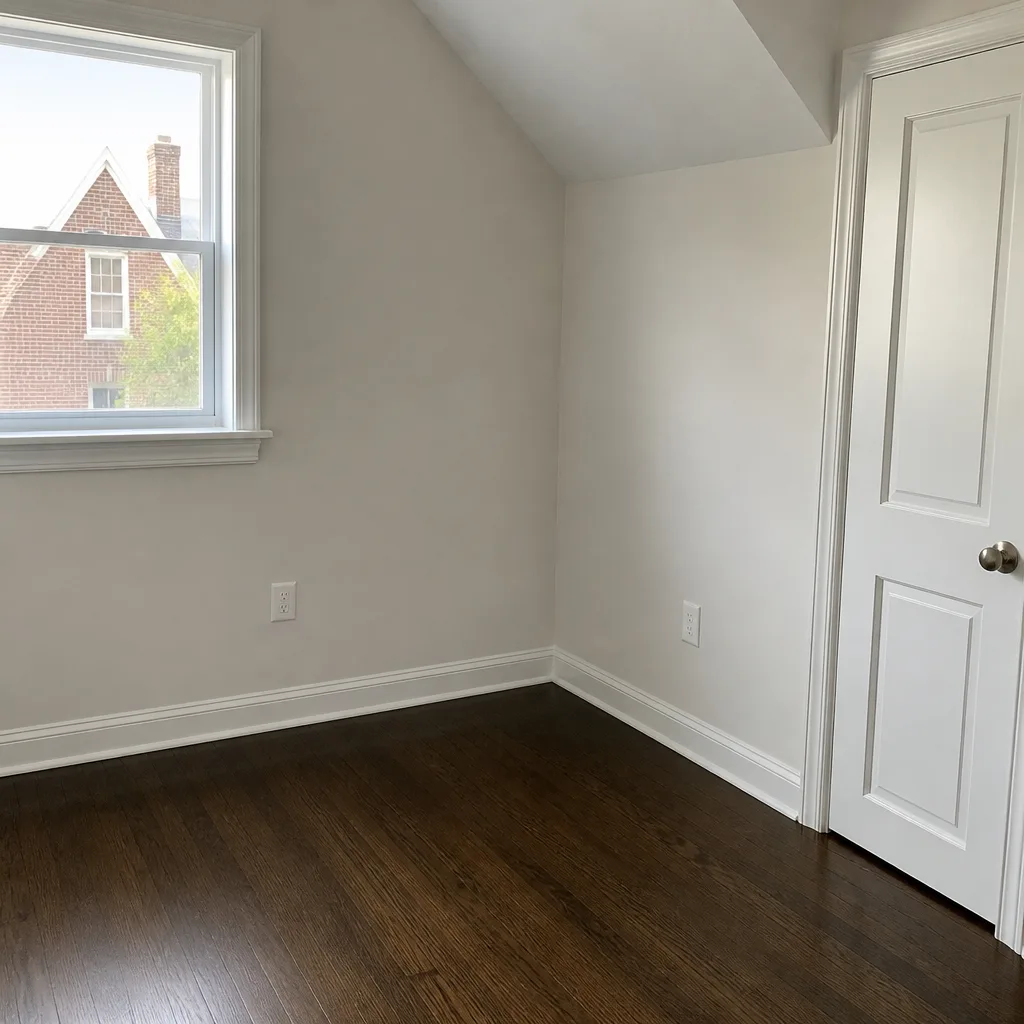 After
After24/7 Emergency Sewage Cleanup in Queens Village
A sewage backup in Queens Village is a health hazard, not a household inconvenience. Category 3 blackwater carries bacteria, viruses, and parasites that belong nowhere near your family, your finished basement, or the air your furnace recirculates. Call (631) 557-5029 the moment you see it. A live dispatcher answers at 2 a.m. just like at 2 p.m. Our crews leave for Queens Village immediately. The first hour matters because sewage wicks into drywall, saturates carpet padding, seeps under slab edges, and reaches the shared party wall your semi-detached home depends on. Every hour that passes expands the contaminated area and the cost to put it right. We arrive, we assess, we contain, and we extract, typically in the same visit, free visual inspection included. No recordings. No call centers. A real person on the line, a certified crew on the road. That is how Sewage Cleanup gets done properly in Queens Village.
Understanding Sewage Cleanup Severity in Queens Village Properties
Queens Village homes are mostly 1920s through 1950s brick semi-detached and detached Colonials and Tudor-influenced row homes. That specific housing stock changes how sewage damage behaves. Category 3 water, the technical designation for water containing sewage, pathogens, and grossly unsanitary contaminants, moves differently through plaster-and-lath walls than through modern drywall. Those old plaster walls hide cavities that hold contaminated moisture for weeks, which is why air movers alone never finish the job in a Queens Village basement. The original cast iron drain stacks in these homes corrode from the inside out over 70 to 100 years. When they crack at the sweep, sewage backs up directly into the finished basement, not the street. And because Queens Village sits on flat inland terrain served by an aging combined sewer system, nor’easters and intense summer convective storms push Category 3 water up through floor drains and basement toilets. We identify the source, map the contamination, contain the affected space, and dry with professional-grade Dri-Eaz and Phoenix equipment while monitoring moisture daily until the dry standard is met. No shortcuts on blackwater. But before demolition on any pre-1987 structure, NYC DEP mandates an asbestos investigative survey. We handle that step so your job never stalls on a stop-work order.
Why Queens Village Property Owners Choose Floodline Restoration Co.
- 45-minute response commitment for Queens Village addresses. We dispatch from our metro office with crews positioned to reach Queens Village fast, and we start extraction the same visit.
- A live person answers, 24/7. Two in the morning, a holiday, a nor’easter. You get a dispatcher, never a recording, and never a third-party answering service that promises a callback.
- IICRC-certified crews trained to WRT/AMRT standards. Sewage work demands Applied Microbial Remediation Technician protocols, full PPE, and containment. Our techs carry that training on every blackwater job.
- Free visual inspection of the affected basement or crawl space. We assess the damage, identify the source, and give you a straight answer before any money changes hands.
- Direct insurance billing with photo documentation from the first hour. We document everything, line up the claim, and coordinate with your adjuster directly. You never play messenger.
- The same certified crew from first extraction to finished rebuild. No mid-job handoff to strangers, no inherited subcontractor. The people who read the moisture map on day one hand you the completed job.
Our Sewage Cleanup Process
Inspection & Assessment
Our crew arrives in Queens Village, walks the affected basement or crawl space, and locates the source, whether that is a cracked cast iron stack, a failed floor drain, or a sewer line backup. We inspect the adjoining side of shared party walls where a semi-detached home is involved. Thermal imaging and moisture meters map the full contaminated area, including hidden cavities behind plaster-and-lath. You get a straight verbal and visual assessment, then a firm scope of work.
Containment & Stabilization
Before extraction begins, we establish containment to stop sewage-laced air and moisture from spreading. On semi-detached brick Colonials, that includes the shared basement wall and slab edges on the neighbor’s side. We also verify the NYC DEP asbestos survey requirement for any pre-1987 building before any demolition proceeds. If the adjoining unit shows moisture migration, we document it and coordinate with that homeowner and their carrier from the first hour.
Black Water Extraction
We remove standing Category 3 water using truck-mounted extraction units and portable professional-grade systems. In a Queens Village basement with a finished floor, that means pulling water from carpet, padding, under cabinets, and along slab edges. Injectidry evacuation mats go down on hard surfaces, and the system runs continuously until moisture readings begin their downward curve. The goal is removing contaminated water before it wicks further into walls and adjoining spaces.
Drying & Dehumidification
Dri-Eaz and Phoenix dehumidifiers with LGR capabilities go to work with air movers positioned to dry hidden cavities, not just surfaces. We daily log moisture readings from both sides of any shared party wall. Plaster-and-lath construction holds moisture differently than modern drywall, so we keep the equipment running until hygrometer and moisture meter readings confirm the dry standard has been met. You and your carrier get the complete log.
Cleaning, Sanitization & Antimicrobial Treatment
After extraction and dry-down, we clean every affected surface and apply EPA-registered antimicrobial treatments to the cleaned areas. This includes framing cavities, slab edges, subfloor layers, and any crawl space surfaces where sewage contacted the structure. On jobs with shared walls, both sides of the party wall receive treatment. We document the treatment method and date for your insurance file.
Repairs & Restoration
Once the space is verified clean and dry, we handle our Reconstruction & Cleanup in Queens Village to rebuild what needs rebuilding. That could mean replacing sections of a deteriorated cast iron stack, repairing a crawl space sump pit, or reconstructing a finished basement wall. The same certified crew that handled the sewage extraction now handles the reconstruction. One team, one scope, one point of accountability from first dispatch to final walk-through. Every job carries the 90-Day Done Right Promise, in writing.
Need Emergency Sewage Cleanup in Queens Village Now?
Crews minutes away, answering live 24 hours a day. The sooner we start, the less it costs.
Working With Your Insurance Company
Sewage backup claims can go wrong when the documentation is thin. Your carrier needs evidence of the source, the full contaminated area, and the drying progression, not a one-page summary with a few photos. We build your claim file from the first hour. Our techs photograph every room, every wall cavity, every slab edge, and both sides of any shared party wall before, during, and after mitigation. Moisture readings, drying logs, and antimicrobial treatment records go into the file as we work. We write a line-item scope of work in industry-standard format, and we coordinate directly with your adjuster, often saving you weeks of back-and-forth. If your policy covers sewage backup, we bill the carrier directly for covered work. Any portion that falls to you is explained clearly before we start, and our standing offers, the $50 Off Any Repair Over $250, and the Senior & Veteran 5% Discount, always apply. No surprises on the bill.
What We Provide Your Insurer
- Thorough documentation of the loss
- Photos of all damage, room by room
- Moisture readings and drying logs
- A detailed, line-item scope of work
- Direct coordination with your carrier
Built for Queens Village’s Loss Calendar
Queens Village sees specific sewage failure patterns as the year turns, and we schedule our readiness around them. January and February bring deep freezes that crack aging cast iron drain lines in unheated crawl spaces and push frozen ground against old sewer laterals. Spring thaw and the first heavy rains saturate the flat inland terrain, and the neighborhood’s combined sewer system backs up into finished basements through floor drains and basement commodes. Summer brings intense convective storms that drop two inches in an hour; the sewer system cannot move that volume, and basements on low blocks like those near the Cross Island Parkway corridors take on blackwater. Nor’easters in late fall and winter push the same system past its capacity while storm surge raises groundwater beneath slab foundations. The common thread across the year is this: Queens Village’s aging drain infrastructure meets water events frequently, and homes with original cast iron stacks and pre-1987 finished basements are the first to flood with contaminated water. We handle it every season.
Sewage Cleanup Across Queens Village’s Neighborhoods
The response route changes depending on where you live in Queens Village. Homes along Jamaica Avenue and Hillside Avenue corridors are a straight shot for our crews, and they are almost always semi-detached brick Colonials from the 1930s and 1940s with original cast iron stacks and finished basements. On 221st Street, 222nd Street, and the numbered side streets running north toward Oakland Gardens, the Tudor-influenced row homes share uninsulated party walls, which means we always inspect the adjoining side before we finish the first walkthrough. Blocks near the Long Island Rail Road tracks and the old Bellerose border include detached Colonials where finished basements were added during 1960s and 1970s renovations, and those additions often have floor drains tied directly into the old combined sewer line, a failure point we see on a regular basis. Around the Cross Island Parkway edge, crawl spaces take on blackwater during high-water events, and homes with exposed foundation walls there need faster extraction because the slab sits closer to the groundwater table. Every Queens Village neighborhood has its own signatures, but the underlying housing stock speaks one language: old bricks, old drains, and basements that flood with sewage when the system backs up.
Specialized Sewage Cleanup Services We Offer in Queens Village
Sewage Backup Cleanup
When raw sewage pushes up through a basement floor drain on a Queens Village block, our crews reach you fast, contain the contamination, extract it, and dry the finished space with professional-grade equipment. We inspect the shared party wall on semi-detached homes before we leave. The 90-Day Done Right Promise applies to the finished result.
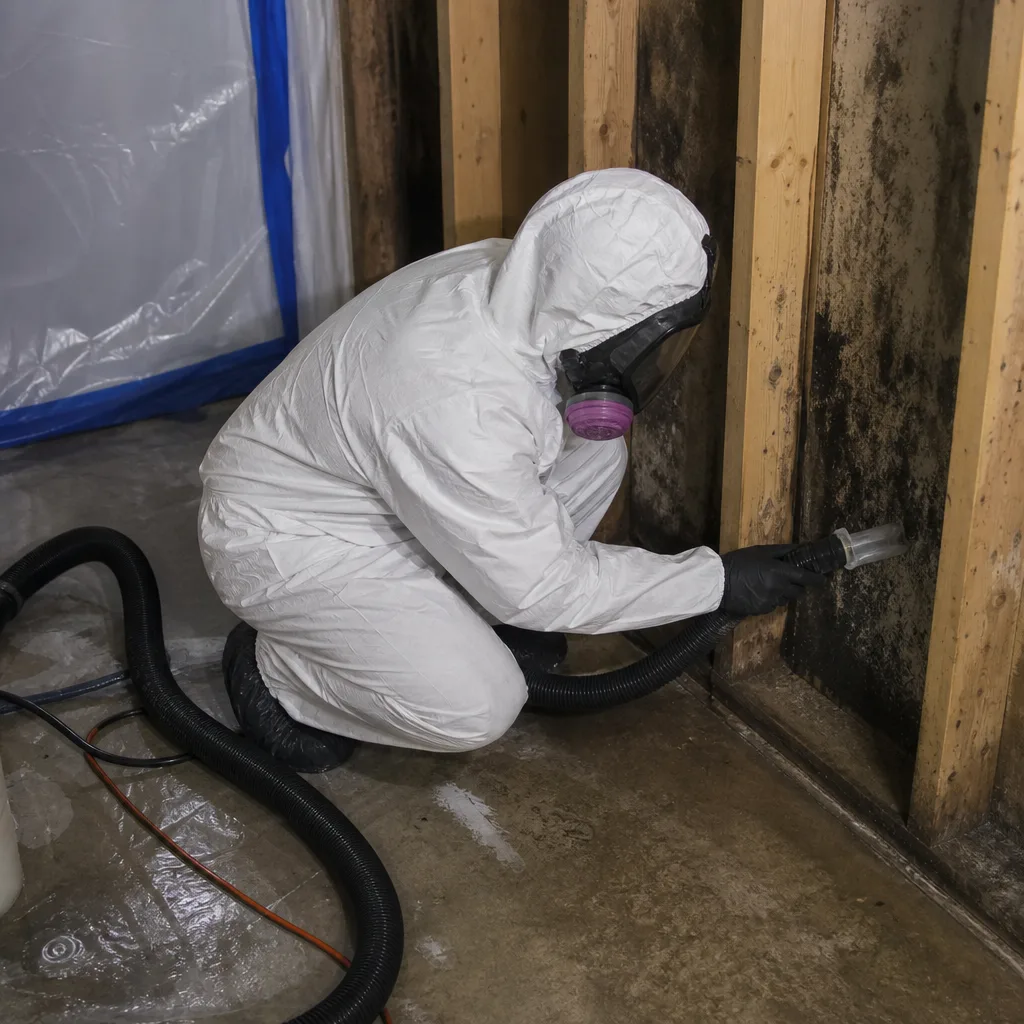
Black Water Extraction
Category 3 water demands full PPE, correct disposal, and rapid removal. We truck-extract standing sewage from Queens Village basements and crawl spaces, then run Injectidry evacuation mats and LGR dehumidifiers until the dry standard is met. We never treat sewage as just dirty water, because it is not.
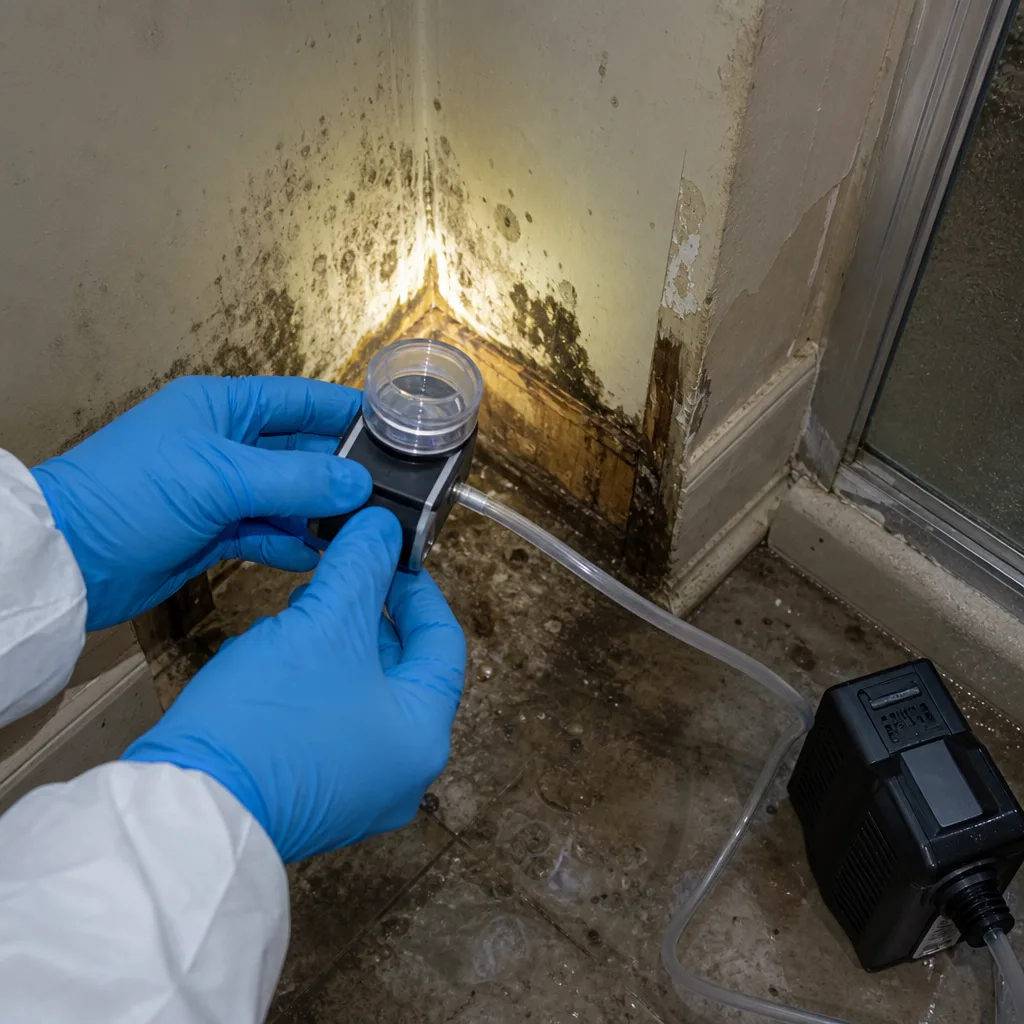
Crawl Space Sewage Removal
Queens Village homes with crawl spaces face particular risk when sewer lines crack under the foundation or combined sewers surcharge. Our techs enter these spaces with proper respiration and protective gear, remove contaminated water and debris, sanitize the exposed surfaces, and recommend the right repair path for the damaged line.
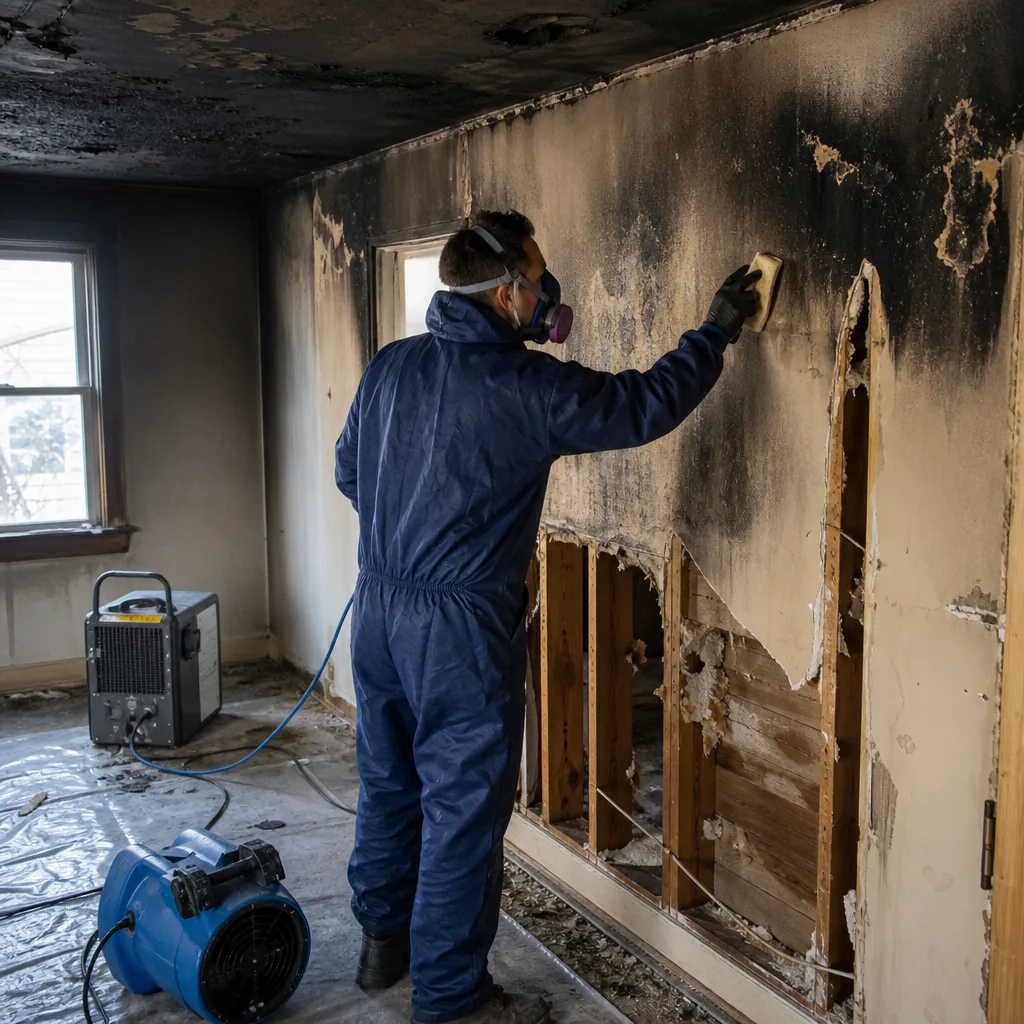
Toilet Overflow Cleanup
A clogged or failed basement commode in a 1940s Queens Village home can flood a finished basement with blackwater in minutes. We extract the overflow, treat the affected materials, and check whether the failure is a one-time block or a symptom of a cracked main drain stack. Either way, you know what you are dealing with before we leave.
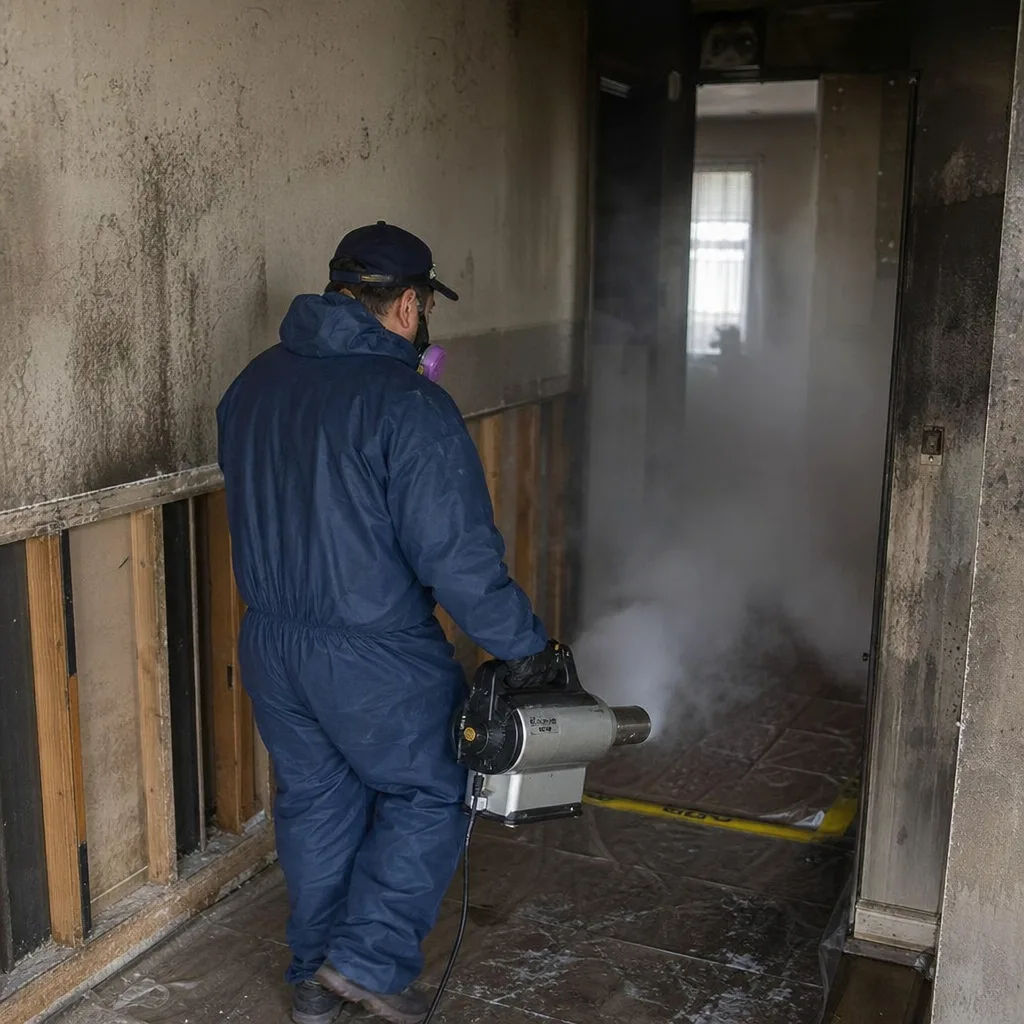
Septic Failure Cleanup
While most Queens Village homes use the municipal combined sewer system, a portion of the neighborhood’s older detached properties still have aging septic systems. When those fail, blackwater can surface near the foundation and flow into the basement or crawl space. We contain, remove, sanitize, and coordinate with the right septic contractor for the repair.
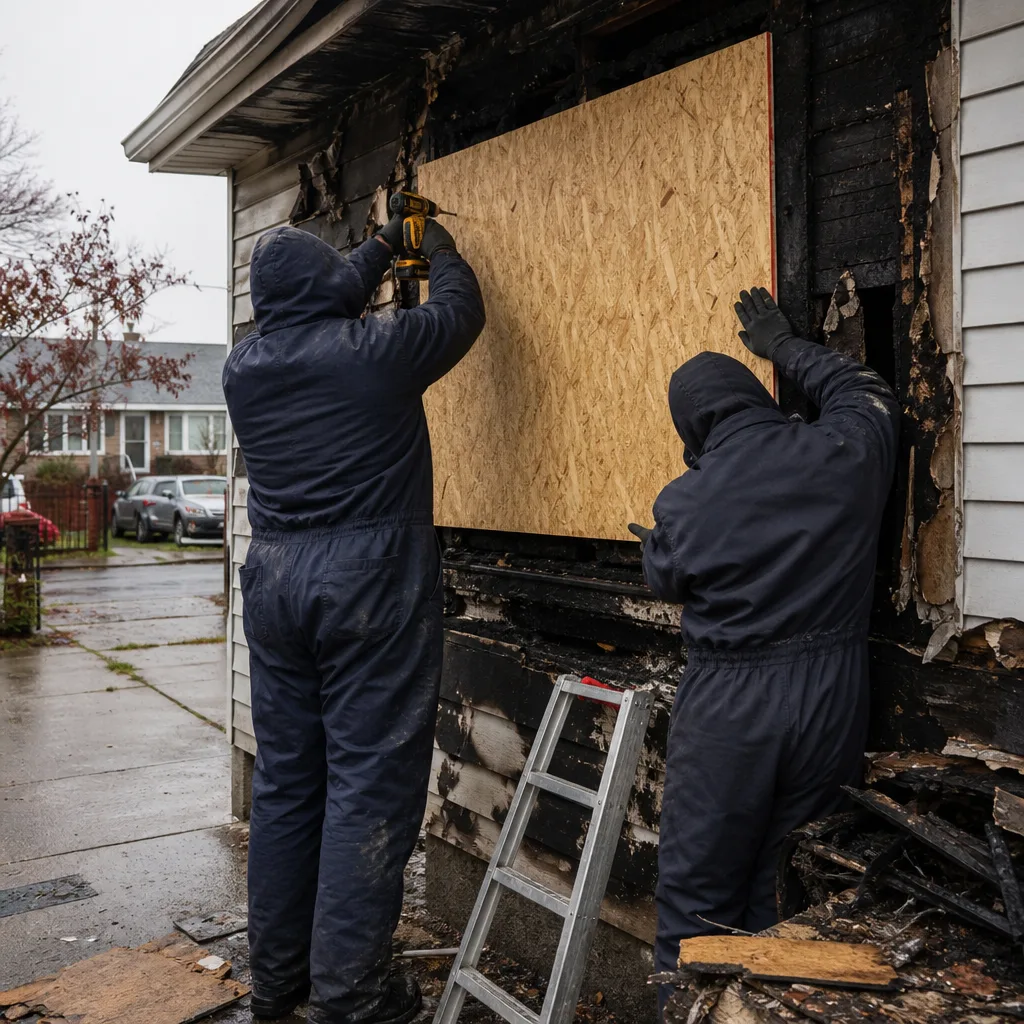
Sanitization & Disinfection
After sewage extraction and dry-down, every affected surface gets treated with EPA-registered antimicrobials. That includes framing cavities, slab edges, subfloor layers, and both sides of any shared party wall. We document the treatment, date it, and hand you the record for your file and your peace of mind.
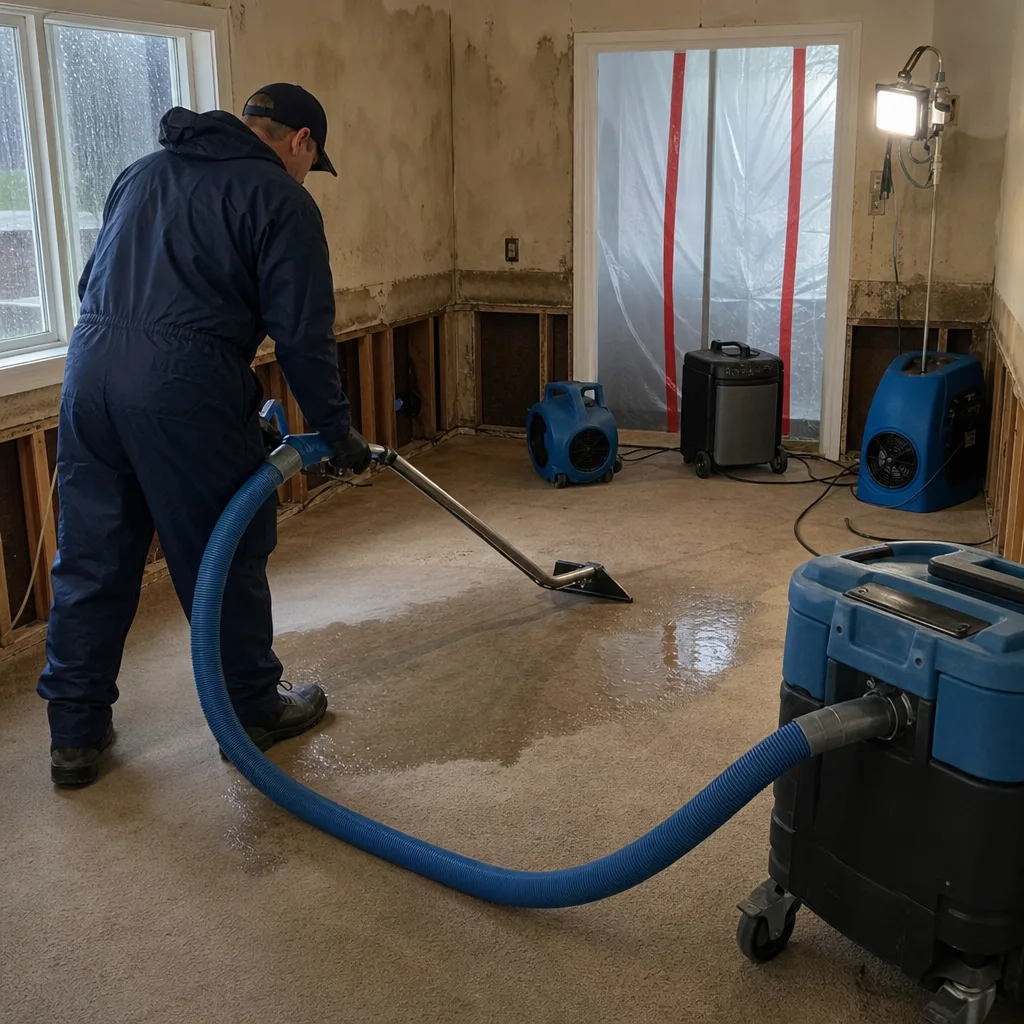
What happens when you call
- 1
A real person answersNo phone trees - you reach a local pro.
- 2
You get an upfront price rangeHonest numbers before anyone is dispatched.
- 3
A background-checked tech heads outLicensed & insured, dispatched right away.
- 4
You approve before work beginsNothing starts until you say go.
Sewage Cleanup Costs in Queens Village, NY
A typical sewage backup cleanup in Queens Village runs between $2,800 and $7,500 depending on the square footage affected, the materials damaged, and whether the contaminated area crosses into a shared party wall. Simple toilet overflow extractions in an unfinished basement often fall between $2,200 and $3,800. A full finished-basement blackwater job with containment, drying, antimicrobial treatment, and reconstruction of drywall and flooring commonly runs $6,000 to $14,000, especially in pre-war Colonials where plaster-and-lath demolition triggers the asbestos survey requirement. Crawl space sewage removal in Queens Village homes typically ranges from $1,800 to $4,200. What moves the price is mostly surface area and materials, not the company. When the contamination reaches an adjoining semi-detached unit, the scope doubles because two insurance files and two permit tracks come into play. Many Queens Village homeowners insurance policies cover sewage backup as an add-on endorsement, and we bill directly for covered work. The free visual inspection gives you a firm, written scope before any work begins. That is the square deal. Call (631) 557-5029 and we will walk you through exactly what your situation costs.
We Also Serve Cities Near Queens Village
We regularly run sewage cleanup crews into Oakland Gardens, Hollis, Bellerose, and Floral Park. These neighborhoods sit on the same aging combined sewer system and share the same housing stock challenges, cast iron stacks, pre-war basements, and the same wet-weather backup patterns. If your home is just over the line from Queens Village, the same 24/7 live dispatch and the same 45-minute response commitment apply. Queens Village and its neighboring communities get the same Floodline Restoration Co. crews, the same equipment, and the same written guarantee on every job.
Serving Queens Village, NY - Our Local Coverage Area
We’re based in the Queens Village area and know this community well. Use the map below to see our service coverage - if you’re nearby, we can almost certainly help.
Queens Village Sewage Cleanup Questions, Answered
Does a sewage backup in my Queens Village semi-detached basement affect my neighbor’s side?
Yes, it very often does. Queens Village semi-detached brick Colonials share an uninsulated party wall and a continuous slab edge, so Category 3 water from a sewage backup wicks under the slab and into the adjoining unit’s basement before you see it on the surface. That is why we inspect both sides of any shared wall on every semi-detached sewage job. If contamination crossed the line, we handle containment, drying, and antimicrobial treatment on the neighbor’s side and coordinate directly with their insurance carrier so the damage does not become a dispute between neighbors.
Why does my Queens Village sewage cleanup job need an asbestos survey before any demolition?
NYC DEP mandates an asbestos investigative survey before demolition on any pre-1987 building, and nearly all Queens Village homes fall into that category. Asbestos hides in old floor tiles, insulation, drywall compound, and pipe wrap in these 1920s through 1950s homes. If you cut into those materials without a survey, you risk a stop-work order, heavy fines, and an asbestos release. We arrange the survey, follow the required protocols, and keep your job moving legally and safely.
How do you handle sewage backup when my basement has old cast iron drain stacks?
First we locate the break or blockage in the stack and stop the flow at the source. Then we extract the standing sewage, contain the contaminated area, and dry the space thoroughly with professional-grade equipment. The old cast iron stack segments that failed get replaced with code-compliant materials before any restoration of the finished basement begins. We do not patch a 70-year-old stack and call it a day, because the same failure will happen again. Our 90-Day Done Right Promise stands behind the repair.
Can you dry my Queens Village finished basement after blackwater extraction without removing the plaster-and-lath walls?
Sometimes, but not always. Plaster-and-lath walls trap sewage-laced moisture in hidden wall cavities where air movers on the surface never reach. We use thermal imaging and penetrating moisture meters to map the actual moisture envelope, then decide whether the wall can be dried in place or must be opened for proper remediation. If we tell you a section of wall needs to come out, it is because leaving it wet would guarantee mold within 48 hours, not because we want a bigger demolition bill. You get photo and meter evidence before we touch the wall.
What containment and permit steps do you take for sewage cleanup in a Queens Village row home?
We set up full containment around the affected area before extraction begins to stop contaminated air and moisture from spreading into adjacent rooms and the adjoining unit. On semi-detached or row home jobs, that includes both sides of the shared party wall and the slab edge. We verify the NYC DEP asbestos survey requirement for any pre-1987 structure, and we handle the necessary DOB permit track for any structural demolition or Queens Village Commercial Restoration. No corner-cutting, no work without the right papers.
How fast can you actually get to my Queens Village home for a sewage backup?
Our standard commitment is 45 minutes or less for Queens Village addresses. A live dispatcher answers whenever you call, and the crew is notified immediately. Depending on your block and current job load, the team may reach you sooner. The goal is to have extraction running the same visit, because every hour sewage sits in your basement expands the contamination and the repair cost.
Will my insurance cover sewage backup cleanup in Queens Village?
Many homeowners policies cover sewage backup only if you carry a specific sewer backup endorsement, which not every policy includes by default. We will review your policy language with you, document the loss thoroughly from the first hour, and bill your carrier directly for covered work. If a portion falls outside your coverage, you will know exactly what that portion is before we begin, and our standing offers, including the $50 Off Any Repair Over $250 and the Senior & Veteran 5% Discount, apply to your out-of-pocket portion.
What should I do in the first 30 minutes after discovering sewage in my basement?
Call (631) 557-5029 immediately and describe what you see, where the water is coming from, and whether it is still flowing. Do not enter the affected area without protective gear, do not flush toilets or run water, and keep children and pets far away from the contaminated space. Shut off power to the affected area at the breaker only if you can do so safely without stepping into the water. Then call us right back if water is still rising. We will walk you through the next steps on the phone while the crew is on the way to Queens Village.
Written by Curt Bowman, Owner at Floodline Restoration Co., serving Queens Village since 2010.