
Last updated August 25, 2026
Free visual inspection and a written scope of work before any mitigation begins - photos, moisture readings, and drying logs go in your claim file
The scope we write is the scope we bill. Anything new gets shown to you, in writing, before we touch it.
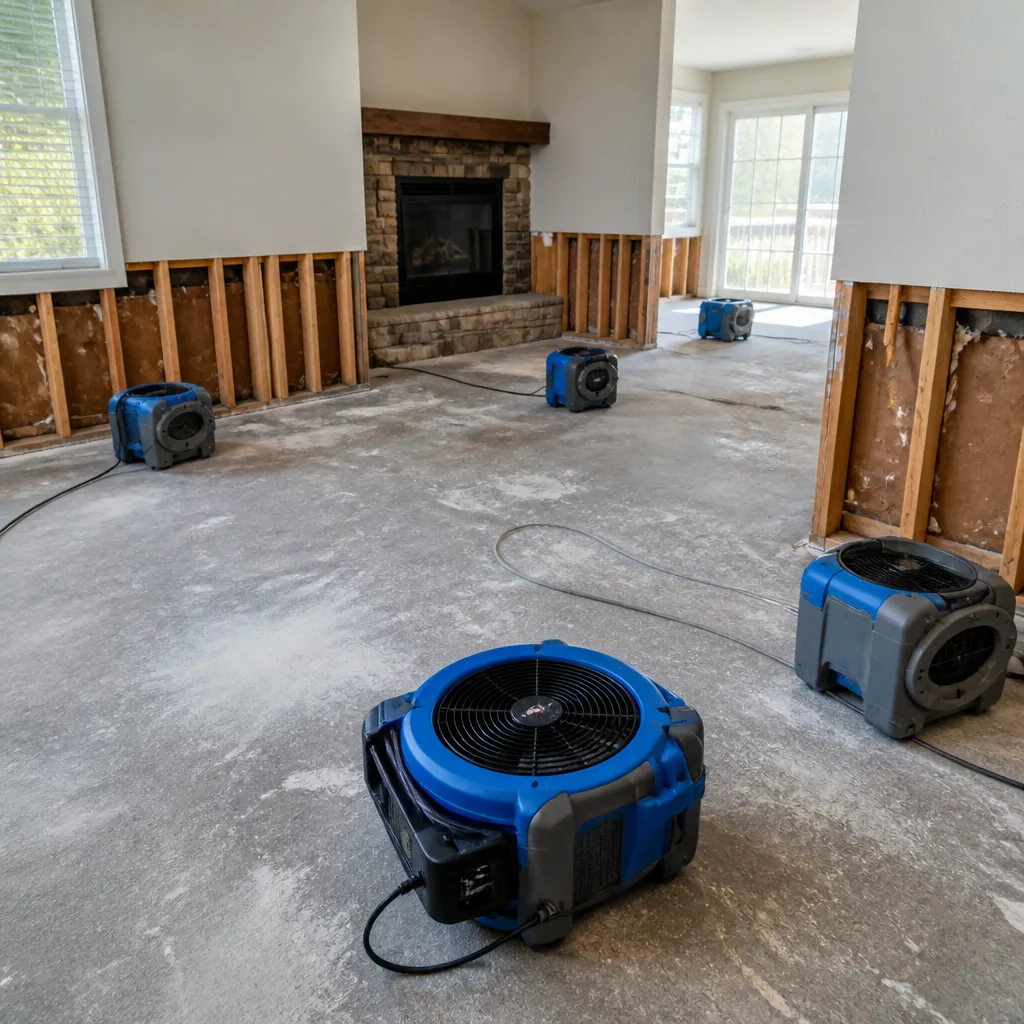
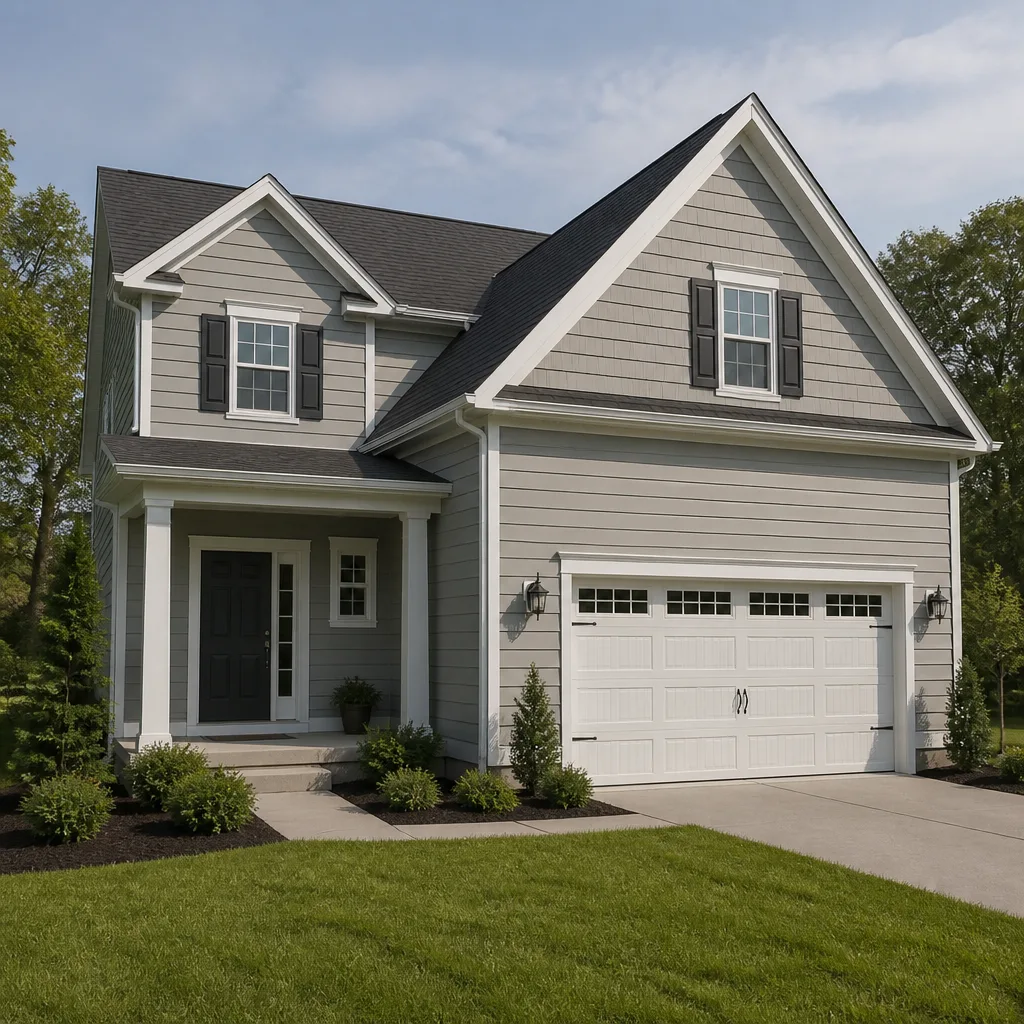
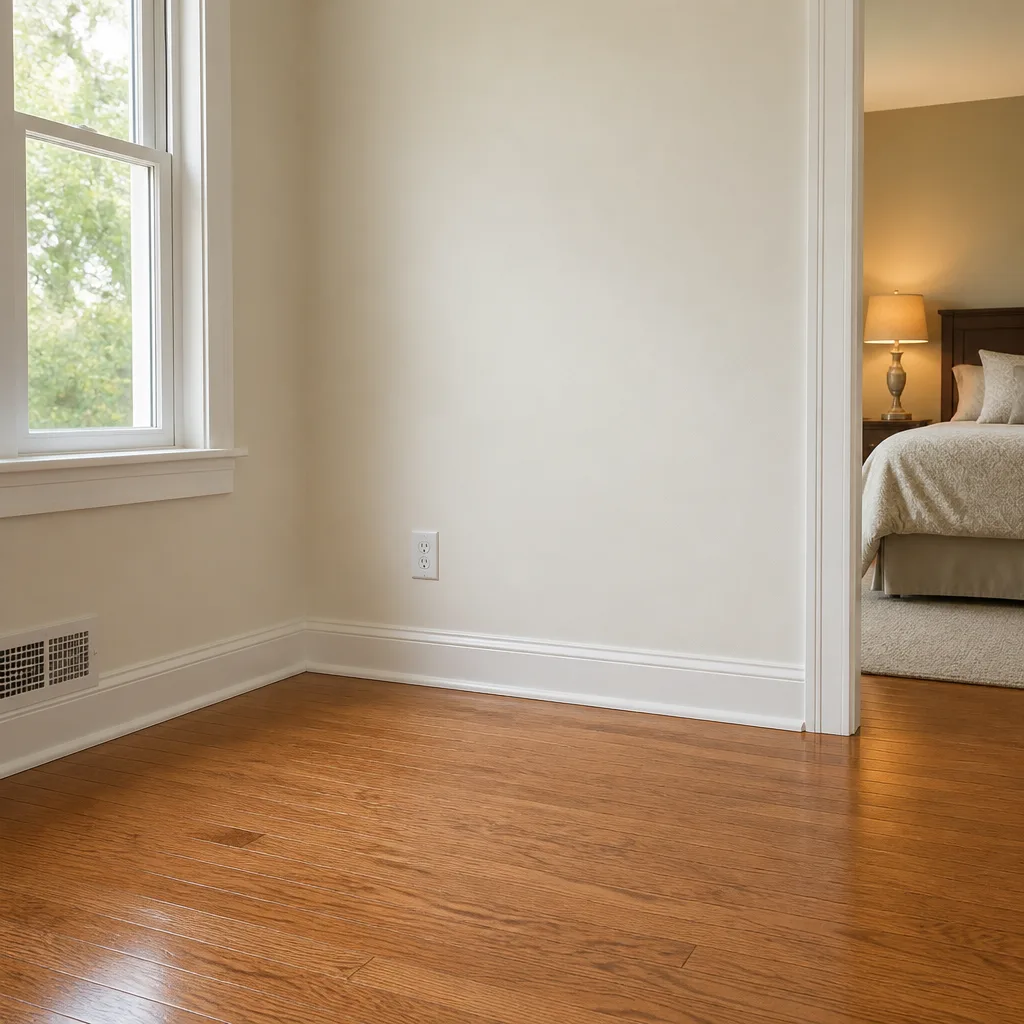
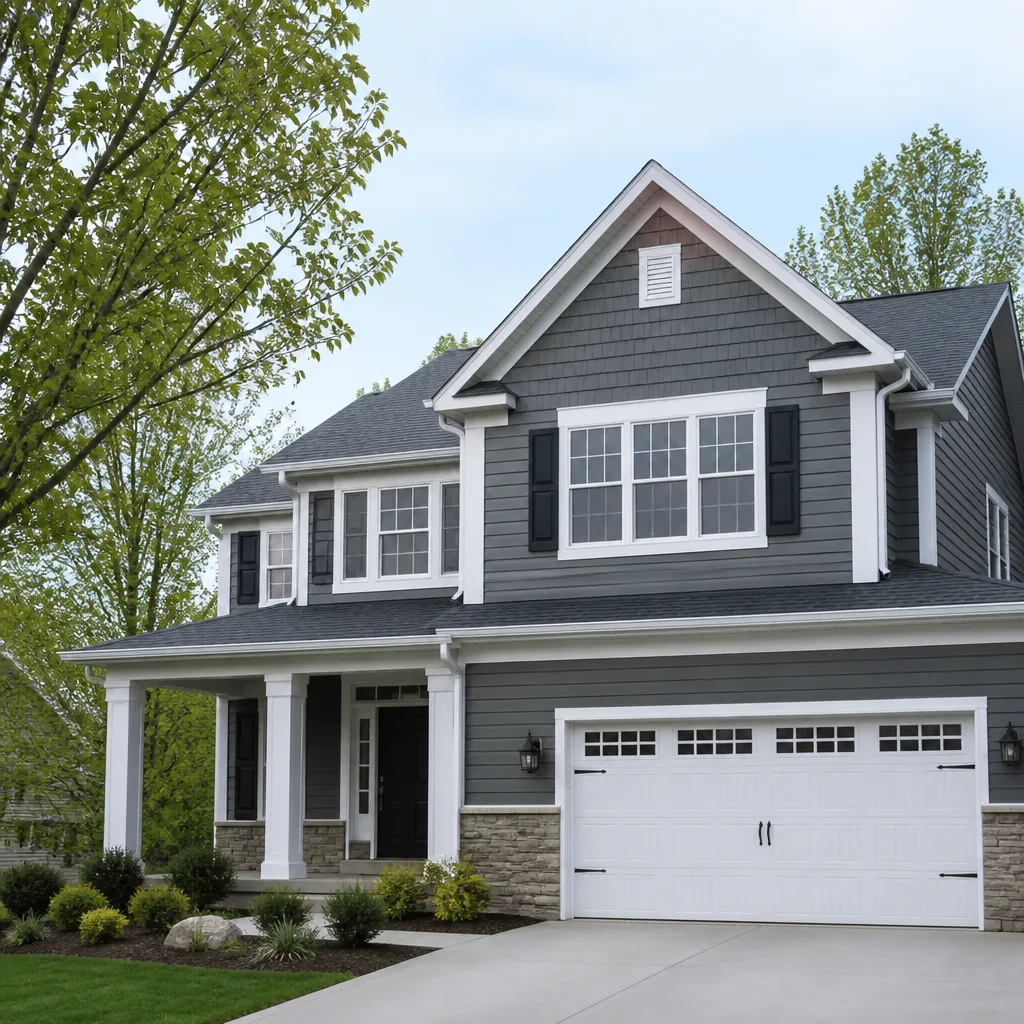
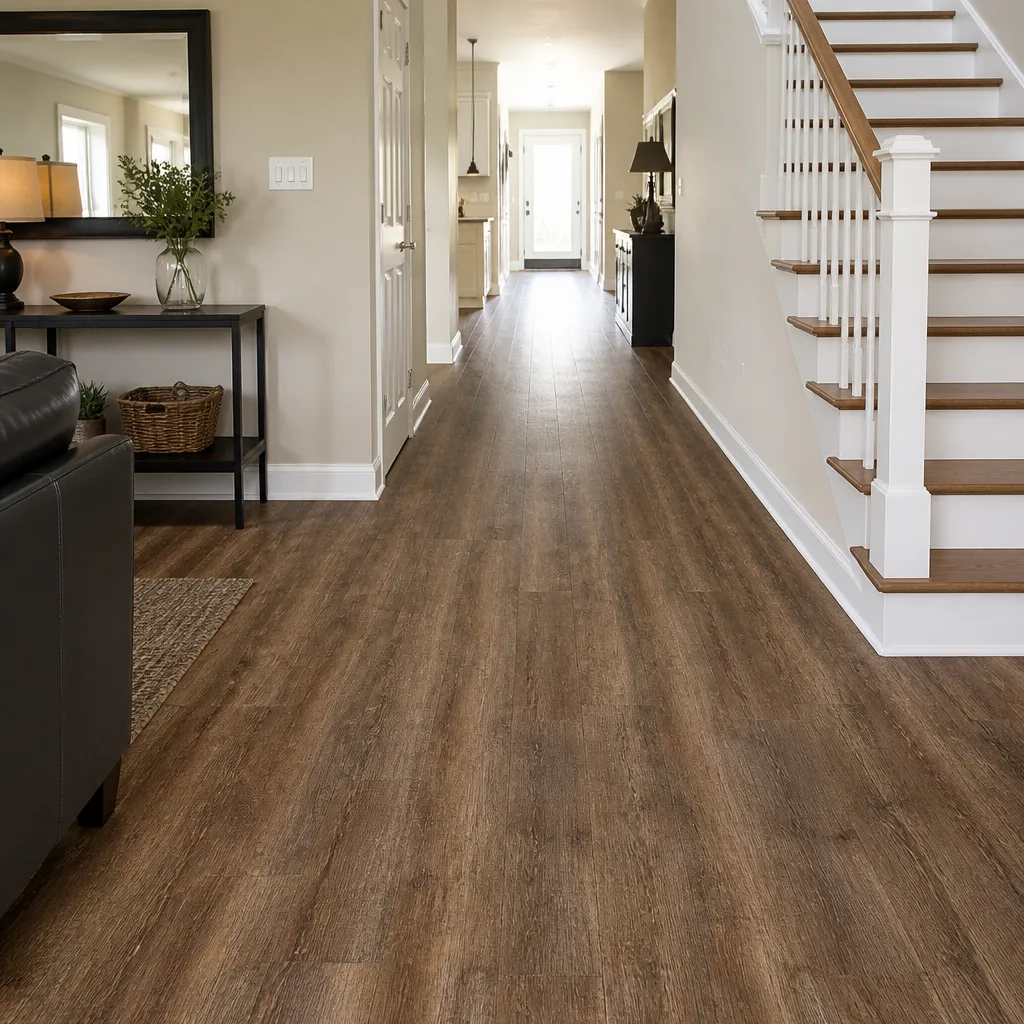
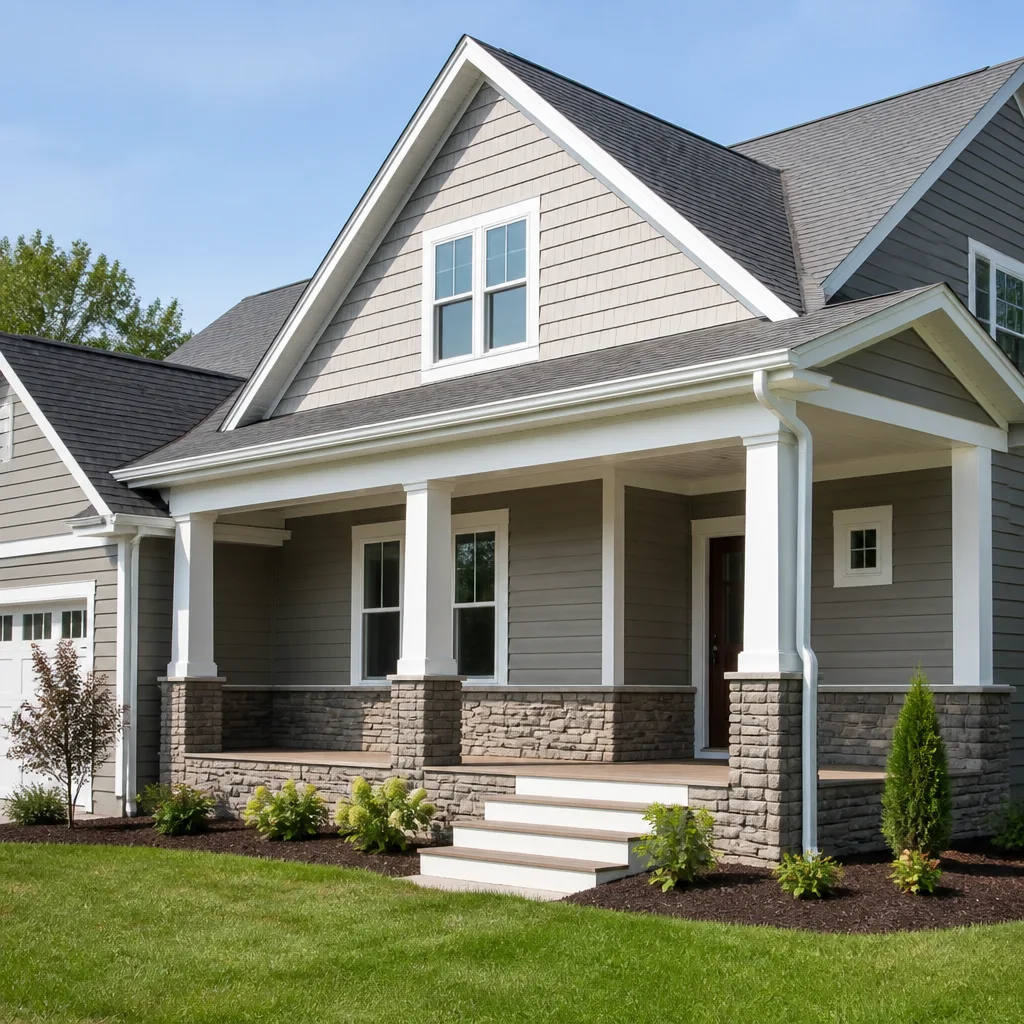
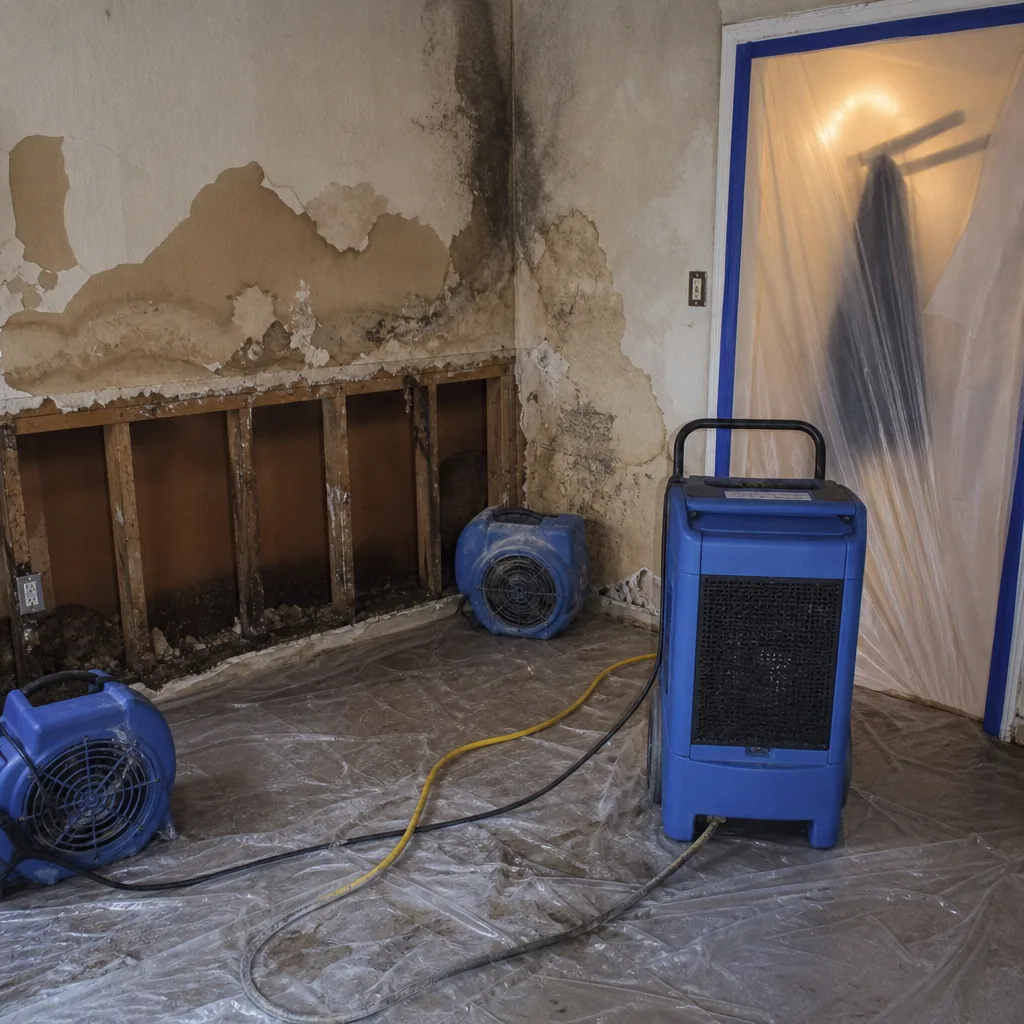 Before
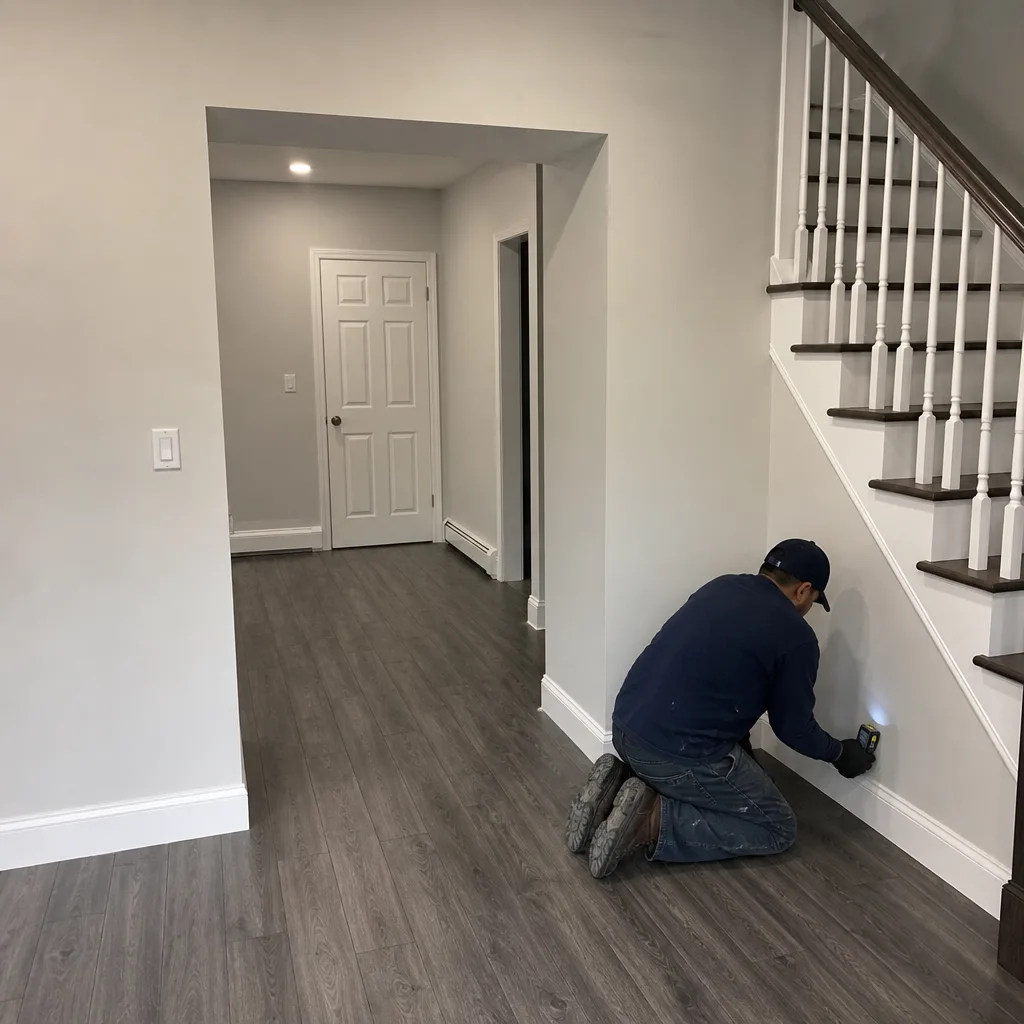 After
After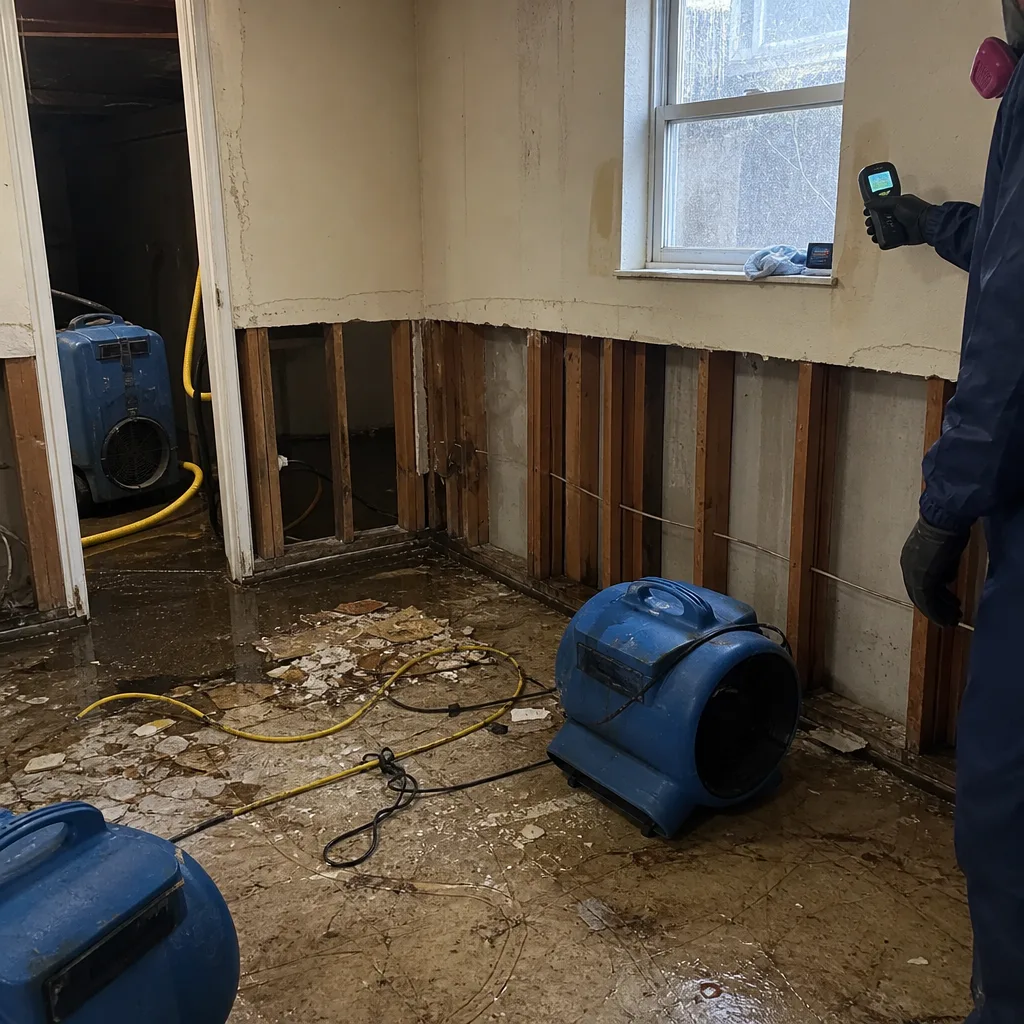 Before
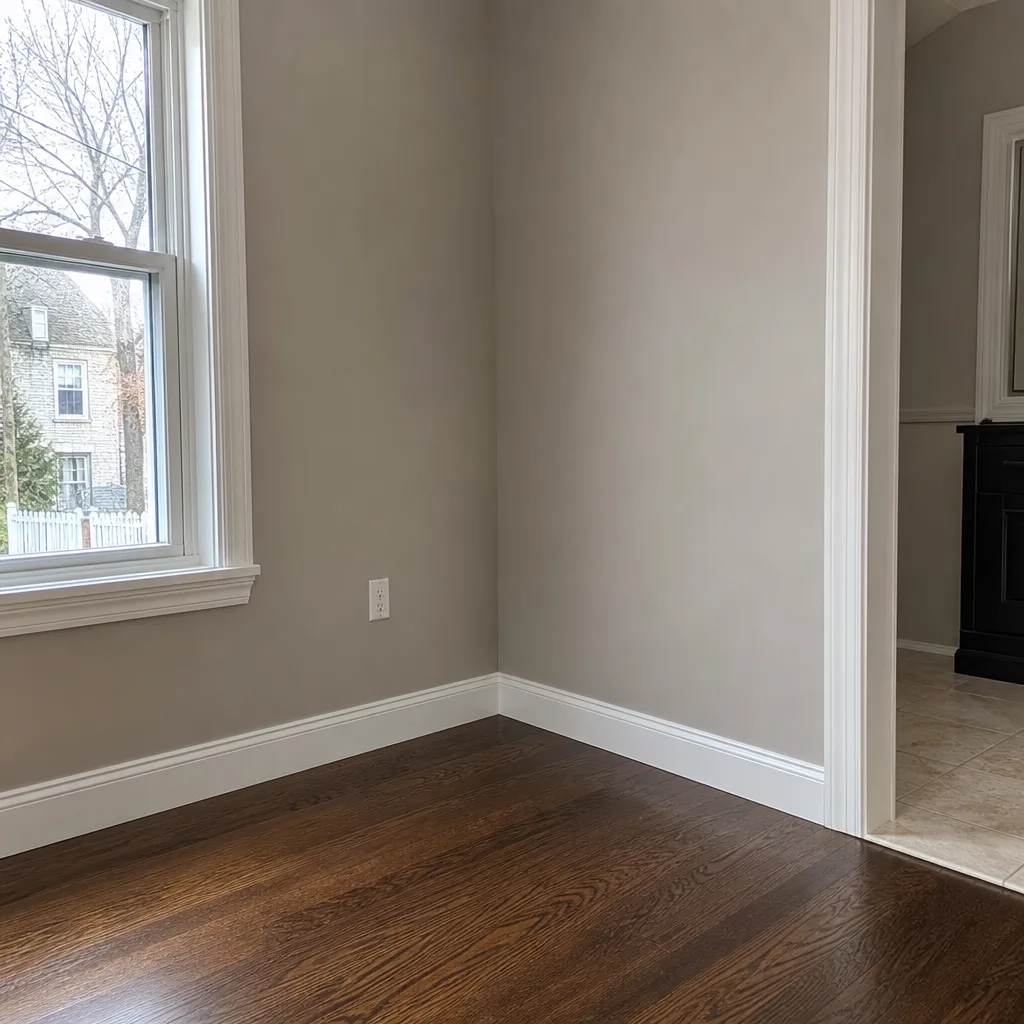 After
After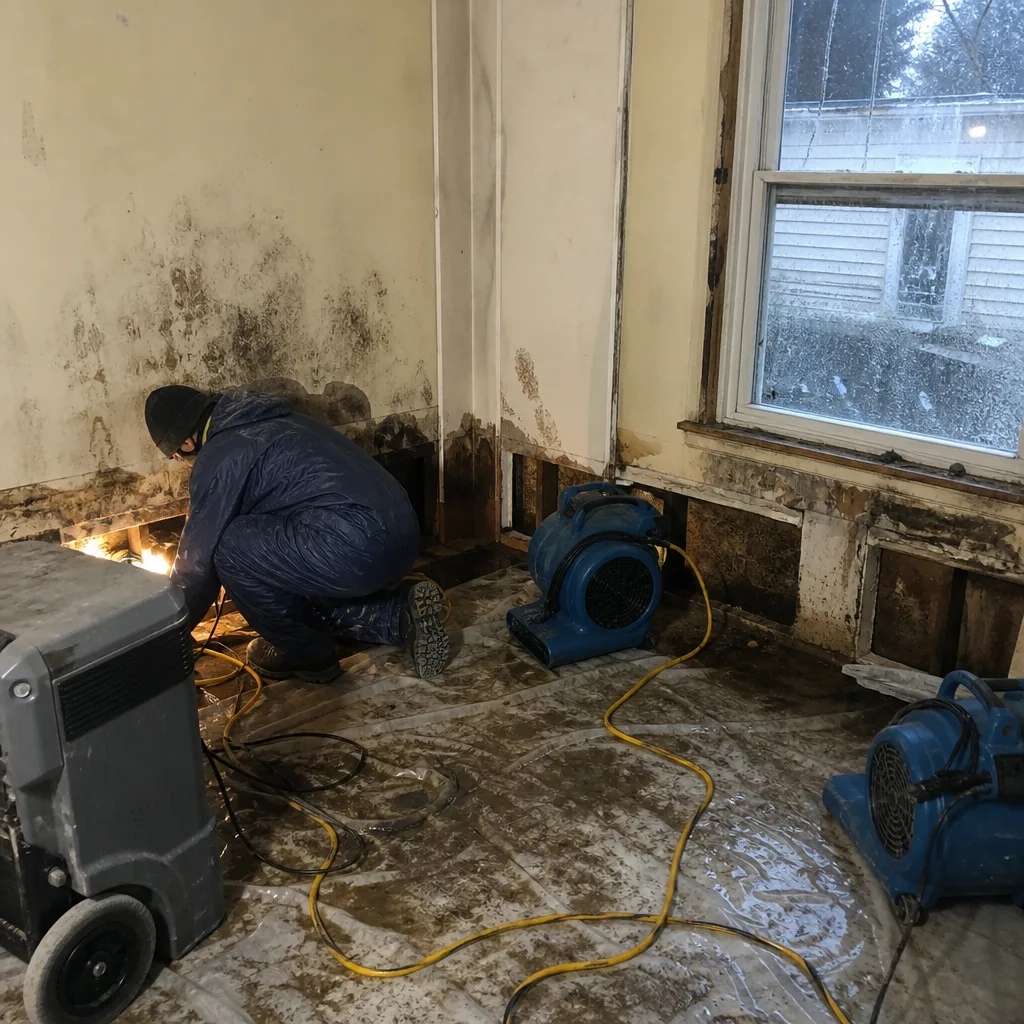 Before
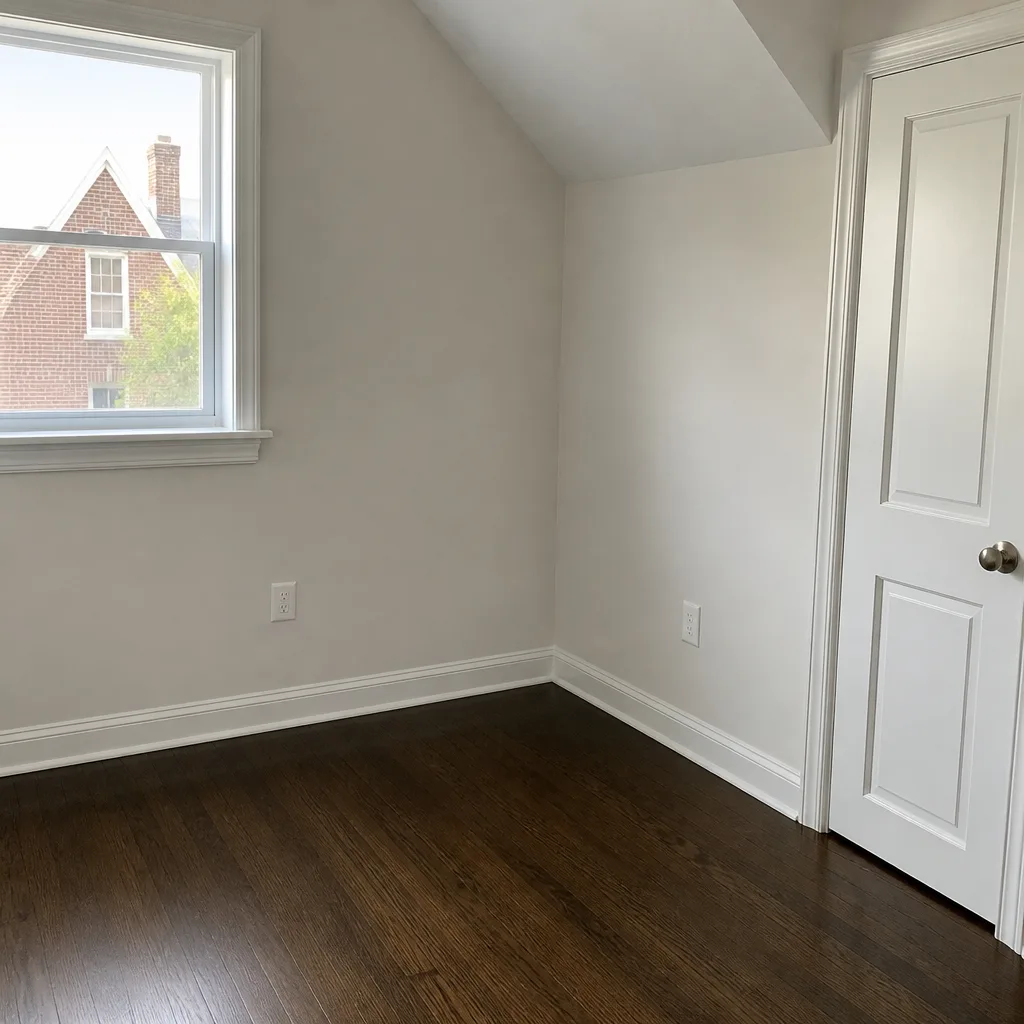 After
AfterThe Complete Guide to Damage Restoration in Queens Village
Most homeowners in Queens Village don’t discover how a restoration company actually works until water is already spreading across a finished basement floor at 11 p.m. on a Thursday. By then, every hour of delay converts drywall, insulation, and hardwood into demolition debris, and the bill climbs with it. This guide explains the entire damage restoration process in Queens Village, from the first call to the final coat of paint, without the sales language. You’ll learn what actually happens during water extraction and structural drying, what mold remediation really requires, how fire damage gets cleaned versus rebuilt, what your insurance carrier expects to see, and how to spot the difference between a company that extracts water and one that finishes the job.
Quick Answer
Damage restoration in Queens Village is the process of stabilizing a home after water, fire, mold, or storm damage, then drying, cleaning, and rebuilding it to a safe, pre-loss condition. The work moves in phases: emergency mitigation first (extraction, drying, board-up, tarping), then remediation (mold removal, odor treatment, sanitation), then reconstruction (drywall, flooring, paint). Homeowners who act within the first 24 to 48 hours typically prevent secondary damage like mold colonization and structural warping, and those who choose a single full-cycle restoration company avoid the most common failure point in this trade: a mid-job handoff between the mitigation crew and a different, unfamiliar rebuild contractor.
Table of Contents
- What Is Damage Restoration, Exactly?
- Water Damage Restoration in Queens Village
- Mold Remediation: What Actually Works
- Fire and Smoke Damage Restoration
- Sewage, Storm, and Biohazard Cleanup
- Reconstruction: The Phase Most Companies Skip
- How Insurance Claims Work in Queens Village
- Common Mistakes to Avoid
- When to Call a Professional
- Frequently Asked Questions
- The Bottom Line
What Is Damage Restoration, Exactly?
Damage restoration is not the same as a handyman repair. Restoration means returning a structure and its contents to a safe, dry, stable condition, using instruments that measure moisture content rather than eyeballing it. The process begins with mitigation: stopping the source of damage, removing standing water or debris, and setting up professional drying equipment. It continues through remediation, which addresses mold, bacteria, odors, and residues. It ends with reconstruction, which returns walls, floors, ceilings, and fixtures to their pre-loss condition.
In Queens Village, where many homes were built with plaster walls, hardwood floors, and basements below the water table, the first 48 hours after a water event matter more than any other window. Plaster can wick moisture upward into wall cavities. Hardwood absorbs water and cups or crowns. Basement foundation walls hold moisture behind finished surfaces. A restoration company that understands local construction methods reads the moisture map differently than a franchise crew applying a national playbook.
Here is the standard sequence, simplified:
- Assessment: The source is identified and stopped, and moisture readings are taken across affected areas.
- Extraction: Standing water is removed with truck-mounted or portable extraction units.
- Drying: Professional-grade air movers and dehumidifiers run continuously, with daily moisture readings logged.
- Remediation: Affected materials are removed or treated. Mold, sewage, or smoke residues are addressed here.
- Reconstruction: Drywall, insulation, flooring, trim, and paint are restored to match the surrounding home.
A full-cycle restoration company handles all five phases with the same crew. That matters because the moisture log from phase three tells the rebuild crew in phase five where hidden damage still sits. When those phases are split between two companies, the second crew guesses. Guessing is how rework happens.
Water Damage Restoration in Queens Village
Water damage in Queens Village comes from four main sources: supply-line failures (a burst pipe, a failed water heater, a cracked washing machine hose), drainage failures (a clogged main, a sump pump that quit during a storm), weather events (wind-driven rain, nor’easters, the occasional hurricane remnant), and slow leaks that finally reveal themselves as a stain on a ceiling or a musty basement smell. Each source demands a different initial response, but the drying science is the same.
Floodline Restoration Co. home is built around the principle that extraction is not drying. Removing standing water is the first step, but the moisture inside drywall, insulation, subfloor, and framing does not leave on its own. We use Dri-Eaz and Phoenix dehumidifiers paired with XPOWER air movers to create evaporation and then capture it. Daily moisture readings, taken with penetrating and non-penetrating meters, show whether the dry standard is being reached or the equipment needs repositioning.
What a typical water damage job in Queens Village looks like:
- Water supply is shut off at the source or the main valve.
- Electrical circuits in affected areas are identified and, where necessary, shut down.
- Standing water is extracted using professional-grade equipment.
- Baseboards are pulled, carpet pad is removed, and saturated drywall is cut to the moisture line.
- Air movers and dehumidifiers are placed according to the moisture map, not guesswork.
- Daily readings are logged and shared with the homeowner and the insurance carrier.
- When the dry standard is met, the rebuild begins: drywall, trim, paint, flooring.
We have seen a single supply-line break behind a first-floor bathroom in Queens Village saturate a finished basement two floors below. Water travels along joists, follows plumbing chases, and pools where gravity says. That is why a moisture map matters and why visual inspection alone is not enough.
Mold Remediation: What Actually Works
Mold is a moisture problem, not a cleaning problem. You can scrub visible mold off a surface, but if the humidity behind that surface stays above 60 percent, the colony regrows. In Queens Village, where summers run humid and basements stay cool, mold finds hospitable conditions if a leak or flood is not dried properly. The attic is the second most common site, typically from inadequate bathroom exhaust venting or a roof leak.
Professional mold remediation follows a specific protocol:
- Containment: The affected area is isolated with plastic sheeting and negative air pressure to prevent spores from spreading to clean rooms.
- Source removal: The moisture source is fixed first. Remediation without fixing the leak is theater.
- Material removal: Porous materials with mold growth (drywall, insulation, carpet pad) are removed and bagged. Non-porous surfaces are cleaned and treated.
- Air scrubbing: HEPA-filtered air scrubbers run during and after the work to capture airborne spores.
- Verification: The moisture level and air quality are rechecked before containment comes down.
- Content cleaning: everything from furniture to clothing, cleaned on-site or packed out to a cleaning facility.
- Structural cleaning: walls, ceilings, floors, and fixtures cleaned with residue-specific agents.
- Odor removal: thermal fogging, ozone treatment where appropriate, and sealing of affected framing.
- Duct cleaning: HVAC systems cleaned so the odor does not recycle through the house every time the heat kicks on.
- Reconstruction: damaged framing, drywall, electrical, and finishes restored to pre-loss condition.
- Shut off electricity to affected areas if it can be done safely.
- Keep children, pets, and anyone with a compromised immune system away.
- Do not attempt to clean Category 3 water without full PPE and proper disposal.
- Call a restoration company with certified biohazard training.
- Document everything with photos for the insurance claim.
- Replacing drywall and insulation to the flood line plus a margin.
- Reinstalling trim, baseboards, and door casings to match existing profiles.
- Refinishing or replacing hardwood flooring, including matching stain and plank width.
- Painting finished surfaces with primer and topcoats matched to the surrounding rooms.
- Reconnecting fixtures, drains, and appliances that were removed during mitigation.
- Report the damage immediately. Most policies require prompt notification. Waiting can reduce the settlement.
- Document everything. Photos, videos, and a written timeline. Before any demolition starts.
- Choose your restoration company. The homeowner chooses the contractor, not the carrier. You are allowed to select a company you trust.
- Mitigation begins. The restoration company documents the damage, provides a scope, and starts emergency work.
- Adjuster review. The carrier sends an adjuster. The restoration company should be ready to walk the adjuster through the moisture readings and photo documentation.
- Approval and rebuild. The carrier approves the scope, and reconstruction proceeds.
- Waiting to call. Every hour of standing water spreads further into walls and flooring. In Queens Village basements, secondary damage is already starting within 24 hours.
- Using a shop vac and thinking it’s handled. A shop vac removes surface water. It does not remove the moisture inside drywall cavities, subfloor, or insulation. The water line recedes, and the mold follows.
- Letting the insurance company dictate your contractor. The carrier can recommend, but the choice is yours. Choose a company that works in your interest, not the carrier’s cost sheet.
- Accepting a bid that ends at drying. If the company cannot rebuild, you will be hiring a second contractor and coordinating the handoff yourself. Ask before you sign.
- Skipping the moisture log. A company that does not provide daily moisture readings is asking you to trust them blindly. The log is the evidence that drying worked.
- Painting over mold. Paint seals in the problem; it does not solve it. The mold continues to grow behind the paint and the smell returns.
- Hiring the cheapest bid mid-emergency. Desperation pricing invites corner-cutting. A square deal is not the lowest bid; it is the honest one.
We train our technicians to IICRC, RIA, and IFA standards. On a Queens Village mold job, the crew wears full PPE, runs negative air, and documents the containment setup for the carrier. A written scope of work, agreed before demolition starts, is standard practice on every remediation we do. That protects the homeowner from the most common mold-industry complaint: the quote grows after the walls are open. Our scope grows only if the hidden damage grows, and that gets documented and approved before additional work proceeds.
Bleach is not a mold remediation strategy. It does not penetrate porous materials, and it does not address the moisture that feeds the colony. If a contractor tells you a spray bottle and a repaint will solve it, keep looking.
Fire and Smoke Damage Restoration
Fire damage restoration starts with securing the structure. Board-up, tarping, and temporary fencing happen first, because an open roof or missing window invites weather, animals, and vandalism. Only then does the cleaning begin.
Smoke residue is not uniform. A kitchen grease fire deposits a different residue than an electrical fire in a wall, and a chimney fire coats surfaces with a different chemistry again. Each requires a specific cleaning agent and technique. Soot left inside wall cavities or ductwork will off-gas odor for months. That is why professional fire restoration includes:
In Queens Village, older homes often have plaster walls and original trim that are worth preserving. A fire restoration crew that knows the difference between replacement and restoration can save original millwork that a demolition-first contractor would toss in a dumpster. Ask whether the company rebuilds as well as it cleans. If the answer is no, you will be hiring two companies and coordinating them yourself.
Sewage, Storm, and Biohazard Cleanup
Sewage backups are a different category of water damage. The water is not just wet; it is carrying bacteria, viruses, and parasites. Category 3 water, as the industry classifies it, requires full PPE, disposal of saturated porous materials, and disinfection of everything the water touched. The same applies to storm surge and floodwater, which picks up whatever is on the ground before it enters the home.
In Queens Village, combined sewer systems can back up during heavy rain, sending sewage into basement drains and floor drains. A homeowner who walks into that water without protection is taking a real health risk. The proper response is:
Biohazard and crime scene cleanup is a specialized part of this work. It requires compassion, discretion, and strict adherence to OSHA bloodborne pathogen standards. We approach these jobs with the same written scope and the same no-surprises billing as everything else, because the family dealing with a tragedy does not need a billing argument layered on top of it.
Reconstruction: The Phase Most Companies Skip
Here is the uncomfortable truth about the restoration industry: many companies are excellent at mitigation and useless at reconstruction, or they do not do reconstruction at all. They extract the water, dry the structure, and hand the homeowner a list of contractors to finish the job. The homeowner becomes the general contractor, the scheduler, and the quality inspector, all while dealing with an insurance claim.
That is exactly the problem Floodline Restoration Co. was built to solve. We handle extraction and drying, and then the same certified crew hangs the drywall, lays the flooring, and paints the walls. The moisture log from day one informs the rebuild. The technician who read the moisture map in the basement knows where the water actually traveled, which means the rebuild does not miss a pocket of hidden damage.
Reconstruction after water damage in Queens Village commonly involves:
The 90-Day Done Right Promise applies to every phase of this work. If something is not done right, we make it right, in writing, with no argument. That matters most on reconstruction, because that is where the visible result lives, and it is what the homeowner looks at every day.
How Insurance Claims Work in Queens Village
Most restoration work in Queens Village is covered, at least in part, by homeowner’s insurance. The claim process follows a consistent rhythm, and knowing it in advance removes most of the anxiety.
The claim sequence:
Floodline Restoration Co. bills the carrier directly. That means the homeowner does not front the mitigation cost and wait for reimbursement. Our photo documentation and daily moisture logs go to the adjuster as they are created. The homeowner is not the messenger between the mitigation crew and the insurance company. That is how a restoration claim should work: the tradespeople talk to the tradespeople, and the homeowner gets a square deal.
One caution specific to Queens Village: flood insurance is separate from homeowner’s insurance. If your basement flooded due to groundwater or storm surge, a standard policy may not cover it. A sump pump failure or a burst pipe is typically covered. A river or street flood is usually not, unless you carry flood insurance through the NFIP. Ask the question before the water arrives, not after.
Common Mistakes to Avoid
When to Call a Professional
Call a restoration company when water has reached drywall, insulation, flooring, or anything you cannot fully dry and inspect yourself. Call immediately if the water is sewage, if the source is a burst pipe inside a wall, or if you smell gas or see electrical damage. Call when mold covers more than ten square feet, when the odor persists after cleaning, or when anyone in the home has respiratory issues. Call after a fire, regardless of how small it looks: smoke residue is corrosive and odor travels. Call when the damage is in a finished basement, a crawl space, or anywhere you cannot see the full extent. Floodline Restoration Co. offers free estimates in Queens Village, call (631) 557-5029 and a live dispatcher will answer, any hour of any day.
Frequently Asked Questions
Water damage restoration in Queens Village typically ranges from $2,500 to $8,500 for a standard basement or single-room mitigation, depending on the extent of the water, the materials affected, and how long the water sat before extraction began. Reconstruction costs are separate and depend on finishes. Call (631) 557-5029 for a free estimate with a written scope before work begins.
A Floodline Restoration Co. crew typically reaches a Queens Village home within 60 to 90 minutes of your call, because our dispatch desk is staffed by a live person 24/7, not an answering service. The dispatcher sends the nearest available certified crew immediately. Extraction begins on the same visit.
Homeowner’s insurance typically covers sudden and accidental water damage from burst pipes, water heater failures, washing machine hose breaks, and similar events. It does not cover gradual leaks, neglect, or groundwater flooding unless you carry a separate flood policy. We document every job with photos and moisture readings and bill your carrier directly.
If visible mold covers more than ten square feet, you need professional remediation. Small spots on non-porous surfaces can sometimes be cleaned with soap and water if you fix the moisture source first. But mold behind walls, under flooring, or inside HVAC ducts requires containment, source removal, and verification, which is professional work.
Floodline Restoration Co. deals with the adjuster directly. Our crews provide photo documentation, daily moisture logs, and a written scope of work that goes to the carrier as the job progresses. You are never the messenger between our crew and your insurance company, and we bill the carrier directly.
Yes. The same certified crew that extracts the water and dries the structure also hangs the drywall, reinstalls the trim, refinishes the flooring, and paints. We do not hand the job off mid-way, and every phase is covered by the 90-Day Done Right Promise, in writing. Call (631) 557-5029 to schedule a free estimate in Queens Village.
The Bottom Line
Damage restoration in Queens Village moves in phases: stop the source, extract the water, dry the structure to a measured standard, remediate what the water left behind, and rebuild what got removed. The companies that do all five phases with the same crew are outnumbered by companies that stop at phase three. If you remember one thing from this guide, remember this: ask whether the company rebuilds before you sign the work authorization. A full-cycle restoration company gives you one phone number, one moisture log, one warranty, and one name to hold accountable. That is the square deal, and it is what we have been doing in Queens Village since 2010.
Written by Curt Bowman, Owner at Floodline Restoration Co., serving Queens Village since 2010.