
Last updated August 25, 2026
Free visual inspection and a written scope of work before any mitigation begins - photos, moisture readings, and drying logs go in your claim file
The scope we write is the scope we bill. Anything new gets shown to you, in writing, before we touch it.
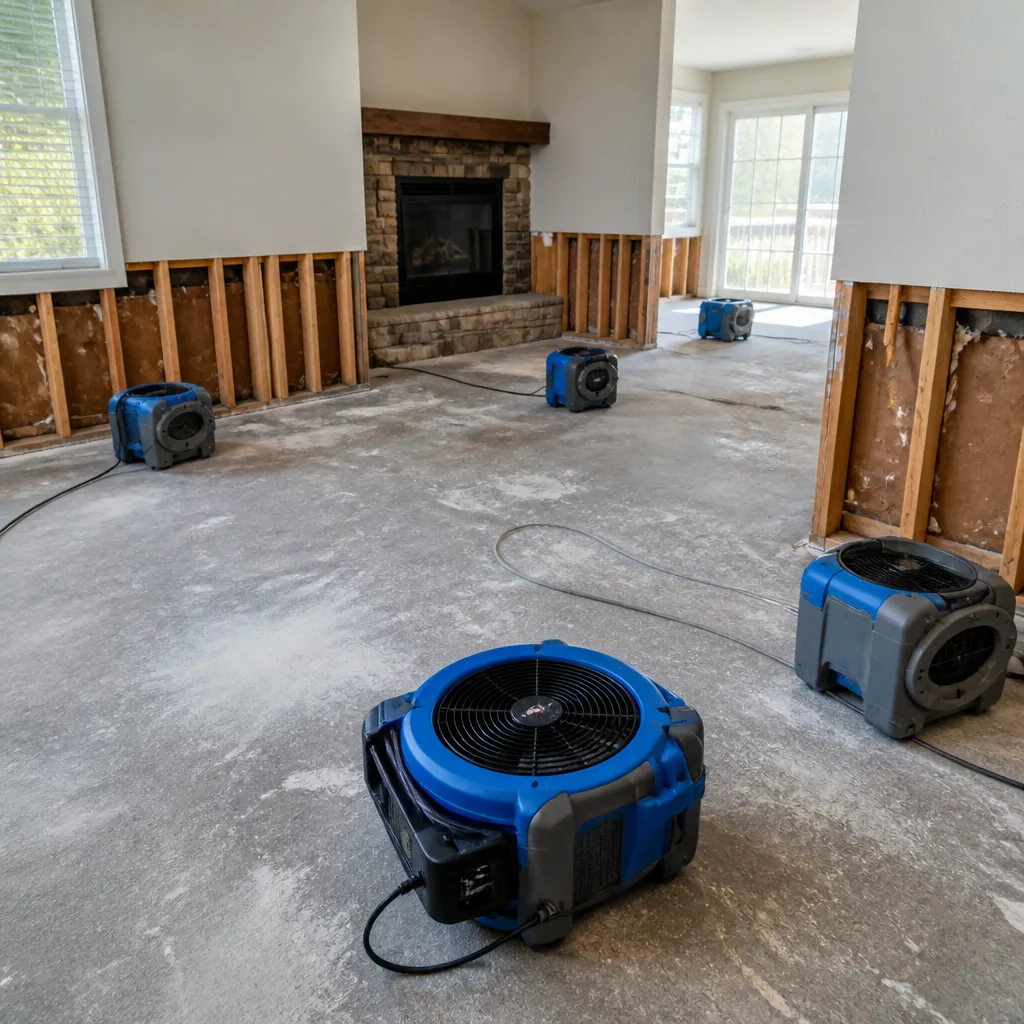
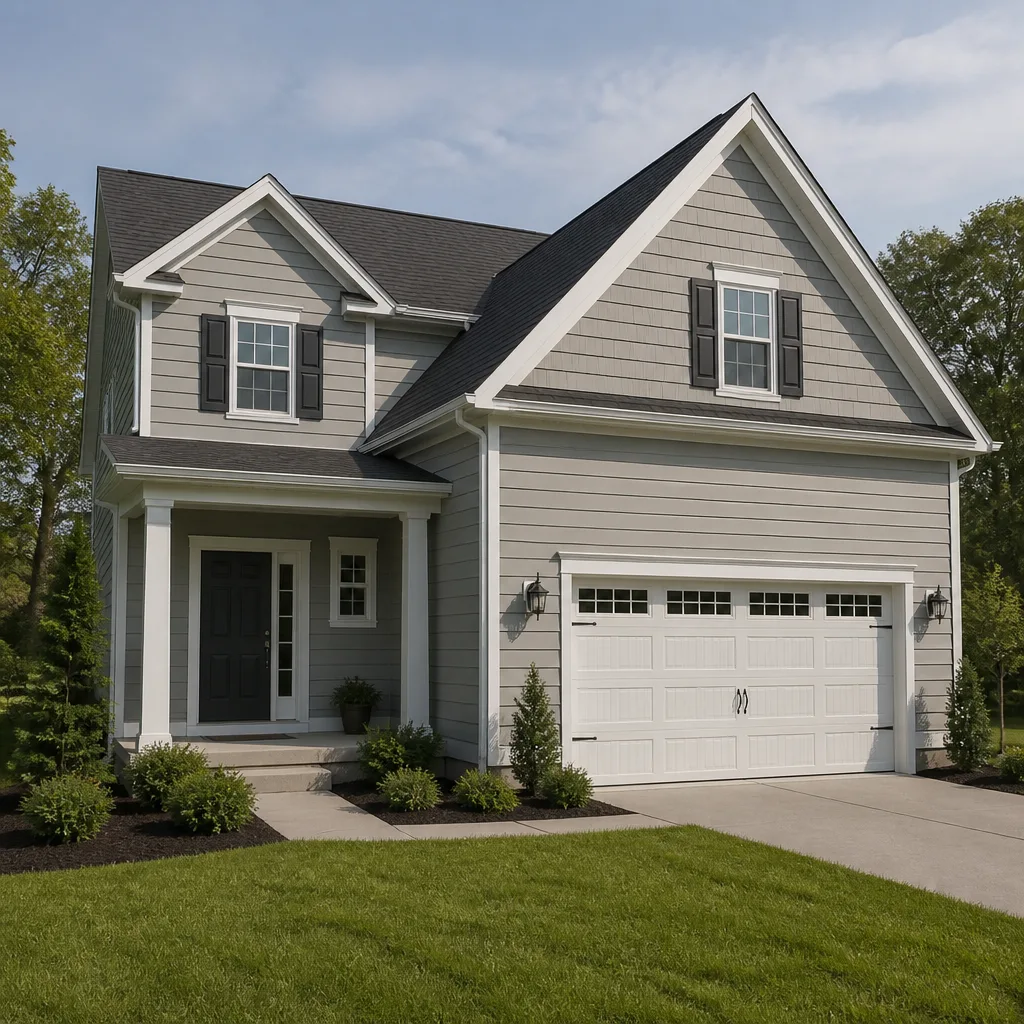
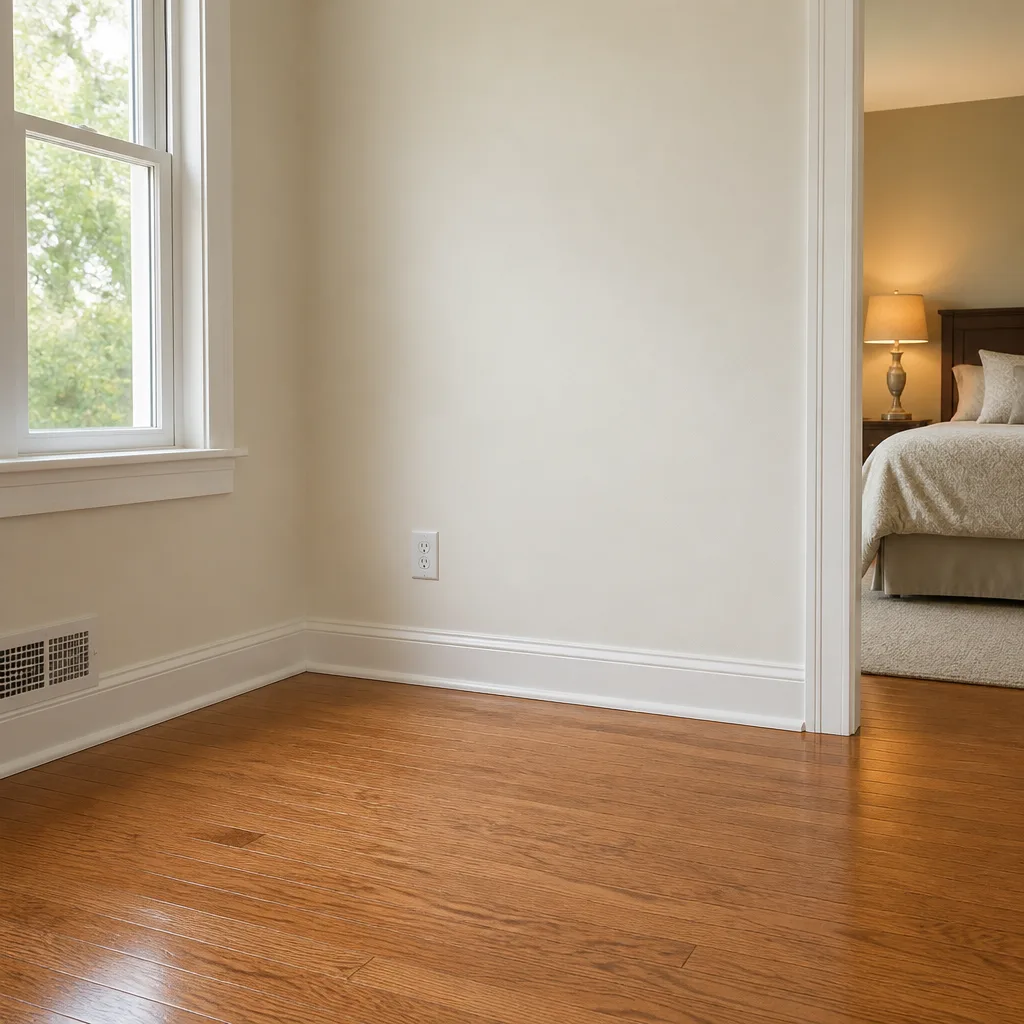
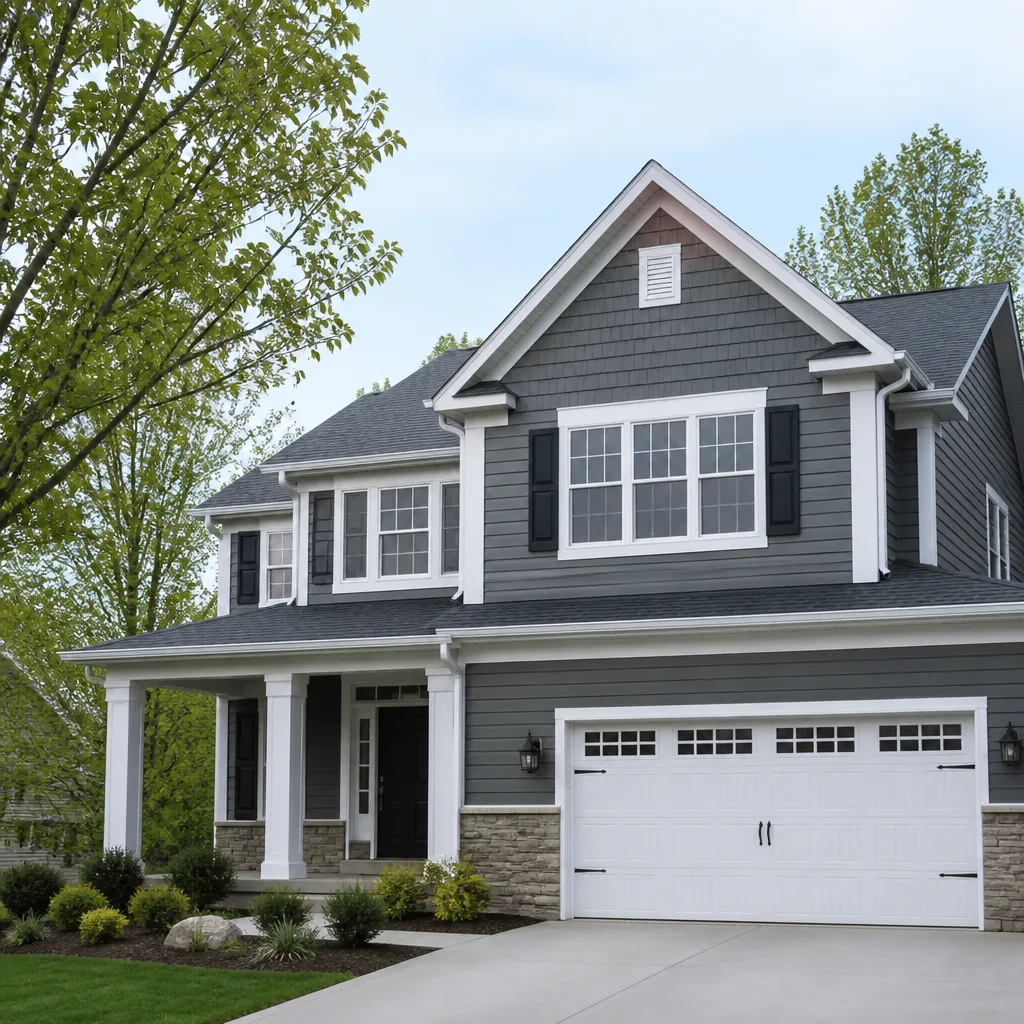
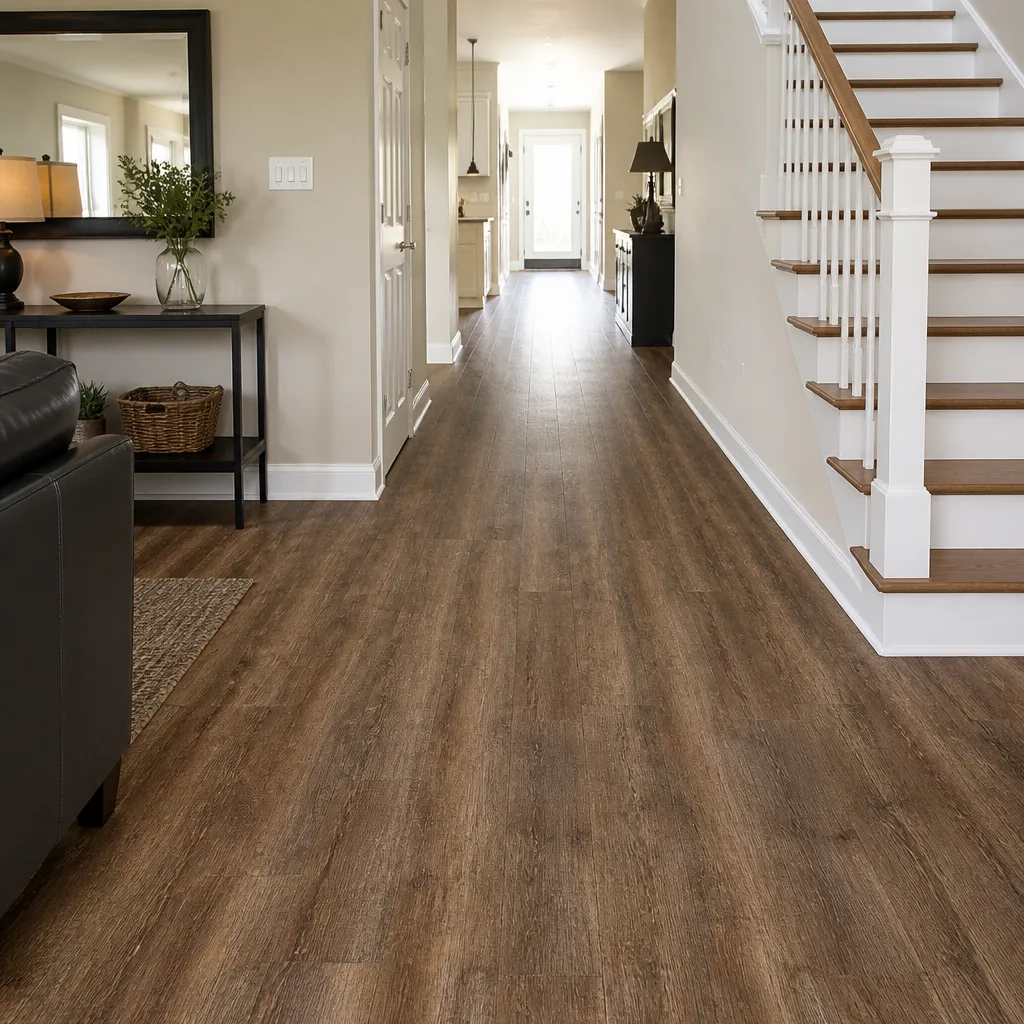

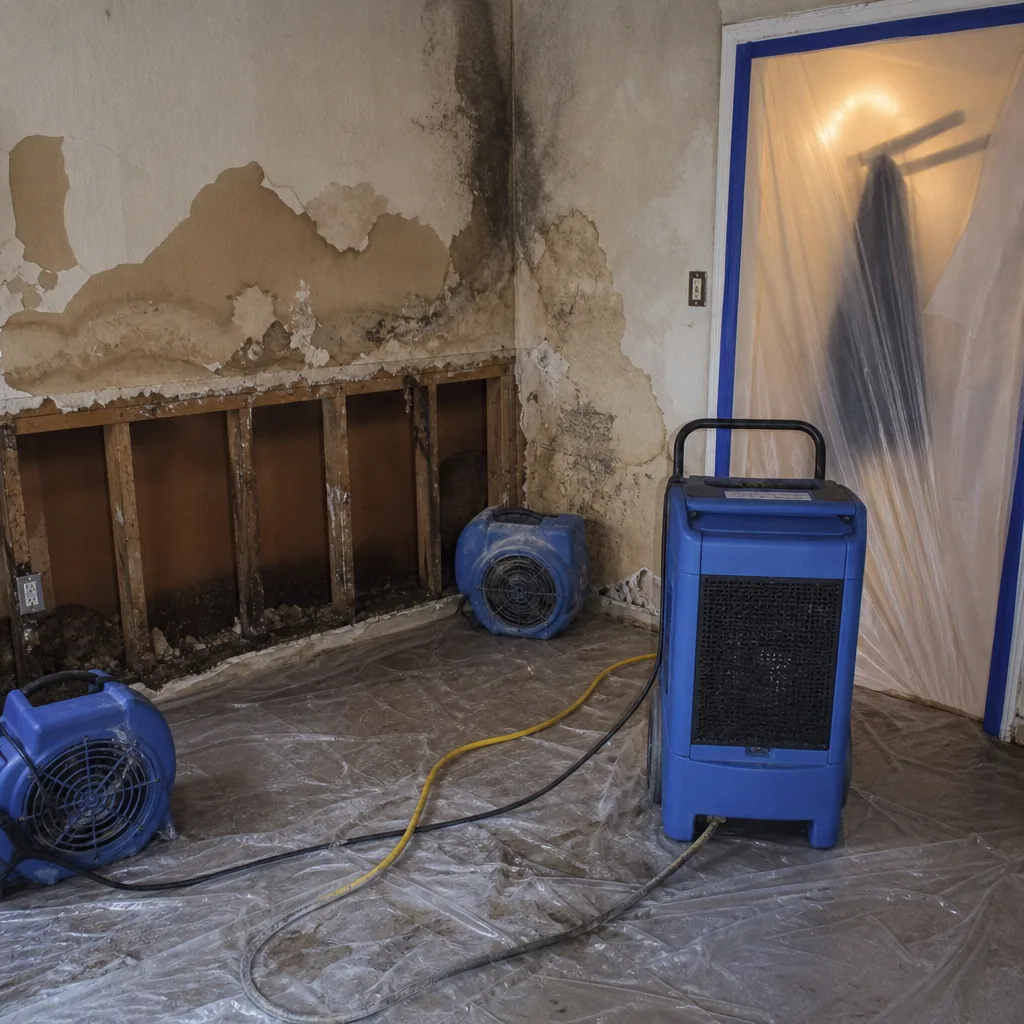 Before
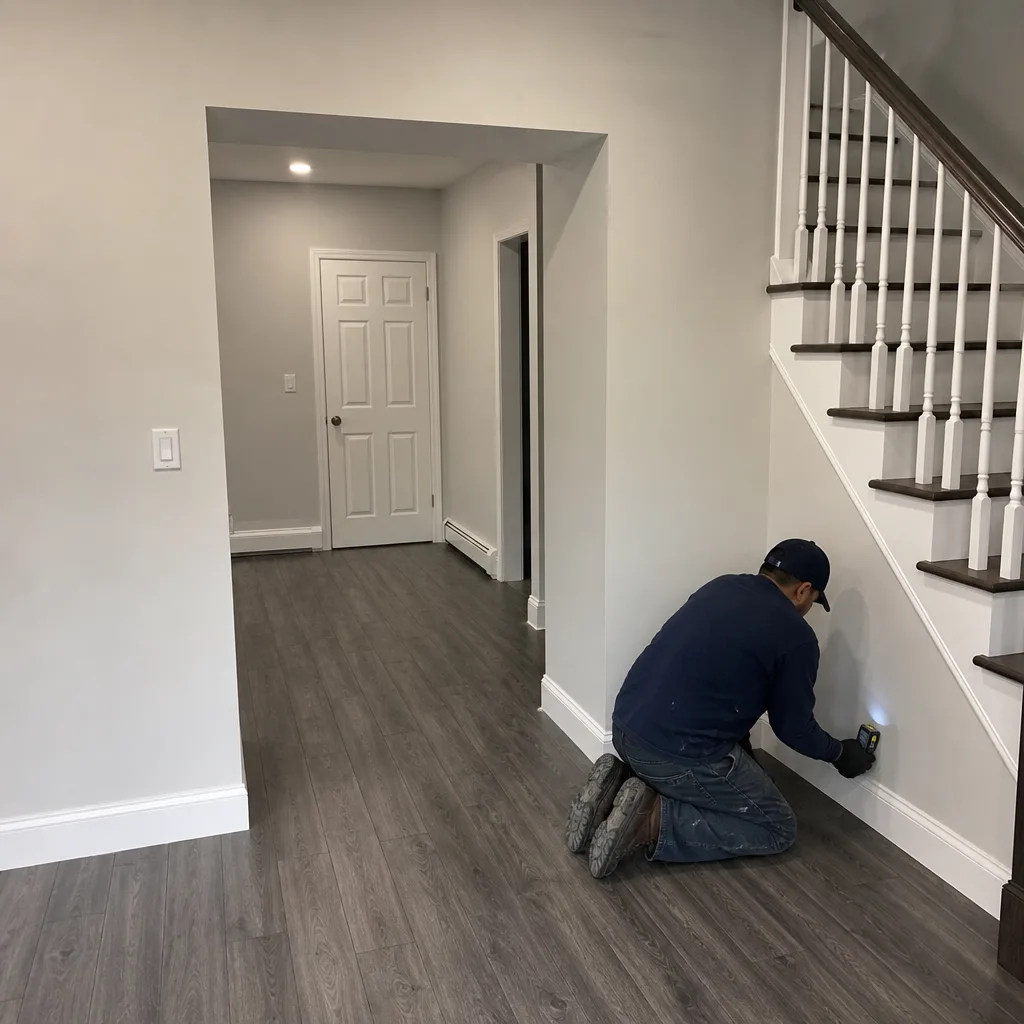 After
After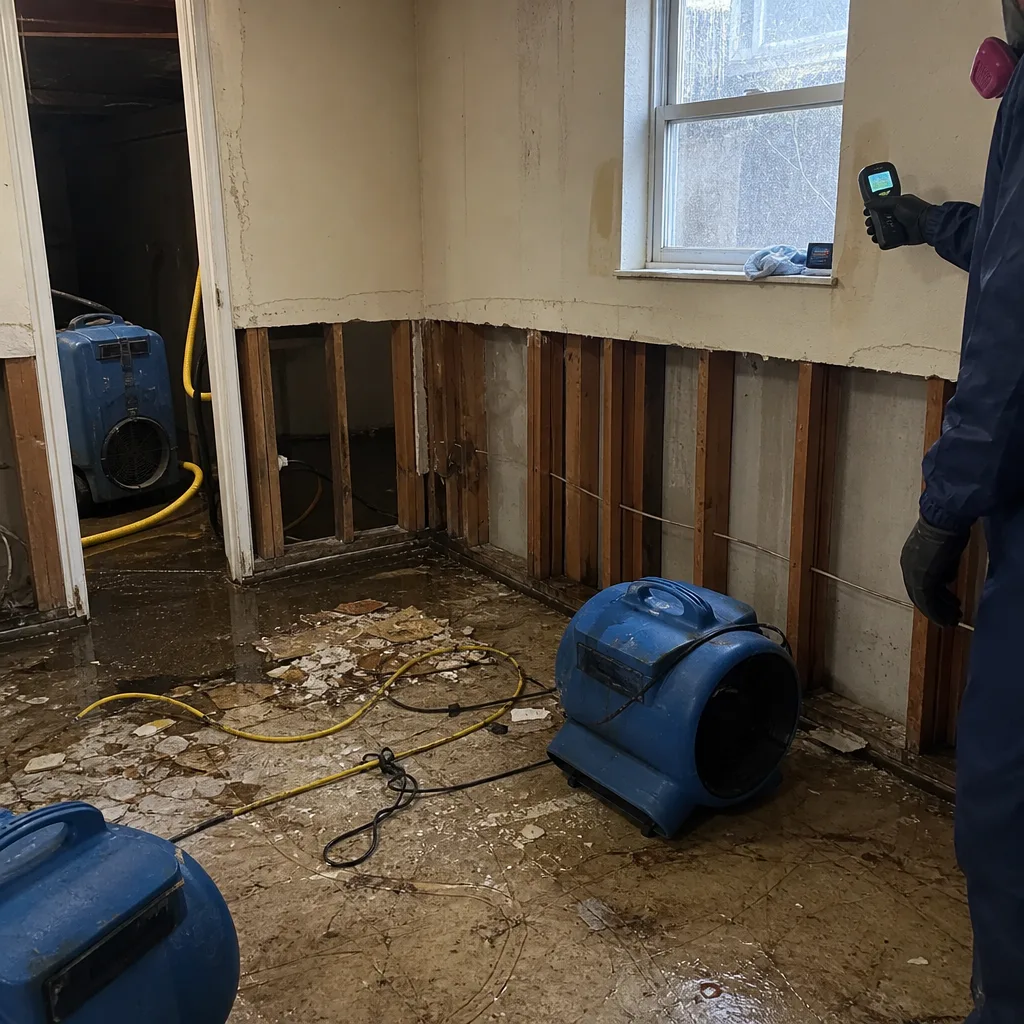 Before
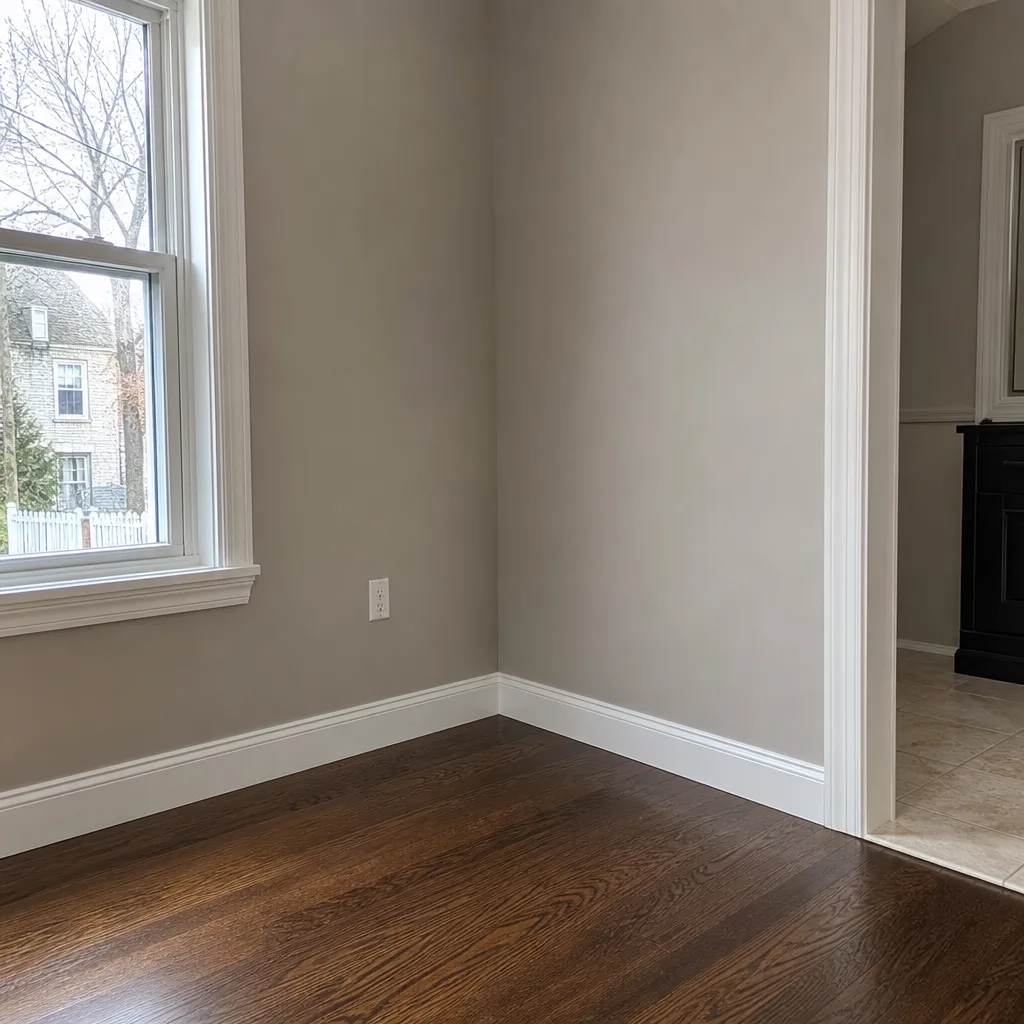 After
After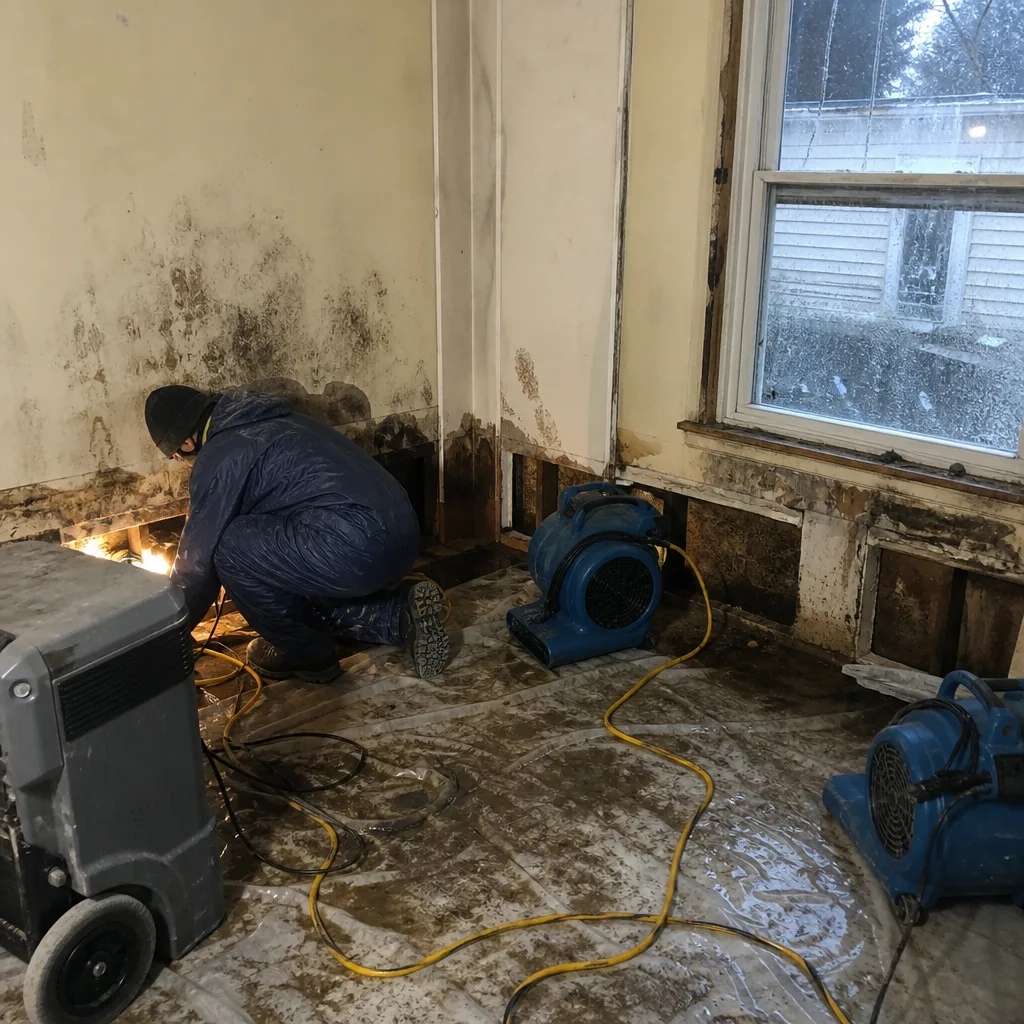 Before
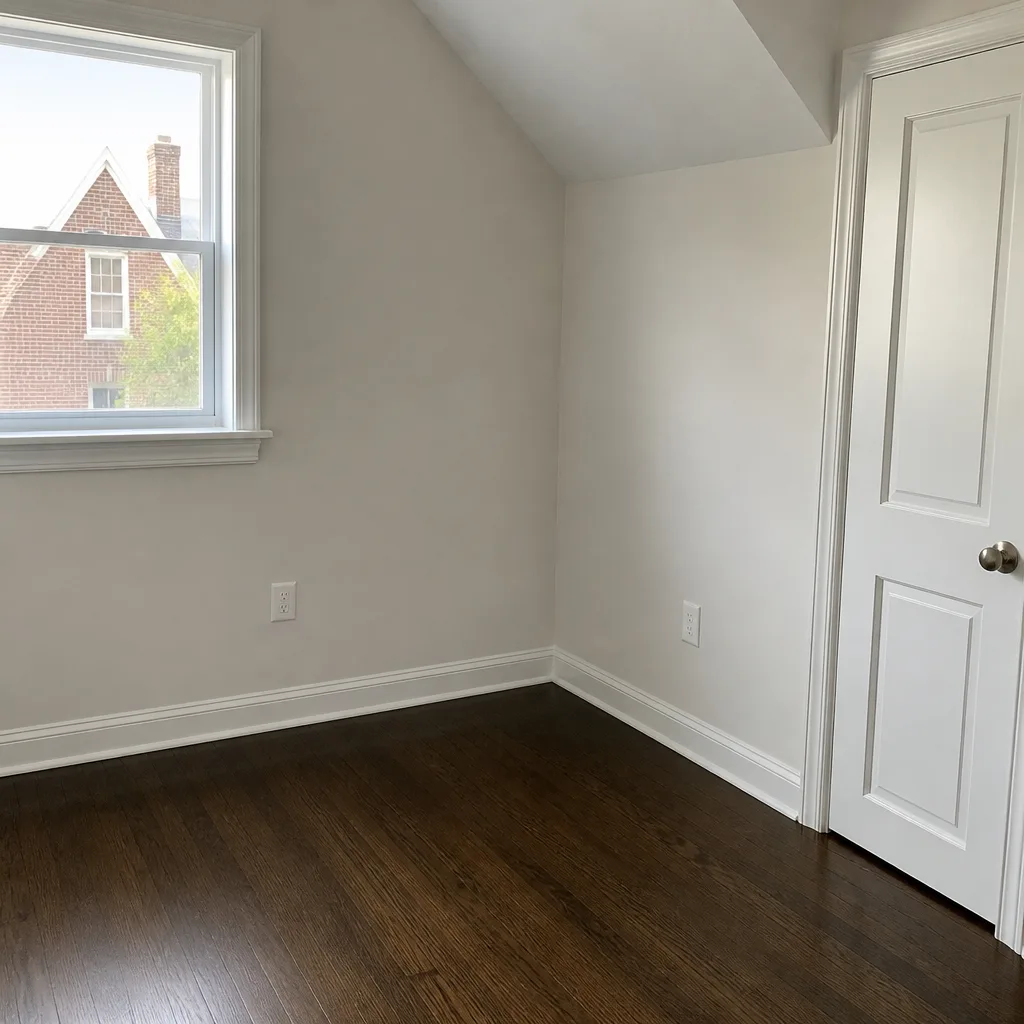 After
AfterHow to Hire a Damage Restoration Contractor in Queens Village: A Step-by-Step Guide
Most homeowners in Queens Village hire a damage restoration contractor exactly once in their lives, usually at the worst possible moment: water spreading across a finished basement at 11 p.m., or the smell of smoke still hanging in the drapes three days after a kitchen fire. That single decision determines whether the damage gets fully resolved or quietly lingers behind drywall for years. This guide walks through the entire hiring process from the first panicked phone call to the final walkthrough, with Queens Village-specific details on permitting, climate, and the local contractor market. We’ve written it from a Queens Village business perspective because we’ve spent over a decade watching how these projects go right, and how they go wrong.
Quick Answer
To hire a damage restoration contractor in Queens Village, verify three things before signing anything: the contractor’s certifications and insurance, their experience with your specific damage type, and whether they handle both the emergency mitigation and the rebuild so you’re not stuck coordinating two crews and an insurance adjuster on your own. Get a written scope of work with clear pricing before any work begins, and never sign an assignment of benefits that hands the contractor full control of your claim. A reputable Queens Village restoration company should answer the phone with a live person 24/7, arrive with professional-grade drying equipment, and put their workmanship guarantee in writing.
Table of Contents
- Step 1: Contain the Damage and Make the First Calls
- Step 2: Verify the Contractor’s Credentials
- Step 3: Understand the Insurance Billing Process
- Step 4: Get the Scope of Work in Writing
- Step 5: Read the Contract Before You Sign
- Step 6: Monitor the Drying Process Averages in Queens Village
- Queens Village-Specific Considerations
- Common Mistakes to Avoid
- When to Call a Professional
- Frequently Asked Questions
- The Bottom Line
Step 1: Contain the Damage and Make the First Calls
The first four hours after water damage in Queens Village matter more than the next four days. Water wicks up drywall at roughly an inch per hour, and the dense clay-heavy soil that characterizes much of southeast Queens means basements here hold water longer than homes in areas with sandier drainage. Your first call should be to your insurance carrier to open a claim. Your second call should be to a 24/7 restoration company with live dispatch, because a recording at 2 a.m. means a crew that arrives at 9 a.m., and by then the baseboards are already swelling.
While you wait for the crew, do three things:
- Shut off the water source if you can do so safely. For a burst supply line, turn the nearest shutoff valve. For sewage backups, do not flush toilets or run sinks. For appliance failures, kill the dedicated circuit breaker first.
- Move what you can lift out of standing water. Furniture legs, area rugs, cardboard boxes of photos. Do not carry heavy furniture up stairs in a panic; back injuries among homeowners during water emergencies are more common than people expect.
- Photograph everything before anyone moves a thing. Insurance adjusters in New York process claims faster when they can see the initial damage. Use your phone. Take wide shots of the room and close-ups of the waterline on the wall, the wet carpet, the contents that got hit.
One thing to keep in mind with sewage cleanup or standing water that could contain contaminants: limit your own exposure. Gray and black water carry bacteria that a one-time DIY mopping session will not solve. The restoration contractor should handle it with proper containment and disposal protocol.
Step 2: Verify the Contractor’s Credentials
New York State does not require a single “restoration contractor license,” which makes this step more important, not less. What you are looking for is a combination of training certifications, insurance, and local longevity. Anyone with a pickup truck and a wet/dry vac can print cards. Here is what actually matters.
Certifications to look for:
- IICRC (Institute of Inspection, Cleaning and Restoration Certification): the industry standard for water, fire, and mold remediation training. A contractor with IICRC-certified techs has been trained on proper drying science and microbial remediation. Floodline Restoration Co. trains its technicians to IICRC, RIA, and IFA standards.
- RIA (Restoration Industry Association): a professional body that sets guidance on restoration practices and documentation.
- IFA (Inspection Forensic Analysis) credentials: indicates training in damage assessment and forensic evaluation of building materials.
Insurance you should confirm:
- General liability insurance covering property damage the contractor might cause during remediation. Ask for the certificate directly, not a verbal “yeah, we’re insured.”
- Workers’ compensation coverage. If a tech gets injured in your Queens Village home and the contractor carries no workers’ comp, the claim can come back to your homeowner’s policy. This is non-negotiable.
- Pollution/mold-specific riders, if the job involves mold remediation or sewage backup. Standard liability often excludes these categories.
Ask how long the company has served Queens Village and the surrounding communities. Floodline Restoration Co. has served the area since 2010, and that matters because a company planning to be around in five years treats referrals and reputation as its primary assets. A contractor that incorporates, burns through six months of cheap jobs, and re-brands is a known problem in this trade. Longevity is not a guarantee of quality, but it is a strong filter.
Step 3: Understand the Insurance Billing Process
Here is the part most homeowners in Queens Village find confusing: restoration contractors fall into two camps. Some bill the homeowner directly for everything. Others work directly with the insurance carrier. The difference changes how your claim plays out.
With direct insurance billing, the contractor documents the damage, submits the claim paperwork with photo evidence, moisture readings, and scope-of-work documentation, and collects payment from the carrier. You pay only your deductible. Floodline Restoration Co. uses this model. The homeowner never plays messenger between the restoration crew and the adjuster, which reduces stress and eliminates a common failure point where contractors and carriers blame each other while your wet drywall sits unresolved.
Key questions to ask on the first call:
- “Do you bill my insurance carrier directly, or do I pay out of pocket and seek reimbursement?”
- “Will you coordinate with my adjuster, or do I need to be on every call?”
- “What documentation do you provide to the carrier?” Look for photo logs, daily moisture readings, and itemized scopes, not a one-page invoice that says ‘drying services.’
- “Who handles the depreciation recovery if my policy withholds recoverable depreciation?” A contractor experienced in insurance work knows how to submit the completion documentation that triggers the second payment.
One more caution: some restoration companies in the New York market push an Assignment of Benefits (AOB), where you sign over your insurance rights directly to the contractor. In Florida, AOB abuse became a documented insurance crisis. In New York, it is legal but risky. You lose control of the claim. We recommend against it, and we do not use AOBs at Floodline Restoration Co.
Step 4: Get the Scope of Work in Writing
A written scope before work starts is the single strongest consumer protection you have in the restoration process. It does two things. It tells you exactly what will be done, in what order, with what equipment, over what timeline. And it gives you leverage if the contractor tries to add scope creep later, or walks off the job halfway through drying.
A proper scope of work for water damage restoration should include:
- Source of water and category of water (clean, gray, or black) based on the IICRC classification
- Rooms and square footage affected
- Equipment list with quantities: how many air movers, dehumidifiers, and floor-drying systems (we use Dri-Eaz, Phoenix, XPOWER, and B-Air units, all professional-grade)
- Daily monitoring commitment: who takes moisture readings, how readings are logged, and when the structure is declared dry
- Materials to be removed: drywall, flooring, insulation, trim, and the rationale for each cut line
- Any subcontractor work, if applicable: electrical, plumbing, or structural trades
- Rebuild scope if the contractor handles reconstruction: sheetrock, paint, trim, flooring replacement
- Timeline: target start, expected dry-down duration, and projected rebuild completion
Do not accept a verbal estimate as a scope of work. A verbal estimate protects the contractor. A written scope protects you. For larger losses in Queens Village, particularly whole-basement floods or post-fire reconstruction, insist on a line-itemized document that you can review in advance. We provide this on every job, with photo documentation attached, because it removes ambiguity for the carrier and the homeowner simultaneously.
Step 5: Read the Contract Before You Sign
Restoration contracts are not interchangeable. Read every page. Here are the specific clauses to look for, and what they mean.
- Payment schedule. If the contractor demands 50% upfront before dispatching a crew for emergency water extraction, that is a red flag for a short-term operation, not an established company. Standard practice pushes the cost through the insurance claim.
- Change order process. The contract should state how changes to scope get approved. Verbal change orders are how a $5,000 job becomes a $14,000 surprise.
- Drying standard. Look for language referencing IICRC S500 or the “dry standard,” meaning the contractor commits to drying the structure to a specific moisture content, not “whenever the equipment gets pulled.” We log daily readings until the dry standard is met, then hand the moisture log to both the homeowner and the carrier.
- Guarantee language. A restoration contractor should stand behind the work. Floodline Restoration Co. puts the 90-Day Done Right Promise in writing on every project - if it is not done right, we make it right, with no paperwork battles and no arguing. The company calls this the Keystone Standard. That is what guarantee language should look like: specific, written, and enforceable.
- Subcontractor disclosure. Ask upfront: does the same crew that does the water extraction stay through the rebuild? If the contract allows the company to hand the reconstruction portion to an outside crew you have never vetted, you are inheriting quality risk and an unfamiliar set of faces in your home. We keep the job whole - the same Floodline Restoration Co. crew handles extraction, drying, and rebuild from start to finish.
If the contract is two pages, fine. If it is twelve pages of dense legalese, ask for a plain-language explanation. You are hiring a contractor, not signing a mortgage.
Step 6: Monitor the Drying Process in Queens Village Conditions
Queens Village sits in a part of New York City with older housing stock, a high water table, and humid summer conditions that persist from late June through early September. Those factors extend drying times. A basement that would dry in three days in Phoenix can take five to seven days here in August without proper dehumidification.
Professional drying follows a measurable process:
- Day 1: Water extraction, containment setup, initial moisture mapping, placement of air movers and dehumidifiers. The goal is to get standing water out and start airflow across all wet surfaces within hours of the first call.
- Days 2-4: Daily moisture readings taken with penetrating and non-penetrating meters. The contractor adjusts equipment placement based on where moisture remains trapped, particularly in sill plates and behind baseboards where drying stalls easily.
- Days 5-7: Most straightforward water losses in Queens Village dry to standard within a week. The contractor pulls equipment when moisture content in wood drops below the dry standard (typically 16% moisture content for framing lumber) and wall cavities read dry.
- Post-drying: Final moisture map, documented and delivered to you and the carrier, followed by the rebuild phase if sheetrock or flooring was removed.
Ask your contractor how many air movers and dehumidifiers they are deploying, and what type. Professional-grade units like Dri-Eaz and Phoenix dehumidifiers extract several gallons of water daily per unit; a homeowner-grade unit from a big-box store cannot keep up with a full basement flood. The equipment list should appear in your written scope.
Queens Village-Specific Considerations
Queens Village is a residential neighborhood in eastern Queens, bounded roughly by Cunningham Park to the north, Bellaire to the west, and the Nassau County line to the east. Homes here date heavily from the 1920s through the 1950s. That age brings specific restoration challenges.
Older building materials: Many homes still have original plaster over lath, not modern drywall. Plaster dries slower than drywall and can blister if dried too aggressively. It also requires different cut-line decisions during mold remediation. A contractor that only knows how to strip wet drywall will approach an original plaster wall wrong. Ask directly: “Have you handled water damage in a 1920s house with plaster walls before?”
Finished basements are common. A large share of Queens Village homes have finished basements with carpet, drywall, and recessed lighting, which means a sewer line backup or a failed sump pump produces extensive, layered damage that a bare concrete basement avoids. Restoration here typically means removing and replacing carpet, pad, lower drywall sections, baseboard, and door trim.
Combined sewer system. Much of eastern Queens, including Queens Village, runs on combined storm and sanitary sewers. During heavy rainfall in July and August, the system can back up into low-lying basement drains. The result is not just water; it is Category 3 black water containing sewage. Homeowners should treat any backup from a floor drain during a rain event as contaminated, not as a simple mopping job. Sewage cleanup requires containment, disinfectant protocols, and disposal of porous materials. That work belongs to a certified restoration crew, not a household shop vac.
Local permits. For water damage, mold remediation, and fire damage restoration, most basic mitigation work in Queens Village does not require a Department of Buildings permit. However, any structural modification during the rebuild phase - moving walls, altering plumbing, electrical changes, new egress - does. A contractor who says “permits aren’t needed around here” for that kind of work is wrong. For full reconstruction projects, Floodline Restoration Co. handles the required DOB filings and coordinates with the proper local authorities.
Common Mistakes to Avoid
- Waiting a day or two to call anyone. In a finished Queens Village basement, 48 hours of standing water is the dividing line between dry-out and gut-out. Mold starts growing on wet drywall within 24 to 48 hours in summer humidity. Call a 24/7 company immediately; Floodline Restoration Co. answers with a live dispatcher at any hour, every day.
- Hiring the first name that shows up in a paid search ad. Paid placement means they buy ads, not that they are good. Check certifications, years in business, and local reputation before committing. A company that has served the community since 2010 has a track record you can verify.
- Signing an Assignment of Benefits without reading it. You are signing away your right to negotiate your own insurance claim. Never sign an AOB unless your attorney has reviewed it and you fully understand the consequences.
- Going with the lowest bidder on the rebuild. A $2,000 price difference on a $20,000 reconstruction project almost always shows up in material quality, drywall finish, or schedule slippage. Homeowners aged 55 to 75 who have been burned once commonly tell us they wish they had paid the mid-range price the first time.
- Letting the contractor skip moisture logging. If no one takes daily moisture readings and hands you a log, you cannot prove the structure was dried to standard. That matters for insurance documentation and for your own health. We provide daily readings and deliver the log to the homeowner and carrier on every job.
- Paying the final balance before the final walkthrough. Walk the entire project room by room. Check baseboards, moldings, paint touch-ups, closet interiors, and the area behind appliances. Once you hand over the final payment, your leverage largely evaporates. With the 90-Day Done Right Promise at Floodline Restoration Co., you have a written guarantee that any fix-back gets handled, but you still should never pay for work you have not inspected.
- Forgetting to ask who handles the rebuild. Some restoration companies only do the mitigation, then hand you a list of “recommended” general contractors. You are now the project manager. Confirm that the company you hire handles both the emergency work and the reconstruction, or accept that you will be the one juggling schedules and budgets. We keep the job whole from first extraction to finished rebuild, with no mid-job handoff.
When to Call a Professional
Three situations require a professional restoration contractor, no exceptions. First, any water loss involving sewage, flood water, or prolonged standing water - this is Category 3 water containing pathogens, and the cleanup requires disinfectant protocols, containment, and proper disposal of saturated materials. Second, any visible mold covering more than roughly 10 square feet, or mold in the HVAC system, since removing limited surface mold is one thing but widespread colonization means the water problem is still active inside the wall cavity. Third, any fire or smoke loss where the fire department responded, because smoke residue penetrates paint, fabric, and insulation, and requires specialized odor-sealing and surface-cleaning to remove. In these situations, do not wait and do not attempt a weekend DIY job. Floodline Restoration Co. offers free estimates in Queens Village - call (631) 557-5029 and a live dispatcher will schedule a certified crew.
Frequently Asked Questions
Water damage restoration in Queens Village typically runs between $2,500 and $8,000 for a moderate finished basement flood, depending on the square footage affected, how long the water sat, and whether the structure contains plaster or drywall. Water extraction and structural drying costs roughly $3 to $6 per square foot. Full basement rebuild after a sewer backup can reach $15,000 to $35,000. Since pricing depends on the loss specifics, always get a written scope before work begins, and call (631) 557-5029 for an exact quote - estimates are free.
Insurance covers water damage restoration for sudden and accidental losses, such as a burst supply line, a failed water heater, or a storm-damaged roof that lets water in. It generally does not cover gradual leaks, long-term seepage, or lack of maintenance. Sewer backups may require a specific rider that many Queens Village homeowners have not added to their policy. Floodline Restoration Co. handles direct insurance billing and coordinates with your adjuster so you do not become the paperwork middleman.
For a water or sewage emergency, a certified crew should be on-site within hours, not days. Floodline Restoration Co. operates 24/7 with a live dispatcher answering every call, including at 2 a.m., and most emergency jobs are handled with extraction equipment running the same visit. If a company tells you they can schedule you in three days for standing water in a finished basement, call someone else.
That depends on the square footage of visible mold and whether the water source is dry or still active. If the mold covers less than 10 square feet, is on a non-porous surface like tile, and stems from a resolved moisture issue, professional cleaning may suffice. If the mold covers a larger area, hides behind drywall, or the water source is unresolved, full remediation with containment and removal of affected materials is necessary. A proper inspection tells you which situation you are in; do not let a contractor sell you a $10,000 remediation for surface mold, and do not let a handyman “bleach and paint” a wall cavity that needs removal.
This is one of the strongest reasons to hire a restoration company that bills directly to insurance. With direct billing, the contractor documents the damage, submits the claim paperwork, and negotiates the scope with the adjuster. You stay informed, but you are not the full-time coordinator. Without direct billing, you are the adjuster’s point of contact and the contractor’s point of contact, and every delay falls on you. Floodline Restoration Co. uses the direct billing model, and our documentation includes photo logs, daily moisture readings, and itemized scopes of work for the carrier.
The 90-Day Done Right Promise is Floodline Restoration Co.’s written workmanship guarantee. If anything is not done right within 90 days after project completion, we come back and make it right - no arguing, no paperwork battles. We call it the Keystone Standard internally, and it is issued in writing on every job. A contractor that will not put their guarantee in writing is telling you something about how they handle callbacks.
The Bottom Line
Hiring a damage restoration contractor in Queens Village comes down to verification and documentation. Verify the company’s certifications, insurance, and local tenure. Get the scope of work in writing before any demolition starts. Understand whether the contractor handles your insurance directly or expects you to be the middleman. And look for a company that keeps the job whole - emergency extraction, structural drying, and rebuild handled by the same certified crew, so you do not inherit a handoff to an unknown subcontractor. The right contractor answers the phone at 2 a.m., documents every moisture reading, puts a workmanship guarantee in writing, and stands behind the result. That is the standard we build Floodline Restoration Co. around, and it is the standard you should expect when you are standing in a flooded Queens Village basement at midnight.
If you are dealing with water, mold, fire, or storm damage in Queens Village, the best next step is a phone call to (631) 557-5029. Floodline Restoration Co. offers free estimates, direct insurance billing, and a live dispatcher at any hour. We start at the line the water left, and we do not stop until the job is done and backed in writing.
Written by Curt Bowman, Owner at Floodline Restoration Co., serving Queens Village since 2010.