
Last updated August 25, 2026
Free visual inspection and a written scope of work before any mitigation begins - photos, moisture readings, and drying logs go in your claim file
The scope we write is the scope we bill. Anything new gets shown to you, in writing, before we touch it.
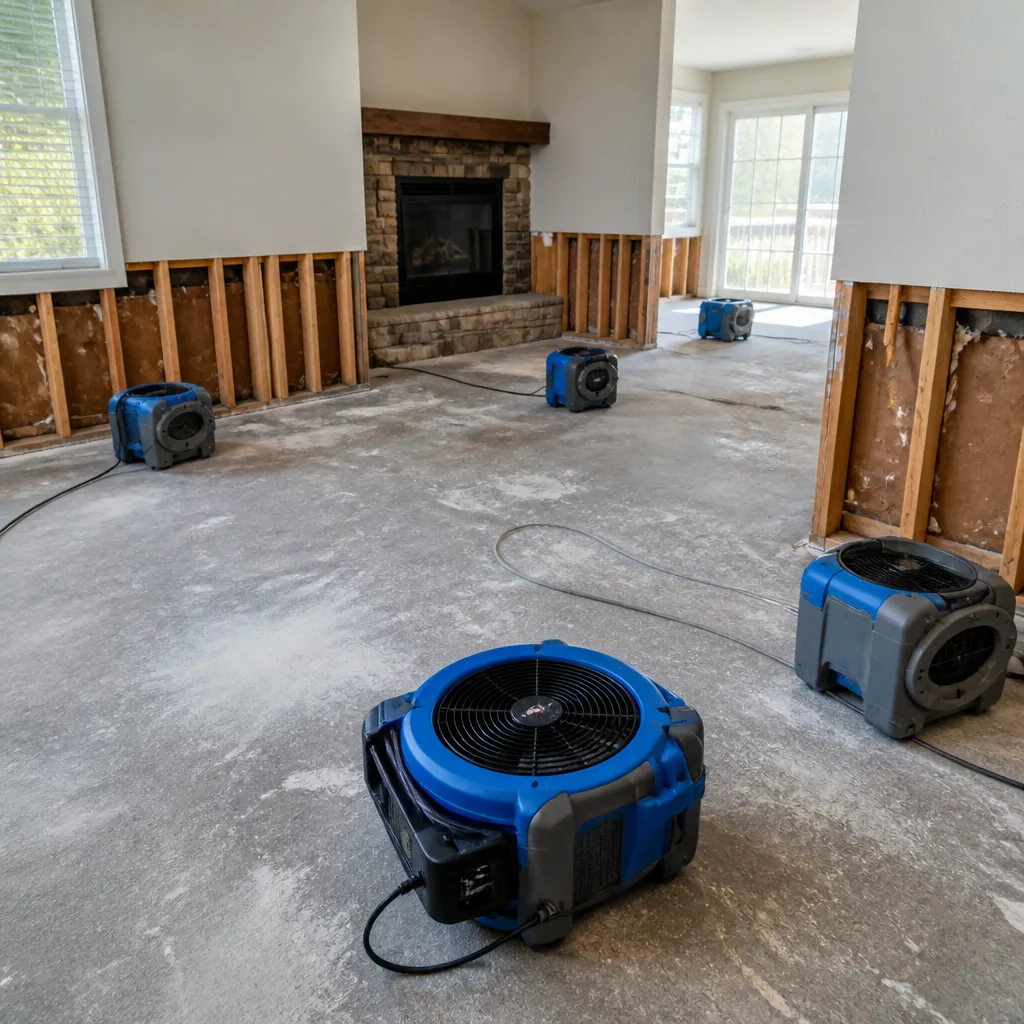
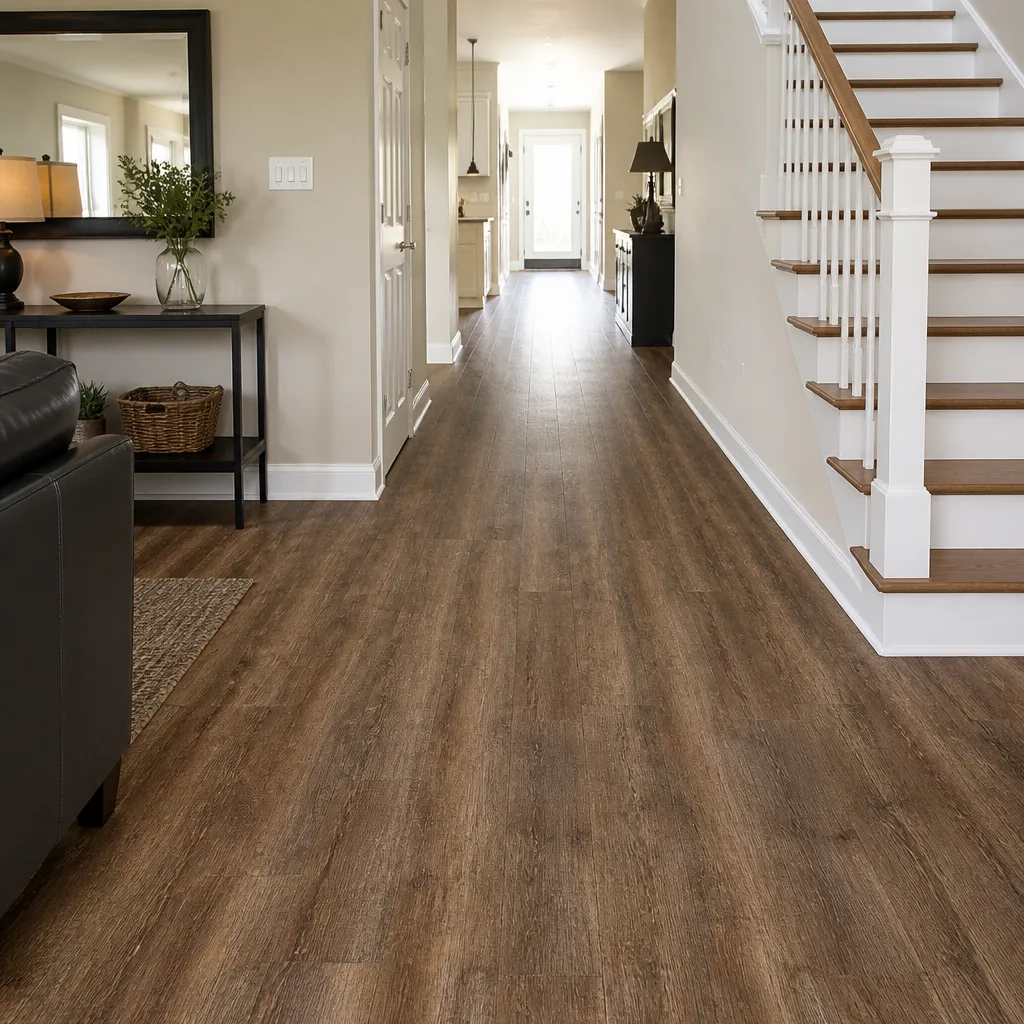
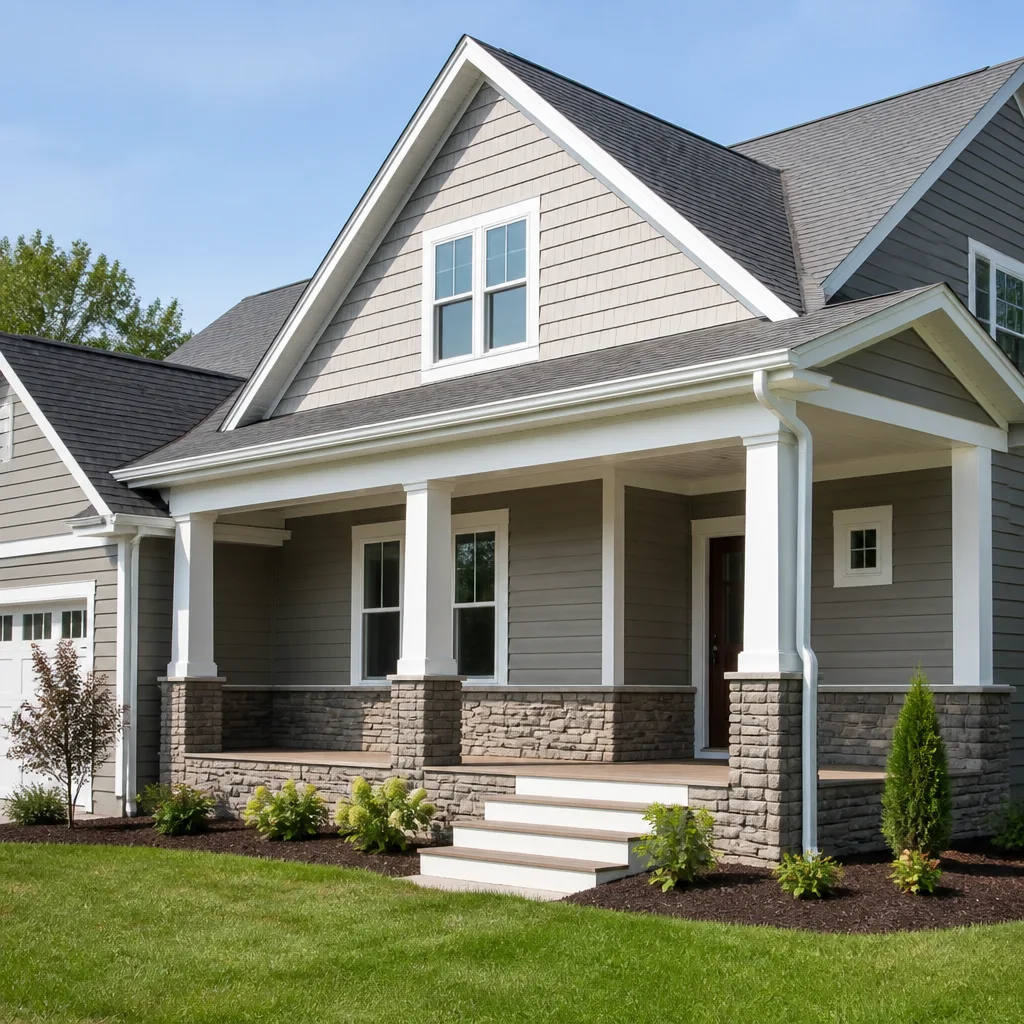
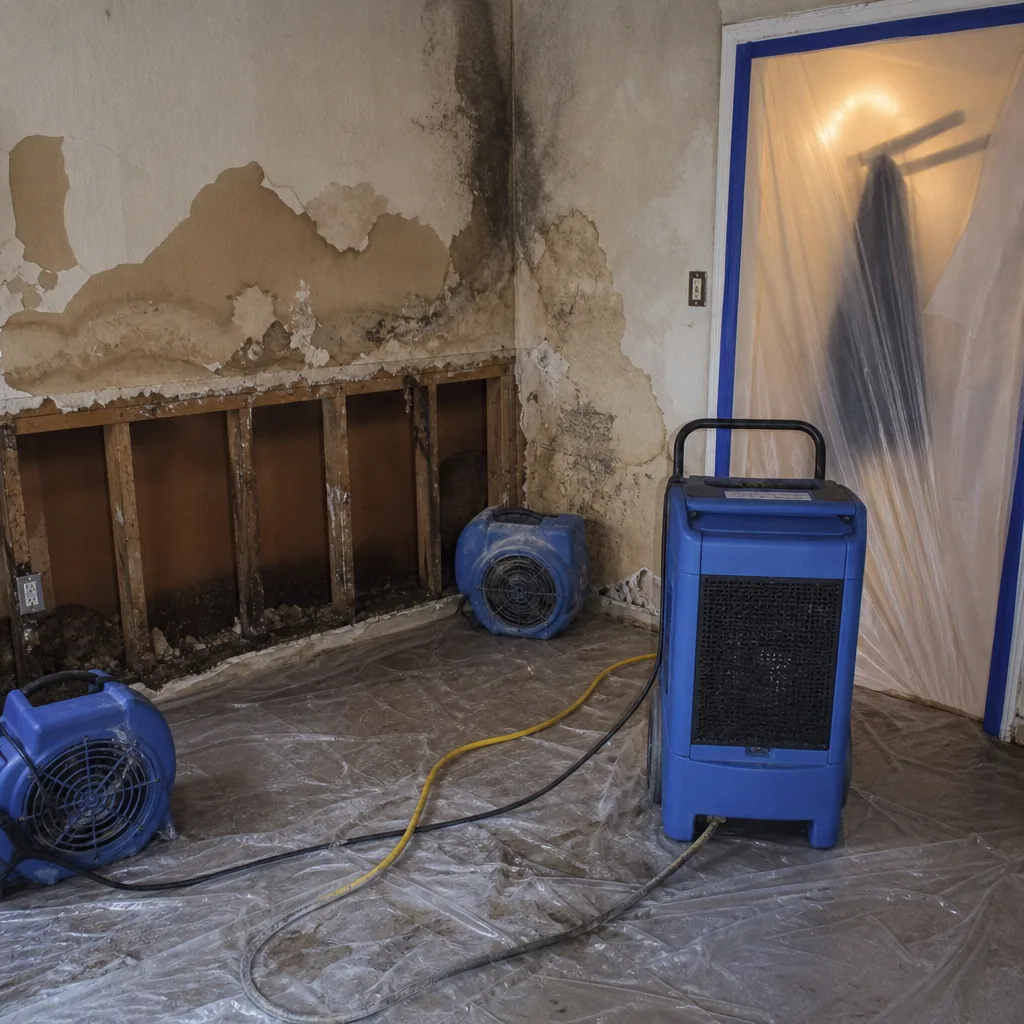 Before
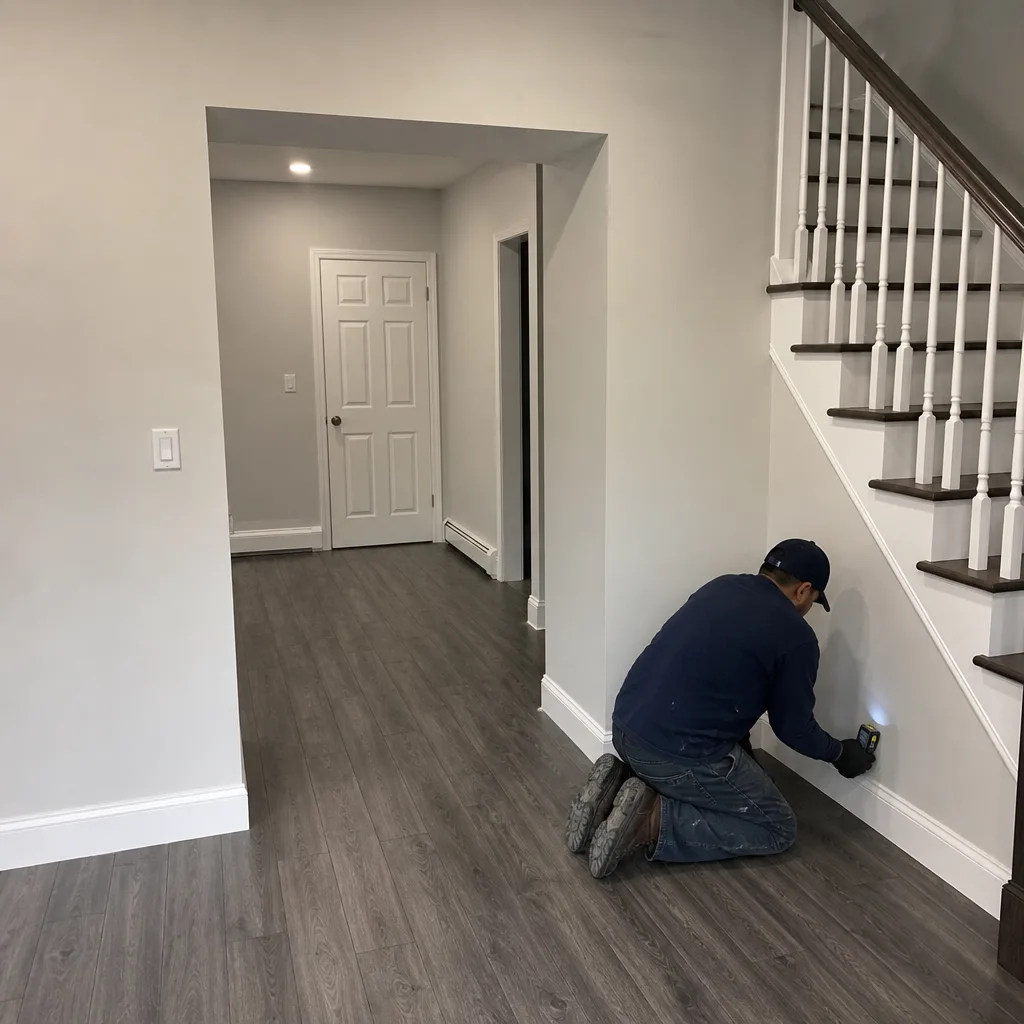 After
After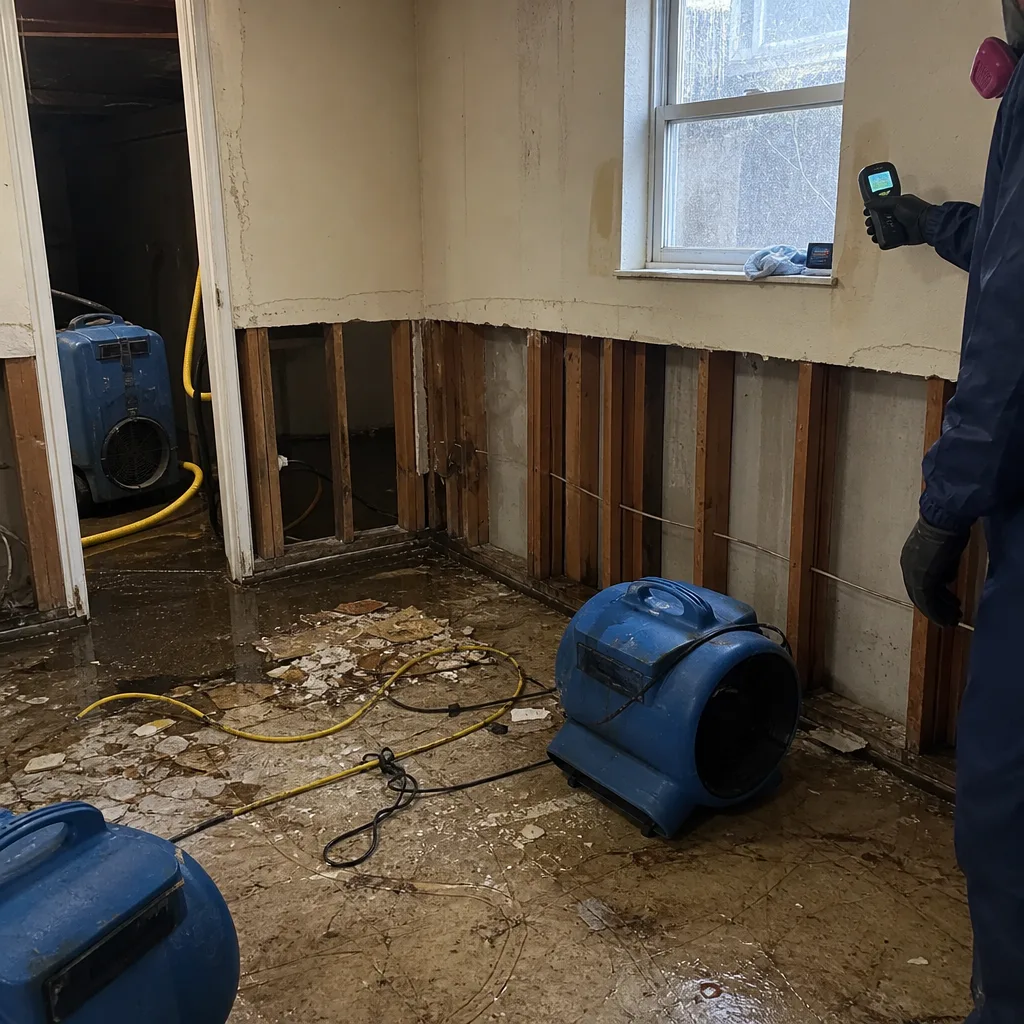 Before
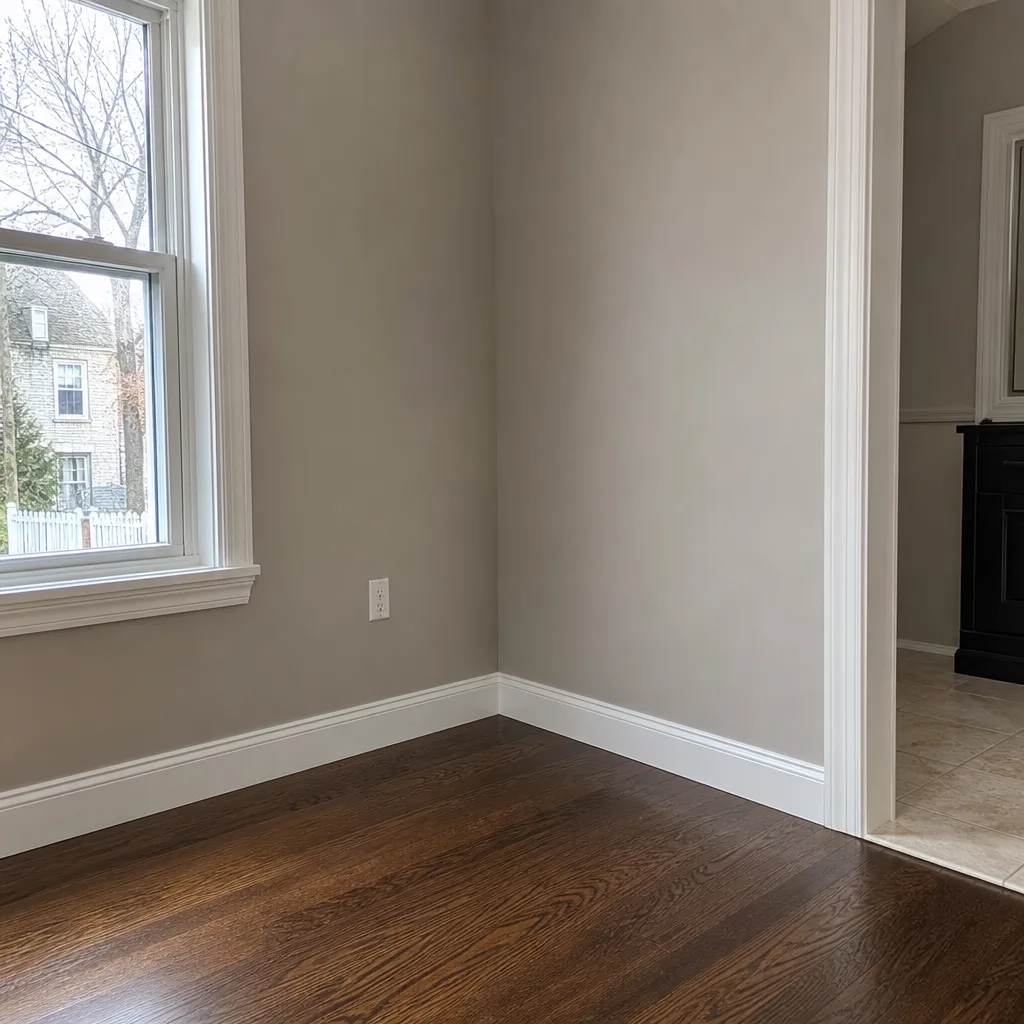 After
After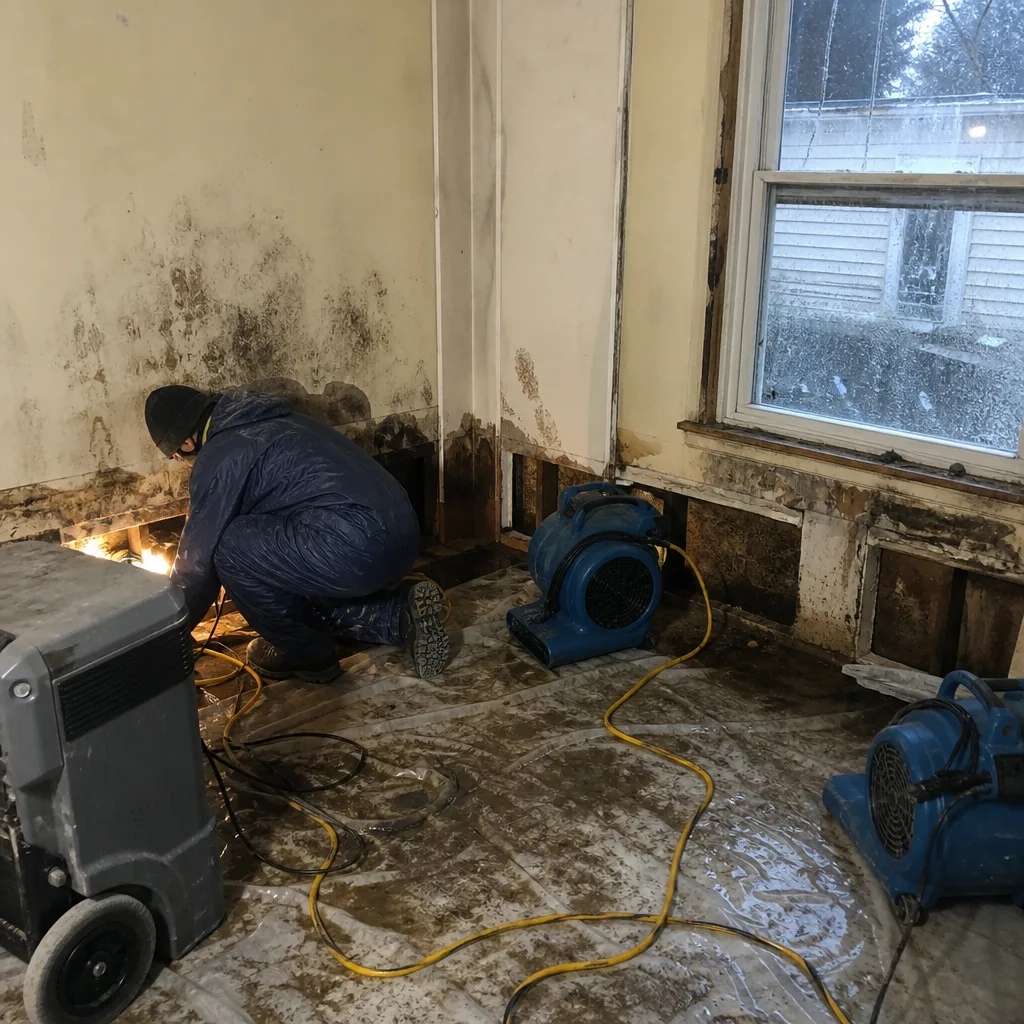 Before
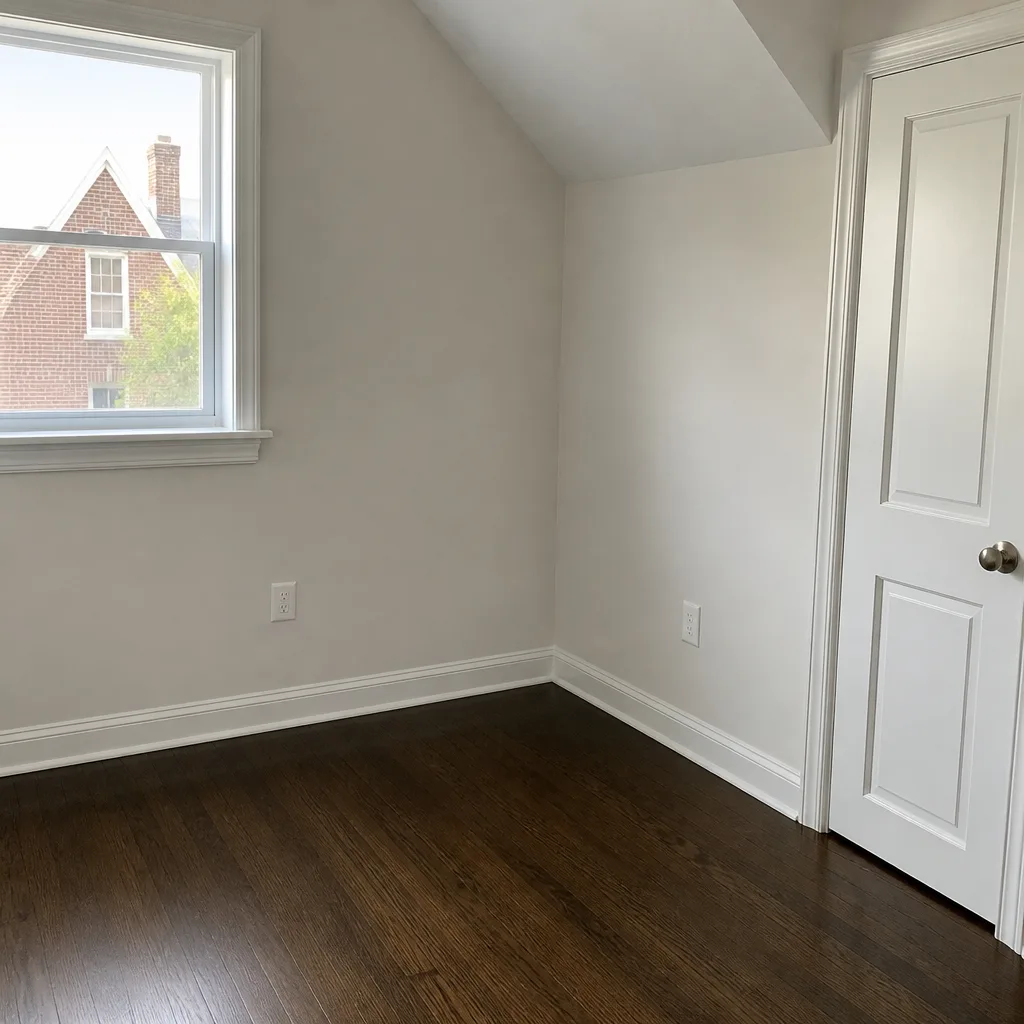 After
AfterDamage Restoration Permits, Codes & Inspections in NY: What You Need to Know
Here’s a number most homeowners in Queens Village never hear until it’s too late: roughly one in five restoration jobs in New York State gets delayed at the permit stage because the scope of work changed after demolition began. The water didn’t just ruin drywall; it revealed knob-and-tube wiring from 1947. The smoke damage turned out to hide a charred load-bearing joist. What started as a cleanup becomes a rebuild, and rebuilds pull in code enforcement. This guide walks through the permit process, the codes that actually apply to damage restoration in New York, and how inspections work when your house has been through a flood, fire, or sewage backup. By the end, you’ll know which repairs trigger permits, which ones don’t, and how to keep your claim moving without a stop-work order taped to your door.
Quick Answer
Most emergency mitigation work in New York doesn’t require a permit because it’s classified as temporary stabilization: water extraction, drying, boarding up windows, tarping a roof. Permits become mandatory when the repair crosses into reconstruction: structural repairs, electrical rewiring, plumbing replacement, or any change to the building envelope. Inspections are triggered after the permit is pulled, not before, and homeowners who skip this step can face fines, insurance clawbacks, and a failed Certificate of Occupancy down the line. In Queens Village, the Department of Buildings handles permits for almost every restoration scenario, while code compliance follows the New York State Uniform Fire Prevention and Building Code, with local amendments.
Table of Contents
- Do You Need a Permit for Damage Restoration in NY?
- What Codes Actually Apply to Restoration Work
- The Permit Process: Step by Step
- Inspections After Restoration: What to Expect
- How Permits Interact With Your Insurance Claim
- Queens Village Specifics: Local Amendments and Common Findings
- Common Mistakes to Avoid
- When to Call a Professional
- Frequently Asked Questions
- The Bottom Line
Do You Need a Permit for Damage Restoration in NY?
The short version: mitigation no, reconstruction yes. The longer version matters because the line between the two moves depending on what your house looked like before the damage happened.
New York treats emergency restoration differently from home improvement. When water is still standing in your basement, the state’s priority is drying the structure, not inspecting the drying. That means water extraction, dehumidification, mold containment, and temporary shoring all proceed without a building permit. The same holds for fire board-up, roof tarping, and debris removal. These are classified as stabilization measures, and the code explicitly allows them to happen before any permit application is filed.
But here’s the part that catches people: the moment a repair becomes permanent, the permit clock starts. If you replace a section of water-damaged drywall, no permit. If you replace a section of water-damaged load-bearing wall framing, permit. If you swap out a single burnt outlet, no permit. If you rewire an entire kitchen after a fire, permit. The Department of Buildings in Queens Village has a list of exempt work, and most of it reads like minor maintenance: painting, flooring, cabinet refacing, replacement of fixtures in existing locations. Structural changes, electrical panel work, plumbing rough-ins, and any enlargement of the building footprint all require a permit.
The penalty for getting this wrong isn’t abstract. Unpermitted structural work in New York can trigger a stop-work order, a fine per day of violation, and a code violation on the property record that banks, buyers, and title companies see when you try to sell. We’ve seen more than one closing in Queens Village nearly collapse because a previous owner’s unpermitted repair showed up in the title search. The permit is the cheap part. The silence about it is what costs.
What Codes Actually Apply to Restoration Work
New York uses the Uniform Code, formally the New York State Uniform Fire Prevention and Building Code. It’s based on the International Building Code and International Residential Code with state-specific amendments. For a damage restoration job in Queens Village, the codes that matter most are the sections on existing buildings, because restoration fundamentally works inside an existing structure rather than building a new one.
The key code principle is this: when you repair more than 50 percent of a building’s value or area, you may trigger the substantial damage rule. That’s not a state guideline. It’s a threshold embedded in the code, and it matters for older houses, which describes most of the housing stock in Queens Village. A fire that guts a 1960s split-level and a flood that undermines a foundation both push toward that 50 percent threshold. Once crossed, the entire structure may need to be brought up to current code, not just the damaged portion. That’s a hundred-thousand-dollar conversation, and it’s one your restoration contractor should have with you before the first stud is pulled.
Electrical work follows the National Electrical Code as adopted by New York. Plumbing follows the Plumbing Code of New York State. Mold remediation in New York is governed by Article 32 of the Labor Law, which sets licensing requirements for mold assessment and remediation contractors. That’s a separate track from the construction permit entirely, but it runs parallel. If the Department of Labor finds unlicensed mold work, it’s a violation independent of any building permit issue.
We work to IICRC, RIA, and IFA standards on every job, which means the drying logs, moisture readings, and containment protocols meet or exceed what the code inspectors expect to see. It’s not a legal requirement, but it’s the difference between passing an inspection the first time and getting flagged for insufficient documentation.
The Permit Process: Step by Step
In Queens Village, restoration permits are handled by the New York City Department of Buildings, since Queens Village falls within the city’s jurisdiction. The process is the same whether the damage came from a burst pipe, a kitchen fire, or a sewer backup. Here’s the sequence, in order:
- Scope the work honestly. Before any permit application, the entire scope of repair has to be written down. Not the visible scope. The full scope, including what’s behind the drywall, under the floor, and inside the ceiling cavity. A restoration contractor who has done the demolition already knows what’s there. A permit filed before demo often understates the scope, and a revised permit costs time.
- File the application. For most residential restoration work, this is an alteration permit, usually an Alt-2 application, filed through the DOB’s online portal. The application includes the scope of work, the contractor’s license information, and often architectural drawings if structural changes are involved.
- Pay the fee. Permit fees in New York City are calculated based on the cost of the work. Expect to pay for the permit, a filing fee, and sometimes a records fee. The permit cost is minor compared to the penalty cost of skipping it.
- Wait for approval. Simple alterations can be approved within days. Structural changes may require a plan examiner to review drawings, and that can add a week or two. Emergency work can be permitted retroactively under certain conditions, but the application has to be filed promptly after the emergency, not six months later.
- Post the permit. The permit has to be visible on the job site. In a restoration context, that means taped to the front door or window where an inspector can see it from the street. No permit posted, no inspection passed.
- Schedule inspections. The permit will list which inspections are required: rough electrical, rough plumbing, framing, final. Each one has to be scheduled and each one has to pass before the work can be covered up. Inspectors in Queens Village don’t blink at insulation covering a rough-in if the rough-in inspection never happened; they write it up.
The whole process for a typical water damage rebuild runs two to four weeks from application to final inspection. Fire damage with structural work can run six. None of it is mysterious. It’s just sequential, and skipping a step is how you end up with a finished room and an open violation.
Inspections After Restoration: What to Expect
Inspections are the proof that the work was done to code. They’re not optional, and they’re not a formality. In a damage restoration project in Queens Village, you’ll typically deal with these inspections:
- Rough framing inspection: after structural repairs but before drywall goes up. The inspector checks that the new framing matches the approved plans, that the lumber is the proper grade and size, and that the structural connection details are right.
- Rough electrical inspection: after wiring is run but before it’s enclosed. The inspector verifies wire gauge, circuit loading, grounding, and that the work matches the electrical code.
- Rough plumbing inspection: after pipes are installed but before walls close. The inspector checks for proper slope, venting, and material compliance.
- Insulation inspection: sometimes required when fire damage or flood damage exposed wall cavities that now need proper R-value and fire-blocking.
- Final inspection: the close-out. The inspector walks the entire job, confirms all rough inspections passed, and signs off. This is what releases the permit and closes the file.
For water damage work in particular, inspectors in New York are checking dry standard compliance. If the structure wasn’t dried to the proper moisture content before the rebuild, the inspector’s concern isn’t visible mold on the surface. It’s hidden moisture in the framing, which they can check with a moisture meter, same as we do. Our crews run professional-grade Dri-Eaz and Phoenix equipment with daily moisture readings logged until the dry standard is met. When an inspector asks for the moisture log, it’s in the homeowner’s hands and the adjuster’s file. That’s the difference between “trust us it’s dry” and “here’s the record that says it’s dry.”
How Permits Interact With Your Insurance Claim
Your insurance policy expects code compliance. It doesn’t leave it unstated. Most New York homeowners policies include an ordinance or law coverage endorsement, which covers the extra cost of bringing the undamaged parts of the house up to current code after a loss. That’s a real dollar amount, often 10 to 25 percent of the dwelling coverage. But the endorsement only pays out if the work is actually permitted and the code upgrade is documented. No permit, no proof, no coverage for code compliance costs.
In Queens Village, this matters more than most places because the housing stock is older. A water damage claim on a 1950s house can uncover wiring that predates modern grounding standards. A fire damage claim can reveal framing that doesn’t meet current lateral load requirements. Those upgrades are often required by code, and an unpermitted repair won’t trigger the ordinance coverage. The homeowner eats the code upgrade cost out of pocket.
On the claim side, the adjuster will ask for the permit record and the inspection sign-offs. That’s not a negotiation tactic. It’s standard file documentation. When the permit is clean and the inspections pass, the claim closes. When there’s no permit, the claim stalls, and the carrier asks questions. We handle direct insurance billing on every job, which means the permit, the inspection record, and the scope documents all go to the carrier as part of the file. The homeowner never plays messenger between us and the adjuster.
The Floodline Restoration Co. home page has more detail on how we handle full-cycle restoration from first extraction to final inspection. The permit is one page in that file, and it’s a page we never leave blank.
Queens Village Specifics: Local Amendments and Common Findings
Queens Village sits in a part of New York City where the building stock is mostly single-family homes and small multi-families built between the 1920s and the 1960s. That age range isn’t a trivia point. It’s the dominant variable in almost every restoration permit we’ve handled in the neighborhood.
The most common code finding on a water damage job in Queens Village isn’t the water damage. It’s the wiring. Houses built before 1960 often have original wiring that doesn’t meet current code, and once the wall is open for a water repair, the inspector can flag the visible wiring even if it wasn’t part of the original scope. The same applies to galvanized plumbing. The repair may be a simple pipe replacement, but the inspector sees the old galvanized supply lines and the scope grows. This is normal. It’s not an inspector being difficult. It’s the code functioning as written: visible non-compliance must be addressed when the wall is open.
Queens Village also falls under New York City’s flood zone maps, and some blocks near the lower-lying sections have updated flood elevation requirements. If a flood damage claim includes a substantial damage determination, the house may need to be elevated or flood-proofed to current standards. That’s a planning-level conversation, not a restoration-level one, and it happens before any rebuild work starts.
We’ve also noticed that Queens Village houses often have finished basements with unpermitted work from decades ago. A sewage backup that floods a finished basement can expose wiring that was never inspected. The restoration itself is the trigger that brings the old work into compliance. It’s never convenient, but it’s always better to know before the walls close back up. The inspectors will see it either way.
Common Mistakes to Avoid
- Starting permanent repairs before the permit is filed. Emergency mitigation can start immediately. Permanent repairs cannot. A contractor who starts hanging drywall before the permit is issued is creating a violation, not saving time.
- Relying on the adjuster’s estimate as the permit scope. The insurance estimate is a claim document. The permit scope is a code document. They don’t always match, and the permit needs to reflect the actual code-required work, not just the covered work.
- Letting a contractor talk you out of a permit. Any contractor in New York who says a structural repair doesn’t need a permit is either wrong or trying to avoid the inspection. Either way, the homeowner owns the violation, not the contractor.
- Covering up work before the rough inspection. Drywall goes up after the rough framing, electrical, and plumbing inspections pass. Not before. A covered-up rough-in is an automatic fail, and the inspector will require the wall to be opened back up.
- Not checking the contractor’s license and insurance before work starts. In New York, restoration contractors need to be licensed and insured for the work they perform. An unlicensed crew doing licensed work voids the permit and often voids the insurance claim.
- Assuming the mold remediation and the construction permit are the same thing. They’re not. Mold remediation is a Department of Labor licensing matter. Construction permits are a Department of Buildings matter. Both have to be handled correctly, and they run on parallel tracks.
- Skipping the final inspection. The job isn’t done when the last coat of paint dries. The job is done when the final inspection signs off and the permit is closed. A permit left open is a code violation waiting to surface at the worst possible time, usually during a refinance or sale.
When to Call a Professional
You can replace a section of drywall yourself. You can paint a water-stained ceiling. What you shouldn’t handle alone is any restoration that involves structural modification, electrical work inside walls, plumbing rough-in, or anything triggered by a substantial damage determination. The permit process for these jobs isn’t a matter of filling out one form. It’s a sequence of scoped work, filed applications, scheduled inspections, and closed-out permits, and the sequence doesn’t tolerate guesswork.
In our experience, the homeowners who fare best after a flood or fire in Queens Village are the ones who hand the permit process to a contractor who does it weekly, not once a decade. Floodline Restoration Co. offers free estimates in Queens Village – call (631) 557-5029. We’ll walk the damage, write the scope, file the permit, manage the inspections, and bill the carrier directly. The permit isn’t your job. The house is your job. We handle the rest.
Frequently Asked Questions
No permit is required for emergency water mitigation such as extraction, drying, and temporary stabilization. A permit is required when the water damage repair includes structural framing replacement, electrical rewiring, plumbing rough-in, or any work that changes the building’s structure or systems. In Queens Village, the Department of Buildings issues these permits, and the scope has to reflect the full code-required work, not just the visible damage. Call (631) 557-5029 if you’re not sure where your job falls – we’ll tell you honestly before any work begins.
A simple water damage restoration permit in Queens Village typically takes a few days to a week for approval. Structural alterations involving plan review can take two to three weeks. Emergency stabilization work can proceed before the permit is issued, but the permit application has to follow promptly. The full permit cycle, including inspections, runs two to four weeks for most residential restoration projects.
Yes, if the policy includes ordinance or law coverage, which most standard New York homeowners policies carry. This endorsement covers the additional cost of bringing undamaged portions of the house up to current code after a covered loss. The coverage only pays when the work is permitted and the code upgrade is documented in the permit file and inspection record. Unpermitted work voids the coverage. Call (631) 557-5029 for a free review of your policy’s ordinance and law limits before the rebuild starts.
Unpermitted structural, electrical, or plumbing work in New York is a code violation. The Department of Buildings can issue a stop-work order, assess fines, and place a violation on the property record. That violation follows the property through title searches and can derail a sale or refinance years later. The repair cost of fixing an unpermitted job usually exceeds the cost of having permitted it correctly the first time.
Mold remediation in New York is governed by Article 32 of the Labor Law, which requires mold assessment and mold remediation contractors to be licensed by the Department of Labor. That’s a licensing matter, not a construction permit. The construction work that sometimes follows mold remediation, such as drywall replacement or framing repair, may require a Department of Buildings permit depending on the scope. Both tracks have to be handled correctly. Our technicians are trained to IICRC, RIA, and IFA standards, and we coordinate the remediation licensing and the construction permits as one job.
Either party can file the permit application, but the contractor is legally responsible for performing the work to code. A restoration contractor who handles the permit application, the rough inspections, and the final close-out takes the coordination burden off the homeowner. We do this on every rebuild job in Queens Village, and the permit record becomes part of the claim file we send to the carrier. No homeowner should be left tracking down an inspector while living in a torn-apart house.
The Bottom Line
Permits, codes, and inspections are not the enemy of a smooth restoration. They’re the only proof the job was done right. In New York, emergency mitigation moves fast and requires no paper. Reconstruction moves deliberately and requires the right permit, the right inspections, and the right close-out. In Queens Village, the housing stock is old enough that almost every restoration uncovers something that needs code attention, and the attention is cheaper when it’s handled on the open wall than after the finish work is done. The key is a contractor who files the permit honestly, schedules the inspections on time, and hands you the closed permit as proof. That’s the standard every restoration should meet, and it’s the one we’ve been held to since 2010.
Written by Curt Bowman, Owner at Floodline Restoration Co., serving Queens Village since 2010.