
Last updated August 25, 2026
Free visual inspection and a written scope of work before any mitigation begins - photos, moisture readings, and drying logs go in your claim file
The scope we write is the scope we bill. Anything new gets shown to you, in writing, before we touch it.
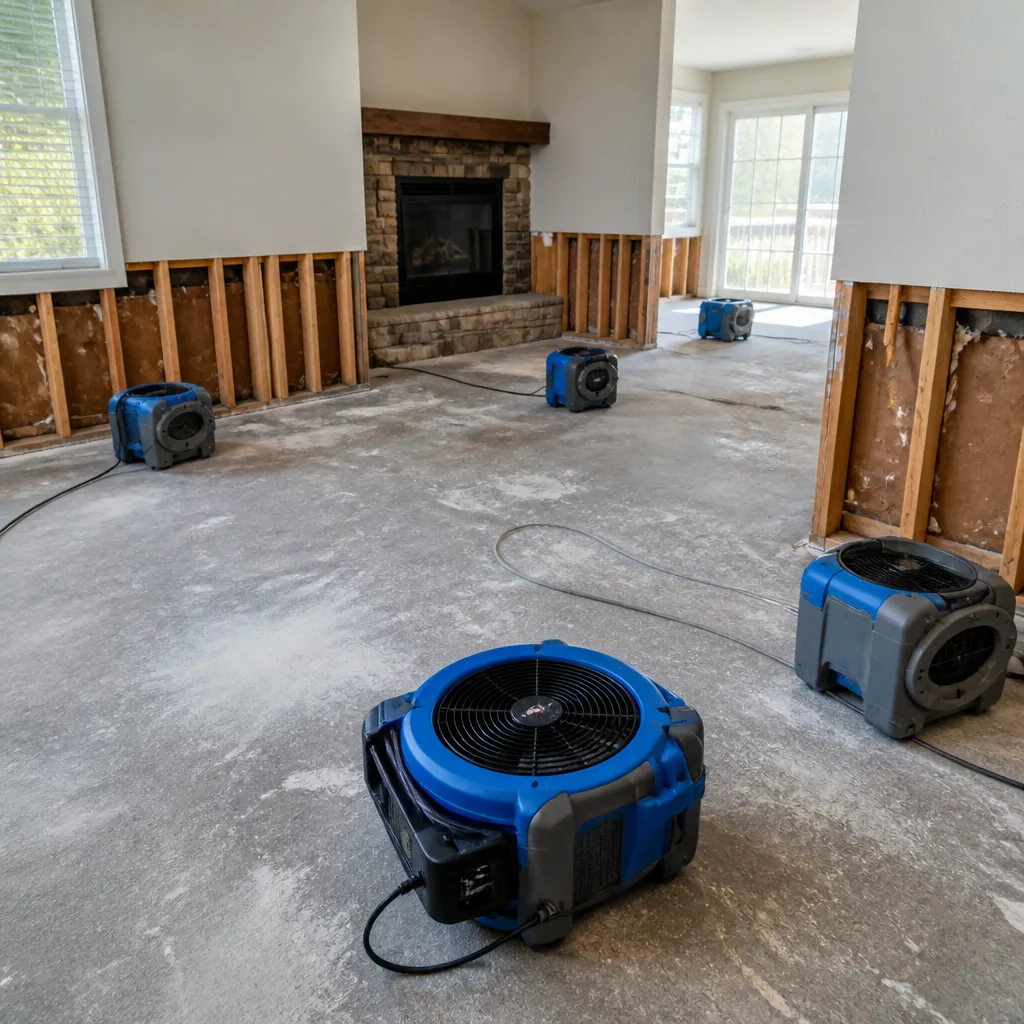

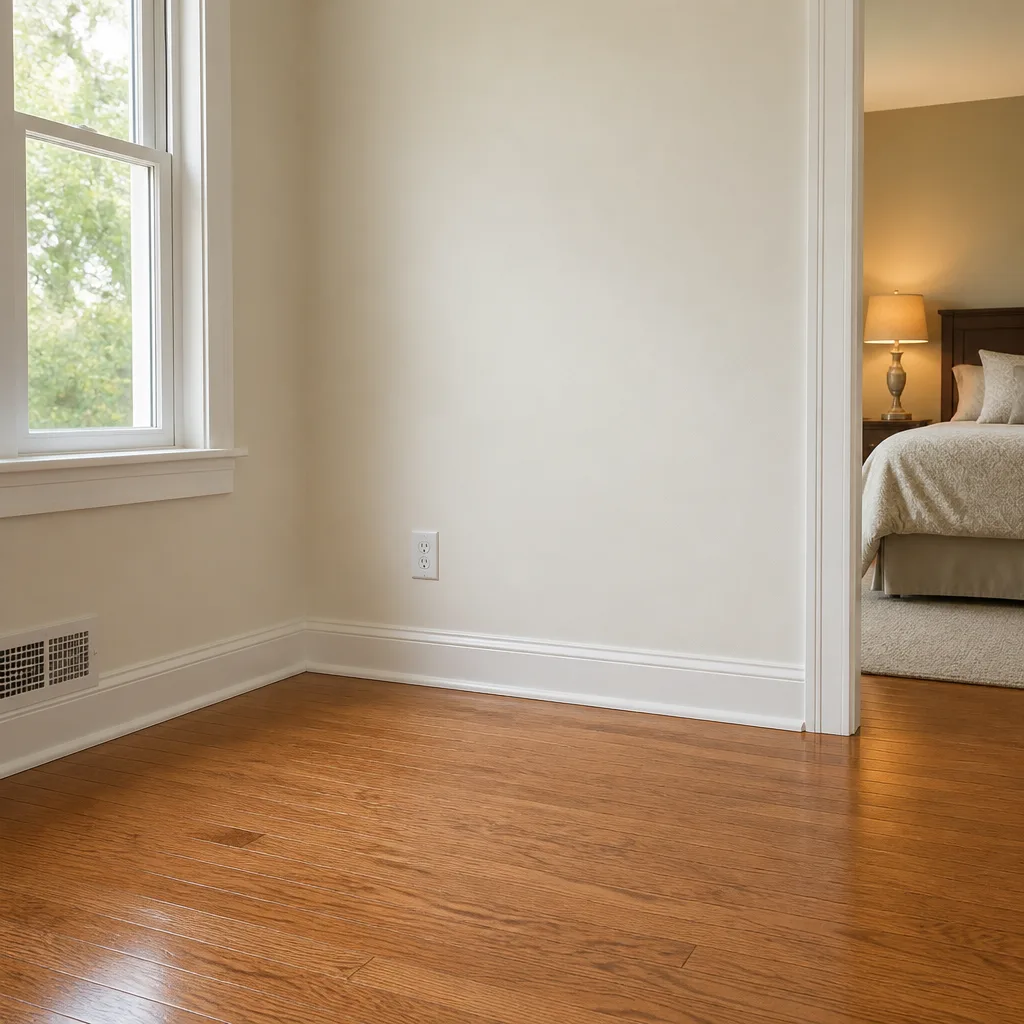


 Before
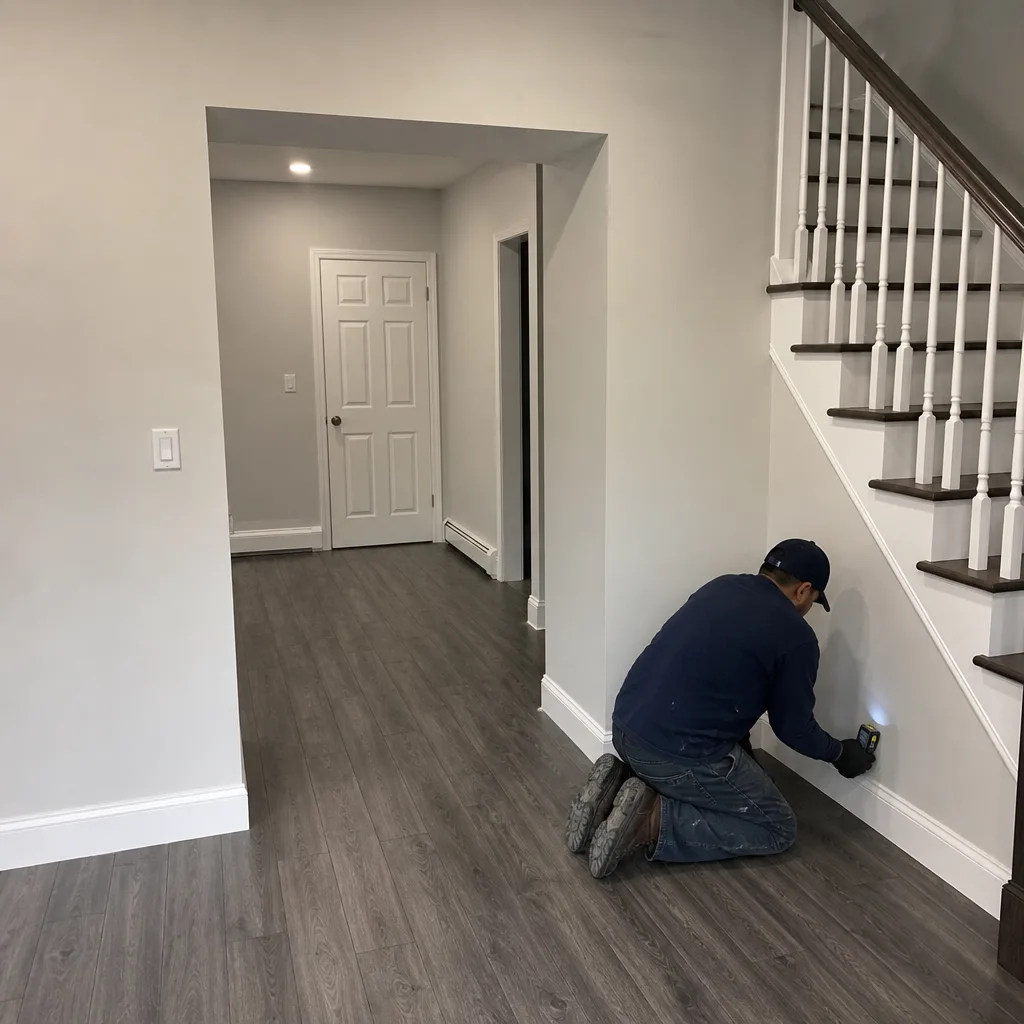 After
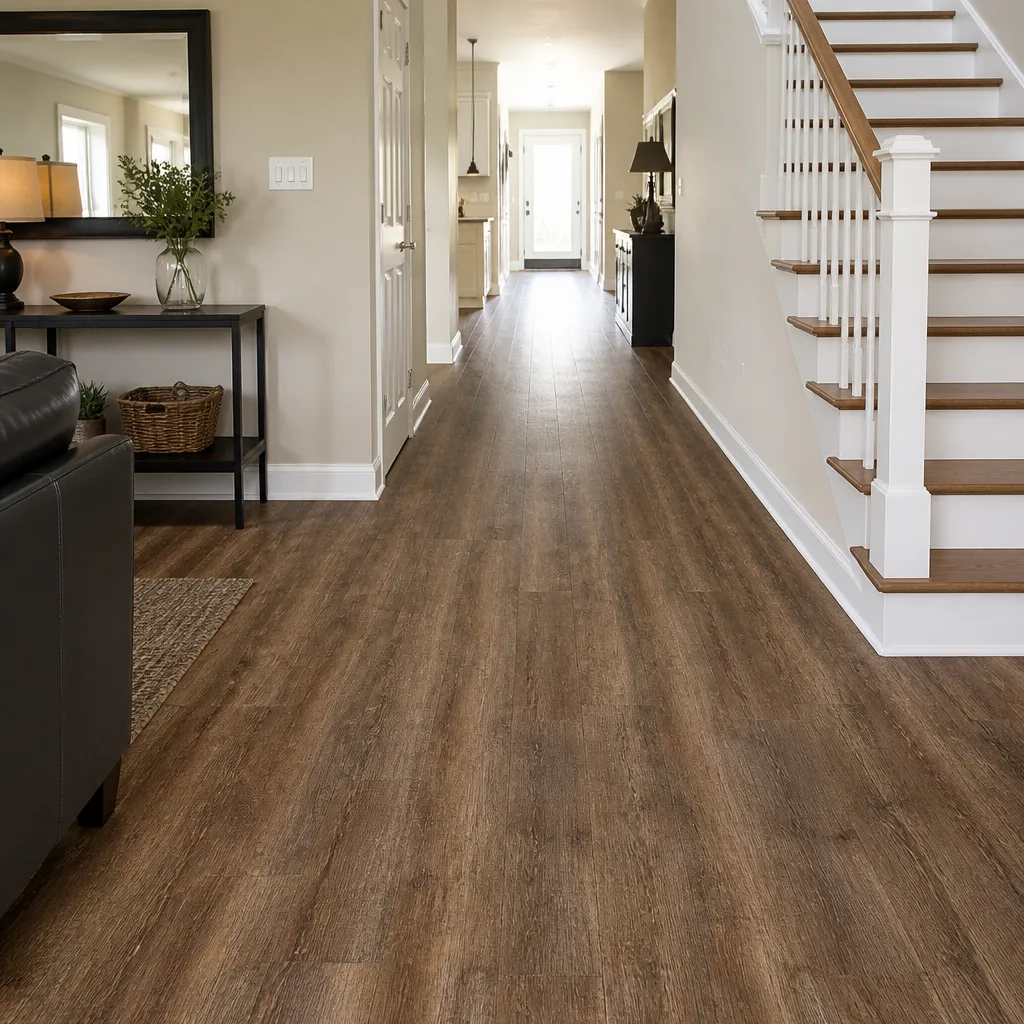
After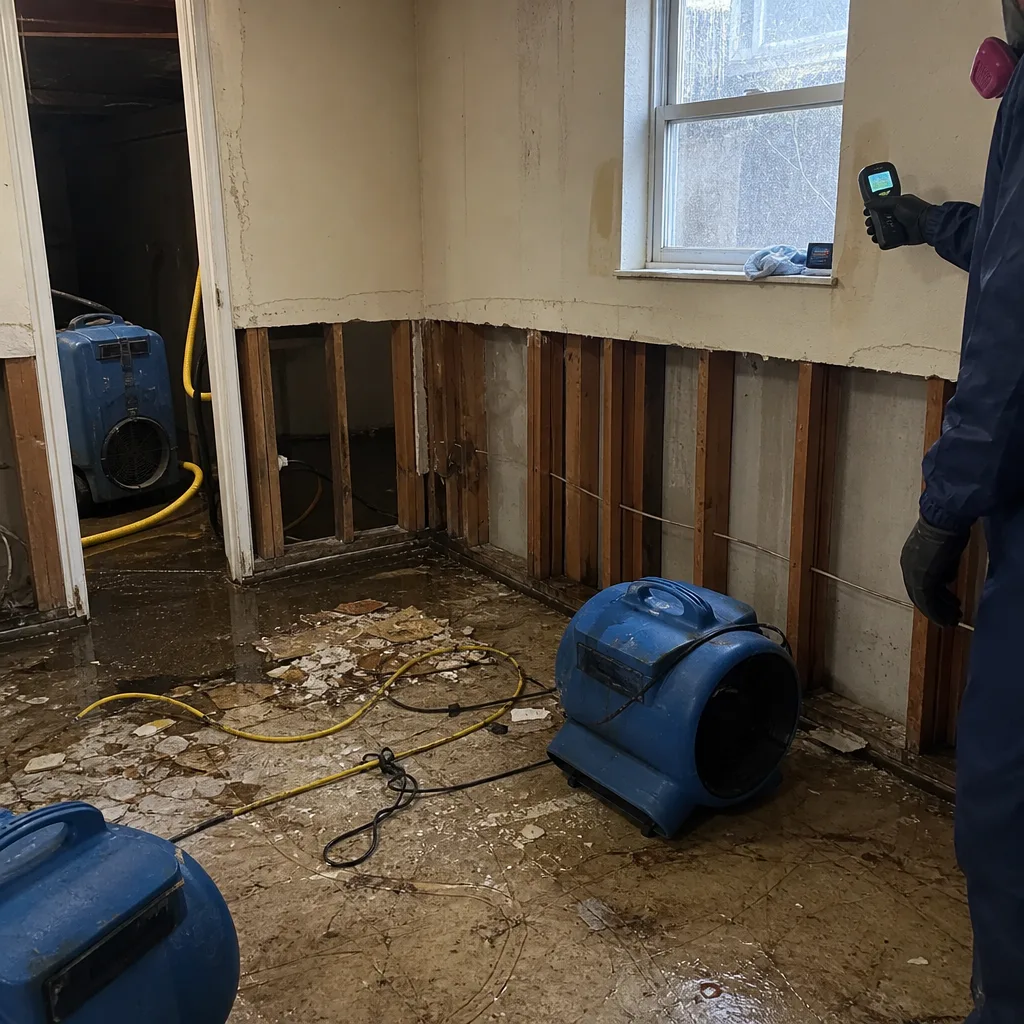 Before
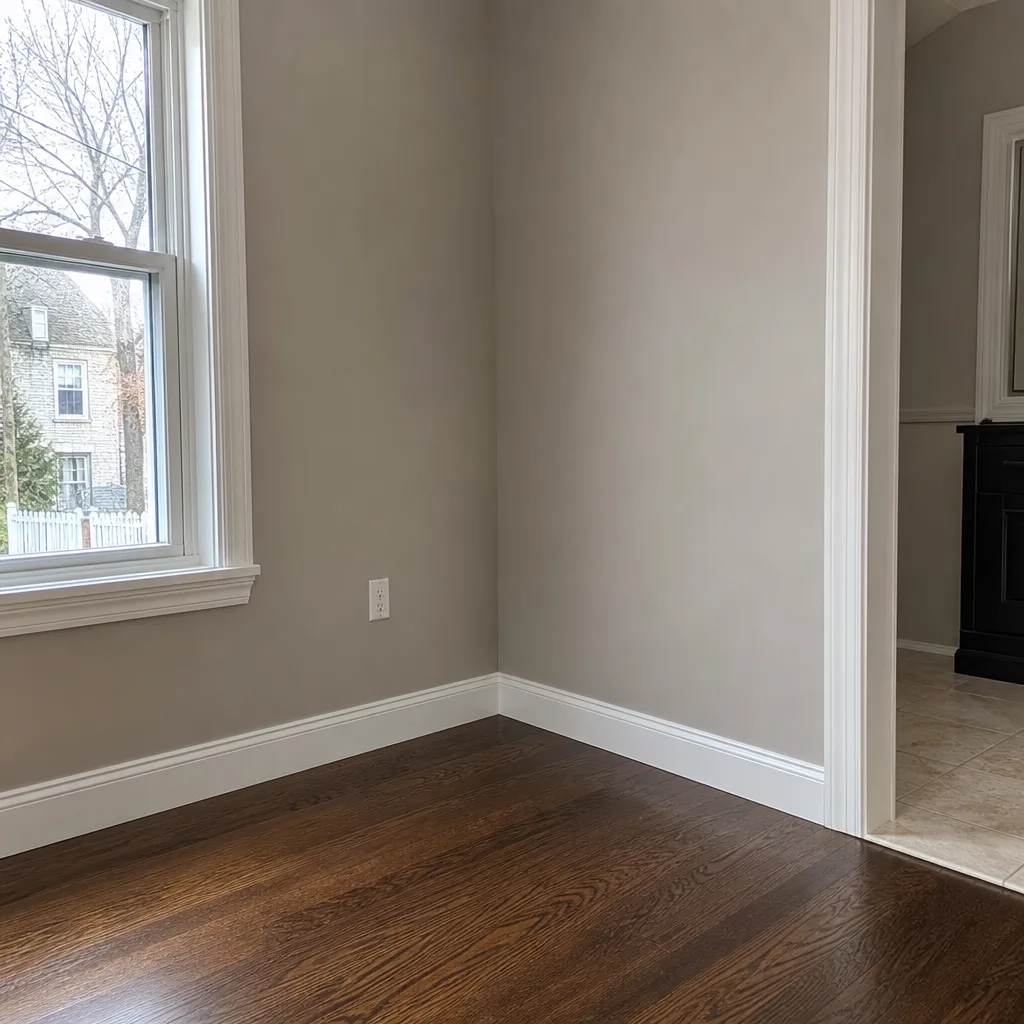 After
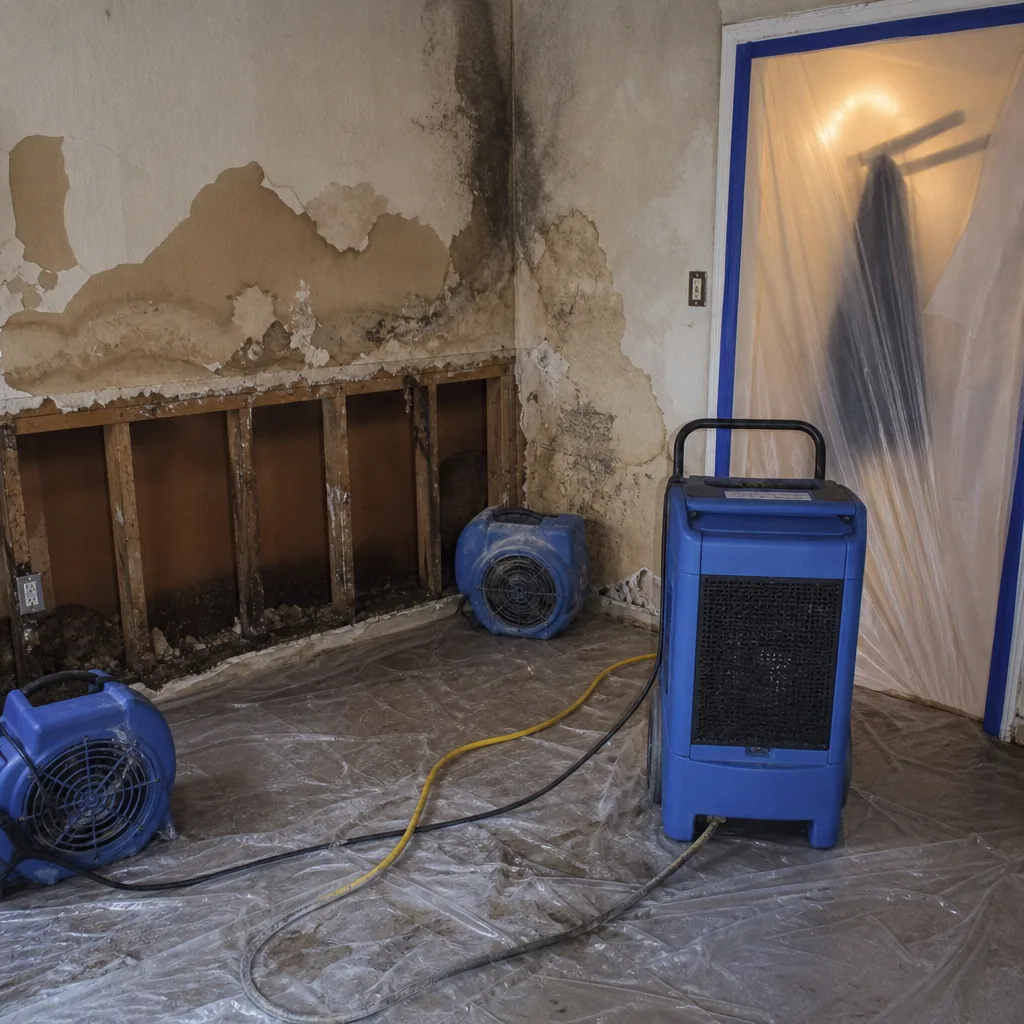
After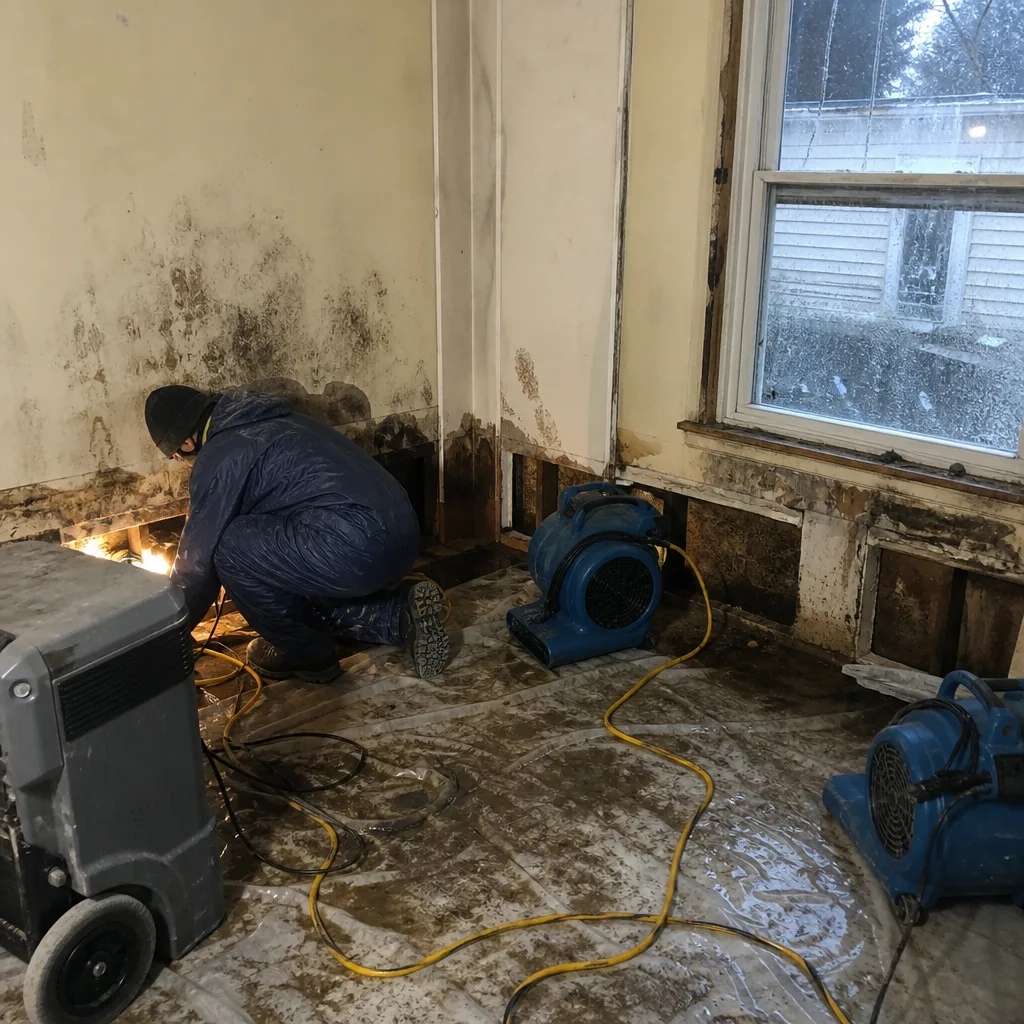 Before
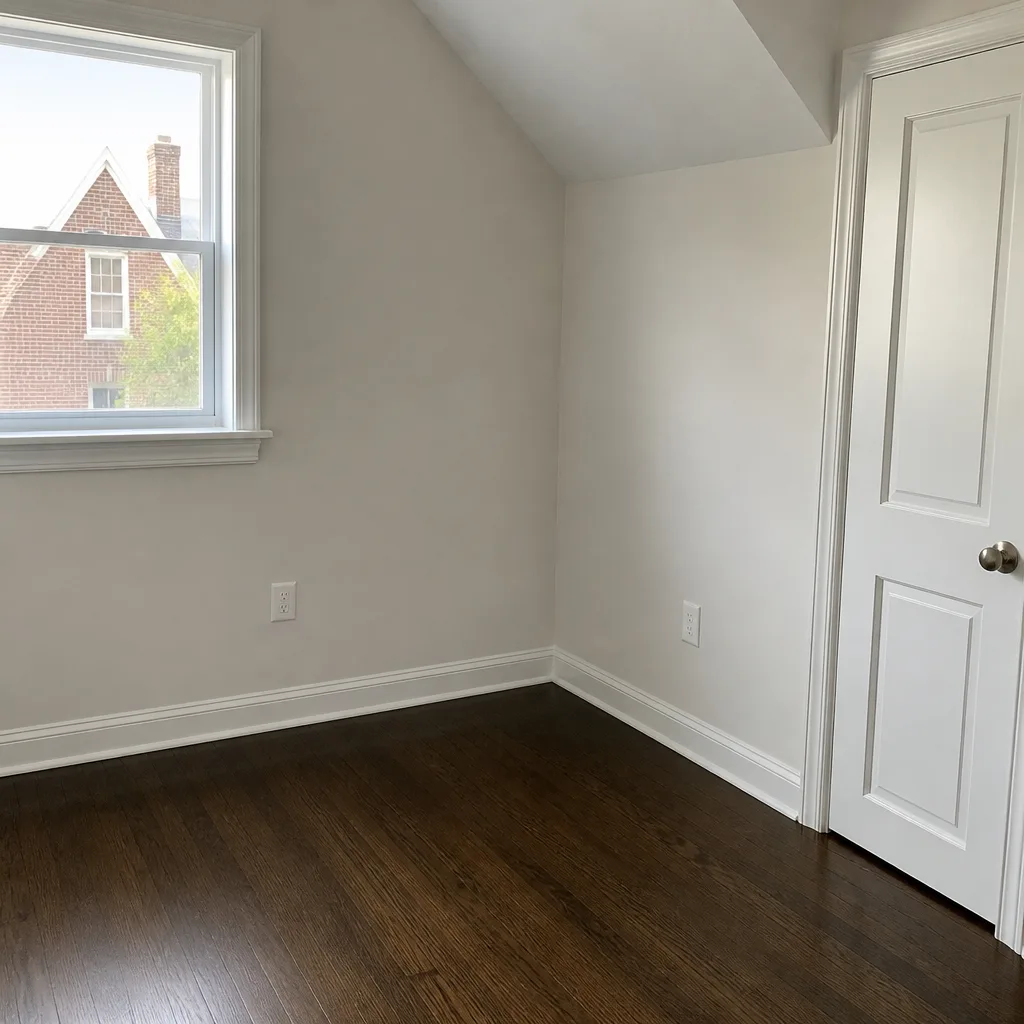 After
AfterDamage Restoration Warning Signs: A Queens Village Homeowner’s Reference Guide
Most homeowners in Queens Village don’t discover water damage by seeing water. They find it by noticing warped baseboards, a musty smell that won’t leave the basement, or a water bill that jumped forty dollars in a month with no obvious leak. By the time those signs appear, the damage has usually been working for weeks beneath floors and inside walls. This guide walks through the warning signs that matter in Queens Village specifically, where prewar housing stock, shallow lot grading, and wet springs create a particular set of failure patterns we see again and again. You’ll learn what to watch for, what each sign actually means, and which ones demand a phone call today rather than next week.
Quick Answer
The earliest warning signs of damage in a Queens Village home are a persistent musty odor, staining or warping on baseboards and ceilings, a sudden spike in the water bill, and peeling paint or bubbling drywall. Any one of these warrants a professional moisture assessment within 48 hours. Left unaddressed, hidden moisture becomes mold and structural rot within two to three weeks, multiplying repair costs by three to five times.
Table of Contents
- Water Stains and Discoloration on Ceilings and Walls
- Musty Odors That Won’t Go Away
- Warped, Cupped, or Buckling Floors
- Bubbling, Peeling, or Cracking Drywall and Paint
- Unexplained Water Bill Spikes
- Foundation and Basement Warning Signs in Queens Village
- Visible Mold Growth and What It Means
- Common Mistakes to Avoid
- When to Call a Professional
- Frequently Asked Questions
Water Stains and Discoloration on Ceilings and Walls
Water stains are the most common first signal that something is wrong inside a Queens Village home. A brownish ring on a ceiling, a yellowish patch spreading across a wall, or dark streaks running down from a window frame all tell the same story: water is moving through a place it should not be. Stains tend to appear at the lowest point where water pools, not necessarily directly under the source. A ring on the living room ceiling might trace back to a bathroom toilet flange fifteen feet away, with water traveling along a joist before finding a seam in the drywall.
In Queens Village, we see certain stain patterns more often than others. Flat and rowhouse roofs, common across the neighborhood, develop small punctures and flashing failures that let water in during nor’easters and heavy summer thunderstorms. Stains in a top-floor ceiling near an exterior wall frequently mean a roof issue. Stains under windows after rain usually point to failed caulking or sill flashing. Stains on a first-floor ceiling directly below a bathroom mean a supply line, drain, or wax ring failure.
The stain itself is not the problem. The problem is what it represents: a moisture source that has been active long enough to saturate drywall and possibly reach wood framing. If the stain feels damp to the touch, the leak is active. If it is dry but dark and ringed, the water has likely been intermittent, pooling during storms or heavy use. Either way, the area needs a moisture meter reading, not just a coat of stain-blocking primer.
Musty Odors That Won’t Go Away
A musty smell is the nose’s way of detecting microbial activity. It means organic material, usually drywall paper or wood, is damp enough for mold and bacteria to feed. In Queens Village basements, this odor often gets blamed on “old house smell” and ignored for years. That’s a mistake. Old houses smell like wood and dust. A musty, earthy, or sour smell means active moisture.
The source is usually hidden. We’ve traced persistent musty odors in Queens Village homes to a leaking shower pan behind a tiled wall, a slow drip from a washing machine supply line behind the unit, condensation forming on cold water pipes inside a kitchen soffit, and a cracked foundation wall wicking groundwater into the sill plate. None of these sources were visible. All of them produced enough moisture to sustain mold growth inside wall cavities.
One useful diagnostic: pay attention to when the smell is strongest. If it intensifies after rain, the moisture source is likely exterior, tied to grading, gutters, or foundation cracks. If it is constant regardless of weather, the source is likely plumbing. If it strengthens when the furnace or air conditioner runs, the moisture may be inside the ductwork or the HVAC evaporator coil pan. Air fresheners and dehumidifiers mask the symptom. They do not remove the water source, and they do not kill mold growing inside a wall cavity.
Warped, Cupped, or Buckling Floors
Wood floors tell the truth about moisture. When hardwood absorbs water, the boards expand. If the expansion exceeds the space available, the floor cups at the edges, crowns in the center, or buckles upward in a ridge. In Queens Village, where many homes still have original strip oak flooring from the 1920s through 1950s, these changes are often mistaken for age or seasonal movement. Seasonal changes cause mild gaps between boards in winter and tightening in summer. They do not cause cupping or buckling.
Cupping means the floorboards are wetter on the bottom than the top. That points to moisture from below: a crawl space, a basement, a slab leak, or a failed subfloor after a slow plumbing leak. Buckling is more severe and means the floor has absorbed enough water that it has physically lifted from the subfloor. This is usually an active leak, often from a refrigerator water line, a dishwasher drain, or a toilet that has been slowly leaking at the wax ring for months.
Tile and vinyl floors hide moisture differently. They may not warp at all. Instead, the grout darkens, tiles loosen, or the vinyl begins to lift at the seams. In Queens Village basements finished with tile or luxury vinyl plank, we often find a moisture problem only when the flooring starts to move. By then, the subfloor and possibly the concrete slab below have been wet for a long time. A simple test: if a tile floor section feels cold in one spot and warm in another during the same season, moisture is likely present beneath the cooler section.
Bubbling, Peeling, or Cracking Drywall and Paint
Paint and drywall are moisture indicators. When drywall absorbs water, the gypsum core swells and softens. The paper facing delaminates, causing paint to bubble or peel. If the drywall dries out, the damage remains as a soft, flaky area that crumbles when pressed. In Queens Village homes with plaster walls, the signs look different: plaster feels spongy, develops a white powdery efflorescence, or the paint blisters in small patches.
Cracking is a separate signal. Hairline cracks that run diagonally from window or door corners are common in older Queens Village homes and usually reflect normal settling. But a crack that appears suddenly, widens, or is accompanied by a door that begins to stick or a window that will not open cleanly can indicate structural movement caused by water. Water-saturated soil around a foundation expands and shifts, and that movement transmits to the frame. The same principle applies to ceiling cracks appearing below a bathroom or roof area after a storm.
Bubbling paint in a bathroom is nearly always a ventilation problem or a hidden leak. Bathrooms in Queens Village rowhouses often lack exterior windows, and older exhaust fans are frequently vented into the attic rather than outside. Warm, moist air rises, condenses on cooler wall and ceiling surfaces, and saturates the paint film. If repainting is done without fixing the ventilation or the leak, the bubbling returns within months. The moisture problem has to be solved before the cosmetic one.
Unexplained Water Bill Spikes
Queens Village homes are metered individually by the New York City Department of Environmental Protection, and the bills show usage in hundred-cubic-foot units. A sudden jump from one billing cycle to the next, with no change in household routine, is one of the most reliable early warning signs of a hidden leak. A running toilet can waste 200 gallons a day. A pinhole leak in a supply line inside a wall can waste far more, silently.
Here is a simple way to check: read your water meter, do not use any water for two hours, then read it again. If the number moved, you have a leak. But this test only catches leaks on the supply side. Drain leaks, which are just as common in Queens Village’s aging cast-iron and galvanized plumbing, do not show up on the meter unless water is actively running. A drain leak under a shower or behind a kitchen cabinet can saturate a floor system for years while the water bill stays normal.
If the meter test is inconclusive, watch for these secondary signs: a patch of floor that is always cold, a section of baseboard that is slightly darker than the surrounding trim, a toilet that occasionally runs for a few seconds in the middle of the night, or a faint hissing sound behind a wall. Any one of these combined with unexplained moisture elsewhere warrants a professional leak investigation. We’ve used moisture meters and thermal imaging in Queens Village homes where the leak source was a pinhole in a copper line inside a wall cavity that had been dripping for over a year before anyone noticed.
Foundation and Basement Warning Signs in Queens Village
Queens Village sits on a mix of glacial outwash and clay-heavy soils that expand when wet and shrink when dry. The water table is high enough that many basements in the neighborhood have dealt with groundwater intrusion at some point. The warning signs of foundation moisture problems are consistent: efflorescence (white mineral deposits) on basement walls, horizontal or stair-step cracks in the foundation, a damp band along the bottom of a finished basement wall, and a basement that smells musty after every rain.
Efflorescence is often dismissed as cosmetic. It is not. It tells you that water is moving through the masonry and depositing minerals on the surface. That means the wall is saturated at some depth and the water is finding a path through. In a Queens Village basement with a painted foundation wall, look for paint that is bubbling or flaking near the floor line. That is moisture pushing through from the soil side.
A horizontal crack in a foundation wall is a structural concern, not just a water concern. It signals lateral pressure from saturated soil. Stair-step cracks following mortar joints are also serious. Both need evaluation by a structural professional. Vertical hairline cracks, especially in older concrete, are usually less urgent but should still be monitored. In our experience in Queens Village, the homes most at risk are those with finished basements where a previous owner covered the foundation walls with framing and drywall. The first visible sign in those basements is often a dark stain on the carpet or a section of baseboard that feels spongy, and by then the framing behind the wall has been wet for a long time.
- Inspect foundation walls after every heavy rain. Look for new efflorescence, damp patches, or widening cracks.
- Check exterior grading. Soil should slope away from the house at least six inches over the first ten feet.
- Clean gutters and extend downspouts at least four feet from the foundation. Queens Village’s older downspouts often terminate directly at the wall.
- Check basement window wells for standing water and ensure they have drainage or covers.
- If you find a crack wider than a quarter inch or any horizontal crack, get a structural evaluation before attempting any waterproofing.
Visible Mold Growth and What It Means
Mold is nature’s demolition crew. It breaks down organic materials, and nearly everything in a Queens Village home is organic: wood framing, drywall paper, carpet backing, even the dust on the surfaces. Visible mold growth means the moisture problem has been active long enough for spores to land, germinate, and form a colony. That process typically takes at least 48 to 72 hours of sustained moisture. By the time you can see it, it has likely been growing for days or weeks.
Mold appears in different forms. Black or greenish spotting on bathroom ceilings is usually surface-level and tied to condensation, though it can also indicate a leak above. White or gray fluffy growth on basement walls or stored boxes is often Cladosporium or Penicillium. A dark, slimy, or velvety patch that returns after cleaning suggests a deeper reservoir of moisture inside the wall or floor. The color of the mold does not tell you how dangerous it is. That requires testing. The presence of any visible mold tells you that a moisture source exists.
In Queens Village, we see a pattern of mold growth in finished basements that were built out decades ago without proper vapor barriers or exterior waterproofing. The mold starts behind the drywall, on the back side facing the foundation wall, and only becomes visible when it grows through the drywall or around the edges of trim. By that point, the framing behind the wall is often colonized as well. Remediation means removing the affected drywall, treating the framing, addressing the moisture source, and rebuilding to current standards. A surface scrub will not fix it. The mold will return because the water is still there.
Common Mistakes to Avoid
- Painting over water stains without fixing the source. Stain-blocking primer hides the ring. It does not stop the leak, and it does not dry the wall cavity. The stain returns, and by then, the framing behind the drywall may have mold growth. Fix the moisture first, then repaint.
- Assuming a dry basement means a fixed basement. Concrete feels dry to the touch long before the moisture inside the wall framing has evaporated. A moisture meter is the only reliable way to confirm that a wall, floor, or ceiling has reached an acceptable dry standard.
- Using a household dehumidifier as a permanent solution. A dehumidifier pulls moisture from the air, not from inside a wall cavity. It can slow surface condensation, but it does not stop groundwater intrusion or a plumbing leak. Running one year-round in a Queens Village basement is a bandage, not a cure.
- Ignoring small stains because they seem minor. A palm-sized stain on a ceiling can represent gallons of water that have already passed through the drywall and into the joist bay. The visible damage is always the smallest part of the problem.
- Attempting mold removal with bleach. Bleach is a surface disinfectant. It does not penetrate porous materials like drywall and wood, and it does not address the moisture source. On porous surfaces, bleach can make matters worse by adding moisture to the material while leaving the mold roots intact.
- Waiting to file an insurance claim. Homeowners’ policies in New York generally cover sudden and accidental water damage. The longer you wait, the harder it is to document the cause and scope. Photograph everything before cleanup begins, and call your carrier early.
- Fixing the cosmetic damage before understanding the structural damage. Replacing a warped floor section without drying the subfloor and joists below is throwing money away. The new flooring will absorb the remaining moisture and warp within months. The sequence matters: dry first, repair second.
When to Call a Professional
Some problems are obvious and urgent: a burst pipe flooding the kitchen, a sewage backup in the basement, a roof leak pouring water through the ceiling during a storm. Those are calls you make immediately. But the slower warning signs matter too. Call a professional when you see a water stain that is growing, a musty smell that won’t clear, a floor that is changing shape, or any sign of mold. Call when your water bill spikes without explanation, when a crack in the foundation changes, or when your basement smells like soil after every rain. These are not problems that improve with waiting.
Floodline Restoration Co. offers free estimates in Queens Village. A certified technician will assess the moisture levels, explain what’s happening in plain terms, and give you a written scope of work before anything starts. Call (631) 557-5029 - a live person answers, day or night. We’ve built our name over 42 years of showing up when we say and standing behind the work. If you have a concern you can’t identify, a moisture assessment is the cheapest insurance you’ll ever buy.
Frequently Asked Questions
Mold spores begin germinating within 24 to 48 hours on damp organic surfaces like drywall, wood, and carpet. In a Queens Village basement that has flooded or a wall that has been leaking, visible mold growth can appear within three to five days, and hidden growth inside wall cavities can begin even faster. The window for mitigation is measured in hours, not days. Call (631) 557-5029 the moment you discover active water.
Most standard New York homeowners’ policies cover sudden and accidental water damage from burst pipes, appliance failures, and storm-related roof leaks. They generally do not cover gradual damage from long-term leaks, groundwater seepage, or flood events, which require separate flood insurance. The key variable is the cause of the water and how well it is documented. We photograph everything, log moisture readings daily, and bill your carrier directly so you don’t have to play messenger.
Groundwater intrusion follows weather: it appears after rain, worsens during wet seasons, and shows as efflorescence, damp walls, or water seeping through floor cracks. Plumbing leaks follow use: they are constant regardless of weather and often show as localized stains around fixtures, pipe runs, or the water meter line. A professional can distinguish the two with a moisture survey and thermal imaging. The fix for each is completely different, so getting this diagnosis right matters.
It depends on the scope of the colonization and the sensitivity of the occupants. For small, contained areas under ten square feet, remediation can often be done with containment and negative air while you stay in the home. For larger areas, especially if anyone in the household has respiratory conditions, allergies, or a compromised immune system, temporary relocation may be the safer choice. A certified mold professional can give you a clear recommendation based on testing and the scope of the work.
Professional-grade equipment like Dri-Eaz, Phoenix, and XPOWER units move air at volumes and speeds that household fans cannot match, and they are paired with industrial dehumidifiers that pull moisture out of the air and the materials at a controlled rate. Injectidry systems push dry air into wall cavities and under cabinets where air cannot reach naturally. The equipment only works when it is set up correctly and monitored daily with moisture meters. That’s why we track readings and hand you the log at the end of the job.
Water extraction and equipment setup usually happen the same day we arrive. The drying phase typically takes three to five days, depending on the materials affected, the amount of water, and the building’s construction. Reconstruction after drying adds time based on scope: a single room may take a week, while a full basement rebuild could take three to four weeks. Most jobs are completed in a single visit for the mitigation phase, and we give you a written timeline before reconstruction begins.
The Bottom Line
Water damage in Queens Village homes does not announce itself loudly. It works in the dark, behind drywall and under floors, and it leaves breadcrumbs: a stain here, a smell there, a subtle warp in the floorboards, an unexplained jump in the water bill. The homeowners who catch these signs early spend hundreds on mitigation. The ones who miss them spend thousands on mold remediation and structural repair. Learn to read the warning signs in this guide, act within 48 hours when you find one, and never cover a symptom without finding the source. If you’re not sure what you’re looking at, a free estimate costs nothing and tells you exactly what you’re dealing with. Call (631) 557-5029 and talk to a live person who can send a certified crew to your Queens Village home today.
Learn more about our approach at the Floodline Restoration Co. home page.
Written by Curt Bowman, Owner at Floodline Restoration Co., serving Queens Village since 2010.