
Last updated August 25, 2026
Free visual inspection and a written scope of work before any mitigation begins - photos, moisture readings, and drying logs go in your claim file
The scope we write is the scope we bill. Anything new gets shown to you, in writing, before we touch it.
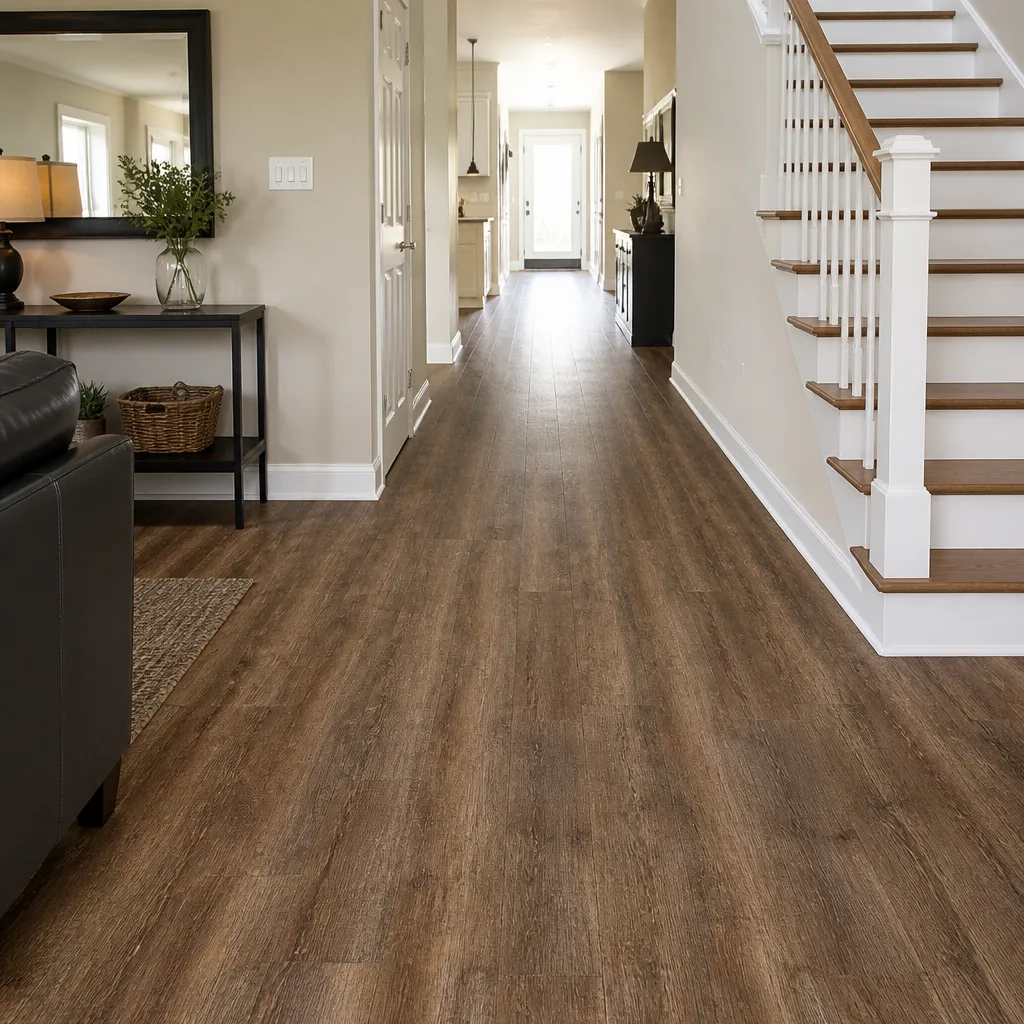
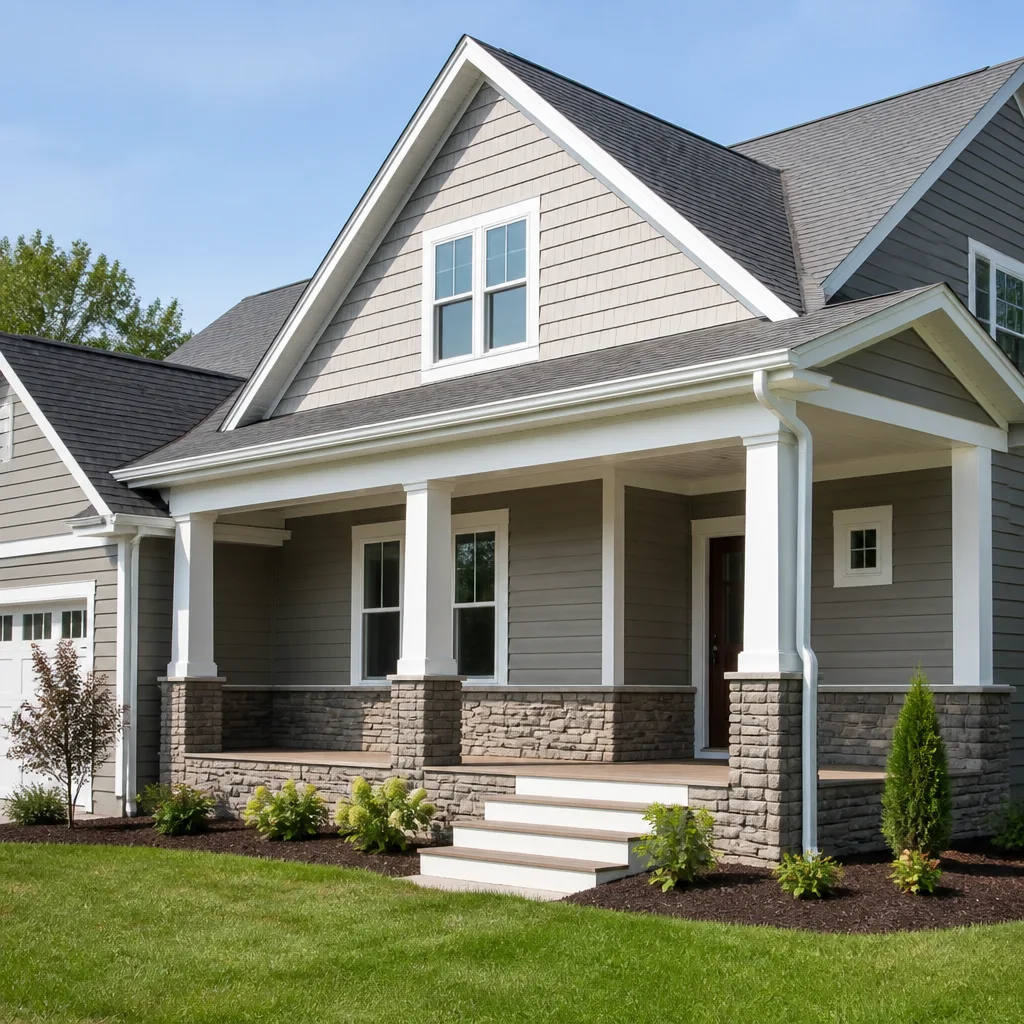
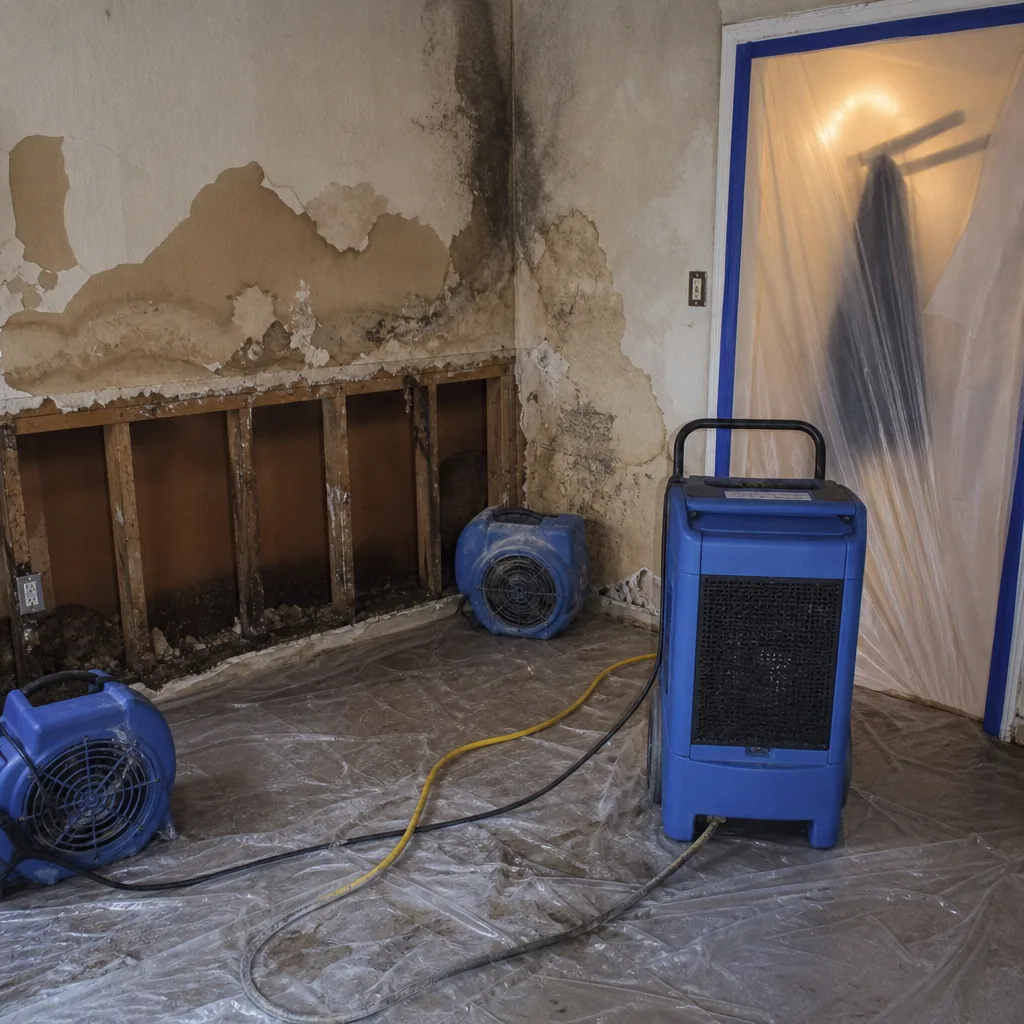 Before
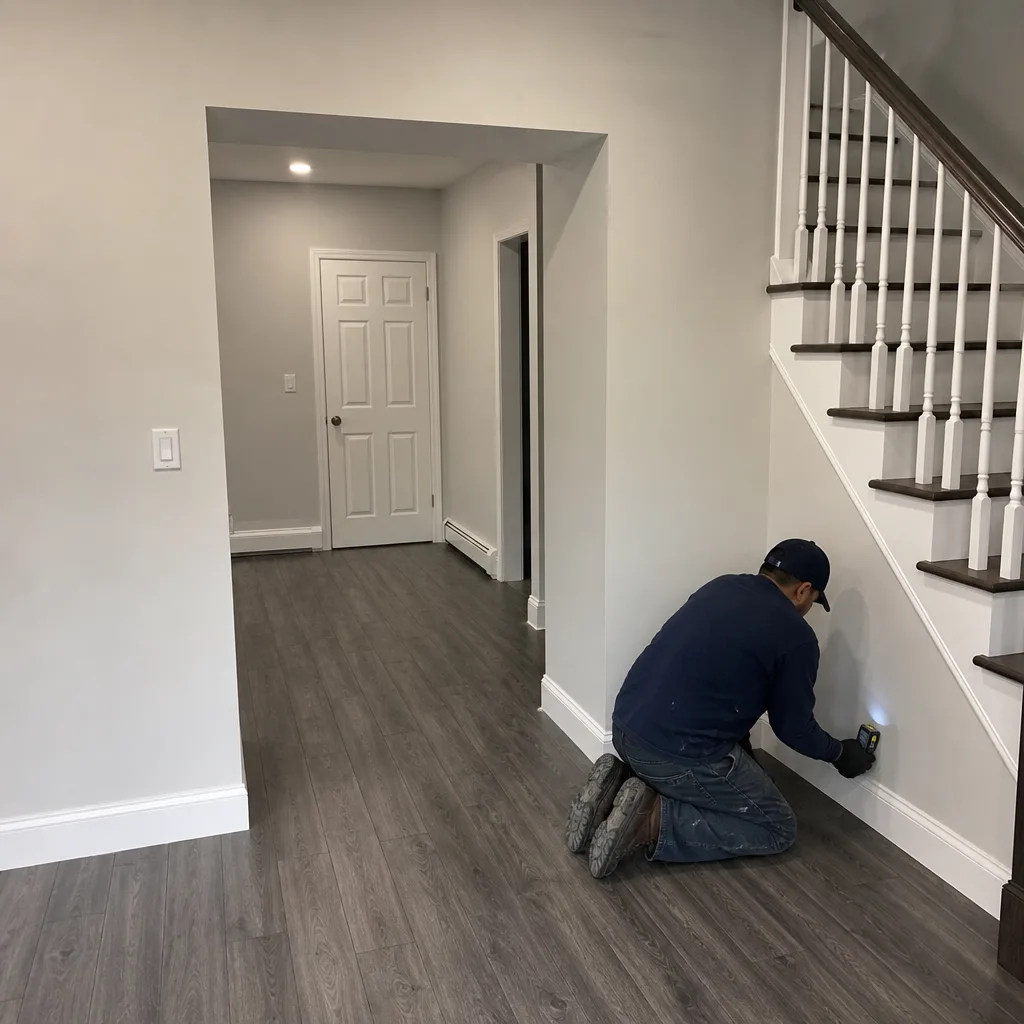 After
After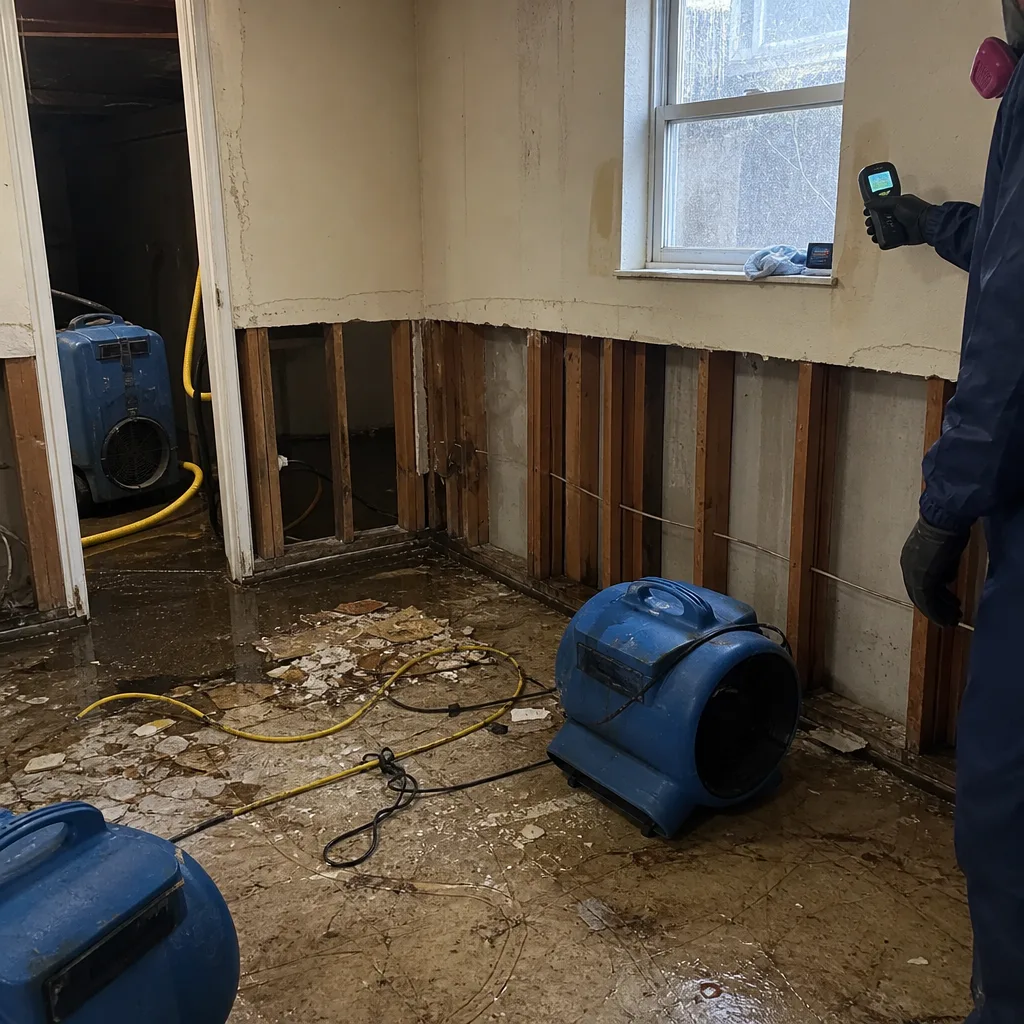 Before
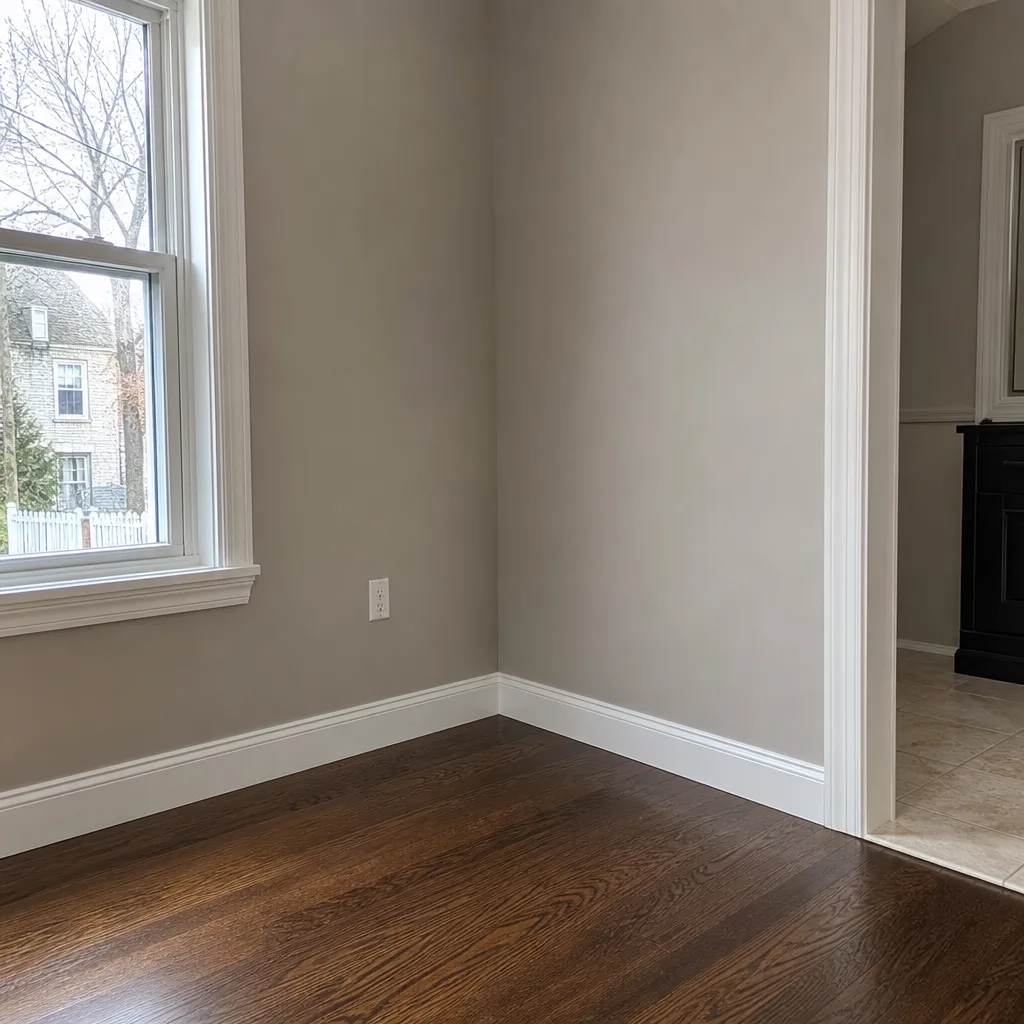 After
After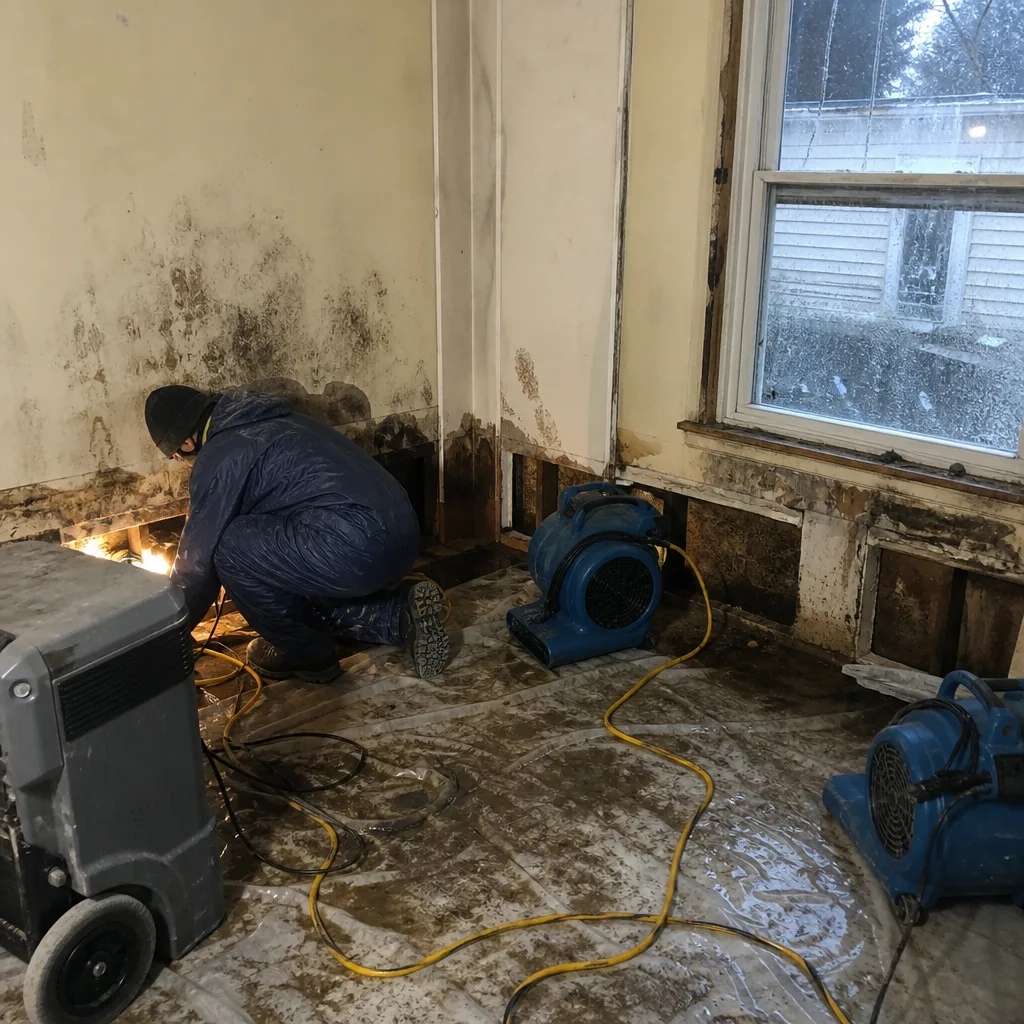 Before
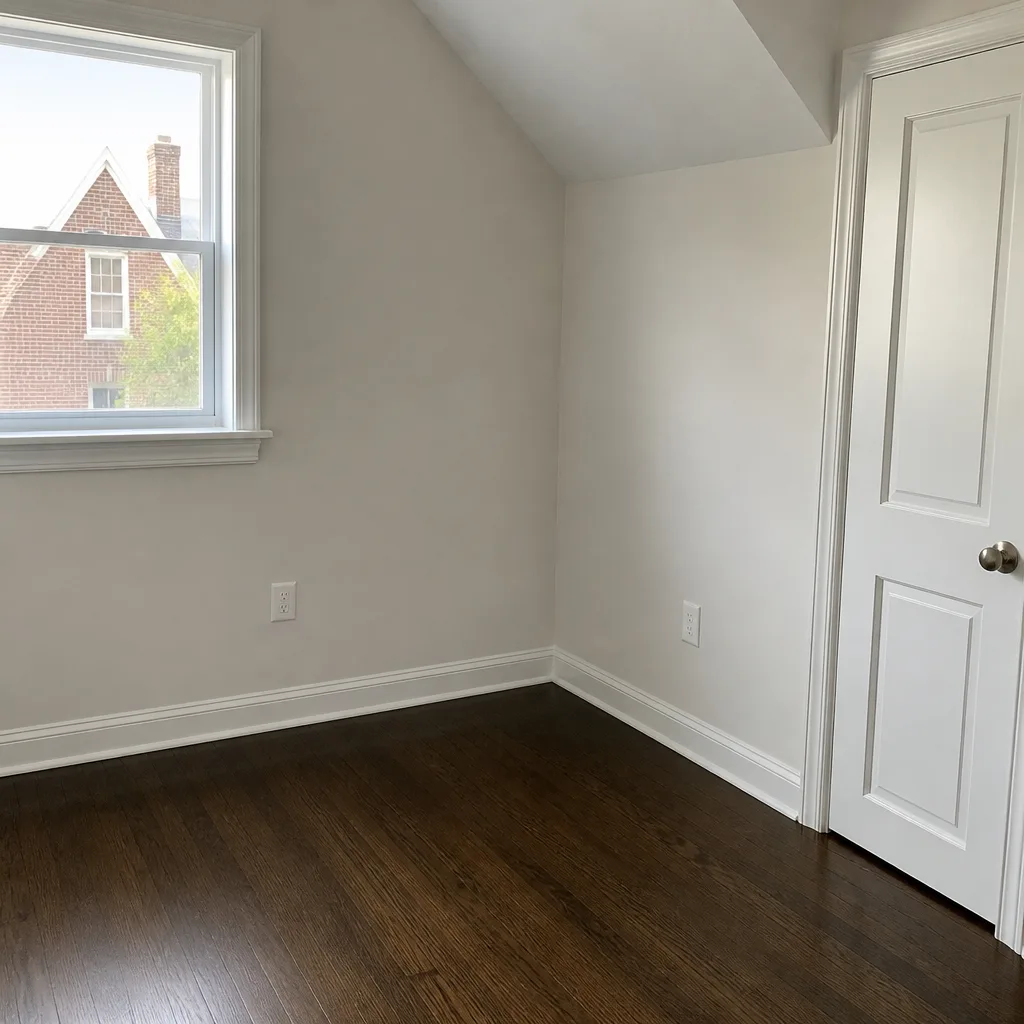 After
AfterDamage Restoration Cost Breakdown: The Queens Village Homeowner’s Reference for 2026
Here’s a number most Queens Village homeowners never see coming: the average water damage claim in New York runs between $3,500 and $7,500, and that’s before anyone mentions the word “mold.” The real cost driver isn’t the water you can see. It’s the moisture you can’t, working its way into drywall, subfloor, and the cavity behind your baseboards while you’re still deciding whether to call someone. This guide is built from fifteen years of standing in flooded basements and smoke-damaged kitchens across Queens Village, Glen Oaks, and Bellerose. You’ll learn what restoration actually costs in 2026, why the line items look the way they do, and where homeowners routinely overpay without knowing it.
Quick Answer
Damage restoration in Queens Village typically costs between $1,800 and $12,000 depending on the source and extent of the damage, with water extraction and drying starting around $2,000-$4,500 and full fire restoration running $5,000-$12,000 or more. The single biggest factor is time: water left for 48 hours doubles the cost compared to water addressed the same day. Most Queens Village jobs fall in the $3,000-$7,000 range, and the honest answer is that no one can give you a real number without standing in the room with a moisture meter.
Table of Contents
- Water Damage Restoration Costs in Queens Village
- Mold Remediation: What Queens Village Homeowners Pay
- Fire and Smoke Damage Restoration Costs
- Sewage Cleanup and Biohazard Costs
- Storm and Disaster Restoration Costs
- Reconstruction and Rebuild Costs After Damage
- Insurance, Billing, and the Claims Process
- Common Mistakes to Avoid
- When to Call a Professional
- Frequently Asked Questions
Before we get into the numbers, a word about how we’ve built this guide. Floodline Restoration Co. has been answering the phone in Queens Village since Curt Bowman founded the company in 2010. We’ve written estimates after Hurricane Sandy, after frozen pipe bursts in February, after dishwasher supply lines let go at 3 a.m. in houses along Springfield Boulevard. The ranges below are what we’re actually seeing on our own job sheets in 2026, not national averages pulled from a database. That’s the difference between a number you can plan around and a number someone invented to get you to click.
Water Damage Restoration Costs in Queens Village
Water damage is the most common restoration call we take in Queens Village, and it’s also the one where the price gap between “handled fast” and “handled late” is widest. A clean water leak from a burst supply line caught the same day runs $2,000 to $4,500 for extraction, drying, and minor repairs. That same leak left over a weekend, with water sitting in a finished basement, runs $6,000 to $10,000 because now you’re replacing drywall, insulation, and possibly flooring.
Queens Village has a specific wrinkle here. This neighborhood has one of the older housing stocks in Queens, with a lot of homes built between 1920 and 1960. That means plaster walls over wood lath, which holds water differently than modern drywall. Plaster is actually more forgiving than drywall in a flood. It can often be dried in place if you get to it fast enough using professional-grade drying systems. But if that plaster has been painted with multiple layers of oil-based paint over the decades, it traps moisture and forces us to cut channels and rebuild sections. That’s a $800 to $1,500 difference per room, and it’s specific to older neighborhoods like ours.
Here’s the cost breakdown we give homeowners in writing before work starts:
- Emergency water extraction: $500-$1,200 for a standard basement, more for finished spaces with carpet or hardwood
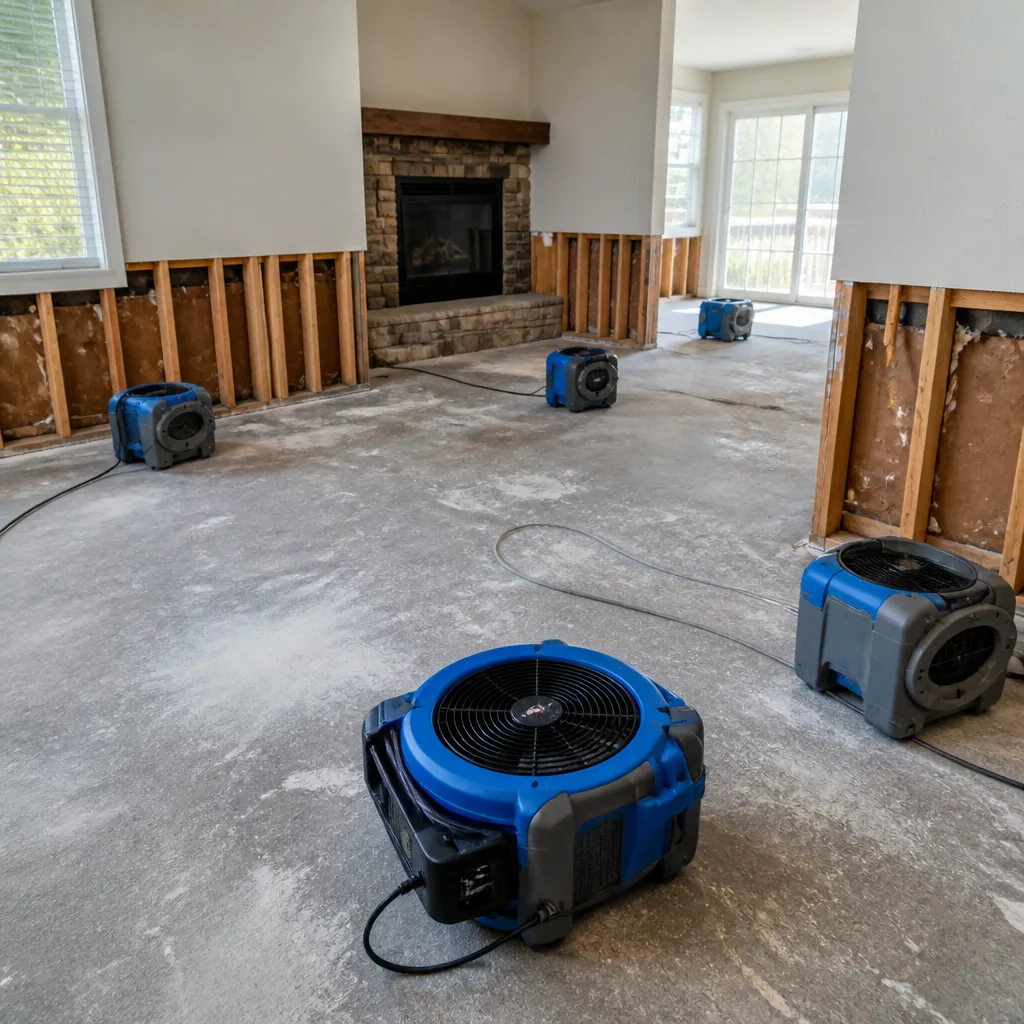
- Structural drying (3-5 days): $1,500-$3,000 including equipment setup, daily moisture readings, and removal of the drying system once standards are met
- Demolition and disposal of unsalvageable drywall, carpet, or insulation: $700-$2,000 depending on volume and access
- Antimicrobial application and odor treatment: $300-$800
- Minor repairs (drywall patches, baseboard replacement, paint): $500-$1,500
- Full basement finish replacement: $8,000-$25,000 when everything must go
One thing to understand: the moisture log matters. A proper drying job in Queens Village takes three to five days of equipment running continuously. We place Dri-Eaz and Phoenix air movers and dehumidifiers, take a starting moisture map, and log readings every day until every surface hits the dry standard. If a contractor gives you a one-day drying timeline for saturated drywall, you are not getting drying. You’re getting a fan rental and a promise. The log is the proof, and your insurance carrier will ask for it.
Cost tip: every hour of delay on a clean-water leak adds roughly $40-$80 to the final bill when you factor in additional demolition and longer drying time. That’s not a scare number. That’s math from our own job files across Queens Village and the surrounding zip codes. Call the moment you see water. A live dispatcher answers at 2 a.m., and the extraction equipment can be running the same visit.
Mold Remediation: What Queens Village Homeowners Pay
Mold remediation in Queens Village runs $1,500 to $6,000 for typical jobs, with $2,500-$3,500 being the most common range for a contained area like a bathroom wall cavity or a basement corner. The price climbs to $8,000-$15,000 when mold has spread through HVAC ductwork or behind multiple finished walls. Those numbers includes containment, removal, cleaning, and verification, but not any reconstruction needed afterward.
Why the wide range? Because “mold” is not one problem. It’s a symptom of moisture, and the remediation only works if you fix the moisture source. In Queens Village, we see three recurring moisture drivers: condensation on cold basement walls in summer, slow leaks from aging supply lines in homes built before copper was standard, and poor bathroom ventilation in houses that predate modern exhaust fan requirements. The mold cleanup itself is straightforward. The price difference comes from access. Mold behind a basement panel in an unfinished utility room is a $1,500 job. Mold behind the drywall of a finished family room, requiring containment chambers, negative air pressure, and reconstruction of the wall, is a $6,000 job.
The remediation process we follow, and what you’re paying for:
- Assessment and moisture mapping: finding the mold and the moisture feeding it, using thermal imaging and moisture meters
- Containment: sealing the work area with plastic sheeting and running negative air machines so spores don’t spread through the house
- Removal: cutting out affected drywall, insulation, or flooring, and treating structural framing with antimicrobial solutions
- HEPA cleaning: air scrubbers and vacuum systems rated for mold spore filtration
- Post-remediation verification: confirming surfaces and air samples are within acceptable ranges before we call the job done
A hard truth about the mold remediation industry: this is where the most overcharging happens in restoration. Because mold scares people, and scared people pay. The common pattern is a “free inspection” that finds mold you can’t see, a quote with no written scope, and a treatment plan that involves fogging and spraying without removing the affected material. Fogging has its place, but it does not remove mold. It kills surface spores. Dead mold is still an allergen and a moisture problem.
Older Queens Village homes present a specific challenge here. Basements in this neighborhood often have fieldstone or block foundations that are never fully dry, especially on the south side of Hillside Avenue where the water table sits higher. If a contractor promises to “get rid of all the mold for good” in one of these basements without addressing the moisture penetration through the foundation walls, walk away. That job will come back in eight months. The square deal is a written scope that names the moisture source, the removal plan, and the drying or waterproofing needed to keep it gone. We stand behind that.
Our remediation work follows IICRC, RIA, and IFA standards. That’s not a marketing line. It’s a set of published procedures for containment, removal, and verification, and it’s what your insurance adjuster expects to see on the line items. Get every claim in writing before work starts.
Fire and Smoke Damage Restoration Costs
Fire restoration in Queens Village runs $5,000 to $12,000 for a contained kitchen or electrical fire, and $20,000 to $50,000 or more when a fire spreads through multiple rooms. Add $3,000 to $8,000 for smoke and odor remediation if the fire was small but the smoke traveled through the entire house, which is exactly what happens when a kitchen fire gets extinguished but the smell lingers in every closet and curtain for months.
Smoke damage is sneaky in older homes. The houses in Queens Village were built before sealed combustion and modern air returns. Your home’s plaster walls, wide trim, and original hardwood floors have layers of oil-based paint and shellac. Smoke odor bonds to those surfaces at a molecular level. You cannot paint over it. You cannot air it out. The only reliable fix is a combination of HEPA cleaning, ozone or hydroxyl treatment, and sealing of affected surfaces with an odor-blocking primer. That’s a $4,000 to $9,000 line item alone, and skipping it is the most common reason a fire restoration leaves the homeowner unhappy six months later.
The cost sequence for a typical Queens Village kitchen fire looks like this:
- Emergency board-up and tarping: $800-$1,500, done the day of the fire to prevent further damage and secure the property
- Water extraction from firefighting: $1,000-$2,500; the water from the fire department is often as destructive as the fire itself
- Soot and debris removal: $2,000-$5,000 including the kitchen, plus any adjacent rooms that took smoke
- Odor remediation throughout the house: $3,000-$8,000 depending on square footage and what survived
- Content cleaning and pack-out: $1,500-$4,000 to clean or store furniture and belongings while restoration proceeds
- Structural repairs and finish work: $6,000-$25,000 and up for cabinet replacement, drywall, flooring, electrical, and paint
Your insurance adjuster will assign per-line depreciation on items like cabinets, flooring, and appliances. That’s normal and you should expect it. What you should not accept is a restoration estimate that leaves out odor remediation entirely, or calls it “minor cleaning.” Get the odor line item in writing. If you don’t, you’ll live with the smell of the fire for a decade in a house built in 1947, and no amount of scented candles fixes that.
We’ve handled enough fire jobs in this neighborhood to know that the first 24 hours after the fire department leaves are the most important. Boarding up windows properly, venting the house, and starting smoke removal fast makes a measurable difference in what’s salvageable and what has to be torn out. If you face a fire, call a restoration company the same afternoon. Not next week when the adjuster gets back from vacation.
Sewage Cleanup and Biohazard Costs
Sewage backup cleanup in Queens Village costs $3,000 to $10,000 for a typical basement backup, with the range driven by whether the sewage touched finished surfaces or stayed in an unfinished mechanical room. A small toilet overflow on a tile bathroom floor is a $1,000 to $1,800 job. A main line backup into a finished basement with carpet, drywall, and a pile of stored holiday decorations at the bottom of the stairs is a $10,000 job and sometimes more.
Sewage is a biohazard. Category 3 water, to use the industry term. That’s not a scare word. It changes the entire protocol. Anything porous that sewage touches gets removed, because no cleaning method reliably sanitizes saturated carpet, upholstery, or drywall. Contrast that with clean water from a supply line, where your rugs and drywall can often be dried and saved. That’s why sewage cleanup costs more per square foot than clean water extraction despite using the same drying equipment. More material gets thrown away, and the labor on that demolition is more careful, slower, and done in personal protective equipment.
Queens Village has a specific sewage problem many homeowners discover only when it’s too late: cast iron waste lines. A significant portion of the houses between Springfield Boulevard and Cross Island Parkway were built between 1930 and 1955, and those homes often still have their original cast iron drain stacks and main lines. Cast iron rusts from the inside out. After eighty years, it develops hidden cracks that let sewage escape into wall cavities and slab penetrations. We’ve opened drywall in this neighborhood and found that a slow sewage seepage from a cracked stack had been wetting the studs for months before the homeowner smelled anything. That’s a $7,000 to $12,000 job when you add the plumbing repair to the remediation.
The cleanup sequence we use, and the cost drivers within it:
- Extraction of standing wastewater: $600-$1,500 using truck-mounted extraction or portable units sized for the space
- Removal of contaminated materials: $1,000-$4,000; this is the biggest variable and it’s driven by how much finished surface the waste touched
- Disinfection and antimicrobial treatment of structural surfaces: $500-$1,500
- Drying and moisture verification: $800-$2,000 over three to five days
- Rebuild of removed drywall, trim, and flooring: $2,000-$8,000 and up
Never let a general handyman handle a sewage backup. The health risk from improper handling is real, and the insurance claim gets complicated if the work wasn’t documented with a moisture log and a written scope. This is the one category where you don’t price-shop. You verify credentials, verify the written scope, and make the call.
Storm and Disaster Restoration Costs
Storm damage restoration in Queens Village runs $3,000 to $18,000 depending on what the storm did. Wind-driven rain through a damaged roof, a tree limb through a window, or water pouring through a foundation on the lower-lying blocks south of Jamaica Avenue each pull different permits, different timelines, and different price tags. The pattern we see most in this neighborhood after a hard storm is roof damage that lets water in during the same night, which combines two problems: the roof repair and the interior drying.
Queens Village sits in a coastal flood plain risk zone toward the south end, and while we’re not on the ocean like the Rockaways, heavy rain and aging drainage systems routinely back up basements during summer storms and nor’easters. The Federal Emergency Management Agency flood maps for this area have been updated three times since Sandy, and homeowners who were once in a moderate zone increasingly find themselves required to carry flood coverage. That matters for restoration because storm water is Category 3 water, the same biohazard classification as sewage. It carries whatever was on the street: oil, animal waste, garbage, lawn chemicals. Treat it like sewage.
Storm restoration sequence and what it costs:
- Emergency tarping and board-up: $500-$1,200 to stop active water entry, done as soon as a crew can reach the house
- Water extraction and drying of the interior: $2,000-$6,000 depending on how deep the water got and what it touched
- Debris removal and sanitary cleaning: $800-$2,500
- Roof, window, or structural repair: $1,500-$10,000 and up depending on the damage source
- Rebuild of saturated interior finishes: $3,000-$15,000 when walls, floors, and millwork must be replaced
On the roof side, if the storm opened a path for water, the restoration company you call needs to coordinate the dry-in with a licensed roofer. In our 15 years running Floodline Restoration Co., we’ve found that the most seamless storm jobs happen when the restoration crew tarp and dry the interior the same day the roofer is scheduled, so water isn’t still falling into the house while the drying equipment runs. That sounds obvious. It fails more often than you’d think because restoration companies and roofing companies don’t talk to each other, and the homeowner gets stuck relaying messages. We don’t let that happen.
One more thing about storm restoration in Queens Village: trees. The mature oaks and maples along the residential streets here are beautiful and they drop limbs in wind events. A limb through a roof is a triple bill: the tree removal, the structural roof repair, and the interior drying from whatever got in. Budget $8,000 to $18,000 for that combination, and call your insurance carrier before you call anyone else, because the sequence matters for coverage.
Reconstruction and Rebuild Costs After Damage
Reconstruction after damage is a different animal from mitigation. Mitigation is the speed work: extraction, drying, mold removal, board-up. It’s done fast and billed accordingly. Reconstruction is the slow work: new drywall, new floors, new kitchens after a fire, new basements after a flood. This is scoped, scheduled, and priced like a remodel, because that’s what it is. Queens Village reconstruction after a damage event runs $8,000 to $60,000 and up, with most full basement rebuilds landing between $15,000 and $30,000 and a kitchen rebuild after a fire running $25,000 to $50,000.
We tell homeowners to think of reconstruction cost in terms of two lines: the trades and the finishes. The trades are the pieces hidden inside the wall that make the rebuild safe and legal: framing, electrical, plumbing, insulation. In a Queens Village home built before 1960, this often means bringing local work up to current code, and that costs real money. The finishes are the pieces you see and touch: flooring, millwork, paint, tile. You control the finishes. You don’t control the trades. When a contractor gives you a cheap reconstruction number, they’re usually cheapening the trades, and the cheapening shows up a year later as a cracked seam, a tripped breaker, or a musty smell at the baseboard. The name Floodline Restoration Co. home has stood behind both sides of that work for over a decade.
Cost markers for the most common reconstruction jobs in this neighborhood:
- Full finished basement rebuild after a flood: $20,000-$40,000 including drywall, flooring, trim, and any electrical brought up to code
- Kitchen rebuild after a fire: $25,000-$55,000 depending on cabinet grade and whether the framing or subfloor needed replacement
- Bathroom rebuild after a supply line leak or mold remediation: $7,000-$18,000
- Whole-room drywall, paint, and trim after water damage: $3,000-$7,000
- Structural floor or stair replacement after long-term water damage: $5,000-$15,000
Here’s a truth about the restoration industry that homeowners in Queens Village have learned the hard way: most restoration companies do mitigation and then walk away. The homeowner is left with a gutted basement and a list of subcontractors to call. The insurance settlement gets messy because the mitigation bill and the rebuild bill are from different companies with different priorities. We built Floodline Restoration Co. to not do that. The same certified crew that sets the drying equipment on day one runs the daily moisture readings, hands the log to the carrier, and rebuilds the room at the end. One scope, one guarantee, one name to hold accountable. The Floodline Restoration Co. home page explains how that works, but the short version is this: the line the water left is where we start, and we don’t hand the job off until it’s done.
Reconstruction is also where the 90-Day Done Right Promise matters most. We call it the Keystone Standard internally, and it’s a written guarantee: if it’s not done right, we make it right, with no paperwork battles and no arguing. K.E.Y.S. stands for Krafted right, Every time, Your home first, Standing behind it. You’ll get it in writing. It covers the entire job, from extraction to finished trim. No restoration company with a sales desk and a rotating cast of subcontractors will put that in writing, because they know they can’t stand behind work they don’t control.
Insurance, Billing, and the Claims Process
Restoration is one of the few home service categories where the person paying the bill is often not standing in the room. Your insurance carrier pays, which means the restoration company’s relationship with your adjuster matters as much as its workmanship. We handle direct insurance billing on every job in Queens Village, which means you never play messenger between our project manager and the carrier’s desk adjuster. You explain what happened once, we handle the rest.
Here’s how the claims process works from our side, and what you can expect:
- You call your carrier and report the loss. Do this first, even before calling us. The carrier assigns a claim number and usually an adjuster within 24 to 48 hours.
- You call us, and we come out for a free estimate. A live dispatcher answers at any hour. We document the damage with photos, take moisture readings, and write a scope.
- We submit the scope to your carrier. Our project managers have worked with every major carrier’s adjusters in the New York market. We speak their language and we include the documentation they need: moisture logs, photo evidence, line-item depreciation schedules.
- Work begins as soon as the carrier approves the scope. On emergency mitigation, we can often start immediately because the carrier understands the duty to mitigate further damage.
- We bill the carrier directly. You see the scope and the bill. No surprises.
Will insurance cover the damage? That’s the most common question we hear in Queens Village, and the answer is specific to your policy. Standard homeowners insurance covers sudden and accidental water damage: a burst pipe, a supply line failure, a roof leak from storm damage. It does not cover gradual damage: a slow leak behind a wall that’s been wetting the studs for two years, or mold that grew because a known moisture problem was ignored. If your policy is HO-3, the standard form, you likely have coverage for the named perils and the resulting damage. If you’re in a flood zone and don’t have flood insurance, a storm surge or rising groundwater is not covered. Read your policy carefully, and call your agent before you need the coverage, not after.
One more thing: photograph everything before the work starts. Every carrier’s adjuster will ask for pre-work documentation, and your claim moves faster when the restoration company hands them a complete photo log from day one. We do this on every job as standard practice.
Common Mistakes to Avoid
- Waiting a day to call. Water left for 24 hours starts saturating drywall and wicking up wall cavities. Water left for 48 hours supports mold growth. In an older Queens Village house with plaster walls and wood lath, that 24-hour delay can be the difference between a $2,500 drying job and a $9,000 gut-and-rebuild.
- Accepting a verbal estimate. If a contractor won’t put the scope and price in writing, walk away. In New York, you have specific legal protections for home improvement work, and none of them apply to a handshake.
- Letting a restoration company hand the rebuild to someone else. The most common complaint we hear from homeowners in this neighborhood is that the mitigation crew disappeared after the drying finished, leaving them with a gutted room and a list of unfamiliar subcontractors. Ask who does the rebuild before you sign anything.
- Ignoring the moisture source. Cleaning up mold or drying a basement without fixing where the water came from is throwing money away. In Queens Village, that often means a cracked cast iron waste line, a failed sump pump, or foundation seepage on the south side of Hillside Avenue.
- Choosing the cheapest bid because it’s the cheapest. Restoration pricing is tied to process, not product. A contractor who quotes $1,200 for a job everyone else quotes $2,800 is skipping a step, not finding a better deal. Ask what’s included and what’s excluded. Get it in writing.
- Painting over water damage without drying underneath. That stain on the ceiling is not a paint problem. Paint seals moisture in, and sealed moisture breeds mold. This is the single most common way homeowners turn a $400 drying job into a $4,000 mold remediation a year later.
When to Call a Professional
Call a professional the moment you see standing water that covers more than a small towel-dryable area, smell sewage, or see visible mold on a surface larger than a dinner plate. Call if water is coming through a ceiling, down a wall, or up through the floor. Call if your sump pump fails during a storm and the basement is taking on water. Call if you’ve had a fire, even a small one, because smoke odor sets fast and gets harder to remove every day. Call if you’ve had a water event and the area still smells musty after your own drying attempts. None of these situations improve with waiting. Floodline Restoration Co. offers free estimates in Queens Village. Call (631) 557-5029 and a live dispatcher answers, at any hour, every day.
Frequently Asked Questions
Water damage restoration in Queens Village typically costs $2,000 to $4,500 for a clean water extraction and drying job handled the same day, and $6,000 to $10,000 when the water has sat for more than 48 hours or damaged finished surfaces. The range depends on how fast you call, how much material must be removed, and whether the water was clean or contaminated. Call (631) 557-5029 for an exact quote. Estimates are free.
Standard homeowners insurance covers mold remediation only when the mold resulted from a covered peril, such as a burst pipe or storm damage, and only up to the policy limit, which is often $5,000 to $10,000. Mold from long-term moisture problems, poor ventilation, or deferred maintenance is generally not covered. Document everything and have your restoration company work directly with your adjuster.
If you call (631) 557-5029, you’ll speak to a live dispatcher, not a recording, at any hour of any day. A certified crew from Floodline Restoration Co. can reach most Queens Village addresses within an hour or two, and extraction equipment is typically running on the first visit. That speed matters because water damage cost rises with every hour of delay.
If visible mold covers more than about ten square feet or is growing behind walls or under flooring, it’s a remediation job, not a cleaning job, and it needs containment and removal protocols. A surface cleaning of a small bathroom corner is often enough, but only a proper assessment with moisture readings can tell you which situation you’re in. Floodline Restoration Co. offers free assessments in Queens Village.
Sewage cleanup costs more than clean water extraction because sewage is classified as Category 3 biohazard water, which requires removal of all porous materials it touches, full personal protective equipment for the crew, antimicrobial treatment, and stricter disposal procedures. The demolition volume alone is usually two to three times higher than a clean water job on the same space.
Mitigation is the emergency work: extraction, drying, mold removal, boarding up. It’s fast and billed as an emergency service. Reconstruction is the rebuild: drywall, flooring, paint, trim, electrical. It’s scoped, scheduled, and priced like a remodel. Floodline Restoration Co. handles both with the same certified crew so you never face a mid-job handoff, and the entire scope is backed by the 90-Day Done Right Promise.
Ask for the guarantee in writing. Floodline Restoration Co. gives every homeowner the 90-Day Done Right Promise, known internally as the Keystone Standard: if it’s not done right, we make it right, with no paperwork battles and no arguing. It’s backed by the K.E.Y.S. values code and it covers the entire job from first extraction to finished rebuild.
Some do, and you should ask about them. Floodline Restoration Co. offers $50 off any repair over $250, an $89 seasonal tune-up, and a standing senior and veteran 5% discount. These offers are always available and applied as stated. Ask when you call for an estimate at (631) 557-5029.
The Bottom Line
Restoration costs in Queens Village follow a predictable pattern. Water and mold jobs run from $1,800 to $10,000 depending on speed and scope. Fire and smoke jobs run $5,000 to $50,000 depending on how far the damage spread. Sewage work falls in the middle but requires the strictest protocols. The best lever you have is the clock: calling the same day instead of the next morning routinely saves thousands of dollars and often the difference between drying and rebuilding. Get every claim in writing. Verify credentials. Don’t let mitigation and reconstruction get split between two contractors. And if you want a straight answer about what your specific situation will cost, call a live dispatcher at Floodline Restoration Co. at (631) 557-5029. We’ll tell you what we’d tell our own family, and we’ll put it in writing.
Written by Curt Bowman, Owner at Floodline Restoration Co., serving Queens Village since 2010.