
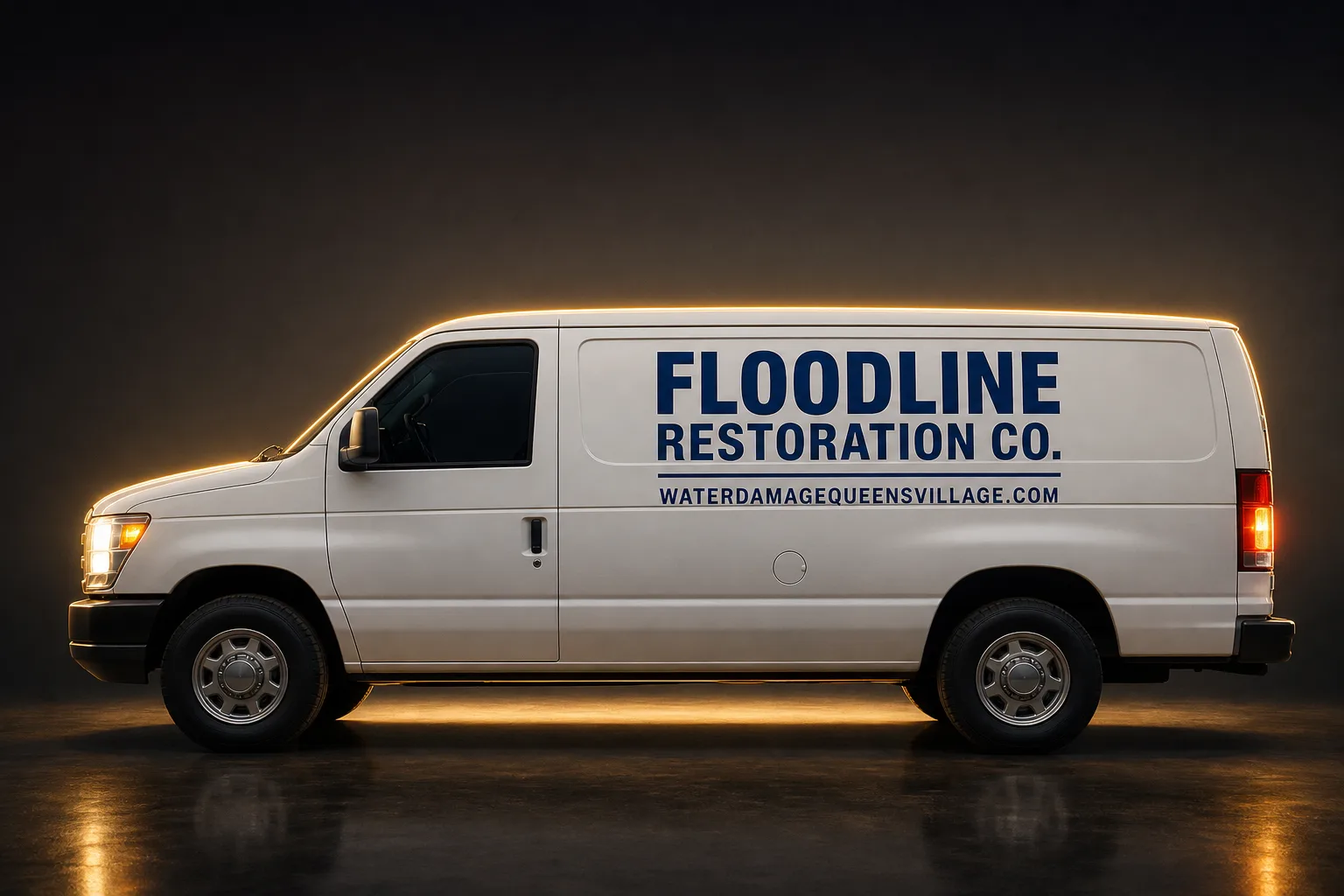
Free visual inspection and a written scope of work before any mitigation begins - photos, moisture readings, and drying logs go in your claim file
The scope we write is the scope we bill. Anything new gets shown to you, in writing, before we touch it.
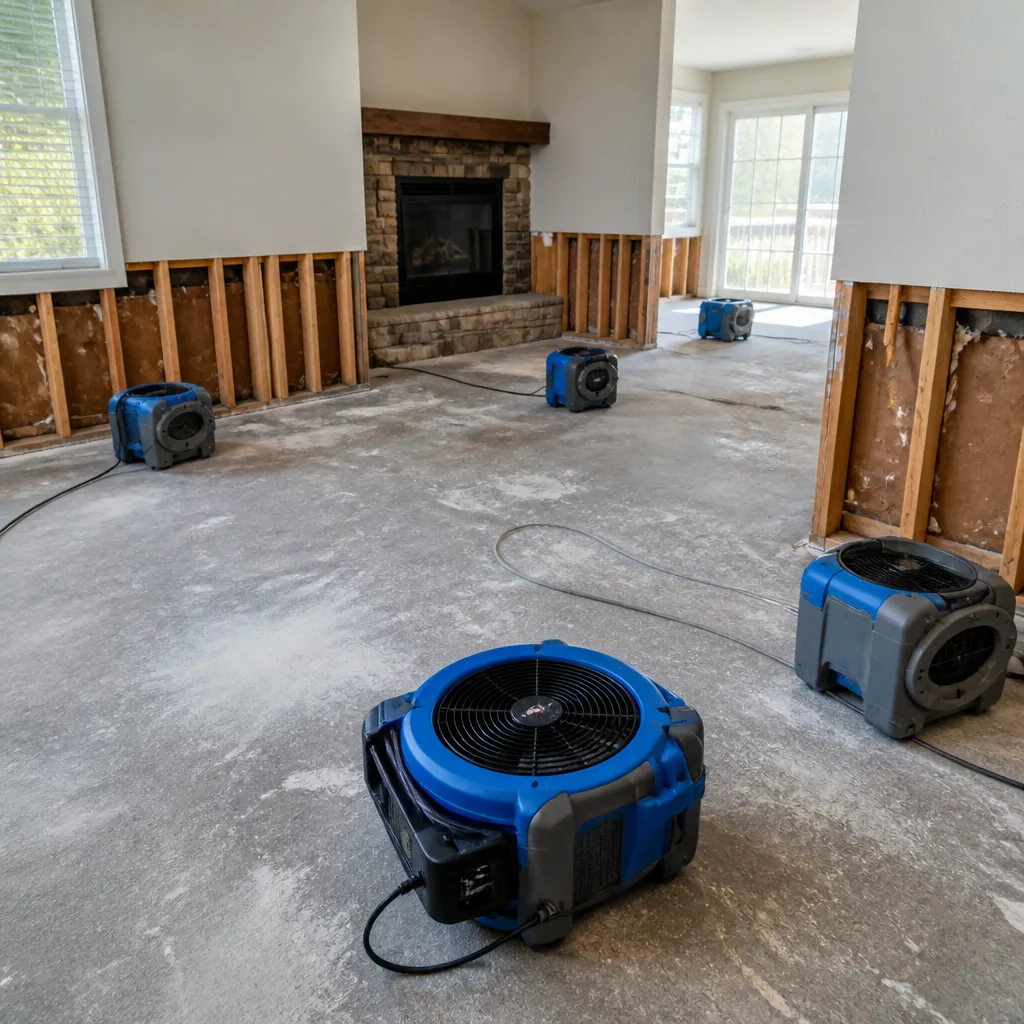
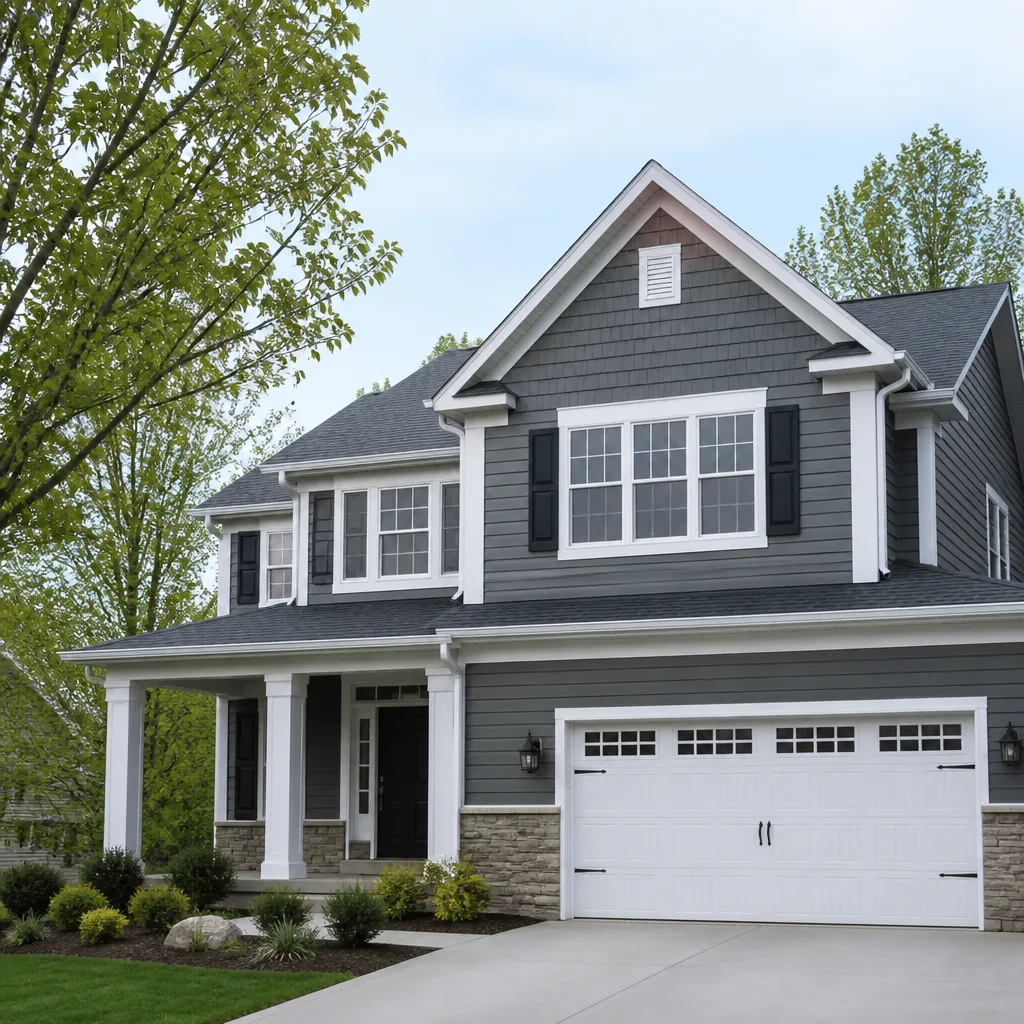
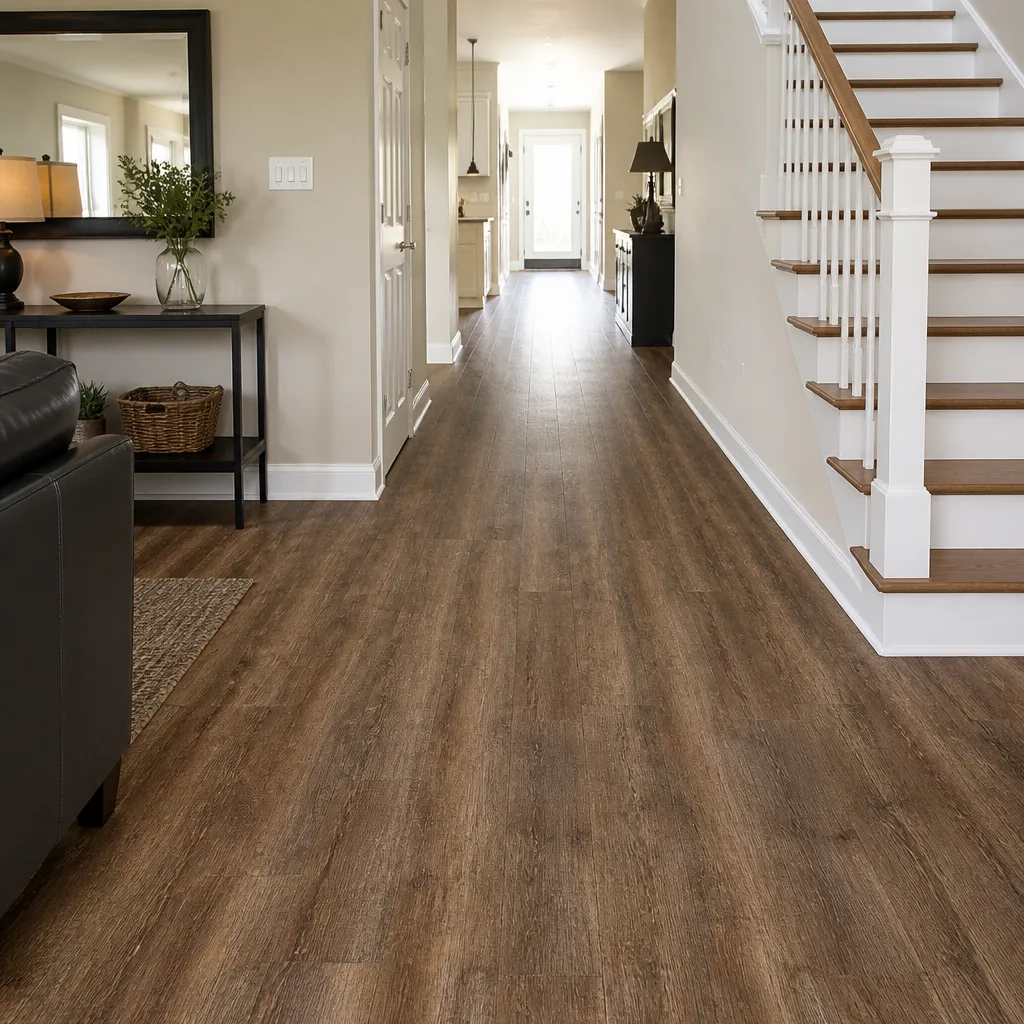
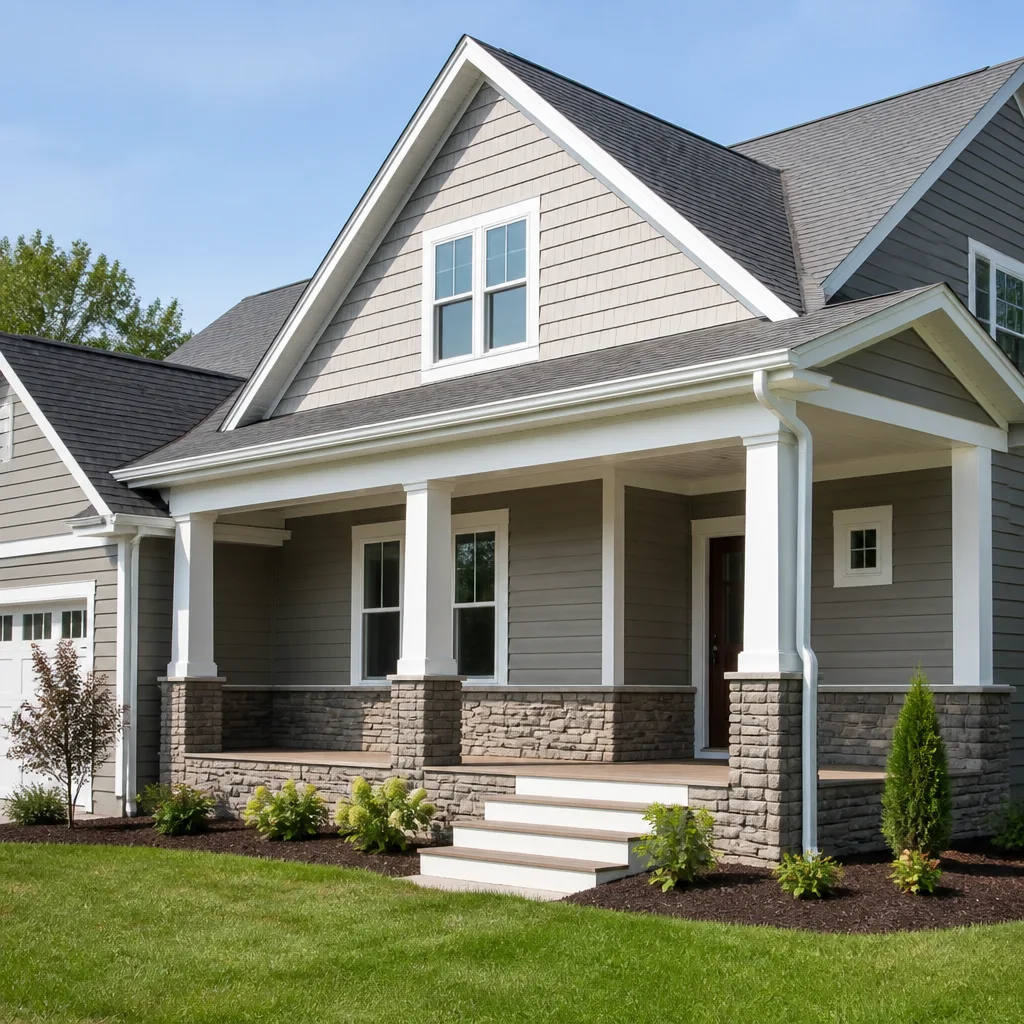
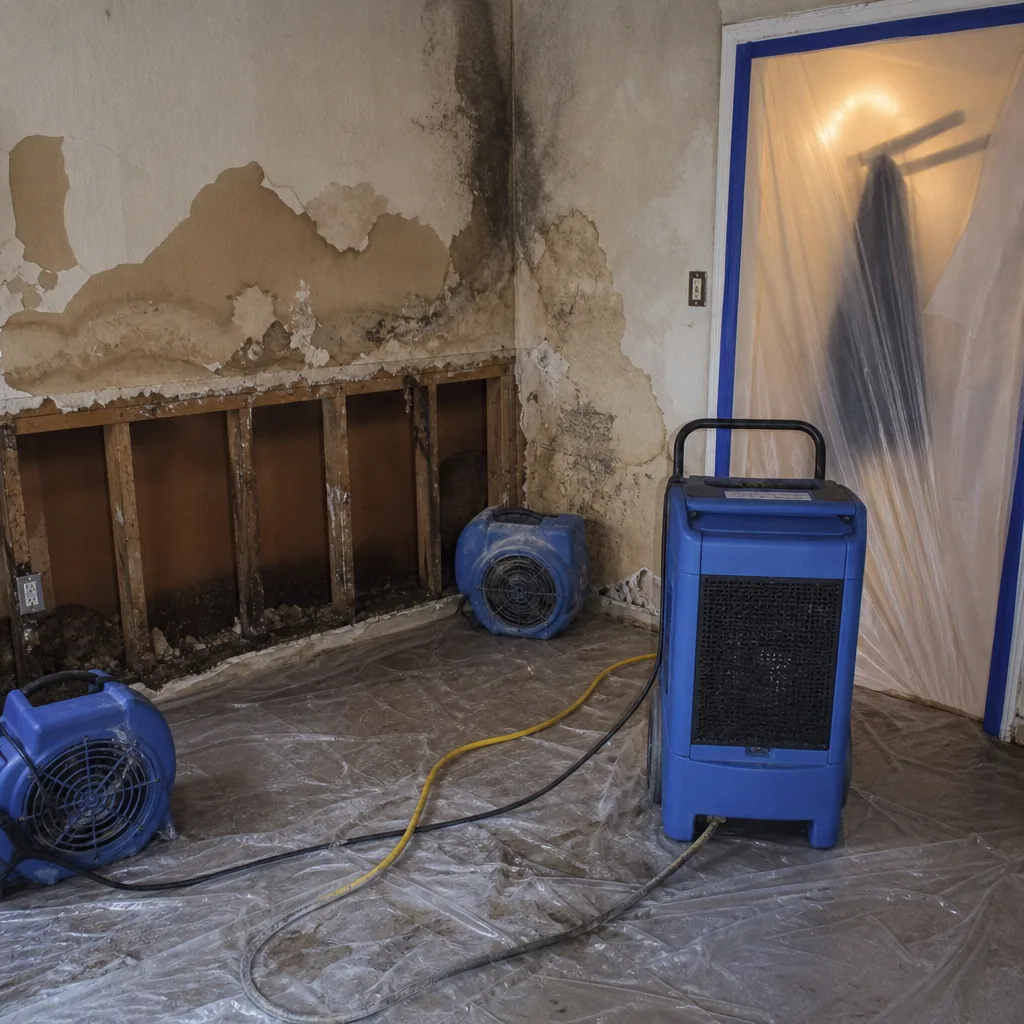 Before
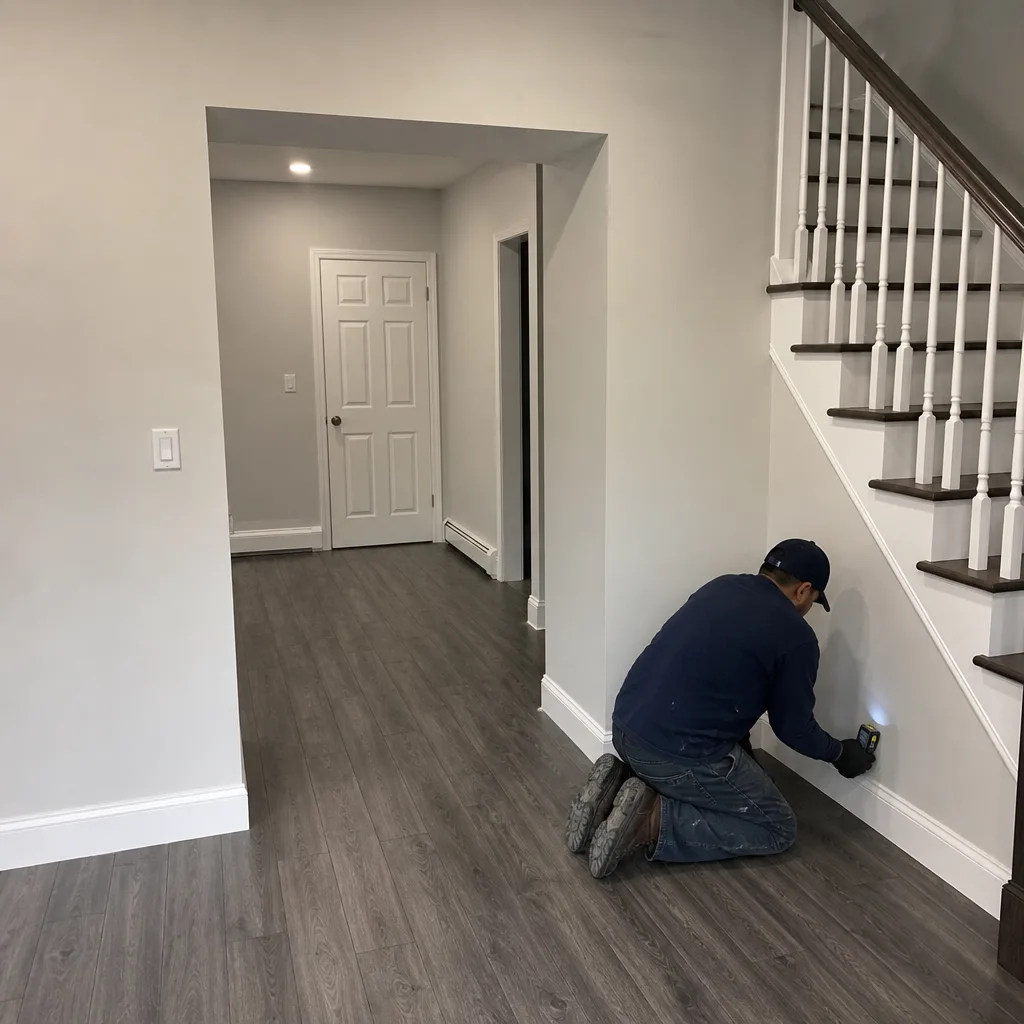 After
After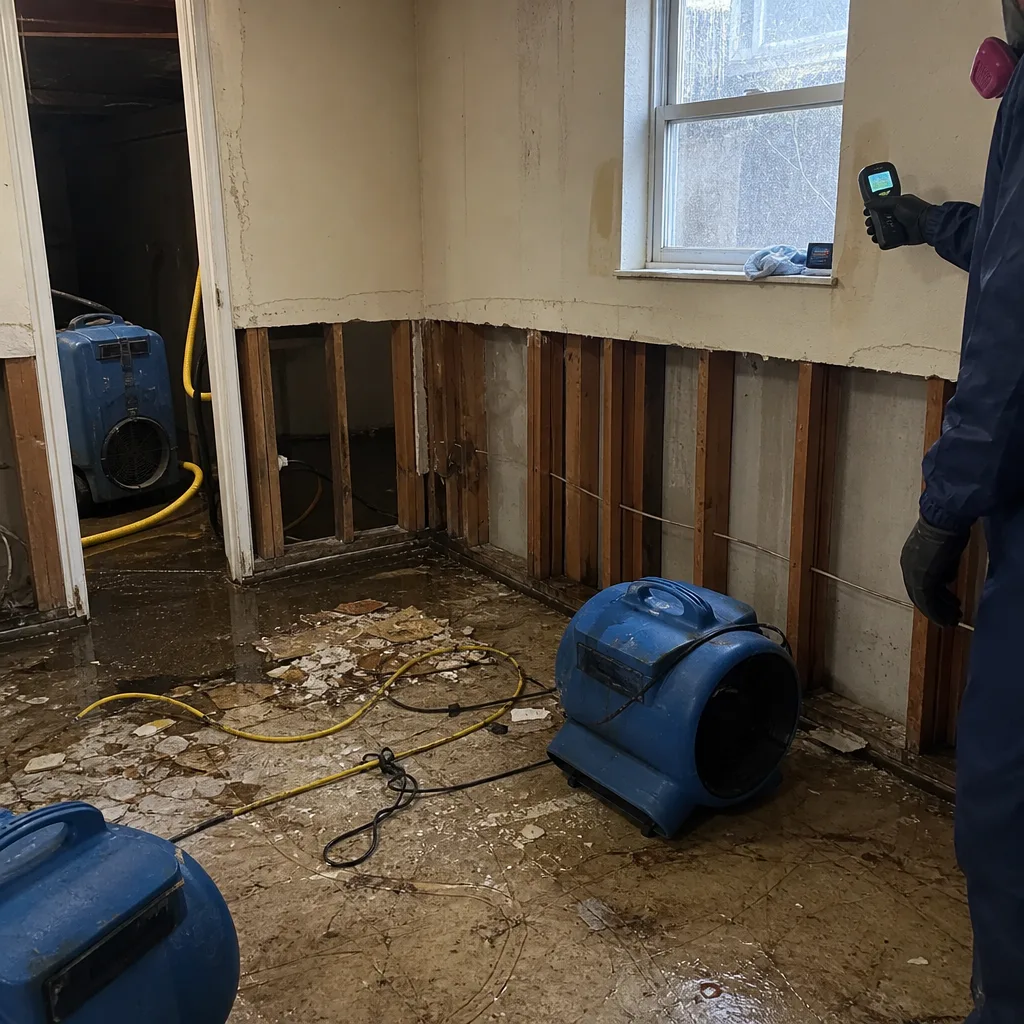 Before
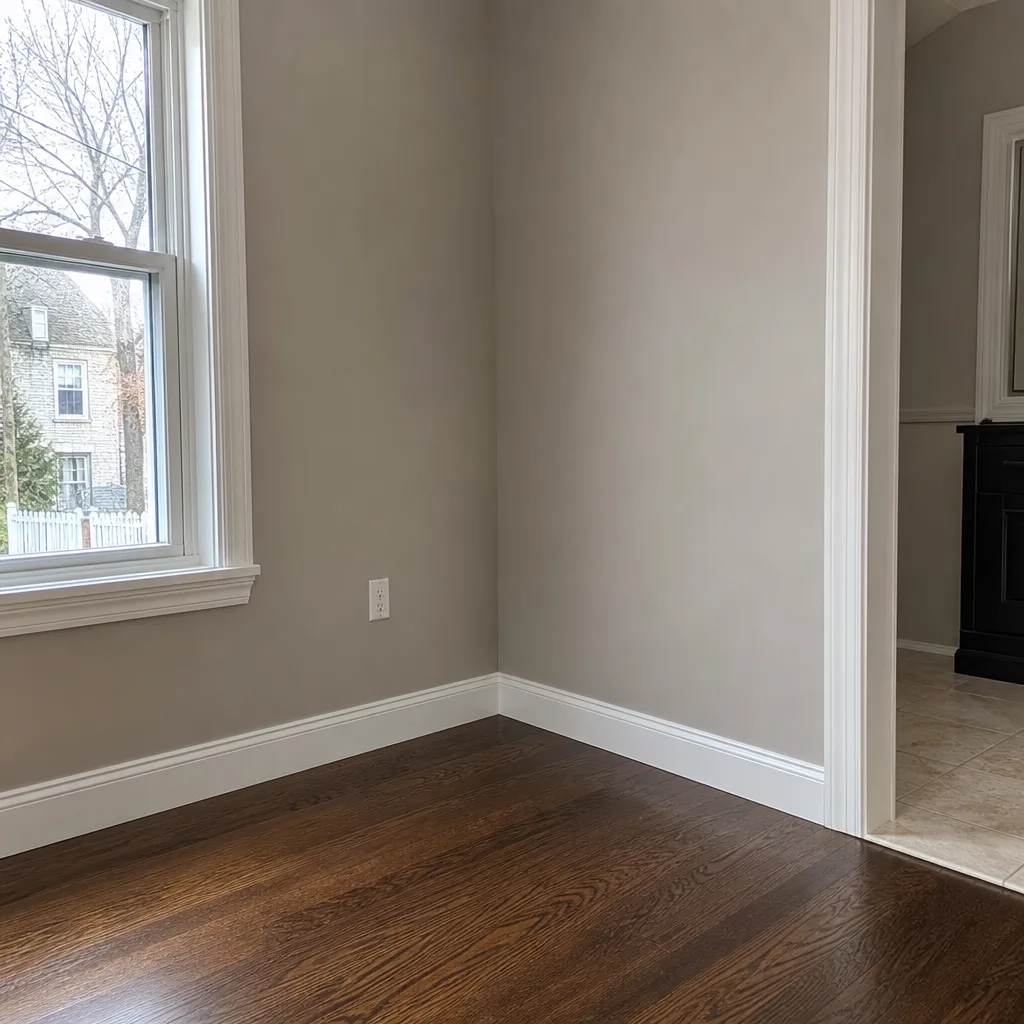 After
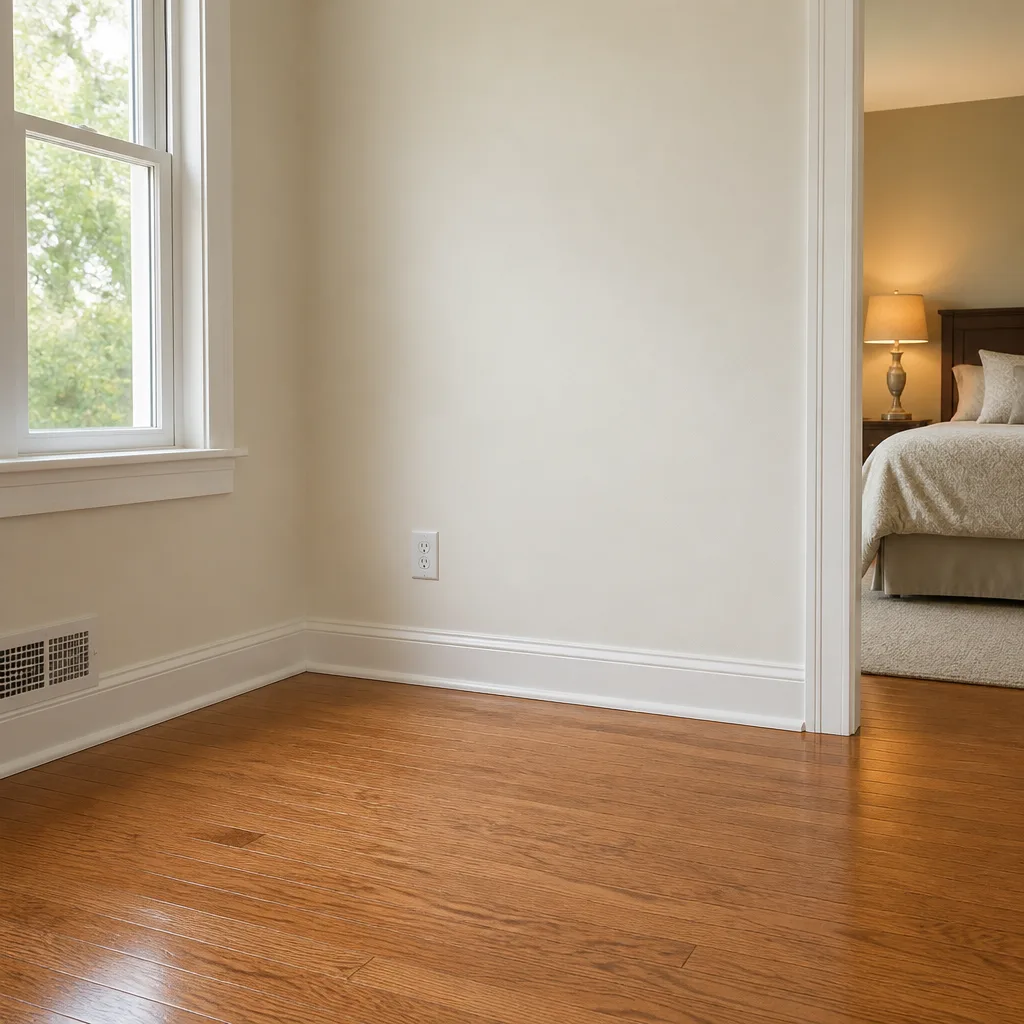
After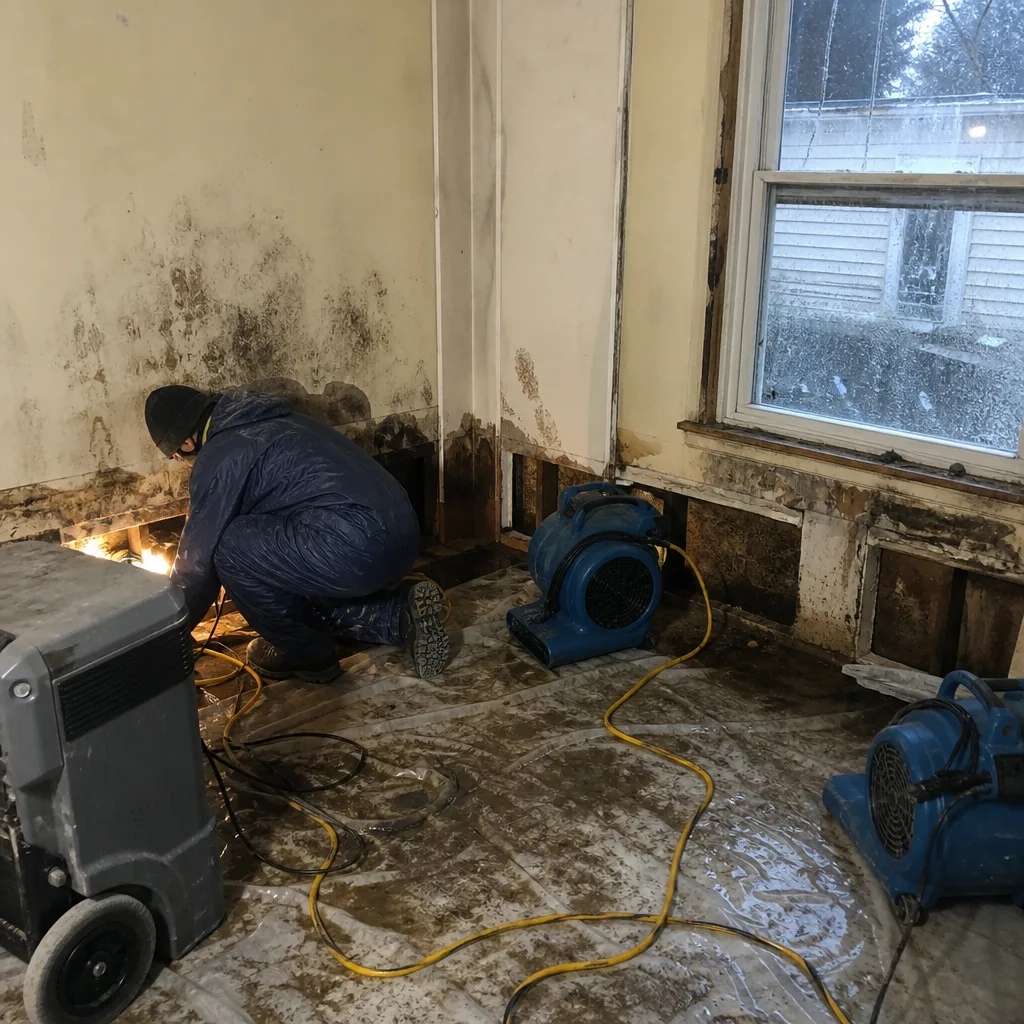 Before
 After
AfterTrusted Storm & Disaster Restoration for Queens Village Homeowners
Storm damage in Queens Village moves fast. Water gets into wall cavities, wind peels back roofing, and every hour of delay adds cost to the repair. Floodline Restoration Co. has answered calls from Queens Village homeowners for over 42 years, and we still send the same thing on every 24 Hour Storm & Disaster Restoration in Queens Village, NY job: background-checked, uniformed technicians who arrive fast, assess honestly, and start work the same visit. If a storm just passed through and you’re looking at water in the basement or a tree limb through the garage roof, call (631) 557-5029. A live person answers, day or night. We’ll tell you what we’re seeing, what it’ll take to stop the damage, and what the next 48 hours should look like.
What Our Storm & Disaster Restoration Service Includes
Storm Damage Cleanup
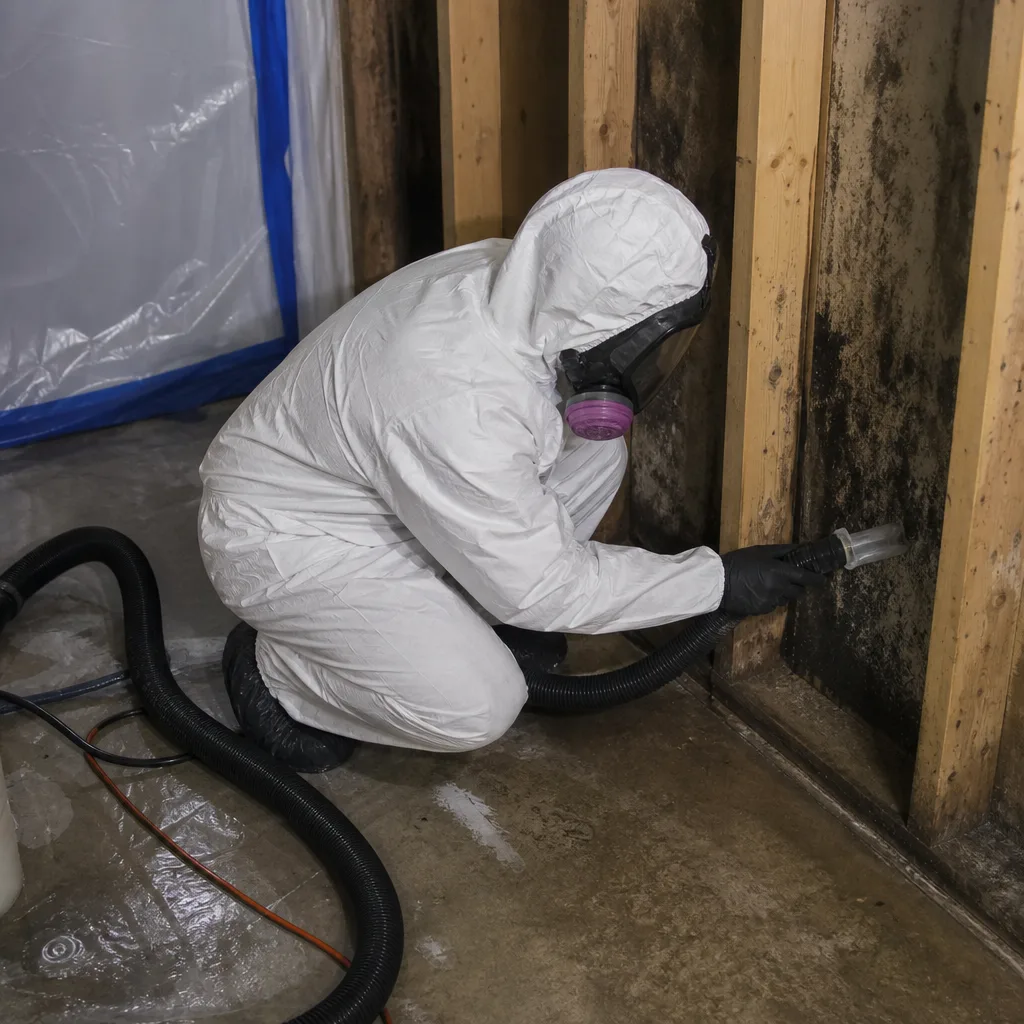
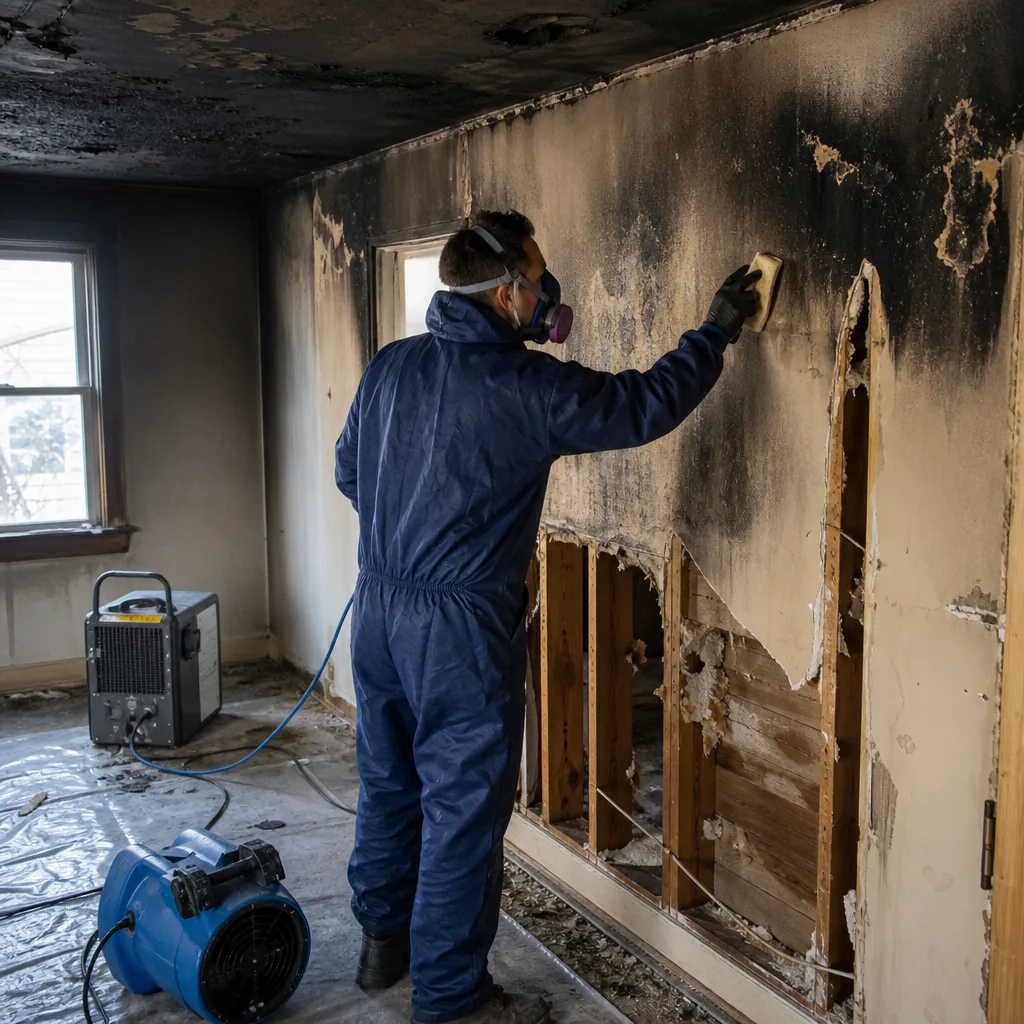
Storm damage cleanup means removing what the storm left behind: soaked drywall, ruined insulation, broken glass, mud, and standing water. In Queens Village, we see this most often after nor’easters and summer thunderstorms that push water through basement windows or back up storm drains. Our crew handles the full cleanup so you don’t have a soggy mess sitting in your house while you wait for an adjuster. We photograph everything before we touch it, which matters when it’s time to deal with your insurance carrier.
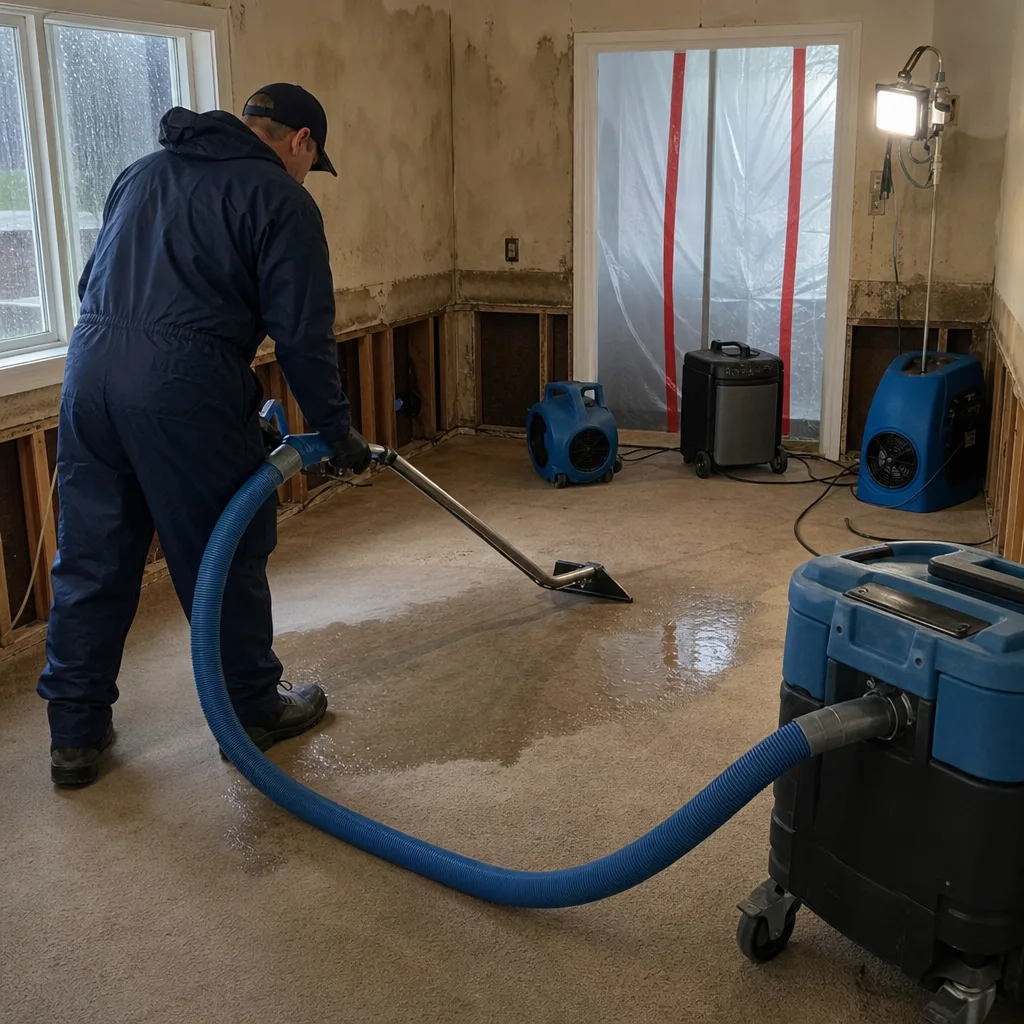
Flood Damage Restoration
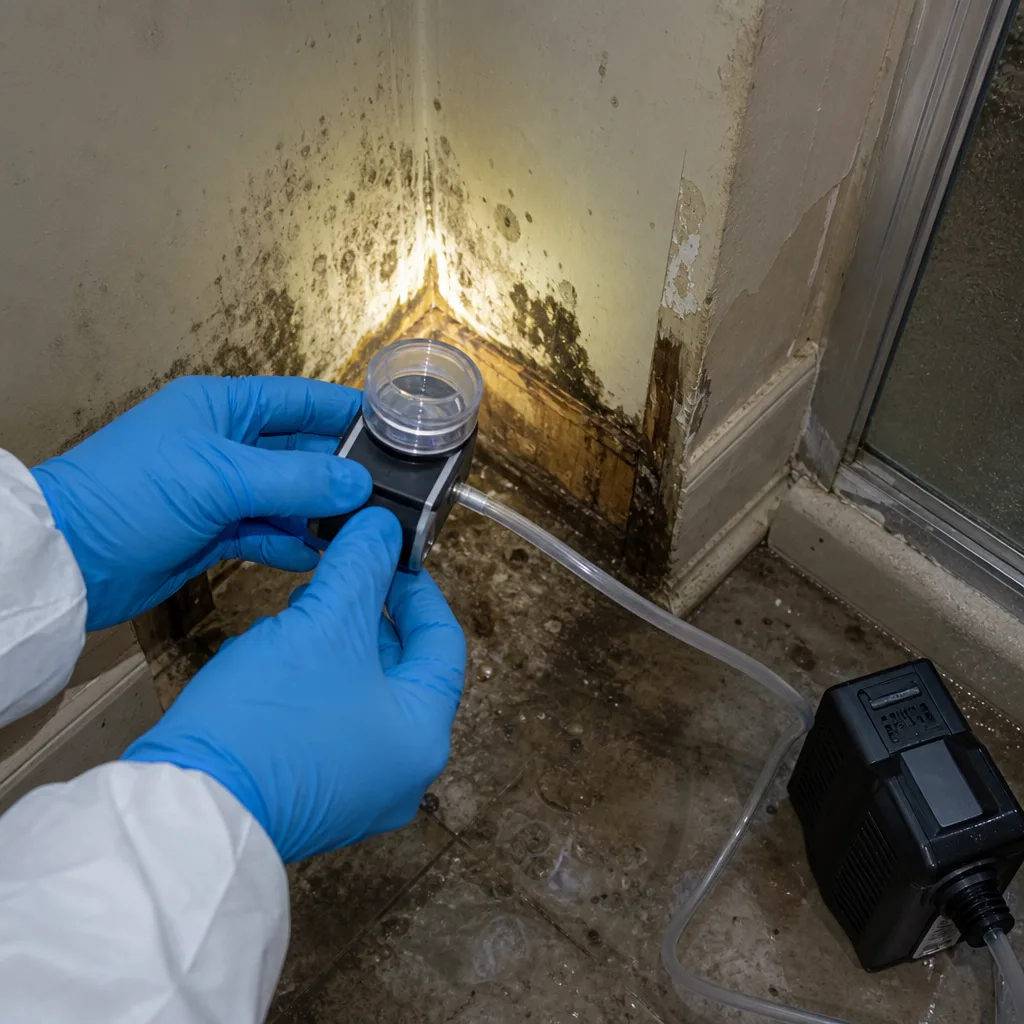
Flood damage restoration goes beyond cleanup into drying the structure itself. Water trapped in floor joists, behind baseboards, or under tile will keep causing damage long after the surface looks dry. We use Dri-Eaz and Phoenix equipment, set up daily moisture readings, and keep a log we hand to you and your carrier. The goal is simple: get the structure to a verified dry standard so mold never gets a foothold.
Emergency Board-Up
Emergency board-up secures your home when a window is blown out, a door won’t close, or a section of wall is open to the weather. We arrive with the right materials to cover openings securely, keeping out rain, animals, and anyone who shouldn’t be inside. In Queens Village, where homes sit close together, an unsecured opening is also a liability issue. We board up the same visit, so the house is secure by the time we leave.
Roof Tarping
Roof tarping puts a temporary watertight barrier over damaged roofing until permanent repairs can be scheduled. Wind can lift shingles or tear off sections of roof, and a tarp stops rain from getting into the attic and running down inside walls. We use commercial-grade tarps and secure them properly, not the corner-cutting method that flaps loose in the next breeze. Tarping buys you time to file a claim and plan the repair without a wet house.
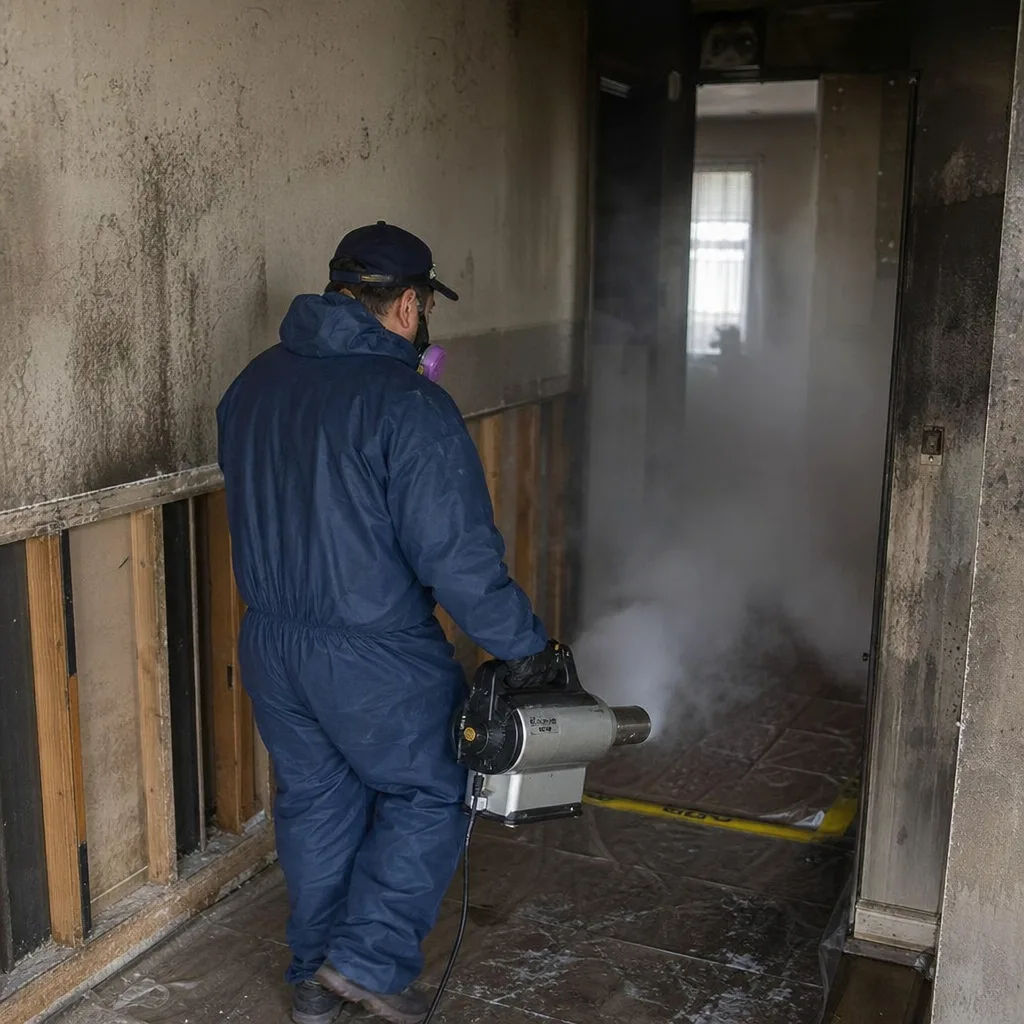
Debris Removal
Debris removal clears fallen branches, damaged siding, broken fencing, and anything the storm deposited on your property. After a bad wind event in Oakland Gardens Storm & Disaster Restoration and Queens Village, yards fill with limbs and shingle fragments that need to go before the real repair work starts. We haul it off and dispose of it properly. If debris has damaged part of the structure, we document that damage as part of the restoration scope, so nothing gets missed with your carrier.
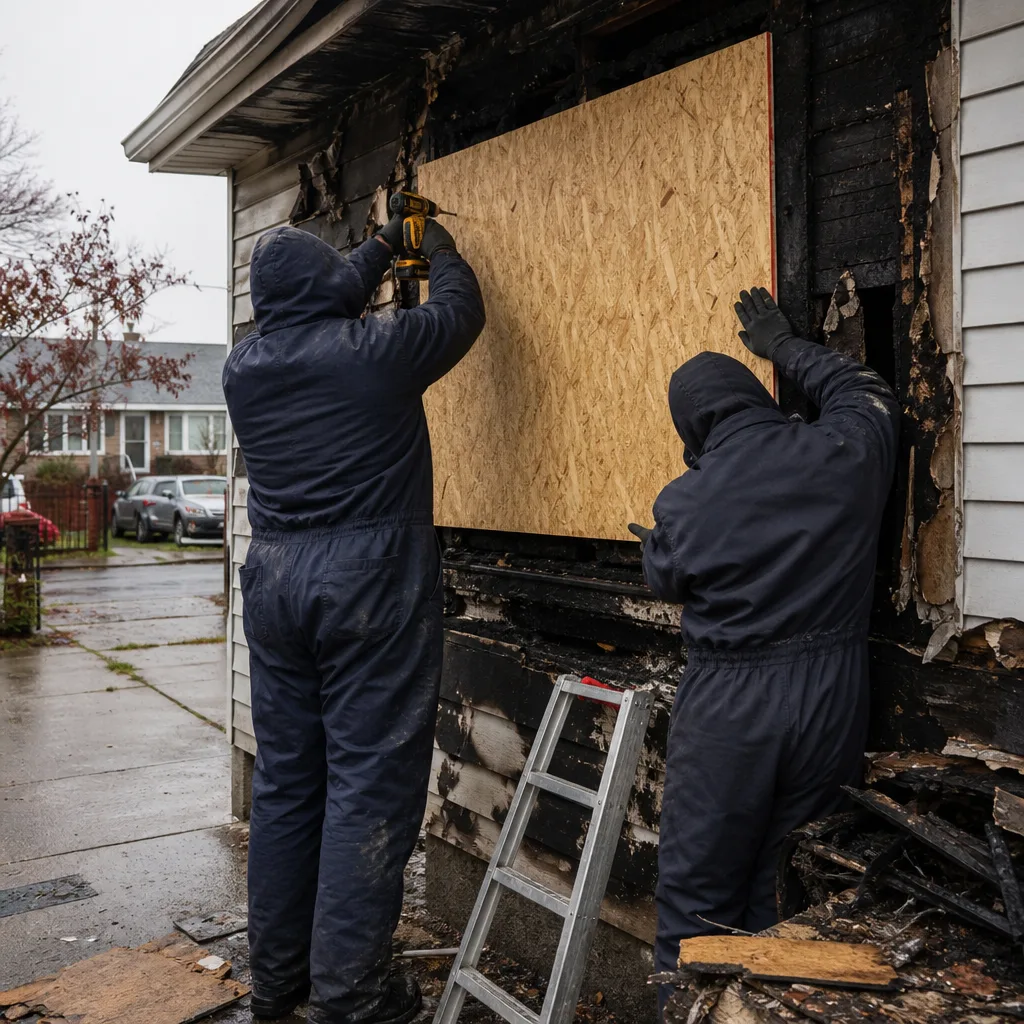
Wind Damage Repair
Wind damage repair addresses what high gusts do to roofs, siding, gutters, and fascia. Queens Village homes built in the 1940s and 1950s often have original trim and older roof decks that can’t take sustained high wind without losing pieces. We repair what’s repairable and replace what isn’t, matching materials so the fix blends with the house. A wind-damaged roof left alone becomes a water damage claim within weeks.
What happens when you call
- 1
A real person answersNo phone trees - you reach a local pro.
- 2
You get an upfront price rangeHonest numbers before anyone is dispatched.
- 3
A background-checked tech heads outLicensed & insured, dispatched right away.
- 4
You approve before work beginsNothing starts until you say go.
Brands We Service for Storm & Disaster Restoration
Floodline Restoration Co. crews work with Dri-Eaz and Phoenix drying systems on nearly every storm restoration job that involves water. We’ve run these units in Queens Village basements and crawl spaces for years, and our technicians know how to set them up for maximum drying speed in tight, older construction. The equipment matters, but knowing where to place it matters more. We read the moisture map, position the units correctly, and adjust daily based on readings, not guesswork.
We also use XPOWER air movers where airflow is the difference between a dry-out that takes three days and one that takes seven. Whether your home has a finished basement, a crawl space, or a flat roof that let water in over the living room, we’ll bring the right equipment for the job. If you have another brand of equipment in your home from a previous contractor, that’s fine too. We assess what’s there and bring what’s needed to finish the job properly.
Signs You Need Storm & Disaster Restoration Right Now
- Water staining on ceilings or walls after a storm. A brown ring or a soft spot means water got in and is sitting where you can’t see it. The longer it sits, the more drywall, insulation, and framing it damages, and the more likely mold follows.
- Basement water or a rising water line on foundation walls. A water line that appears after a storm tells you the drainage around your foundation failed under load. In Queens Village, where many homes have below-grade basements, that water is now against your structure and needs extraction and drying now.
- Missing shingles, lifted flashing, or visible roof damage. Wind damage opens the roof envelope. Rain follows the opening, and you won’t always see where it’s going until a ceiling sags or a wall stains. A tarp now prevents a rebuild later.
- Windows or doors that won’t seal after a storm. Wind can rack a house just enough to throw a door out of square or crack a window frame. That opening lets in water, pests, and outside air, and it’s a signal the structure took a hit worth inspecting.
- Debris against the house or damage to siding and trim. Tree limbs against siding scrape off the protective layer and hold moisture against the wall. Broken or missing siding exposes sheathing. Both are entry points for water damage that starts small and spreads.
Our Storm & Disaster Restoration Process - Step by Step
- 1
Call and talk to a live dispatcher. You reach a person, not a recording, any hour of the day or night. We ask what you’re seeing, tell you what to do right now to stay safe, and get a crew headed your way. Dispatch in Queens Village is local; we know the blocks and the usual storm patterns.
- 2
Assessment and moisture mapping. The crew walks the property, looks at what the storm did, and uses moisture meters to find water you can’t see. We check the roof line, the foundation, the basement, and the interior walls. We photograph everything, because your carrier will want documentation, and so will we for the written scope.
- 3
Stop the bleeding first. Board-up, tarping, extraction, and debris removal happen before anything else. The goal is to stop new water coming in and remove what’s already there. We use professional-grade Dri-Eaz, Phoenix, and XPOWER equipment, set up the same day we arrive.
- 4
Drying and daily readings. We leave drying equipment running and come back to check it daily, not once at the end. Every visit, we log the moisture readings and adjust the setup. You get the log; your adjuster gets the log. Drying to a verified standard is what prevents mold and structural damage from showing up months later.
- 5
Repair, rebuild, and the Keystone Standard. Once the structure is dry, our same crew handles the repairs: drywall, paint, flooring, trim, whatever the storm took. Full-cycle means no handing you off to another company. When we’re done, you get the 90-Day Done Right Promise in writing. If it’s not done right, we make it right. No arguing, no paperwork battles.
How Much Does Storm & Disaster Restoration Cost in Queens Village?
In Queens Village, a typical storm damage cleanup with water extraction runs $900 to $3,200 depending on how much water got in and how many rooms are involved. Flood damage restoration with full drying equipment and daily monitoring usually lands between $2,500 and $7,500 for a standard finished basement. Emergency board-up for a blown-out window or door runs $350 to $900, and roof tarping typically costs $450 to $1,200 depending on roof access and damage area. Wind damage repair varies widely, from a few hundred for missing shingles to $8,000 or more for structural repairs, and we scope that carefully before any work starts.
What moves the price: how long the water sat, whether the damage reached finished living space, the size of the affected area, and what needs replacing versus drying. You avoid overpaying by insisting on a written scope before work begins, which is exactly what we provide. Our estimates are free, and the quote you get is the price you pay. No surprises on the bill, and we bill your carrier directly if you’re filing a claim. Senior and veteran homeowners receive a 5% discount, always. Call (631) 557-5029 and we’ll tell you straight what you’re looking at.
Storm & Disaster Restoration Near Queens Village - Our Service Area
Our crews run storm restoration calls across Queens Village and the surrounding neighborhoods: Bellerose, New Hyde Park, Cambria Heights, Elmont, Floral Park, Fresh Meadows, Oakland Gardens, Hollis, and Valley Stream. Typical response time in Queens Village is under 90 minutes for emergency board-up and tarping calls. If you checked our home page and want to know if we cover your block, call us. We likely do, and we’ll be there when we say.
Serving Queens Village, NY - Our Local Coverage Area
We’re based in the Queens Village area and know this community well. Use the map below to see our service coverage - if you’re nearby, we can almost certainly help.
Frequently Asked Questions - Storm & Disaster Restoration in Queens Village
Storm & Disaster Restoration - Queens Village is the full process of securing, drying, cleaning, and repairing a home after a storm causes damage. It covers board-up, tarping, water extraction, debris removal, structural drying, and the rebuild work that follows. Floodline Restoration Co. handles every phase with the same certified crew, so you never get handed off mid-job.
Most emergency response work, like board-up, tarping, and water extraction, starts the same visit, usually within an hour or two of our arrival. Full drying typically takes three to five days depending on the extent of water intrusion and the materials affected. Reconstruction after drying depends on scope, and we give you a written timeline before that phase begins.
Cost depends on damage type and size. Board-up runs $350 to $900, roof tarping $450 to $1,200, and full flood restoration typically $2,500 to $7,500 for a finished basement. Every job gets a written scope and a firm price before work starts. Call (631) 557-5029 for a free estimate specific to your home.
Yes, and billing goes directly through your carrier. Our crews photograph all damage before work begins, log daily moisture readings, and provide documentation your adjuster can use. You don’t play messenger between us and the insurance company. We handle the paperwork, and you get a copy of everything.
Yes. We answer calls 24/7 with a live dispatcher, not an answering service. If a tree is through your roof or water is rising in your basement, call (631) 557-5029 and a crew will be dispatched immediately. Emergency response in Queens Village is typically under 90 minutes.
Every storm restoration job carries the 90-Day Done Right Promise, the Keystone Standard, in writing. If something isn’t done right within 90 days, we come back and make it right. No arguing, no fine print. We stand behind our work because Curt Bowman built this company on the idea that a name you can hold accountable matters.
Stay out of standing water, especially if electricity is involved anywhere nearby. If it’s safe, move small valuables and documents to a dry room. Don’t try to remove wet drywall or insulation yourself; you risk injury and you’ll disturb evidence your adjuster needs to see. We’ll handle it when we arrive, and we’ll tell you on the phone what to do in the meantime.
Schedule Your Storm & Disaster Restoration Service in Queens Village Today
If storm damage has hit your home, call Floodline Restoration Co. at (631) 557-5029 for a free, no-obligation estimate. A live person answers, day or night, and we’ll have a certified crew on the way. You’ll get a square deal in writing before any work begins, and the 90-Day Done Right Promise when it’s done. Done right, and backed in writing.
Written by Curt Bowman, Owner at Floodline Restoration Co., serving Queens Village since 2010.