
Free visual inspection and a written scope of work before any mitigation begins - photos, moisture readings, and drying logs go in your claim file
The scope we write is the scope we bill. Anything new gets shown to you, in writing, before we touch it.
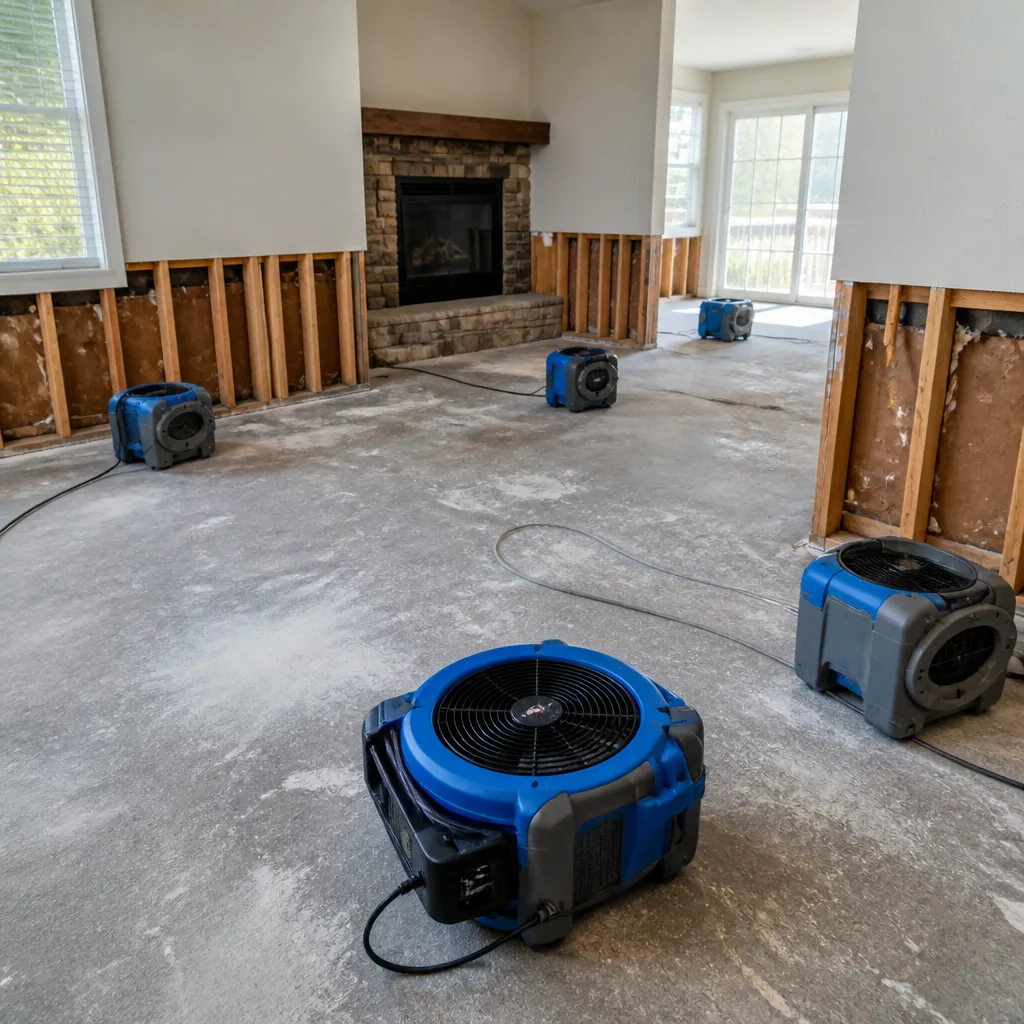
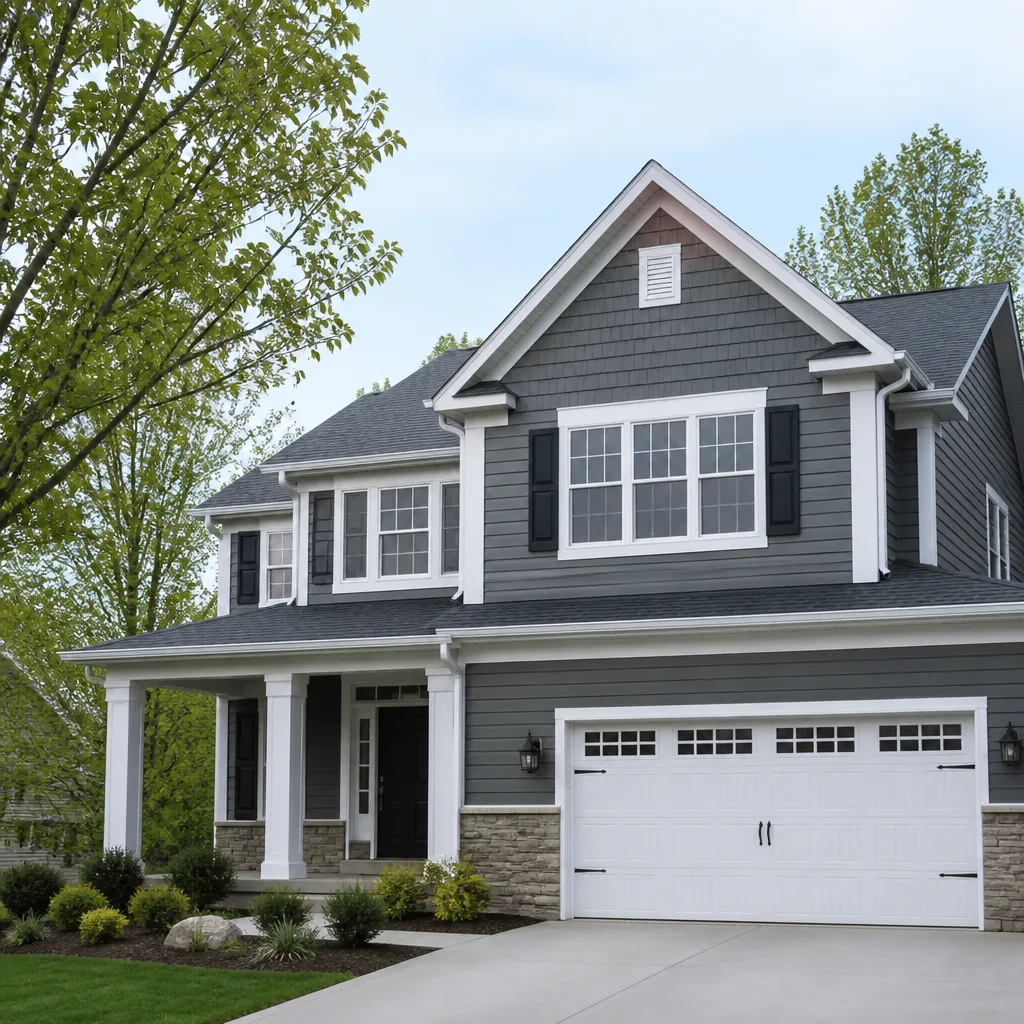
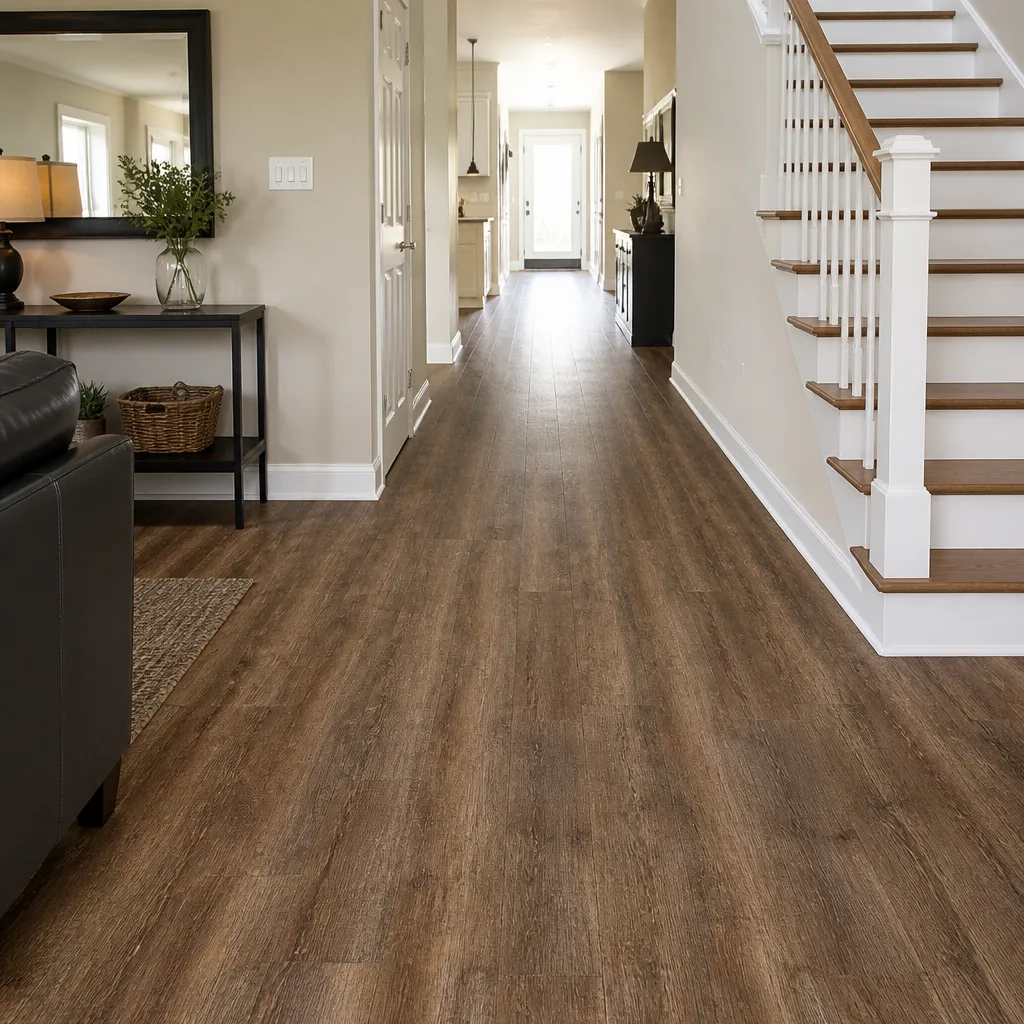
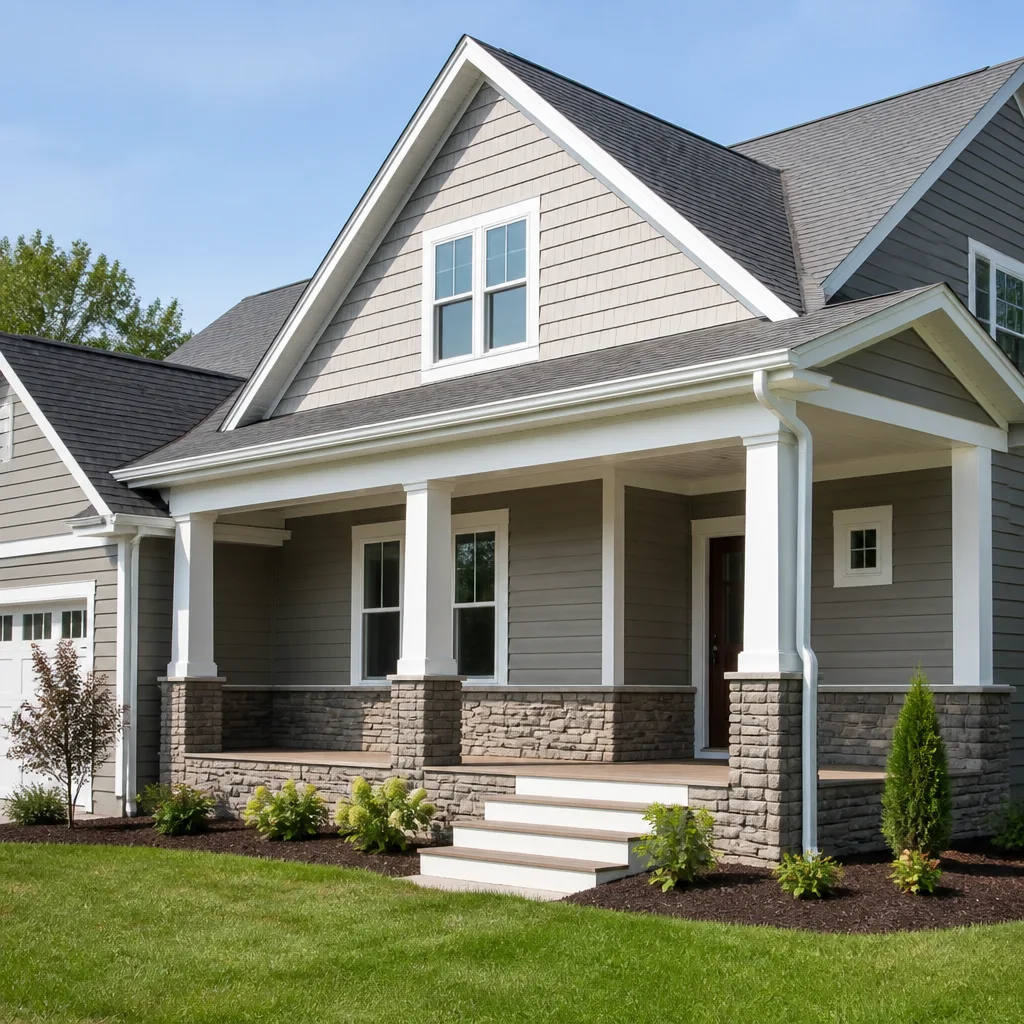
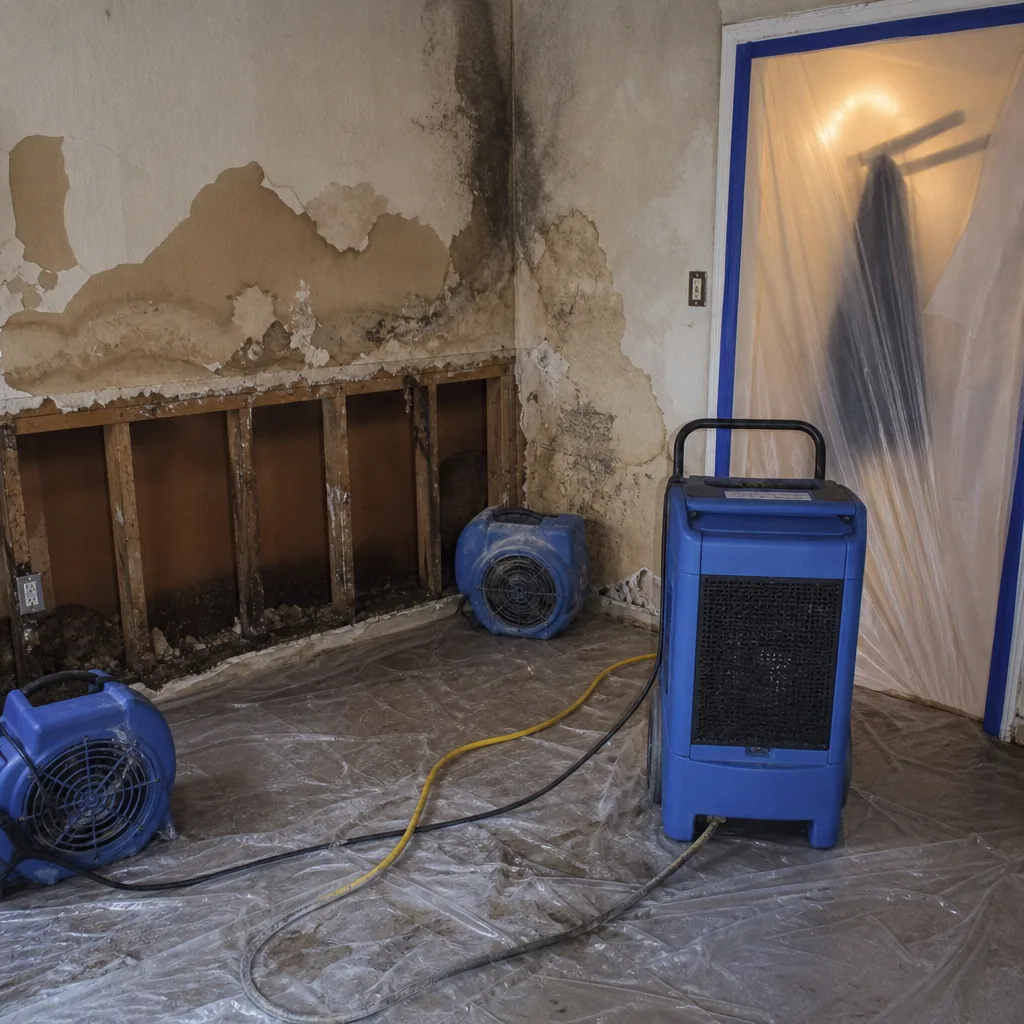 Before
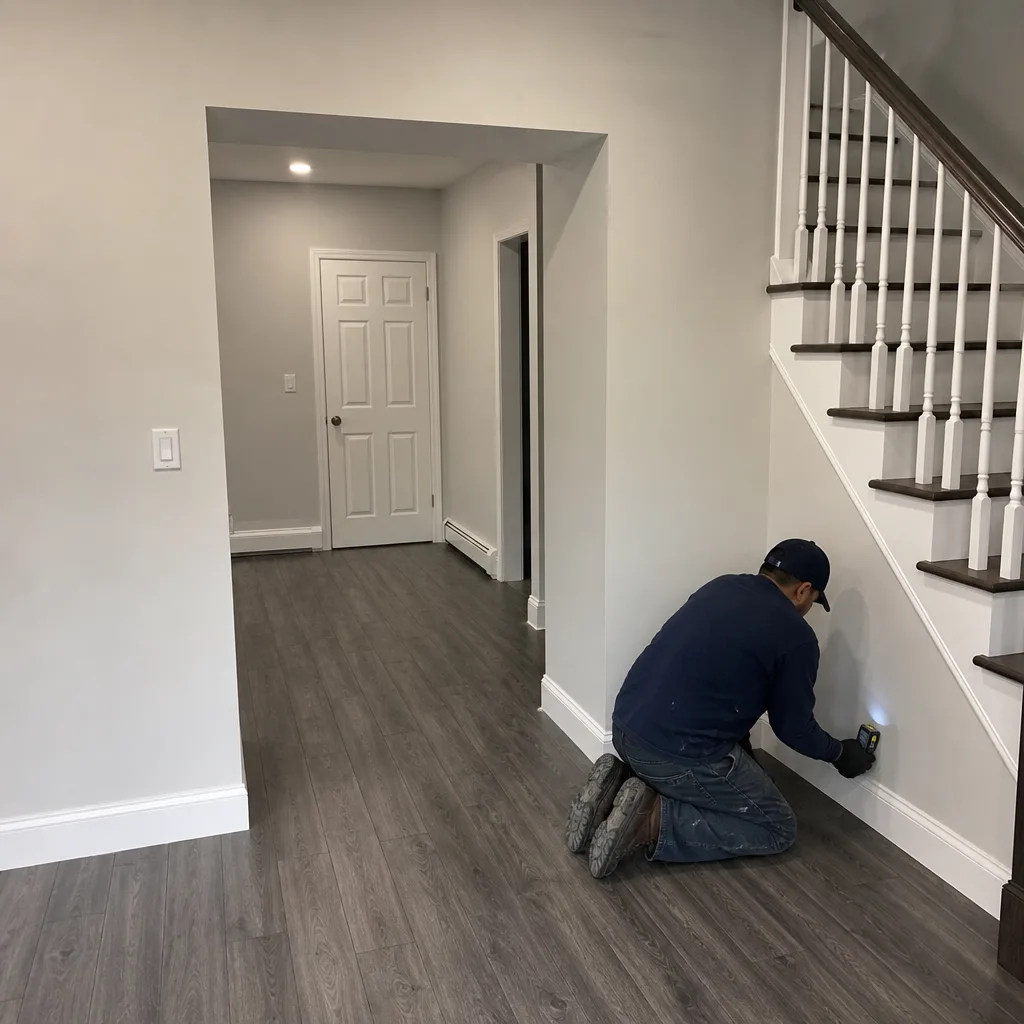 After
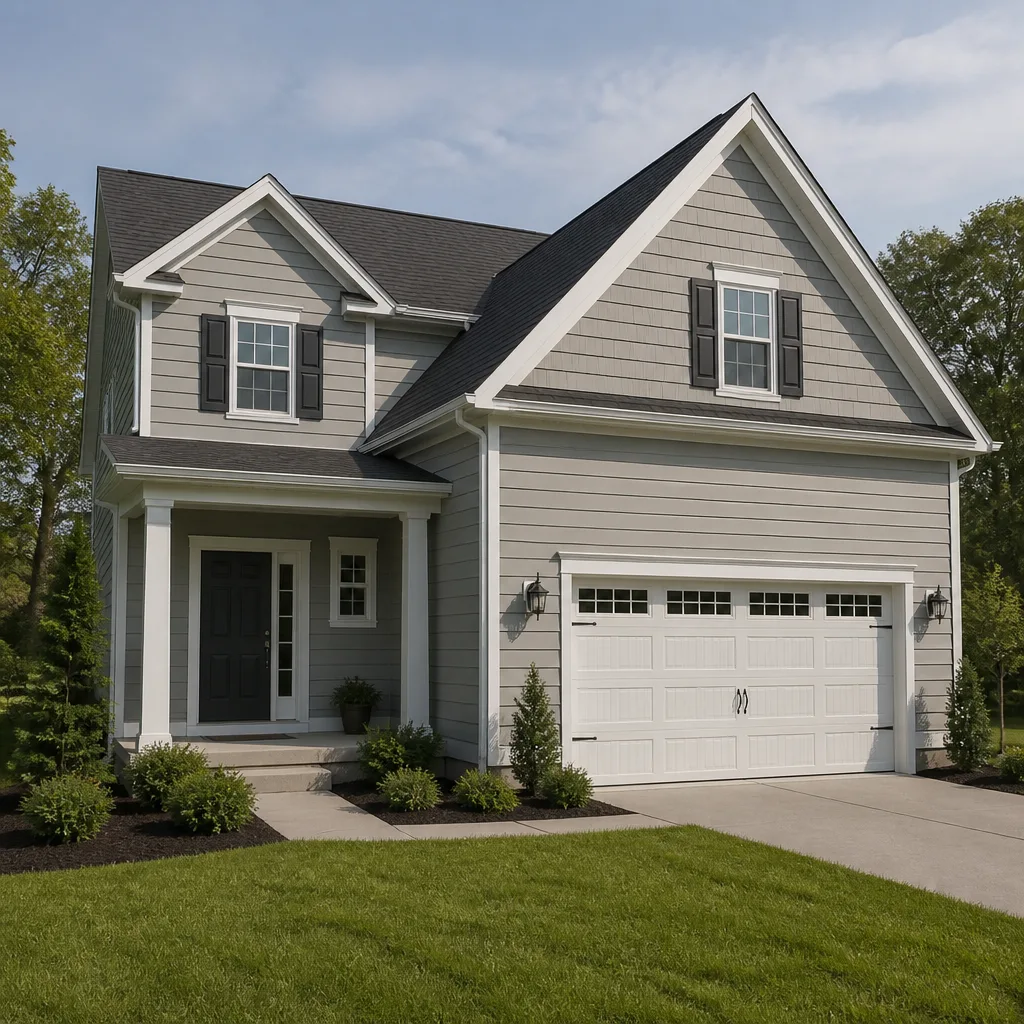
After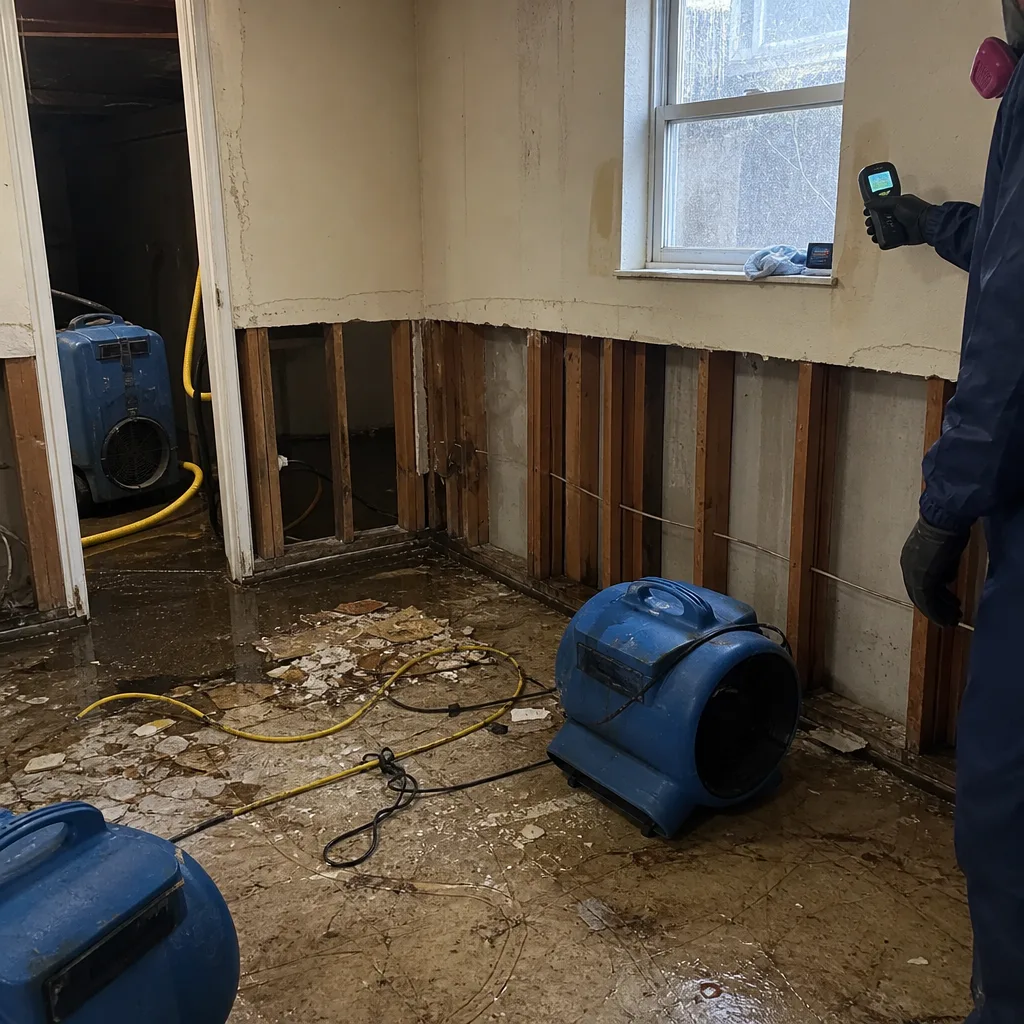 Before
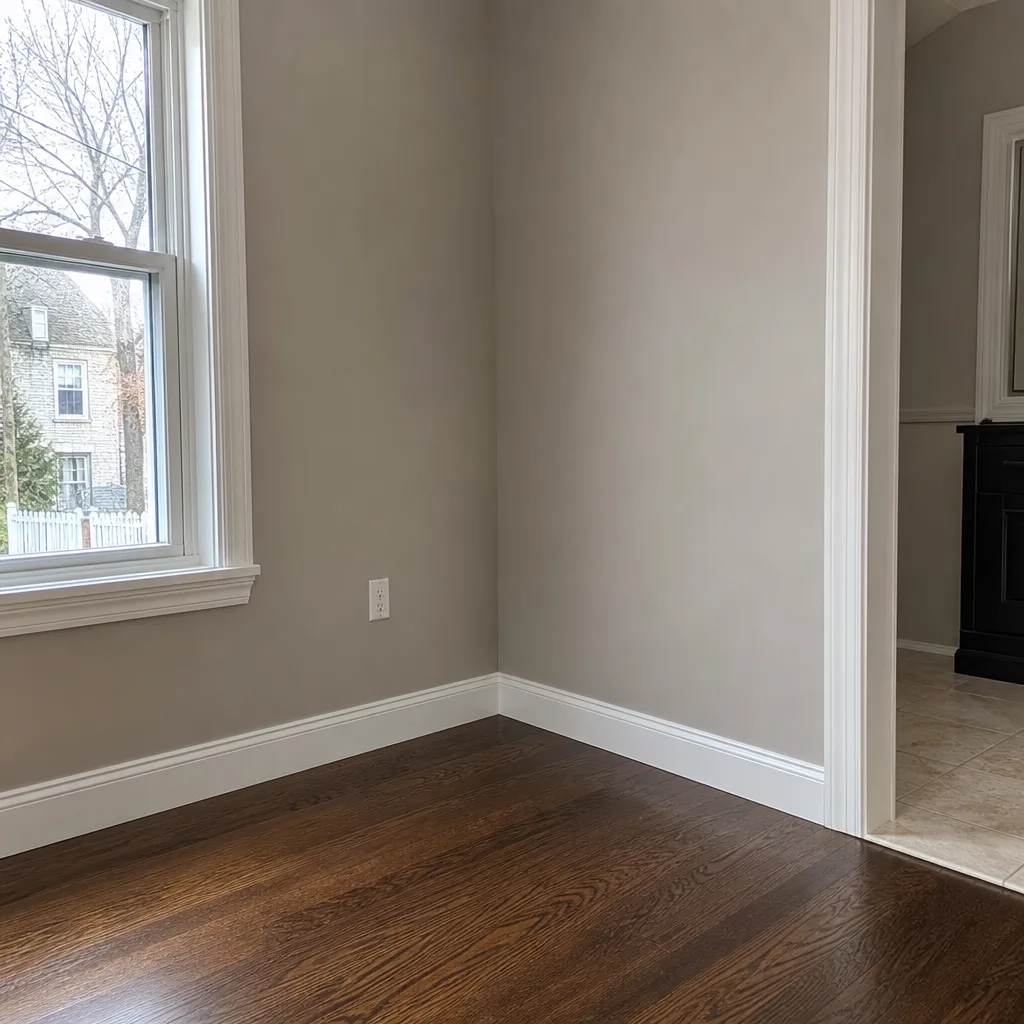 After
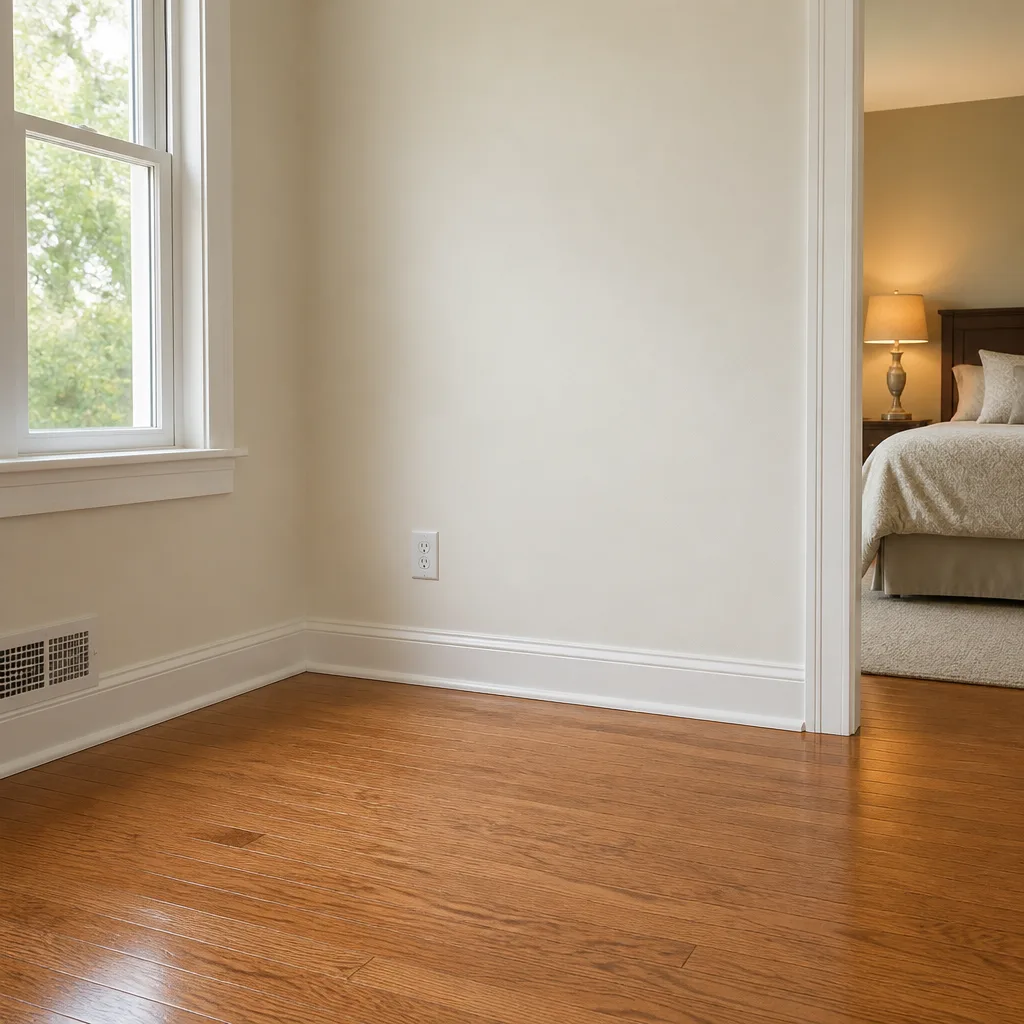
After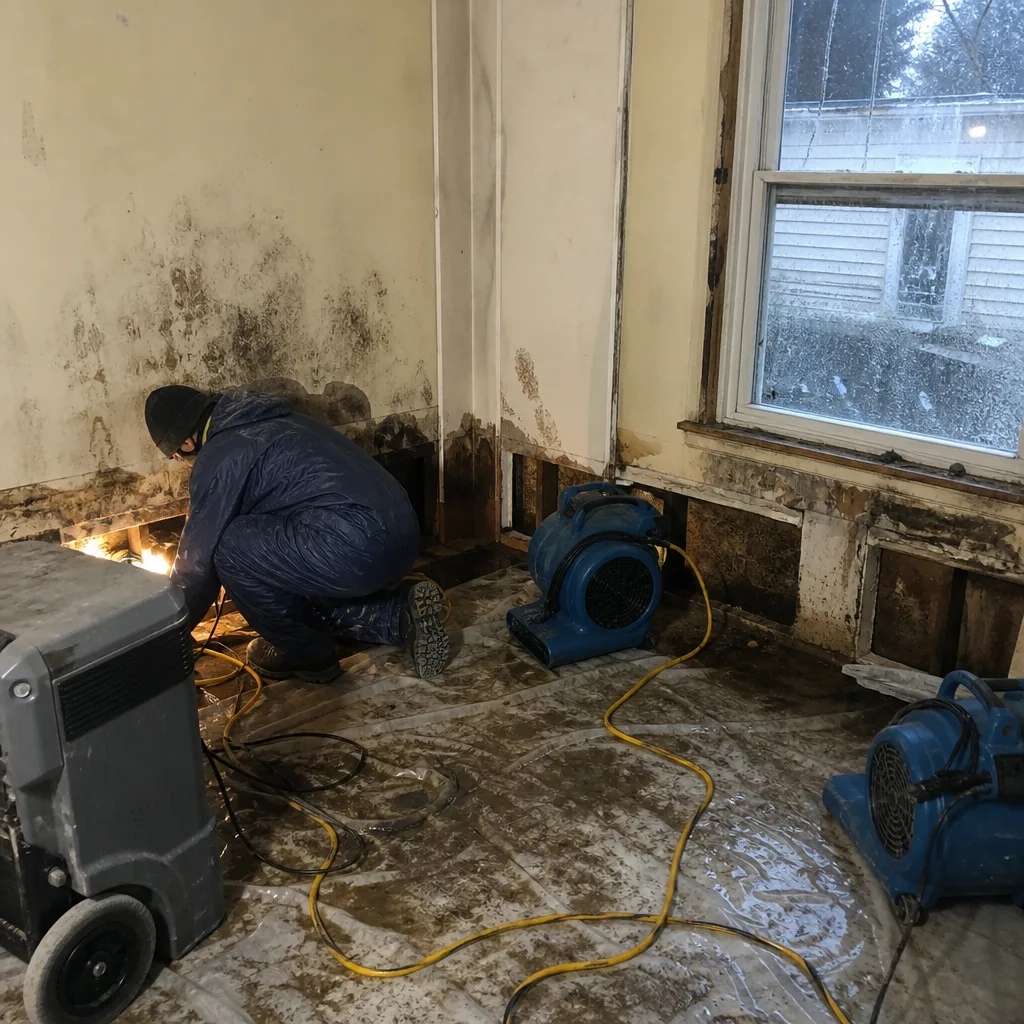 Before
 After
After24/7 Emergency Biohazard & Crime Scene Cleanup in St. Albans
Biohazard and crime scene cleanup in St. Albans starts with one call to (631) 557-5029, answered by a live person no matter the hour. Our certified crews reach St. Albans homes within 45 minutes, set up containment, and begin removing blood, bodily fluids, sewage contamination, or infectious material under strict IICRC protocols. The first hour determines whether a biohazard event stays contained or spreads through your rowhouse’s ductwork and framing. We handle it properly, beginning to end, with direct insurance billing and a written scope before any equipment gets plugged in.
Understanding Biohazard & Crime Scene Cleanup Severity in St. Albans Properties
St. Albans rowhouses and two-family homes from the 1940s through 1960s carry a specific construction profile that shapes how biohazard contamination spreads. Forced-air heating runs through shared interior walls and floor cavities. When blood, decomposition fluids, or Category 3 sewage enters a finished basement, pathogens don’t sit politely at the surface; they wick into drywall, saturate subflooring, and aerosolize through your return vents within hours. A cleanup that skips containment, HEPA air scrubbing, and structural drying of affected framing leaves the odor and the contamination behind the baseboards. In an owner-finished basement apartment near Baisley Boulevard or off Farmers Boulevard, that means a rental unit that keeps smelling for months, long after the carpet was pulled. Severity also depends on the volume and path of contamination. Crime scene and unattended death events introduce bloodborne pathogens that demand full PPE, EPA-registered disinfectants, and disposal through licensed biohazard waste channels. Infectious disease disinfection requires dwell times, not just spray-and-wipe. We stress this plainly because under-scoped work in a brick St. Albans rowhouse is a known way to leave a family with recurring odor and repeated surface contamination, particularly when the clean water flood that started it all turns septic through a combined sewer backup that pushes black water up through the floor drain.
Why St. Albans Property Owners Choose Floodline Restoration Co.
- 45-minute live response: A live person answers at (631) 557-5029, and our nearest certified crew is dispatched to St. Albans immediately, day or night.
- IICRC, RIA, and IFA certified crews: Bloodborne pathogen training, containment expertise, and full biohazard disposal compliance on every single job.
- Free visual inspection: We assess the contamination spread, the affected materials, and the moisture path before any invoice is discussed.
- Direct insurance billing: We document the loss from hour one, build your claim, and coordinate straight with your adjuster. You never play messenger.
- One crew, start to finish: Same certified technicians handle containment, remediation, drying, and the rebuild that follows. No handed-off strangers.
- 90-Day Done Right Promise: Every biohazard job in St. Albans is backed in writing. If it’s not right, we make it right. No arguing.
Our Biohazard & Crime Scene Cleanup Process
Inspection & Assessment
We scope the contamination type, measure the affected area, and document every surface with photos and notes. For St. Albans basement events, we check the sewer connection and building drainage history before the first cut.
Containment & Source Control
HEPA negative-air machines and plastic barriers seal the affected space so contaminated air and particulates don’t migrate through the rowhouse. This is especially important in homes with forced-air ductwork shared between units.
Extraction & Biohazard Removal
We remove blood, fluids, contaminated porous materials, and any sewage backflow using Dri-Eaz extraction units and proper particulate protection. Affected drywall, carpet, and padding are cut out and disposed of through licensed channels.
Cleaning & Antimicrobial Sanitization
Every affected surface is treated with EPA-registered disinfectants at proper dwell times, then wiped, not just sprayed. We treat framing, subfloor, and any remaining materials that stay in place.
Drying, Air Scrubbing & Verification
Phoenix and Dri-Eaz dehumidifiers pull moisture from the structure. HEPA air scrubbers run continuously, and we log moisture readings until the affected area is back to a verified dry standard, not just a visual guess.
Repairs & Restoration
Our carpenters rebuild the affected space, whether it’s drywall, flooring, or a full basement apartment, so you don’t have to bring in a second contractor after remediation.
Need Emergency Biohazard & Crime Scene Cleanup in St. Albans Now?
Crews minutes away, answering live 24 hours a day. The sooner we start, the less it costs.
Working With Your Insurance Company
Biohazard claims in St. Albans get complicated fast, especially when a finished basement rental unit is involved and the loss began as a sewer backup. We photograph every contaminated surface before anything gets moved. We log moisture readings with time stamps, keep containment in place until the space is verified clean, and give your adjuster a line-item scope tied to actual work performed. If your carrier questions whether the contamination was Category 3, our documentation shows the backflow source and the affected materials. That evidence usually ends the argument early, and it’s the difference between a covered claim and a months-long dispute.
What We Provide Your Insurer
- Thorough documentation of the loss
- Photos of all damage, room by room
- Moisture readings and drying logs
- A detailed, line-item scope of work
- Direct coordination with your carrier
Built for St. Albans’s Loss Calendar
Most St. Albans biohazard calls are not random. January freezes split water supply lines in unheated basement additions and crawl spaces, sending clean water through a finished space until it finds a floor drain. From there, the aging combined sewer turns it septic. March and April bring thaw cycles and spring rains; since St. Albans sits on low-lying, historically marshy ground, even a 2-to-3-inch storm can push water over window wells on flat lots, flooding finished basements that would stay dry in better-drained parts of Queens. Summer thunderstorms overload the combined sewer system, backing black water up through basement floor drains near Merrick Boulevard and Linden Boulevard corridors. Nor’easters in fall and early winter repeat the same theme: stormwater with nowhere to drain, aging drains, and thousands of 1940s and 1950s rowhouses with owner-finished basements. When the water that enters is Category 3, the cleanup is a biohazard job, not a drying job. That’s the honest threshold we apply before quoting any work in St. Albans.
Biohazard & Crime Scene Cleanup Across St. Albans’s Neighborhoods
Response routes through St. Albans follow the old street grid: Linden Boulevard running east-west, Farmers Boulevard running north-south, and the dense blocks off Baisley Boulevard heading toward the Belt Parkway edge. The rowhouses around downtown St. Albans, near the LIRR station, are mostly two-family brick and frame attached homes with shared party walls and duplicated mechanical runs. A contamination event in one unit there can aerosolize through a shared return before anyone knows it happened. Over near Addisleigh Park, the homes are a mix of detached brick colonials and large frame houses on wider lots. Finished basements there are common, and so are the illegal or unpermitted rental units that change how a biohazard cleanup has to be scoped. North toward Hollis, the blocks shift to attached frame rowhouses with narrow rear yards and quick access to Hillside Avenue. South toward Baisley Pond and the park, homes sit lower and closer to the old wetland soil, which means every basement flood there deserves a Category 3 assumption until proven otherwise.
Specialized Biohazard & Crime Scene Cleanup Services We Offer in St. Albans
Crime Scene Cleanup
We remove blood and bodily fluids from affected surfaces, dispose of contaminated materials through licensed biohazard channels, and sanitize the space to a safe condition. In St. Albans rowhouses, we always inspect shared walls and ductwork for contamination that traveled beyond the visible scene.
Trauma & Unattended Death Cleanup
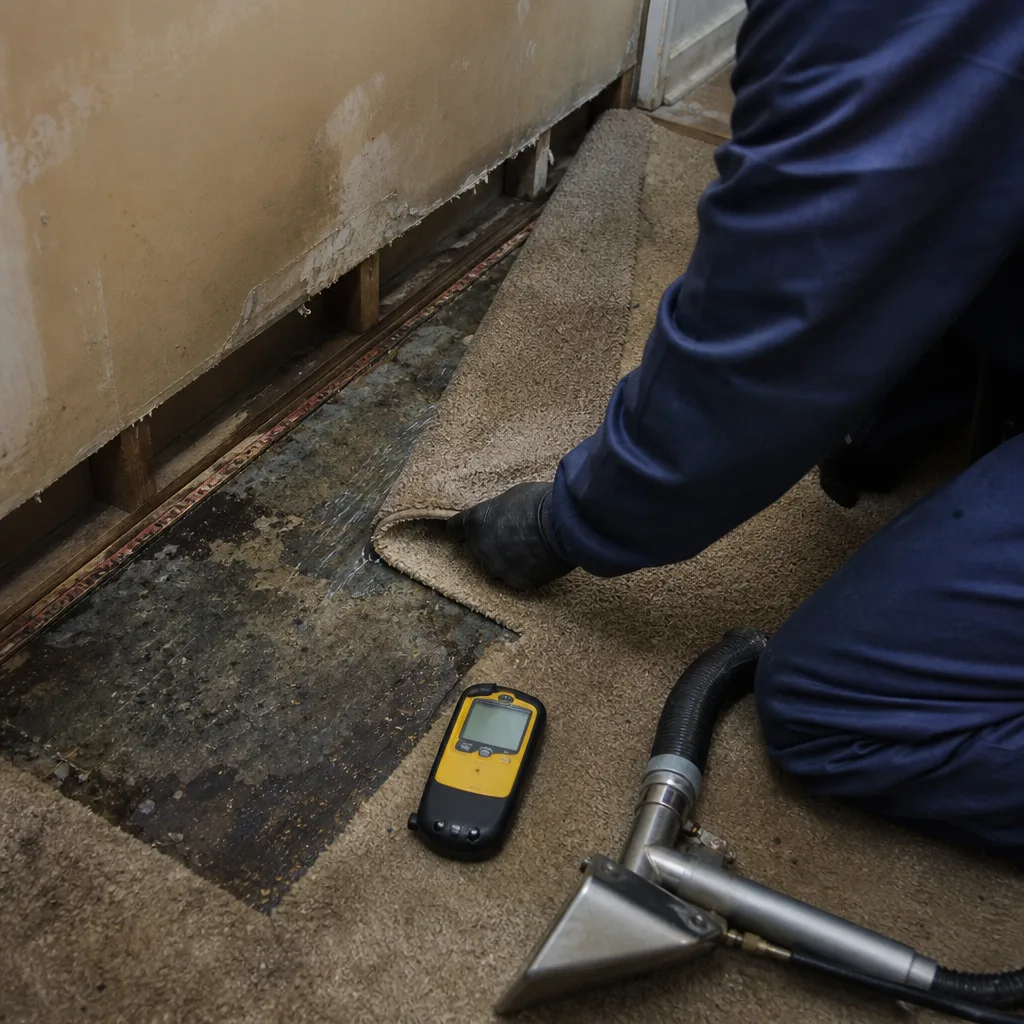
Decomposition fluids penetrate subflooring and drywall quickly, especially in older homes. We extract, remove affected porous materials, run HEPA air scrubbers, and restore the space so the family doesn’t carry the aftermath alone. We also handle the pack-out and post-remediation rebuild where needed.
Hoarding Cleanup
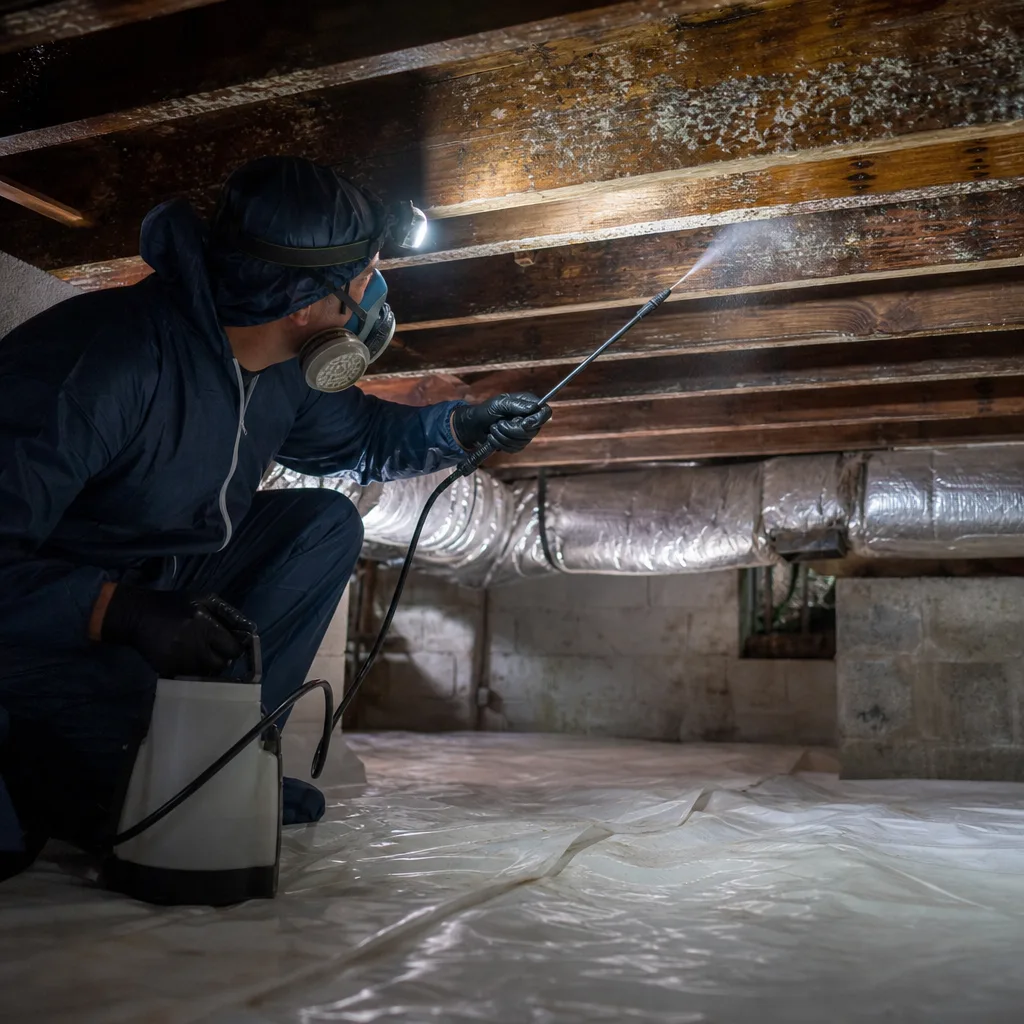
Hoarding conditions in St. Albans basements and upper floors often combine biohazard waste, animal waste, and structural damage. We set up containment before disturbing anything so bioaerosols don’t spread through the forced-air system common in 1940s-60s rowhouses.
Blood & Bodily Fluid Cleanup
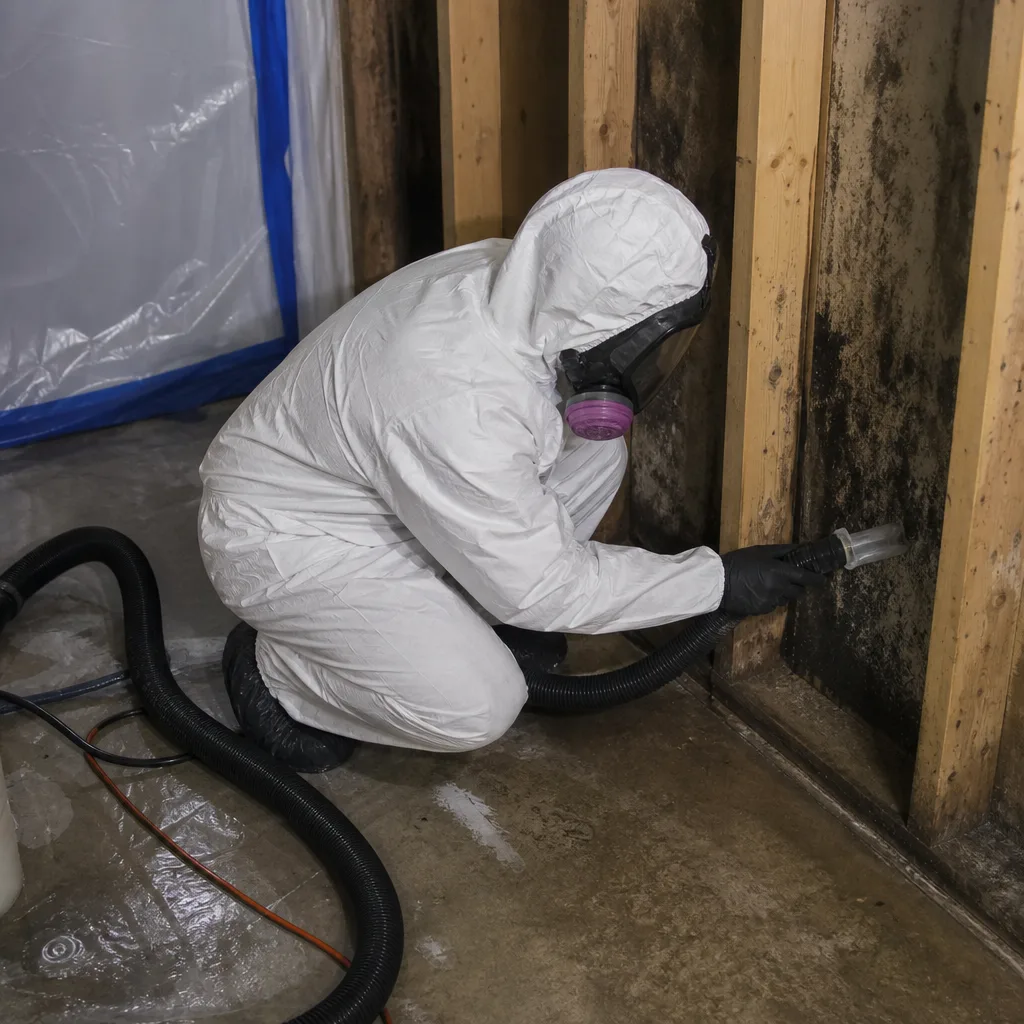
Bloodborne pathogen safety is non-negotiable. Our crews wear full PPE, follow IICRC and OSHA-aligned bloodborne pathogen protocols, and treat the affected framing and subfloor, not just the visible surface. Quick surface cleaning leaves proteins that resurface as odor.
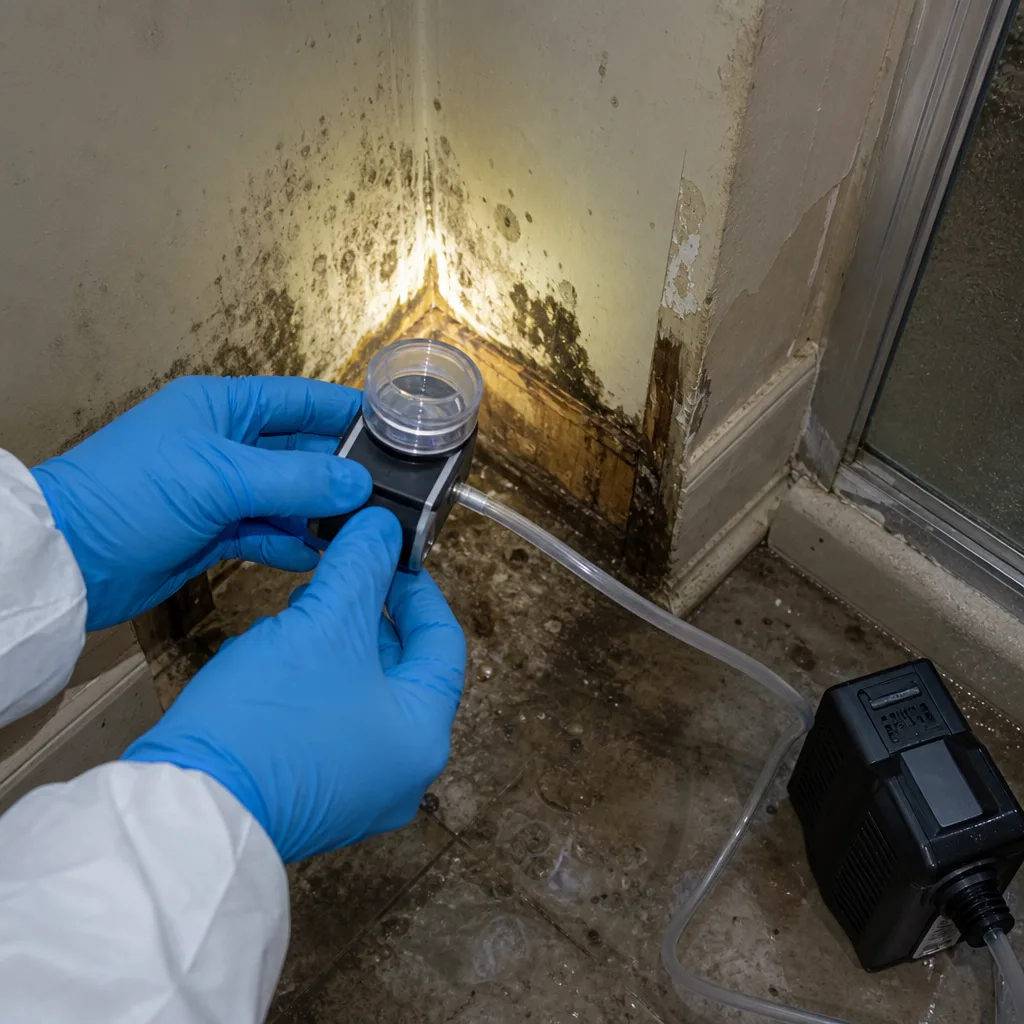
Infectious Disease Disinfection
We apply EPA-registered disinfectants at the proper dwell times, with full coverage of high-touch and contaminated surfaces, using fogging and wiping where appropriate. For two-family homes in St. Albans, we can often isolate and treat a single unit without forcing the whole building to vacate.
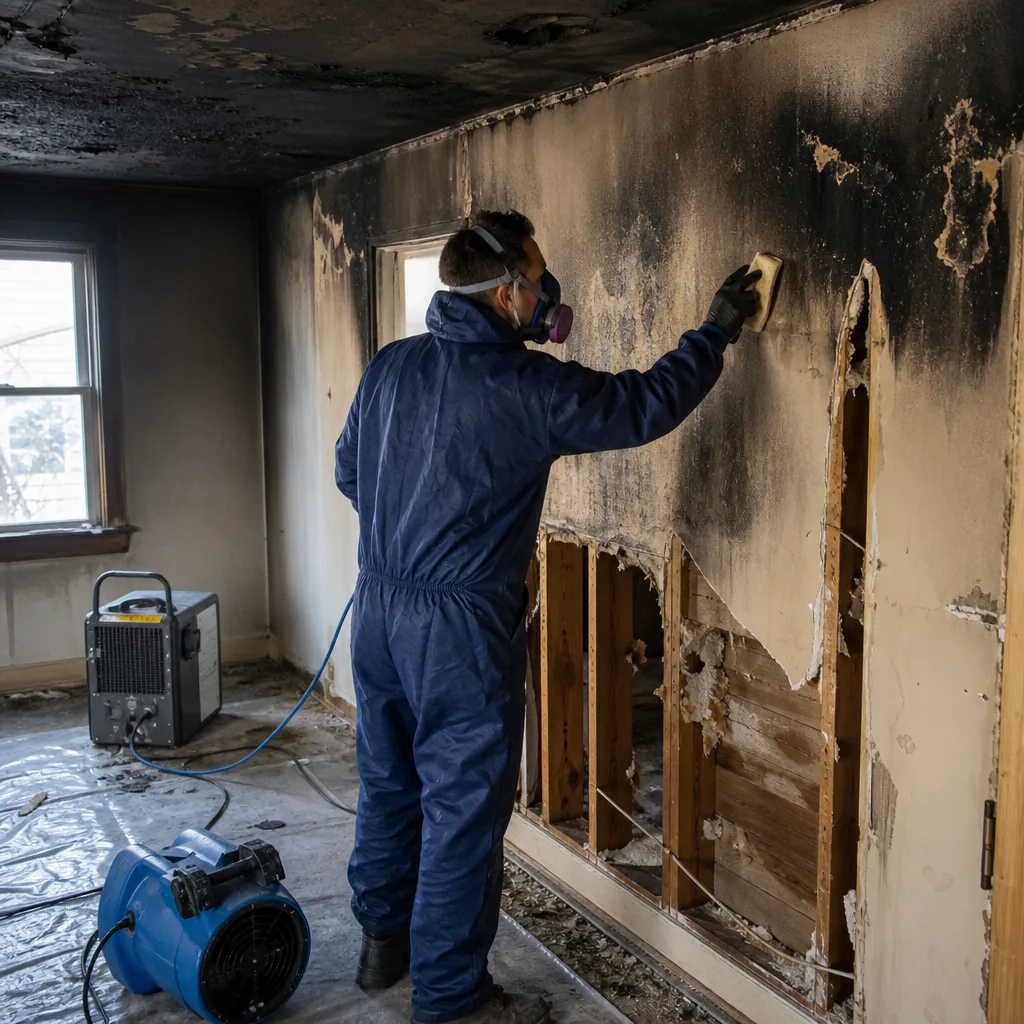
What happens when you call
- 1
A real person answersNo phone trees - you reach a local pro.
- 2
You get an upfront price rangeHonest numbers before anyone is dispatched.
- 3
A background-checked tech heads outLicensed & insured, dispatched right away.
- 4
You approve before work beginsNothing starts until you say go.
Biohazard & Crime Scene Cleanup Costs in St. Albans, NY
A typical blood or bodily fluid cleanup in a St. Albans home runs $1,200 to $3,500, depending on the affected surface area and how far fluids penetrated framing and subfloor. An unattended death, where decomposition has extended over days, often lands between $3,000 and $8,000 because of the added material removal and long-term odor control. A sewage backflow that turns a basement into a Category 3 biohazard job generally costs $4 to $7 per square foot for full containment, extraction, antimicrobial treatment, and disposal. Hoarding cleanup ranges widely, from $2,000 for a small room to $15,000 or more for a full house with structural repairs. Every job starts with a free visual inspection so you get a firm written scope with a number attached, not a wide estimate and a surprise later. We bill your carrier directly where coverage applies.
We Also Serve Cities Near St. Albans
Our biohazard and crime scene cleanup crews respond locally across the St. Albans border into Queens Village, Bellerose, New Hyde Park, and Cambria Heights. If your property sits just over the line, call us and we’ll route the nearest certified crew to your address.
Serving St. Albans, NY - Our Local Coverage Area
We’re based in the St. Albans area and know this community well. Use the map below to see our service coverage - if you’re nearby, we can almost certainly help.
St. Albans Biohazard & Crime Scene Cleanup Questions, Answered
Does St. Albans’s combined sewer history change how you scope a biohazard cleanup after a basement flood?
Yes. St. Albans sits on low-lying, historically marshy ground with an aging combined sewer system. When heavy rain pushes sewage up through a basement floor drain, the water is Category 3 by definition: it carries bacteria, viruses, and parasites. We scope the job as a full biohazard remediation with containment, extraction, antimicrobial treatment, and disposal, not as a simple dry-out. Call (631) 557-5029 and we’ll assess the backflow source before a single fan gets plugged in.
What should a St. Albans homeowner do if a tenant dies in an unpermitted basement apartment and there is no legal occupancy record?
The biohazard cleanup still gets done. You are not required to prove the unit was legal before we respond. We treat the scene with the same bloodborne pathogen protocols and disposal compliance as any other unattended death. Then, if you need it, we can guide you through what documentation the remediation provides, which often becomes relevant if DOB or an insurance adjuster raises questions about the space later.
How does moisture mapping help prove a biohazard cleanup is complete in a St. Albans rowhouse?
Moisture mapping logs readings from every affected material, from drywall to subfloor to framing, at the start and throughout the job. It shows your adjuster and future tenants that the structure was returned to a verified dry standard, not just visually dried. In a St. Albans rowhouse where shared party walls trap moisture, this is often the evidence that ends a dispute about hidden mold or lingering odor.
Can you perform infectious disease disinfection in a St. Albans two-family home without forcing the whole building to vacate?
In most cases, yes. We seal the affected unit with containment barriers and negative air pressure so disinfection stays inside the work area. The other unit can usually remain occupied. The specific circumstances depend on the shared systems and the contamination type, which we assess during the free inspection.
What is the difference between drying out a hoarding cleanup and a typical water loss in St. Albans?
Hoarding cleanup combines water damage, biohazard waste, and often pest-related contamination in one space. The drying strategy changes because belongings block airflow and hold moisture longer. We remove the waste and unsalvageable contents first, then run the drying equipment with proper containment so the process doesn’t spread contaminated particulates through the home.
How fast can you actually get to a St. Albans address for a biohazard emergency?
Our live dispatcher answers at (631) 557-5029 day or night, and the nearest certified crew reaches most St. Albans locations within 45 minutes. The sooner we start containment, the less contamination spreads through the structure.
Will my homeowners insurance cover a biohazard cleanup in St. Albans?
That depends on the cause. A sewage backflow after a storm is often covered, especially with documentation showing the source and the Category 3 classification. A crime scene or unattended death may fall under specific policy provisions. We document everything from hour one and coordinate directly with your adjuster so the claim stands on evidence, not opinions.
What should I do in the first 30 minutes after discovering a biohazard situation in my St. Albans home?
Do not touch anything, do not attempt to clean the area yourself, and do not turn on your HVAC system. The risk of spreading contamination through your St. Albans rowhouse’s forced-air ducts is immediate. Close the door to the affected space, keep people and pets away, and call (631) 557-5029. We’ll walk you through the next steps while the crew is on the way.
Written by Curt Bowman, Owner at Floodline Restoration Co., serving St. Albans with certified biohazard and crime scene cleanup, backed by the 90-Day Done Right Promise.