
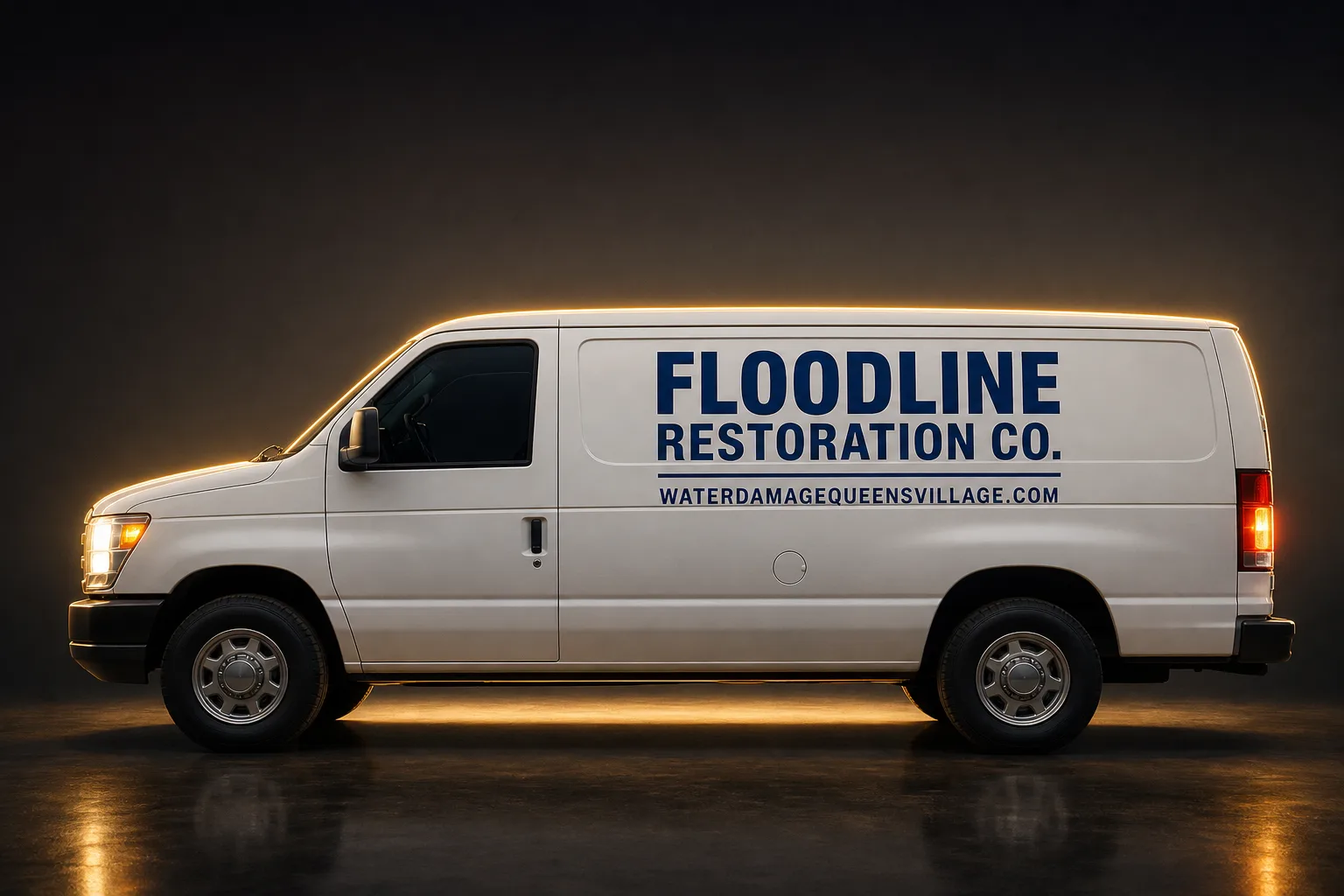
Free visual inspection and a written scope of work before any mitigation begins - photos, moisture readings, and drying logs go in your claim file
The scope we write is the scope we bill. Anything new gets shown to you, in writing, before we touch it.
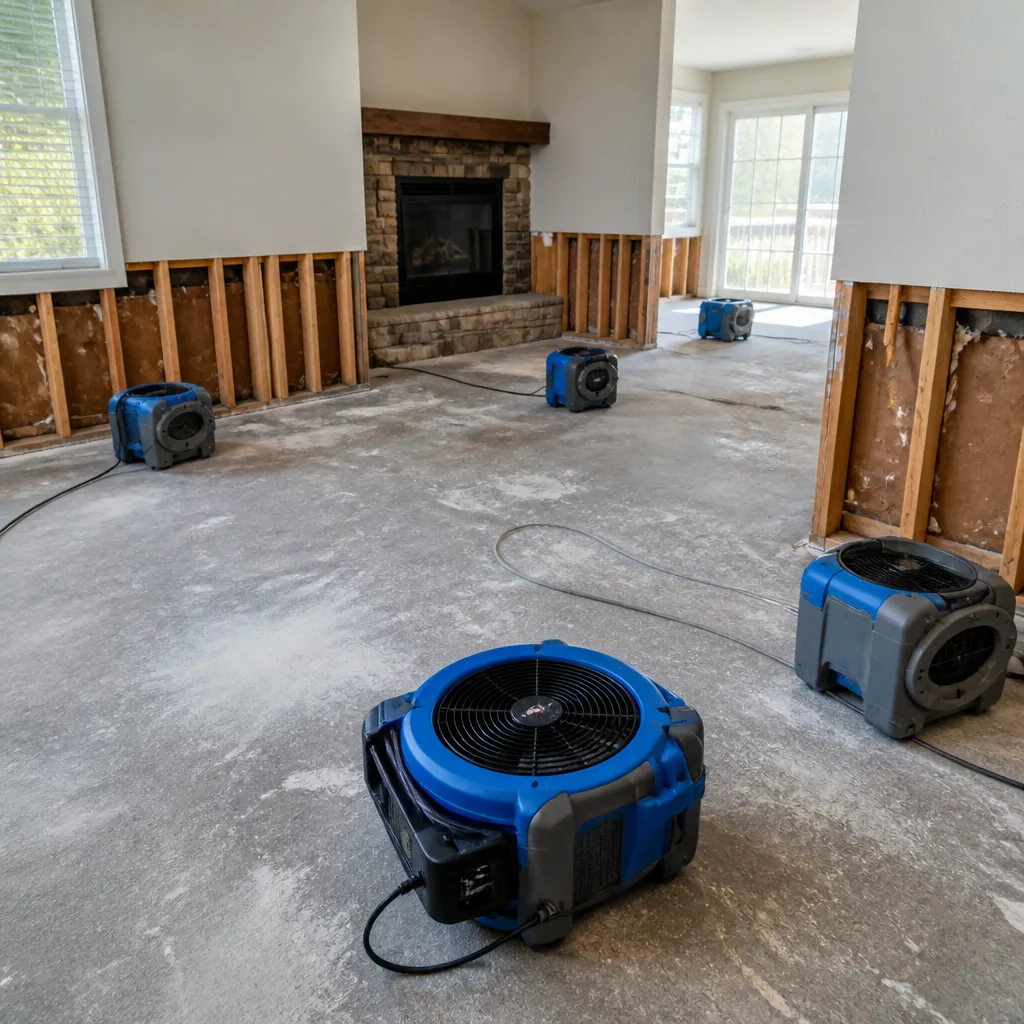
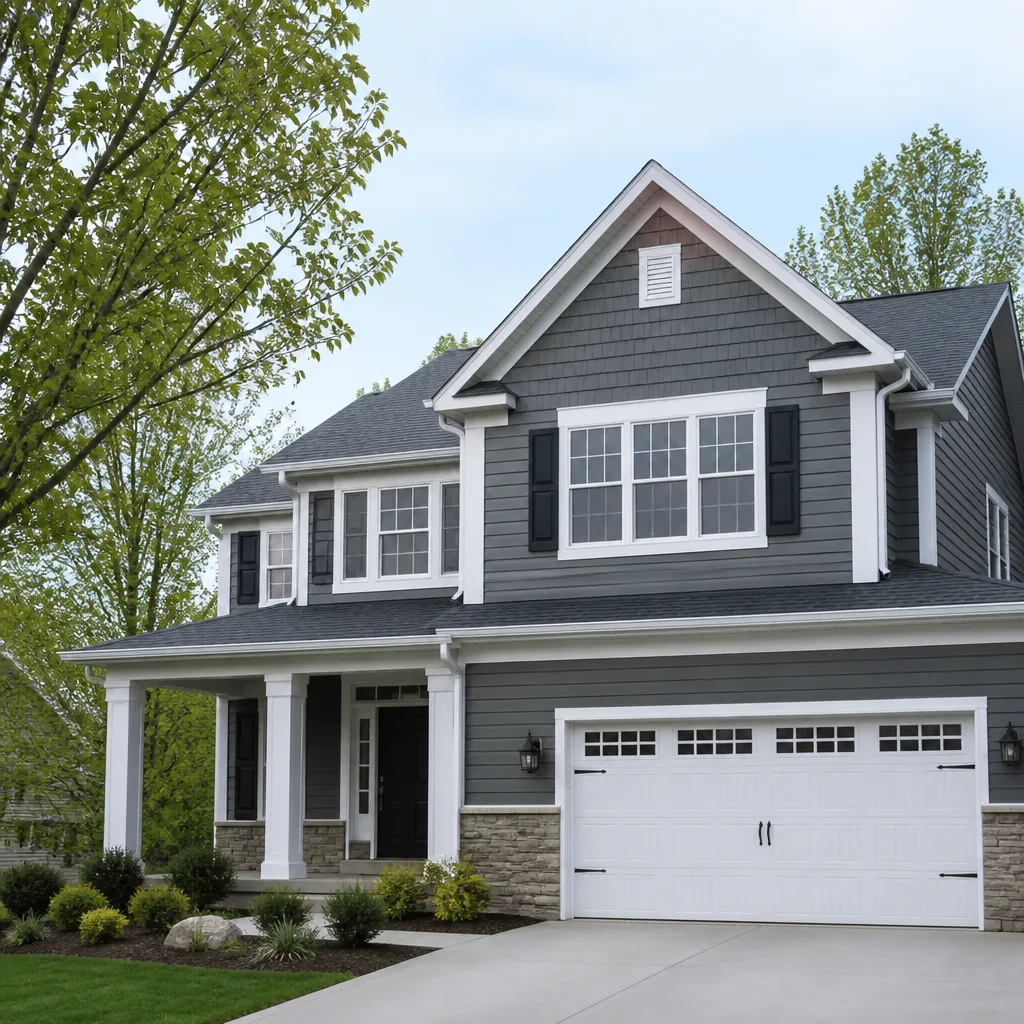
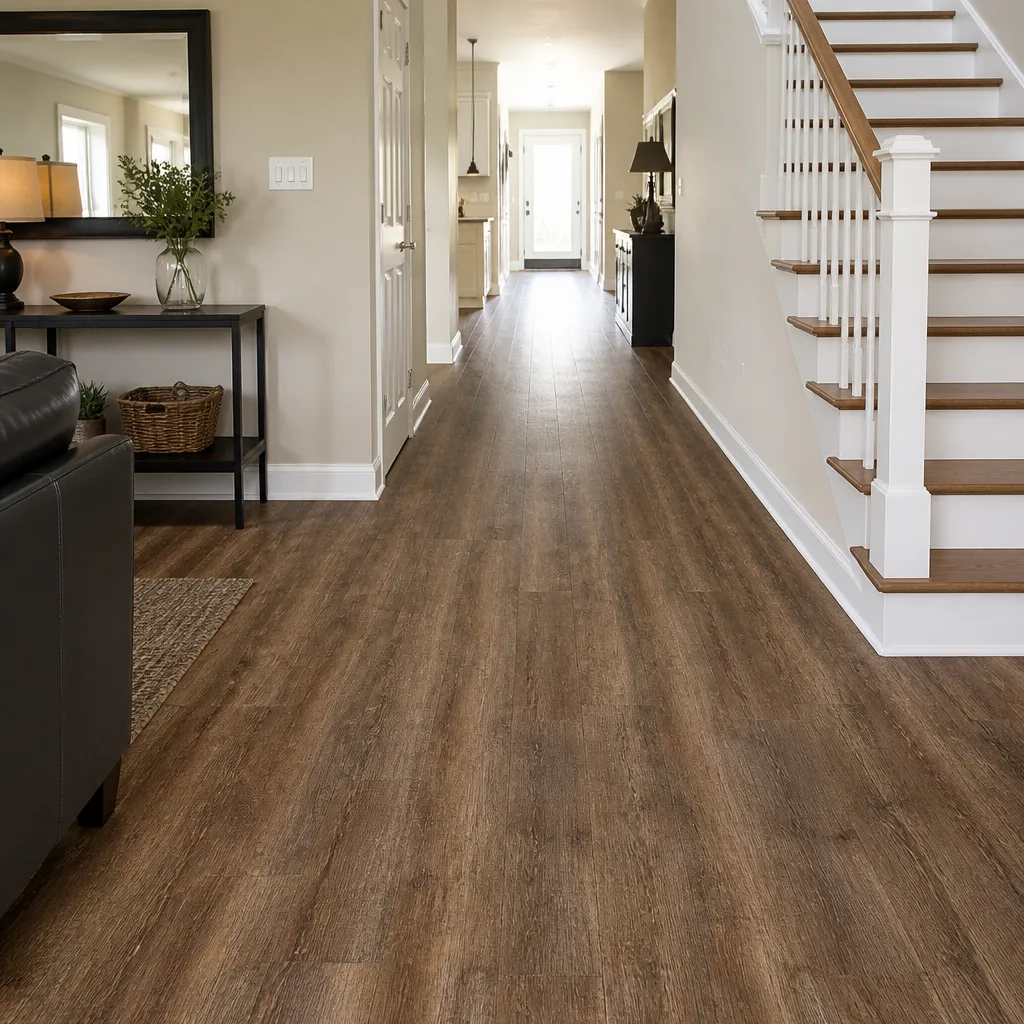

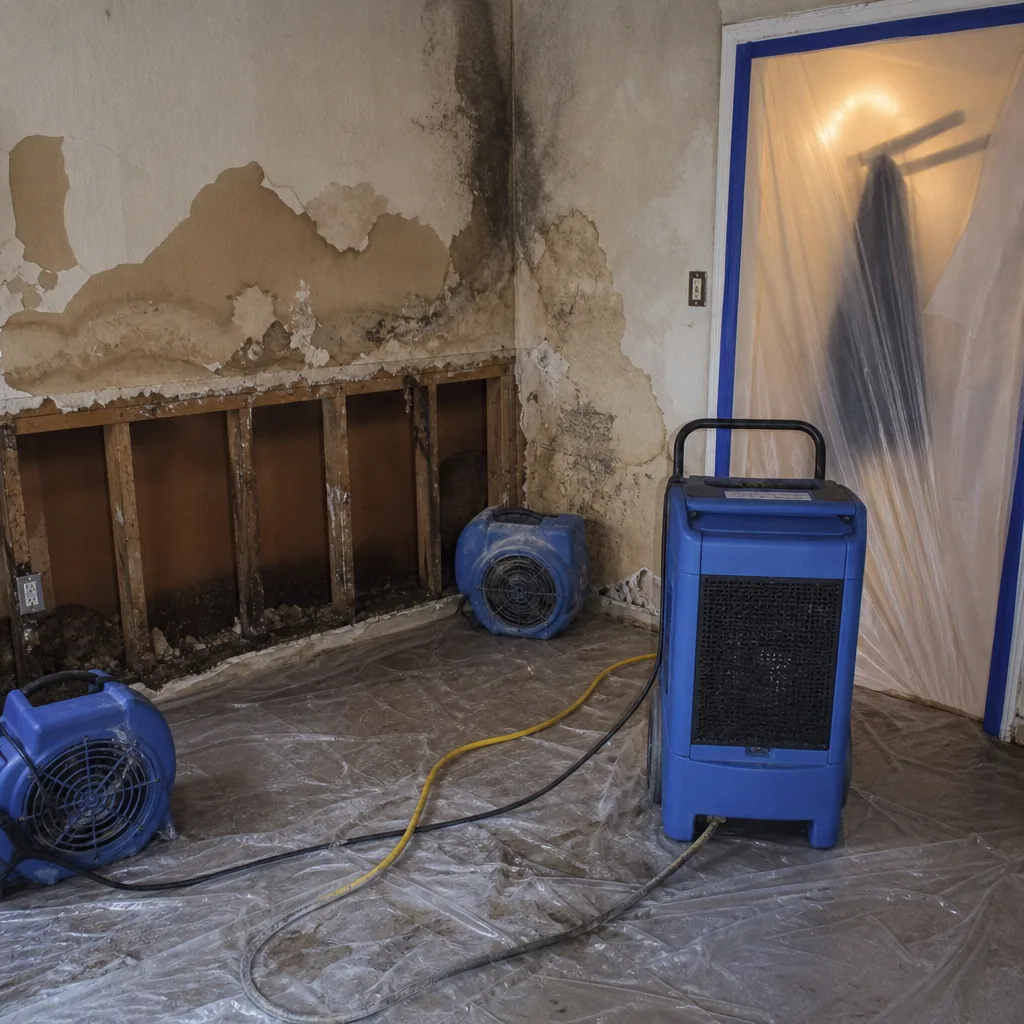 Before
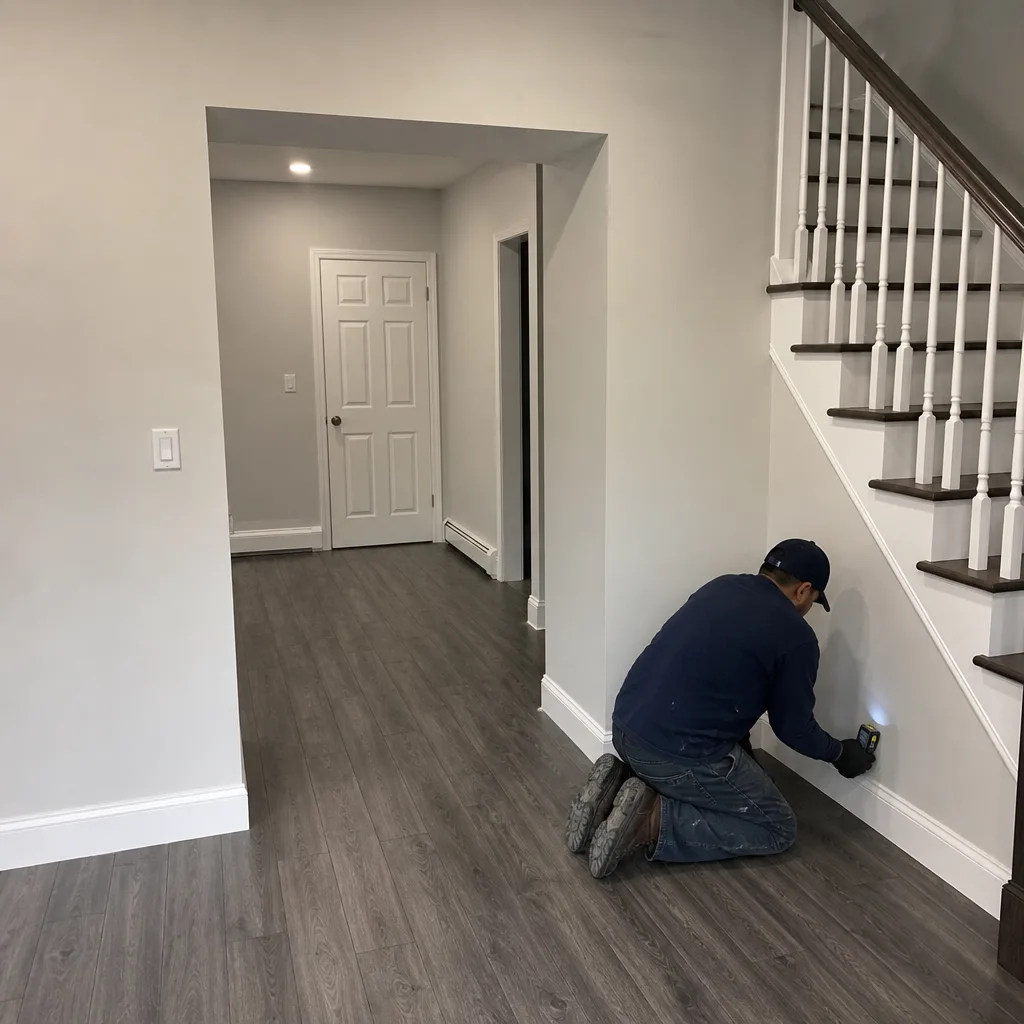 After
After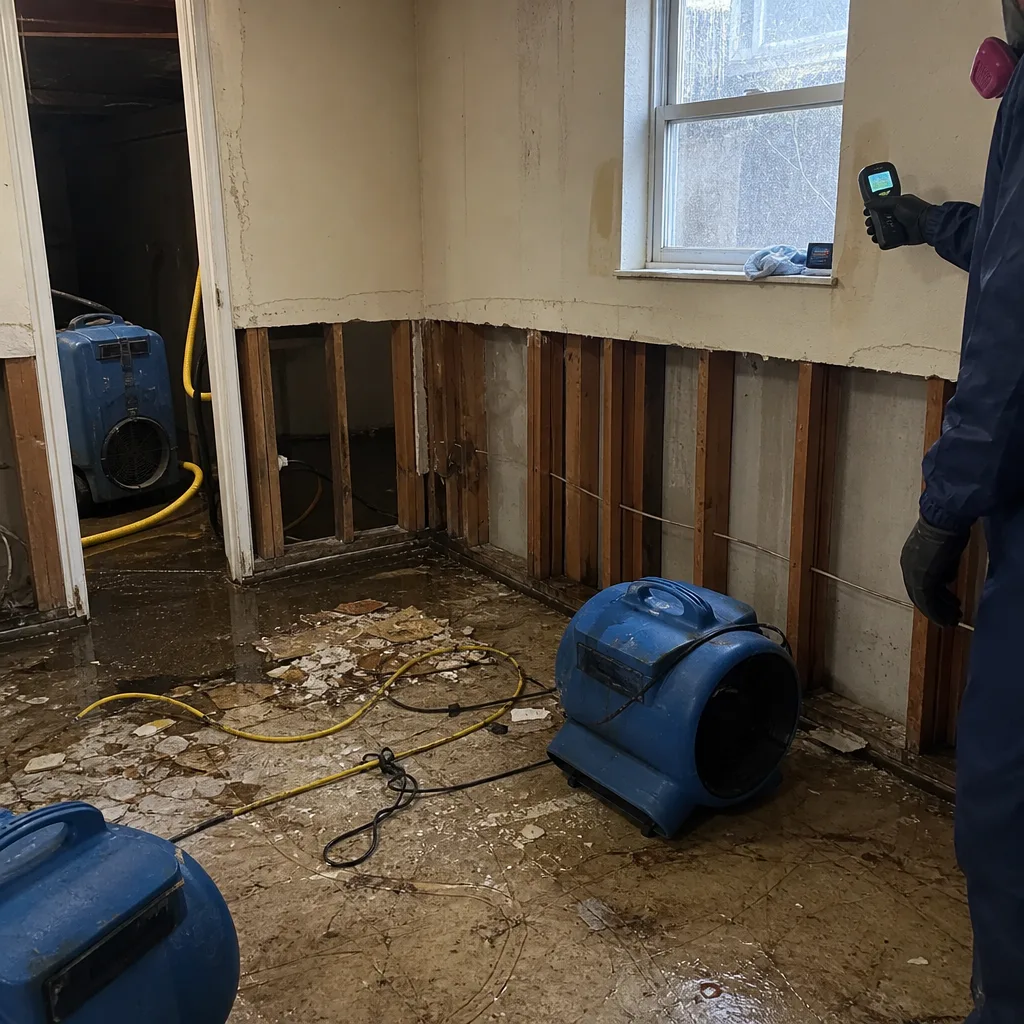 Before
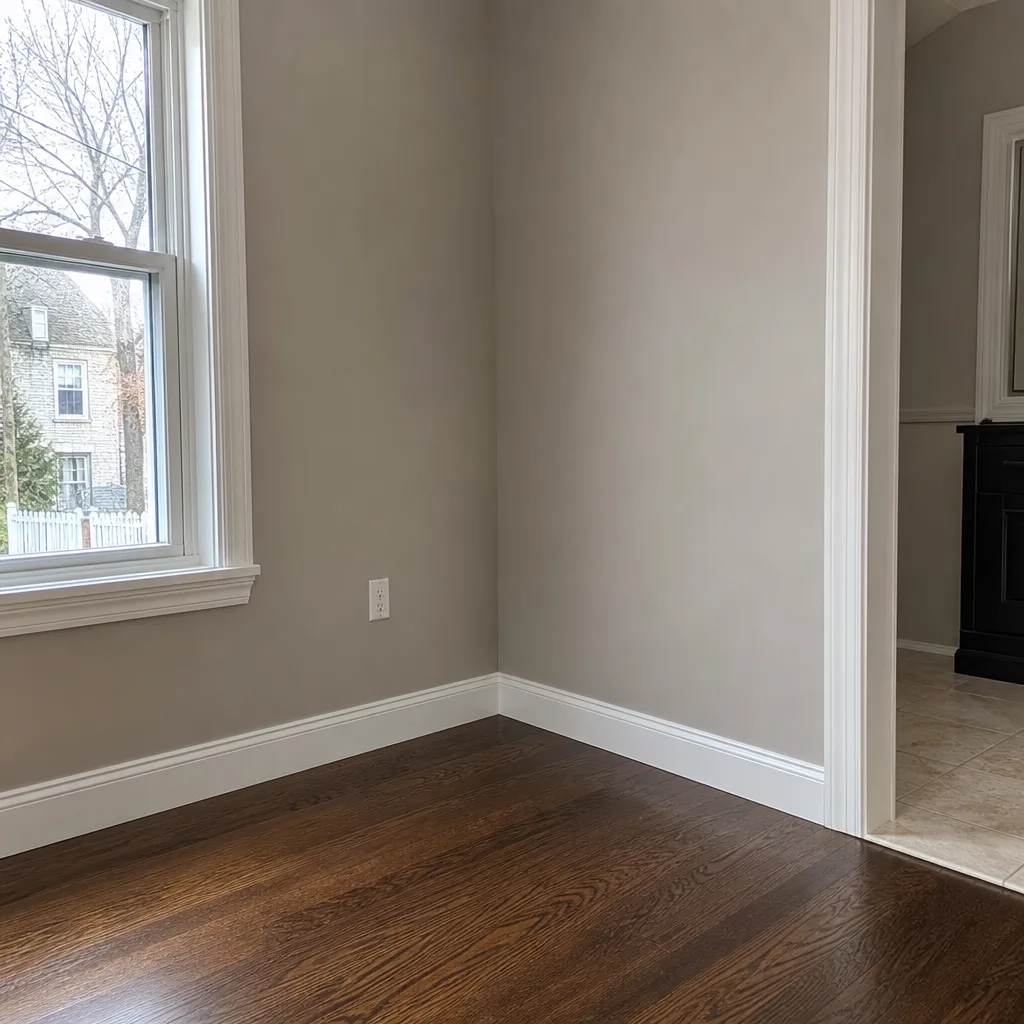 After
After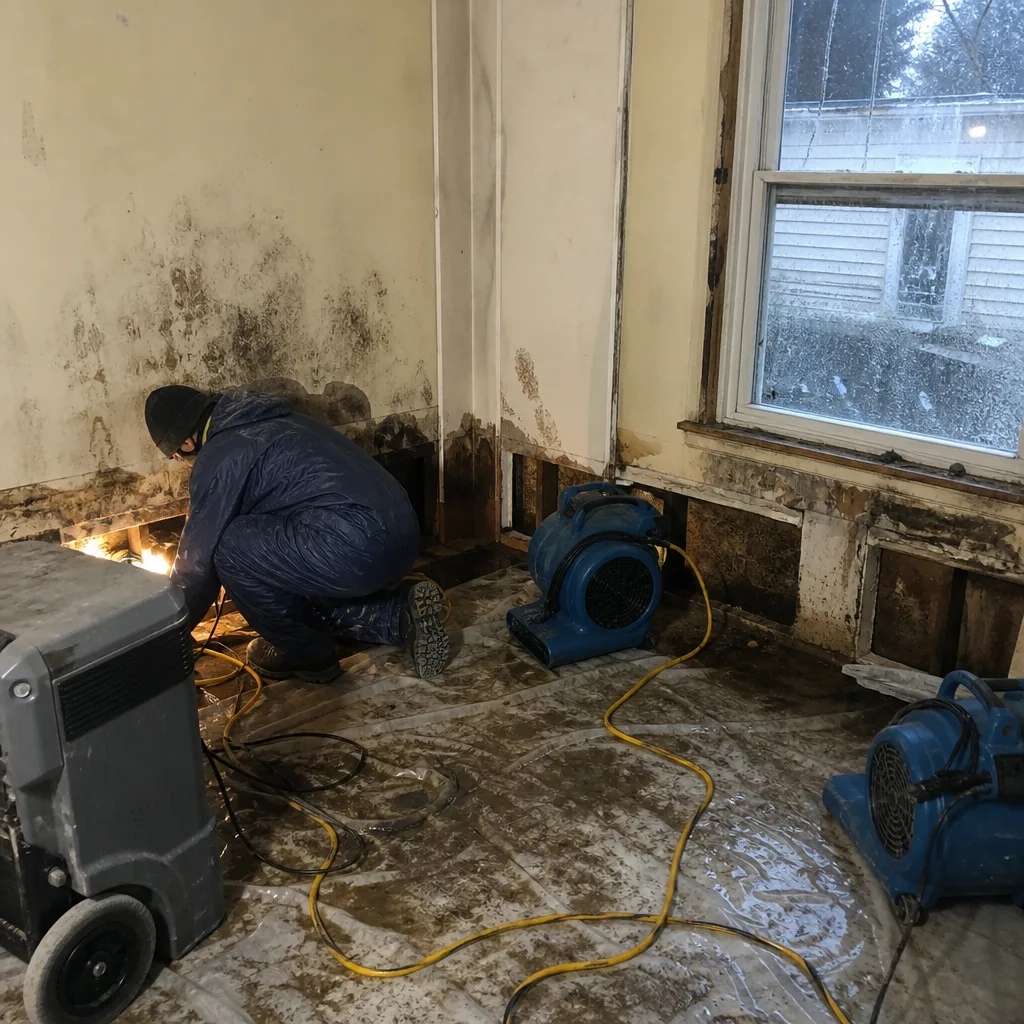 Before
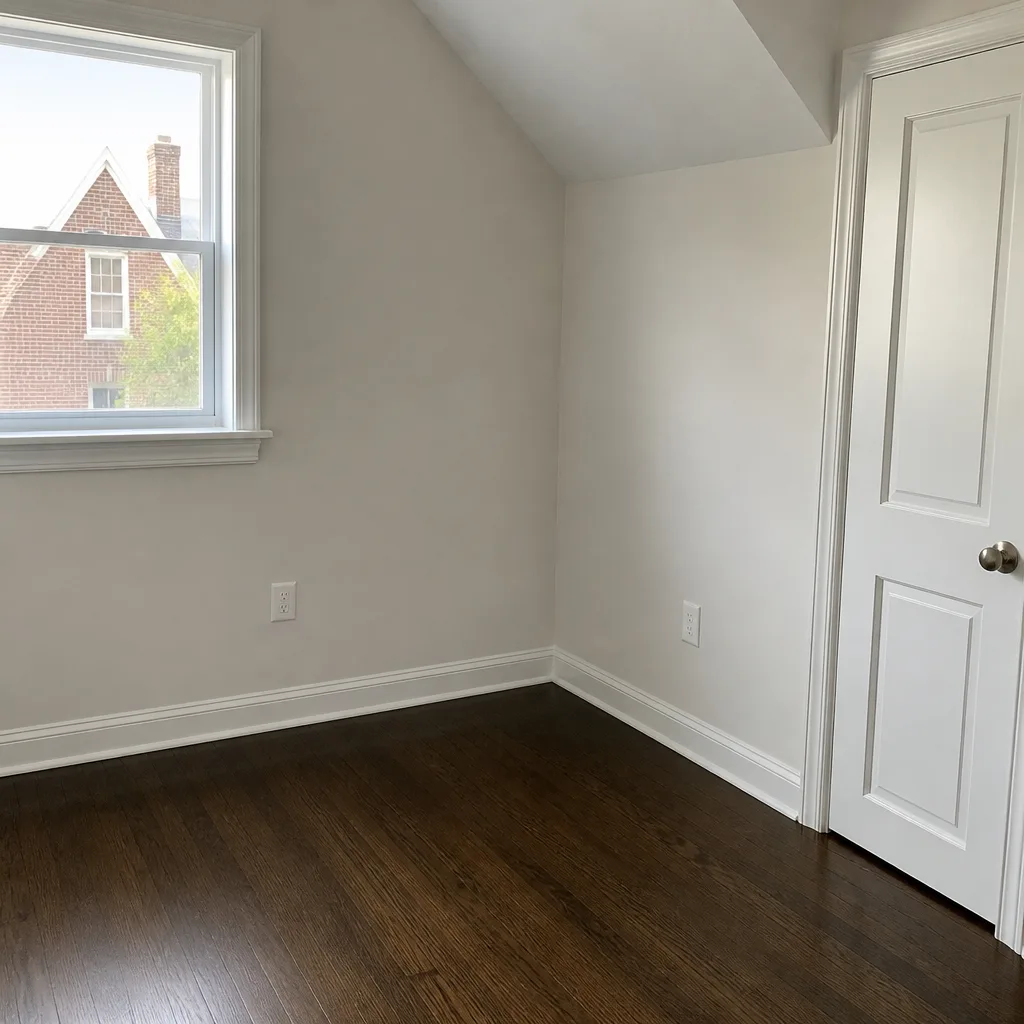 After
After24/7 Emergency Commercial Restoration in Valley Stream
Commercial water, fire, mold, or storm damage in Valley Stream demands a response team that is already moving before you finish the call. We answer live, 24 hours a day, and dispatch a certified crew into Valley Stream the same hour you call (631) 557-5029. Every property type faces a hard clock: water in a finished basement begins wicking into drywall and paneling within minutes, smoke soot etches surfaces within hours, and mold that was never fully removed from a prior flood reactivates the moment conditions turn damp. The first hour decides whether this is a controlled cleanup or a full reconstruction. That hour starts with a live voice on the phone, a crew in route, and a free visual inspection on arrival.
Understanding Commercial Restoration Severity in Valley Stream Properties
Valley Stream’s commercial buildings sit in a severity band all their own. The housing and retail stock, much of it framed in the late 1940s through 1960s, carries original galvanized supply lines, cast-iron waste stacks, and below-grade finished spaces that builders never intended to hold back Mill Creek backflow. When water enters, we classify it as Category 1 (clean supply), Category 2 (gray water with contaminants), or Category 3 (sewage, tidal backflow, or flood water carrying pathogens). Most Valley Stream basement losses from Mill Creek or storm surge are Category 3, which means the drywall, baseboard, and any porous finish in the lower two feet of the room usually cannot be dried in place. Our technicians run moisture mapping across every substrate before touching a wall because mixed materials, horsehair plaster over wood lath, vinyl asbestos tile, 1960s drywall, all dry at different rates and hold water in different ways. Missing that difference is how a “dried” basement reopens with warped studs three months later.
Why Valley Stream Property Owners Choose Floodline Restoration Co.
- 45-minute response to Valley Stream: Our dispatch board shows crews positioned to reach Valley Stream neighborhoods like Gibson, North Valley Stream, and the Merrick Road corridor within 45 minutes of your call, extraction starts the same visit.
- A live person answers at 2 a.m.: No automated tree, no answering service script. A dispatcher picks up on the first ring, knows the Valley Stream map, and starts your file before the call ends.
- IICRC-certified, background-checked crews: Our technicians carry WRT (Water Damage Restoration Technician), FSRT (Fire & Smoke Restoration Technician), and AMRT (Applied Microbial Remediation Technician) certifications, plus RIA and IFA training. Uniformed, badged, and accountable by name.
- Free visual inspection with a written scope: You get a line-item scope of work before any demolition begins, so there are no open-ended tabs or mid-job surprises.
- Direct insurance billing, no messenger duty: We bill your carrier directly and coordinate with your adjuster from the first moisture reading to the final reconstruction invoice.
- One crew from extraction to reconstruction: The same team that sets the Dri-Eaz dehumidifiers on day one handles the drywall, framing, and finish work weeks later. No handoff, no inherited crew, no disconnected warranties.
Our Commercial Restoration Process
Inspection & Assessment
We arrive with thermal imaging cameras and hygrometers, map every affected surface, classify the water or soot type, and locate hidden moisture behind finished walls and under vinyl tile. The assessment drives the scope, not the other way around.
Extraction & Stabilization
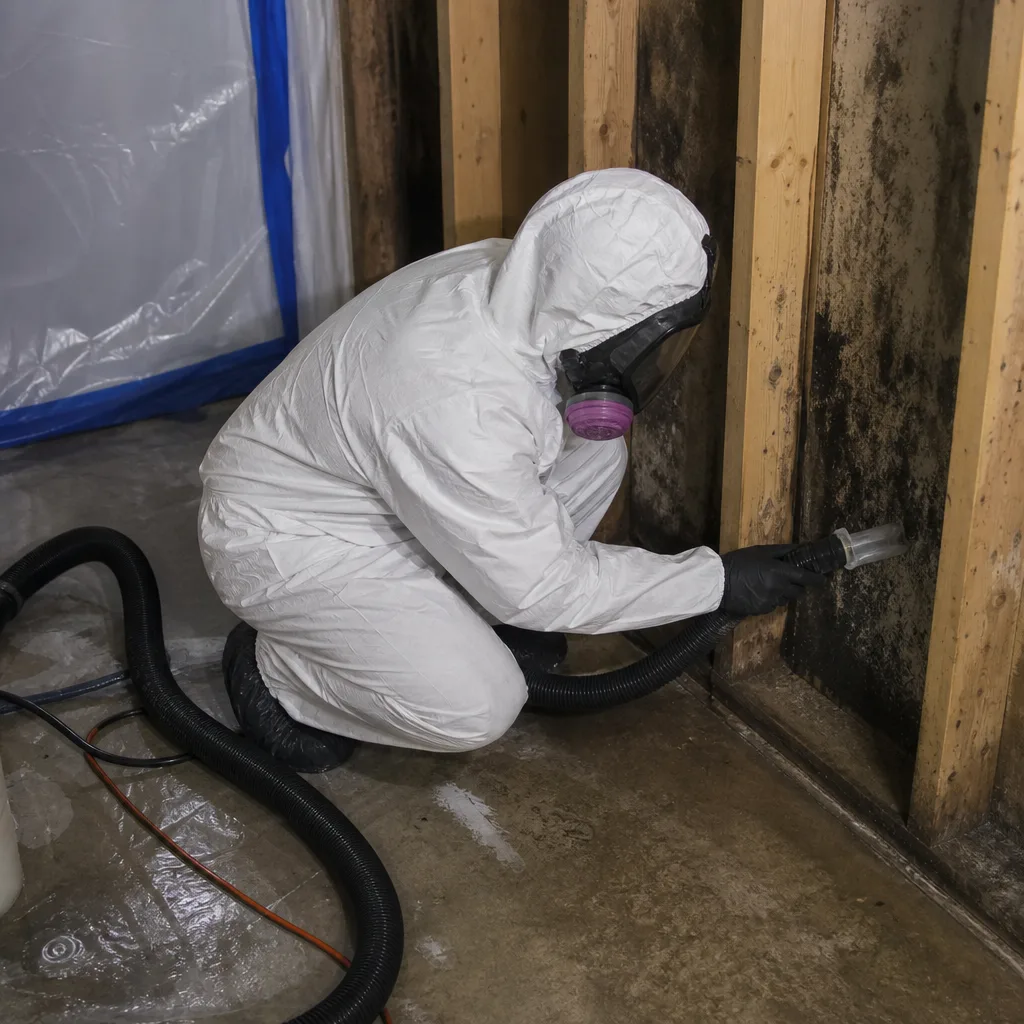
Standing water comes out with truck-mounted and portable extraction units the same visit. We install containment where mold or sewage is present, secure the structure, and stop the loss from spreading into unaffected areas.
Drying & Dehumidification
Phoenix axial air movers, Dri-Eaz dehumidifiers, and Injectidry systems run continuously, with daily moisture readings logged until every substrate reaches dry standard. Mixed materials get individual attention, not a one-size drying plan.
Cleaning & Sanitization
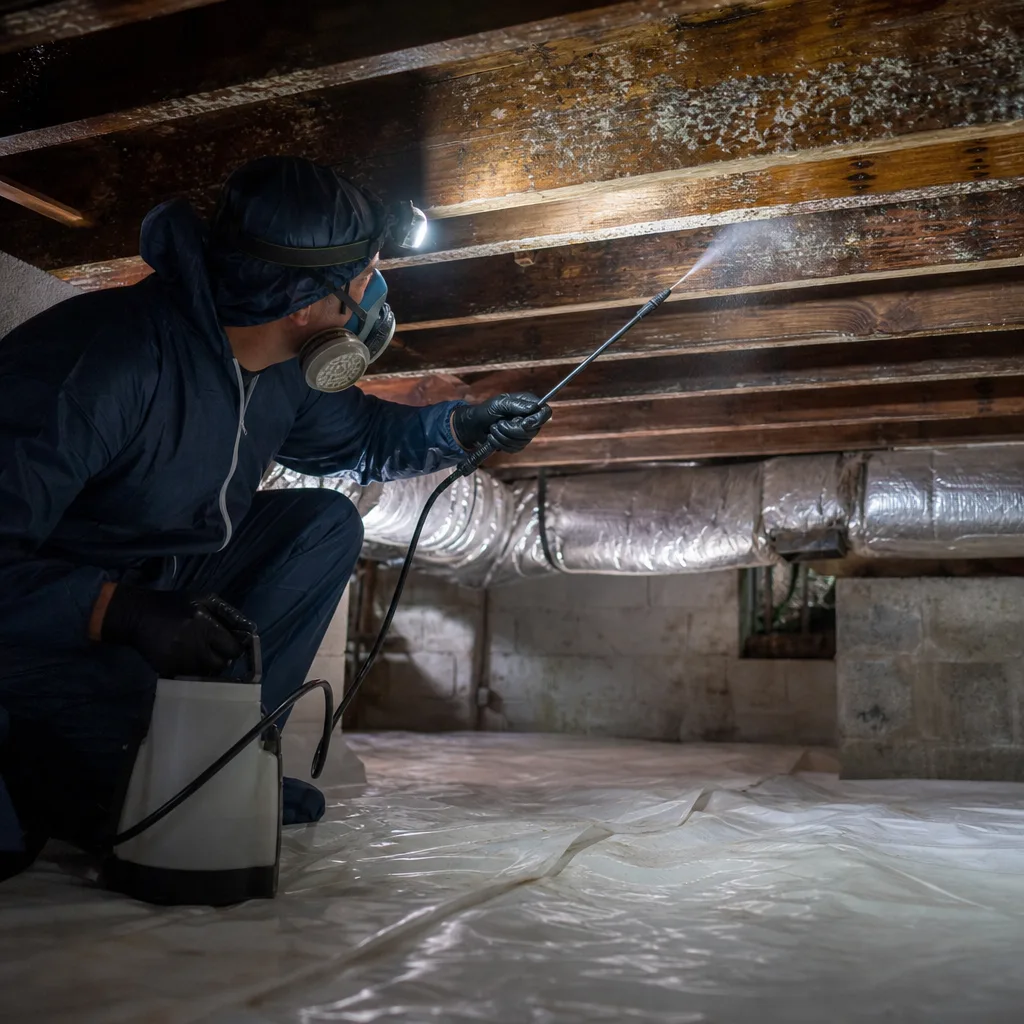
HEPA air scrubbers clear airborne spores and soot particles. All affected surfaces are cleaned with appropriate antimicrobial or soot-specific agents. For Category 3 losses, this includes removal of porous materials that cannot be fully sanitized.
Mold Remediation, Document Recovery, & Inventory Pack-Out
For commercial losses in Valley Stream, this step means full containment, air scrubbing, and clearance testing where mold is present. We also document, pack out, and restore salvageable inventory and records, including freeze-drying for waterlogged documents where the loss requires it.
Repairs & Restoration
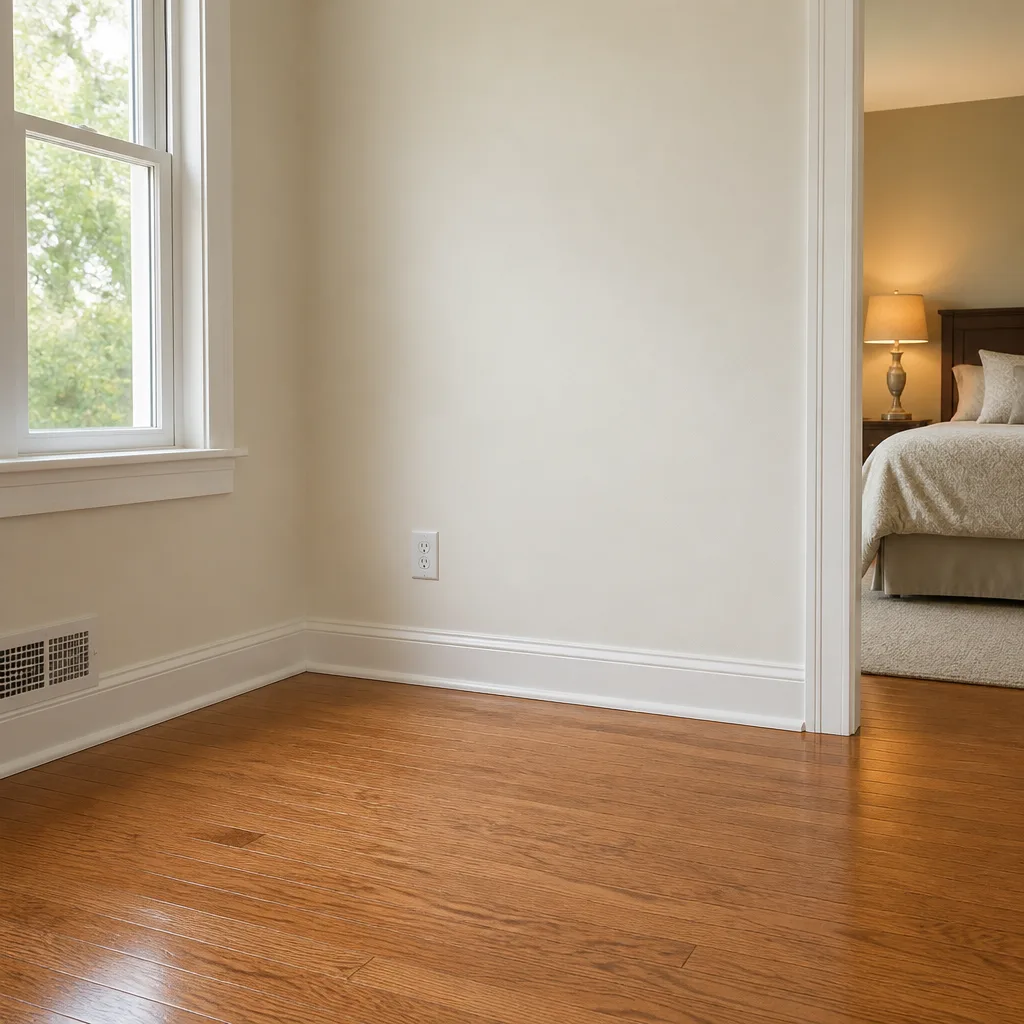
Same crew runs the reconstruction: drywall, trim, paint, flooring, and any structural repair needed. The job ends with a finished space, a drying log in your hand, and our 90-Day Done Right Promise in writing, not a punch list for another contractor.
Need Emergency Commercial Restoration in Valley Stream Now?
Crews minutes away, answering live 24 hours a day. The sooner we start, the less it costs.
Working With Your Insurance Company
Commercial restoration claims in Valley Stream involve enough moving parts that most property owners want to hand the paperwork to someone who reads policies daily. We do that. From the first hour on site, our technicians document every surface, every moisture reading, and every demolition cut with timestamped photos and a running narrative that your adjuster can follow without a site visit. We write industry-standard line-item estimates in the same format carriers expect, submit them directly, and take adjuster coordination off your plate. You keep one point of contact; the carrier gets one consistent package.
What We Provide Your Insurer
- Thorough documentation of the loss, from arrival photos to final clearance testing
- Photos of all damage, room by room, including moisture-behind-the-wall evidence
- Moisture readings and drying logs for every affected material, every day
- A detailed, line-item scope of work with materials and labor broken out
- Direct coordination with your carrier, including adjuster walk-throughs and supplemental claims
Built for Valley Stream’s Loss Calendar
Valley Stream commercial losses follow a predictable rhythm. January through March, deep freezes split galvanized supply lines in older buildings along Rockaway Avenue and Merrick Road, flooding offices and retail bays from above while the ground outside is still frozen. April and May bring the thaw, when groundwater rises against foundations and finds every crack in a 1950s basement slab. June through August, summer thunderstorms drop inches of rain in an hour on flat South Shore terrain, and the combined sewer and stormwater system near Mill Creek backs up into storefront basements. September through November is nor’easter season: storm surge and tidal backflow push Category 3 water up through floor drains and into finished basement offices, warehouses, and retail stockrooms. December records freeze-thaw attic condensation and ice damming on shallow-pitched Cape Cod roofs. Whatever the month, the pattern repeats: water enters below grade, finishes hide the damage, and mold follows. Our crews are staged and scheduled against this calendar, not surprised by it.
Commercial Restoration Across Valley Stream’s Neighborhoods
Valley Stream is split by Sunrise Highway and the LIRR tracks into historic residential blocks, the Merrick Road commercial corridor, and the Gibson area’s mixed retail and industrial buildings. The older commercial strips along Merrick Road and Rockaway Avenue sit closest to the Mill Creek watershed, which means basement stockrooms and mechanical rooms flood from tidal backflow at storm surge levels most people outside this village never see. North Valley Stream, with its grid of 1950s split-levels and garden apartments, sees more freeze-thaw supply line bursts in January and February than flood events, but the finished basements are just as common and just as vulnerable. The Gibson section, bracketed by the rail line and Sunrise, carries a mix of HOAs and multi-unit properties where a water loss in one unit migrates into the common walls and ceilings of three more before extraction starts. The Green Acres Mall district and its surrounding retail footprint handle heavy daily foot traffic and tight reopening deadlines after any loss event.
Specialized Commercial Restoration Services We Offer in Valley Stream
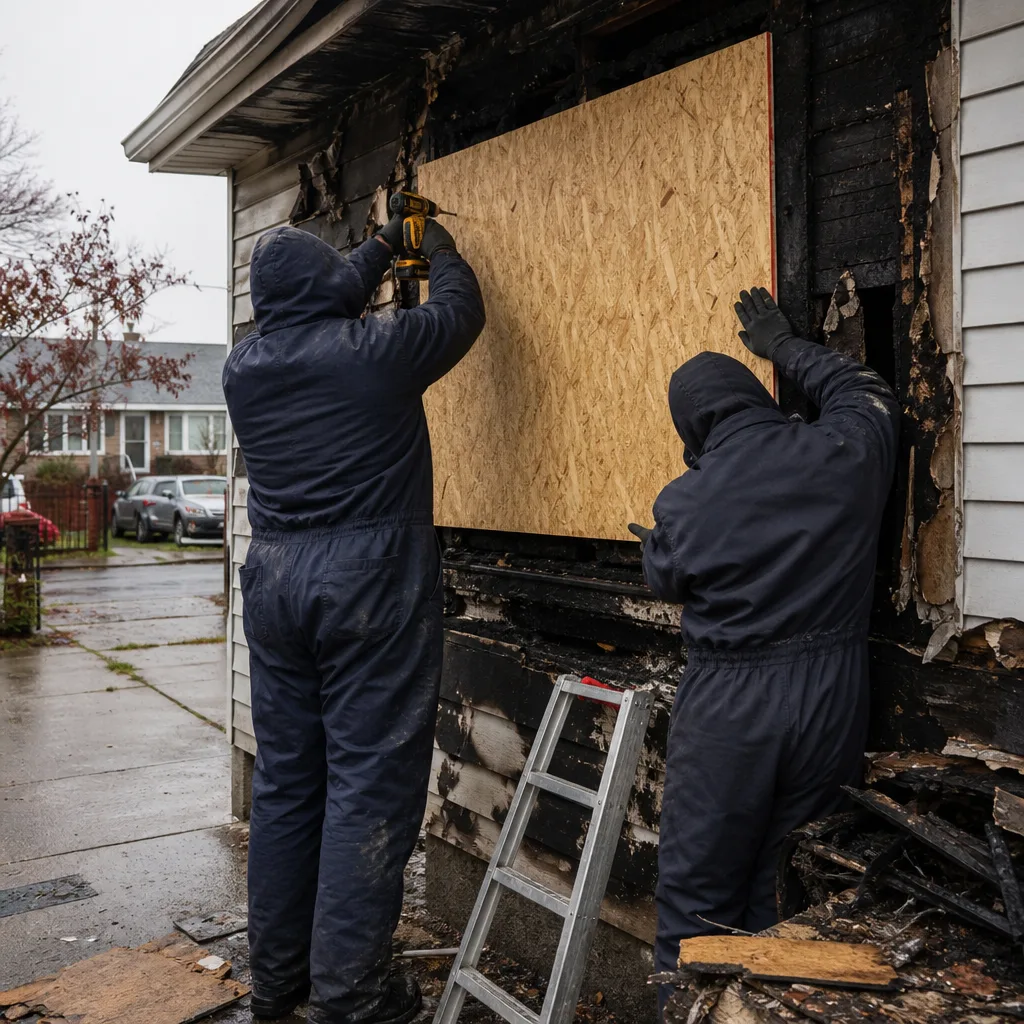
Office & Retail Restoration
A retail bay on Merrick Road cannot stay dark through a full insurance negotiation. We photograph, scope, and start extraction within the first visit, then stage the restoration so you can reopen partial operations where safe. For offices, we run after-hours drying when possible so your staff is back at desks on the next business morning.
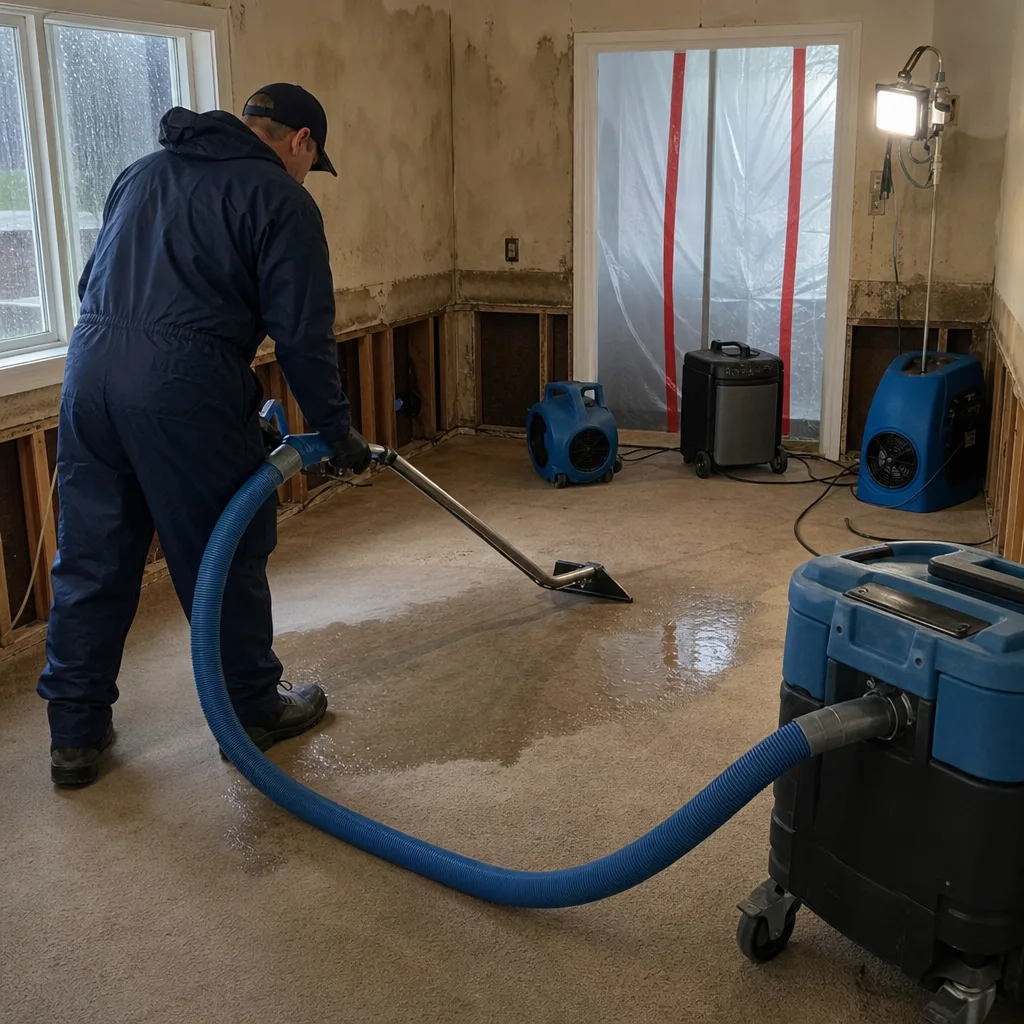
Multi-Unit & HOA Restoration
Valley Stream’s mix of garden apartments, co-ops, and HOA-managed buildings means water in one unit is rarely contained to that unit. We handle the common-area drying, the unit-by-unit moisture mapping, and the board-facing documentation that HOA property managers need, without making individual owners play middleman between crews and carriers.
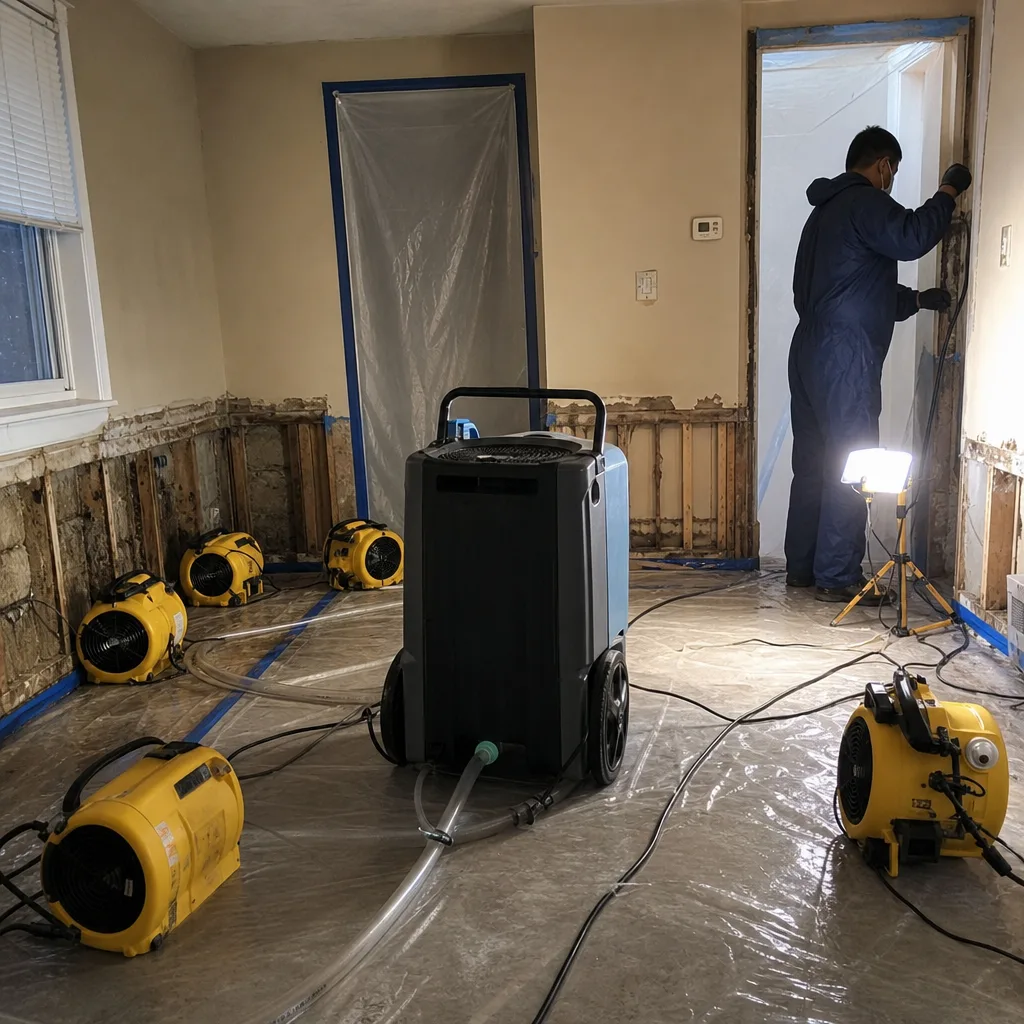
Industrial Facility Cleanup
Warehouse and light industrial spaces near Gibson and the Sunrise Highway corridor carry different loads: forklift traffic, racking systems, and inventory that cannot be moved quickly. Our crews work around operating schedules, set containment zones that isolate the loss from active operations, and log drying data for the carrier while your racking stays usable where safe.
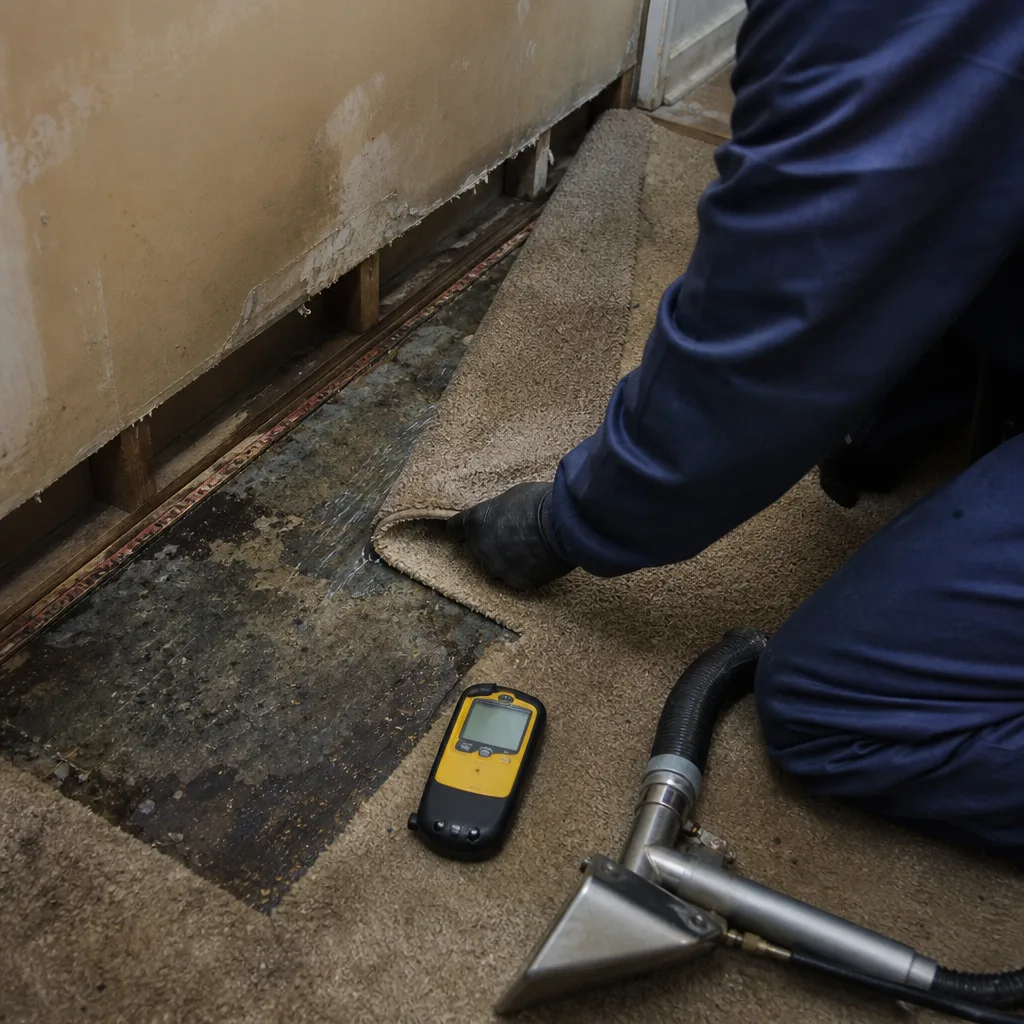
Large-Loss Response
When a nor’easter floods a pharmacy, a strip mall, or an entire apartment building, the scope exceeds one crew and one truck. Floodline Restoration Co. runs a dispatch model built for this: multiple crews, staged equipment, and a single project manager who owns the entire file. Valley Stream’s repetitive-loss history means we see the second and third flood in the same building, and we know the building’s weak points already.
Business Interruption Minimization
The fastest dollar in a commercial loss is the one you do not lose to downtime. We prioritize reopening the revenue-generating areas first, sequence the restoration around your operating hours, and keep the carrier’s business interruption documentation accurate so your claim moves without delay. Our crews work nights on retail and pharmacy losses where that makes sense.
Document & Inventory Recovery
Flooded basements in Valley Stream office buildings hold more than just mechanicals: patient files, tax records, product inventory, and the only hardcopy of a lease or a deed. We pack out, sort, dry, and restore what can be saved, and we document what cannot for your insurance claim. Freeze-drying and desiccant drying recover documents that look unrecoverable.
What happens when you call
- 1
A real person answersNo phone trees - you reach a local pro.
- 2
You get an upfront price rangeHonest numbers before anyone is dispatched.
- 3
A background-checked tech heads outLicensed & insured, dispatched right away.
- 4
You approve before work beginsNothing starts until you say go.
Commercial Restoration Costs in Valley Stream, NY
Commercial restoration in Valley Stream runs on a wide range because the loss type sets the floor. A small Category 1 supply line break in a single retail bay, extraction plus drying, typically runs $3,500 to $8,500. A Category 3 tidal backflow loss in a finished basement office, with full drywall and flooring removal, containment, and antimicrobial treatment, lands between $12,000 and $45,000 depending on square footage and contents. Mold remediation with contaminated drywall removal and clearance testing in a 1,000-square-foot basement runs $4,500 to $15,000. Large-loss commercial jobs crossing 5,000 square feet start around $50,000 and rise with inventory pack-out and reconstruction scope. What moves the number most in Valley Stream: the water category, the presence of old vinyl asbestos tile or horsehair plaster, whether prior flood repairs left hidden mold, and how quickly someone started extraction. Most commercial policies cover the restoration scope once the cause is a covered peril, and we write the estimate in carrier format so coverage discussions happen once, cleanly. Call (631) 557-5029 for a free visual inspection and a firm written scope before you commit to anything.
We Also Serve Cities Near Valley Stream
Our dispatch covers the South Shore and border communities around Valley Stream: Elmont, Cambria Heights, Floral Park, and New Hyde Park. The same 45-minute response commitment, live answer, and 90-Day Done Right Promise apply in every one. If you own a commercial property on the Nassau/Queens line, you are in our home zone.
Serving Valley Stream, NY - Our Local Coverage Area
We’re based in the Valley Stream area and know this community well. Use the map below to see our service coverage - if you’re nearby, we can almost certainly help.
Valley Stream Commercial Restoration Questions, Answered
Why do commercial basements in Valley Stream keep getting mold even after a restoration company ‘fixed’ the last flood?
Because the last crew likely dried the space but never removed the mold sealed behind the finished drywall or paneling. Valley Stream has FEMA-documented repetitive loss properties that flooded in Sandy, Ida, and multiple nor’easters, and each cycle of patch-and-paint repairs trapped moisture and spores inside the wall cavities. The next flood reactivates the colony. Our crew opens walls, moisture-maps every substrate, and remediates to clearance standard, not to a fresh coat of paint. Call (631) 557-5029 for an inspection that looks behind the drywall, not just at it.
Our strip mall on Merrick Road got several inches of tidal backflow from Mill Creek. Can we keep the drywall if we dry it fast enough?
No. Tidal backflow is Category 3 water, the same classification as sewage. It carries pathogens, and drywall that has absorbed Category 3 water cannot be sanitized reliably while still in place. The bottom two feet of affected drywall, baseboard, and any porous finish must be removed, the cavity disinfected, and the structure dried. Keeping it means keeping whatever came in with the water. Call us for a free look before you open those walls for any other bid.
How quickly can you get my pharmacy back open after a nor’easter soaks the sales floor?
The speed sequence is: same-day extraction starts the moment we arrive in Valley Stream, typically within 45 minutes of your call. The drying phase depends on the substrate, but most pharmacy sales floors can reopen in partial use within 48 to 72 hours while finishing work continues. We work nights around a pharmacy’s operating hours and write the scope so the carrier sees the business interruption loss clearly. Call (631) 557-5029 and we will get you a timeline for your specific square footage within an hour.
Does the age of my building’s cast-iron waste stack and galvanized supply lines actually change the restoration scope?
Yes, and in Valley Stream it changes it more than in newer inventory. Original cast-iron waste stacks in 1950s and 1960s buildings are often corroded at the joints and can crack further during demolition vibration. Galvanized supply lines from the same era are past their service life and can burst again during the drying phase as the structure shifts. Our scope accounts for these aging systems before we start cutting, not as a change order mid-job. That keeps your restoration from becoming a second water loss.
What happens to our documents and inventory if the basement of our Valley Stream office floods again?
We pack out salvageable items by category: documents go to freeze-drying or desiccant drying, electronics get corrosion-stabilized and tested, inventory is dried, cleaned, and inventoried for your records. The carrier gets a line-item salvage log. What cannot be restored is documented photographically for the claim. Floodline does the pack-out, the drying, and the inventory reconciliation with one crew, so nothing disappears between vendors.
How fast can someone actually get here from the moment I call?
We quote 45 minutes to Valley Stream and most crews beat it. Dispatch is live, 24/7, and based on real-time crew positioning across the South Shore, not on a call center routing tree. Extraction equipment is on the truck when we leave, so the first hour on site is work, not an estimate visit.
Do you handle the insurance claim, or is that on us?
We handle it. Direct billing to your carrier, line-item estimates in industry-standard format, photos and drying logs submitted daily, and adjuster coordination from first inspection through final invoice. You never carry messages between us and the insurance company. That arrangement is in place before the first wall is cut.
What should I do in the first 30 minutes after I find water in my commercial space?
Call (631) 557-5029, then shut off the water supply to the building if you know where the main is and it is safe to reach. Do not enter standing water, especially in Valley Stream basements where tidal backflow can carry live electrical risks. If it is safe, move small electronics and documents out of the path of the water. Do not run HVAC if water has reached the plenum. We will walk you through the next moves on the phone and have a crew en route while you are still on the call.
Written by Curt Bowman, Owner at Floodline Restoration Co. Our Valley Stream commercial restoration crews have opened more repetitive-loss basements in this corridor than most firms see in a decade, and we stand behind every job with the 90-Day Done Right Promise, in writing. Call (631) 557-5029 any hour for a live answer and a straight scope.