
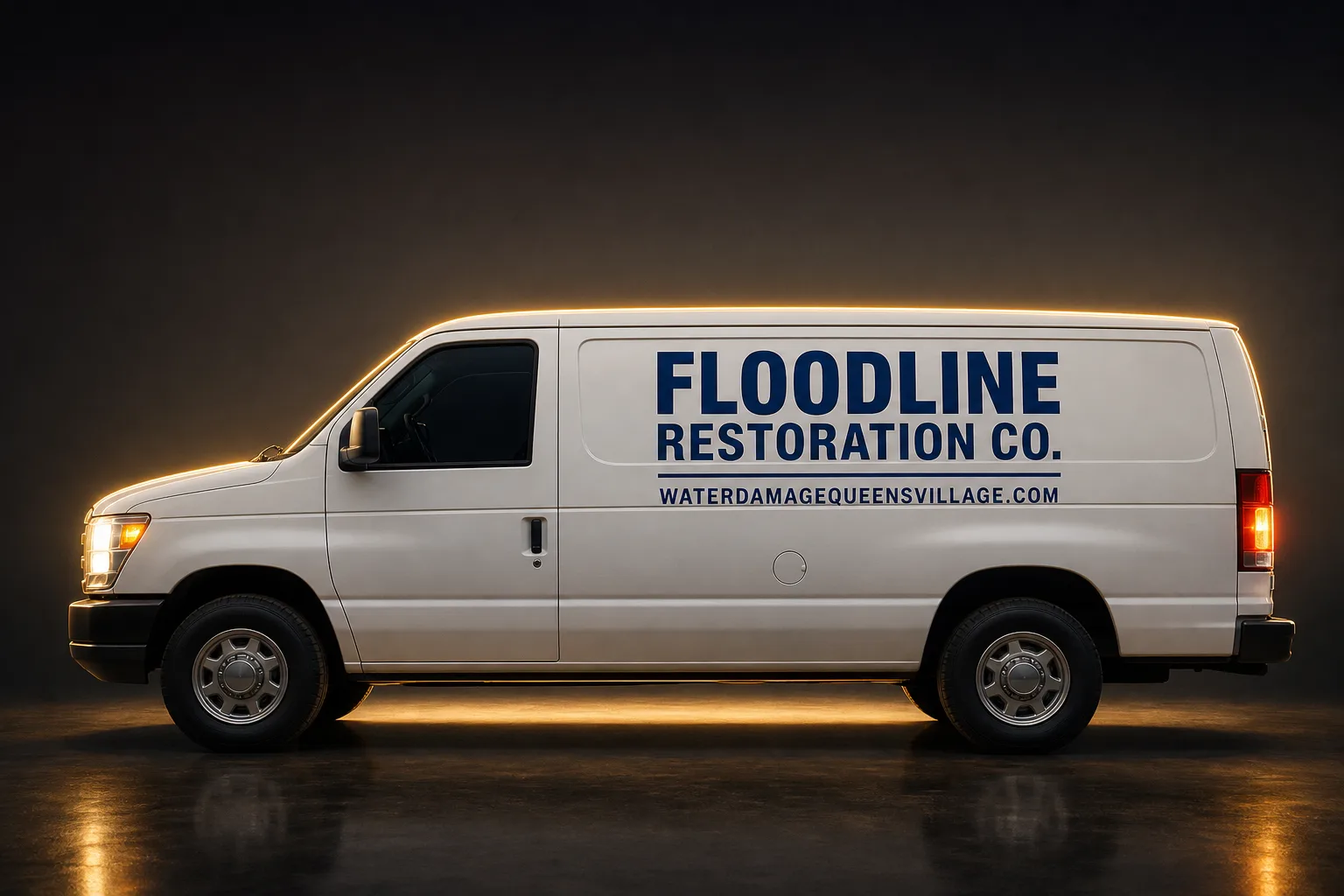
Free visual inspection and a written scope of work before any mitigation begins - photos, moisture readings, and drying logs go in your claim file
The scope we write is the scope we bill. Anything new gets shown to you, in writing, before we touch it.
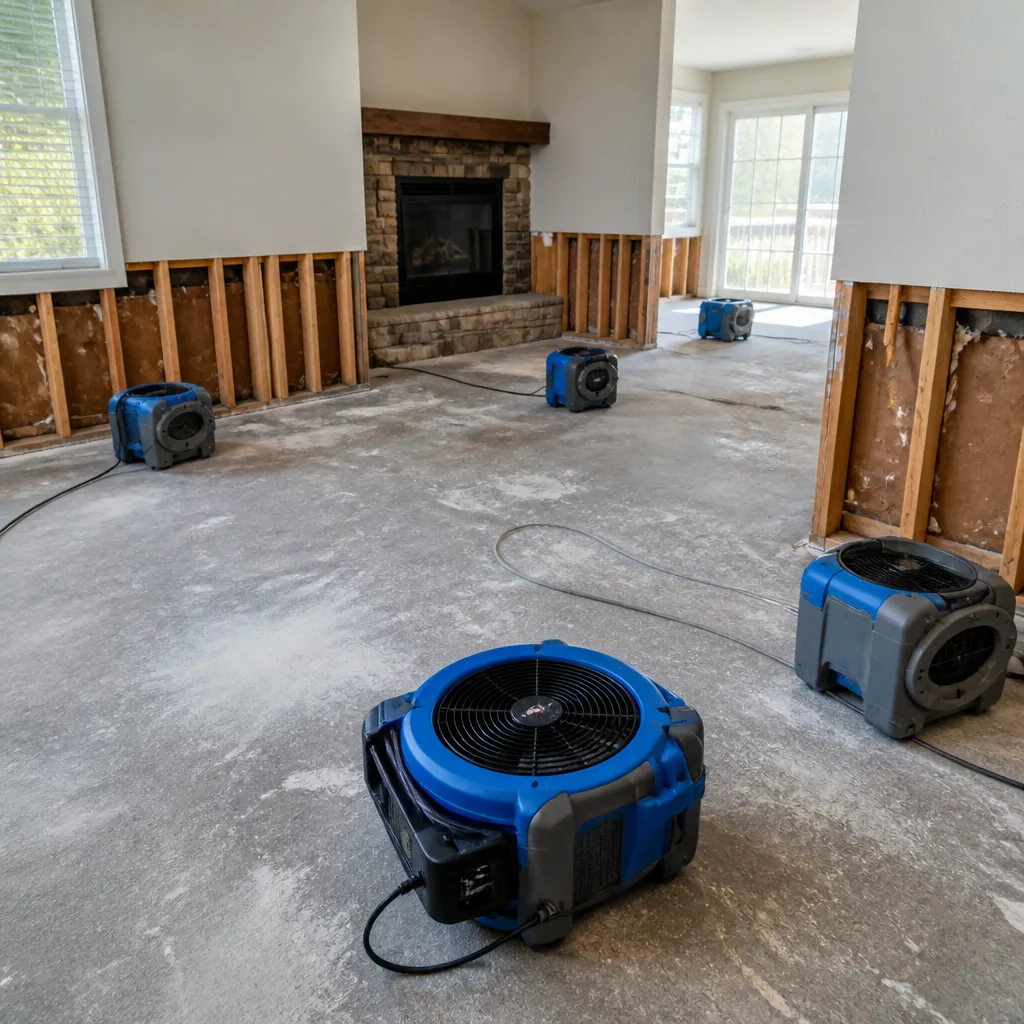
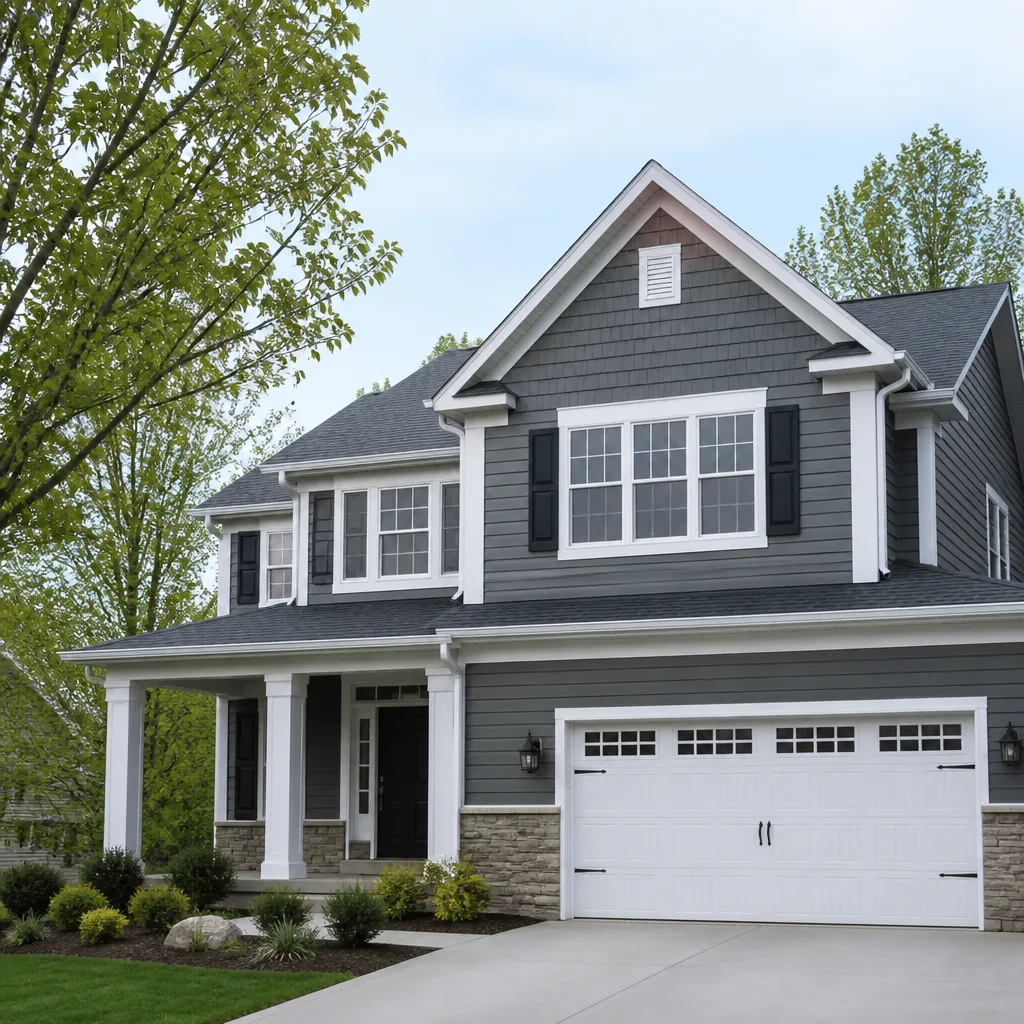
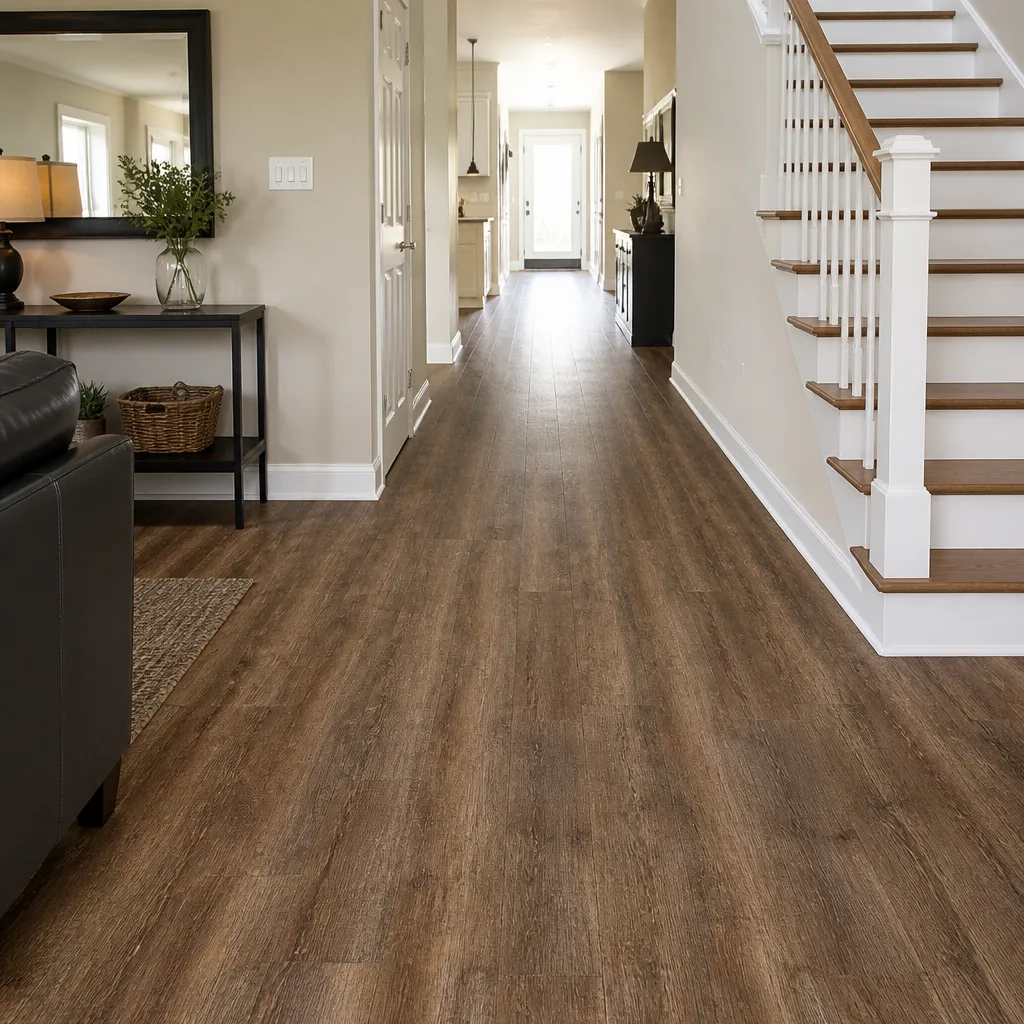
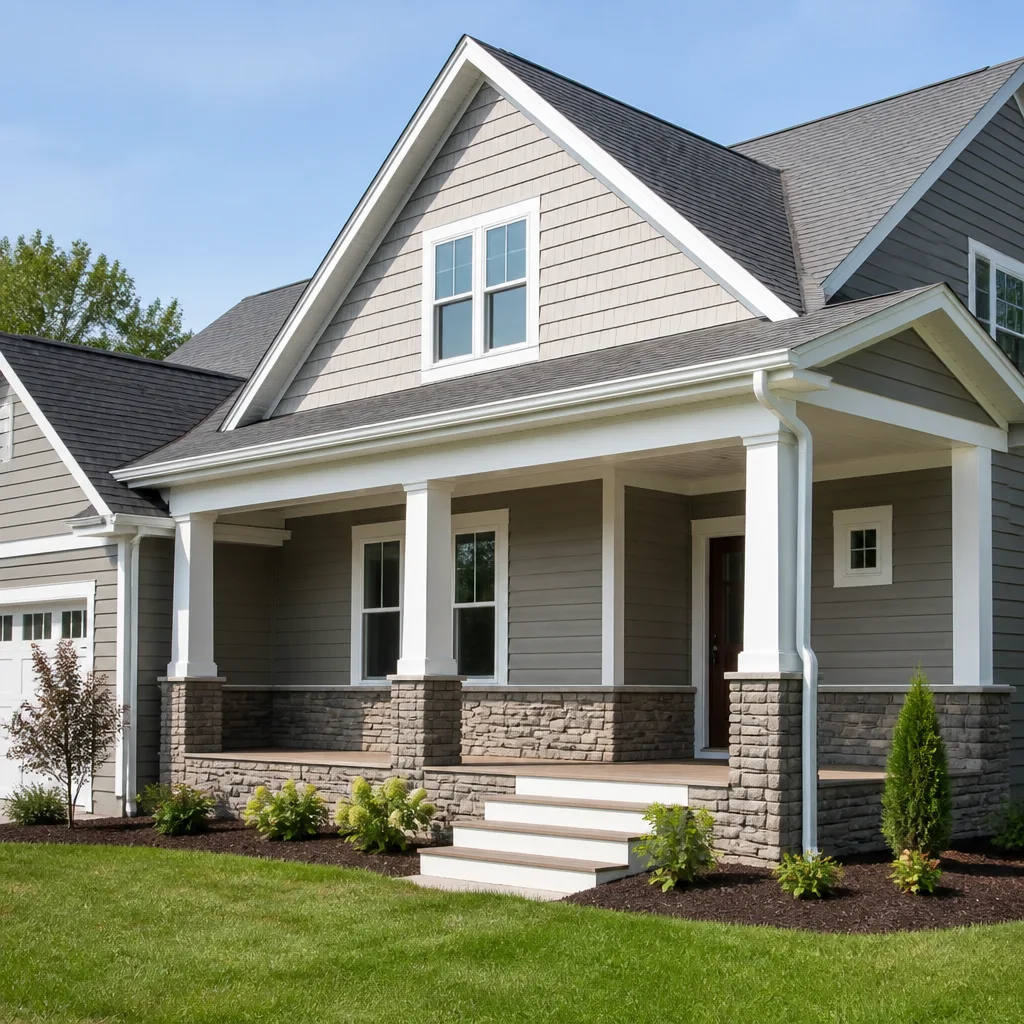
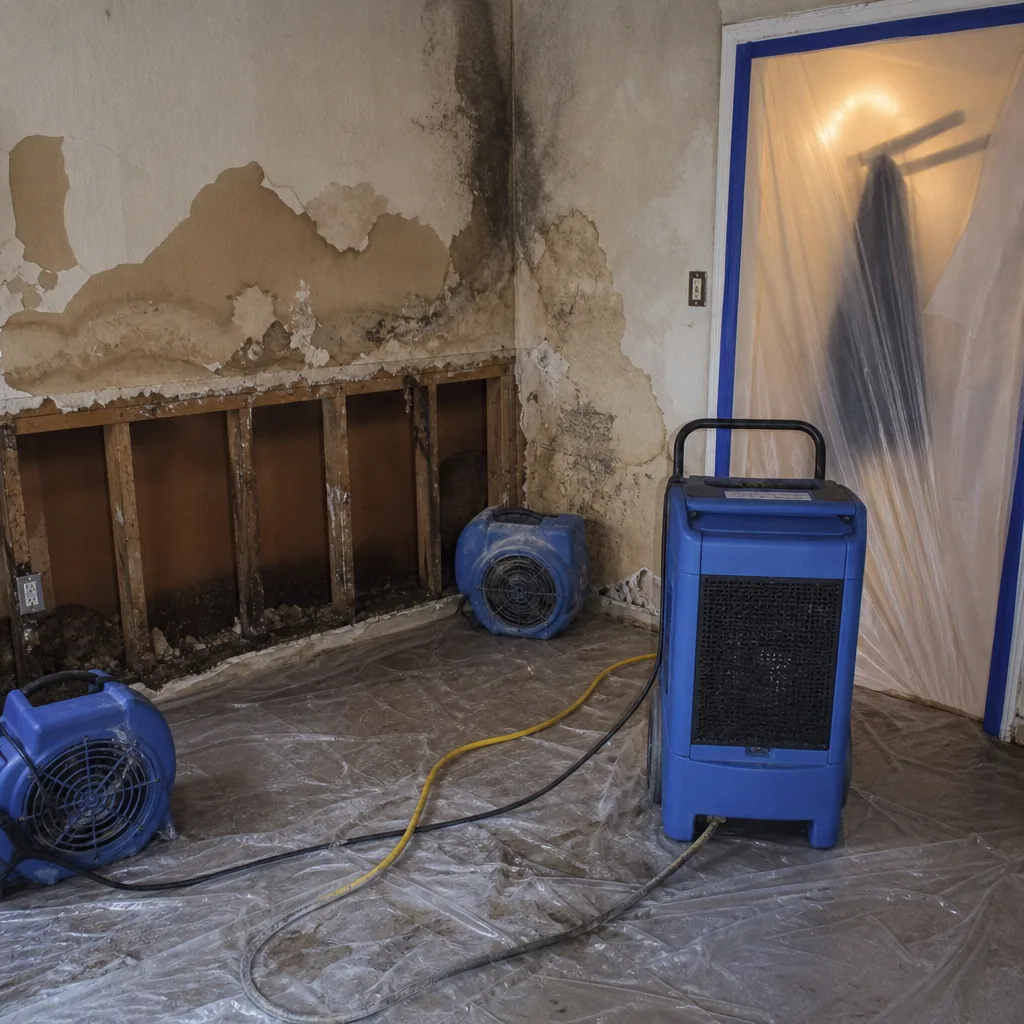 Before
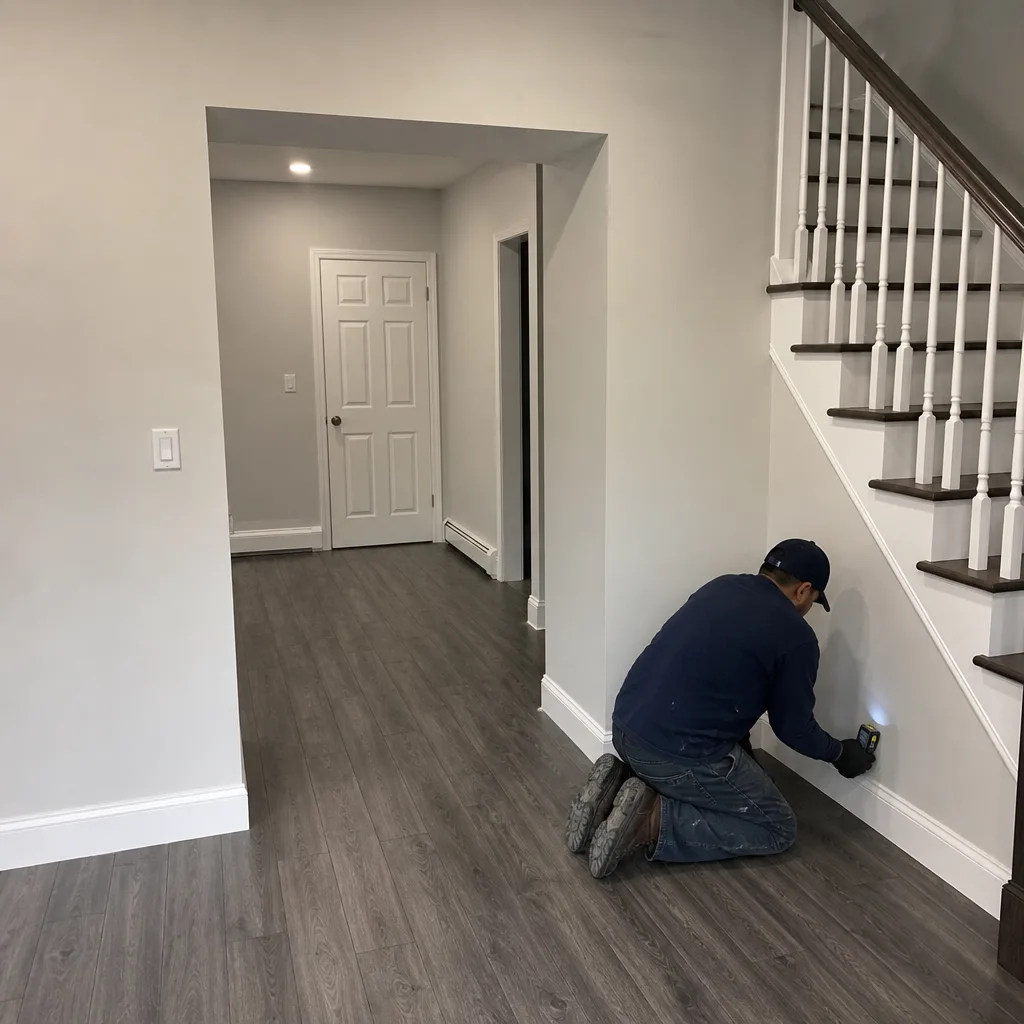 After
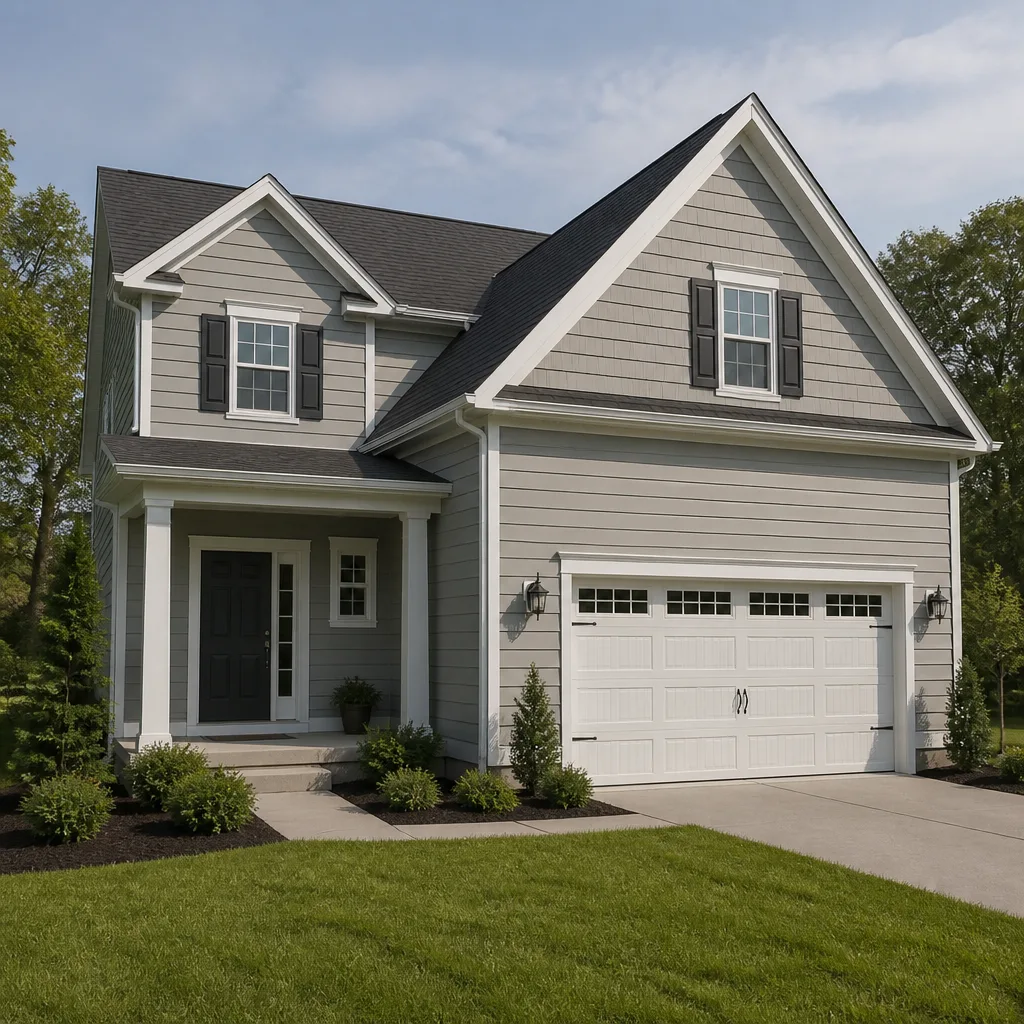
After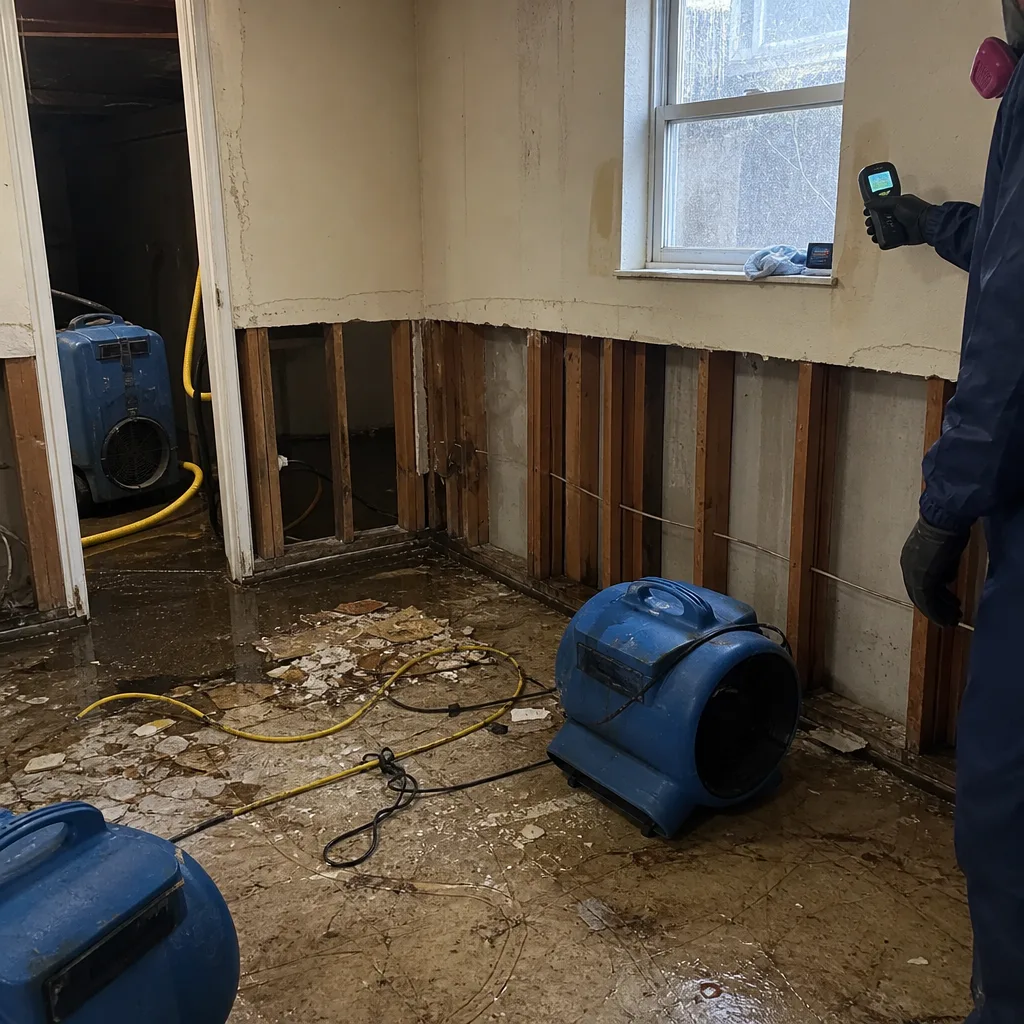 Before
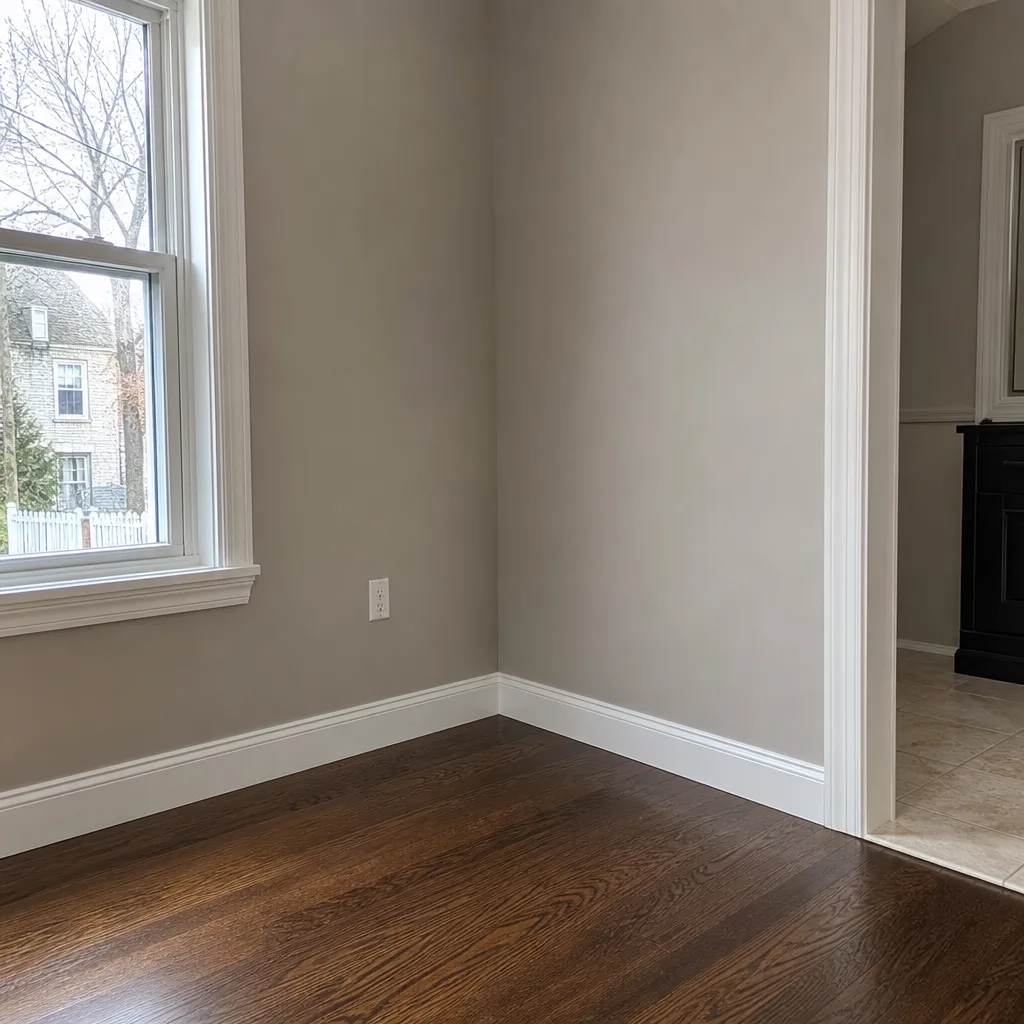 After
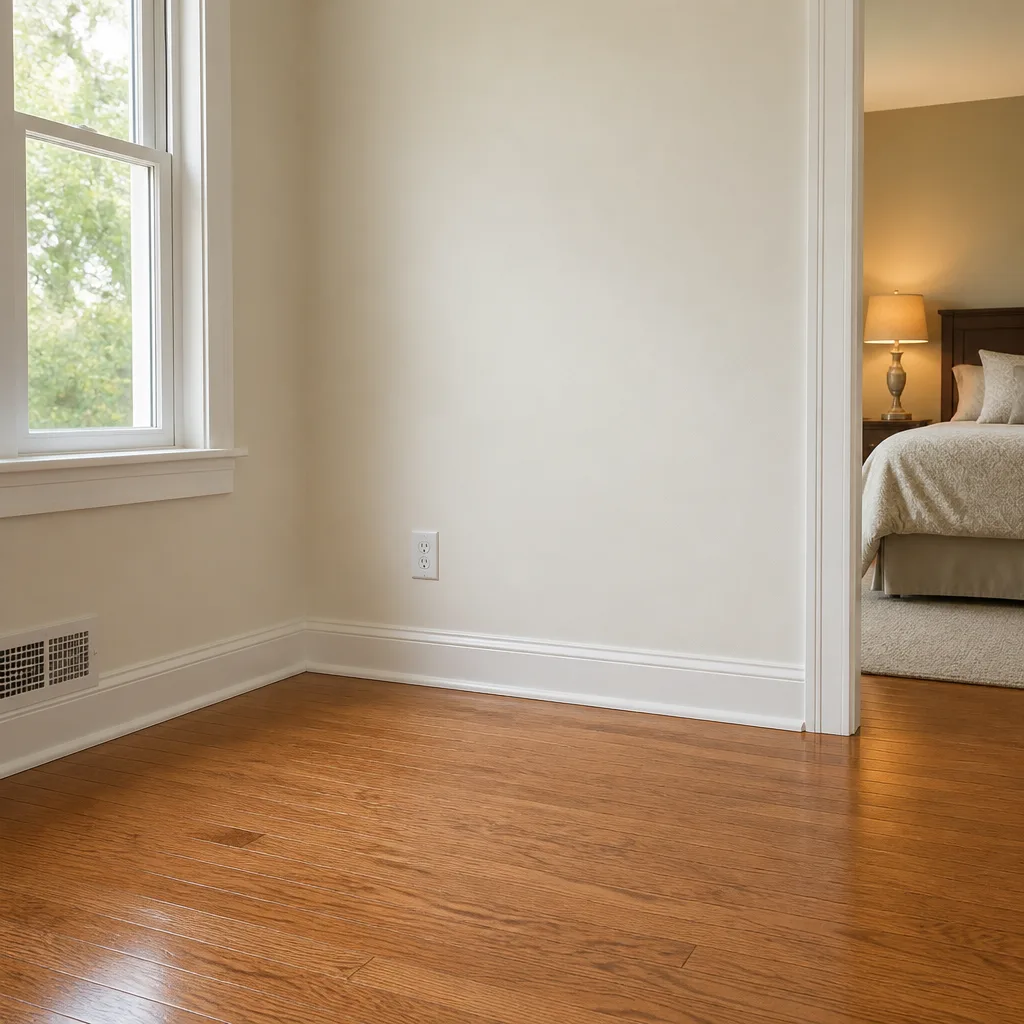
After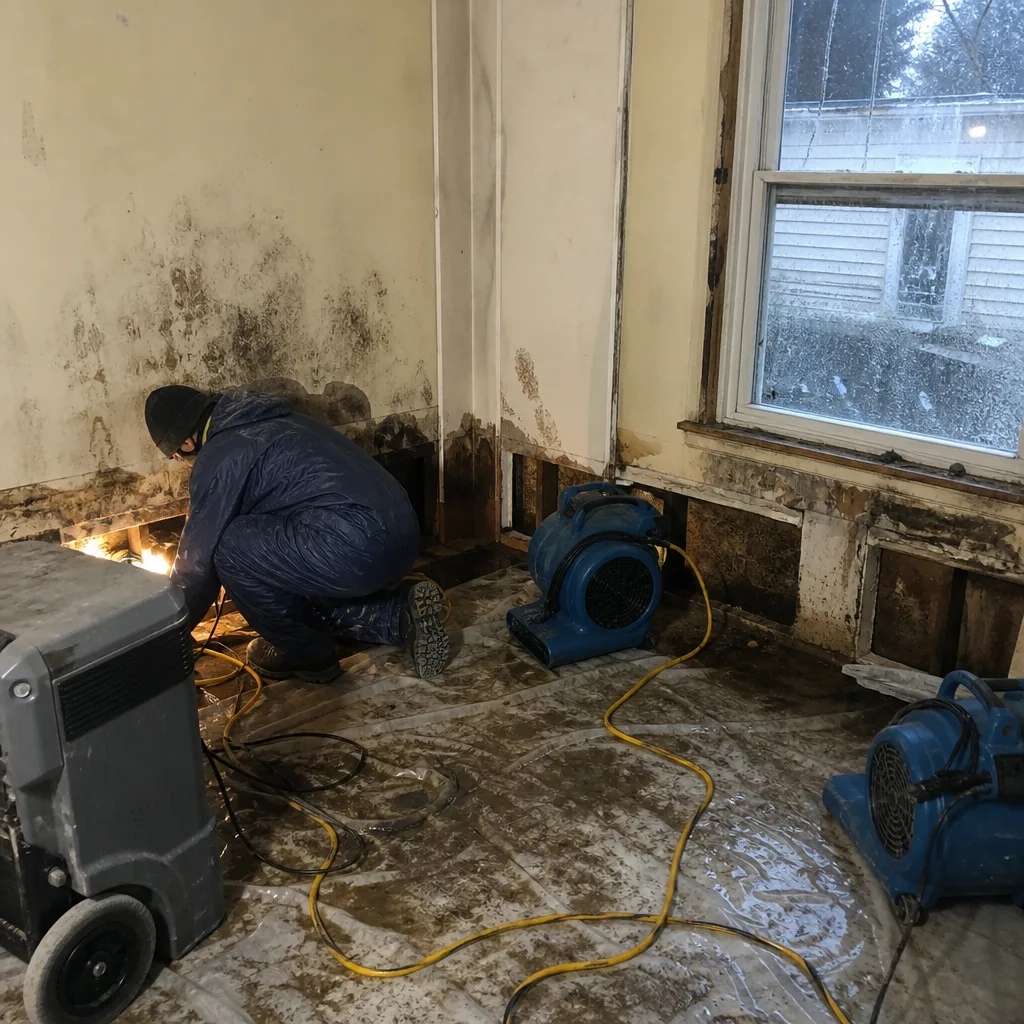 Before
 After
After24/7 Emergency Fire & Smoke Damage Restoration in Queens Village
Fire damage in Queens Village needs response now, not tomorrow. Call Floodline Restoration Co. at (631) 557-5029 and a live dispatcher answers immediately, 24 hours a day, every day of the year. We dispatch background-checked, IICRC-certified crews to Queens Village within 45 minutes, with a free visual inspection and a clear scope before any work starts. The first hour after a fire matters most because smoke continues seeping into plaster-and-lath wall cavities, brick party walls, and finished basements while you wait. On blocks of semi-detached Colonials off Springfield Boulevard, Hillside Avenue, and Jamaica Avenue, that smoke moves next door faster than most homeowners expect. We answer, we arrive, and extraction and containment start the same visit.
Understanding Fire & Smoke Damage Restoration Severity in Queens Village Properties
Queens Village fire restoration is shaped by the age and construction of its homes. Most houses here were built between 1920 and 1955, with brick exteriors, plaster-and-lath interior walls, and original cast iron drain stacks. That means smoke does not stay in the room where the fire started. Heat and soot migrate through wall cavities, up through joist bays, and into shared party walls on semi-detached lots. Soot residue falls into three categories: light surface soot from a dry, fast-burning fire; medium soot from a smoldering fire that leaves a greasy film; and heavy protein-based soot from kitchen fires that bonds to painted surfaces and requires aggressive chemical cleaning. In Queens Village Colonials, we also track smoke migration through baseboard gaps and around original window frames, where the 1920s and 1930s construction left more air gaps than modern homes. Every job starts with moisture mapping and thermal imaging to find what the eye cannot.
Why Queens Village Property Owners Choose Floodline Restoration Co.
- 45-minute response to Queens Village addresses. We run local crews who know the one-way streets off Springfield Boulevard and the parking constraints along Jamaica Avenue, so dispatch is realistic, not theoretical.
- Live answer, 24/7. A real person picks up at 2 a.m. No recording, no menu tree, no callback later. Our dispatch board is the heart of the company, and Curt Bowman built it that way in 2010.
- IICRC-certified technicians. Our crews hold WRT and FSRT certifications, are background-checked, uniformed, and trained to RIA and IFA standards. You know exactly who is walking into your house.
- Free visual inspection. The first look costs nothing. We tell you what needs doing, what can wait, and what your insurance carrier will want documented.
- Direct insurance billing. We bill your carrier directly. You never play messenger between Floodline and the adjuster. Documentation goes out from our desk, not yours.
- One team from first board-up to final paint. The same crew that tacks the tarp and runs the HEPA scrubber stays through reconstruction. No mid-job handoff, no inherited subcontractors.
Our Fire & Smoke Damage Restoration Process
Inspection & Assessment
We arrive, walk the full property including the adjoining unit when it is a semi-detached build, and document everything: thermal imaging for hidden heat, moisture mapping for water from firefighting, and a room-by-room soot classification. You get a written scope and range before anything is torn out.
Emergency Stabilization & Board-Up
We secure openings with plywood and heavy tarps, kill power where needed, and set containment. In Queens Village, this includes knocking on the shared party wall neighbor’s door, because smoke does not respect a property line.
Soot & Smoke Removal
Surface soot comes off with HEPA vacuuming and dry chemical sponges. Medium and protein soot require wet cleaning with alkaline agents. We treat walls, ceilings, trim, and hard surfaces before any deodorization begins.
Odor Removal & Deodorization
Smoke odor trapped in plaster-and-lath walls in Queens Village Colonials does not air out on its own. We use thermal fogging, ozone where appropriate, and hydroxyl generators to break down odor molecules inside cavities and finished basements.
Contents Cleaning & Pack-Out
Salvageable contents get packed out, inventoried, and cleaned offsite using ultrasonic cleaning for small items and HEPA-ventilated drying chambers for textiles. Non-salvageable items are documented for your carrier’s contents claim.
Repairs & Reconstruction
Reconstruction matches the original architecture of your era: plaster repair or drywall replacement to match, trim profiles matched to the home’s 1920s-to-1950s character, and structural repairs done under the applicable NYC DOB permit. One crew, start to finish.
Need Emergency Fire & Smoke Damage Restoration in Queens Village Now?
Crews minutes away, answering live 24 hours a day. The sooner we start, the less it costs.
Working With Your Insurance Company
Insurance carriers know fire claims in Queens Village involve more than one room and often more than one address. Our team documents from the first hour: photos of every affected surface, moisture readings from the drying effort, thermal images showing hidden heat, and a line-item scope with exact quantities. We speak directly with your adjuster, provide the paperwork your carrier needs in the format they want, and push back when undervalued. You do not chase us for documentation and you do not forward emails between parties. That is our desk job, not yours. Curt Bowman built Floodline around the idea that the homeowner should be told what is happening, not asked to manage it.
What We Provide Your Insurer
- Thorough documentation of the loss
- Photos of all damage, room by room
- Moisture readings and drying logs
- A detailed, line-item scope of work
- Direct coordination with your carrier
Built for Queens Village’s Loss Calendar
Queens Village fire losses follow a seasonal pattern, and our dispatch board is built around it. January and February bring heater fires and electrical fires from overloaded circuits in homes still running original wiring from the 1930s and 1940s. Spring sees fewer fires but more moisture problems after snowmelt, which compounds smoke damage from winter fires that were never properly mitigated. Summer is the kitchen fire season: grease fires off Hillside Avenue apartments and older Colonials with original venting. Nor’easters in the fall bring wind-driven water into brick cavities and finished basements, and if a fire has already weakened flashing or roof structure, the water intrusion gets worse fast. We know the pattern. We pre-stage equipment in winter and keep extra board-up stock on trucks from October through April.
Fire & Smoke Damage Restoration Across Queens Village’s Neighborhoods
Queens Village stretches from the Cross Island Parkway corridor on the east to the Bellerose border on the west, and the housing stock shifts block by block. Along Springfield Boulevard, you find more detached Colonials from the 1930s with deep front setbacks and original garages. Those houses burn differently than the tight row of semi-detached brick homes off Braddock Avenue, where the shared party wall makes every fire a two-address problem. Down near the Hollis border, older frame homes with cedar shake under siding are more vulnerable to rapid flame spread, and our board-up response cuts faster there. Around the Queens Village LIRR station, multi-family conversions in older single-family shells create vertical smoke paths through open stairwells. And in the blocks north of Jamaica Avenue near the Oakland Gardens line, finished basements with original cast iron stacks and early BX wiring are the rule, which means every fire assessment includes a hard look at what is hidden behind the plaster. We route trucks accordingly. A crew that knows the street knows where the fire went.
Specialized Fire & Smoke Damage Restoration Services We Offer in Queens Village
Emergency Board-Up & Tarping
After a fire, an open window or a burned-through roof section invites weather, vandalism, and animals. Board-up in Queens Village usually means matching plywood to original window openings in 1920s-era brick frames, which are not always square. We cut on site, secure with proper anchors, and tarp any roof or wall breach before we leave.
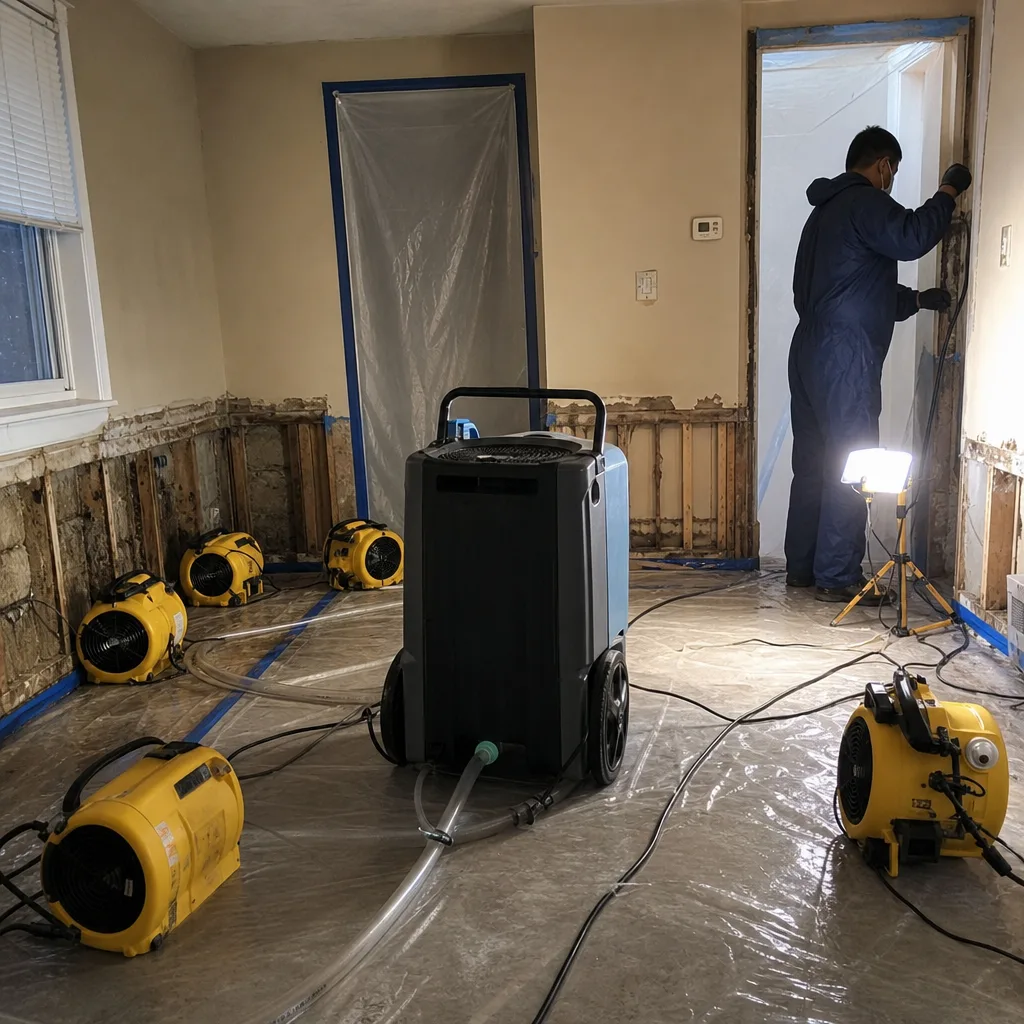
Smoke & Soot Removal
Soot from a Queens Village kitchen fire is often protein-based and bonds hard to painted plaster walls. We use HEPA vacuums for loose soot and alkaline wet-cleaning agents for the bonded film, working room by room so soot does not get tracked into clean areas. On semi-detached homes, soot removal almost always extends into the adjoining unit’s shared wall surfaces.
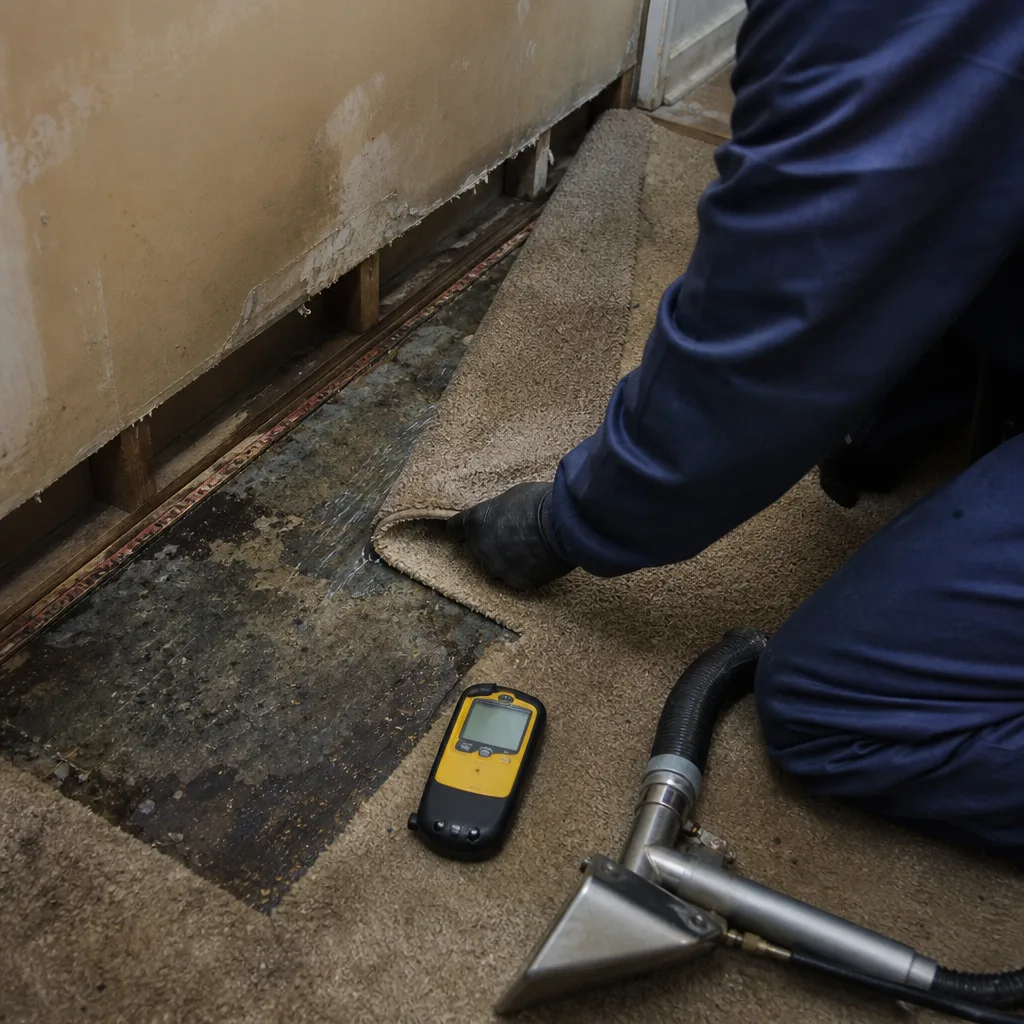
Odor Removal & Deodorization
Smoke odor in a 1930s Colonial lives inside the plaster-and-lath wall cavities, behind baseboards, and in the joist bays above finished basements. Hydroxyl generators and thermal fogging reach those spaces without gutting the room. We do not mask odor with air freshener. We break the odor molecules down.
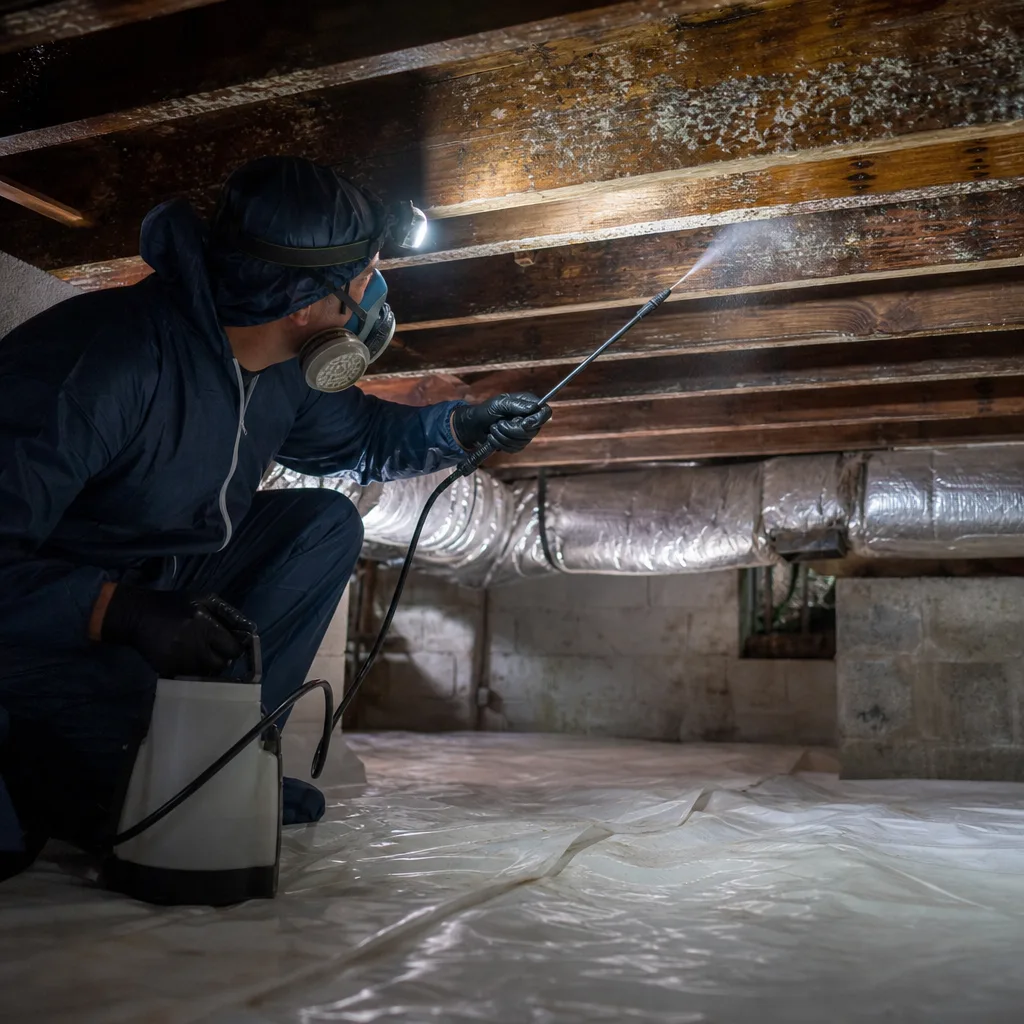
Contents Cleaning & Pack-Out
Fire-damaged contents in Queens Village homes range from family photos and furniture to full basement workshops and finished-basement living rooms. We inventory everything, pack it out, clean salvageable items offsite, and store until reconstruction is finished. The same list goes to your carrier for contents coverage.
Structural Fire Repair
When fire has burned through joists, studs, or roof framing in a 1940s Colonial, the repair is structural and needs NYC DOB permits. We handle that. Our team files, builds to code, and reconstructs to match the original trim and millwork character of your home. Fire & Smoke Damage Restoration done right means the structure is never just patched over.
What happens when you call
- 1
A real person answersNo phone trees - you reach a local pro.
- 2
You get an upfront price rangeHonest numbers before anyone is dispatched.
- 3
A background-checked tech heads outLicensed & insured, dispatched right away.
- 4
You approve before work beginsNothing starts until you say go.
Fire & Smoke Damage Restoration Costs in Queens Village, NY
Fire restoration in Queens Village is priced per scope, not per square foot alone. A small kitchen fire with light soot in a single room typically runs $3,500 to $7,000. A medium fire with smoke migration into wall cavities, moderate contents cleaning, and deodorization usually lands between $8,000 and $18,000. A large fire on a semi-detached home, where the neighbor’s unit needs containment and soot removal too, starts around $20,000 and can exceed $60,000 depending on structural repairs and the asbestos survey scope. The NYC DEP asbestos investigative survey on pre-1987 buildings adds a planning step and cost, but skipping it creates a DOB stop-work order and a bigger bill later. Insurance covers most fire restoration in Queens Village when the cause is sudden and accidental. The free visual inspection is where we give you the exact number. Call (631) 557-5029 and we will tell you what the job needs before anything gets signed.
We Also Serve Cities Near Queens Village
Our crews respond to fire and smoke damage calls across the surrounding area, including Queens Village itself plus Oakland Gardens, Hollis, Bellerose, and Floral Park. Same 45-minute response commitment, same live dispatch, same written scope before work starts.
Serving Queens Village, NY - Our Local Coverage Area
We’re based in the Queens Village area and know this community well. Use the map below to see our service coverage - if you’re nearby, we can almost certainly help.
Queens Village Fire & Smoke Damage Restoration Questions, Answered
Why does a single-house fire in Queens Village usually require restoration in the neighbor’s home too?
Because most homes here are semi-detached brick Colonials from the 1920s to 1950s, and the shared uninsulated brick party wall conducts heat and smoke directly into the adjoining unit. Smoke pushes through the wall cavity, enters the neighbor’s finished basement or living space, and leaves soot and odor that has to be cleaned under that neighbor’s own insurance claim. We check the adjoining unit on every semi-detached fire call in Queens Village before we leave.
Do I really need an asbestos survey for fire damage cleanup in Queens Village?
Yes. NYC DEP requires an asbestos investigative survey before any demolition on buildings built before 1987, and nearly all of Queens Village’s housing stock predates that. Skipping it can trigger a DOB stop-work order that halts your whole restoration. We file the survey as part of the scope on every pre-1987 Queens Village fire job.
How do you handle smoke odor trapped in plaster-and-lath walls in older Queens Village Colonials?
Smoke odor in plaster-and-lath walls sits inside the wall cavities and behind the plaster keys. We use hydroxyl generators and thermal fogging to push deodorizing agents into those cavities without tearing out the plaster. When soot has penetrated deeply, we cut access holes at the baseboard line and treat the cavity directly, then patch to match. It is slower than ozone alone, but it actually works on old plaster.
Can my 1930s-era finished basement be fully restored after a fire, or will you need to gut it?
It depends on heat damage. Soot and light smoke can be cleaned and deodorized without gutting. But if heat opened the old plaster-and-lath joints or compromised the original cast iron drain stack, we usually need to open those walls to inspect. We will tell you honestly after the thermal imaging and moisture mapping. No gut job gets recommended unless it is actually required.
What extra steps does Queens Village require for fire restoration compared to nearby Nassau County?
Queens Village jobs fall under NYC DOB permit rules and NYC DEP asbestos survey requirements. Nassau County competitors often do not have to file those same surveys or track two separate NYC permit tracks on a semi-detached fire that affects two units. That is the real difference, and it is why the paperwork adds a step here that it does not across the border in Floral Park.
How fast can a crew actually reach my Queens Village address?
Our commitment is 45 minutes from the time a live dispatcher takes your call. In practice, crews on the east side of Queens village off Springfield Boulevard often arrive faster. Call (631) 557-5029 and we will tell you the exact truck location and ETA before you hang up.
Will my insurance cover fire and smoke damage restoration?
Most homeowners policies cover sudden and accidental fire damage, including smoke and soot remediation and contents cleaning. Your deductible applies, and the scope gets approved faster when documentation is complete from day one. We bill directly, provide the photos, moisture logs, and line-item scope, and talk to your adjuster so you do not have to.
What should I do in the first 30 minutes after a fire in my Queens Village home?
Call (631) 557-5029 first. Then keep everyone out of the affected rooms, do not turn on ceiling fans or the HVAC system, and do not wipe soot off walls yourself, which can grind it into the plaster. If you live in a semi-detached home, knock on the adjoining unit’s door and tell your neighbor to check for smoke. Then wait for our crew. We handle the rest.
Two-Address Fires Are the Queens Village Reality
On Queens Village blocks of 1920s to 1950s semi-detached brick Colonials, a fire in one unit almost always becomes a two-address job. The shared uninsulated brick party wall conducts heat and smoke into the adjoining home before the first truck leaves. We responded to a kitchen fire on a 1940s semi-detached brick Colonial off Springfield Boulevard. Our tech immediately knocked on the adjoining unit’s door and found smoke had pushed through the shared brick party wall into the neighbor’s finished basement. We set up containment in both homes, ran moisture mapping on the plaster-and-lath cavities where heat had opened old joints, and coordinated two separate NYC DOB permit tracks while our pack-out team cleared smoke-damaged contents from both addresses. That is the Queens Village fire restoration job. It is never just one house, and it is never just one insurance file. If your contractor does not know to knock on the neighbor’s door, the neighbor finds smoke damage two weeks later and both claims get messier. We have worked these blocks long enough to know the wall tells the story.
Written by Curt Bowman, Owner at Floodline Restoration Co. Founded 2010. Serving Queens Village and surrounding communities with fire, smoke, water, mold, and storm restoration done right, and backed in writing.
Call (631) 557-5029 for a free estimate. Live dispatch answers 24 hours a day. We will be there when we say.