

Free visual inspection and a written scope of work before any mitigation begins - photos, moisture readings, and drying logs go in your claim file
The scope we write is the scope we bill. Anything new gets shown to you, in writing, before we touch it.
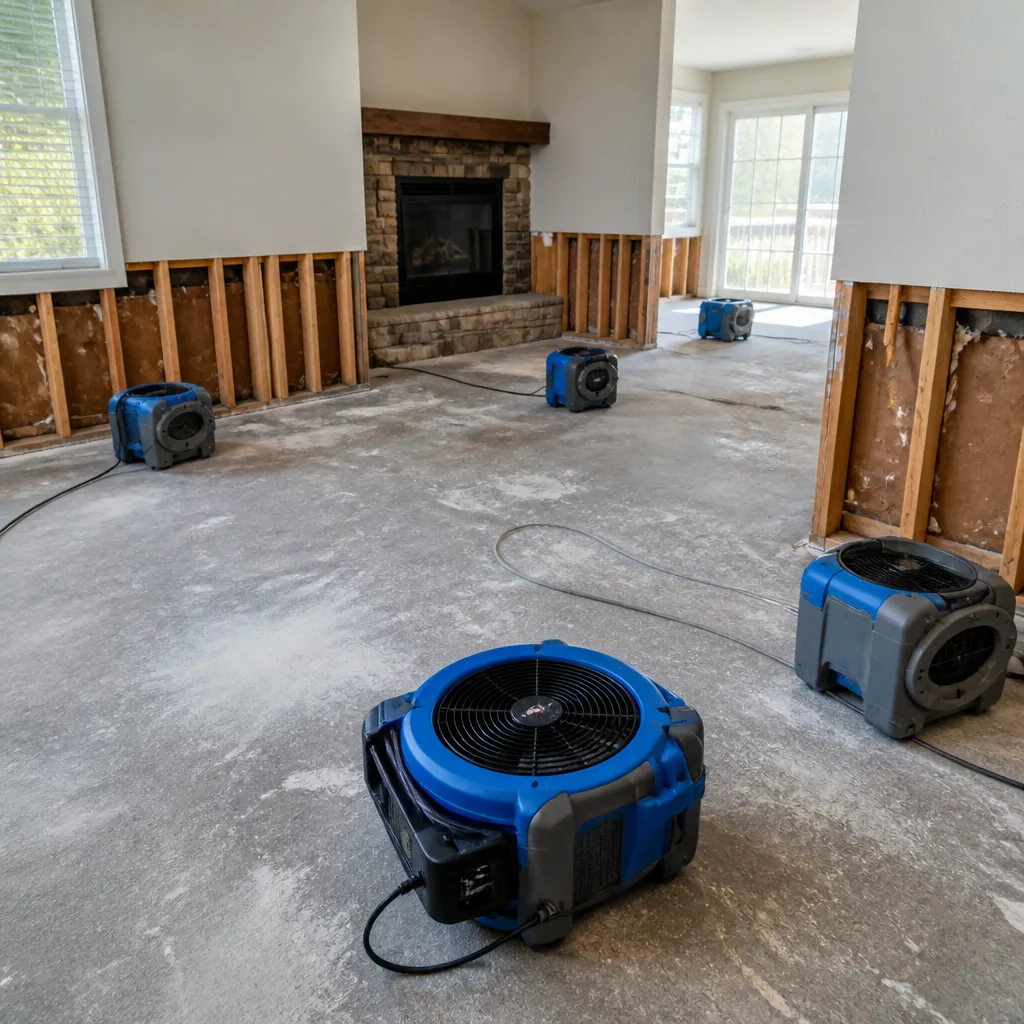
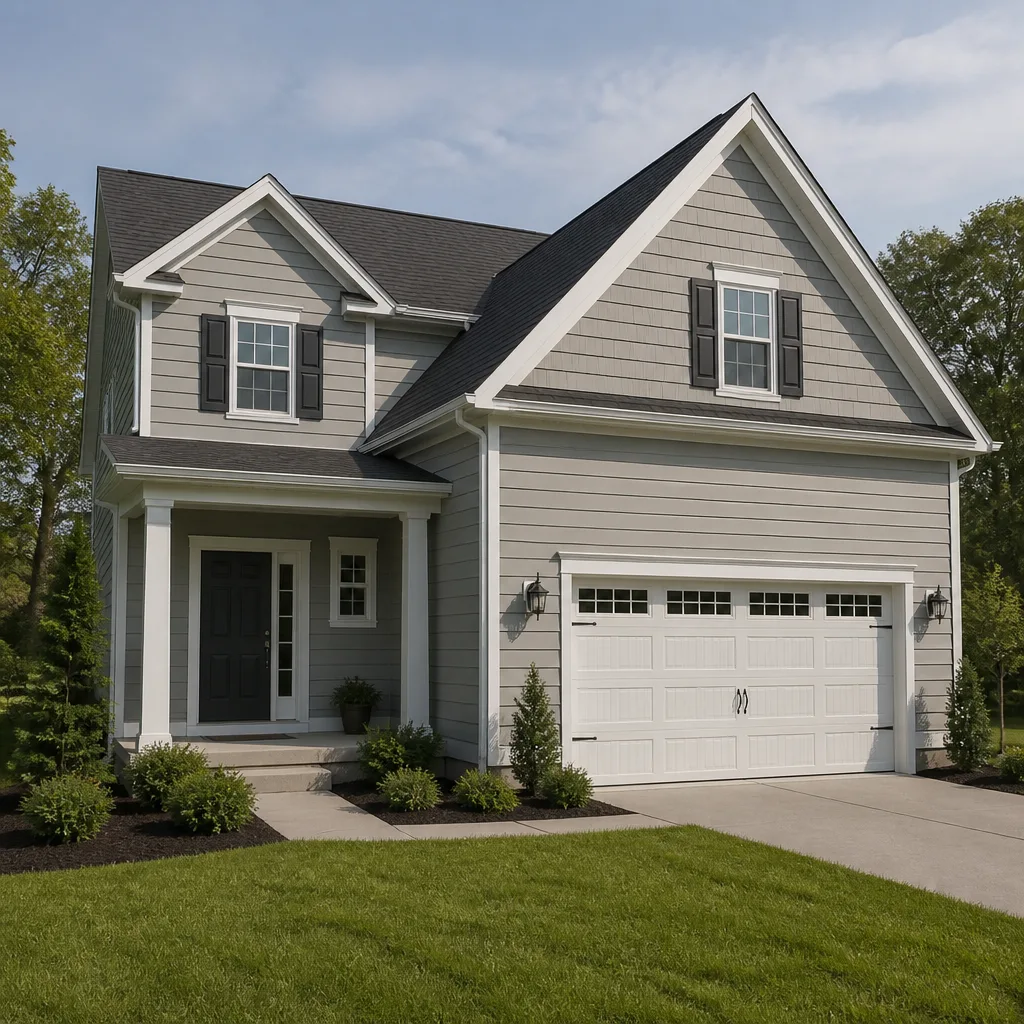
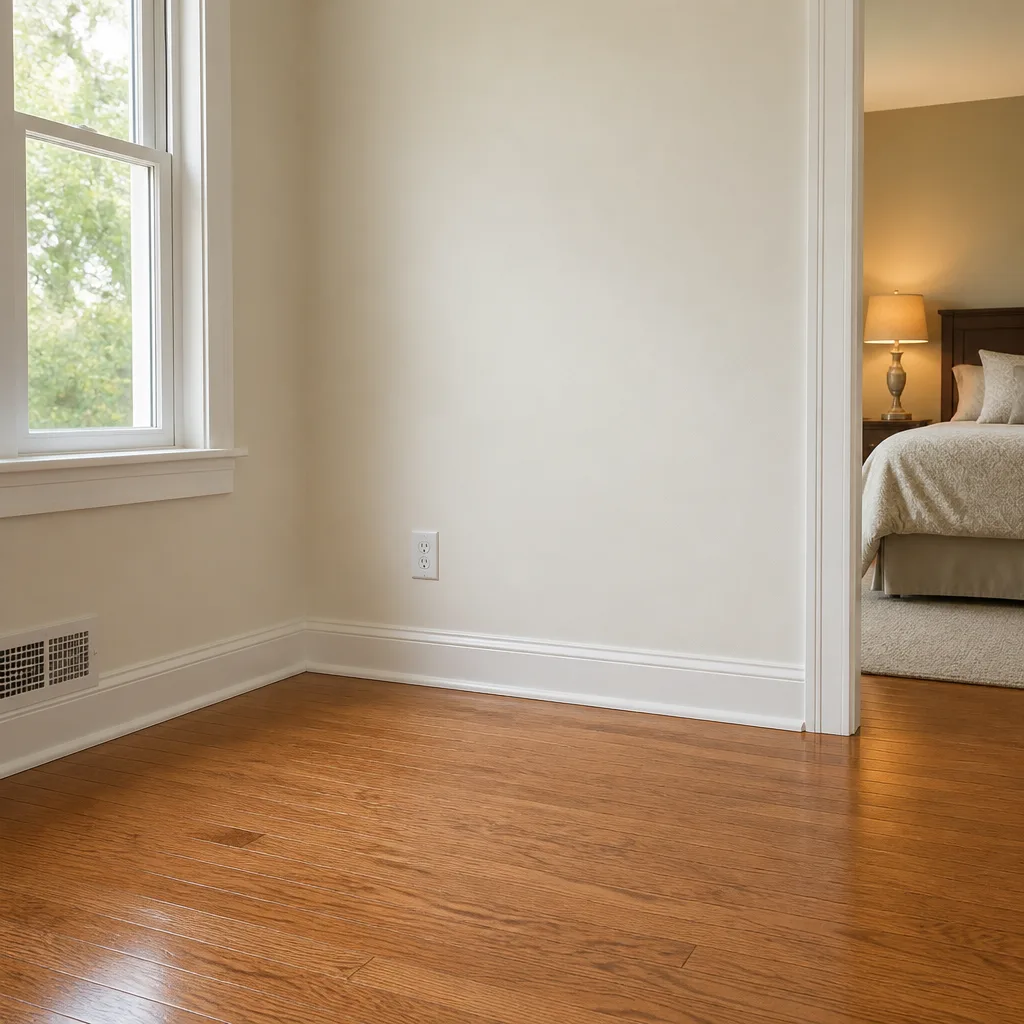
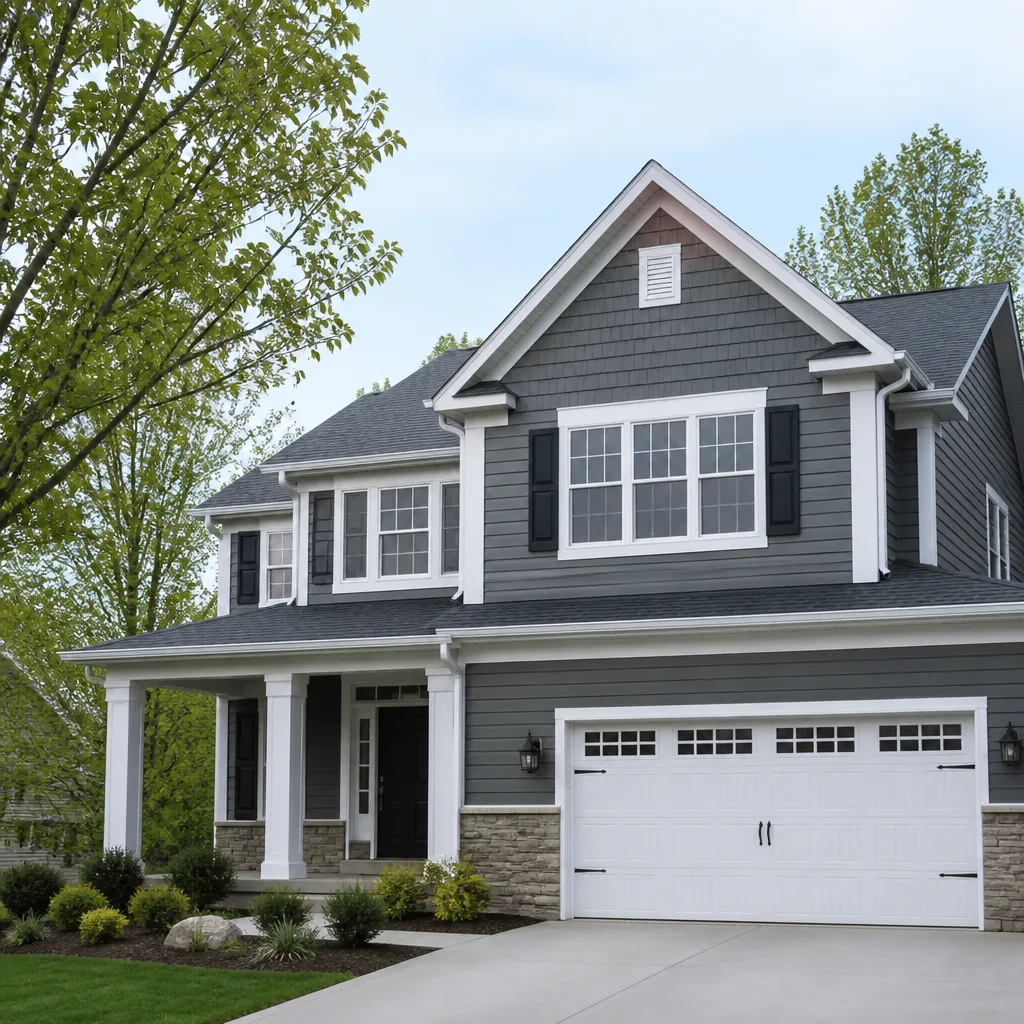
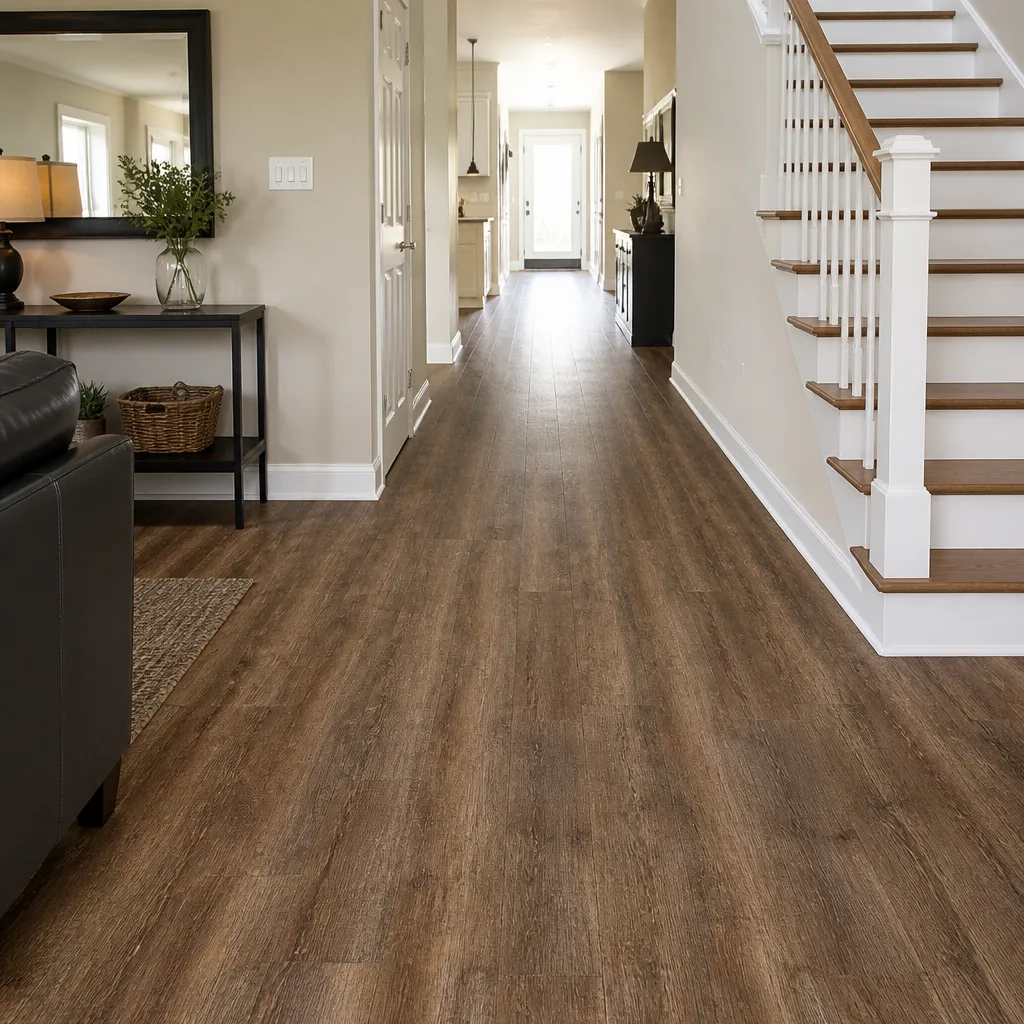
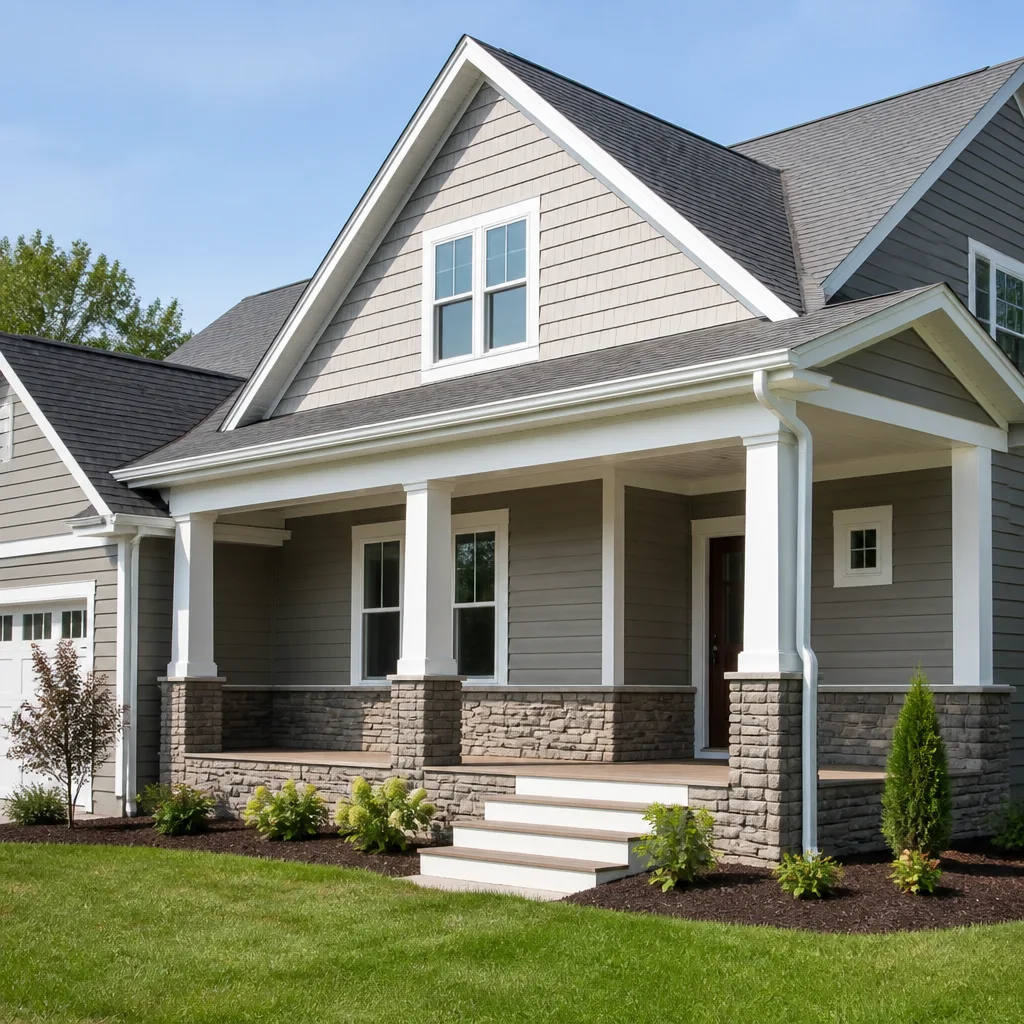
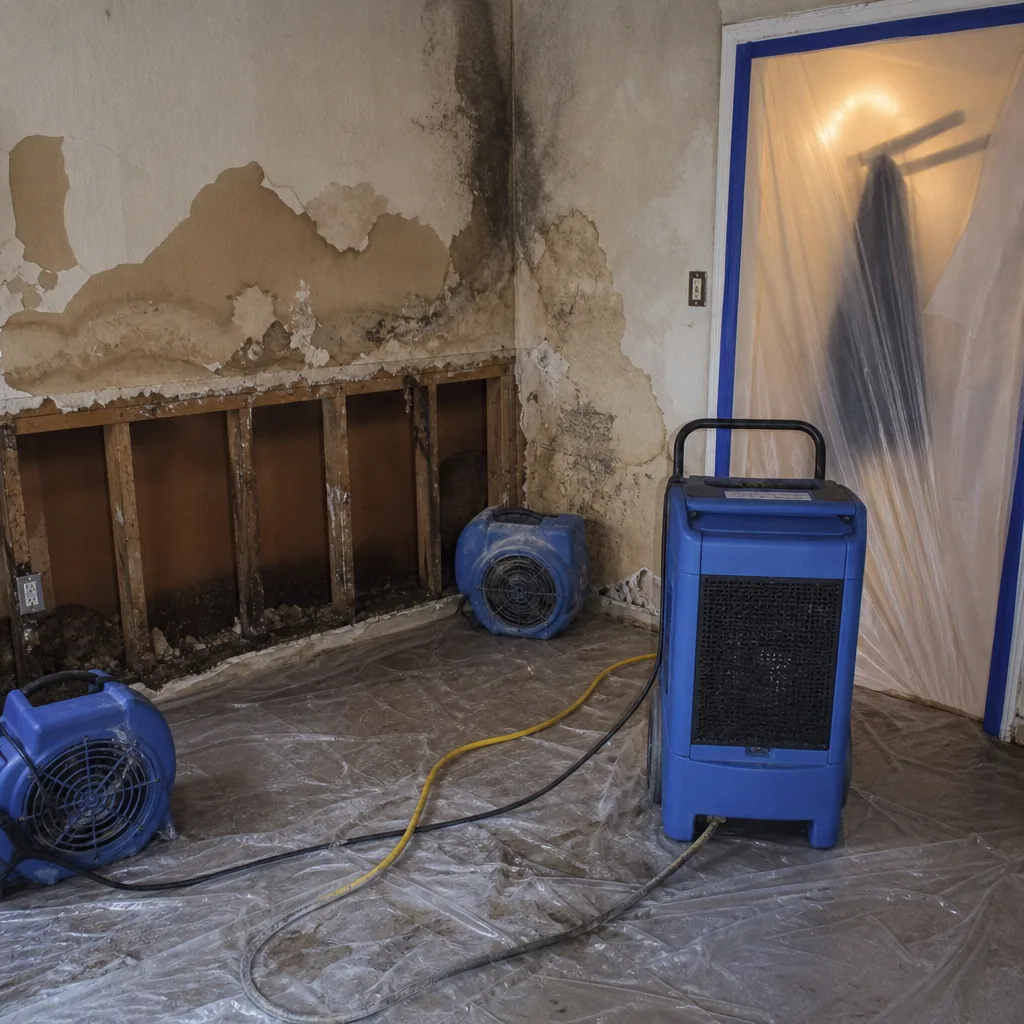 Before
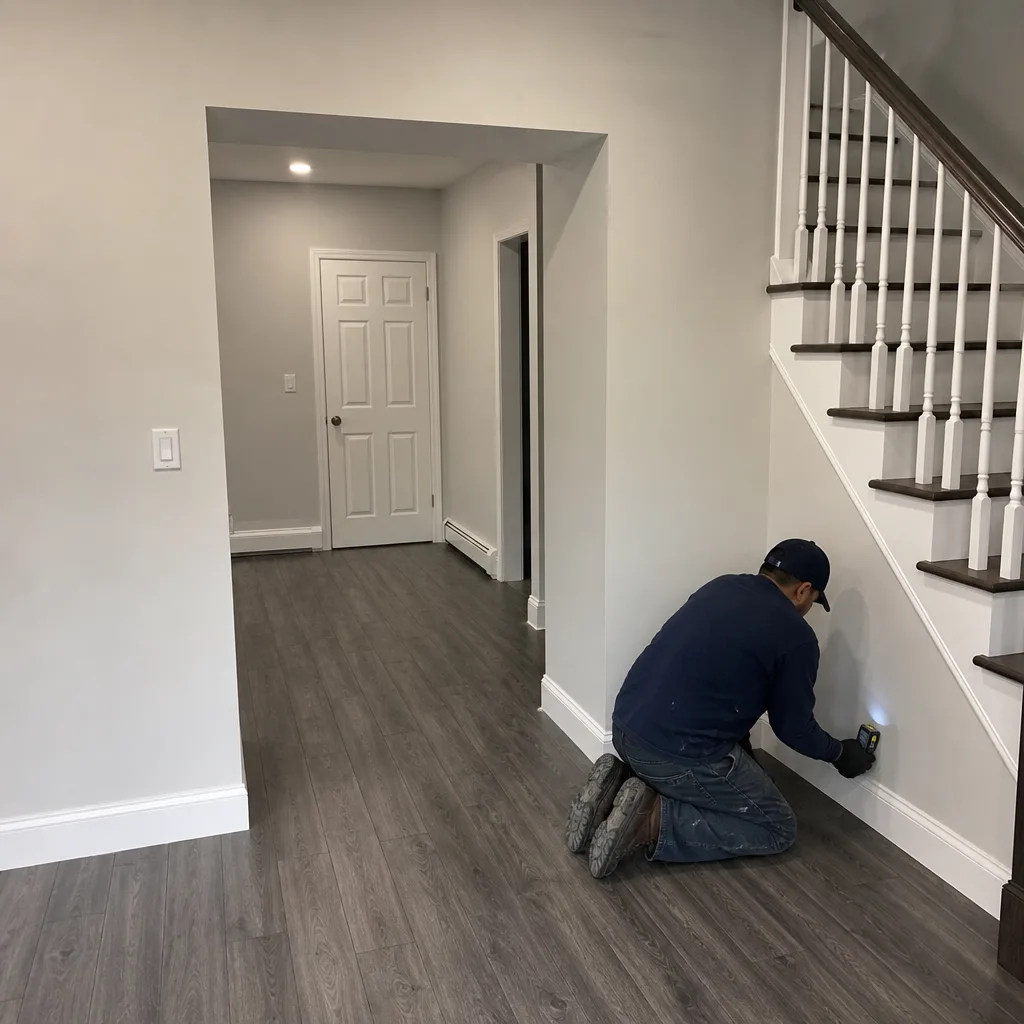 After
After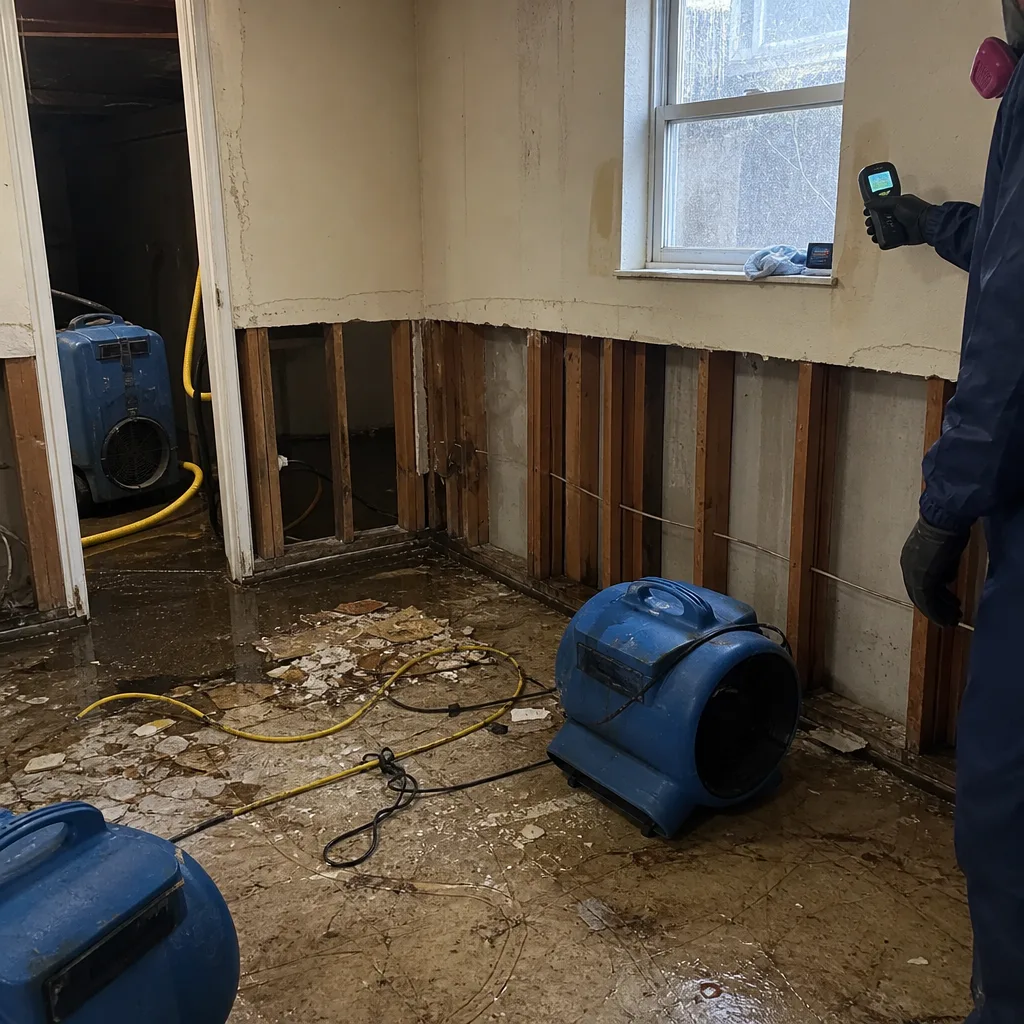 Before
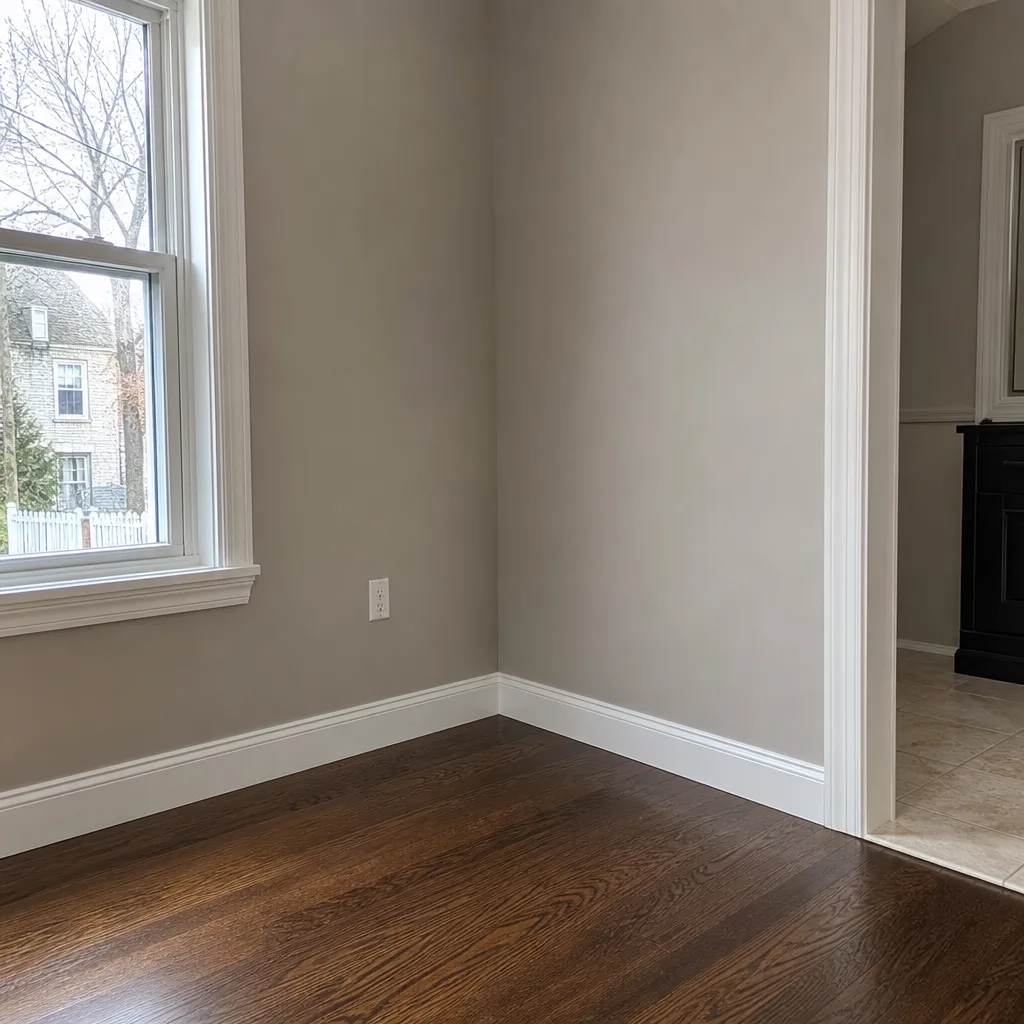 After
After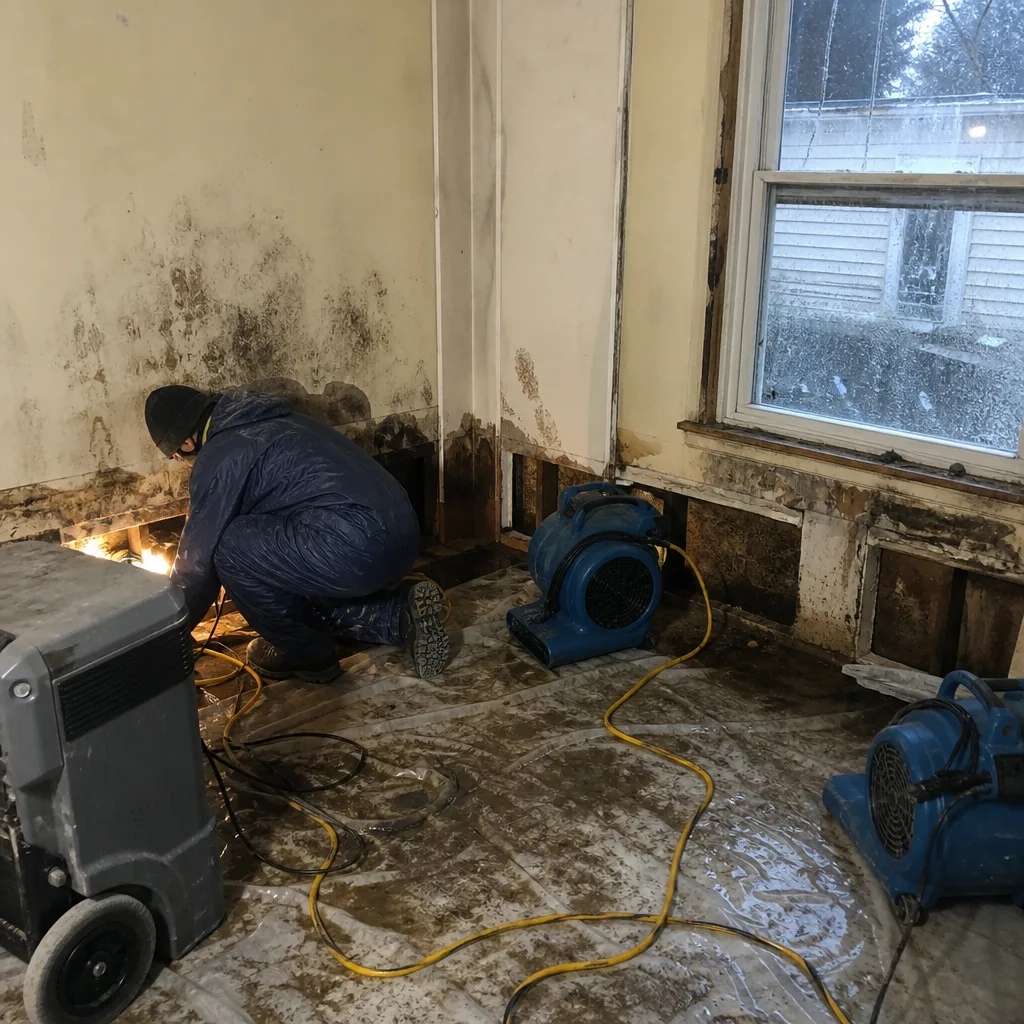 Before
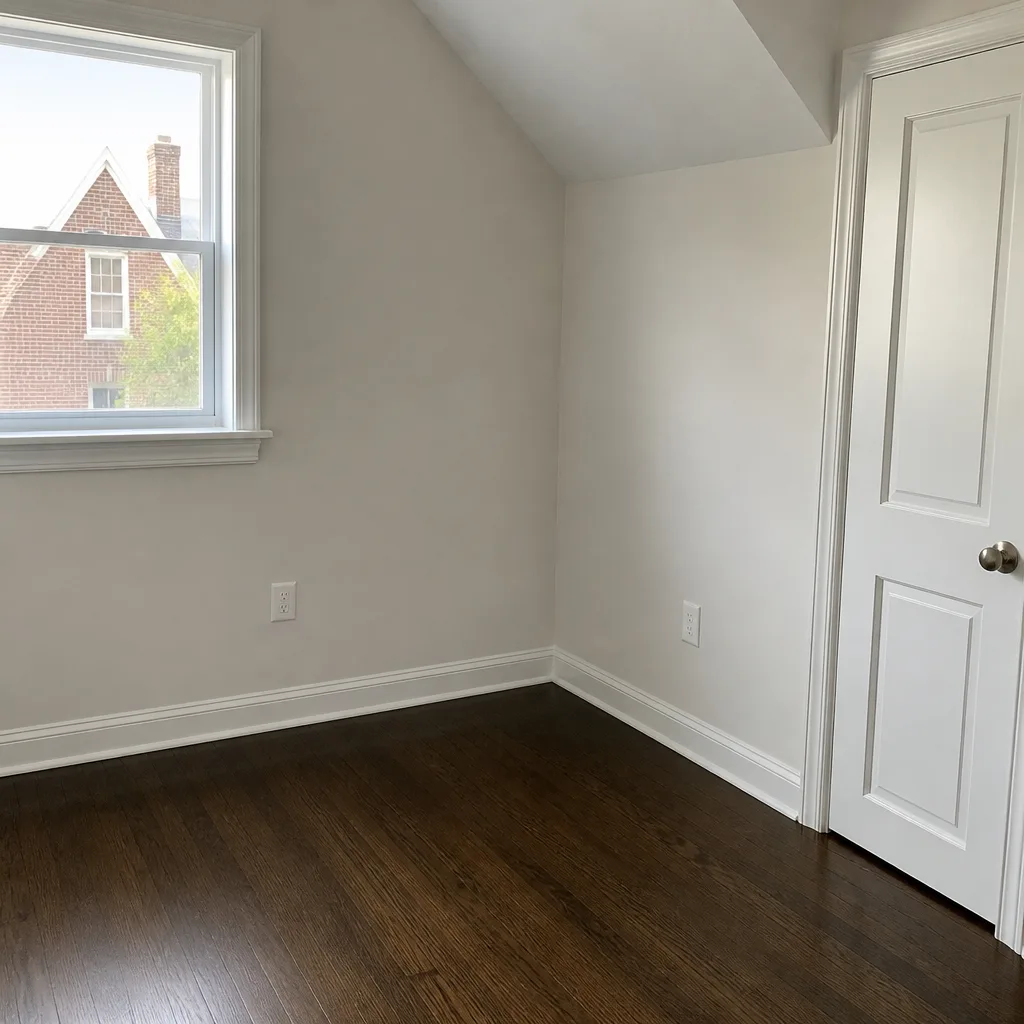 After
After24/7 Emergency Mold Remediation in Bellerose
Mold remediation in Bellerose typically costs between $1,800 and $6,500 depending on the size of the affected area and whether walls, ceilings, or crawl spaces are involved. Most jobs are completed within 2 to 5 days, including containment, removal, drying, and clearance testing. If you suspect mold right now, call (631) 557-5029 and a live dispatcher answers at any hour, not a recording.
The first hour matters because mold spreads through a 1920s plaster-and-lath Bellerose home faster than people expect. Plaster holds moisture like a sponge, and once spores move into wall cavities they travel along the same channels where your old galvanized plumbing already runs. Every wet hour means more surface area affected. Our crews dispatch from within the metro area and arrive at Bellerose addresses quickly, conduct a free visual inspection, and give you a written scope of work before anything is removed. You’ll know what we found, what it costs, and what happens next, while the issue is still contained.
Understanding Mold Remediation Severity in Bellerose Properties
Not every mold situation in Bellerose is equal. We classify severity three ways. A surface issue, often following a one-time leak, stays on visible surfaces like baseboards, painted plaster, or the back of a closet wall. A cavity issue means moisture moved into wall cavities, behind lath, or into floor framing, and that calls for containment, negative air pressure, and air scrubbing to prevent cross-contamination. A systemic issue involves recurring water intrusion: the basement that floods after every nor’easter, the crawl space that never dries, the shared wall between semi-detached units where a neighbor’s slow leak feeds your side.
Bellerose’s housing stock makes this classification harder than it looks. Most homes here were built between 1920 and 1940 with original plaster-and-lath walls. A standard pin-style moisture meter reads the surface only. Plaster can read dry on the outside while holding 20% moisture an inch deep. That’s why thermal imaging is non-negotiable on these homes: it shows temperature differentials that reveal trapped moisture behind plaster, above clay tile rooflines, and under original oak or pine floors. If you skip this step, crews stop drying too early, the mold returns, and you pay twice.
Why Bellerose Property Owners Choose Floodline Restoration Co.
- Fast response, every time. We commit to 45-minute dispatch from the first call. A live person answers, and a certified crew heads toward Bellerose that same visit.
- 24/7 live answer, no phone tree. At 2 a.m., a dispatcher picks up. You explain the problem once. The crew arrives knowing what they’re walking into.
- IICRC-certified crews. Our technicians hold AMRT (Applied Microbial Remediation Technician) and WRT (Water Damage Restoration Technician) certifications. They’ve trained for mold, water, and the overlap between them.
- Free visual inspection with written findings. We assess before we quote. You get the full picture: photos, measurements, and a plain-English explanation of what needs to happen.
- Direct insurance billing. We document everything from the first hour and bill your carrier directly. You don’t play messenger between Floodline and your adjuster.
- One team from start to finish. The same certified crew handles containment, remediation, drying, and any structural repair. No mid-job handoff to an unknown subcontractor.
Our Mold Remediation Process
Inspection & Assessment
We start with a full visual inspection, thermal imaging, and moisture mapping across the affected area and adjacent rooms. In a Bellerose semi-detached, we also check the shared wall line to see if moisture is migrating from the mirrored unit. You get a written scope before any work begins.
Containment & Stabilization
We seal affected areas with 6-mil polyethylene containment and run HEPA-filtered negative air machines to prevent spore spread. If standing water or Sewage Cleanup in Bellerose is needed, extraction starts immediately with portable extraction units sized for tight basements and narrow stairways.
Drying & Dehumidification
Dense brick rowhouses and plaster walls hold moisture much longer than wood-frame suburban homes. We run Dri-Eaz and Phoenix dehumidifiers and air movers 30 to 50% longer than standard timelines, with daily moisture readings logged until the dry standard is met. That log goes to you and your insurer.
Cleaning & Sanitization
Affected surfaces are HEPA-vacuumed, scrubbed with antimicrobial agents, and sanitized. Porous materials that cannot be fully cleaned, like saturated plaster sections or compromised insulation, are removed under containment and bagged for Biohazard & Crime Scene Cleanup - Bellerose disposal protocols.
Specialty Treatment
For crawl spaces and basements with recurring moisture, we address the source: vapor barriers, drainage correction, and humidity control recommendations tailored to Bellerose’s high water table and flat outwash plain geography. For pre-1980 homes, we coordinate any required asbestos or lead abatement before demo.
Repairs & Restoration
Once the space is dry and clearance-tested, the same crew repairs what was removed: new plaster, trim, insulation, or drywall where needed. We do not hand off rebuilding to a different company. One team, one scope, one written guarantee.
Need Emergency Mold Remediation in Bellerose Now?
Bellerose Storm & Disaster Restoration crews are minutes away, answering live 24 hours a day. The sooner we start, the less it costs.
Working With Your Insurance Company
We have handled mold claims in Bellerose long enough to know that adjusters respond to documentation, not phone calls. Our claims process starts the first hour we’re on site. We photograph every affected room before touching anything, log moisture readings daily, and write a line-item scope that matches industry estimating standards your carrier recognizes. You never have to explain mold remediation to an adjuster: we do it directly, in their language, with their required paperwork.
What We Provide Your Insurer
- Thorough documentation of the loss from the first visit
- Photos of all damage, room by room
- Moisture readings and drying logs, updated daily
- A detailed, line-item scope of work
- Direct coordination with your carrier and adjuster
Built for Bellerose’s Loss Calendar
Bellerose homeowners learn the calendar early. January and February bring deep freezes that burst aging supply lines in 1920s walls. When a pipe lets go inside a plaster wall, the water doesn’t puddle where you can see it. It soaks into lath, drips through ceiling bays, and feeds the mold spores already dormant in the wall cavities. We see more hidden cavity mold from winter pipe failures here than from any other single cause.
Spring brings the thaw and basement seepage. Bellerose sits on the flat glacial outwash plain of southeastern Queens with a relatively shallow water table. After a wet winter, that water table rises, and basements built before modern waterproofing take on water at the floor-to-wall seam. Summer thunderstorms dump intense rain in short bursts, overwhelming the combined sewer catchment and backing water into basement drains. Then come the nor’easters in fall and early winter, pairing days of rain with coastal wind. Every one of these events leaves moisture behind, and moisture is the only thing mold needs to start growing.
The dense brick rowhouse construction so common in Bellerose traps that ground-level moisture. Brick wicks water. Plaster holds it. Tight lot lines limit cross-ventilation during drying. That’s why our crews run dehumidifiers and air movers longer here than they would on a wood-frame home in Nassau’s further reaches. It’s not a markup. It’s the only way to actually hit the dry standard.
Mold Remediation Across Bellerose’s Neighborhoods
Bellerose’s neighborhoods don’t all face the same mold risks, and we route our response accordingly. South of Jericho Turnpike, the semi-detached brick Tudors near the Queens-Nassau line present the dual-permitting reality: the Queens side falls under NYC DOB, while a Nassau County address a few doors down runs under Bellerose Village municipal rules. Our crews carry both workflows in their heads. A shared wall means a shared moisture problem, and we’ve handled enough mirrored units to know where the mold travels before we open a single wall.
Up along the Cross Island Parkway corridor and around Jamaica Avenue, the attached brick homes sit tight to the street. Basement access is through narrow side alleys, not garage doors. That changes equipment choices: we bring compact dehumidifiers and air movers that fit through 28-inch doorways and down steep plaster-walled staircases. Parking is tight, so our crews stage equipment efficiently and know Bellerose’s street sweeping schedule well enough not to get boxed in with a running desiccant.
The blocks radiating from Commonwealth Boulevard and the Bellerose Village side hold some of the neighborhood’s oldest housing stock. Clay tile roofs here, especially when original, leak at the flashing points around chimneys and dormers. That water travels down inside walls and can sit for months before a homeowner sees a stain. We’ve found full wall-cavity mold colonies behind attic knee walls where the only visible clue was a faint musty smell in an upstairs bedroom. Older Bellerose homes don’t telegraph their problems; they whisper them.
Specialized Mold Remediation Services We Offer in Bellerose
Mold Inspection & Testing
When you smell something but can’t see it, our Mold Remediation team starts with a full inspection. In Bellerose’s plaster homes, that includes thermal imaging of walls, ceilings, and the shared wall line in semi-detached units. We identify what’s growing, where it started, and what’s feeding it, then give you a written report with photos and a scope. No scare tactics, just facts.
Mold Removal
Removal means getting the mold out without spreading spores into clean rooms. That’s where containment and negative air pressure do the heavy lifting. We seal the affected area, scrub the air with HEPA filtration, remove contaminated materials, and clean the surfaces that remain. In tight Bellerose basements, this demands patience and the right equipment, not brute force.
Black Mold Remediation
Stachybotrys, the strain people call black mold, gets attention for good reason: it produces mycotoxins and needs serious containment. But the protocol is the same whether the growth is black, green, or white: contain, remove, dry, clean, and clear. We treat every suspected black mold job in Bellerose with full containment and post-remediation clearance testing so you know the air is safe before the plastic comes down.
Air Quality Restoration
Mold spores don’t stay in the room where the mold is growing. They ride air currents through open doors, HVAC returns, and up stairwells. After containment comes air scrubbing with HEPA-filtered equipment, including Phoenix units sized for Bellerose basements and crawl spaces. We run post-remediation air sampling through an independent lab, so clearance testing isn’t our own grade.
Crawl Space Treatment
Bellerose’s shallow water table means crawl spaces stay damp even when the basement stays dry. We treat crawls with vapor barriers, insulation removal where mold has colonized, antimicrobial application on joists and sills, and humidity control recommendations. This is where ignoring the source means the mold comes back: if your crawl space stays at 70% relative humidity, the next bloom is already scheduled. See also our Bellerose service page for how we handle full moisture and humidity control across the neighborhood.
Moisture & Humidity Control
Moisture is the root cause of every mold problem in Bellerose. We install dehumidification systems, correct grading and drainage issues, and seal foundation penetrations where groundwater enters. An old house never becomes a dry box; the goal is controlled moisture, and Bellerose’s brick construction demands a more deliberate approach than a modern wood-frame home would.
What happens when you call
- 1
A real person answersNo phone trees - you reach a local pro.
- 2
You get an upfront price rangeHonest numbers before anyone is dispatched.
- 3
A background-checked tech heads outLicensed & insured, dispatched right away.
- 4
You approve before work beginsNothing starts until you say go.
Mold Remediation Costs in Bellerose, NY
A small, contained surface mold issue in Bellerose, one bathroom wall or a closet ceiling, typically runs $1,800 to $3,200. A medium job, like a full basement wall with wall-cavity involvement, lands between $3,500 and $6,500. Full remediation of a 1920s semi-detached home with systemic moisture, multiple affected rooms, and structural drying can reach $8,000 to $15,000, especially if asbestos or lead abatement is required before demo. Crawl space treatment with vapor barrier installation usually runs $2,500 to $5,500 depending on square footage and access.
What moves the price in Bellerose specifically: plaster-and-lath walls cost more to remediate and repair than drywall because removal is slower and the repair work is more skilled. The dual Queens/Nassau permitting reality can add a line item that purely single-jurisdiction towns don’t carry. And pre-1980 homes often require asbestos testing on pipe insulation or floor tiles before any demo, which is a cost you want to know about before the crew opens a wall, not after.
Insurance coverage depends on the cause. Sudden and accidental water damage that leads to mold, like a burst supply line, is often covered. Long-term seepage, groundwater intrusion, and pre-existing moisture problems usually are not. We’ll tell you straight which camp your claim likely falls in before we start, and we bill your carrier directly when coverage applies. For an exact number on your situation, call (631) 557-5029. The visual inspection is free, and the written scope is firm.
We Also Serve Cities Near Bellerose
Our Mold Remediation in Bellerose coverage extends to Floral Park, Queens Village, Oakland Gardens, and New Hyde Park. Same crews, same equipment, same written guarantee. If you’re anywhere near the Queens-Nassau border, we have a truck close.
Serving Bellerose, NY - Our Local Coverage Area
We’re based in the Bellerose area and know this community well. Use the map below to see our service coverage - if you’re nearby, we can almost certainly help.
Bellerose Mold Remediation Questions, Answered
How does Floodline Restoration Co. handle mold remediation when my semi-detached Bellerose home shares a wall with a neighbor in a different county?
We handle it as one job with parallel permits. If your side is Queens and the mirrored unit is Nassau, or vice versa, we file the NYC DOB paperwork for one side and the Nassau County or Bellerose Village paperwork for the other simultaneously. You get one scope of work, two sets of inspections where required, and no delays while one jurisdiction catches up.
Why does mold remediation in Bellerose’s Tudor homes require thermal imaging rather than just moisture meters?
Bellerose’s 1920s and 1930s homes have original plaster-and-lath walls. A pin-style moisture meter reads the surface, and plaster can read perfectly dry on the outside while holding mold-feeding moisture an inch deep. Thermal imaging shows temperature differentials that reveal trapped moisture behind the plaster, above ceilings, and inside wall cavities. Without it, crews stop drying too early and mold returns within weeks.
My Bellerose basement floods after every nor’easter-will mold remediation actually solve the recurring moisture, or just remove what’s there?
Both. We remove the mold that exists and correct what’s feeding it. That means addressing the water entry points: foundation cracks, grading issues, drain backups, or the high water table that makes Bellerose basements wetter than neighboring areas. If we just removed the mold and left the moisture source, we’d be back in six months. Our 90-Day Done Right Promise covers the work, and the scope includes the moisture corrections, not just the cleanup.
Do I need asbestos or lead abatement before you start mold remediation in my 1930s Bellerose home?
Possibly. Homes built before 1978 commonly contain lead paint, and homes built before 1980 often have asbestos in pipe insulation, floor tiles, or joint compound. If our scope requires demo that disturbs these materials, testing comes first. We coordinate any required abatement so the whole job stays on one timeline and one permit track, without triggering fines from NYC DOB or Nassau County mid-project.
Will your mold remediation get held up by Bellerose’s split permitting between Queens and Nassau County?
Not with us. We maintain the licensing and relationships needed to file permits with both NYC DOB and Nassau County or Bellerose Village. A purely-Queens or purely-Nassau contractor hits a wall when a job crosses the line. We don’t, because we filed those parallel permit sets before you ever picked up the phone.
How fast can someone actually get to my Bellerose home?
We commit to 45-minute dispatch from your call. A live dispatcher answers 24/7, and our crews are based within the metro area with Bellerose on their regular routes. Most emergency inspections happen the same visit, and containment starts the same day when needed.
How long does mold remediation take in a Bellerose home?
A small, contained job is often done in 1 to 2 days. A mid-size basement with wall-cavity involvement runs 3 to 5 days including drying and clearance testing. A full-home remediation with structural drying on plaster-and-lath walls can take 7 to 10 days. Bellerose’s brick construction and plaster walls add 30 to 50% to standard drying timelines compared to wood-frame homes.
Can we stay in our home during mold remediation?
Usually yes for contained, localized work. We seal the affected area under negative air pressure, so spores don’t migrate into living spaces. If the affected area is large, if black mold is present, or if anyone in the home has respiratory issues or a compromised immune system, we’ll discuss temporary accommodation and factor that into the scope. A phone call to (631) 557-5029 gets you our honest recommendation for your specific situation.
Written by Curt Bowman, Owner at Floodline Restoration Co., serving Bellerose and the Queens-Nassau border region.