
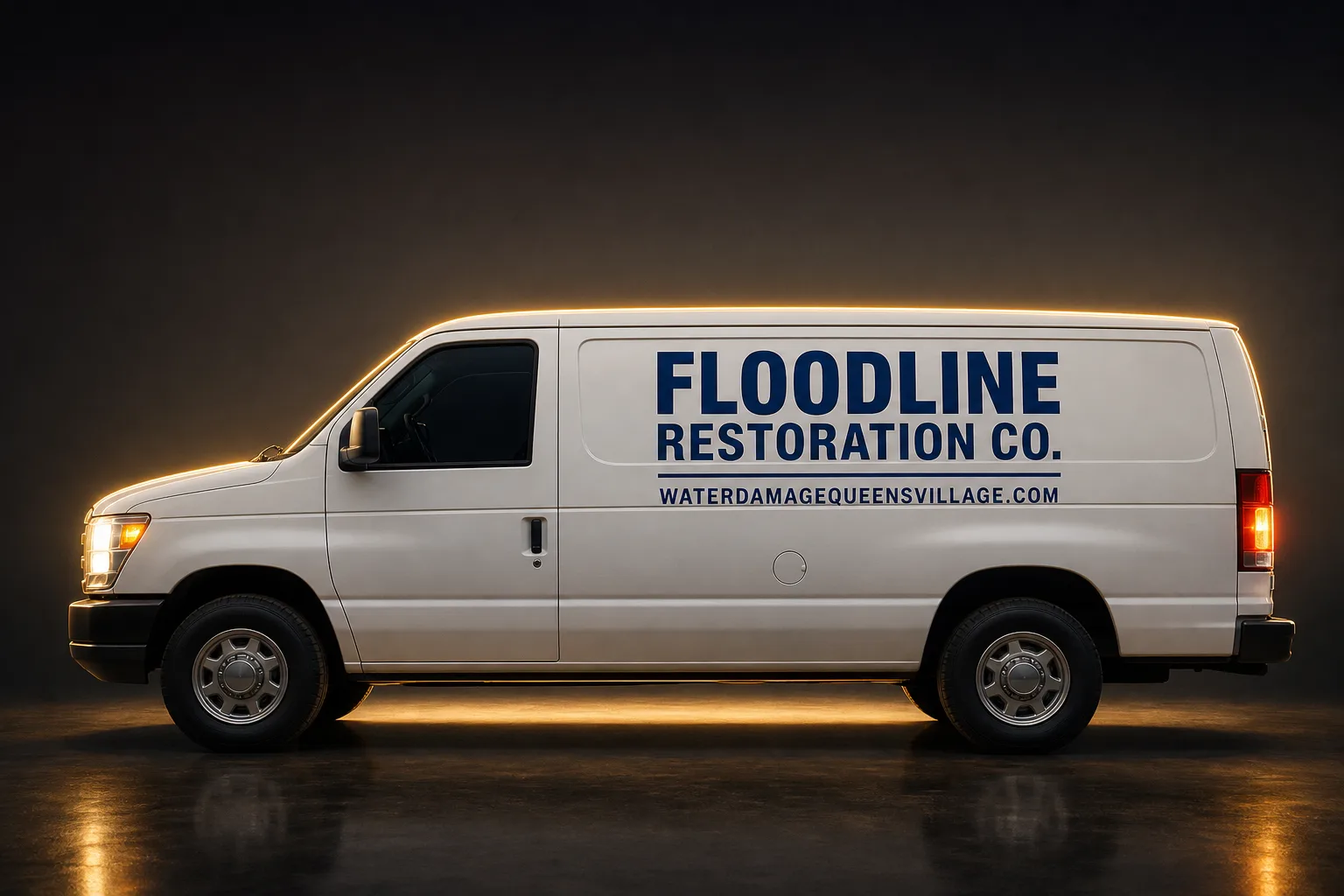
Free visual inspection and a written scope of work before any mitigation begins - photos, moisture readings, and drying logs go in your claim file
The scope we write is the scope we bill. Anything new gets shown to you, in writing, before we touch it.
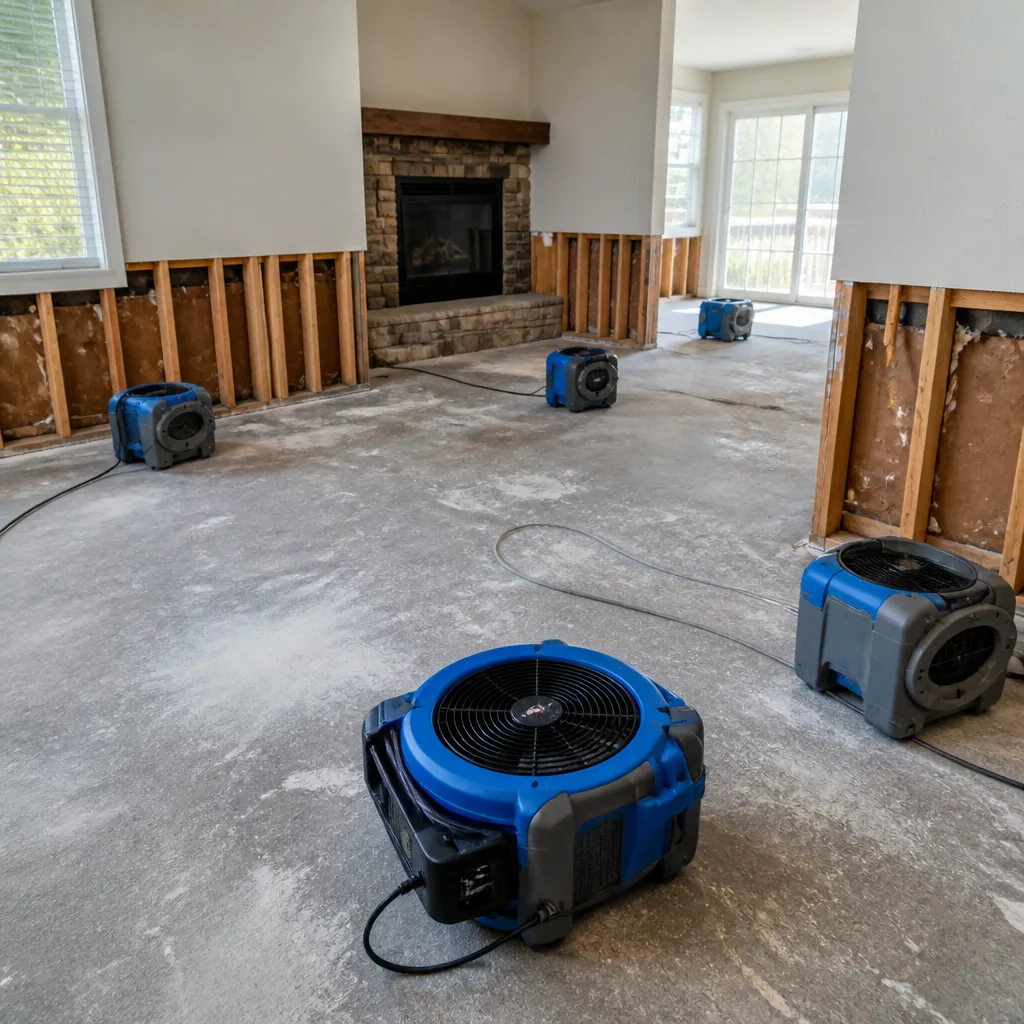
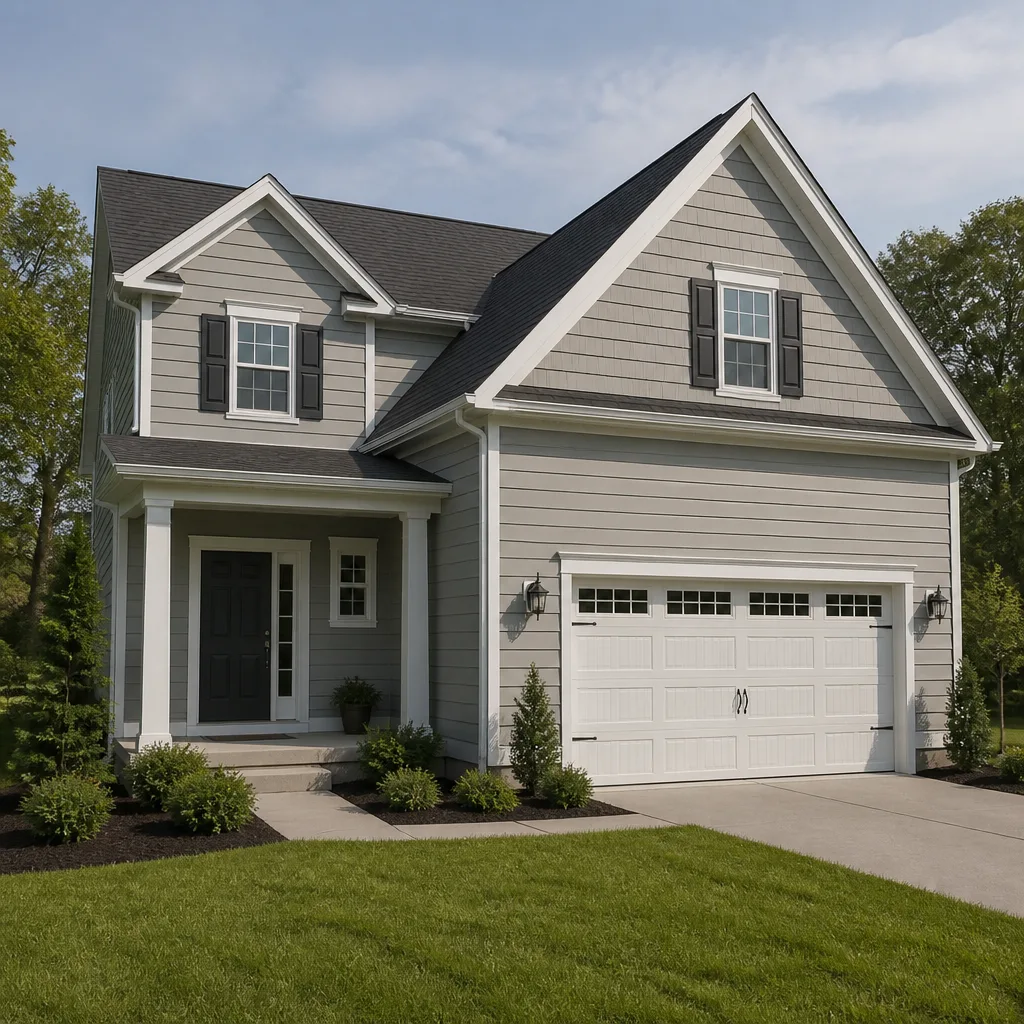
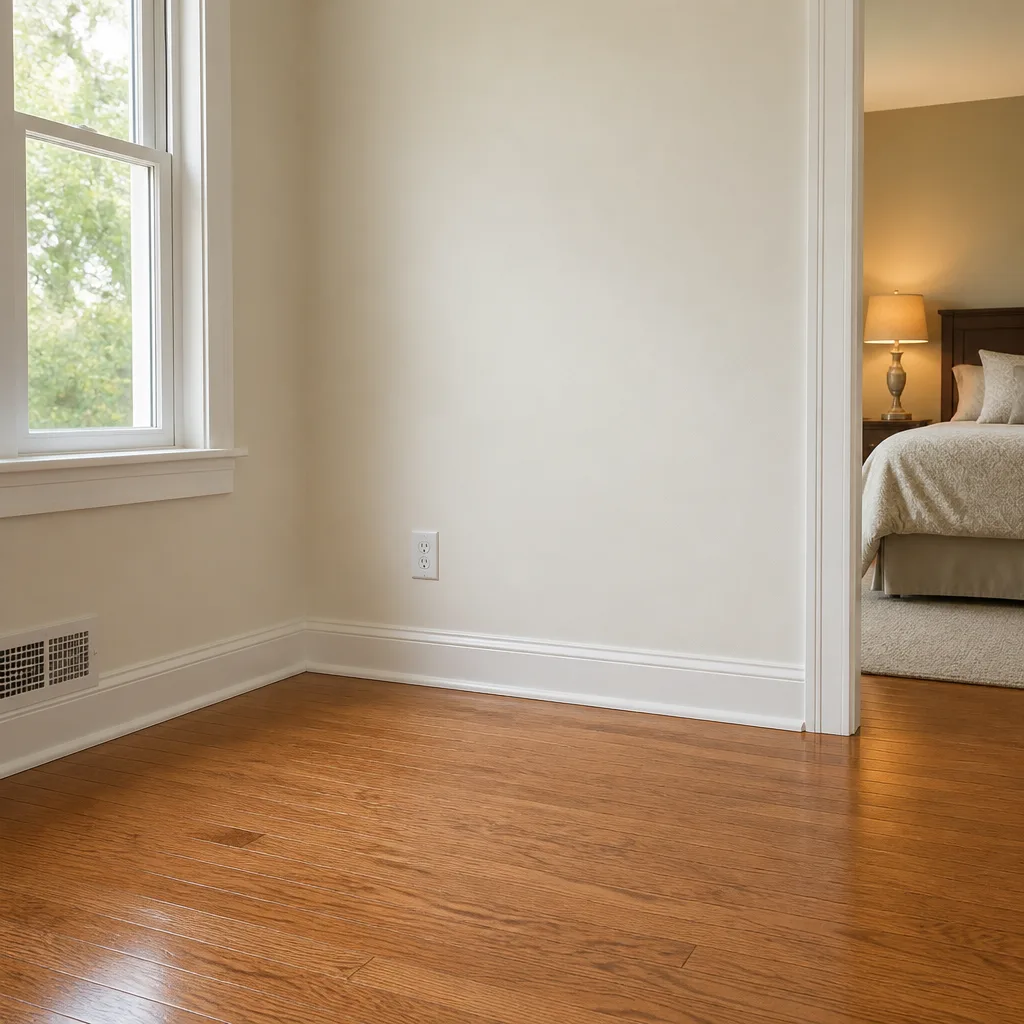
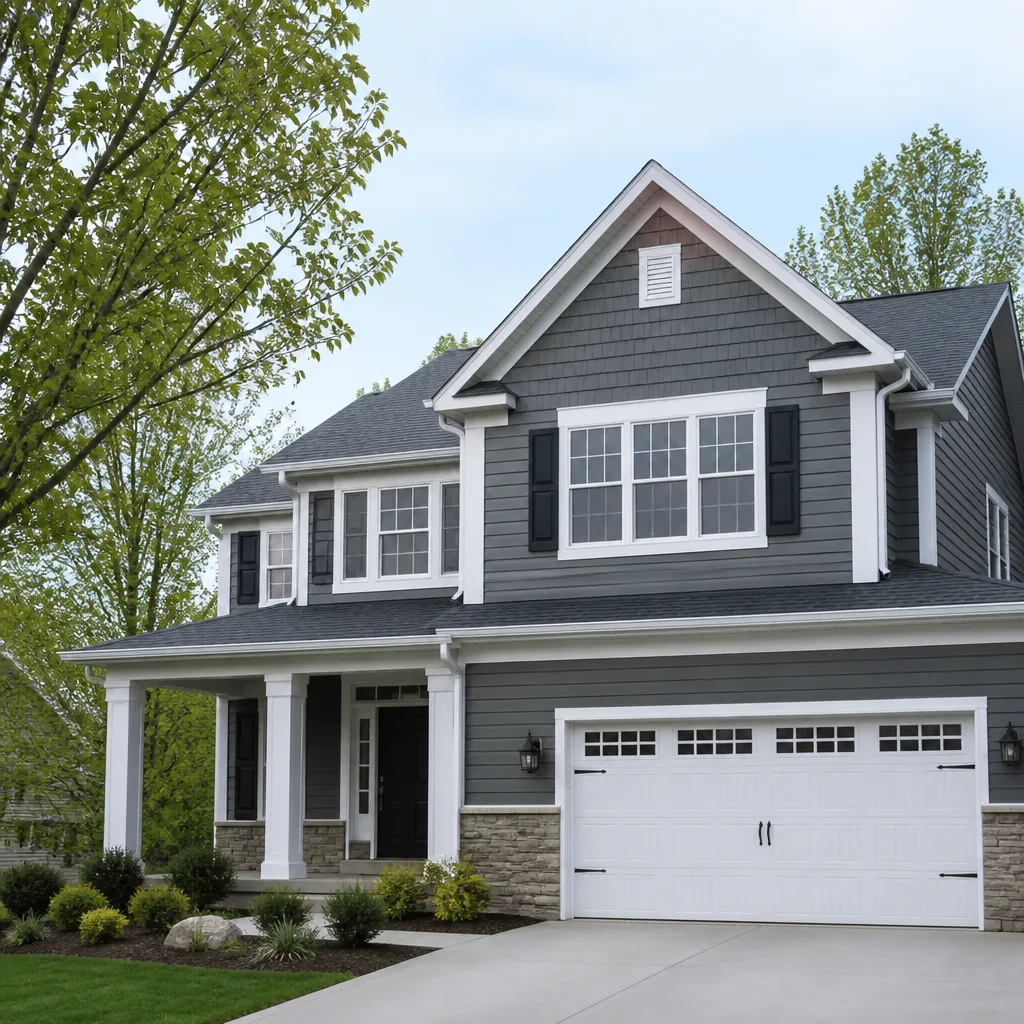
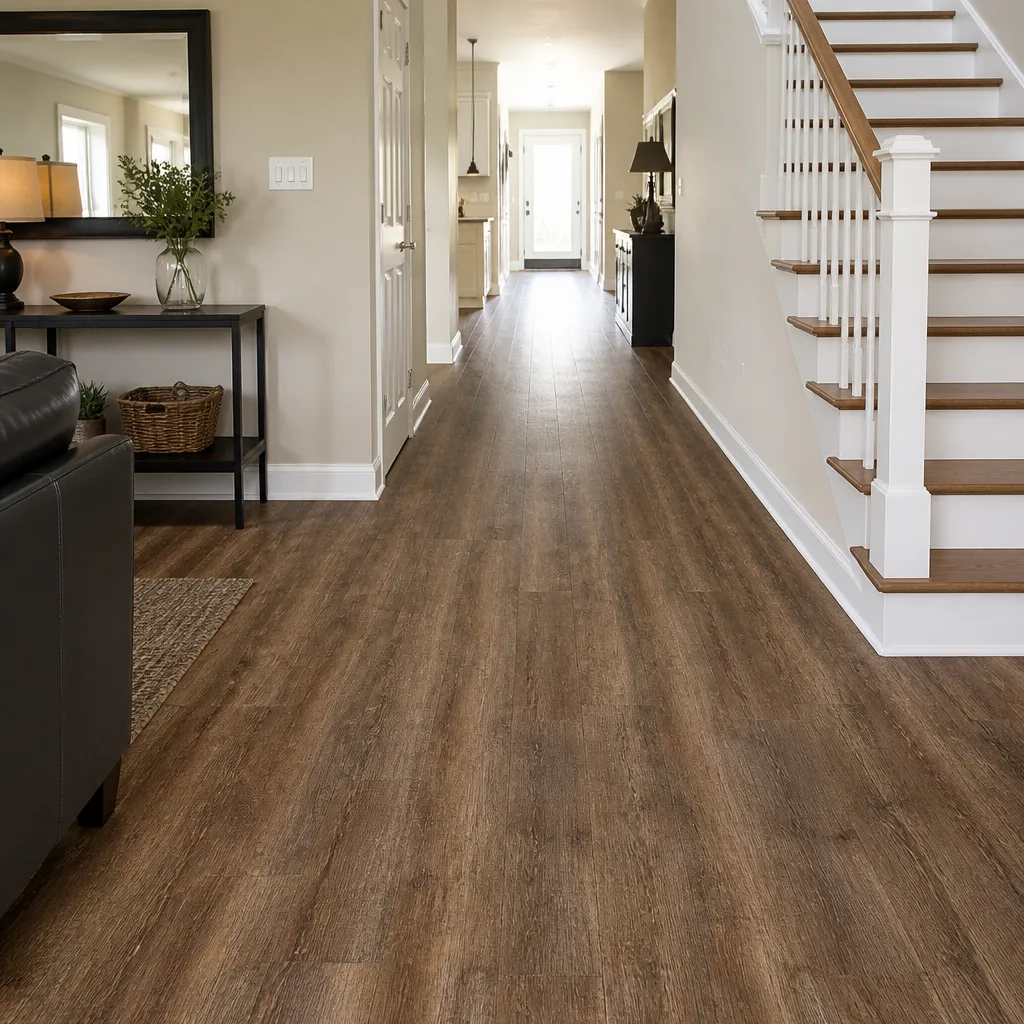
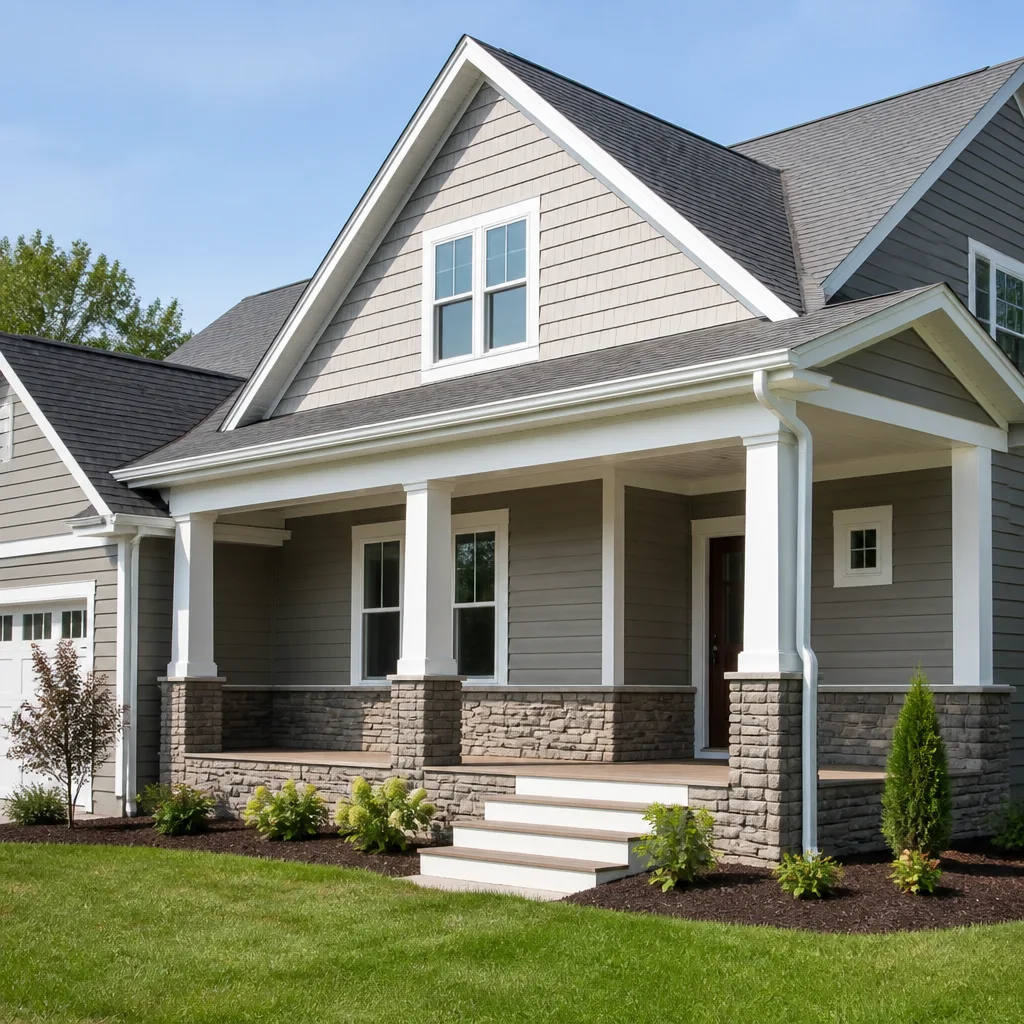
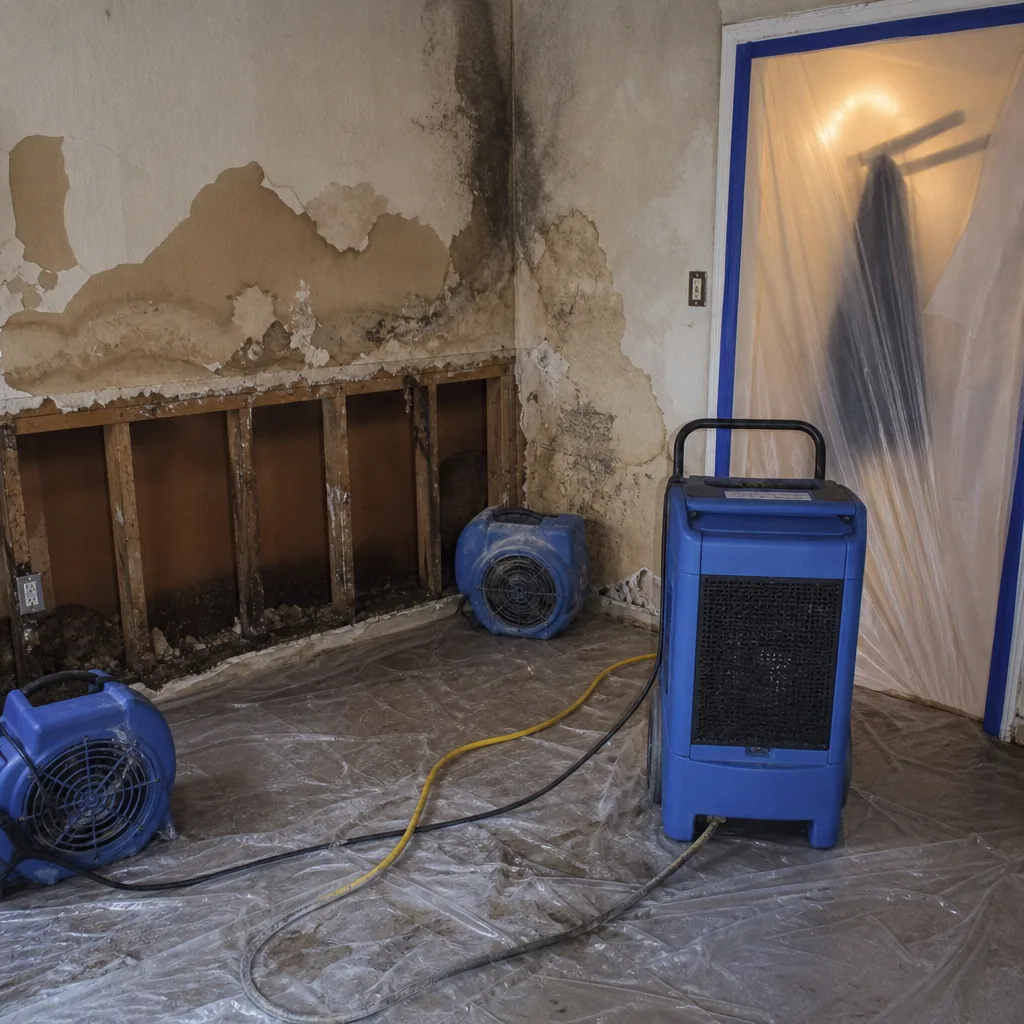 Before
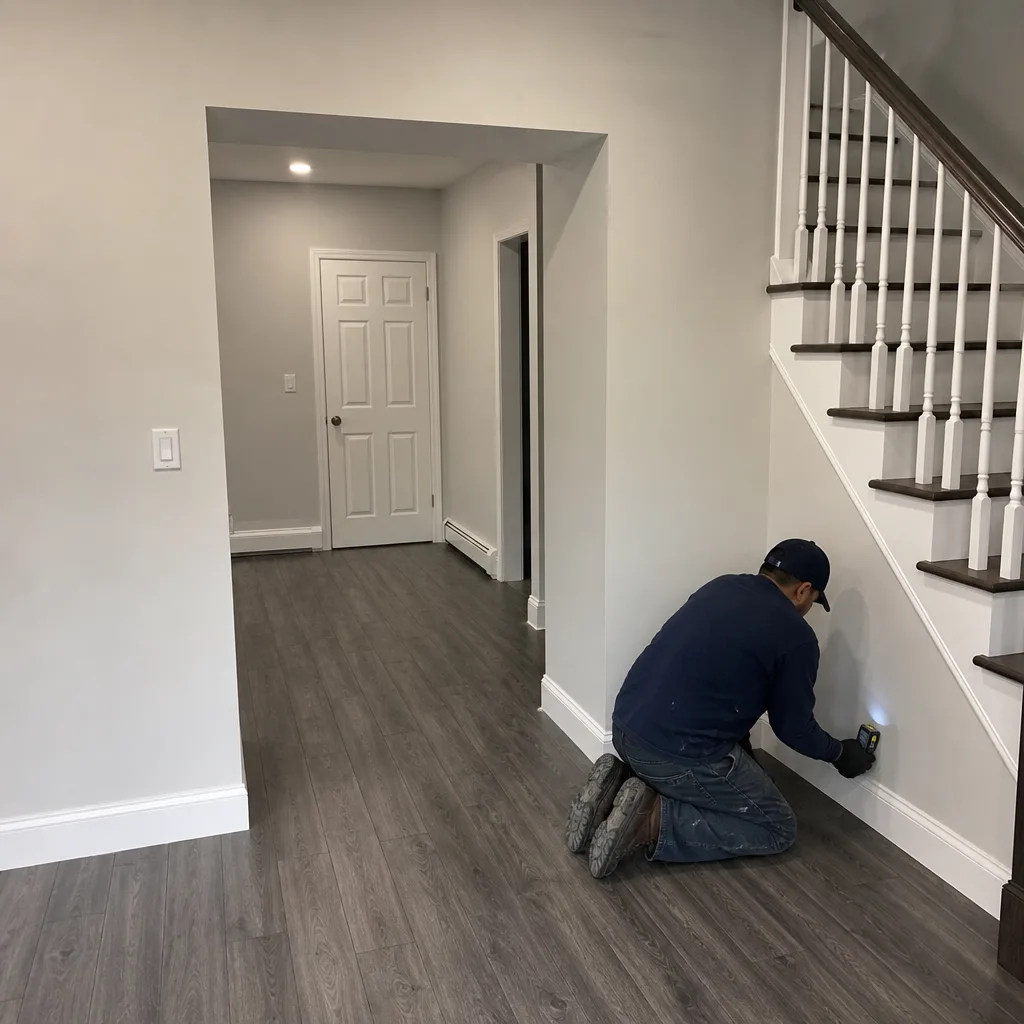 After
After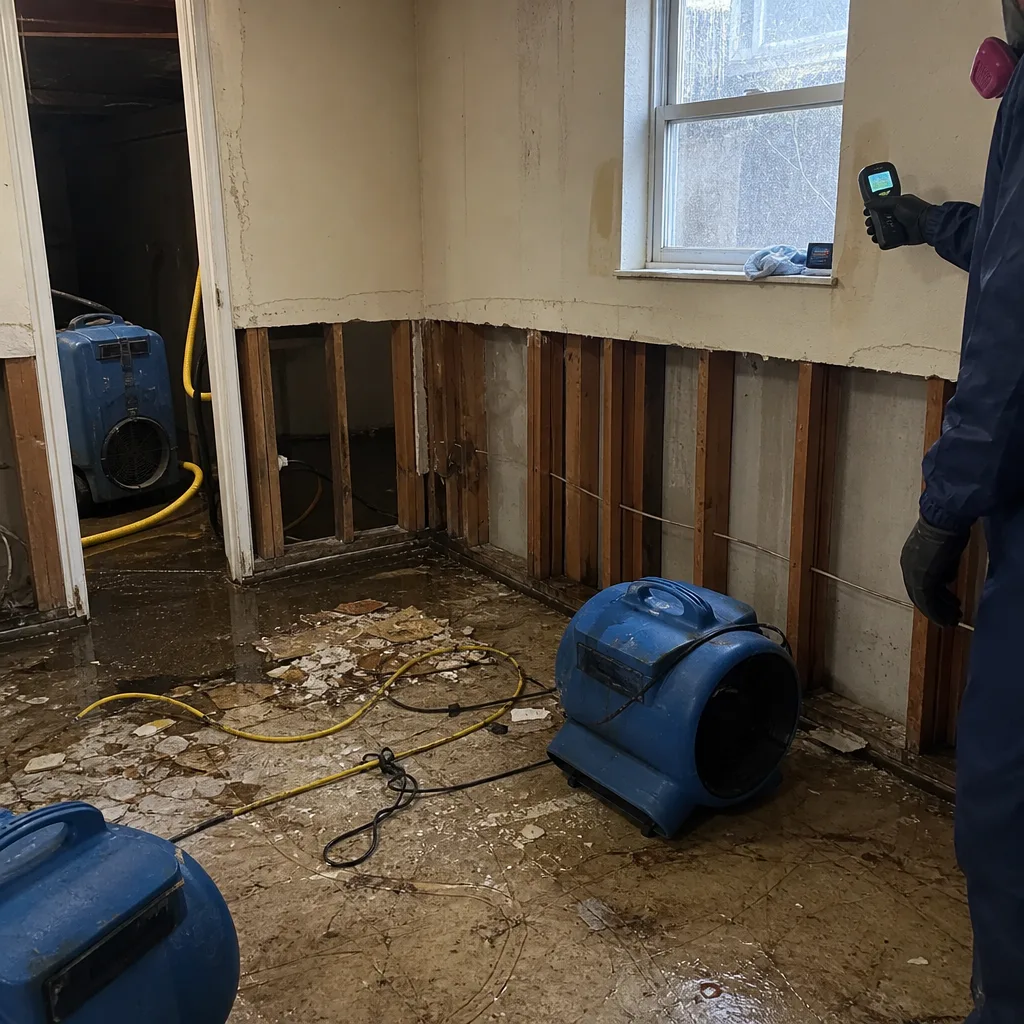 Before
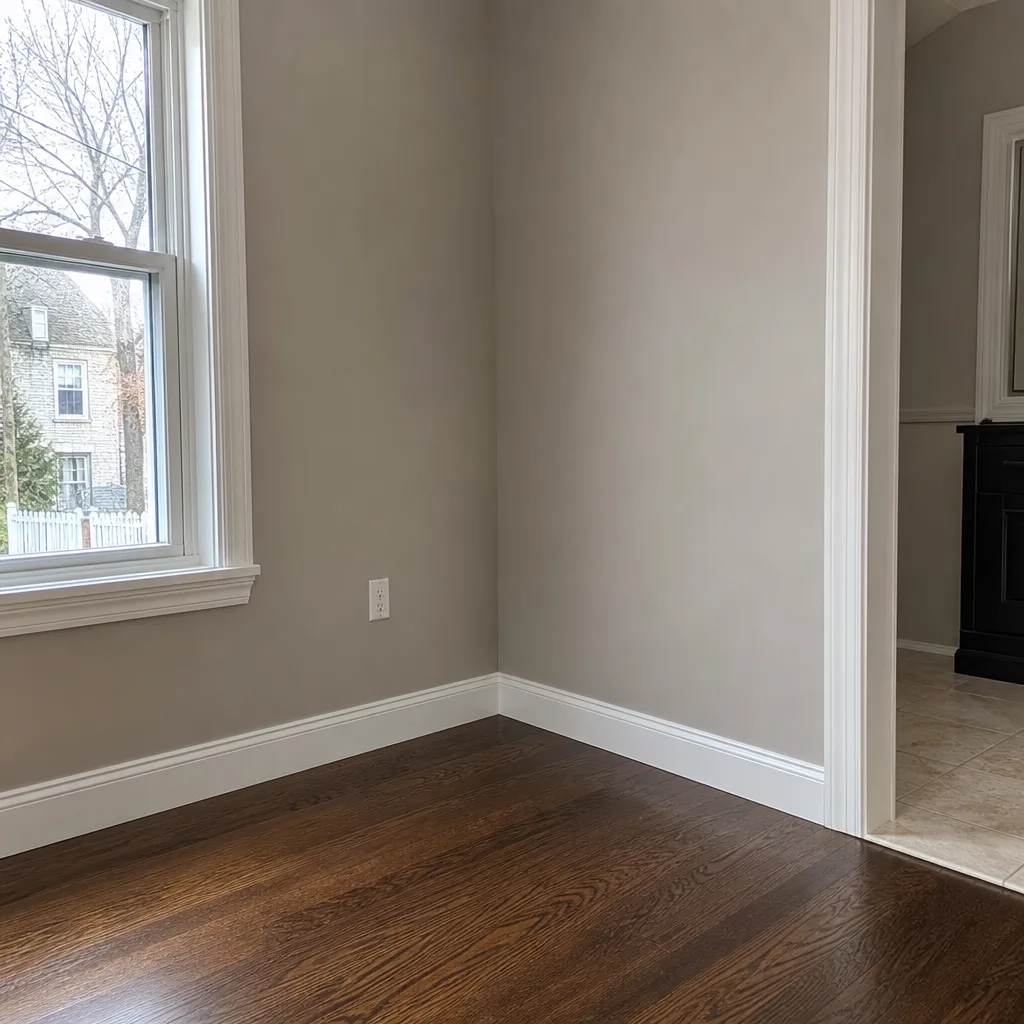 After
After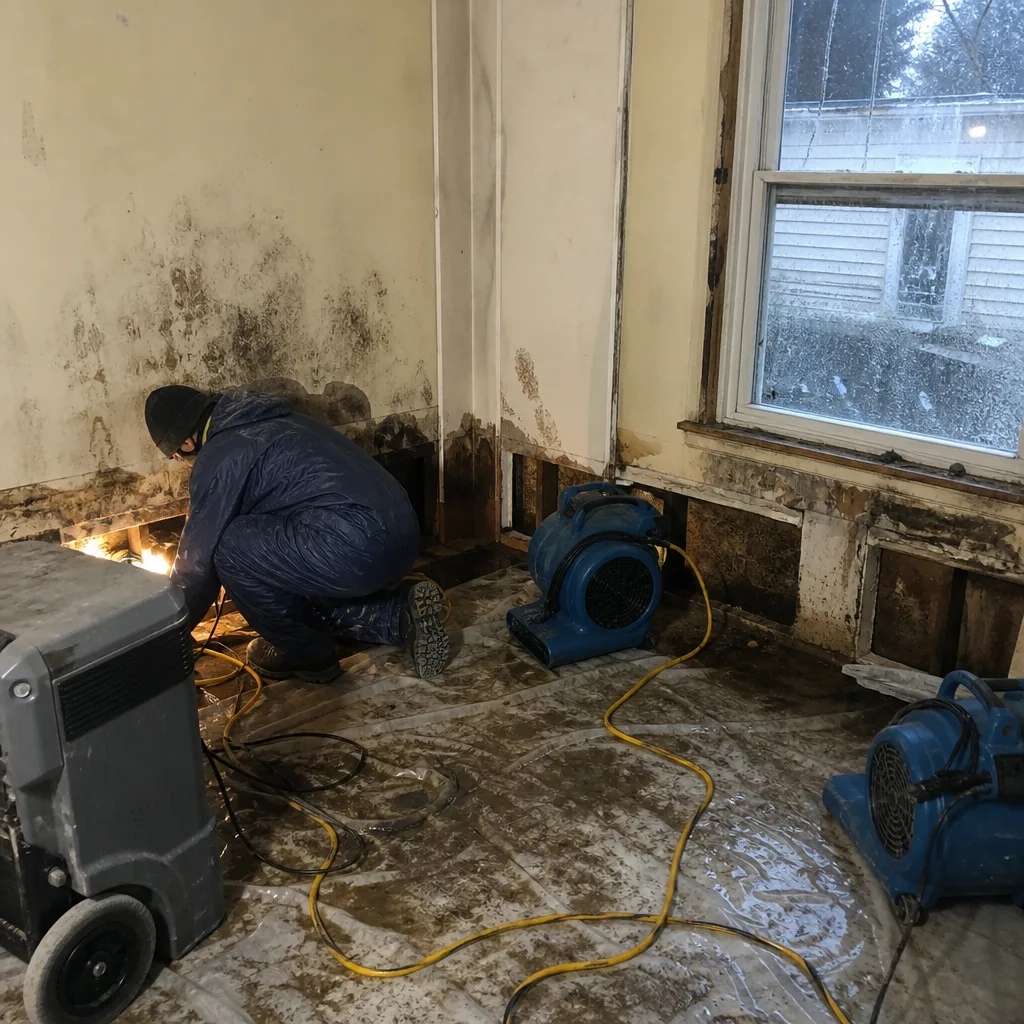 Before
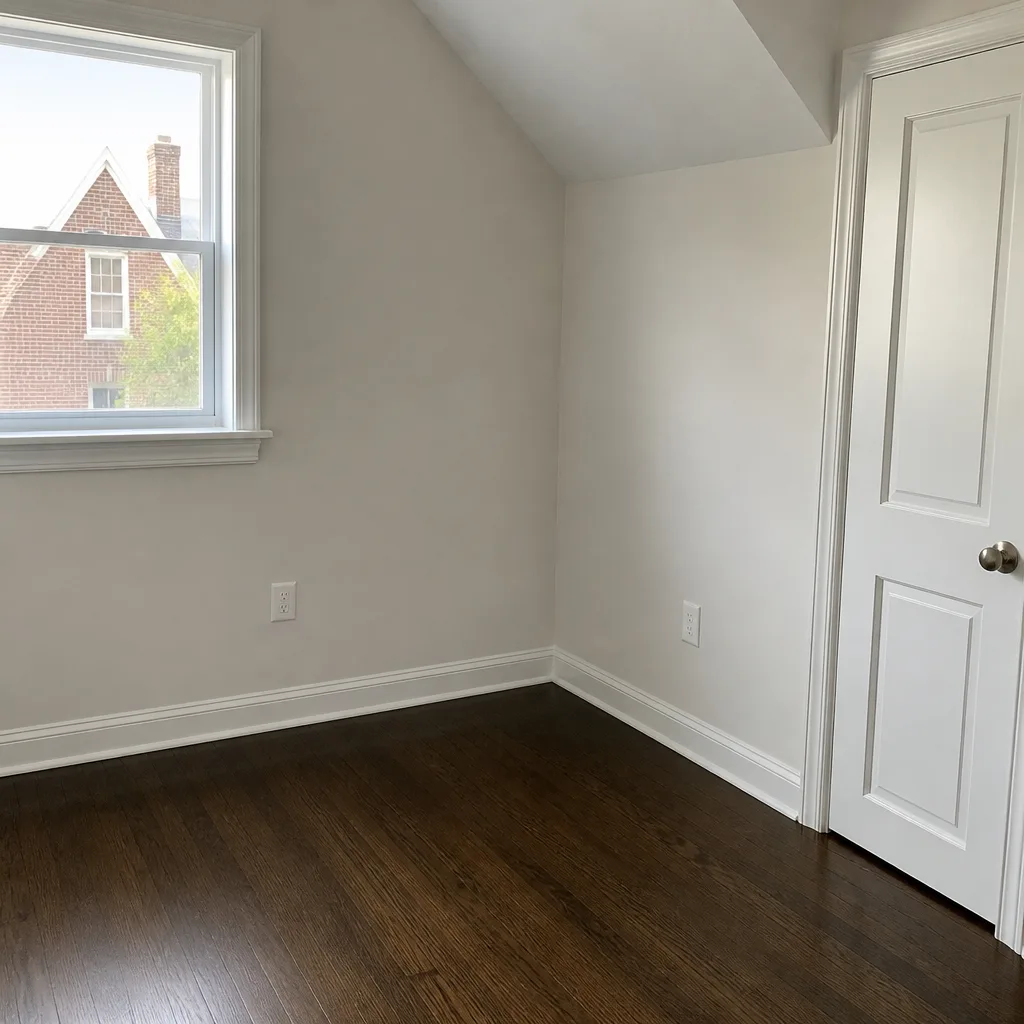 After
After24/7 Emergency Mold Remediation in New Hyde Park
Mold remediation in New Hyde Park typically costs between $1,800 and $6,500 for a contained basement job, and we answer the phone at (631) 557-5029 around the clock when you discover it. A live dispatcher picks up at 2 a.m., not a recording, and a certified crew can be inside your New Hyde Park home the same visit to start containment and drying. The first hour matters because mold colonizes unvented mid-century basement framing within 24 to 48 hours after water intrusion on Long Island’s clay-heavy soil. We offer a free visual inspection, and we’ll give you a written scope before any work begins, so there are no surprises on the bill.
Understanding Mold Remediation Severity in New Hyde Park Properties
In New Hyde Park, most mold jobs we walk into are not surface problems. They’re concealed moisture failures tied to how these homes were built. The overwhelming majority of houses here are post-WWII Cape Cods, split-levels, and ranches constructed between the late 1940s and mid-1960s. Many finished basements were framed decades later with wood bottom plates nailed directly onto the original concrete slab, with no vapor barrier between them. When groundwater climbs through the poorly-draining glacial clay beneath the foundation, moisture wicks invisibly upward into those plates and lower studs. Mold establishes behind drywall before you ever see standing water.
We classify water intrusion by category: Category 1 is clean water from a supply line; Category 2 is contaminated water from a sump failure or washing machine overflow; Category 3 is sewage or outside floodwater. In New Hyde Park basements, Category 2 water from groundwater intrusion is the most common driver of mold because it carries organic material that feeds fungal growth. Containment, negative air pressure, HEPA air scrubbing, and clearance testing are not optional steps for us. They’re the standard on every job where hidden mold is suspected, which is most jobs in this housing stock.
Why New Hyde Park Property Owners Choose Floodline Restoration Co.
- 45-minute response commitment: When you call with active water or visible mold in New Hyde Park, we commit to having a certified tech on-site within 45 minutes of dispatch, which means a live crew, not a salesperson.
- 24/7 live answer: A real person answers the phone at (631) 557-5029 every hour of every day. No automated system, no “leave a message.” You’ll speak directly to a dispatcher who can move a crew toward New Hyde Park immediately.
- IICRC-certified crews: Our technicians carry WRT and AMRT certifications and train to IICRC, RIA, and IFA standards. They’re background-checked and uniformed when they walk into your home.
- Free visual inspection: We’ll assess the visible damage, check moisture with thermal imaging and hygrometers, and tell you honestly whether you need full remediation or a targeted cleaning with drying, before any work is authorized.
- Direct insurance billing: Floodline Restoration Co. bills your carrier directly and communicates with your adjuster, so you never play messenger between us and the insurance company.
- One team from extraction to reconstruction: The same certified crew that sets containment and dries your New Hyde Park basement also handles rebuild if walls come down. No mid-job handoff to a sub you’ve never met.
Our Mold Remediation Process
Inspection & Assessment
We start with moisture mapping using Dri-Eaz sensors and thermal imaging to find water you can’t see, especially in bottom plates and lower studs of New Hyde Park’s slab-on-grade basements. If pre-1978 materials are present, we flag the need for asbestos testing before we cut anything.
Containment & Stabilization
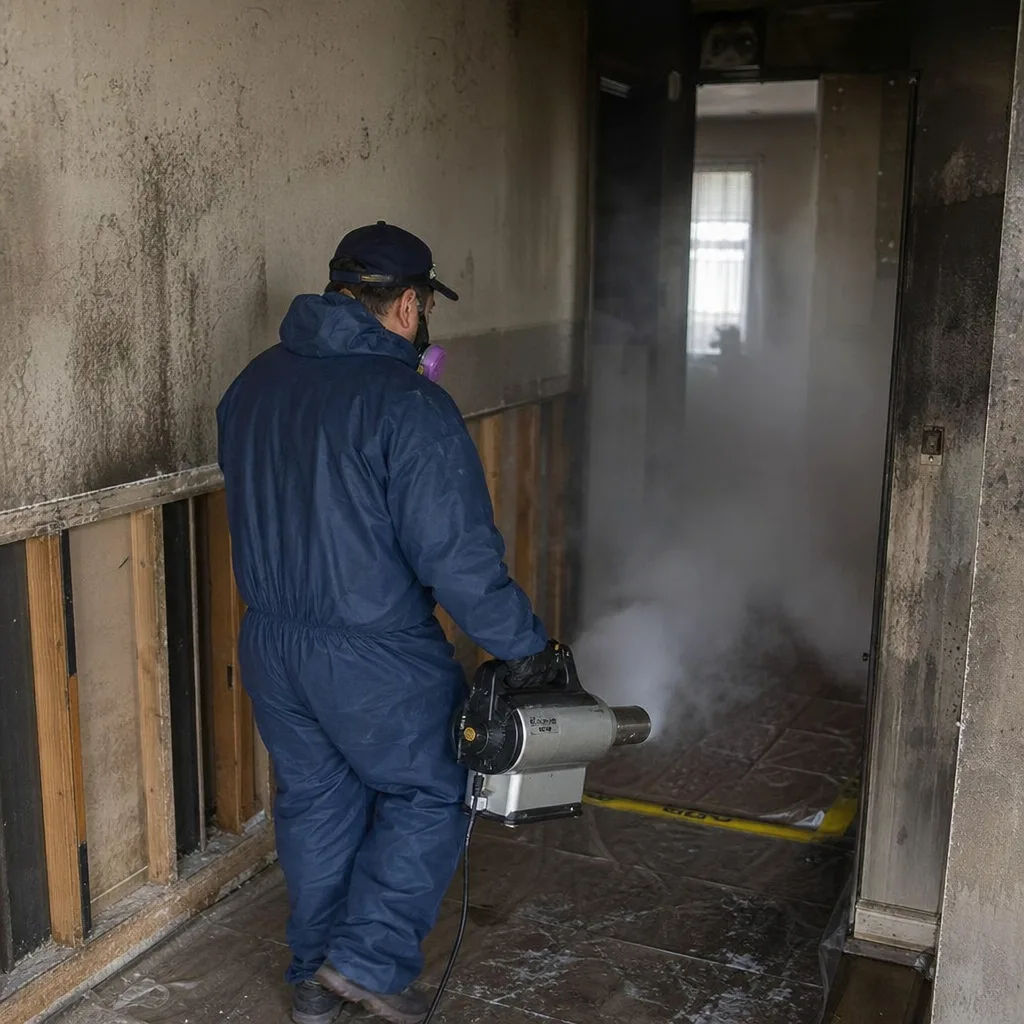
Before any drywall comes out, we set full containment with 6-mil poly and negative air pressure to keep spores from migrating into the rest of the house. We remove standing water and any Category 2 or 3 water with extraction equipment.
Drying & Dehumidification
Phoenix dehumidifiers and XPOWER air movers run continuously, and we log daily moisture readings until framing reaches dry standard. In New Hyde Park’s unvented basements, this typically runs three to six days, not one or two.
Cleaning & Sanitization
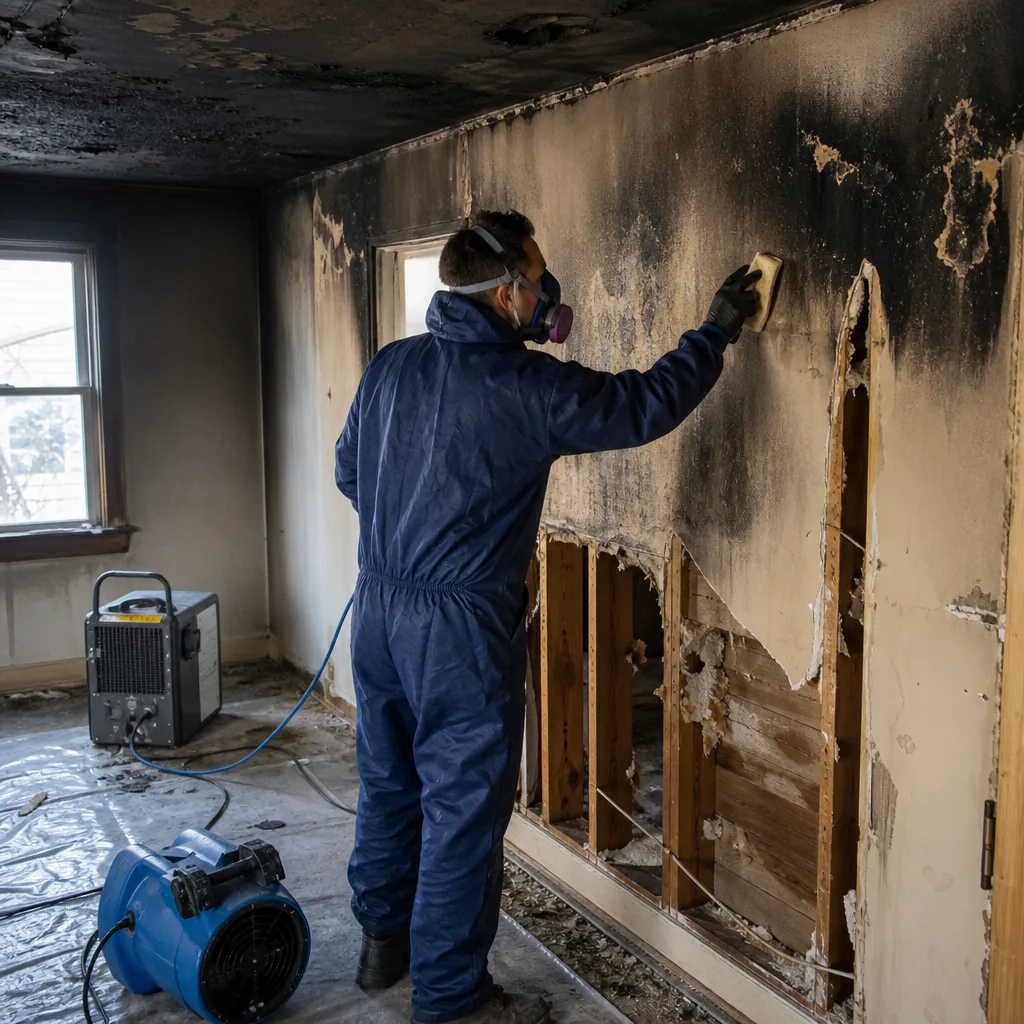
HEPA air scrubbers run throughout the job. We apply antimicrobial treatment to exposed framing, floor plates, and any surfaces that remain after remediation, so the colonization does not return once drywall goes back up.
Structural Drying of Concealed Cavities
This is the step other companies skip. We remove baseboards or drill small access points to dry wall cavities and bottom plates that wick moisture from the slab. Injectidry systems target the hidden spaces where mold establishes before you see it.
Repairs & Restoration
Once the structure is dry and clearance testing confirms acceptable levels, we rebuild what we removed. Because we handle reconstruction in-house, the same crew that dried your basement also puts it back together, and the whole job carries our 90-Day Done Right Promise in writing.
Need Emergency Mold Remediation in New Hyde Park Now?
Crews minutes away, answering live 24 hours a day. The sooner we start, the less it costs.
Working With Your Insurance Company
Most New Hyde Park mold remediation claims come down to documentation. We start that documentation the first hour we’re on site, because the cause of the mold, the timing of the water event, and the moisture readings we log all matter to your adjuster. We send industry-standard estimates, photos of every affected room, and drying logs that show daily progress until the structure meets dry standard. We talk to your adjuster directly, so you don’t spend your evenings on hold with the carrier. If your policy covers mold remediation from sudden water damage, we make sure the scope supports the claim.
What We Provide Your Insurer
- Thorough documentation of the loss
- Photos of all damage, room by room
- Moisture readings and drying logs
- A detailed, line-item scope of work
- Direct coordination with your carrier
Built for New Hyde Park’s Loss Calendar
New Hyde Park sits far enough inland to miss direct coastal storm surge, but it takes the full force of nor’easters and tropical remnants that dump several inches of rain onto flat, clay-heavy land with nowhere to drain. When storm damage is severe, our New Hyde Park Storm & Disaster Restoration team responds immediately. The local water table rises fast, and basement seepage can begin hours after a storm even in homes with no visible foundation cracks. Spring thaw adds saturated ground from winter precipitation, and summer humidity keeps unvented mid-century basements damp for weeks at a stretch. Every one of these seasons creates the same pattern: moisture enters through the slab or block foundation, wicks into unsealed bottom plates, and mold starts behind drywall where nobody sees it. We schedule free visual inspections year-round in New Hyde Park, because the moisture cycle here never fully stops. The question is whether you catch it before the drywall swells and the baseboards stain.
Mold Remediation Across New Hyde Park’s Neighborhoods
The homes north of Jericho Turnpike, along Lakeville Road and New Hyde Park Road, were built heavily between 1948 and 1962, and most have the original block foundations with no modern waterproofing. We see chronic seepage there after every sustained rain, especially in houses where the driveway slopes toward the foundation. South of Hillside Avenue, the Cape Cods and split-levels near Herricks Road and Denton Avenue sit on clay that holds water against the foundation walls for weeks, which means elevated moisture readings in lower studs for far longer than the visible puddle in the corner. The corridors around Marcus Avenue and New Hyde Park Road, with their mix of 1950s ranches and later additions, often have finished basements with 1970s or 1980s framing directly on slab, which is the exact condition that hides mold. When we drive from the Queens Village border up into the Lakeville Estates section, we know what to expect at each stop: pre-1978 building materials, unvented spaces, and water that has been moving through framing for longer than the homeowner realizes.
Specialized Mold Remediation Services We Offer in New Hyde Park
Mold Inspection & Testing
We inspect for visible mold, test for airborne spores, and use moisture mapping to find hidden colonies behind baseboards and drywall. In New Hyde Park’s pre-1978 homes, inspection includes checking for materials that may require asbestos testing before we disturb them. You’ll get a clear written report and an honest recommendation on whether remediation is needed or a targeted cleaning will suffice.
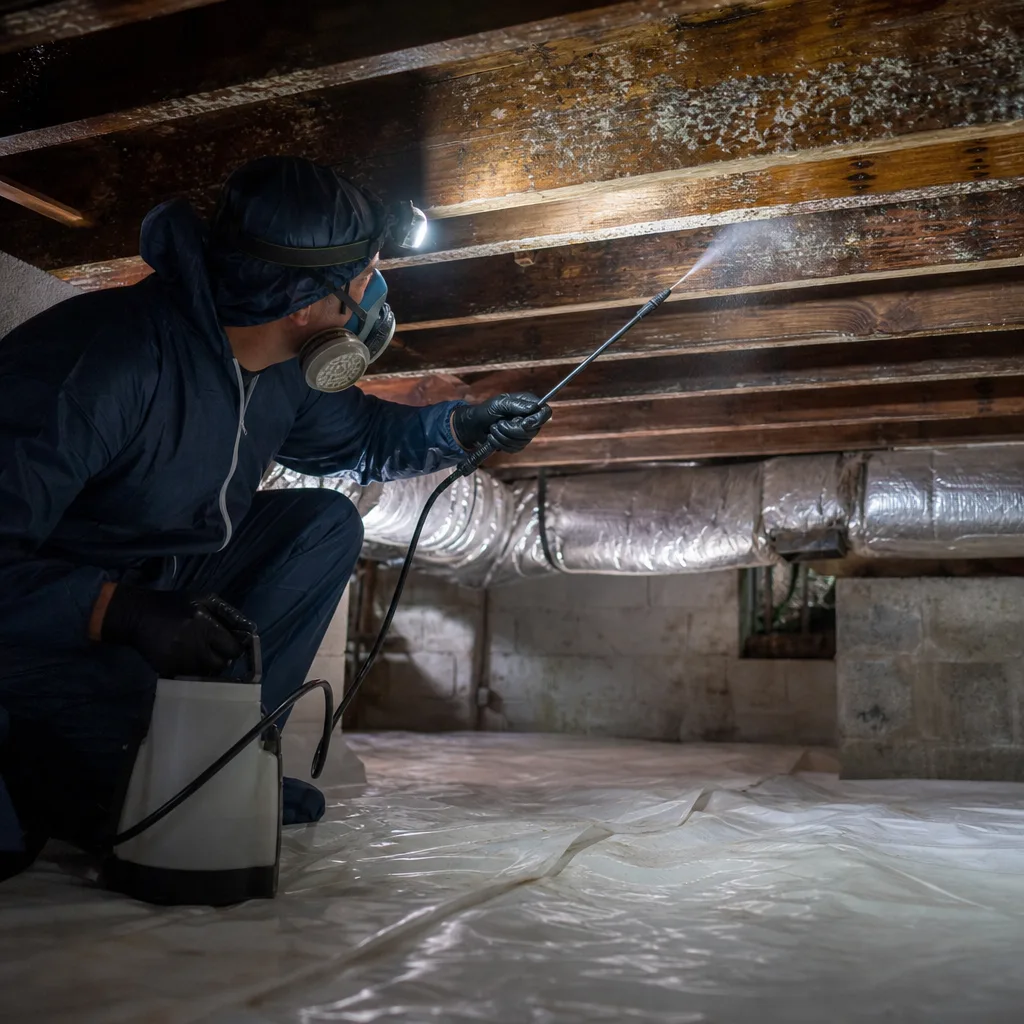
Mold Removal
Removing mold from New Hyde Park basements means more than wiping surfaces. We cut out affected drywall and insulation under containment, remove contaminated materials in sealed bags, and treat remaining framing with antimicrobials. If the water source was groundwater intrusion through the slab, we address that before rebuilding, or the mold returns.
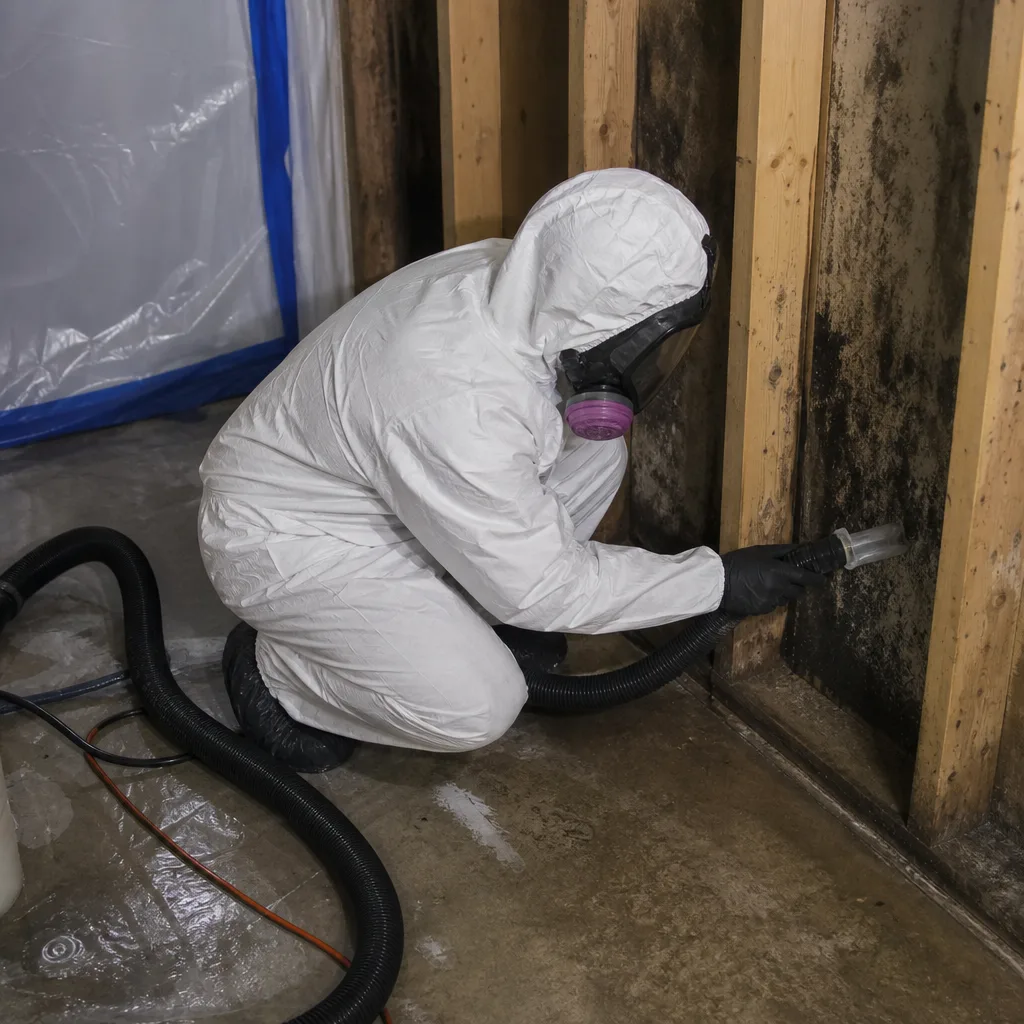
Black Mold Remediation
Black mold in a New Hyde Park basement often starts behind a finished wall that has wicked moisture from the slab for years, and in some cases the situation requires Biohazard & Crime Scene Cleanup in New Hyde Park protocols. We set full containment with negative air, remove the affected drywall and any contaminated insulation, HEPA-vacuum every surface, and dry the framing to standard before reconstructing. The work is always documented, and clearance testing is available.
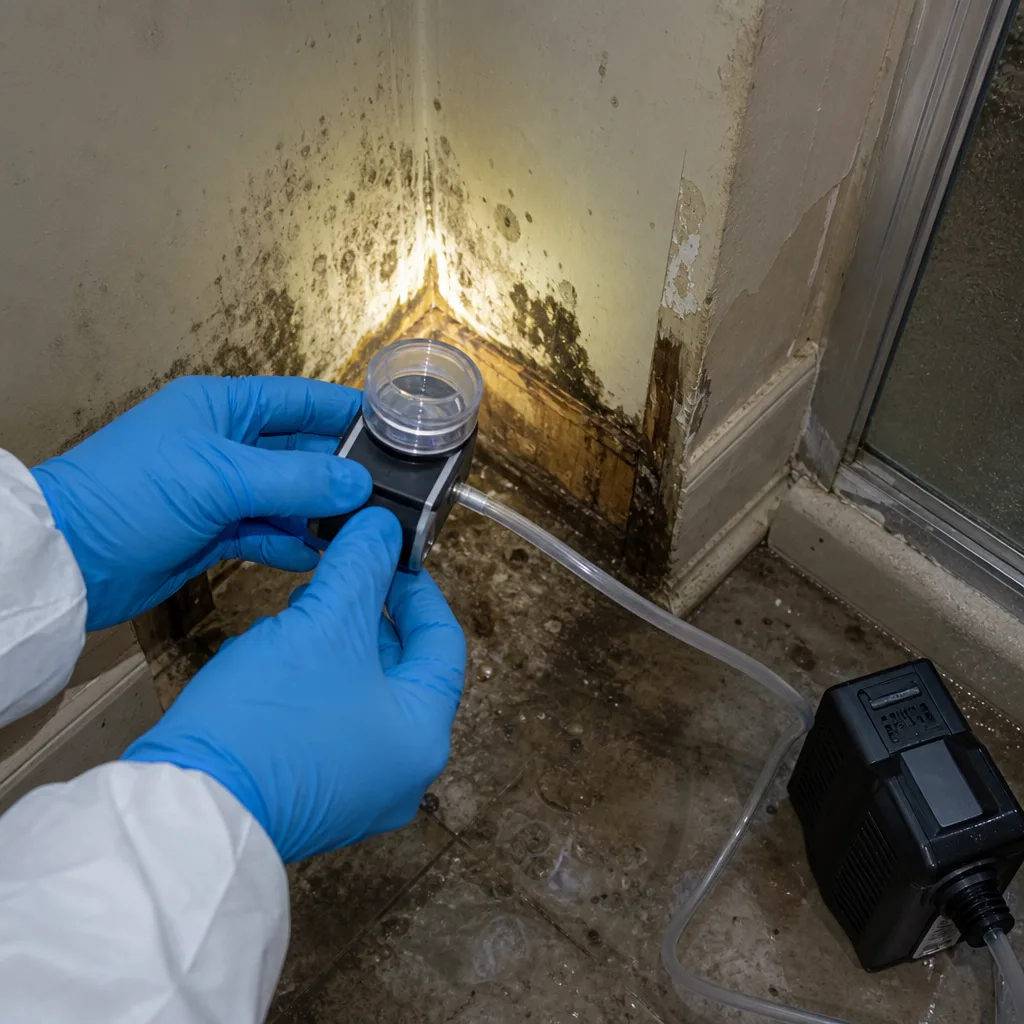
Air Quality Restoration
After structural drying and before you move back into a finished New Hyde Park basement, we run HEPA air scrubbers to pull residual spores from the air and clean horizontal surfaces. We can conduct post-remediation air sampling, which is worth doing if someone in the home has allergies, asthma, or a compromised immune system.
Crawl Space Treatment
Crawl spaces under New Hyde Park split-levels and ranches hold the same clay-heavy moisture as basements, but with less airflow. We install or repair vapor barriers, treat framing for mold, and improve drainage or dehumidification where needed, so the musty smell in the living room above actually goes away instead of being masked.
Moisture & Humidity Control
Long-term mold prevention in New Hyde Park requires managing the water table and ambient humidity. We recommend and install dehumidification, sump-pump upgrades, vapor barriers, and drainage corrections that break the cycle of seepage and wicking that causes mold in the first place. This is the work that keeps mold from coming back two years later.
What happens when you call
- 1
A real person answersNo phone trees - you reach a local pro.
- 2
You get an upfront price rangeHonest numbers before anyone is dispatched.
- 3
A background-checked tech heads outLicensed & insured, dispatched right away.
- 4
You approve before work beginsNothing starts until you say go.
Mold Remediation Costs in New Hyde Park, NY
A typical containment-and-removal job for a single finished basement in New Hyde Park runs $1,800 to $4,500 when the mold is localized to one wall or a corner with clear water intrusion. Full basement remediation where mold has spread behind multiple walls, with pack-out, asbestos testing, structural drying, and rebuild, typically lands between $4,000 and $6,500. Testing alone runs $300 to $600, and post-remediation clearance testing adds $250 to $400. Moisture and humidity control measures, like sump-pump replacement or vapor-barrier installation, are usually priced separately based on the specific system. What moves the price is square footage of affected drywall, whether asbestos is present and requires containment protocols, and how long framing takes to dry. The free visual inspection gives us enough to write a firm, line-item scope before any walls come down, so you know the number before you authorize work.
We Also Serve Cities Near New Hyde Park
Our New Hyde Park teams run the same routes into Floral Park, Bellerose, Elmont, and Queens Village every week, so we’re close by when moisture or mold shows up. If you’re in one of those neighboring communities, call (631) 557-5029 and we’ll send a certified crew.
Serving New Hyde Park, NY - Our Local Coverage Area
We’re based in the New Hyde Park area and know this community well. Use the map below to see our service coverage - if you’re nearby, we can almost certainly help.
New Hyde Park Mold Remediation Questions, Answered
Why does mold grow so fast in New Hyde Park basements after a nor’easter?
Mold grows fast in New Hyde Park basements after a nor’easter because the clay-heavy soil around these foundations holds water against the block walls and slab, and the unvented mid-century framing wicks that moisture upward into bottom plates and studs behind drywall. Once organic material like drywall paper or wood is wet for 24 to 48 hours, mold spores that are already present in every home start colonizing, and because the basement doesn’t breathe, humidity stays high enough to sustain growth even after standing water is removed. Call (631) 557-5029 after any water event in your basement, because the difference between a cleaning and full remediation is measured in hours.
My New Hyde Park basement has a finished wall that feels damp but shows no standing water-do I have mold?
A finished wall in a New Hyde Park basement that feels damp without visible standing water is a strong indicator of moisture wicking up from the slab into wood bottom plates and lower studs, which often means concealed mold is already established behind the drywall. In Cape Cods and ranches built on Long Island’s high water table, groundwater presses against the foundation and moves into framing that was never separated from the concrete by a vapor barrier. We can confirm this with moisture mapping using Dri-Eaz sensors and thermal imaging, and if readings are elevated, we’ll recommend removal and structural drying before the mold spreads further.
Do I need asbestos testing before mold remediation in my older New Hyde Park home?
If your New Hyde Park home was built before 1978, and the finished basement was constructed during that era or contains original floor tiles, joint compound, or pipe wrap, asbestos testing is strongly recommended before any drywall removal or disturbance of those materials. Many of these basements were finished in the 1970s and 1980s using materials that commonly contain asbestos, and cutting into them without testing releases fibers into the air and violates local disposal rules. We’ll flag this during inspection and can arrange testing so remediation moves forward safely and legally.
What is the difference between Category 1 and Category 2 water in a New Hyde Park basement?
Category 1 water is clean water from a supply line, like a burst pipe or an overflowing sink, and it does not pose an immediate health hazard if dried quickly. Category 2 water is contaminated water from a sump-pump failure, washing machine overflow, or groundwater seepage, and it carries organic material that feeds mold and bacteria. In New Hyde Park, most basement water events are Category 2 because they originate from groundwater intrusion through the slab or block foundation, which means antimicrobial treatment is part of the remediation, not an add-on.
How long does structural drying take in a 1950s Cape Cod basement after mold remediation?
Structural drying in a 1950s Cape Cod basement in New Hyde Park typically takes three to six days, depending on how far moisture wicked into the framing and how high the ambient humidity is inside the unvented space. We run Phoenix dehumidifiers and XPOWER air movers continuously and log daily moisture readings until the wood reaches dry standard, not until the surface feels dry. Rushing this step is exactly how mold comes back months after a job closes, so we don’t rush it.
How fast can someone actually get to my New Hyde Park home for mold?
We commit to having a certified tech on-site in New Hyde Park within 45 minutes of dispatch, and since our dispatchers answer live around the clock, that clock starts when you call (631) 557-5029, not when we get around to returning a message. For active water or visible mold, the same crew that arrives can set containment and start extraction on that first visit.
Will my insurance cover mold remediation in New Hyde Park?
Coverage depends on the cause of the water event and the specific language in your policy. Sudden water damage from a burst pipe or a sump failure during a storm is more likely to be covered than mold that developed slowly from chronic seepage. We document the cause, the timeline, and the moisture readings from the first hour on site, and we work directly with your adjuster to support the claim.
What should I do in the first 30 minutes after I find mold in my New Hyde Park basement?
First, stop the water source if you can do so safely, kill power to any wet electrical outlets, and do not disturb the mold by wiping or scrubbing it, since that releases spores into the air. Move people and pets out of the affected room and close the door to limit spread. Then call (631) 557-5029 and we’ll walk you through the next steps over the phone while a crew is dispatched to New Hyde Park.
Key Takeaways: Mold in New Hyde Park basements is usually a structural moisture problem, not a surface stain, because of the clay soil and unsealed mid-century framing. Free visual inspection with moisture mapping tells you what you’re actually dealing with. We handle everything from containment and drying to rebuild, with direct insurance billing and a written 90-Day Done Right Promise. Call (631) 557-5029 and a live person answers, any hour, any day.
We serve all of New Hyde Park, NY, from the Lakeville Road corridor to the neighborhoods around Herricks Road, with full Mold Remediation services, structural drying, and moisture control. When you need a local crew that understands Mold Remediation in New Hyde Park, call (631) 557-5029 for a free estimate. Our Mold Remediation team sets containment the same visit and dries your basement to standard before rebuilding. We’ve seen the line the water left in homes across New Hyde Park, and that’s where we start.
Written by Curt Bowman, Owner at Floodline Restoration Co., serving New Hyde Park since 2010.