
Free visual inspection and a written scope of work before any mitigation begins - photos, moisture readings, and drying logs go in your claim file
The scope we write is the scope we bill. Anything new gets shown to you, in writing, before we touch it.
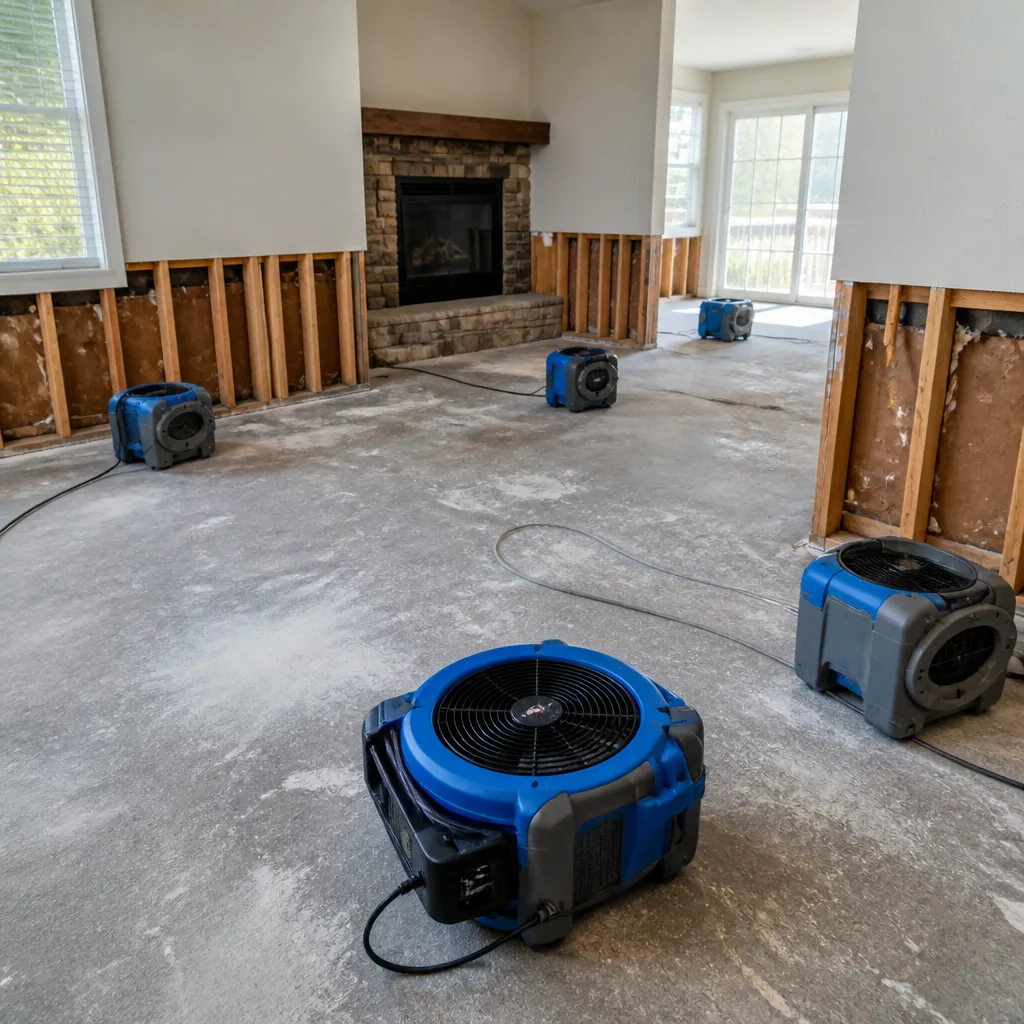
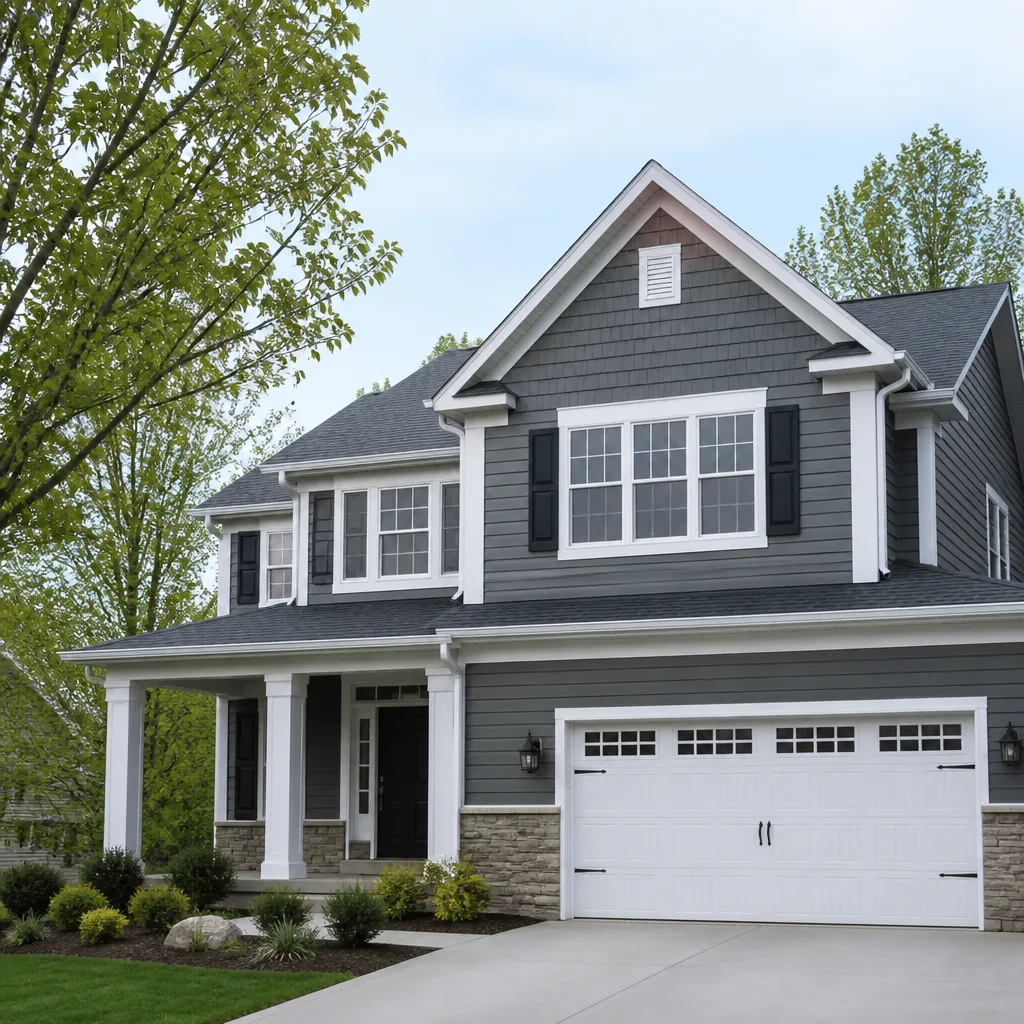
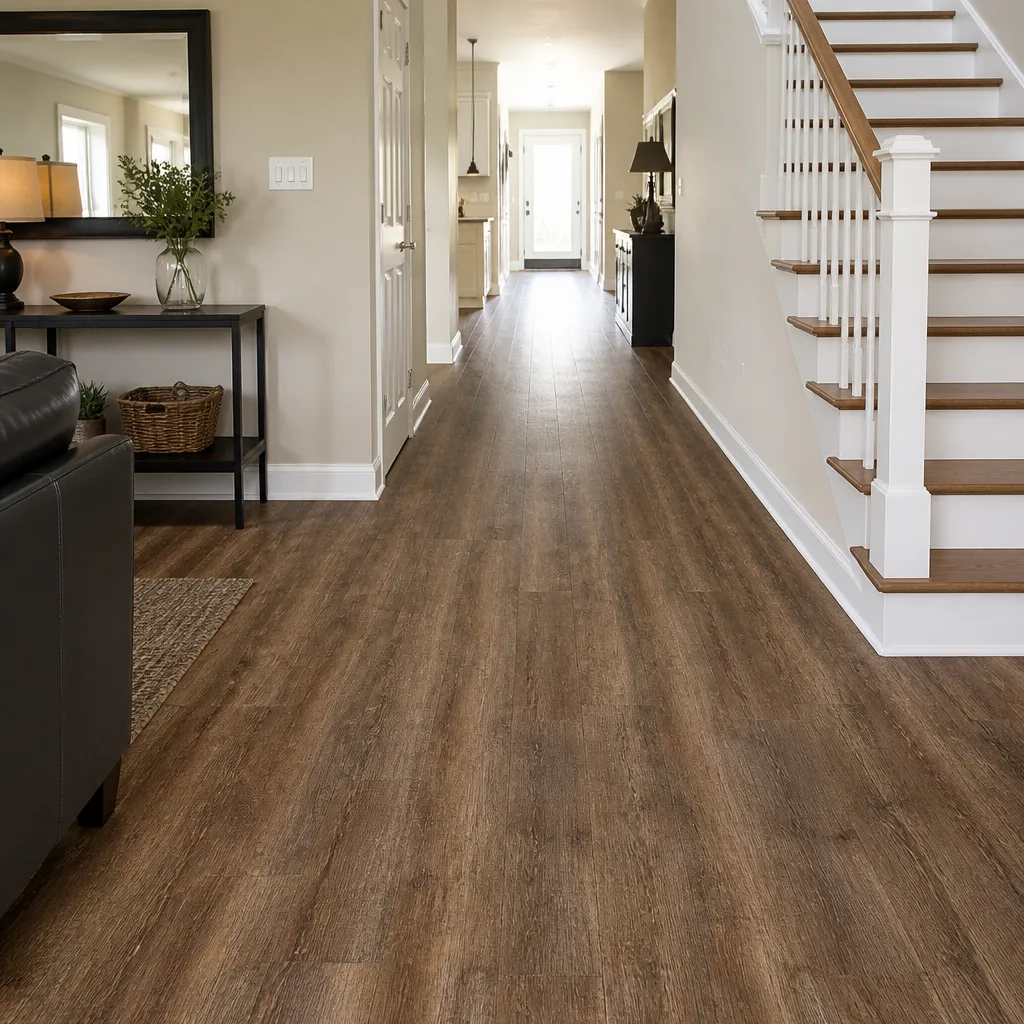
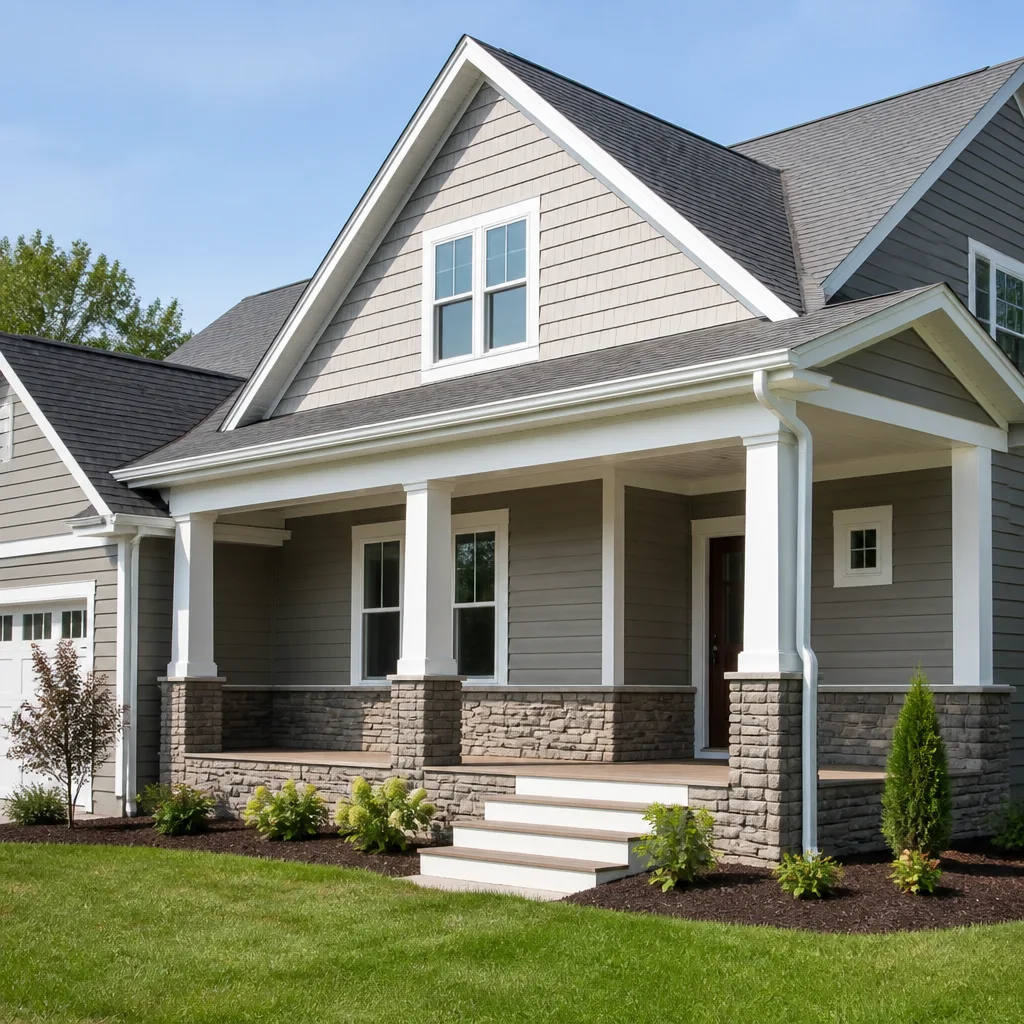
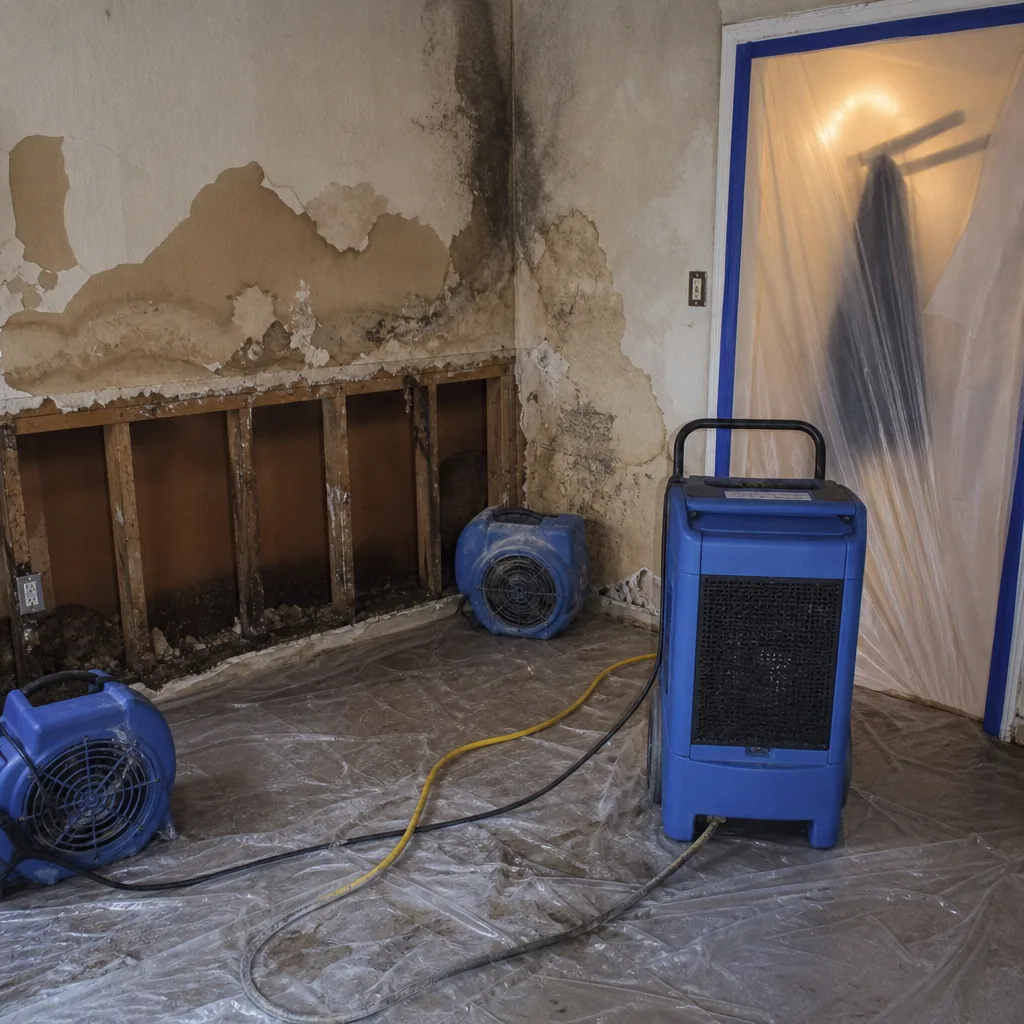 Before
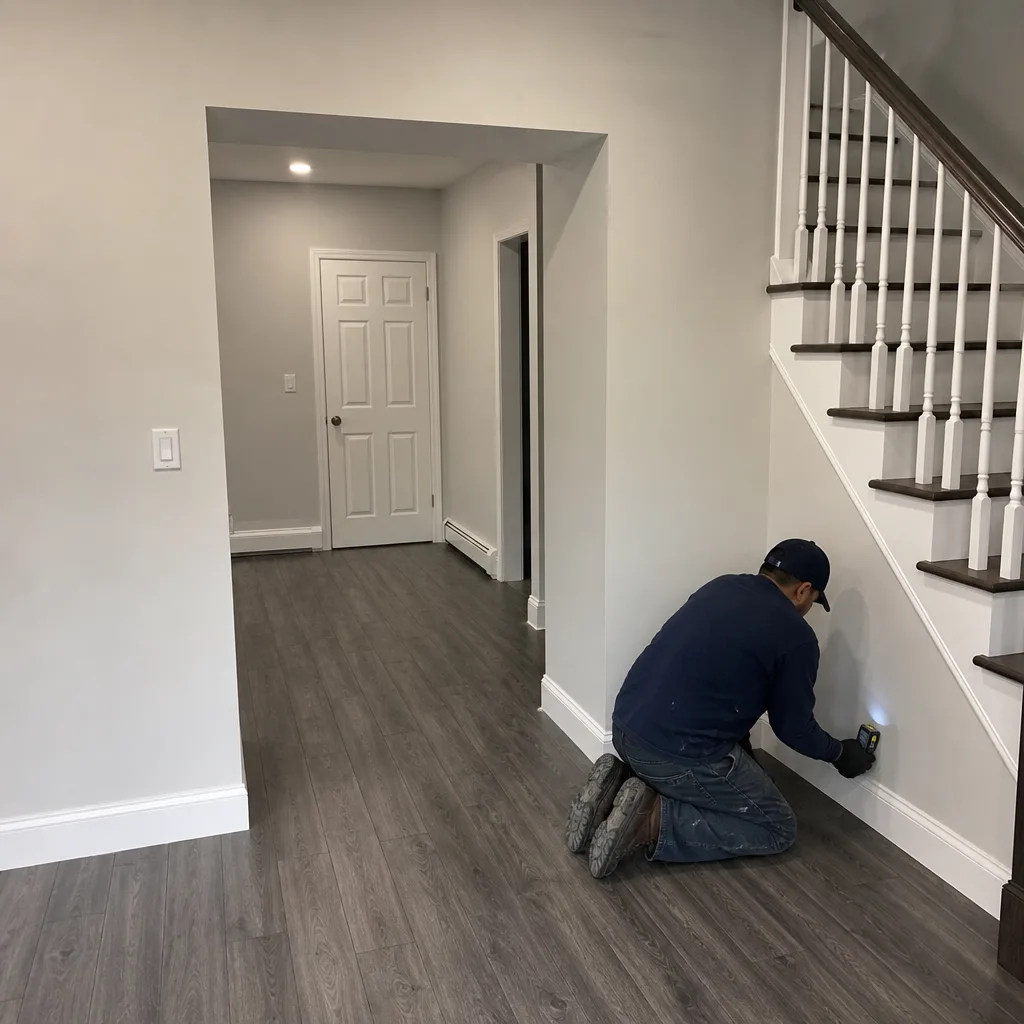 After
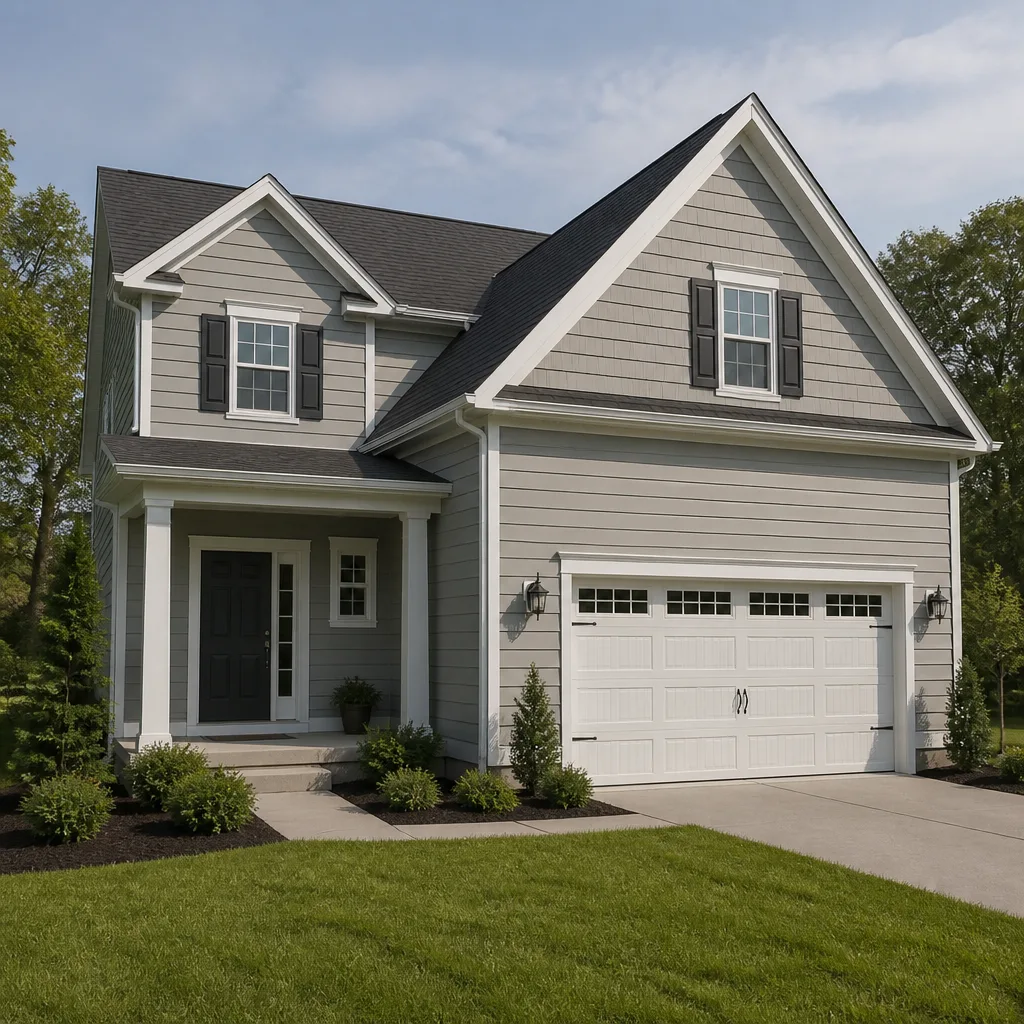
After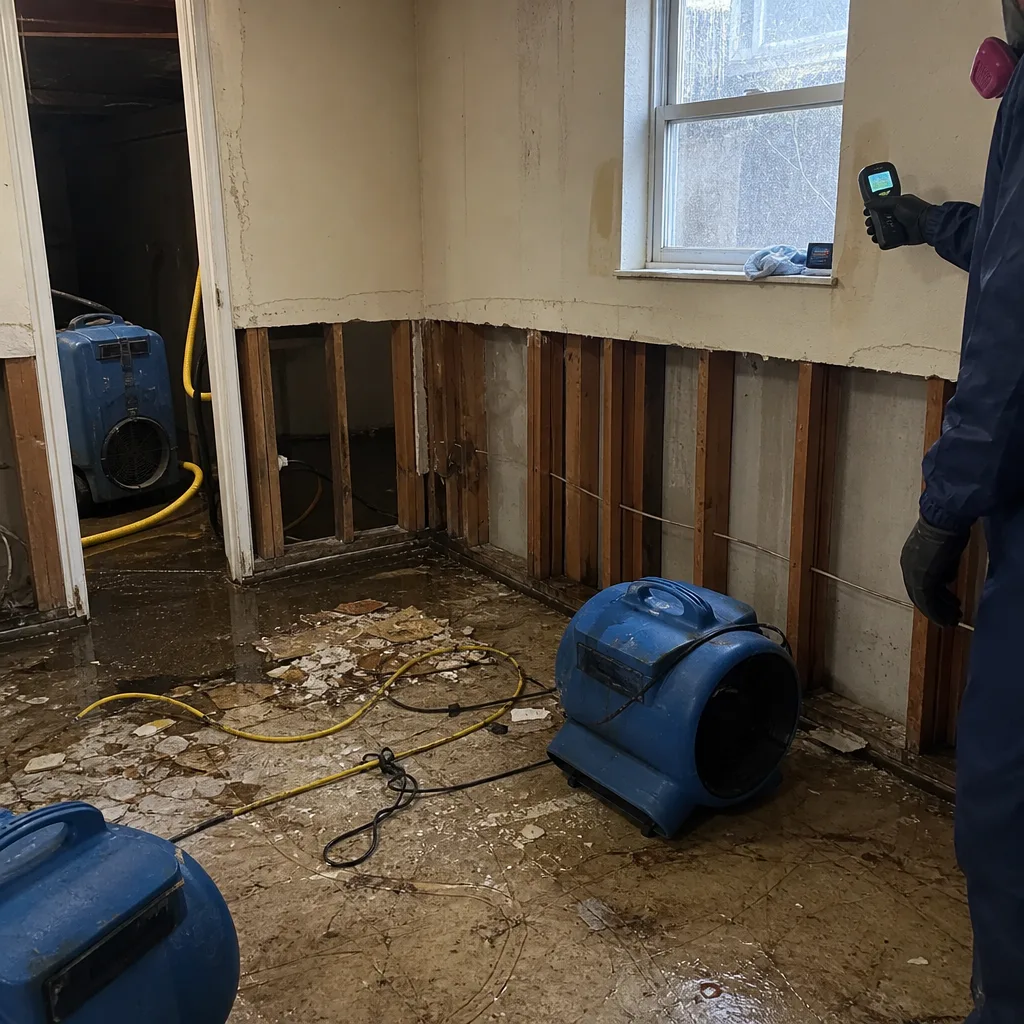 Before
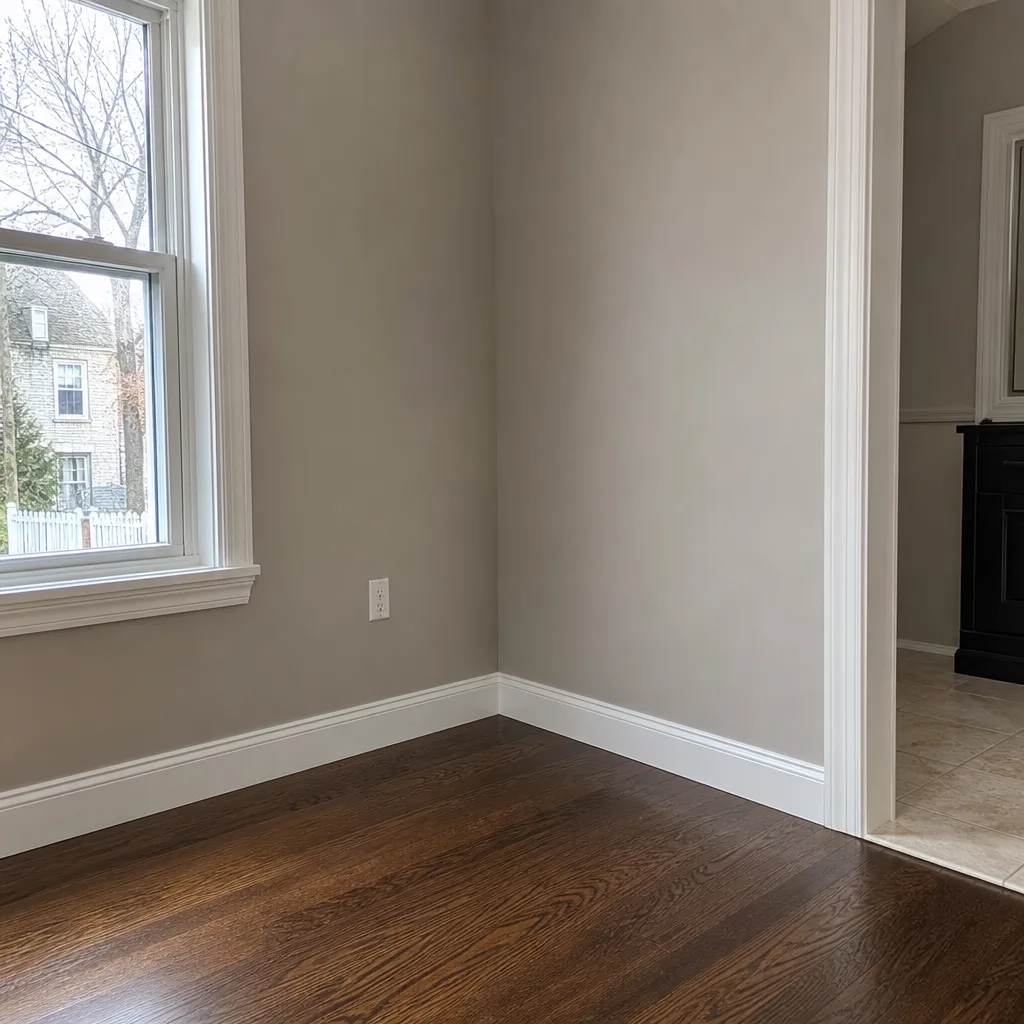 After
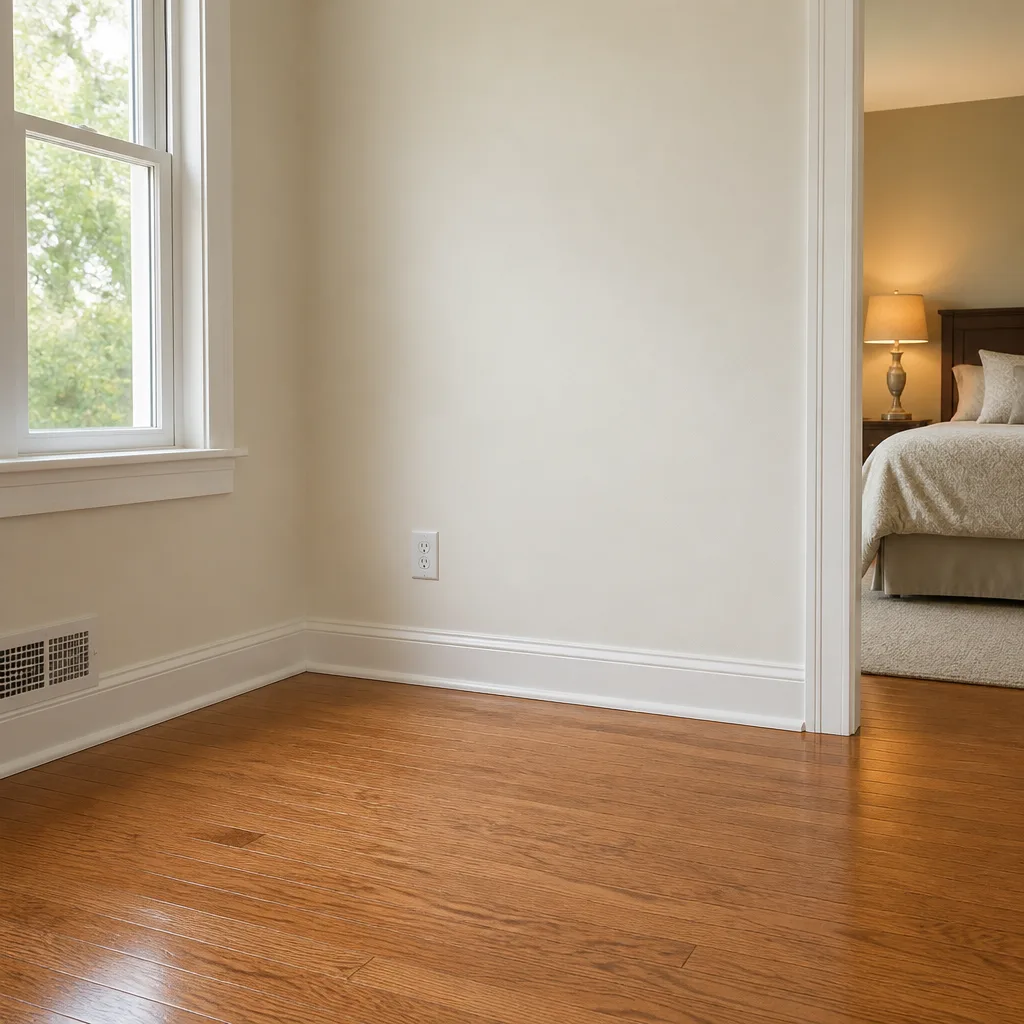
After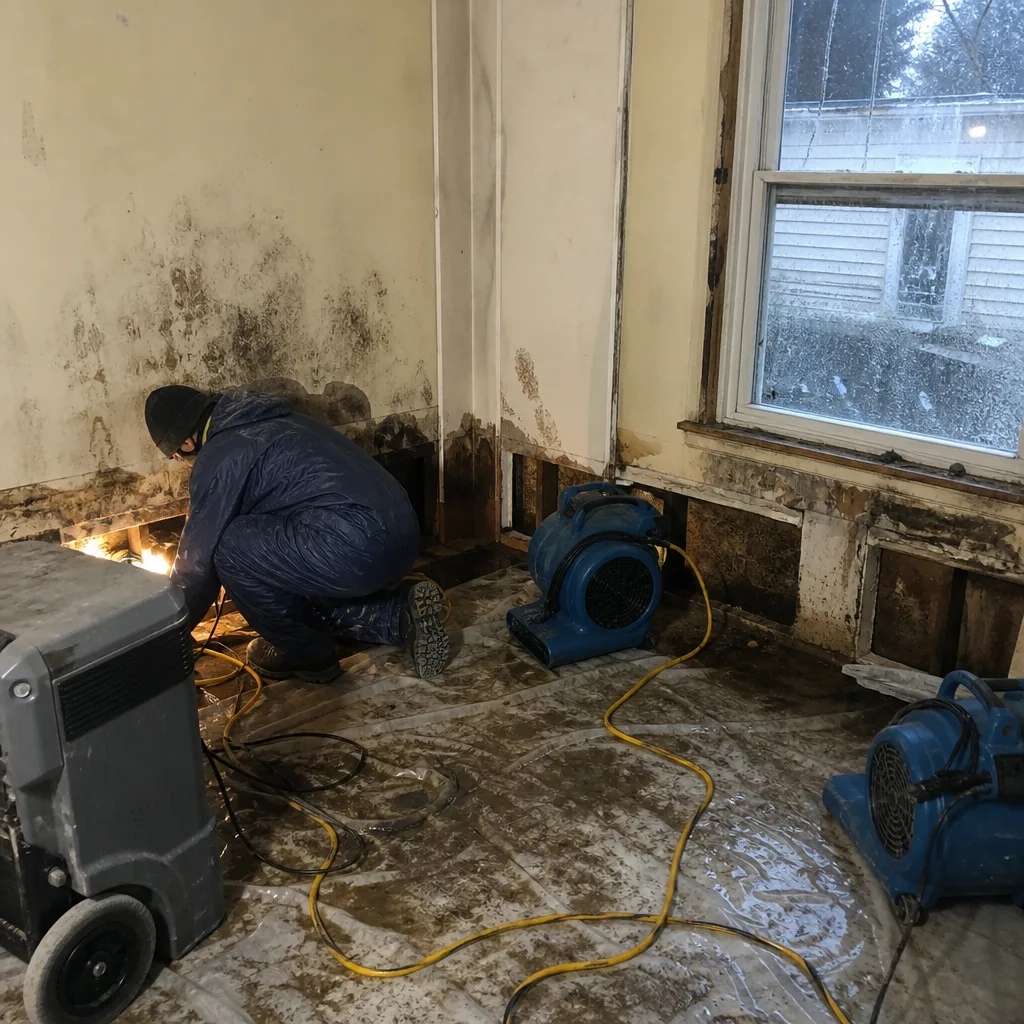 Before
 After
After24/7 Emergency Reconstruction & Cleanup in Bellerose
Reconstruction and cleanup in Bellerose after a water event, fire, or structural failure needs to start fast, and it needs a crew that understands this village’s unusual position: half in Queens, half in Nassau County. We answer the phone with a live person at any hour, and a background-checked, uniformed crew can be dispatched to your block immediately. Call (631) 557-5029 and a certified technician will walk your property, assess the damage, and hand you a written scope before any work begins. The first hour after a supply-line break or sewage backup determines whether you’re drying sheetrock or replacing it.
Understanding Reconstruction & Cleanup Severity in Bellerose Properties
Reconstruction severity in Bellerose is driven by building age and construction type. Most homes here went up between the 1920s and 1940s: brick Tudor semi-detached and attached houses with original plaster-and-lath walls over wood lath, clay tile roofs, and plumbing that’s often original galvanized or early copper. Plaster-and-lath holds moisture much longer than modern drywall. After a Category 1 supply-line break soaks a kitchen wall, standard moisture meters can read dry on the surface while the lath behind is still saturated. That hidden moisture becomes mold behind new drywall within 48 hours. Category 2 water, like washing machine overflow, and Category 3 water, like sewage or storm backup from the flat glacial outwash plain, require containment, air scrubbing, and in many cases plaster removal rather than drying in place. Pre-1978 lead paint and pre-1980 asbestos in pipe insulation and floor tiles are routine findings on Bellerose demo jobs, meaning abatement protocols must be locked in before a single wall comes down.
Why Bellerose Property Owners Choose Floodline Restoration Co.
- 45-minute response commitment across Bellerose: we dispatch from inside the area and know the cross-streets, the one-ways, and which blocks back up during school pickup near PS 133.
- A live person answers, always: at 2 a.m. you get a dispatcher, not a recording. The crew that reaches your door knows why they’re coming.
- IICRC-certified crews with WRT and FSRT codes: water damage and fire/smoke restoration technicians trained to the standard, not a subcontractor learning on your walls.
- Free visual inspection with thermal imaging: for plaster-and-lath homes in Bellerose, thermal imaging catches moisture pockets that standard meters miss. That’s the difference between drying something and replacing it later.
- Direct insurance billing: our documentation goes straight to your carrier. You are not the messenger between us and the adjuster.
- One team from water line to finish paint: no mid-job handoff from a mitigation crew to an unknown reconstruction subcontractor. The same certified team handles extraction, drying, rebuild, and the final walkthrough.
Every job is backed by our 90-Day Done Right Promise, the Keystone Standard, in writing. If it’s not done right, we make it right. No arguing, no paperwork battles. That guarantee carries through from first extraction to final trim.
Our Reconstruction & Cleanup Process
Inspection & Assessment
We walk the entire affected area, not just the visible damage. In Bellerose’s semi-detached homes, water travels along shared party walls, so we inspect both sides of the wall cavity. We identify the water category, map the damage, and check for lead paint or asbestos if demo is likely.
Extraction & Stabilization
We remove standing water with truck-mounted extraction units, then stabilize the area. For shared-wall homes, this often means opening a small inspection port along the party wall to check the neighbor’s side. In Bellerose’s attached housing stock, damage doesn’t stop at the property line.
Drying & Dehumidification
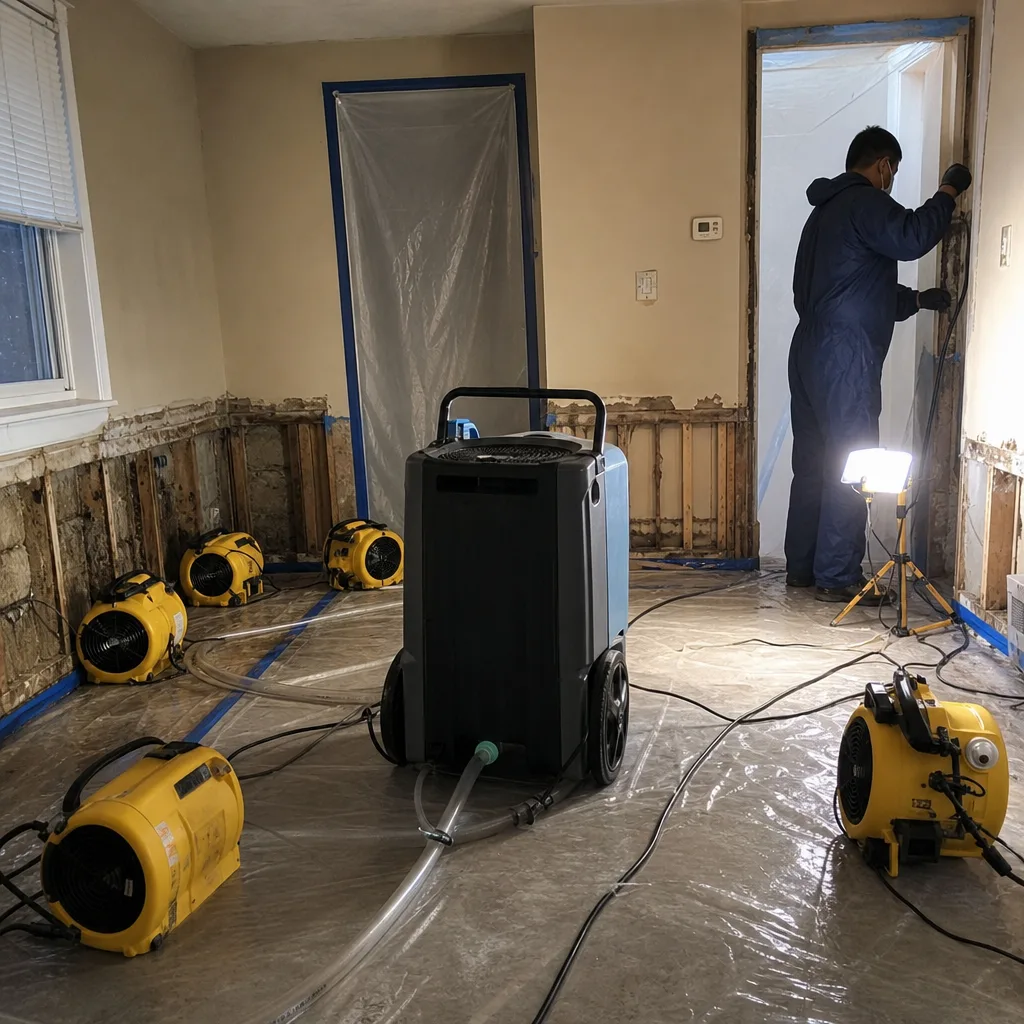
Plaster-and-lath requires different drying logic than drywall. We run Dri-Eaz and Phoenix dehumidifiers alongside XPOWER air movers, with daily moisture readings using thermal imaging and hygrometers. Drying logs are recorded daily and shared with your insurer. Expect longer runs in Bellerose brick rowhouses, where ground-level moisture and dense masonry slow evaporation.
Cleaning & Sanitization
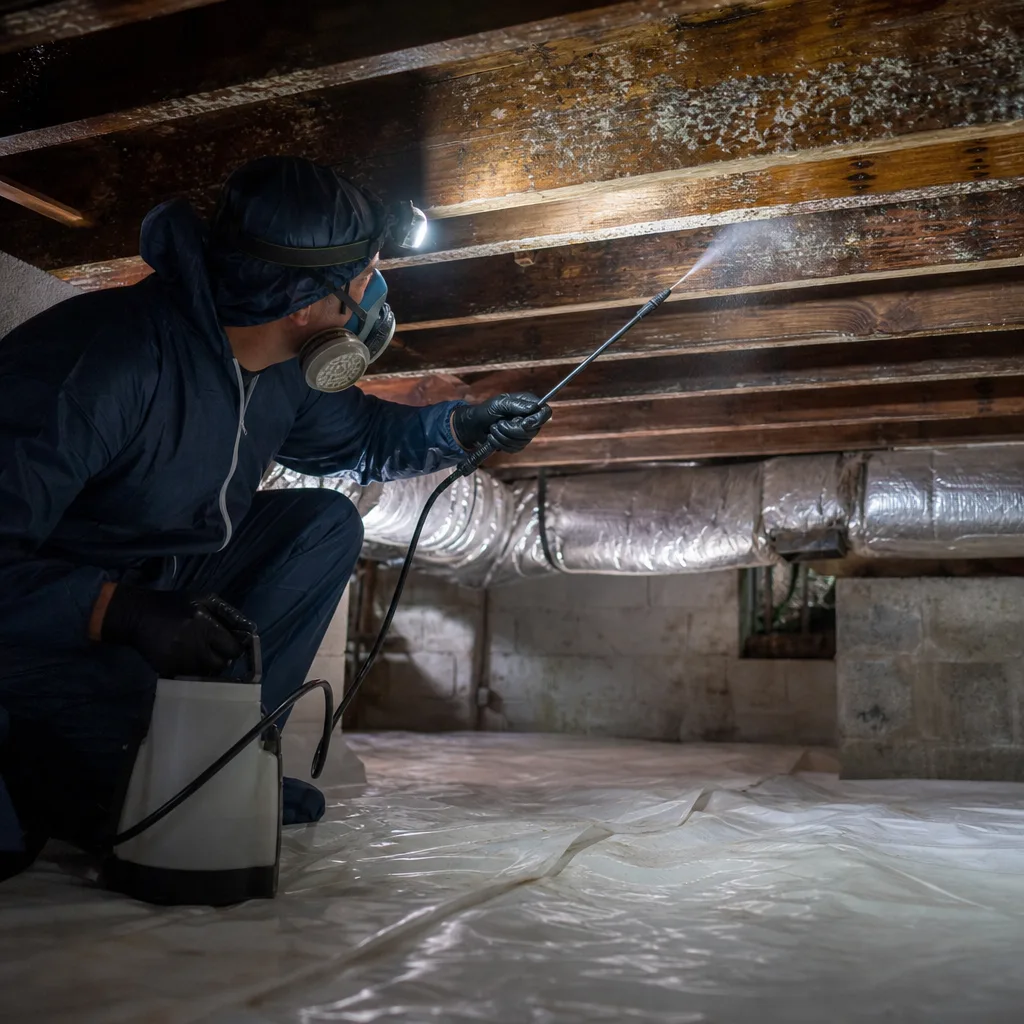
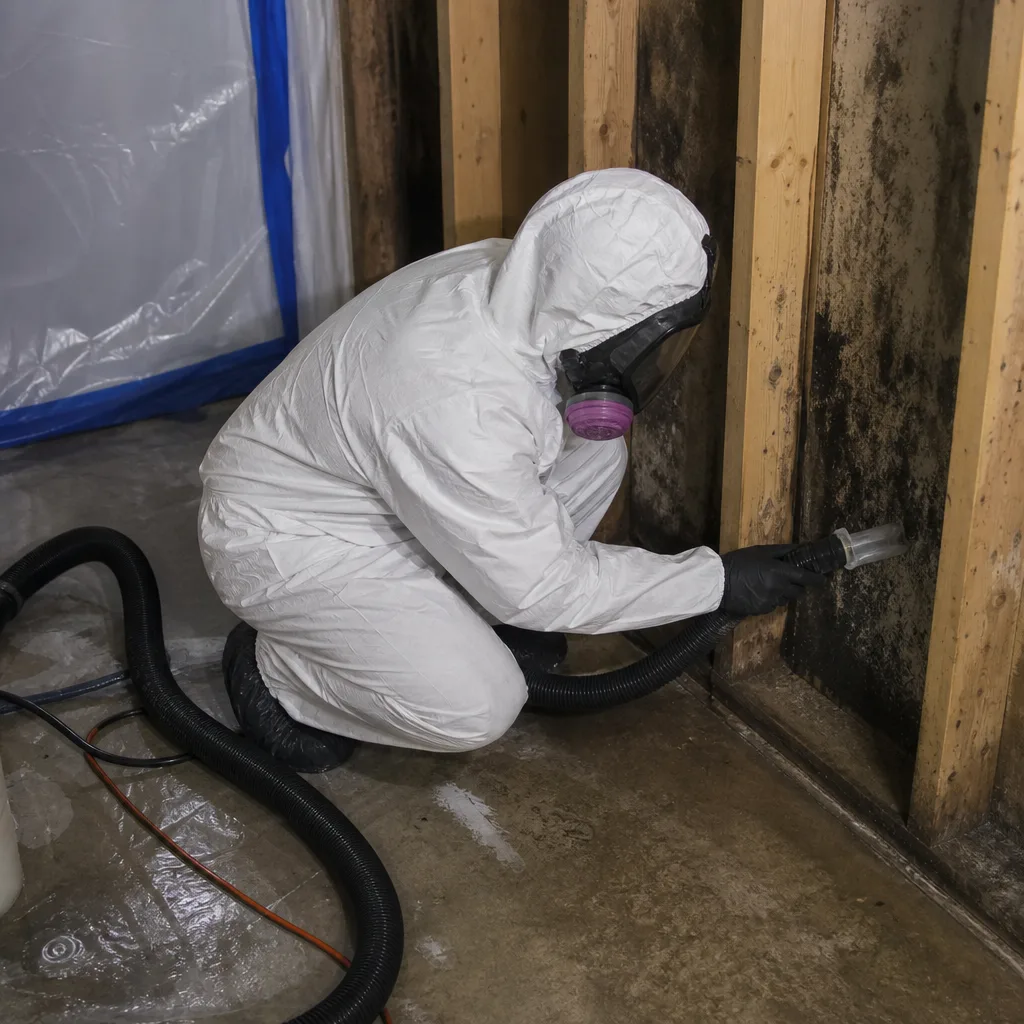
HEPA air scrubbers run during the entire cleaning phase to control particulates, especially in pre-war homes where demo disturbs old plaster, lead dust, and asbestos fibers. We apply antimicrobial treatments to affected framing and clean all salvageable surfaces to the standard your carrier expects.
Reconstruction-Specific Treatment
For Bellerose homes, this means matching plaster profiles and lath repair where original walls are saved, coordinating dual NYC DOB and Nassau County permits when the job straddles the borough line, and sequencing work around narrow driveway and alley-load access. A shared wall means shared scheduling.
Repairs & Restoration
Drywall, flooring, trim, paint, and any structural correction needed to bring the home back to pre-loss condition. The same crew that extracted the water handles the rebuild, with a written scope agreed to before work starts. Final walkthrough includes the moisture log and the 90-Day Done Right Promise in your hands.
Need Emergency Reconstruction & Cleanup in Bellerose Now?
Crews minutes away, answering live 24 hours a day. The sooner we start, the less it costs.
Working With Your Insurance Company
Reconstruction claims in Bellerose get complicated fast, especially on the Queens/Nassau border where two carriers, two adjusters, and two permitting paths can be involved on a single semi-detached pair. We document from hour one: photos of every affected room, moisture readings, thermal images showing hidden water, and a line-item scope that matches what your policy actually covers. Our team communicates directly with adjusters, answers their questions, and supplies the drying logs and abatement documentation they request. You get a copy of everything. No homeowner in Bellerose should be playing phone tag between a mitigation crew and a carrier. That’s our job.
What We Provide Your Insurer
- Thorough documentation of the loss
- Photos of all damage, room by room
- Moisture readings and drying logs
- A detailed, line-item scope of work
- Direct coordination with your carrier
Built for Bellerose’s Loss Calendar
Bellerose’s damage seasons follow a pattern. January and February bring deep freezes that burst aging galvanized supply lines in 1920s and 1930s homes, often in exterior walls where insulation is thin. The flat glacial outwash plain of southeastern Queens means a shallow water table, so March and April thaw brings basement seepage through old fieldstone and brick foundations. Summer brings intense convective storms that overwhelm street drains along Jamaica Avenue and dump water into below-grade entries. Fall nor’easters saturate the ground and push more water into those same basements. Each season has a signature loss, and each requires different drying logic. Our crews know the calendar because they’ve worked it for years, on blocks from Braddock Avenue to Elmont Road.
Reconstruction & Cleanup Across Bellerose’s Neighborhoods
Bellerose isn’t one housing type. The streets north of Jamaica Avenue, toward Jericho Turnpike, hold brick Tudor semi-detached homes from the 1930s with narrow driveways and shared party walls. South toward Braddock Avenue you’ll find more attached rowhouses, some with alley-load access and tight clearances that make equipment staging a real question. Near the Bellerose train station, the oldest housing stock sits closest together, and a basement water event in one home can travel along the party wall to its neighbor within hours. Over toward Cross Island Parkway, homes tend to be slightly larger but sit on the same high-water-table ground. Response routes differ block by block. The crew that knows the difference between a Nassau County permit path and a NYC DOB filing is the crew you want on your side of the village.
Our Reconstruction & Cleanup team has worked every corner of Bellerose. We know which blocks require dumpster placement permits from Bellerose Village and which require NYC street permits. We know that a material delivery left in a narrow driveway can block the alley-load access a neighbor depends on. Bellerose’s semi-detached stock means every job touches two homes, two schedules, and sometimes two jurisdictions.
Specialized Reconstruction & Cleanup Services We Offer in Bellerose
Full-Service Reconstruction
From structural repair after a burst supply line to complete kitchen rebuilds after fire, we handle the entire job from first boarding to final paint. In Bellerose’s pre-war homes, that means matching plaster profiles, working around original millwork, and coordinating any lead or asbestos abatement before demo begins. One crew, one contract, one written guarantee.
Drywall & Flooring Repair
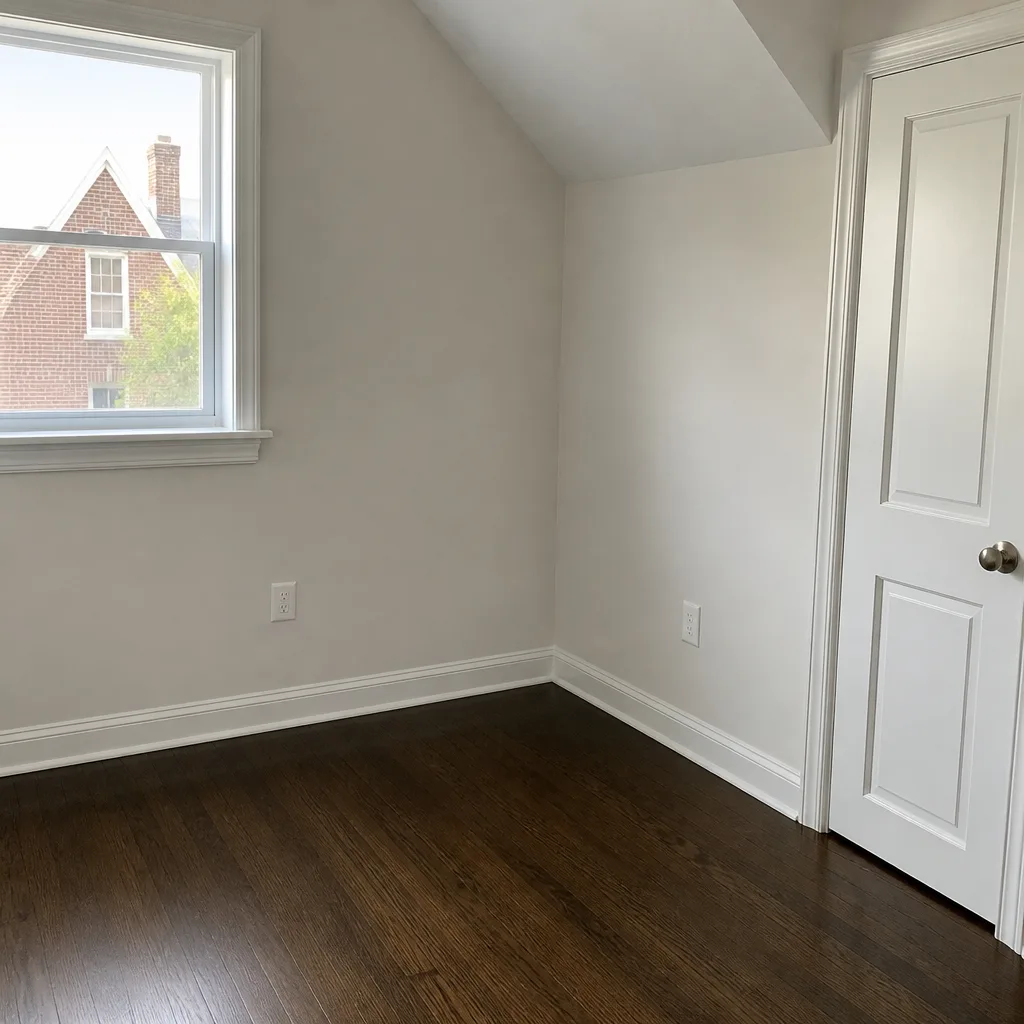
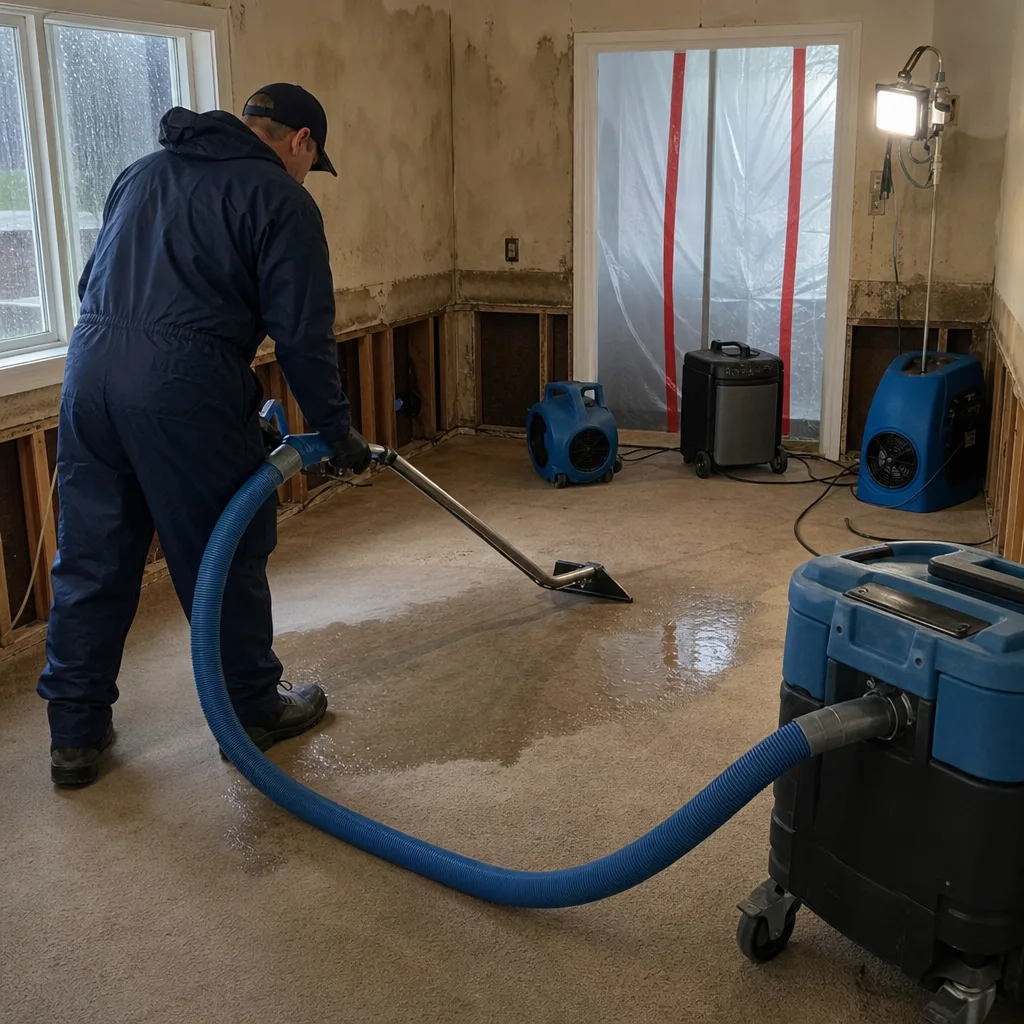
Water-damaged plaster-and-lath walls in Bellerose often need selective removal rather than full gut. We cut clean edges, install drywall where appropriate, and match texture and paint. For flooring, we handle hardwood refinishing after water damage, tile replacement, and subfloor correction where the original 1930s subfloor has rotted or cupped. On the Nassau side, we pull the proper village permits before structural work starts.
Contents Restoration & Pack-Out
When a Bellerose basement floods or a kitchen fire spreads smoke, we inventory, photograph, and pack out salvageable contents for cleaning and storage. Our IFA-trained technicians handle soft goods, electronics, and furniture. On insurance jobs, the contents inventory document goes directly to your adjuster. If items are beyond saving, we document them for the claim.
Carpet & Upholstery Cleaning
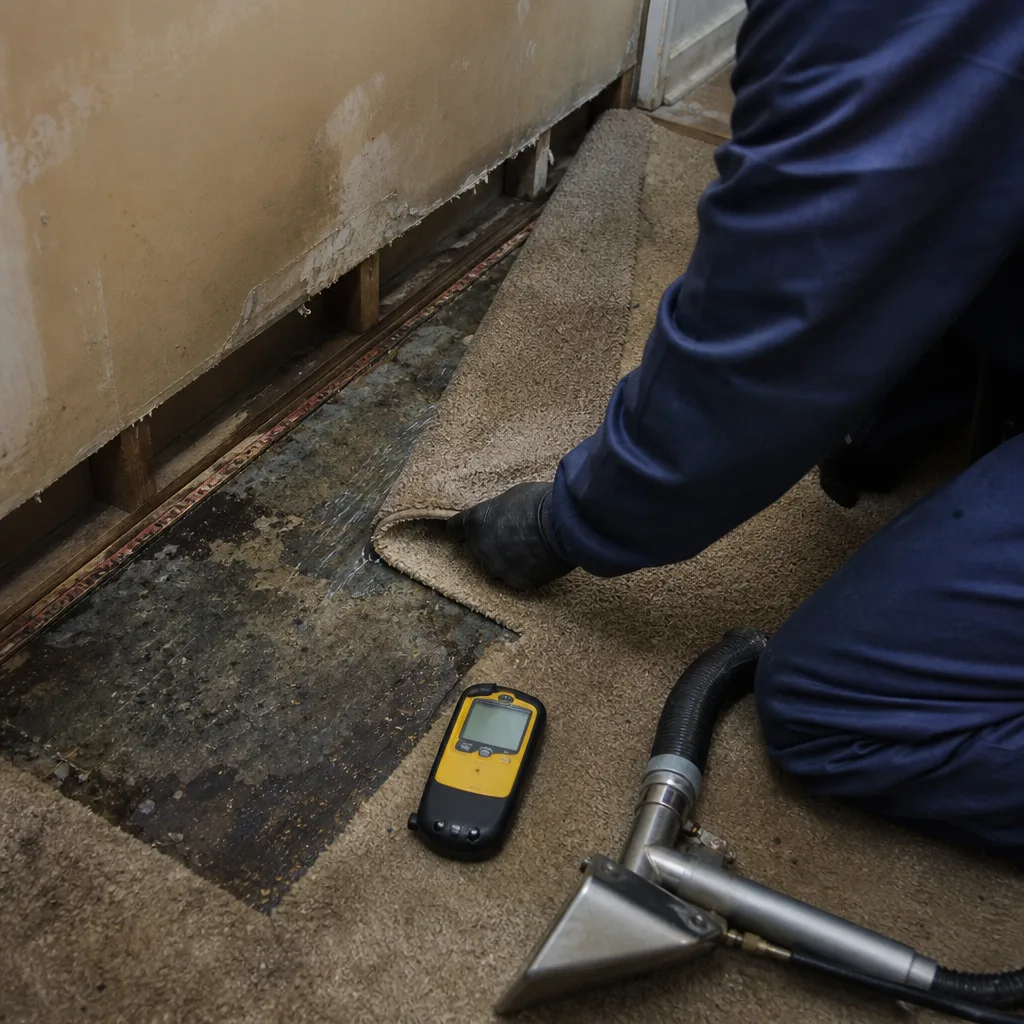
After a Category 1 water event in a finished basement off Braddock Avenue, salvageable carpet can often be deep-cleaned rather than replaced. We use professional hot-water extraction and drying equipment from Dri-Eaz and Phoenix. On the tight staircases and narrow doorways common in Bellerose’s attached homes, this is often faster and less invasive than a full replacement.
Post-Construction Cleanup
After any reconstruction job, we leave the home clean, not “contractor clean.” HEPA vacuuming of all surfaces, wipe-down of trim and sills, and removal of all construction debris. In semi-detached homes, we’re careful about shared entryways and front walks. The final walkthrough includes the cleaning checklist signed off by you.
What happens when you call
- 1
A real person answersNo phone trees - you reach a local pro.
- 2
You get an upfront price rangeHonest numbers before anyone is dispatched.
- 3
A background-checked tech heads outLicensed & insured, dispatched right away.
- 4
You approve before work beginsNothing starts until you say go.
Reconstruction & Cleanup Costs in Bellerose, NY
Reconstruction pricing in Bellerose runs higher than outer-suburban rates, driven by three things: older building materials, permit complexity, and access constraints. Expect drywall and plaster repair after water damage to run $1,800 to $4,200 for a typical Bellerose kitchen wall, including drying, selective demo, repair, and paint matching. Full basement water mitigation with contents pack-out typically runs $3,500 to $8,000 depending on square footage and water category. A complete kitchen rebuild after fire damage in a Bellerose Tudor generally starts around $22,000 and can reach $60,000 with custom millwork matching. Lead or asbestos abatement adds $1,500 to $6,000 depending on scope, and dual NYC DOB/Nassau County permitting on border-line properties adds roughly $400 to $1,200 per claim in filing costs. Most water and fire losses are covered under standard homeowners policies; sewage backup often requires a specific rider. Call (631) 557-5029 for a free visual inspection and a written scope with firm numbers before you commit to anything.
We Also Serve Cities Near Bellerose
Floodline Restoration Co. serves the communities around Bellerose, including Floral Park, Queens Village, Oakland Gardens, and New Hyde Park. Same 45-minute response commitment, same 90-Day Done Right Promise, same live person on the phone at any hour.
Serving Bellerose, NY - Our Local Coverage Area
We’re based in the Bellerose area and know this community well. Use the map below to see our service coverage - if you’re nearby, we can almost certainly help.
Bellerose Reconstruction & Cleanup Questions, Answered
How does the Queens/Nassau border affect permits for a reconstruction job in Bellerose?
A Bellerose reconstruction job on the borough line can require simultaneous NYC Department of Buildings permits for the Queens side and Nassau County plus Bellerose Village permits for the Long Island side. We maintain dual licensing and dual permit workflows, and we file both sets of paperwork in parallel so one side doesn’t sit idle waiting on the other. If your contractor only carries one jurisdiction’s licensing, the job stalls at inspection.
Why does drying plaster-and-lath walls in Bellerose take longer than drywall?
Plaster-and-lath, standard in Bellerose’s 1920s through 1940s homes, holds moisture inside the wood lath and behind the plaster keys, where surface moisture meters can’t reach. We use thermal imaging to find those hidden pockets and run dehumidifiers longer than a drywall home would need. In Bellerose’s brick rowhouses, the dense masonry slows evaporation further. Plan on six to ten days of active drying for saturated plaster, not the three to four days drywall might require.
Do I need lead paint or asbestos abatement before demolition in my 1930s Bellerose home?
If your home was built before 1978 and demolition will disturb painted surfaces, you’re legally required to follow lead-safe work practices, and in many Bellerose homes that means certified abatement before demo starts. Pre-1980 pipe insulation and floor tiles often contain asbestos. We test suspect materials before any demolition and handle abatement through certified protocols. Skipping this step isn’t just a health risk, it’s a permit violation on both sides of the borough line.
How do you handle basement water damage in Bellerose’s high-water-table neighborhoods?
Bellerose sits on a flat glacial outwash plain with a shallow water table, so basements here flood from below as much as from above. We extract first with truck-mounted units, then map the entire slab and foundation walls with thermal imaging to see where groundwater is entering. Structural drying includes dehumidification designed for masonry walls, and we address drainage and sump issues before reconstruction starts. Drying a basement without fixing the entry point means you’ll be calling us again next storm.
Can you document my reconstruction costs for a homeowners insurance claim in Bellerose?
Yes. We photograph every affected area before, during, and after work. We supply your adjuster with line-item scopes, moisture readings, drying logs, abatement documentation, and contents inventories. If your claim involves damage that crosses the Queens/Nassau border, we organize the documentation so both carriers can process their portion without confusion. You get copies of everything we send.
How fast can a crew actually get to Bellerose for a water emergency?
Our target is 45 minutes from your call to a crew on your block, day or night. We know the Bellerose street grid, school-zone traffic on Jamaica Avenue, and which cross streets move fastest at which hour. Live dispatch means you’re not leaving a voicemail while water spreads. Call (631) 557-5029 and a real person starts the dispatch immediately.
Can we stay in our Bellerose home during reconstruction?
It depends on the scope. For isolated water damage in one room, most families stay in place with containment set up around the work area. For sewage backups or extensive demo with lead or asbestos abatement, we recommend relocating during the active phases. We’ll give you an honest assessment on the first visit, not a worst-case pitch to run up a claim.
What should I do in the first 30 minutes after a water event in Bellerose?
Shut off the water at the main if the source is a supply line, kill power to the affected area if water is near outlets, and call us at (631) 557-5029. Don’t run fans or household dehumidifiers, which can spread contaminated water. Don’t tear out plaster yourself. In Bellerose’s semi-detached homes, check the shared wall and let your neighbor know if water may have traveled. Then let us assess before anything else moves.
Written by Curt Bowman, Owner at Floodline Restoration Co., serving Bellerose since 2010.