

Free visual inspection and a written scope of work before any mitigation begins - photos, moisture readings, and drying logs go in your claim file
The scope we write is the scope we bill. Anything new gets shown to you, in writing, before we touch it.
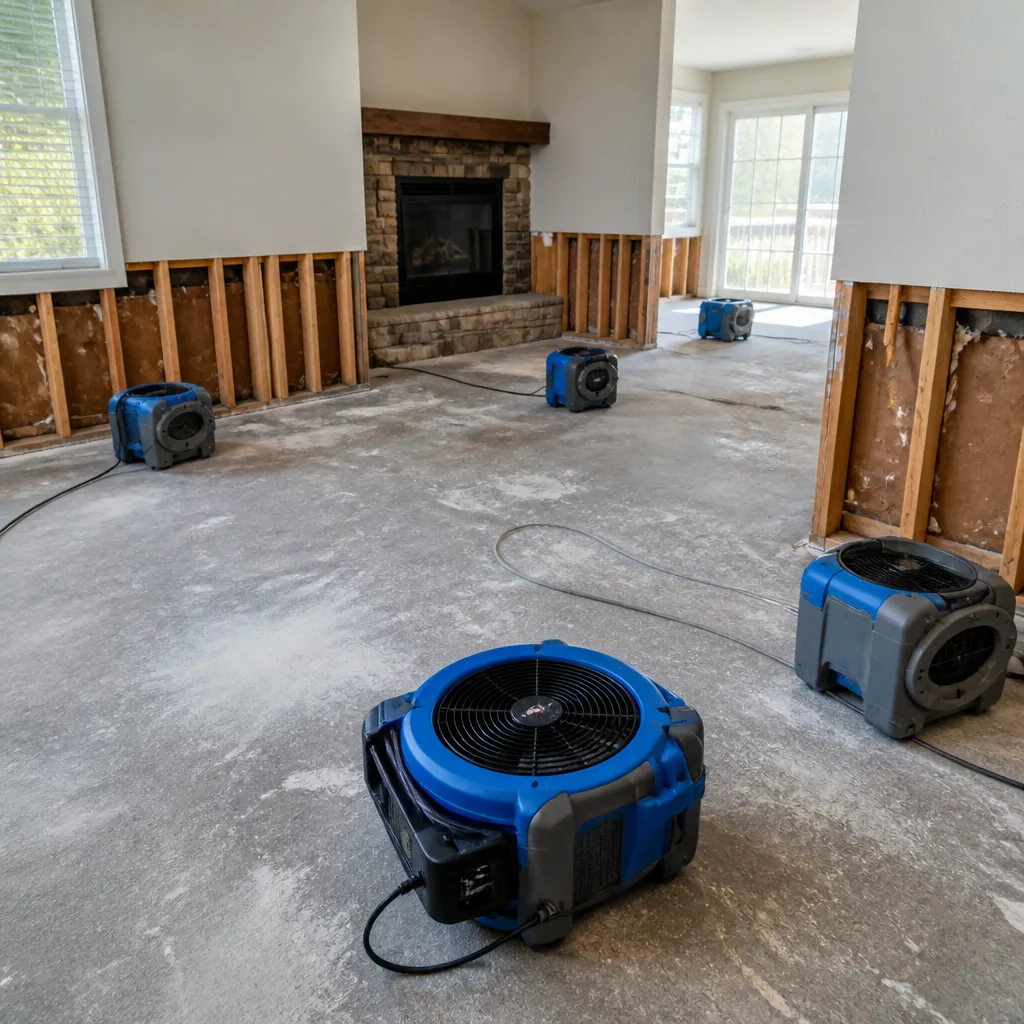
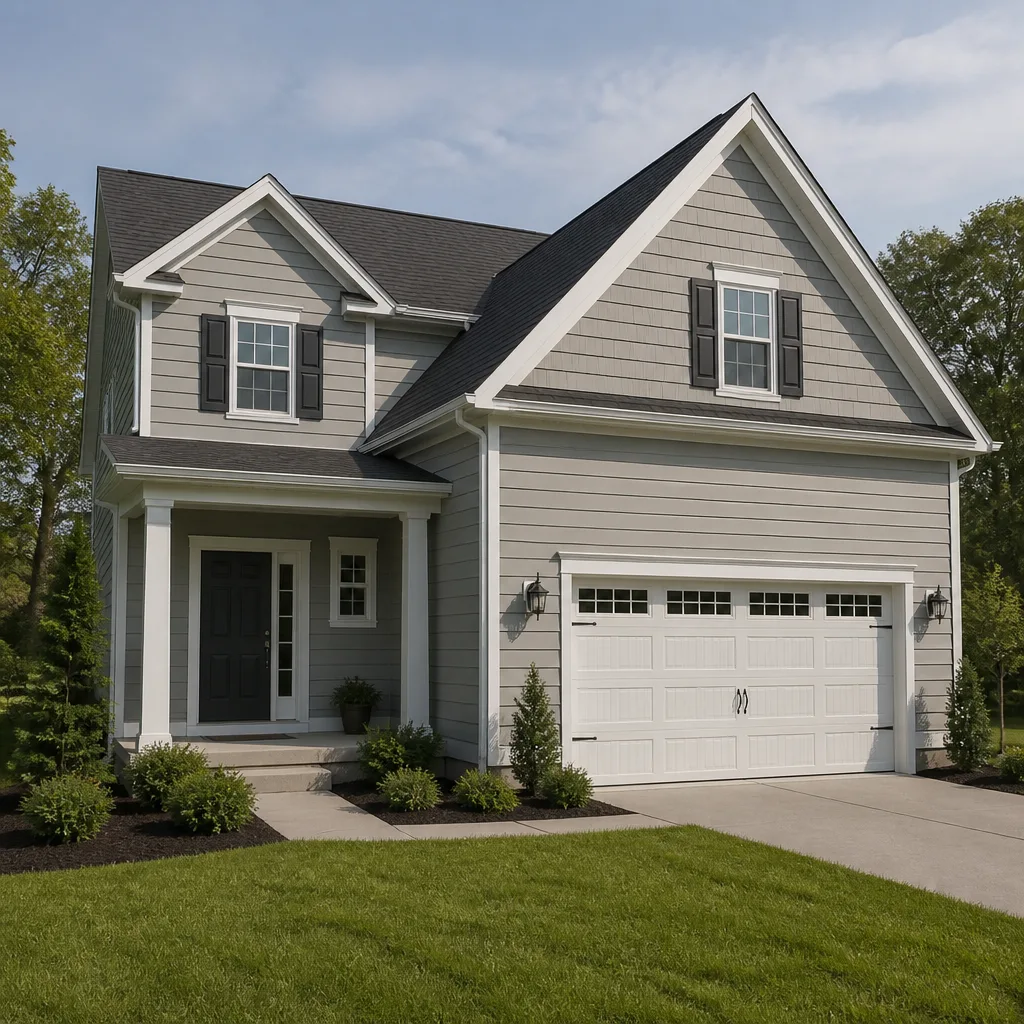
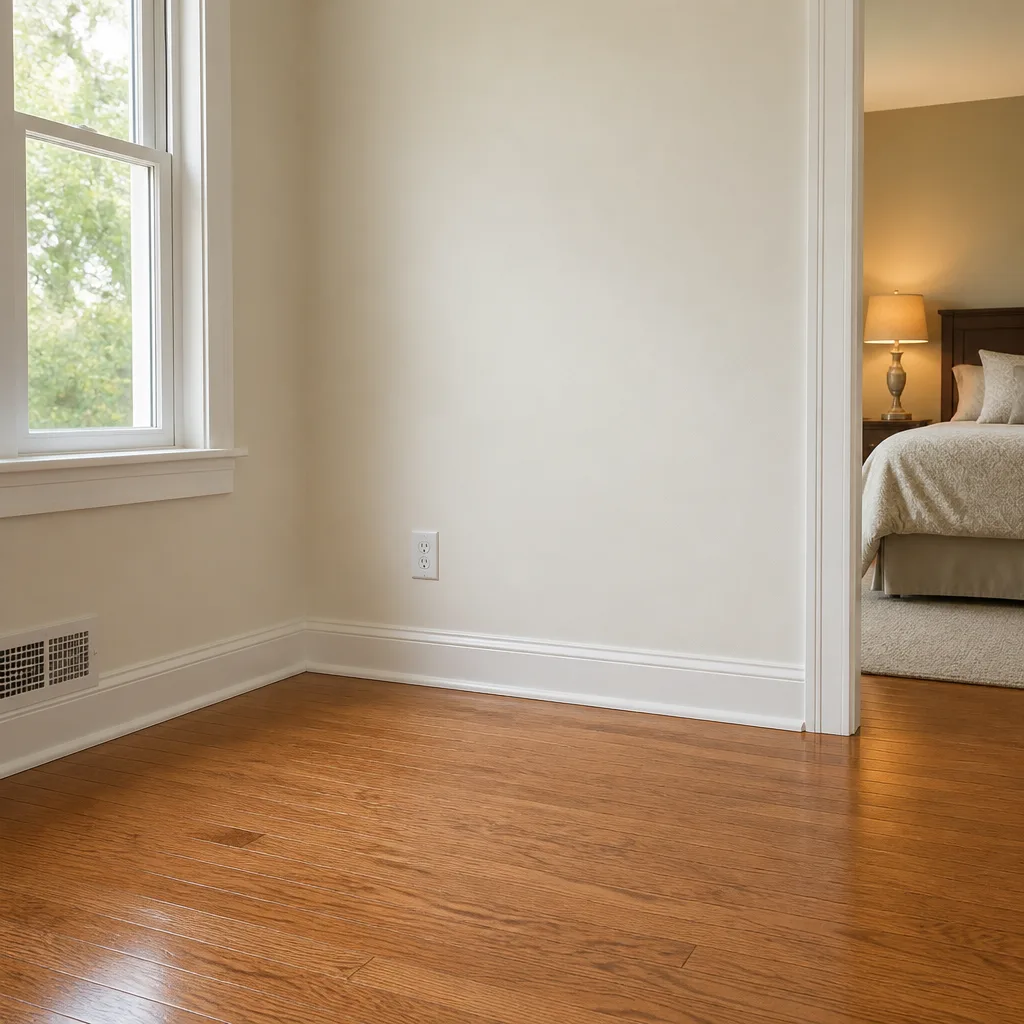

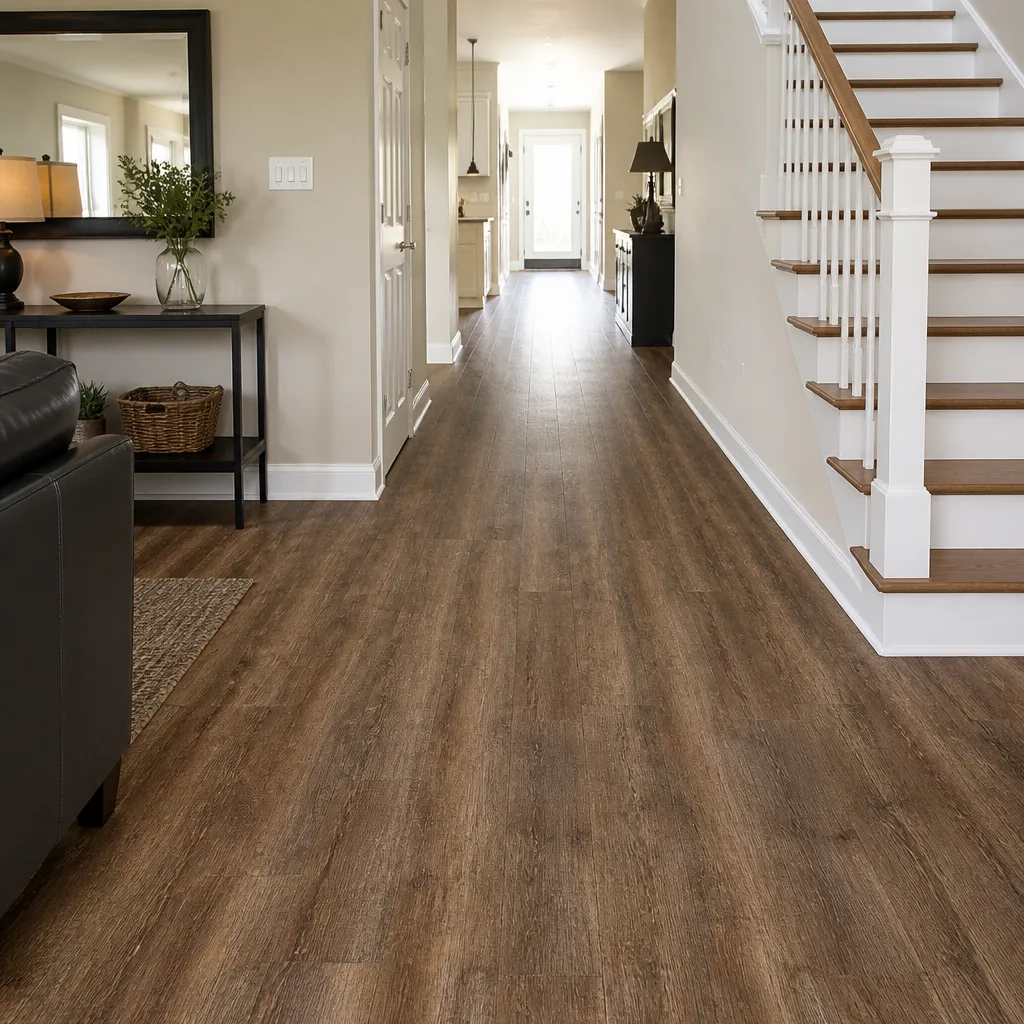

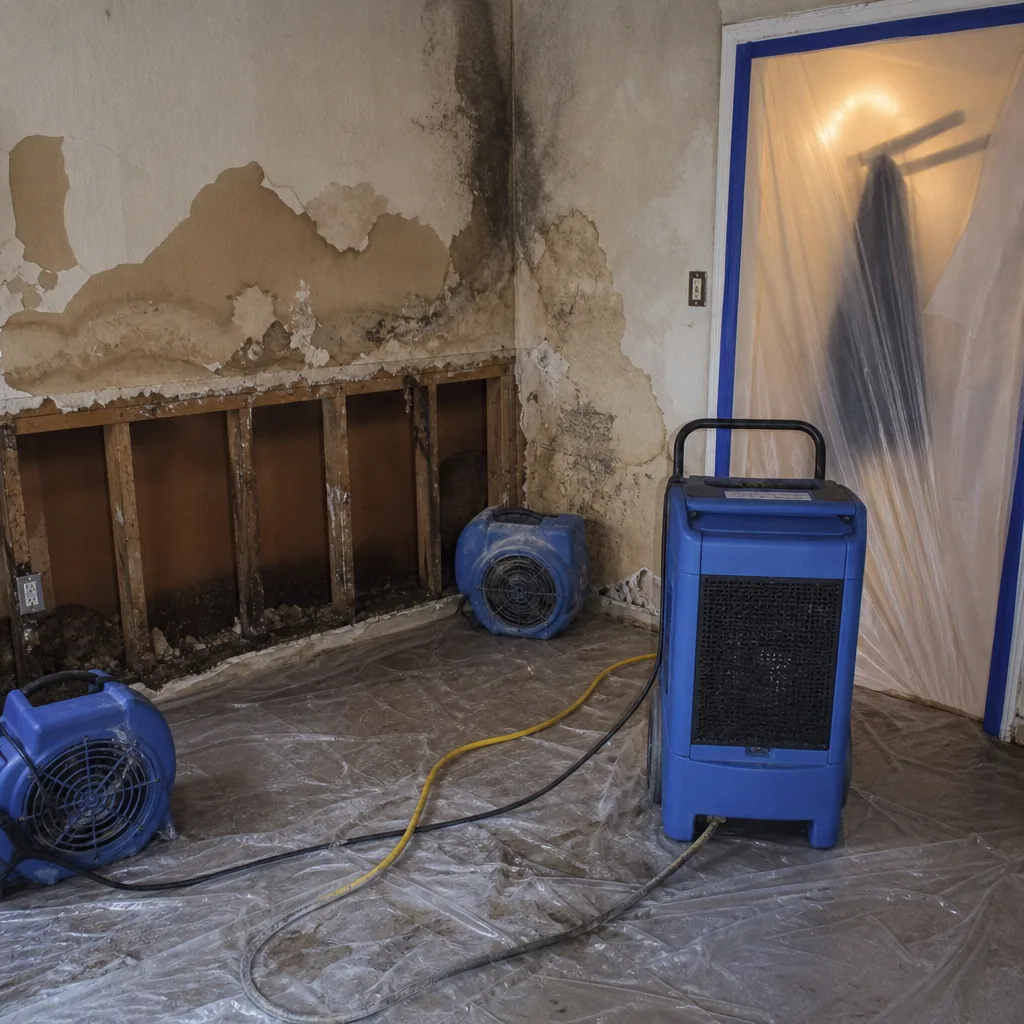 Before
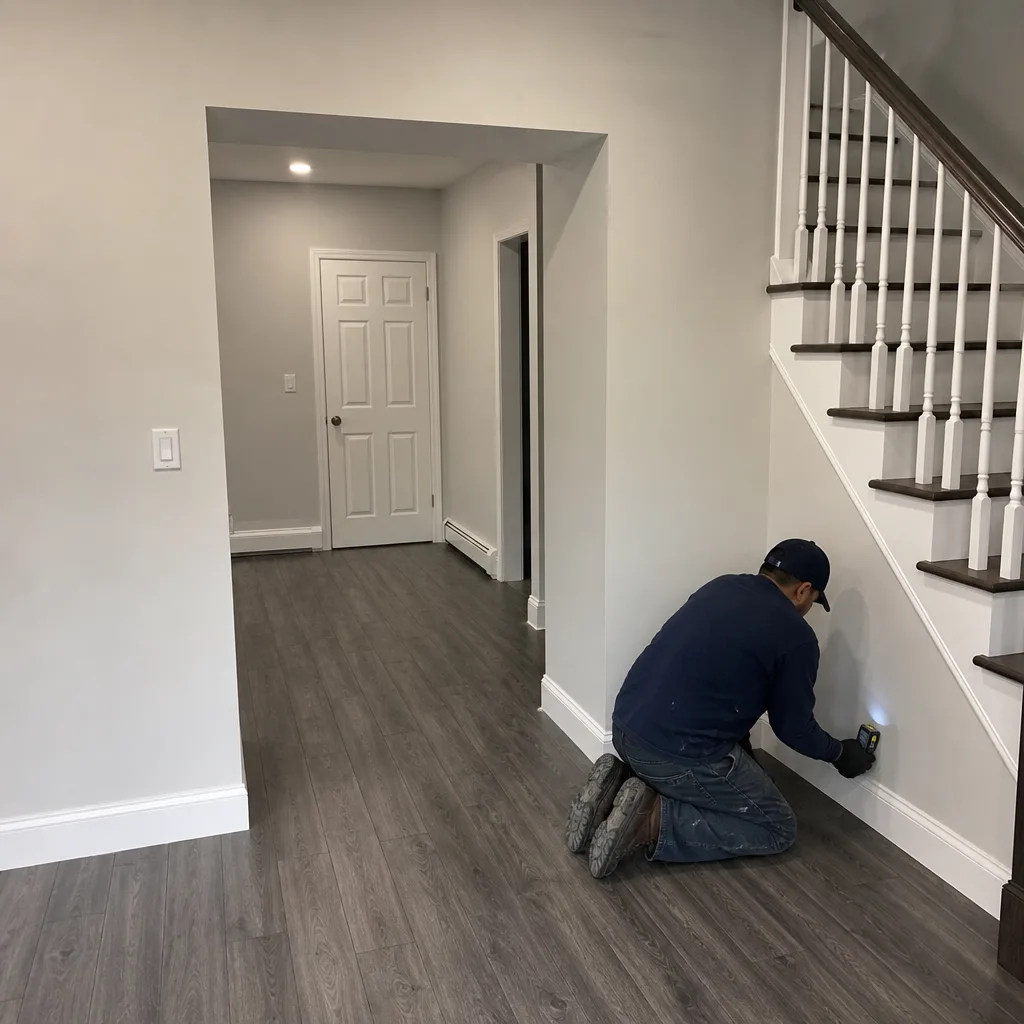 After
After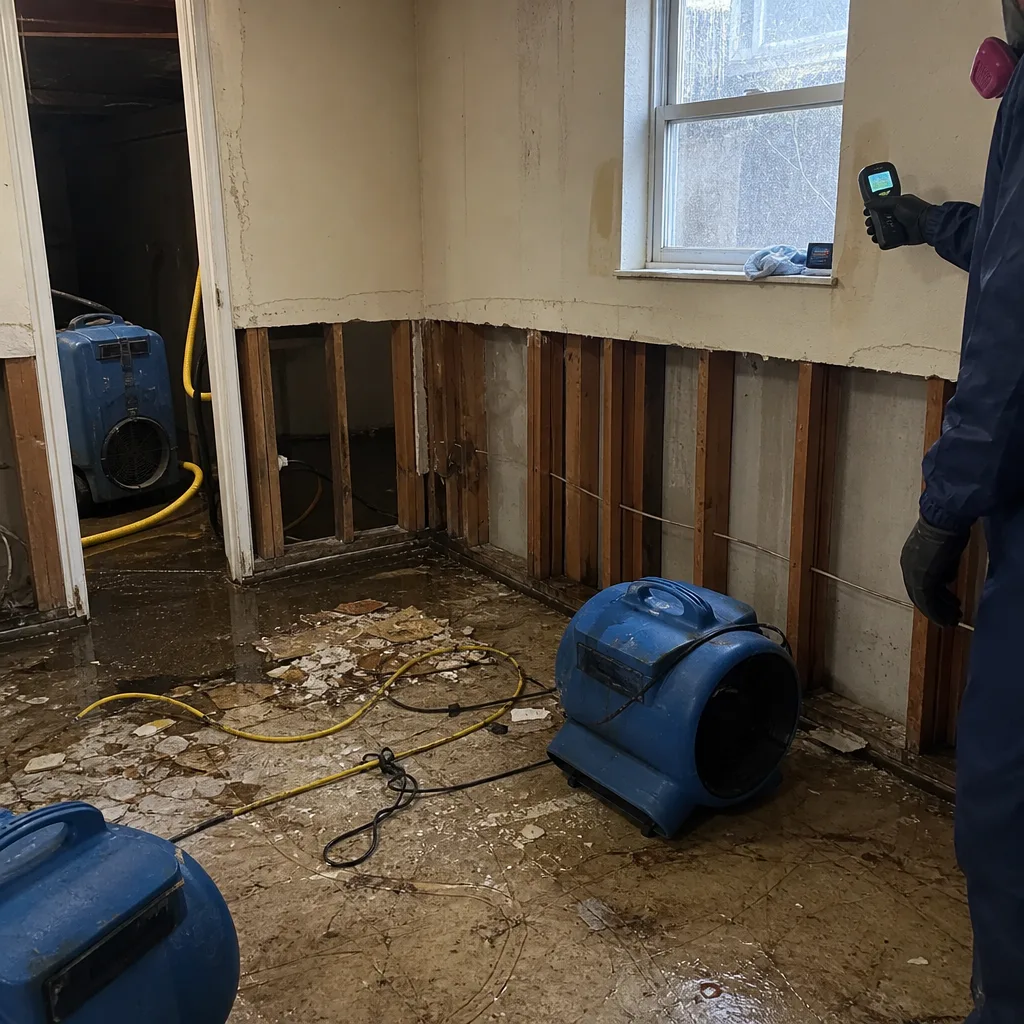 Before
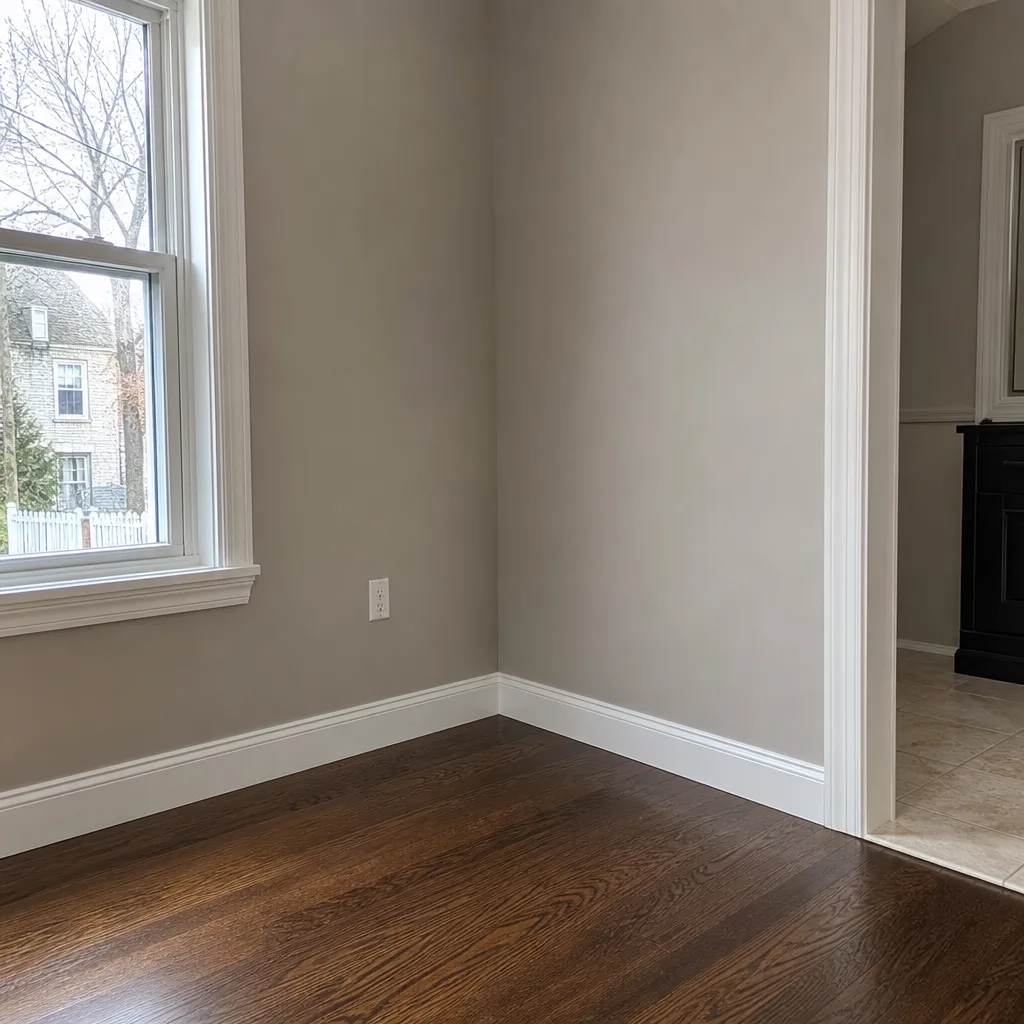 After
After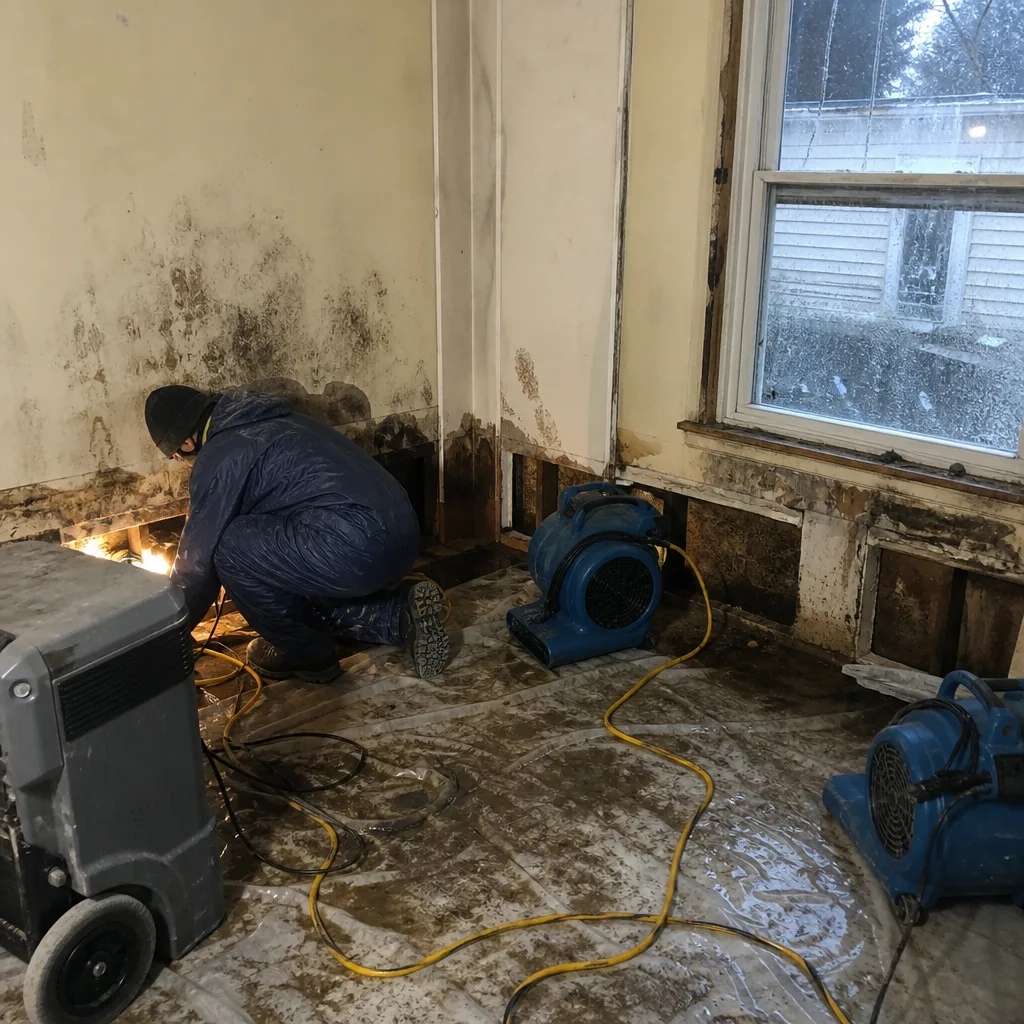 Before
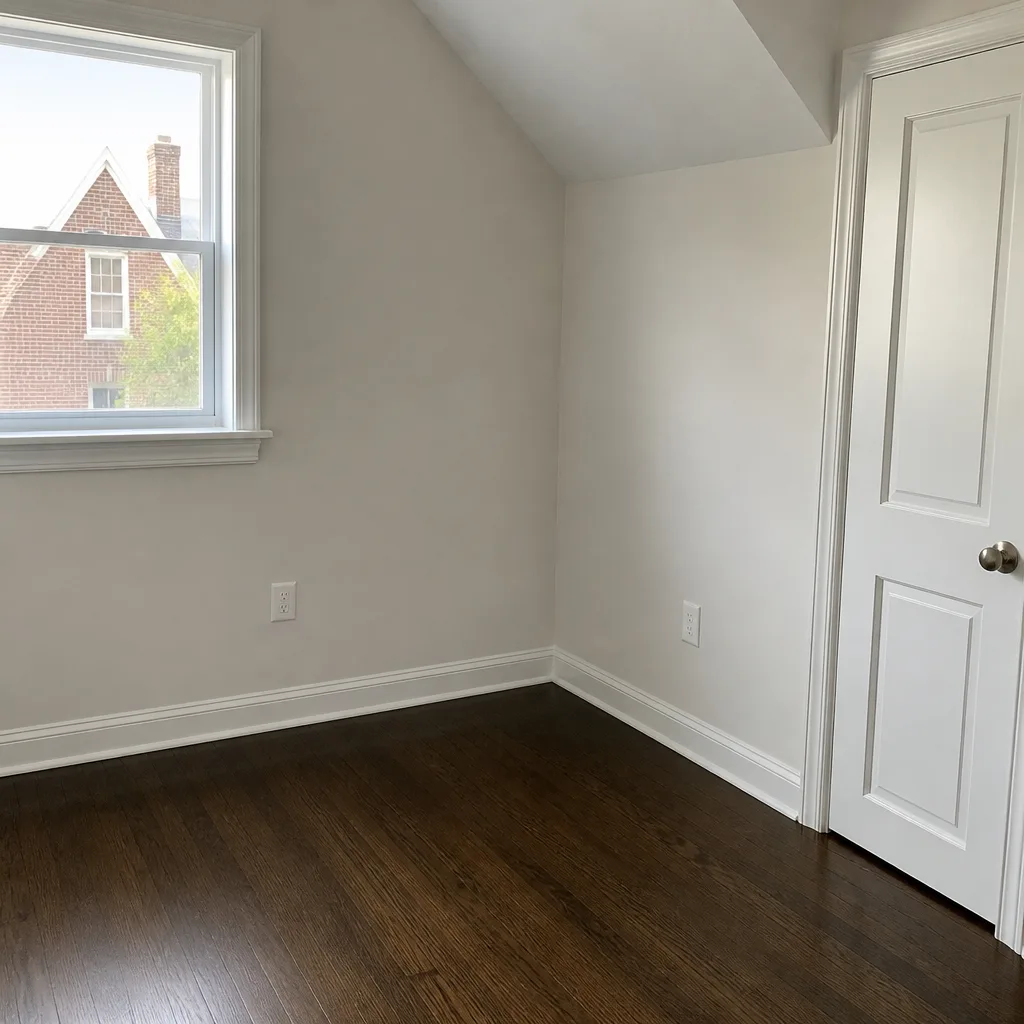 After
After24/7 Emergency Sewage Cleanup in Floral Park
A sewage backup in Floral Park is a Category 3 water loss, the most dangerous classification. It carries bacteria, viruses, and parasites that can make a household sick within hours. When raw sewage backs up into a finished basement on Tulip Avenue or a crawl space near Covert Avenue, the first 60 minutes determine whether you’re facing a cleanup or a rebuild. Call (631) 557-5029 and a live dispatcher answers, any hour, any day. We dispatch crews to Floral Park immediately, start black water extraction on the first visit, and hand you a written scope of work before any repair begins.
Understanding Sewage Cleanup Severity in Floral Park Properties
Sewage cleanup falls under Category 3 water: grossly contaminated water containing pathogens from human waste, soil, and stagnant runoff. That’s different from a supply-line break (Category 1) or gray water from a washing machine (Category 2). Category 3 requires full containment, removal of affected porous materials, antimicrobial treatment, and structural drying with moisture mapping. In Floral Park, most homes were built between the 1920s and 1940s. Their cast iron waste lines, original to the house, have been underground for 80 to 100 years. When one fails, sewage doesn’t just leak; it saturates the surrounding soil, seeps into foundation cracks, and migrates under slab floors. Plaster-and-lath walls wick contaminated moisture upward far faster than drywall, which means a backup that starts in one corner of a Floral Park basement can be inside the wall cavities of the entire lower level within a day. We treat every sewage loss here as a full containment job from the first hour, because Floral Park’s housing stock doesn’t forgive half measures.
Why Floral Park Property Owners Choose Floodline Restoration Co.
- 45-minute response commitment in Floral Park. We stage crews near the Nassau-Queens border so extraction starts quickly, before sewage migrates further into plaster walls and wood framing.
- A live person answers, 24/7. No recording, no answering service that takes a message. You speak to a dispatcher who knows which crew is closest to your street.
- IICRC-certified technicians trained to WRT and AMRT standards. We’re also certified through IFA and RIA, which means sewage work gets done to the same standard your insurer expects.
- Free visual inspection with a written scope. You see the cost, the steps, and the materials before work begins. No surprise change orders.
- Direct insurance billing. We document, photograph, and send the claim package to your carrier. You don’t play messenger.
- One team from extraction to rebuild. The same certified crew that pumps the sewage is the crew that replaces the flooring and repairs the plaster. No mid-job handoff.
Our Sewage Cleanup Process
1. Inspection & Assessment
We trace the source of the backup, identify the category of water, and map how far contaminated moisture has traveled using thermal imaging and moisture meters. In Floral Park’s pre-war homes, that often means checking wall cavities above the visible waterline.
2. Black Water Extraction
Truck-mounted and portable extraction units remove standing sewage and saturated water from floors, carpets, and crawl spaces. We use Dri-Eaz extraction equipment and set up containment with HEPA air scrubbers before disturbing contaminated materials.
3. Controlled Demolition & Stabilization
Porous materials that absorbed Category 3 water are cut out and bagged for disposal. In Floral Park, we check for asbestos and lead paint before cutting into plaster or tile from pre-1940 construction. Village inspectors require it.
4. Structural Drying & Dehumidification
Phoenix and XPOWER dehumidifiers pull moisture from remaining framing and subfloor. Daily readings are logged until the dry standard is met. You get a copy of the log; your insurer gets a copy too.
5. Sanitization & Disinfection
All affected surfaces receive antimicrobial treatment and final cleaning. Hard surfaces are disinfected to IICRC standards. The goal is a space that tests clean, not just looks clean.
6. Repairs & Restoration
We rebuild what was removed. In Floral Park, that frequently means matching the original plaster, flooring, and millwork. The crew that extracted the sewage is the crew that finishes the restoration, and the work is covered by the 90-Day Done Right Promise.
Need Emergency Sewage Cleanup in Floral Park Now?
Crews minutes away, answering live 24 hours a day. The sooner we start, the less it costs.
Working With Your Insurance Company
Sewage backup claims in Floral Park usually fall under a standard homeowner’s policy if the backup came from a municipal line or an internal plumbing failure not caused by neglect. Flood insurance is a different thing entirely; a backup from a failed cast iron waste line is typically covered, while rising groundwater from a nor’easter is usually not unless you carry a separate endorsement. We document everything from the first hour: photos before extraction, moisture readings, material samples if asbestos or lead is suspected, and a line-item scope of work. Our team communicates directly with your adjuster so you never have to translate trade language into insurance language. Curt Bowman started Floodline Restoration Co. in 2010 around a dispatch board, not a sales desk, and he built the company so a homeowner in Floral Park gets one clear answer instead of three different ones.
What We Provide Your Insurer
- Thorough documentation of the loss
- Photos of all damage, room by room
- Moisture readings and drying logs
- A detailed, line-item scope of work
- Direct coordination with your carrier
Built for Floral Park’s Loss Calendar
Floral Park’s sewage problems follow a pattern. In late winter, saturated soil from snowmelt presses against cast iron waste lines that have been in the ground since Herbert Hoover was president. The pipes flex, crack, and back up into basements. Spring and summer bring heavy thunderstorms that overwhelm the village’s aging combined storm and sanitary sewers, sending backflow through floor drains in low-lying homes near the Queens border. Hurricane Sandy didn’t just flood Floral Park in 2012; it left behind compromised sewer laterals that are still failing a decade later, often when a heavy rain hits a street where multiple homes share a lateral connection to the village main. The humid Long Island summers are the second blow: once sewage water enters a Floral Park basement, mold colonization starts inside 24 to 48 hours in the poorly ventilated crawl spaces and unfinished cellars common to this housing era. That’s why our crews run extraction and containment as one continuous operation, not two separate visits.
The village building department works differently than Nassau County or New York City agencies. Sewage cleanup that involves cutting out plaster or flooring requires a permit from Floral Park’s own building department on Tulip Avenue, and the inspectors there look for period-appropriate repair methods on original 1920s and 1930s construction. A contractor who files with Nassau County instead of the village wastes days before the permit even lands in the right office. We file with Floral Park directly. We know what the inspector expects, and we scope the work to pass the first time.
Sewage Cleanup Across Floral Park’s Neighborhoods
The homes south of Jericho Turnpike near Floral Park’s border with New Hyde Park are mostly 1920s center-hall colonials with original cast iron stacks running through first-floor walls. A stack failure there can spread sewage through a first-floor powder room and into the finished side of a basement before anyone notices. In the Tudor Revival sections near Tulip Avenue and Plainfield Avenue, we regularly find original waste lines buried under slate-floored utility areas. Digging and replacing those lines requires careful floor removal and village-approved restoration. North of the Long Island Rail Road tracks, the Cape Cod homes on smaller lots tend to have basement floor drains tied directly to the village combined sewer. During heavy storms, those drains become the first place backflow appears, and sewage can push into a finished basement in minutes. And in the blocks closest to the Queens line near Bellerose, a single shared lateral serving several homes can send one house’s backup into a neighbor’s basement, which is a claim scenario that requires documentation across property lines and coordination between two different insurance carriers.
Specialized Sewage Cleanup Services We Offer in Floral Park
Sewage Backup Cleanup
A blocked or collapsed waste line pushes sewage back through floor drains, toilets, and tubs. We extract, contain, and remediate the affected areas, then trace the blockage to its source so the repair addresses the pipe, not just the puddle. In Floral Park, the source is often a century-old cast iron line that has rusted through at the bell joint.
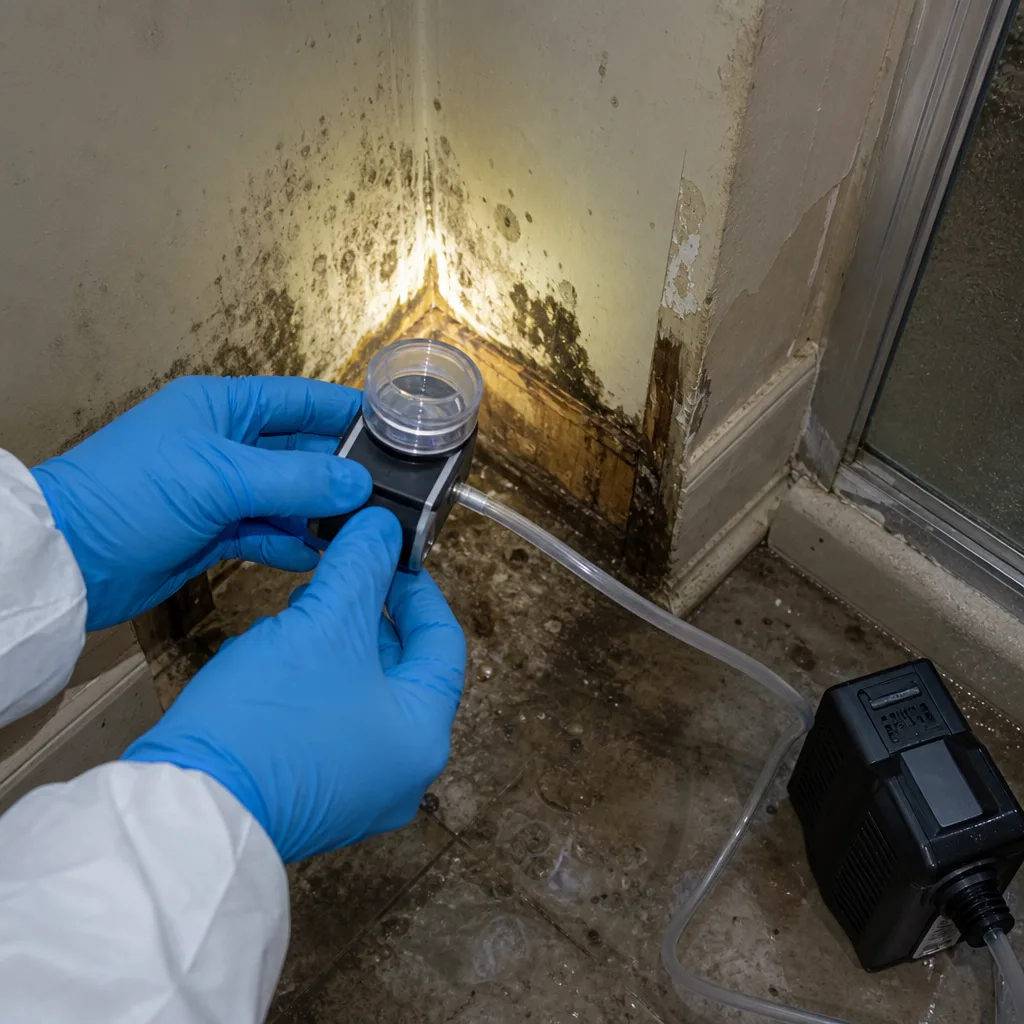
Toilet Overflow Cleanup
An overflowing toilet is usually a simple fix, but the contaminated water is still Category 3. We remove it with the same containment and disinfection protocols as a full basement backup. Homeowners on Tulip Avenue and Covert Avenue often catch these early, but the water still needs antimicrobial treatment before the bathroom is safe again.
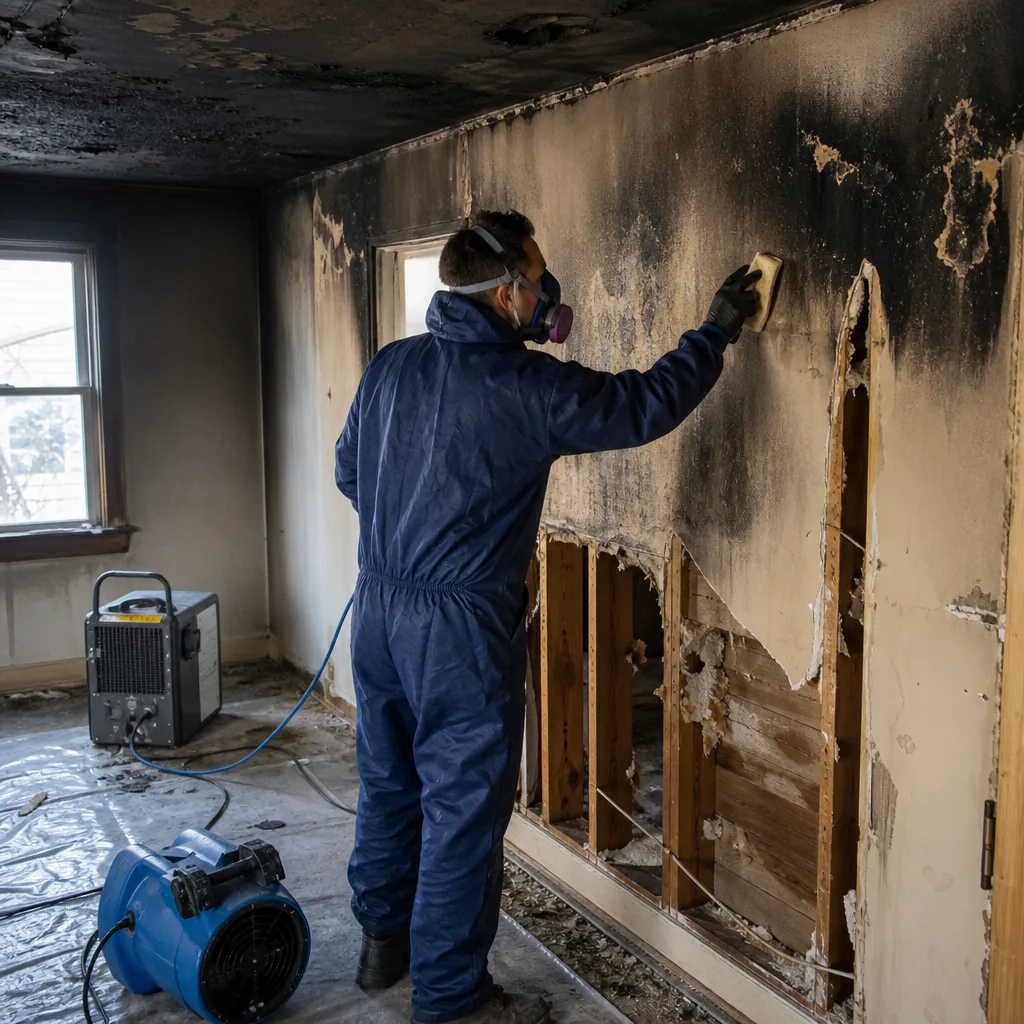
Septic Failure Cleanup
Some older Floral Park properties, particularly larger lots near the village’s eastern edge, still run on aging septic systems. A failed tank or leach field sends sewage to the surface and can contaminate a crawl space or cellar. We handle extraction and sanitization, then coordinate with septic contractors for the system replacement.
Black Water Extraction
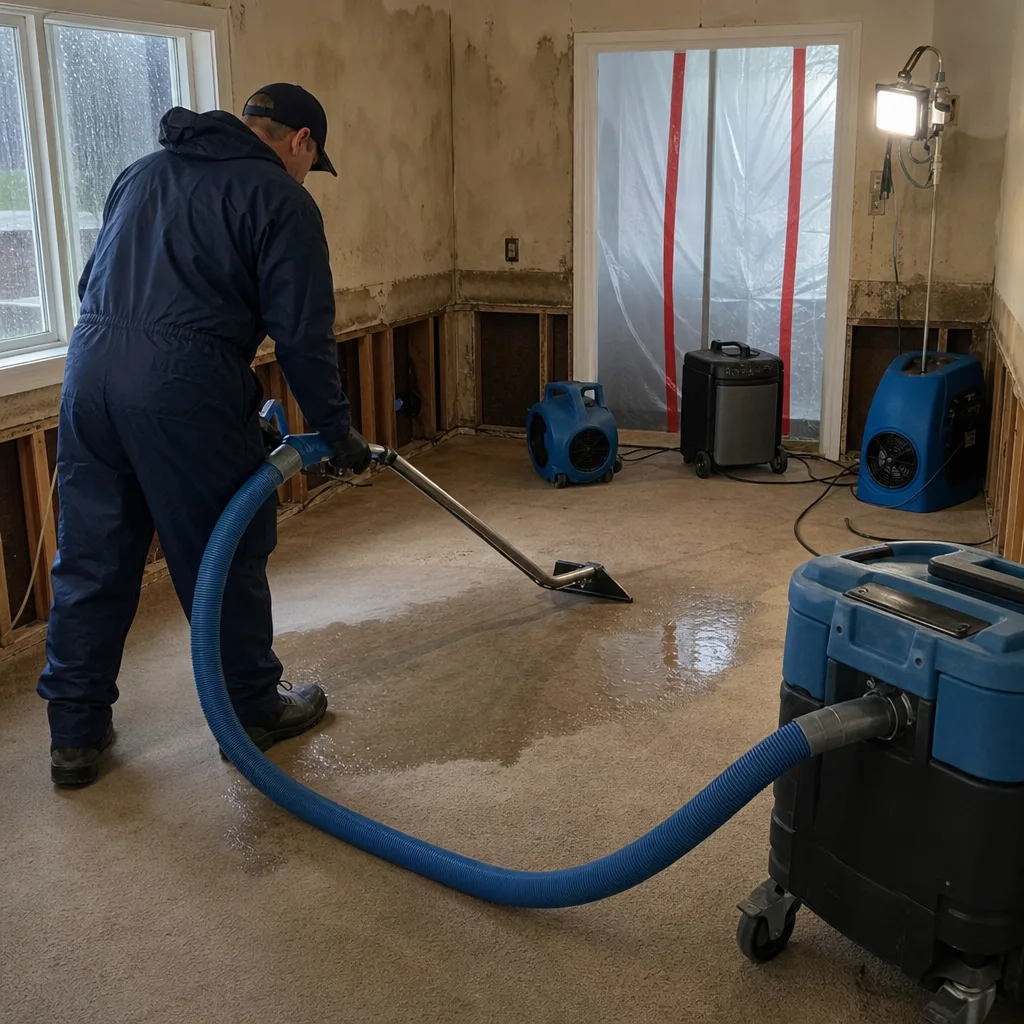
This is the core of our sewage work. We use truck-mounted Dri-Eaz extraction units for large volumes and portable Phoenix units for tight basements and crawl spaces. The goal is simple: get the contaminated water out of the structure fast enough that drying can begin before mold takes hold.
Sanitization & Disinfection
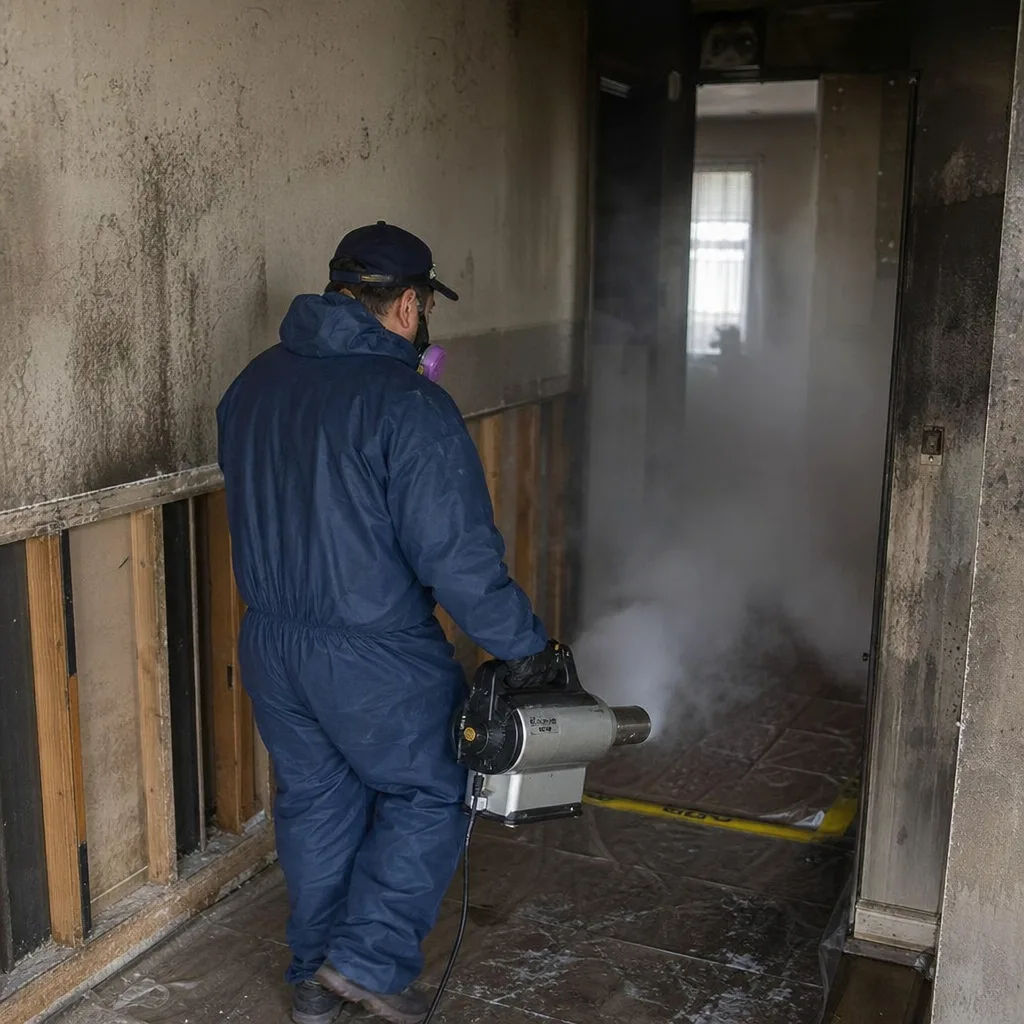
After extraction and controlled demolition, every remaining surface gets treated with hospital-grade antimicrobials. We fog, wipe, and scrub until surfaces pass post-remediation verification. A sewage smell in a Floral Park basement means contamination is still present somewhere, so we don’t finish until the odor is gone.
If you have a sewage backup in a Floral Park crawl space, our Sewage Cleanup team handles that too. Crawl spaces here are tight, poorly ventilated, and often built with dirt floors that hold pathogens. We dig out contaminated soil, treat the remaining surfaces, and install vapor barriers where the scope calls for it.
What happens when you call
- 1
A real person answersNo phone trees - you reach a local pro.
- 2
You get an upfront price rangeHonest numbers before anyone is dispatched.
- 3
A background-checked tech heads outLicensed & insured, dispatched right away.
- 4
You approve before work beginsNothing starts until you say go.
Sewage Cleanup Costs in Floral Park, NY
A straightforward toilet overflow cleanup in Floral Park typically runs $400 to $900, including extraction, disinfection, and drying of a small bathroom area. A full basement sewage backup in a finished lower level runs $3,000 to $12,000, depending on how far the contamination traveled into walls and flooring. Black water extraction alone, before any restoration work, costs $1,200 to $3,500 for a typical 800-square-foot Floral Park basement. Crawl space sewage removal runs $2,500 to $7,000 because the work is harder to access, and contaminated soil removal adds to the scope. The biggest cost drivers are the amount of finished surface affected, whether the waste line itself needs replacement (common in this village given the age of the plumbing), and whether asbestos or lead abatement is triggered on pre-1940 materials. Insurance covers most internal backup claims minus your deductible. The free visual inspection is the way to get a firm number; you’ll have a written scope before anything is cut.
We Also Serve Cities Near Floral Park
Our Floral Park crews regularly handle sewage cleanup in Bellerose, New Hyde Park, Elmont, and Queens Village. The permitting entities differ across those borders, which is exactly why it matters that we know who issues what and where.
Serving Floral Park, NY - Our Local Coverage Area
We’re based in the Floral Park area and know this community well. Use the map below to see our service coverage - if you’re nearby, we can almost certainly help.
Floral Park Sewage Cleanup Questions, Answered
Do I need a Floral Park village permit for sewage cleanup that involves cutting out plaster or flooring?
Yes, if structural materials are being removed. Floral Park’s village building department, not Nassau County and not NYC’s DOB, permits sewage cleanup work that involves cutting into walls, ceilings, or floors. We file the permit for you as part of the scope.
How fast should sewage backup cleanup start in a Floral Park pre-war basement?
Within the first hour, and definitely before 24 to 48 hours pass. Sewage water in a plaster-and-lath basement accelerates mold growth faster than in a modern drywall room. The sooner extraction and containment begin, the less material has to be removed.
Will Floral Park’s building inspector allow drywall patch after a sewage-soaked ceiling is removed?
Often not. On original ceilings from the 1920s and 1930s, Floral Park inspectors expect period-appropriate repair, typically horsehair-binder plaster rather than a drywall patch. We scope the repair accordingly and submit that in the permit application.
Can sewage cleanup in Floral Park release asbestos or lead dust?
Yes. Homes built before 1940 commonly contain lead paint and asbestos in plaster, flooring, and pipe insulation. Cutting into those materials without testing can release hazardous dust. Village inspectors require abatement. We test before we cut.
Why does sewage backup in Floral Park sometimes flood multiple houses at once?
Several blocks in Floral Park share sewer laterals that connect to the village main. When one lateral fails or a combined sewer backs up during a storm, sewage can push into multiple basements along the same run. This requires claim documentation that maps the shared line and coordinates with multiple carriers.
How long does sewage cleanup and drying take in a Floral Park home?
Extraction and containment happen within hours of arrival. Structural drying usually takes three to five days in older homes with plaster walls, which hold moisture longer than drywall. Full restoration can take two to six weeks depending on permit timing and the scope of rebuild.
Can we stay in the house during sewage cleanup?
It depends on the extent of contamination and which areas are affected. If sewage was confined to a basement with a separate entrance and containment is properly sealed, many homeowners stay. If contaminated air has moved through HVAC returns or the main floor, we recommend temporary relocation until clearance testing passes.
What should I do in the first 30 minutes after a sewage backup?
Turn off the water if the source is a plumbing failure. Keep children and pets away from the affected area. Do not run the HVAC system, which can spread contaminated air. Call (631) 557-5029. A live dispatcher will walk you through immediate steps and get a crew moving toward your street.
For sewage cleanup in Floral Park that starts fast and finishes with a written guarantee, call Floodline Restoration Co. at (631) 557-5029. The inspection is free. The 90-Day Done Right Promise means the job is backed in writing. And the person who answers the phone is a real human, any hour, every day.
Written by Curt Bowman, Owner at Floodline Restoration Co., providing restoration services with live 24/7 dispatch from our New York City office, serving Floral Park, NY.