

Free visual inspection and a written scope of work before any mitigation begins - photos, moisture readings, and drying logs go in your claim file
The scope we write is the scope we bill. Anything new gets shown to you, in writing, before we touch it.
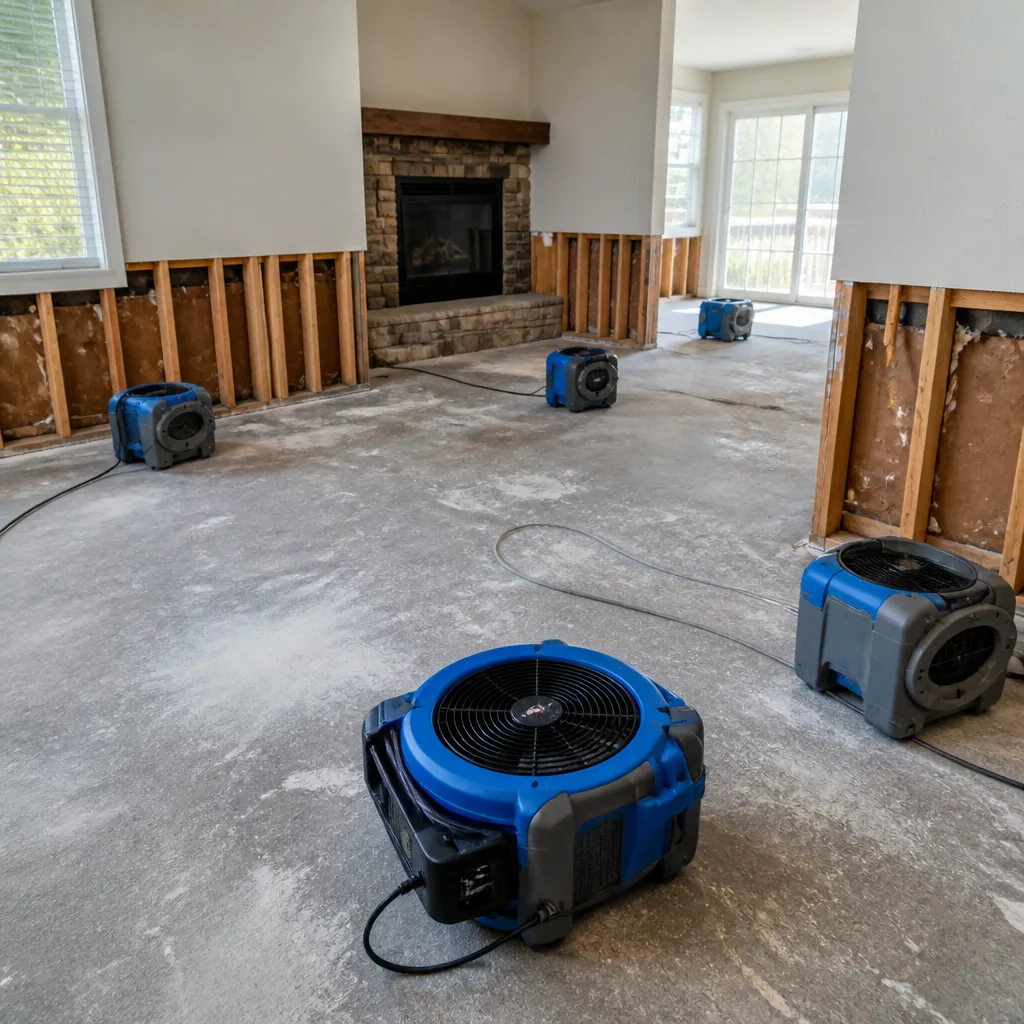
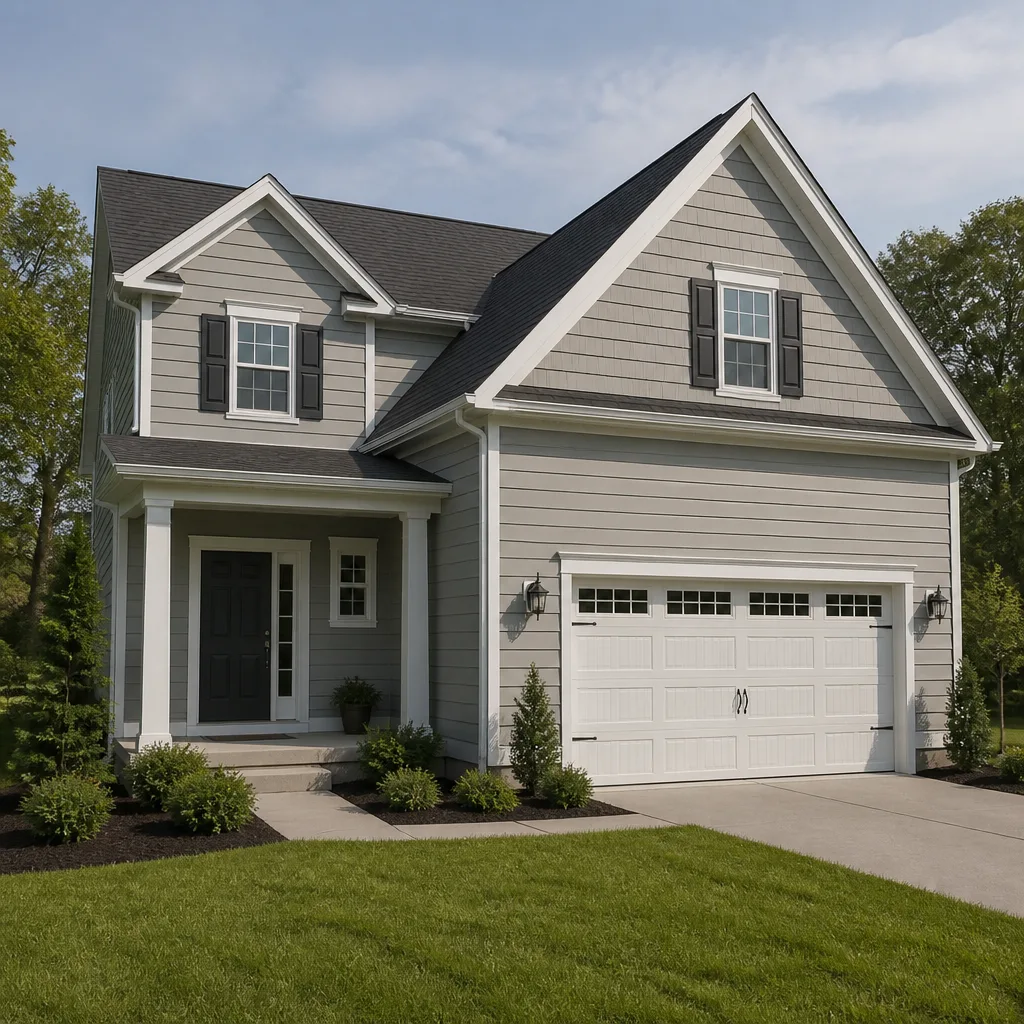
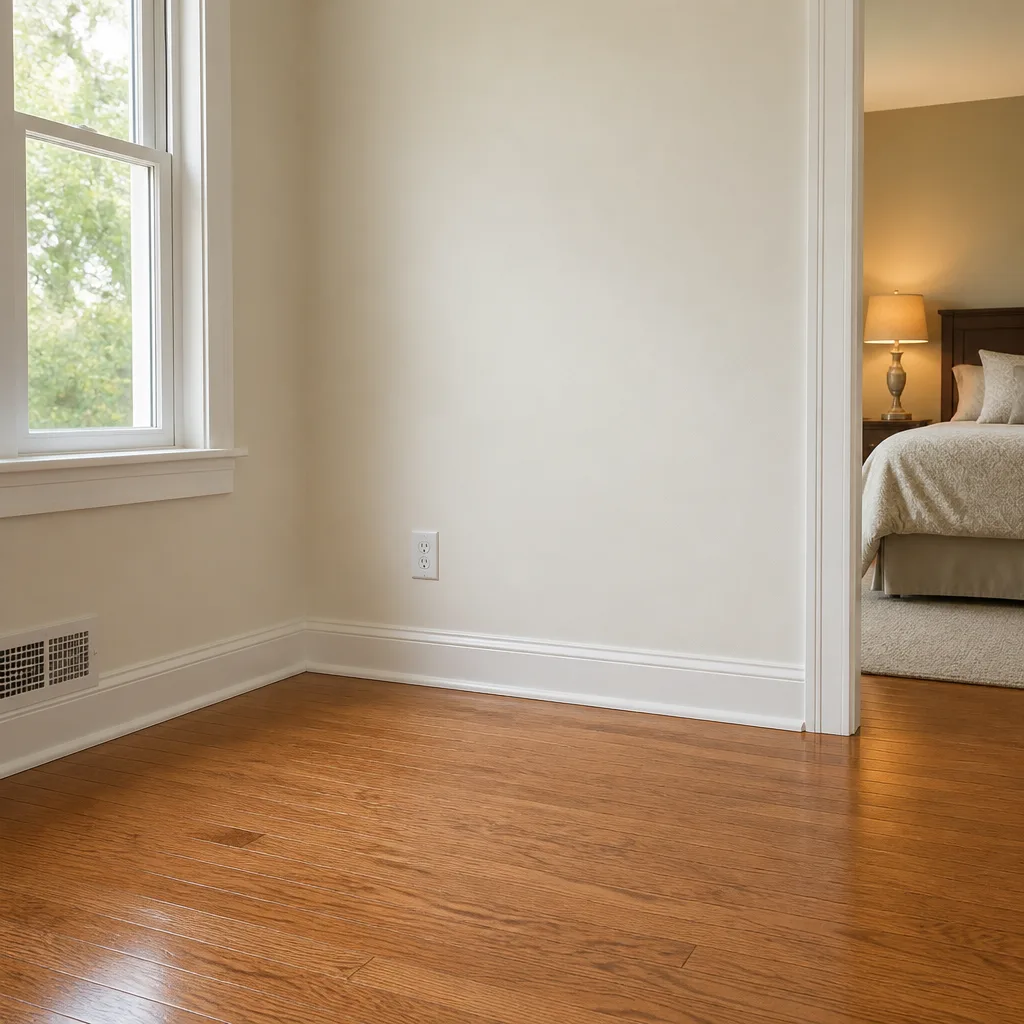

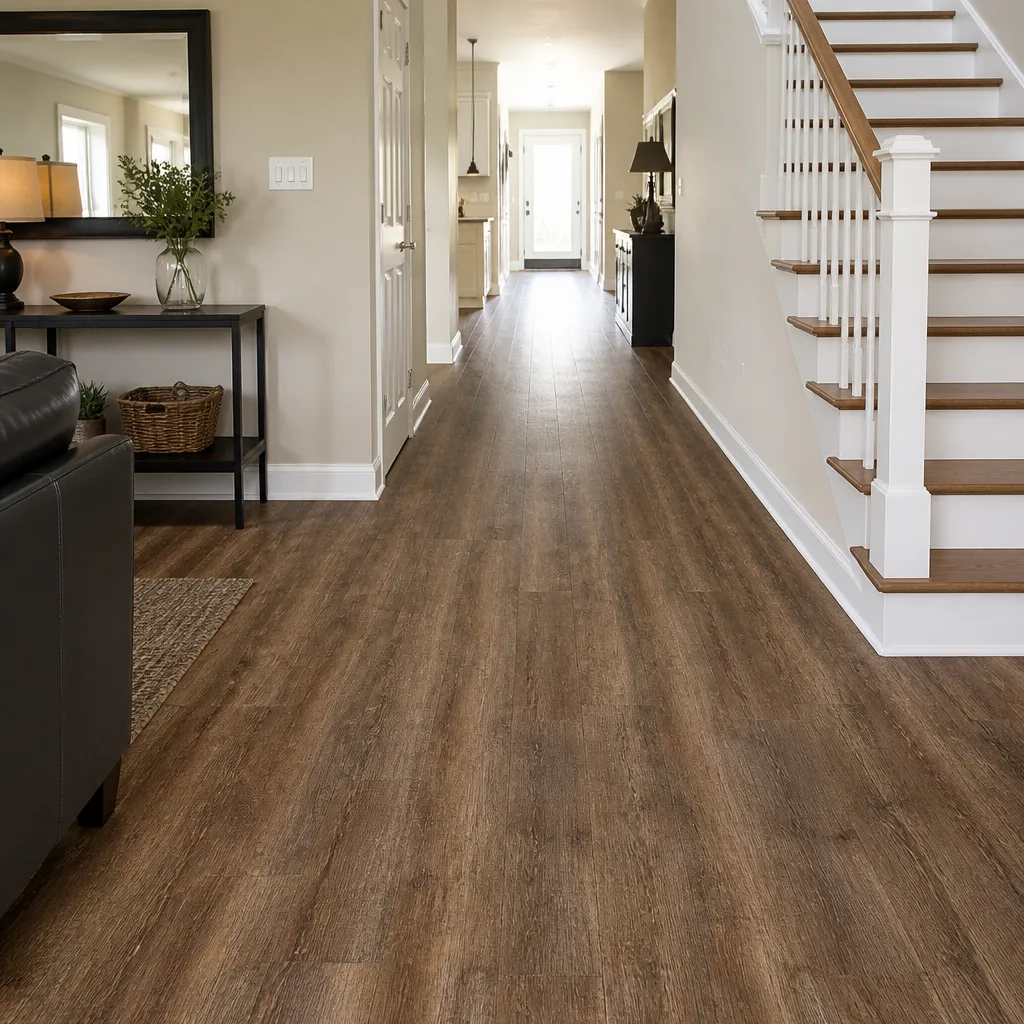

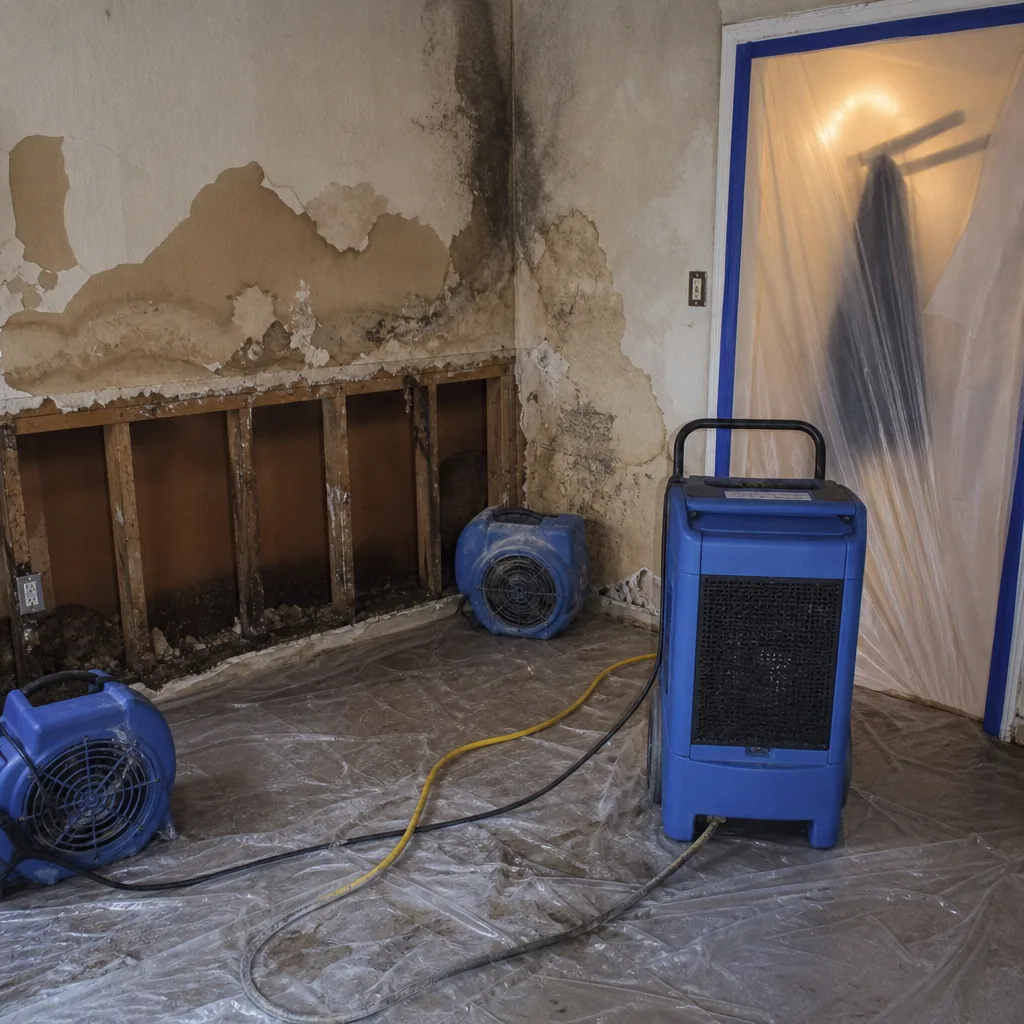 Before
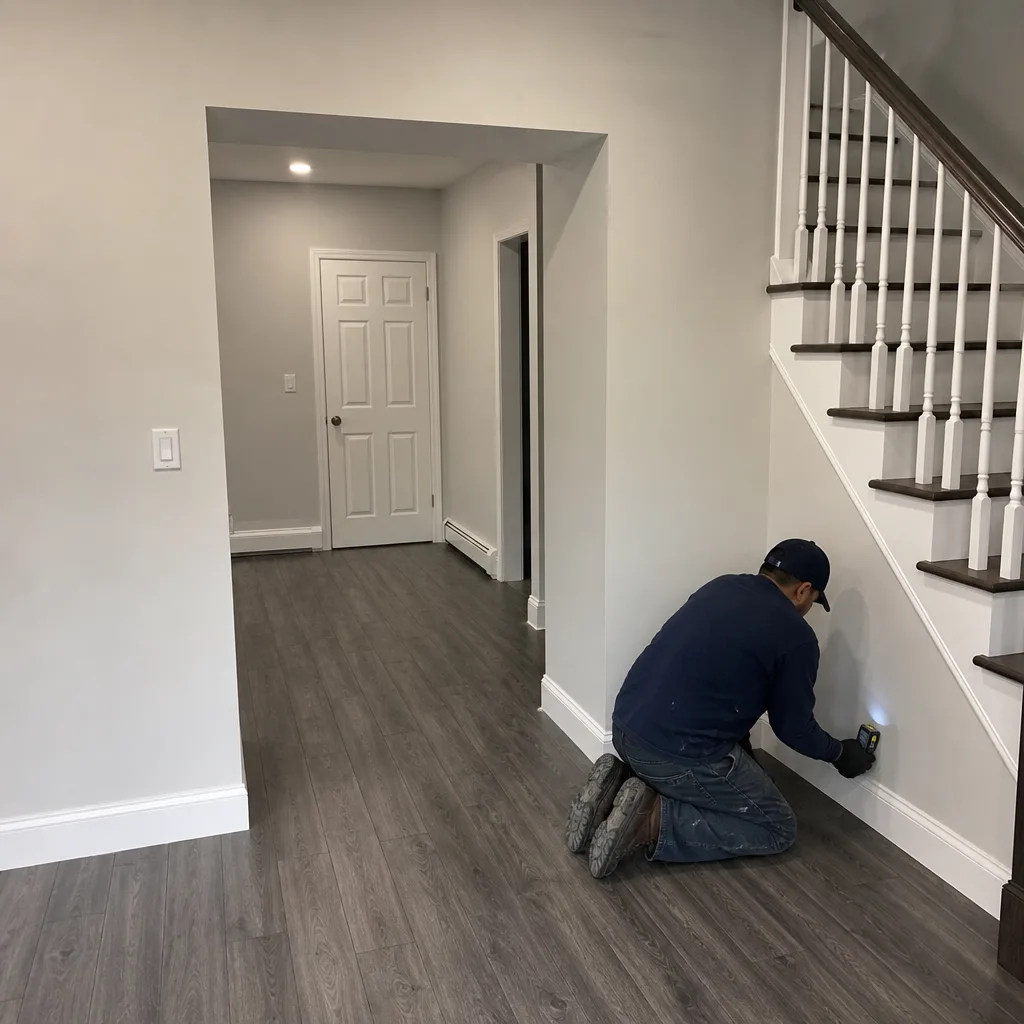 After
After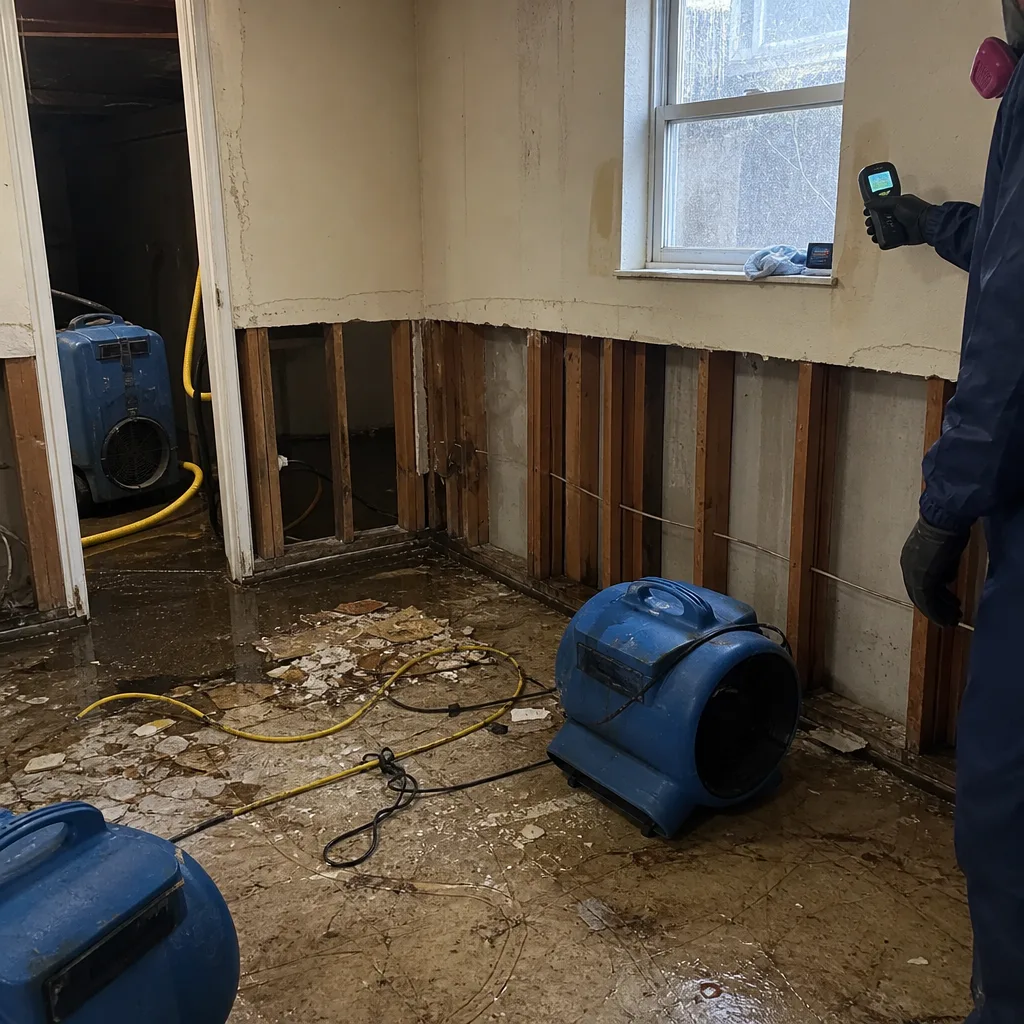 Before
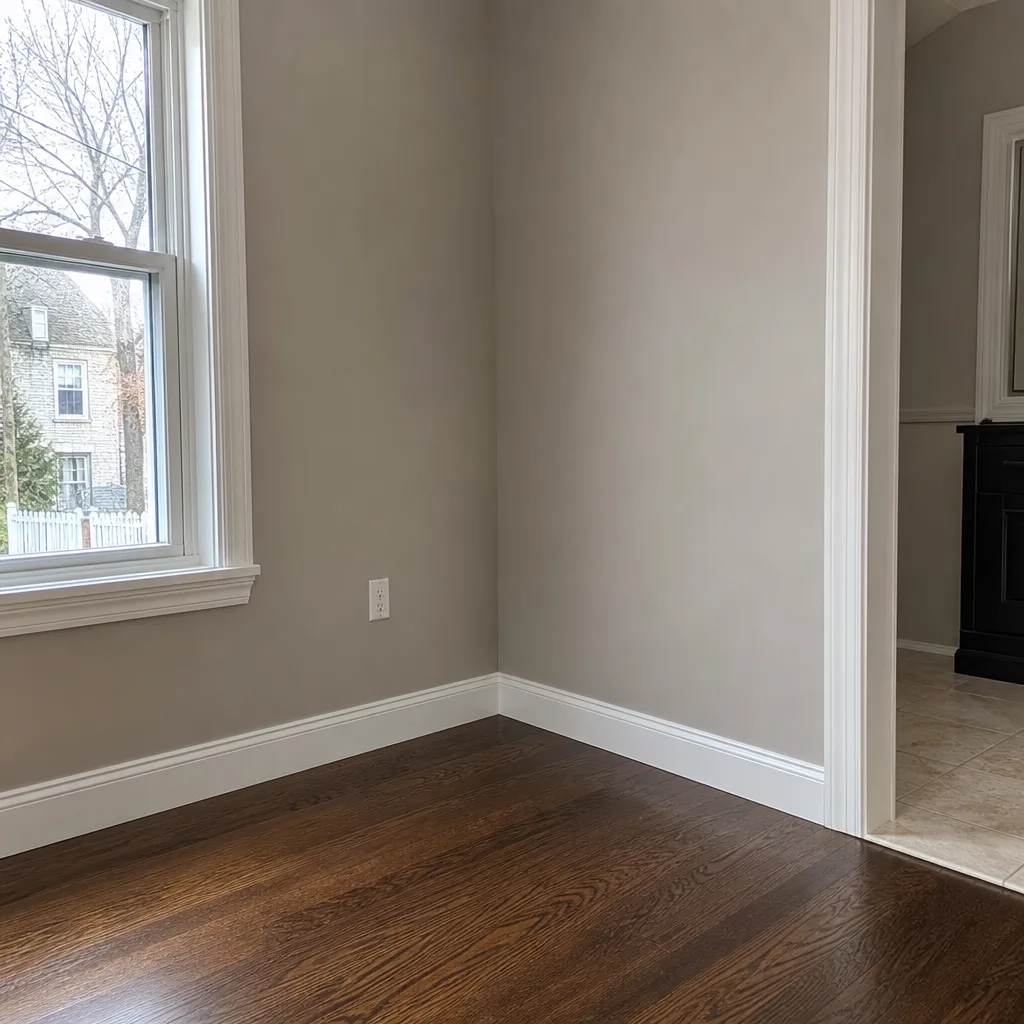 After
After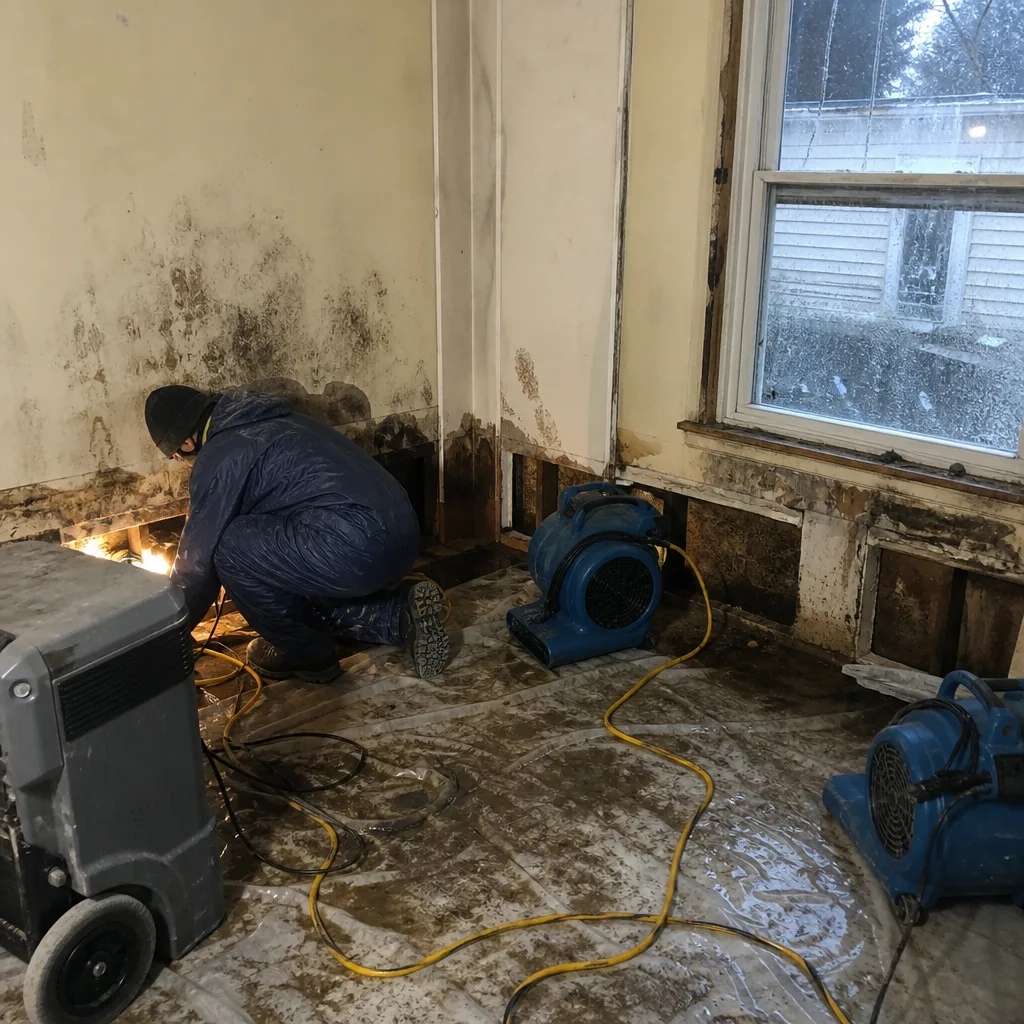 Before
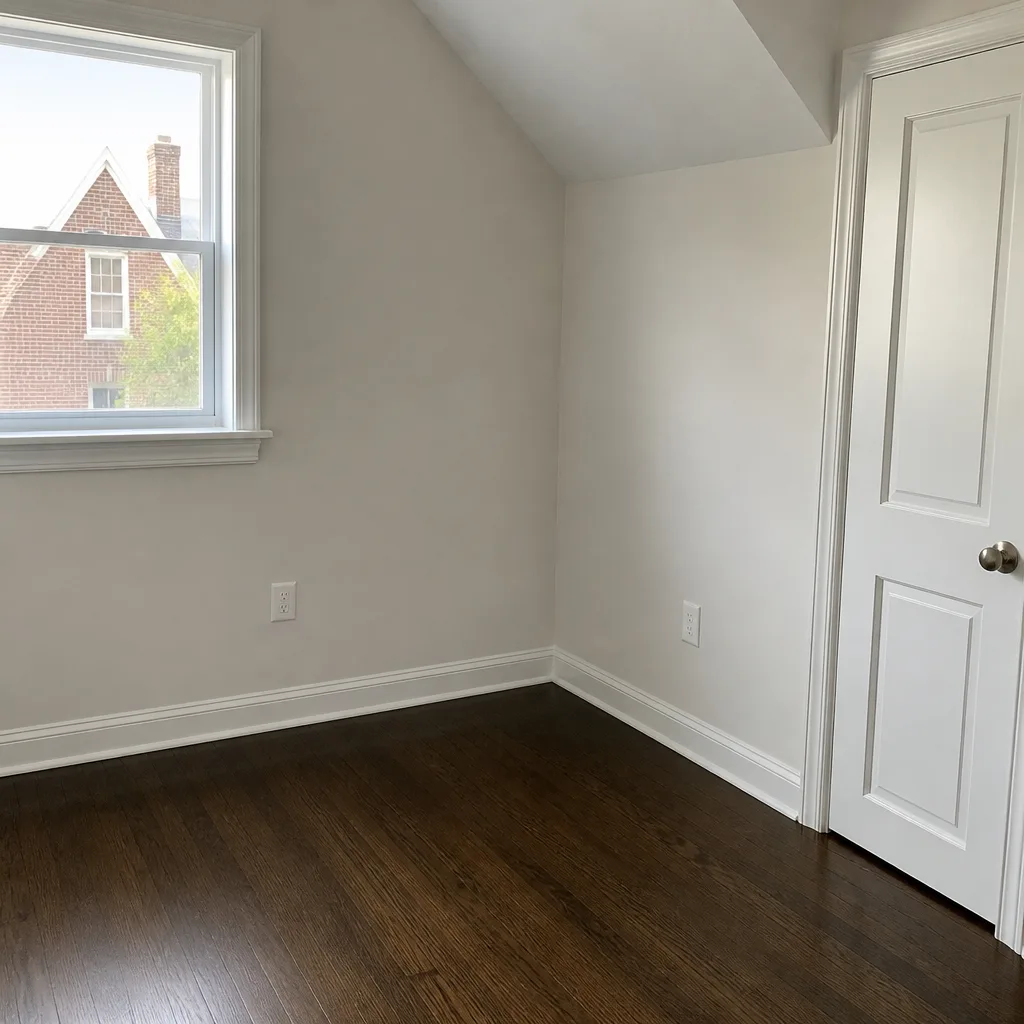 After
After24/7 Emergency Storm & Disaster Restoration in Douglaston
When a nor’easter pushes surge up Little Neck Bay into the low streets of Douglaston, the first call should reach a live person. Ours does. Floodline Restoration Co. answers at (631) 557-5029 around the clock, and our certified crews reach Douglaston addresses quickly because we know the neighborhood’s service roads, dead-end lanes, and the two bridges that bracket the peninsula better than any dispatcher reading a map from a call center in another state. Saltwater does not wait, and neither do we. The first hour after storm water enters a Douglaston home determines whether that 1920s lath-and-plaster wall gets dried and salvaged or becomes a mold liability that lingers for months. One call starts a free visual inspection, a written scope of work, and no obligation to proceed beyond what the inspection finds.
Understanding Storm & Disaster Restoration Severity in Douglaston Properties
Storm damage in Douglaston splits into two distinct problems: the obvious surface water and the invisible salt load it leaves behind. Standard water restoration language classifies water by contamination level. Category 1 arrives clean from a broken supply line. Category 2 carries contaminants that can irritate. Category 3 is what most Douglaston storm events deliver: bay water, street runoff, and backflow from overwhelmed municipal drains, loaded with bacteria, sediment, and dissolved chlorides. On the peninsula, Category 3 is the default assumption the moment storm surge touches a floor.
The severity layer unique to Douglaston is chloride contamination. Little Neck Bay water leaves hygroscopic salts embedded in plaster, lath, and even the old-growth joists of Douglaston Hill’s Victorians and Colonial Revivals. These salts never leave on their own. They pull atmospheric moisture out of the air, keeping wall cavities damp long after a moisture meter reads “dry” at the surface. That is why our storm restoration work in Douglaston routinely includes chloride testing and neutralization, a step most inland crews in Queens never run because they never need to. This waterlogged peninsula has building stock from the 1880s through the 1930s, much of it balloon-framed, meaning a wall cavity can run three stories with nothing stopping water, or the salts it carries, from traveling floor to floor.
Why Douglaston Property Owners Choose Floodline Restoration Co.
- 45-minute response commitment, measured from your call to our Douglaston dispatch. We tell you when the crew leaves and when they arrive, because waiting on a restoration company after a storm is not acceptable.
- 24/7 live answer, always a person. No automated tree, no “leave a message and we’ll call back.” A dispatcher picks up the phone, every time, including 2 a.m. after a nor’easter.
- IICRC-certified crews with WRT and ASD credentials. Water Restoration Technician and Applied Structural Drying certifications mean the crew reading your moisture map was trained to do exactly that. Our techs also follow RIA and IFA standards, which matters when an insurance adjuster reviews the file.
- Free visual inspection with moisture mapping. Before any equipment gets placed, we map the affected areas and give you a written scope. You see what we see before you sign anything.
- Direct insurance billing with photo-documented estimates. We deal with the carrier so you do not sit on hold. You get copies of everything: photos, readings, drying logs, and the line-item scope.
- One crew from first extraction to final rebuild. The same technicians who set up containment and dry your home are the ones who restore the finishes. No mid-job handoff to strangers.
Our Storm & Disaster Restoration Process
Inspection & Assessment
We walk the affected areas with you, map moisture with penetrating and non-penetrating meters, and look for the failure points Douglaston storms create: chloride wicking behind baseboards, water trapped in balloon-frame cavities, and corrosion on door hardware and electrical components near the floodline.
Extraction & Stabilization
Standing water is removed using professional-grade extraction equipment. Open entry points get stabilized with board-up and tarping to prevent further intrusion. If the storm left dangerous debris or unstable structures, we secure them before further work begins.
Drying & Dehumidification
Dri-Eaz LGR dehumidifiers and Phoenix air movers are placed according to a drying plan calibrated for older Douglaston construction. Lath and plaster dries slower than drywall, and we account for it. Daily moisture readings are logged against the dry standard until we hit pre-loss baseline.
Cleaning & Sanitization
Once materials are dry, surfaces are cleaned and treated with appropriate antimicrobials. For Category 3 water, this step includes removing contaminated porous materials that cannot be safely cleaned: saturated insulation, some plaster sections, and any carpeting from the affected area.
Chloride Neutralization
In Douglaston, this step is not optional. We test for residual chloride salts in wall cavities and structural materials. Where present, they are neutralized so the wall assembly cannot re-wet itself through hygroscopic action. This is the step that prevents the frustrating mold recurrence inland crews leave behind.
Repairs & Restoration
Reconstruction & Cleanup - Douglaston proceeds with materials matched to the home’s era. For homes on Douglaston Hill, that means preservation-sensitive plaster repair, period-appropriate trim, and finishes that respect the building. We stand behind the finished job with the 90-Day Done Right Promise, in writing.
Need Emergency Storm & Disaster Restoration in Douglaston Now?
Crews minutes away, answering live 24 hours a day. The sooner we start, the less it costs.
Working With Your Insurance Company
Storm claims in Douglaston touch a familiar set of issues: storm surge classification, flood exclusions versus wind-driven rain coverage, and proving that damage came from the covered event. We have handled hundreds of these files and we know what adjusters need to see, in what order, and how quickly. The documentation starts the moment our inspection does. Photos are taken room by room before anything is moved or removed. Moisture readings get recorded as baselines, then logged daily as the structure dries. When your carrier questions a line item, we answer them directly, with data, so you are not stuck translating restoration terminology back to your adjuster. The 90-Day Done Right Promise stays in your file as well. If something we restored fails within 90 days, we make it right. No arguing, no paperwork battles.
What We Provide Your Insurer
- Thorough documentation of the loss
- Photos of all damage, room by room
- Moisture readings and drying logs
- A detailed, line-item scope of work
- Direct coordination with your carrier
Built for Douglaston’s Loss Calendar
Douglaston’s storm calendar does not have an off-season, but it does have patterns. Late summer and early fall bring tropical systems that push surge up Little Neck Bay and into the low streets near the water. October through March brings nor’easters, which combine coastal flooding with wind damage: lost shingles, damaged siding, downed trees on Doug Bay Parkway and Shore Road. January and February add freeze-thaw cycles that split pipes in the peninsula’s older homes, many of which still run original supply lines through uninsulated balloon-frame walls. Spring thaw saturates the ground around foundations and sends water through the same mortar joints and fieldstone foundations these homes have had for a century.
Each season in Douglaston leaves a different signature. Nor’easters leave chloride salts and wind-driven rain penetration. Freeze events leave clean Category 1 water from burst copper. Spring thaw leaves slow seepage that saturates sill plates and feeds mold before a homeowner notices anything more than a musty smell. A restoration plan that works on a drywall ranch in Bellerose does not map cleanly onto a 1910 Colonial Revival in Douglaston Hill. Our approach starts with the way the house was built and the way the water entered. The storm type dictates the chemistry; the house dictates the timeline.
Storm & Disaster Restoration Across Douglaston’s Neighborhoods
The peninsula’s distinct neighborhoods each present different failure profiles after a coastal storm. Douglaston Hill, the historic district running up the slope from the bay, carries the highest concentration of pre-1930 housing in the area. These Victorians, Colonials, and Tudors have lath-and-plaster walls that absorb saltwater like a sponge and hold it long after a surface meter goes quiet. Our crews working Douglaston Hill check for chloride wicking behind baseboards on the lowest level first, because that is where storm surge enters and where airless cavities trap moisture for weeks.
Down along the waterfront streets off Shore Road and around the Douglaston Club, exposure is the issue. These homes take the wind and water first, and many have a history of storm damage that predates any current owner. Older repairs, hidden layers of prior drying attempts, and short-term fixes become visible once walls are opened. South of Northern Boulevard, the streets closer to the Douglaston LIRR station and the Douglaston Shopping Center trend toward mid-century homes on modest lots. Wind damage and roof damage dominate there more than deep surge flooding, and tarping is often the first request: get the roof covered before rain gets behind drywall.
Specialized Storm & Disaster Restoration Services We Offer in Douglaston
Storm Damage Cleanup
After water recedes and wind stops, the debris remains. Broken branches from the mature oaks that line many Douglaston streets, sections of destroyed fencing, and storm-tossed household that does not belong inside a bedroom. We remove structural debris from the property, working around insurance documentation so nothing disappears before it is photographed and catalogued.
Flood Damage Restoration
Surge water from Little Neck Bay is Category 3: contaminated, saline, and aggressive. Restoring a flooded home properly means treating the salt, not just removing the water. Our Storm & Disaster Restoration team tests for chlorides in wall cavities and structural members, neutralizes them, and dries to a verified moisture baseline. On Douglaston’s older homes, this takes longer than the national averages you might read online, because lath, plaster, and old-growth framing release moisture slowly. We would rather take the extra days than leave you with mold three months from now.
Emergency Board-Up
Broken windows and breached doors leave your home open to weather, animals, and the wrong kind of visitors. We secure openings with measured, cut-to-fit panels the same visit, often the same hour. Board-up is not a permanent fix; it is the protective step that lets drying and repair proceed on schedule.
Roof Tarping
A nor’easter that pulls up a section of shingles on a Douglaston Hill roof needs a tarp the same day, because the next rain system is never far behind. We tarp damaged roof sections to stop further water intrusion, using storm-rated coverings that hold up until permanent roof repair can be scheduled and completed.
Debris Removal
Storm debris is not always as simple as picking up branches. Saturated drywall, ruined insulation, and flooring pulled up during extraction all need to go, and they need to go before they feed mold growth inside the house. We load out and dispose of demo material properly, keeping the property clear for drying equipment and rebuild crews.
Storm & Disaster Restoration Costs in Douglaston, NY
Douglaston pricing for storm restoration reflects the age and character of the housing stock, not just the square footage. Here are honest ranges our crews see on peninsula jobs.
| Service | Typical Douglaston Range |
|---|---|
| Emergency board-up (per opening) | $150-$350 |
| Roof tarping (single section) | $400-$900 |
| Storm water extraction & drying (single room, Category 3) | $1,800-$4,200 |
| Full basement flood restoration (600-900 sq ft) | $4,500-$11,000 |
| Chloride testing & neutralization treatment | $300-$800 per affected area |
| Plaster wall restoration after saltwater damage (per wall section) | $1,200-$3,500 |
What moves the price in Douglaston: the age of the house, whether plaster can be saved or must be replaced, how far saltwater traveled through wall cavities, and whether hidden rot is found once materials are opened. Insurance-covered claims follow the adjuster’s approved scope; out-of-pocket work follows the same written scope and same line-item pricing. The free inspection is the fastest path to a firm number. Call (631) 557-5029 and we will put numbers in writing before any equipment comes off the truck.
We Also Serve Cities Near Douglaston
Our Storm & Disaster Restoration crews serve homes across northeast Queens and the Nassau border from the same local dispatch. If you are in Queens Village, Bellerose, New Hyde Park, or Cambria Heights, we answer the phone the same way: a live person, 24 hours a day. The saltwater concerns may differ a few miles inland, but the standard of documentation and written scope never changes.
Douglaston Storm & Disaster Restoration Questions, Answered
How soon after a storm surge hits Douglaston Hill do I need saltwater-specific mitigation before mold starts in my old lath-and-plaster walls?
In Douglaston’s coastal conditions, mold colonization can begin within 48 to 72 hours of saltwater exposure, and lath-and-plaster walls in pre-1930 homes are particularly vulnerable because the plaster and wood lath hold moisture deep within the wall cavity. The fastest safe window for professional assessment is within 24 hours. Call (631) 557-5029 and our Douglaston crew can inspect and begin mitigation the same day.
Why do my garage-door springs keep snapping after every nor’easter, even when the door hardly gets used?
Because the salt air off Little Neck Bay corrodes steel springs at two to three times the rate seen in inland Queens. When a nor’easter pushes salt spray up onto Douglaston properties, it deposits chloride on exposed hardware, which then pits the spring steel. Eventually the spring snaps, sometimes mid-lift. We replace failed springs with galvanized coated steel and install nylon rollers and stainless hardware where salt exposure is chronic. Our Storm & Disaster Restoration team in Douglaston includes this corrosion remediation as part of the property’s overall storm recovery because the same salt that destroys springs is also wicking into your walls.
Can you dry out a balloon-frame Victorian after saltwater intrusion without ripping out all the original plaster?
Usually yes, if we get to it before rot sets in. The challenge with balloon-frame construction from the 1880s through the 1930s is that stud cavities run continuously from basement to attic, so water travels vertically. We drill small access points at baseboard level, evacuate trapped water, and dry with directed airflow through the cavity. Plaster itself can often be saved if it is still bonded to the lath; the deciding factor is how long the wall sat wet and how much salt concentrated behind the plaster. Our crews on Douglaston Hill use thermal imaging and penetrating moisture meters to see what is happening inside without opening the whole wall.
What’s the difference between Category 2 and Category 3 water when my Douglaston basement floods from backflow during a storm?
Category 2 contains significant contamination that can cause illness or discomfort: think sump-pump failures, washing-machine overflows, and diluted storm runoff. Category 3 is grossly contaminated, often carrying sewage, bacteria, and pathogens. Storm-surge backflow through a floor drain or toilet in Douglaston is Category 3 because it mixes bay water with whatever the municipal storm system was carrying at the time. Category 3 requires more aggressive cleaning, more removal of porous materials, and full our Sanitization Services in Douglaston before rebuild. We tell you which category you are dealing with at the inspection, in writing.
After a storm, how do I know if the dampness in my walls is just lingering moisture or salt wicking that will cause mold later?
You usually cannot tell by feel or smell alone. Lingering moisture eventually dries and the wall stays dry. Salt wicking causes a recurring damp feel, often with a white crystalline residue appearing on baseboards or plaster surfaces, and sometimes a persistent musty smell that comes back after every humid stretch. Our Douglaston techs test for residual chlorides with specialized meters, and if salts are present, we neutralize them before final drying. The test takes minutes and the answer is definitive. Call (631) 557-5029 for a free visual inspection if you suspect salt wicking in your Douglaston home.
How fast can someone actually get to my Douglaston home after a storm?
We commit to a 45-minute response from our local dispatch to Douglaston addresses, and we tell you the crew’s ETA when you call. If a storm has hit the entire peninsula, our allocation works by severity: active water intrusion first, then exposure, then assessment-only visits. The phone is answered live at any hour, so you always know where you stand. Call (631) 557-5029 and a person will give you a straight answer.
Will my homeowner’s insurance cover saltwater damage from a nor’easter or tropical storm?
Standard homeowner’s policies typically cover wind-driven rain and storm damage, but the specifics for coastal flooding in Douglaston depend on your policy language and whether you carry separate flood insurance. Surge water driven up from Little Neck Bay may be treated as flood, not storm, depending on the carrier. What we can promise regardless is that we document everything from the first hour and provide your adjuster with the line-item scope and drying logs they need to process the claim. Call (631) 557-5029 and we will walk the property with you and explain what we are seeing before anything gets submitted.
Can I stay in my home during storm damage restoration in Douglaston?
That depends on the extent of damage and the category of water involved. Many wind-damage and roof-tarping situations allow you to stay, with some rooms sealed off while drying runs. Category 3 water events, especially those involving sewage backflow or deep surge flooding in an older home, may require temporary relocation while containment and Biohazard & Crime Scene Cleanup - Douglaston protocols are active. When our Douglaston crew inspects, we give you a straight answer about habitability early in the conversation. The first call to (631) 557-5029 is free, and the advice is honest.
Serving Douglaston, NY - Our Local Coverage Area
We’re based in the Douglaston area and know this community well. Use the map below to see our service coverage - if you’re nearby, we can almost certainly help.
Contact Floodline Restoration Co. in Douglaston
Storm damage does not improve with time, and in Douglaston, the salt makes sure of it. A live person answers at (631) 557-5029, day or night. We will dispatch a crew to your home, inspect the damage, and give you a written scope before any work begins. Founded in 2010 by Curt Bowman, Floodline Restoration Co. has built its reputation on doing the job right and standing behind it with the 90-Day Done Right Promise. Our certifications include IICRC, RIA, and IFA standards, and every tech arrives background-checked and uniformed. Mention our current offers when you call: $50 off any repair over $250, an $89 seasonal tune-up, and a 5% Senior and Veteran discount. These are always available. We handle the insurance carrier directly, and we keep the job whole through extraction, drying, neutralization, and rebuild. One call. One crew. Done right, and backed in writing.
Written by Curt Bowman, Owner at Floodline Restoration Co., serving Douglaston and the surrounding Queens communities.