
Free visual inspection and a written scope of work before any mitigation begins - photos, moisture readings, and drying logs go in your claim file
The scope we write is the scope we bill. Anything new gets shown to you, in writing, before we touch it.
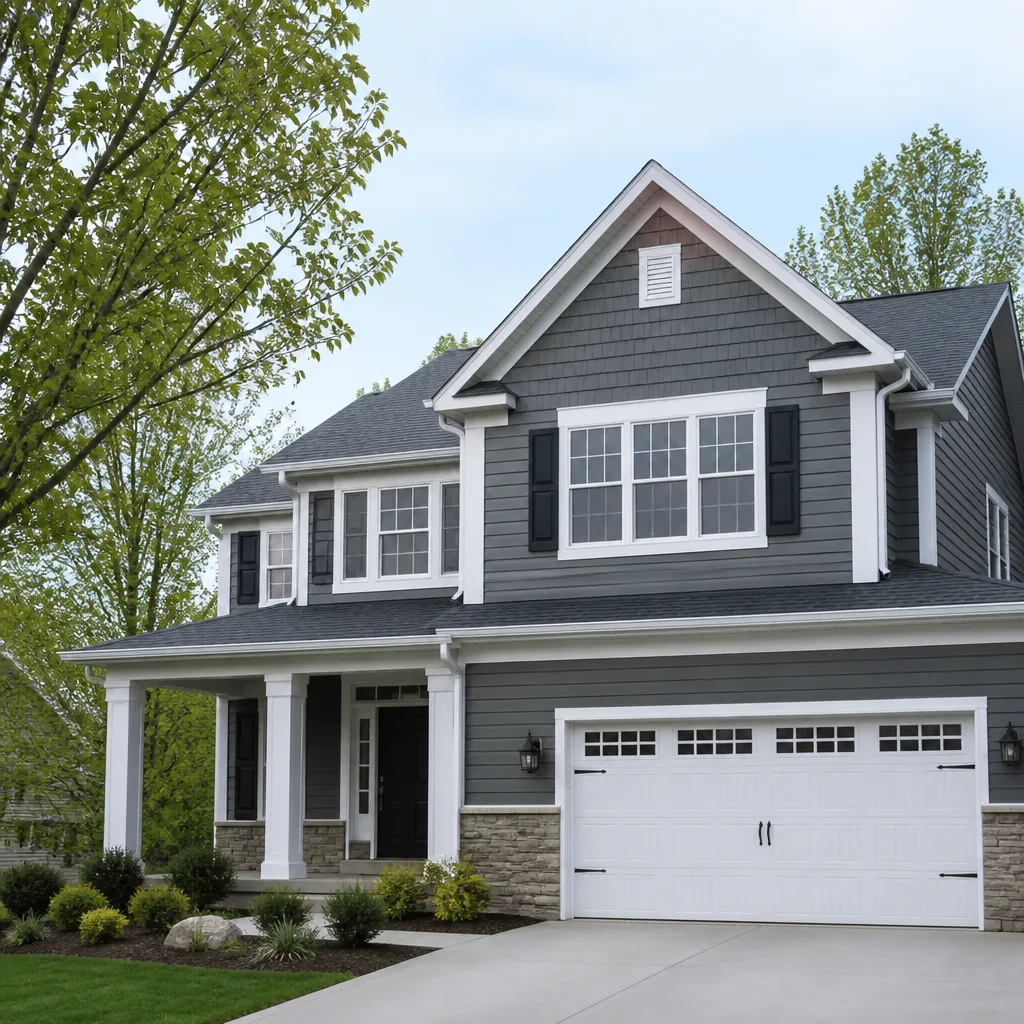
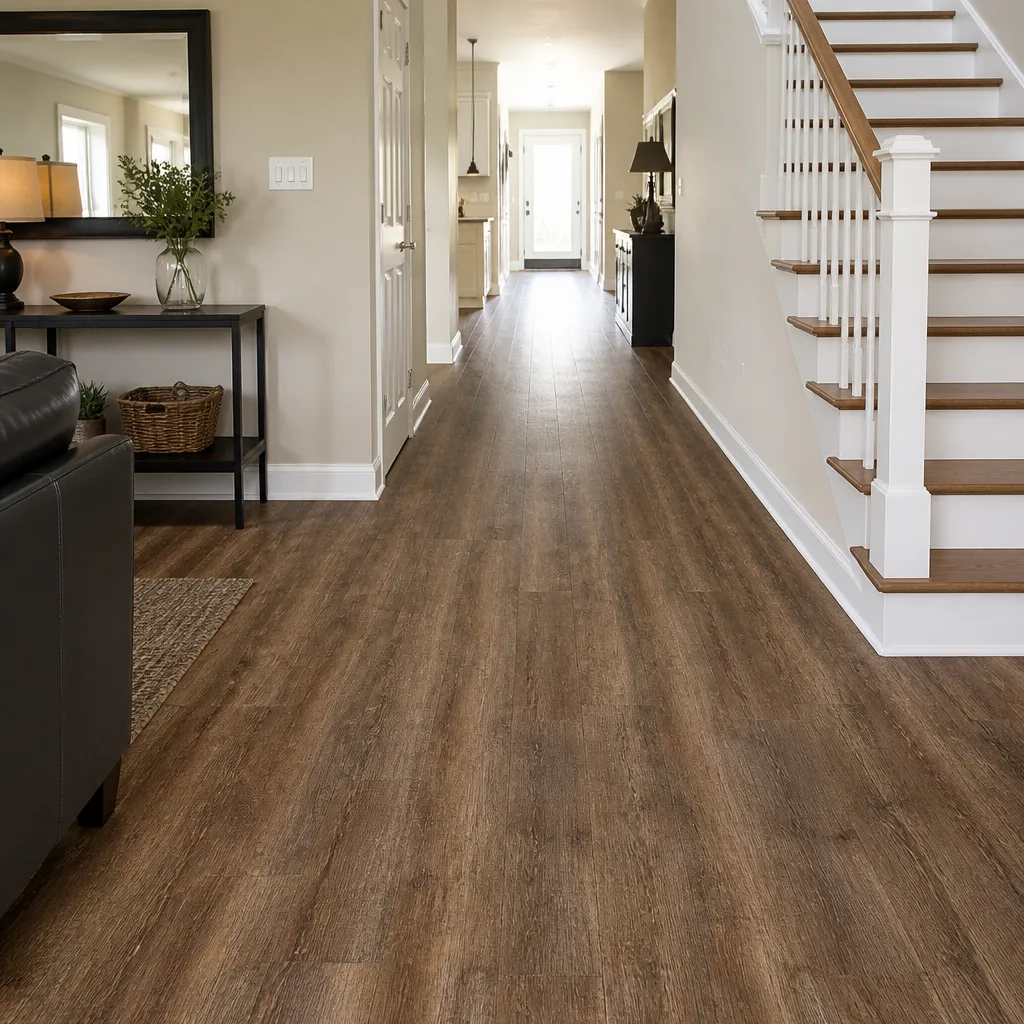
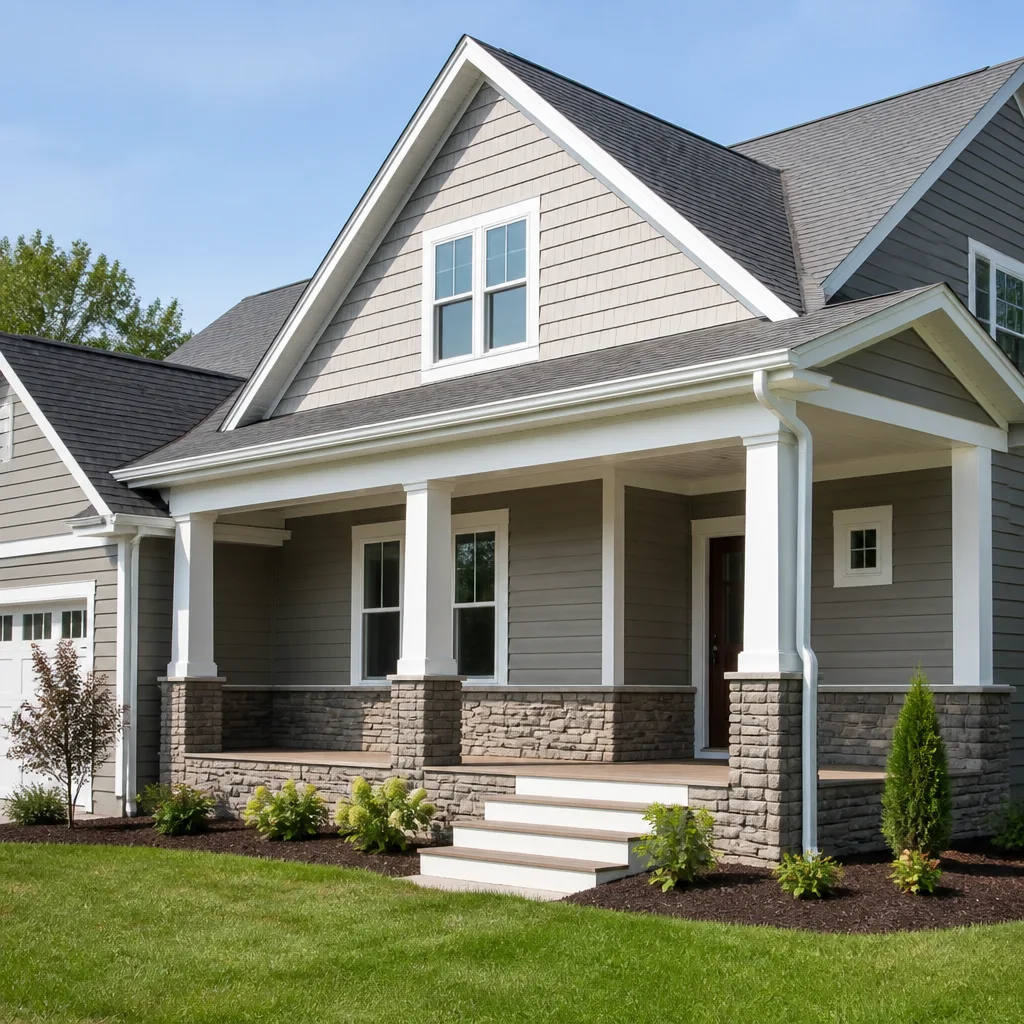
 Before
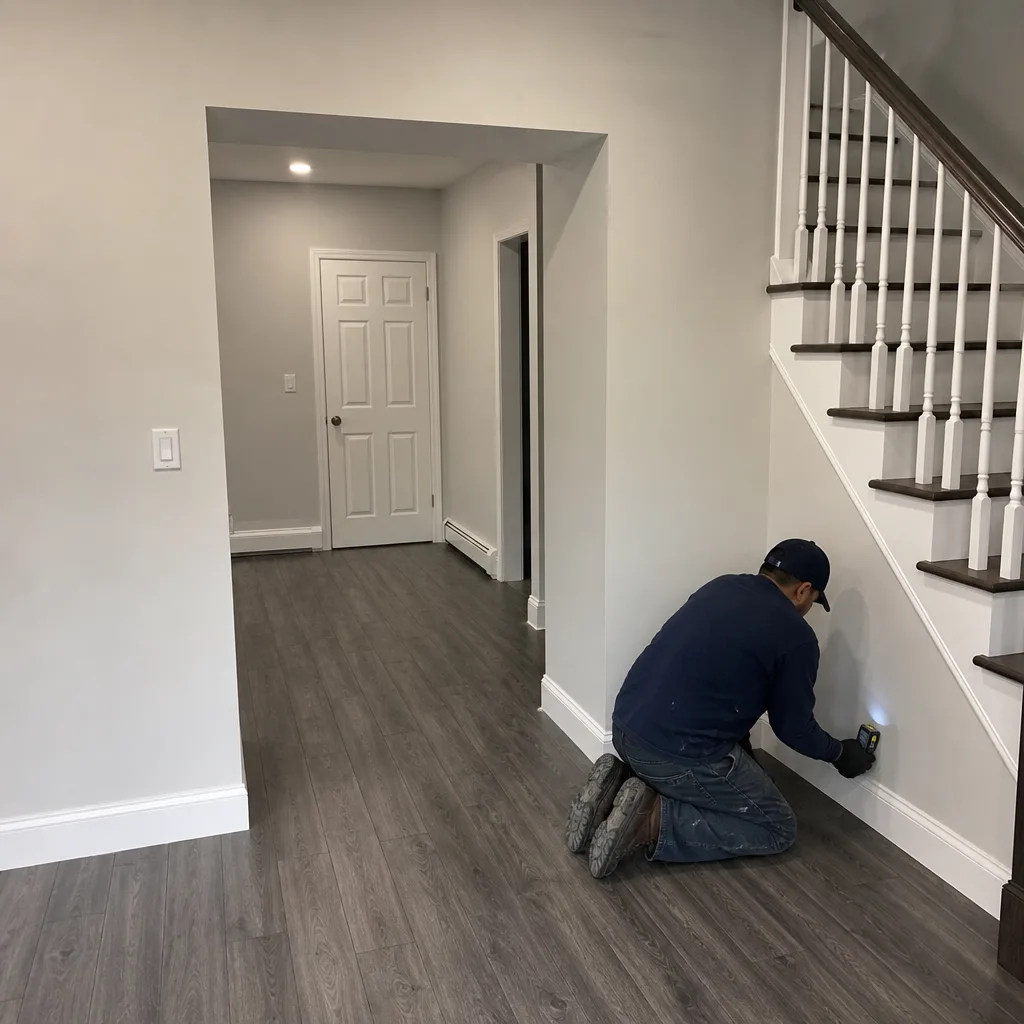 After
After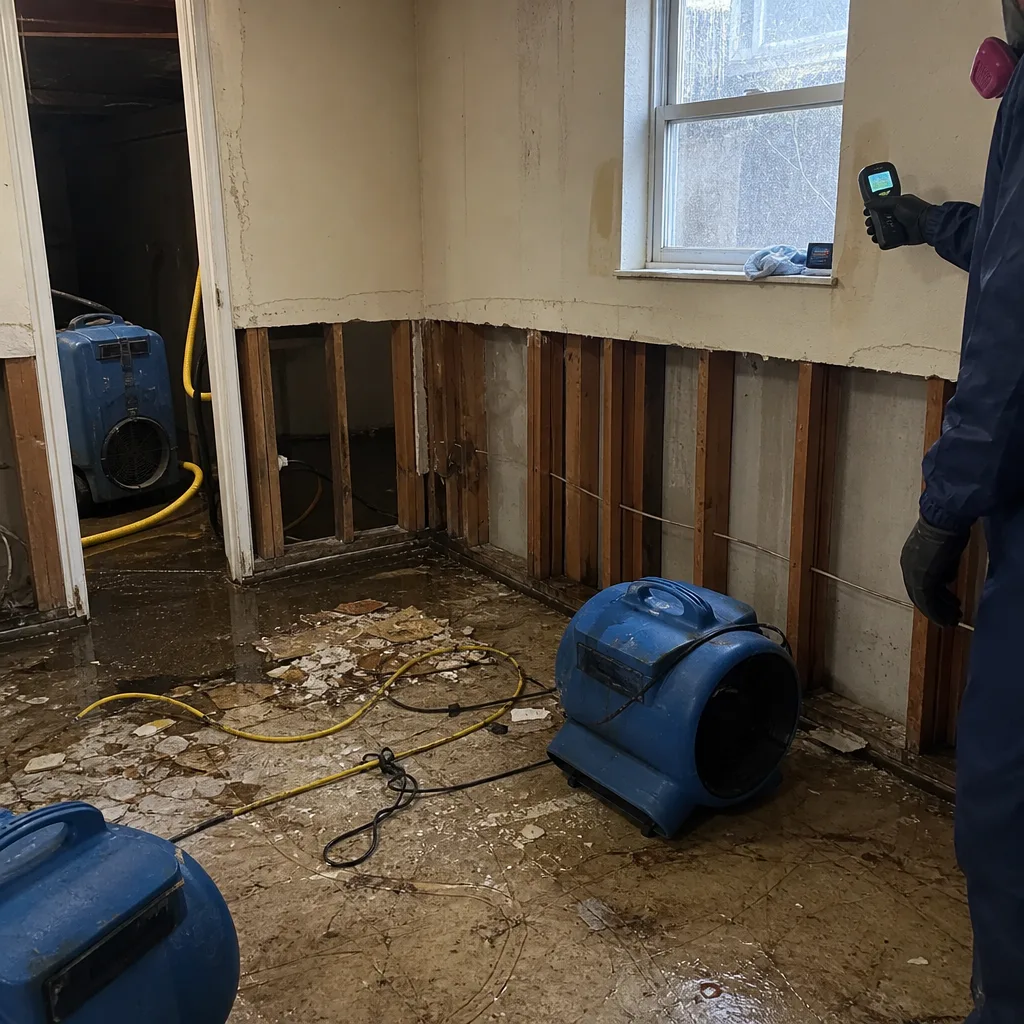 Before
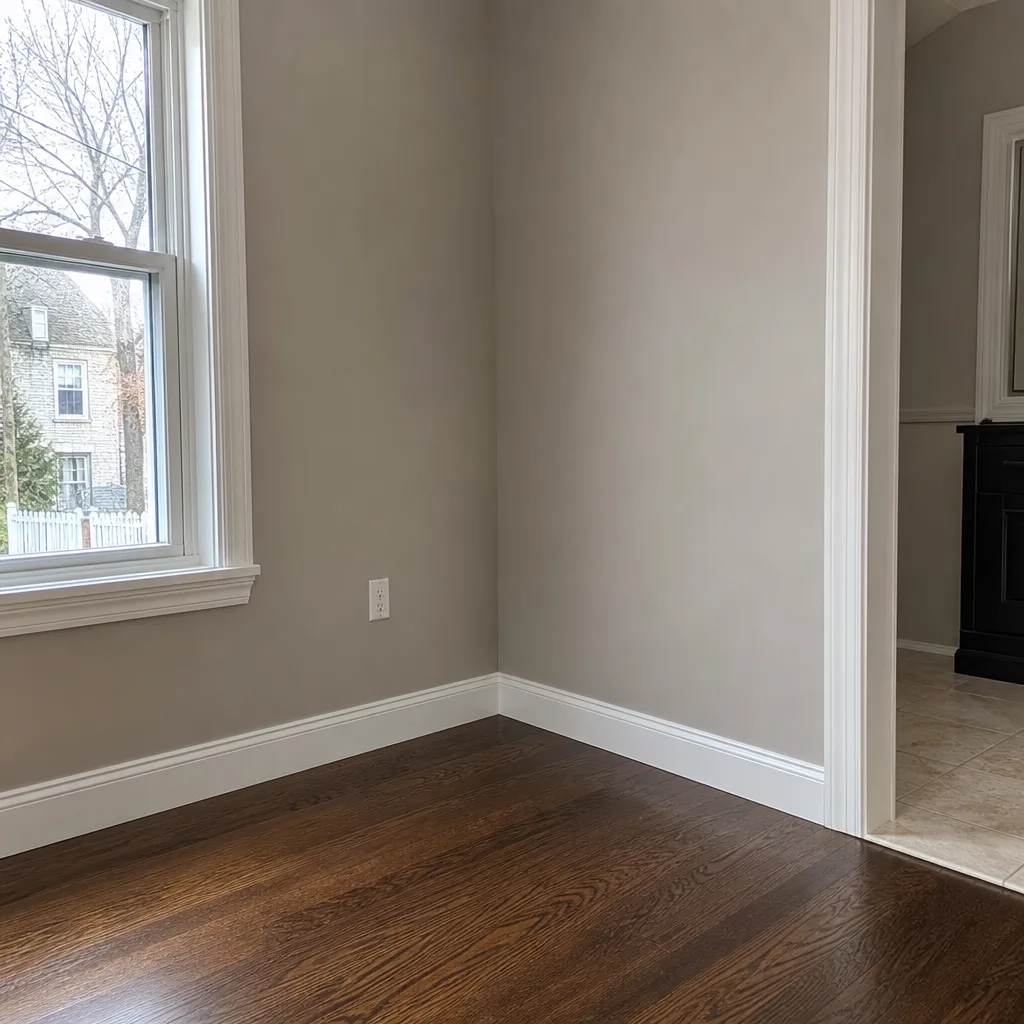 After
After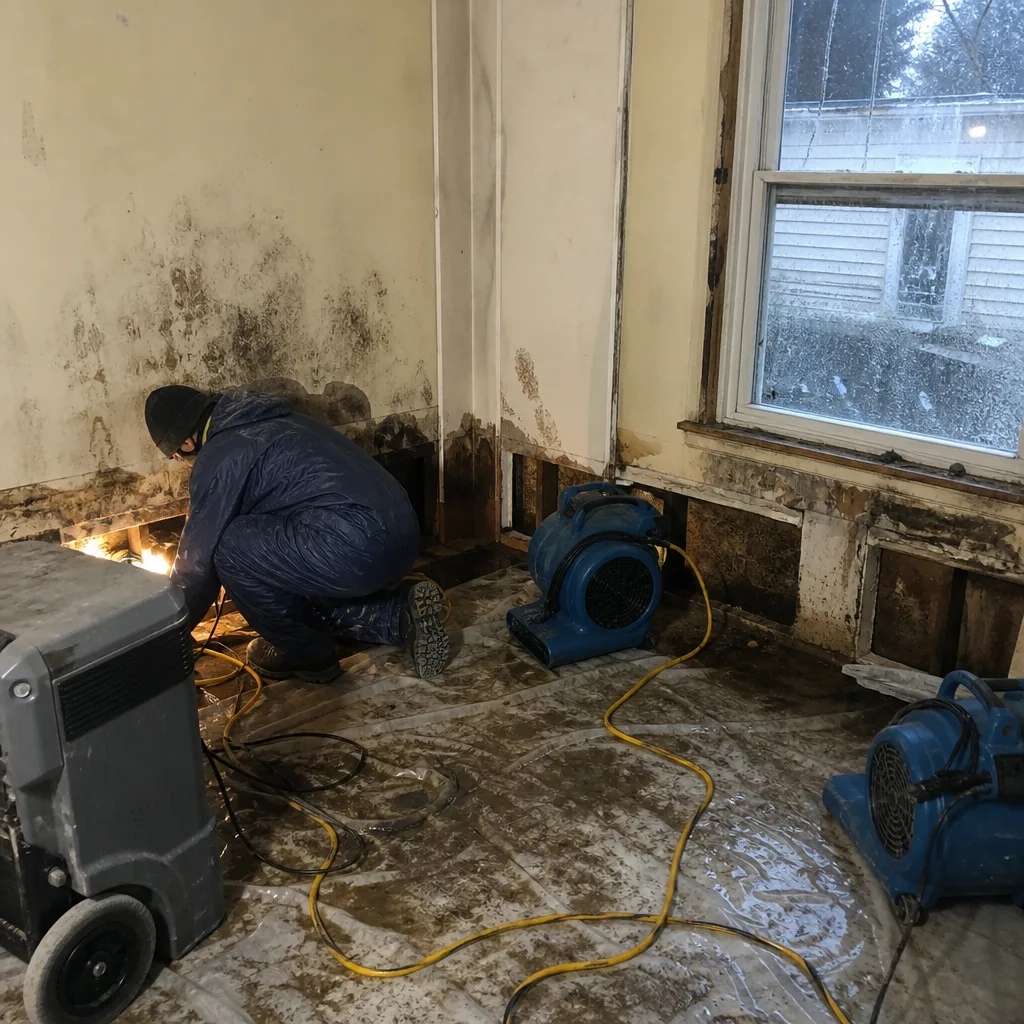 Before
 After
After24/7 Emergency Water Damage Restoration in Queens Village
Water damage restoration in Queens Village typically runs $1,800-$6,400 depending on how far the water traveled and whether a shared party wall is involved. Most emergency extraction calls in this neighborhood arrive within 45 minutes because our crews know the streets, the housing stock, and the specific risks of 1920s-1950s brick semi-detached Colonials. Call (631) 557-5029 any hour, any day. A live dispatcher answers, not a recording. The first hour determines whether you’re replacing drywall or rebuilding a finished basement, so we don’t wait for business hours to move.
Understanding Water Damage Restoration Severity in Queens Village Properties
Not all water is equal. Restoration crews classify water by contamination level: Category 1 is clean supply water, Category 2 carries significant contamination, and Category 3 is blackwater. In Queens Village, the aging combined sewer system means Category 3 sewer backups into finished basements are routine during nor’easters and summer thunderstorms, not rare. Beyond the category, the real challenge in this neighborhood is what the water soaks into. Plaster-and-lath walls, original cast iron drain stacks, and uninsulated brick party walls all behave differently than modern drywall on a stick frame. Moisture mapping with thermal imaging and Dri-Eaz meters tells us where water has migrated behind finished surfaces before we cut anything open. In a 1930s semi-detached Colonial, water in one basement routinely shows up as elevated moisture readings in the adjoining home within 24 hours. We check both sides of the wall on every job, because skipping that step is how mold gets a two-week head start.
Why Queens Village Property Owners Choose Floodline Restoration Co.
- 45-minute response commitment. Our crews stage near Queens Village and know the corridors; when you call with a burst pipe at 2 a.m., someone is on the way, not scheduled for tomorrow.
- 24/7 live person on the phone. A dispatcher picks up. Every time. No automated tree, no “leave a message.” That matters when water is still running.
- IICRC-certified technicians. Trained to WRT and ASD standards, with the same crew on site from extraction through final moisture reading. No mid-job handoff to a crew you’ve never met.
- Free visual inspection before work starts. We walk the damage, explain the scope in plain terms, and give you a line-item estimate. No pressure, no surprise add-ons.
- Direct insurance billing. We handle the adjuster communication and paperwork, so you’re not playing messenger between our crew and your carrier.
- One team from extraction to reconstruction. We pull the water, dry the structure, and rebuild what needs rebuilding. The same background-checked, uniformed crew runs the whole job.
Our Water Damage Restoration Process
Inspection & Assessment
We start with moisture mapping: thermal imaging and Dri-Eaz meters to find water you can’t see. In Queens Village semi-detached homes, that means checking the shared party wall and the adjoining basement before we touch anything.
Extraction & Stabilization
Professional-grade extraction pulls standing water fast. We also check the NYC DEP asbestos survey requirement on pre-1987 buildings before any cut is made, so the job doesn’t stall mid-way.
Drying & Dehumidification
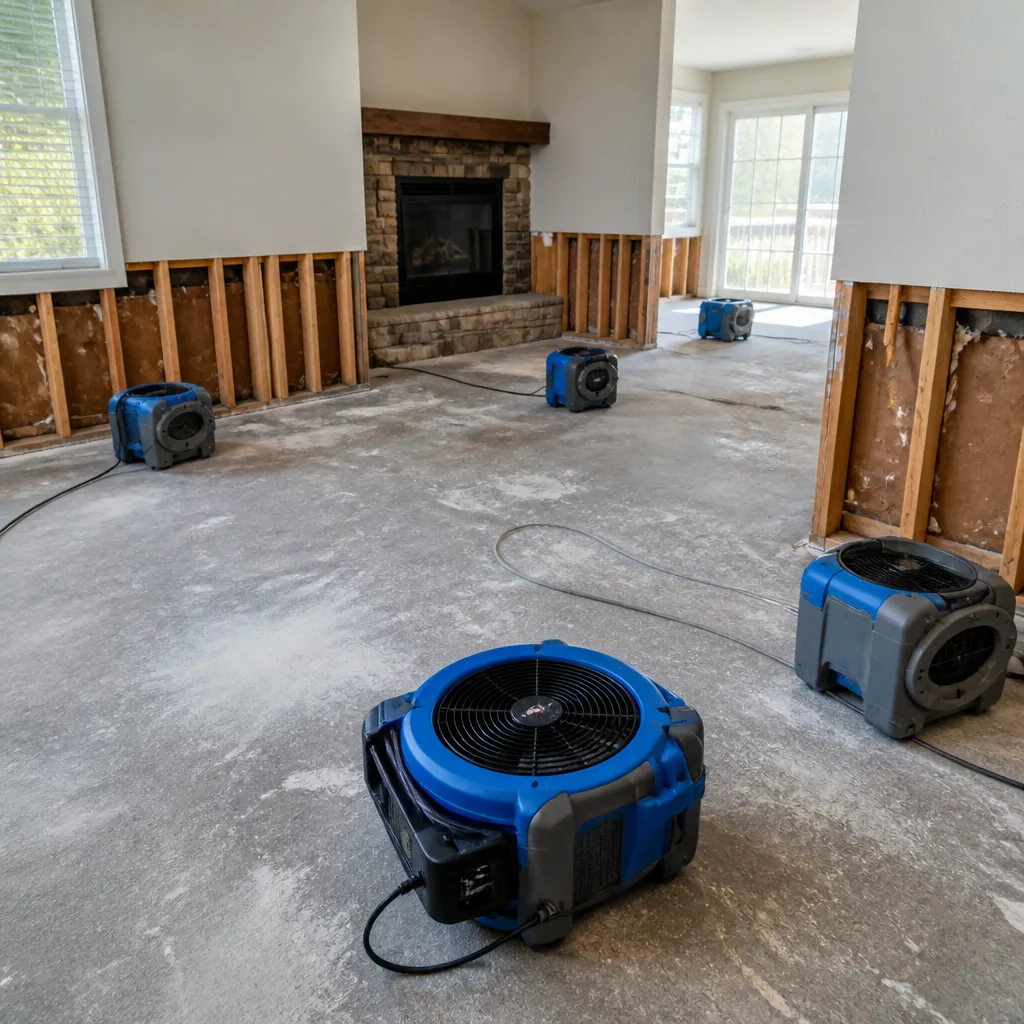
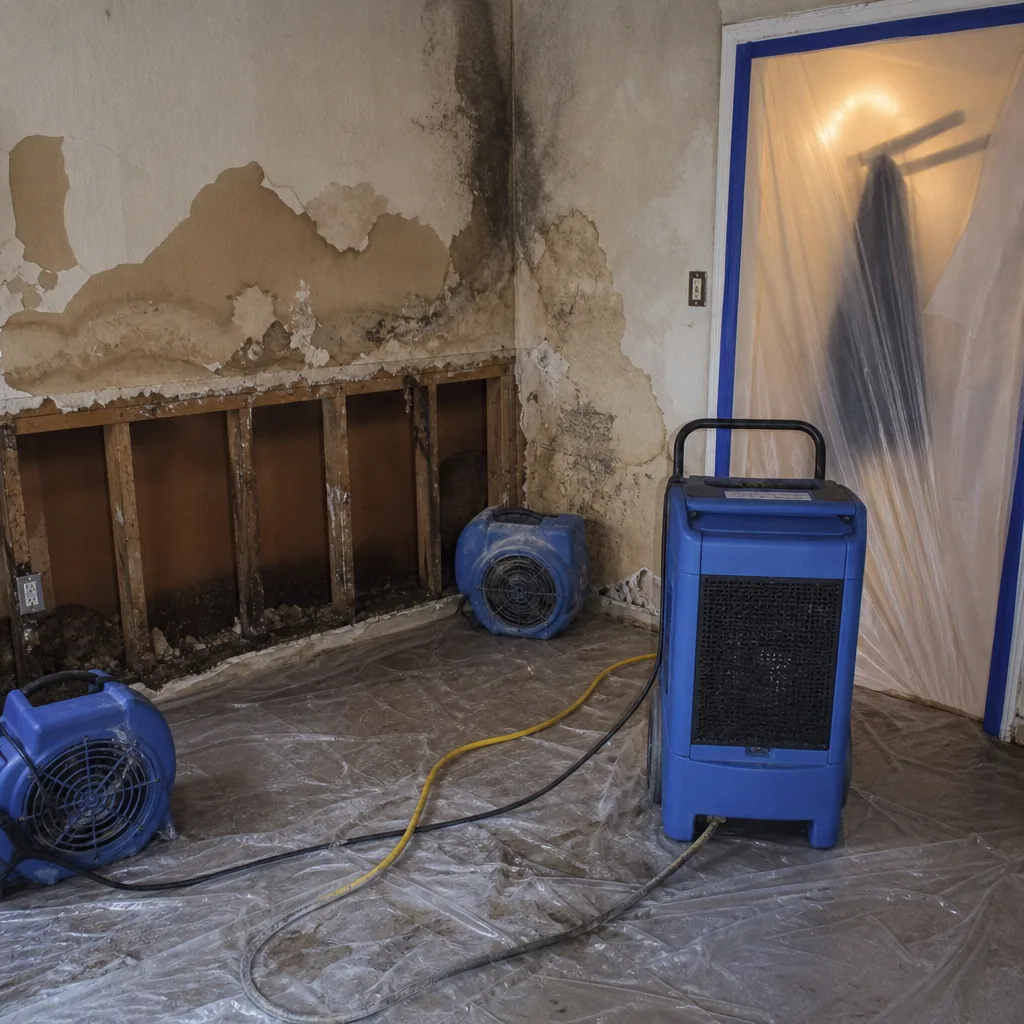
Air movers and dehumidifiers run around the clock, with daily moisture readings logged until the dry standard is met. That log goes to you and your adjuster. If a party wall is involved, we run containment and drying on both addresses.
Cleaning & Sanitization
Contaminated surfaces get cleaned and sanitized, especially after Category 2 or 3 water. We don’t just dry sewage water and call it done; we treat it with the right antimicrobial protocols.
Specialty Treatment for Queens Village Housing Stock
Plaster-and-lath behind finished walls traps moisture for weeks. We open cavities where readings stay high, dry the framing, and document what was opened. Original cast iron stacks get checked for cracks that may have started the problem.
Repairs & Restoration
The same crew that extracted the water rebuilds what needs rebuilding, from drywall to trim to finished basements. You get one team, one moisture log, and our 90-Day Done Right Promise in writing.
Need Emergency Water Damage Restoration in Queens Village Now?
Crews minutes away, answering live 24 hours a day. The sooner we start, the less it costs.
Working With Your Insurance Company
Insurance claims in Queens Village are rarely simple, especially when a shared wall means two policies and two adjusters are involved. We document everything from the first hour: photos of the loss, moisture readings before and during drying, and a line-item scope that matches industry-standard estimating software. When your carrier pushes back on a line, we speak their language and provide the documentation they need. Our direct adjuster coordination means you’re not stuck translating our recommendations to a claims department. For homes on blocks of attached brick Colonials, we’re familiar with the cross-policy complications that come up when one family’s burst pipe damages two finished basements. That’s not a first-time situation for us.
What We Provide Your Insurer
- Thorough documentation of the loss
- Photos of all damage, room by room
- Moisture readings and drying logs
- A detailed, line-item scope of work
- Direct coordination with your carrier
Built for Queens Village’s Loss Calendar
Queens Village has a water damage calendar, and anyone who’s lived here for twenty years knows its rhythm. January deep freezes burst supply lines in unheated basements and exterior wall cavities. March and April bring thaw and slow drainage across flat inland terrain, with water finding its way into finished basements through foundation cracks. July and August thunderstorms overwhelm the combined sewer system, and we’re out treating Category 3 backups as routine, not rare. September and October nor’easters push the same system again. What ties all of it together in Queens Village is the age of the housing stock: original cast iron drain stacks, plaster-and-lath walls that hide moisture for weeks, and brick party walls that transfer water to the neighbor’s side of the wall whether you want them to or not. Our crews know which blocks flood first, which basements hold water longest, and which homes need the asbestos survey before demolition starts. That local knowledge keeps your restoration from becoming someone else’s learning experience.
Water Damage Restoration Across Queens Village’s Neighborhoods
Queens Village isn’t one housing type. Along Hillside Avenue and the blocks near Springfield Boulevard, you’ll find dense rows of 1920s brick semi-detached Colonials, where a burst pipe in one kitchen wall is a two-home event by morning. Over near the Creedmoor State Hospital campus and Winchester Boulevard, the Colonials are often detached, but they share the same pre-war construction: plaster over lath, cast iron stacks, and finished basements that were meant to stay dry 90 years ago but now take in water during any serious storm. North toward Jamaica Avenue, you see more Tudor-influenced row homes with shallow lots and basements that sit close to the water table. Each area has its own loss pattern, but the throughline is the same: this housing stock doesn’t behave like new construction, and restoration crews that treat it that way leave moisture behind. From the blocks off Francis Lewis Boulevard to the quieter streets near 109th Avenue, our crews route the same way every day, so we’re close when water shows up.
Specialized Water Damage Restoration Services We Offer in Queens Village
Basement Water Removal
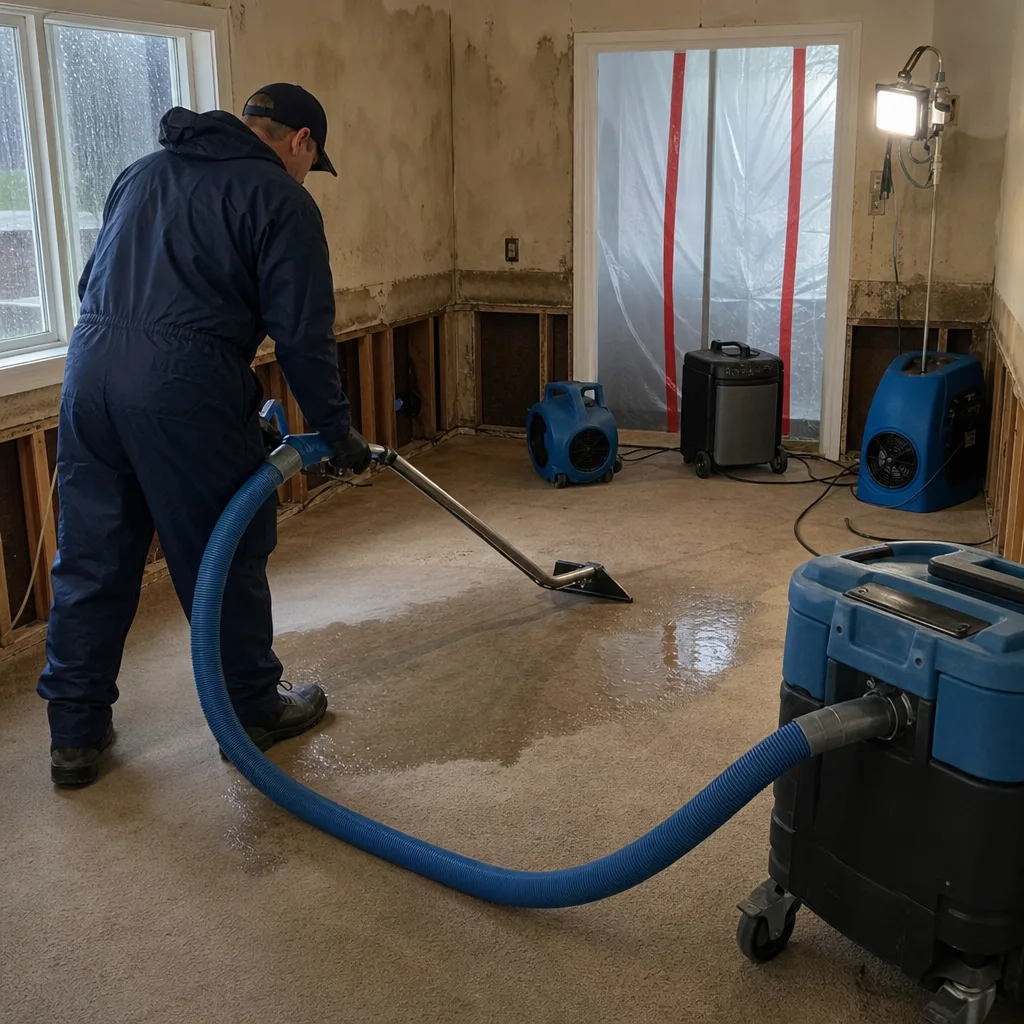
Finished basements are common in Queens Village, and they’re where water ends up. We extract standing water, remove soaked carpet or flooring as needed, and dry the space to the structural dry standard, not just “it feels dry.” In semi-detached homes, we check the adjoining basement before we start, because water doesn’t respect a party wall.
Burst Pipe Restoration
Winter freezes and aging supply lines put burst pipes near the top of the list for Queens Village water losses. We stop the flow, extract the water, and dry the affected cavities. When the pipe is in an exterior wall of a 1930s Colonial, that often means opening plaster to dry the framing and then restoring the wall to match the original profile.
Structural Drying & Dehumidification
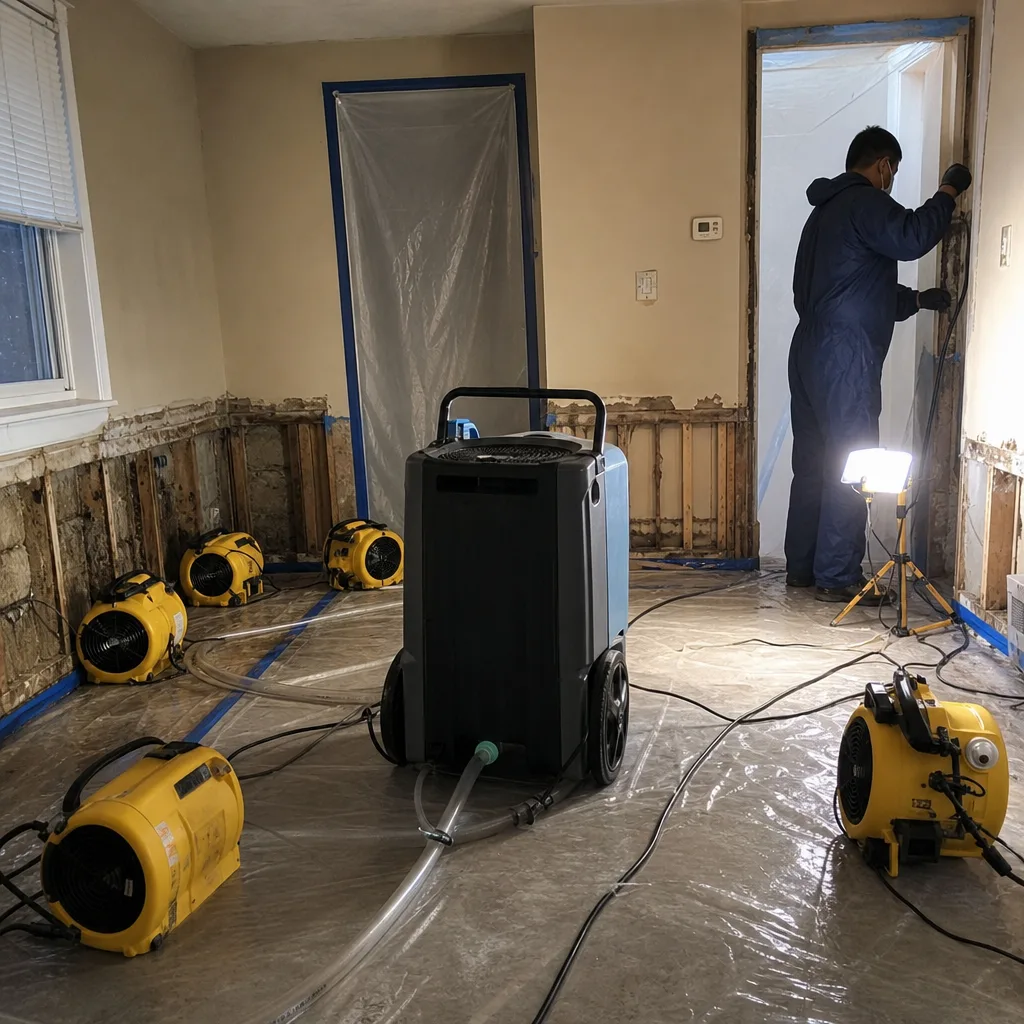
Structural drying in older Queens Village homes requires patience. Plaster-and-lath holds moisture longer than modern drywall, and brick party walls can stay damp for days after the visible water is gone. We run professional-grade Dri-Eaz and Phoenix air movers and dehumidifiers, with daily moisture readings until the dry standard is met, and we hand you the log.
Emergency Water Extraction
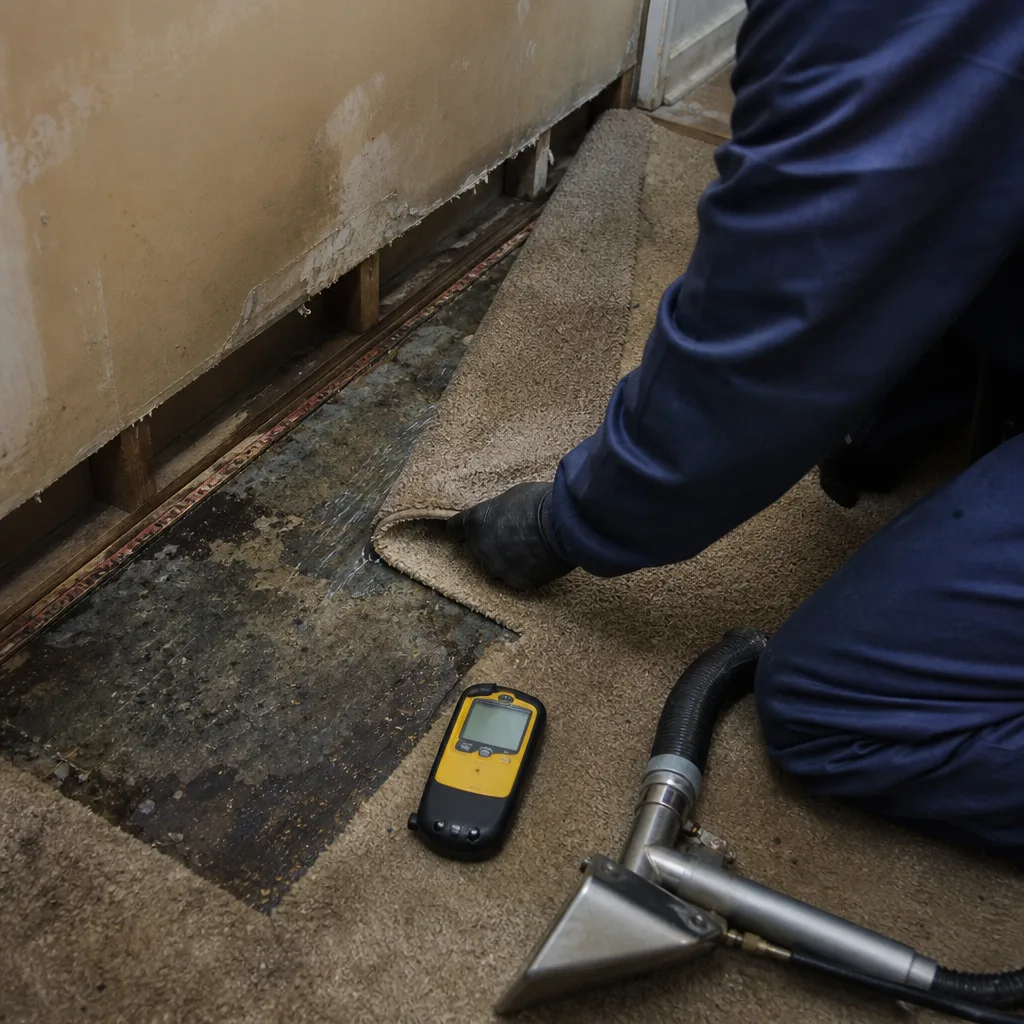
The first hour is when your floors have the best chance of surviving. We run truck-mounted or portable extraction depending on access, and we arrive fast because our crews know the shortcuts through Queens Village. Extraction the same visit keeps water from wicking into walls and under baseboards.
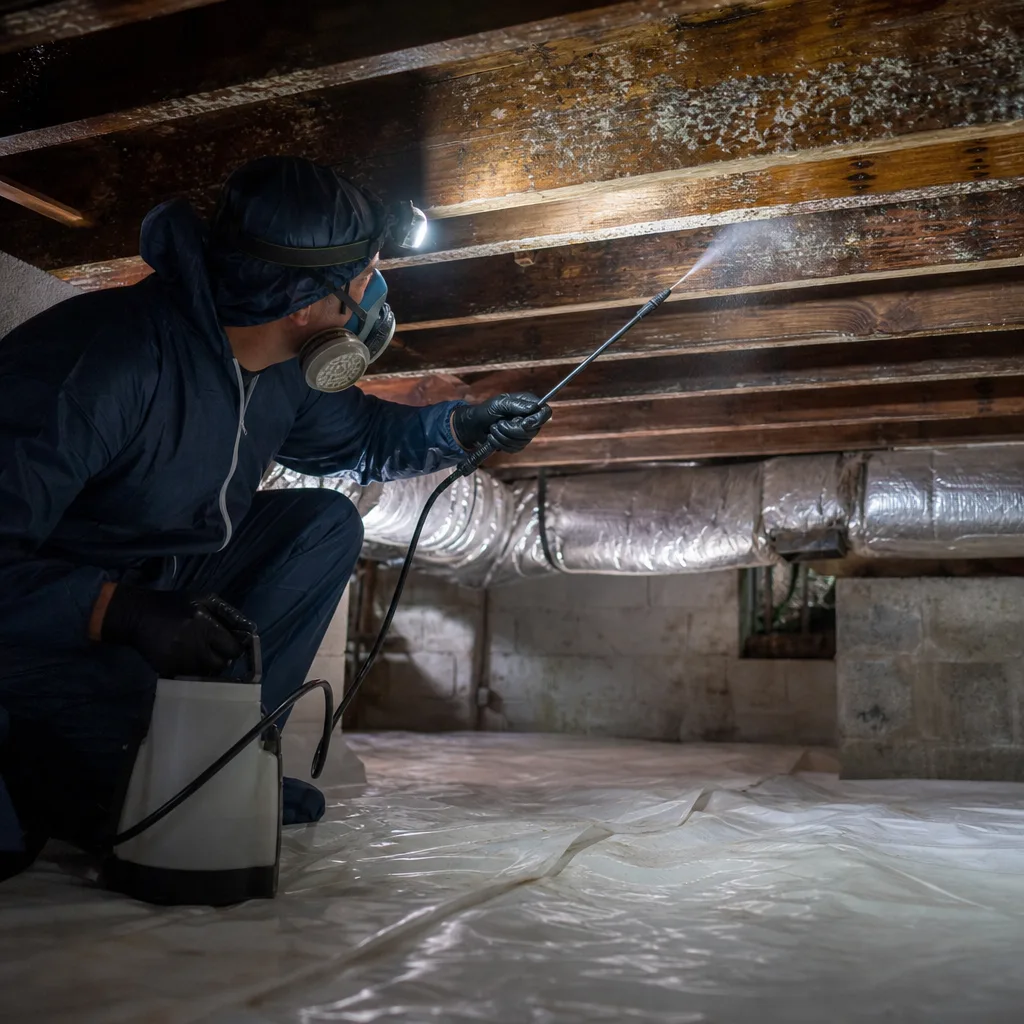
Flood Cleanup
Storm flooding in Queens Village often carries sewage because of the combined sewer system. That’s a different cleanup than a clean-water pipe break, with containment, antimicrobial treatment, and proper disposal of contaminated materials. We treat it like what it is, not like what’s convenient.
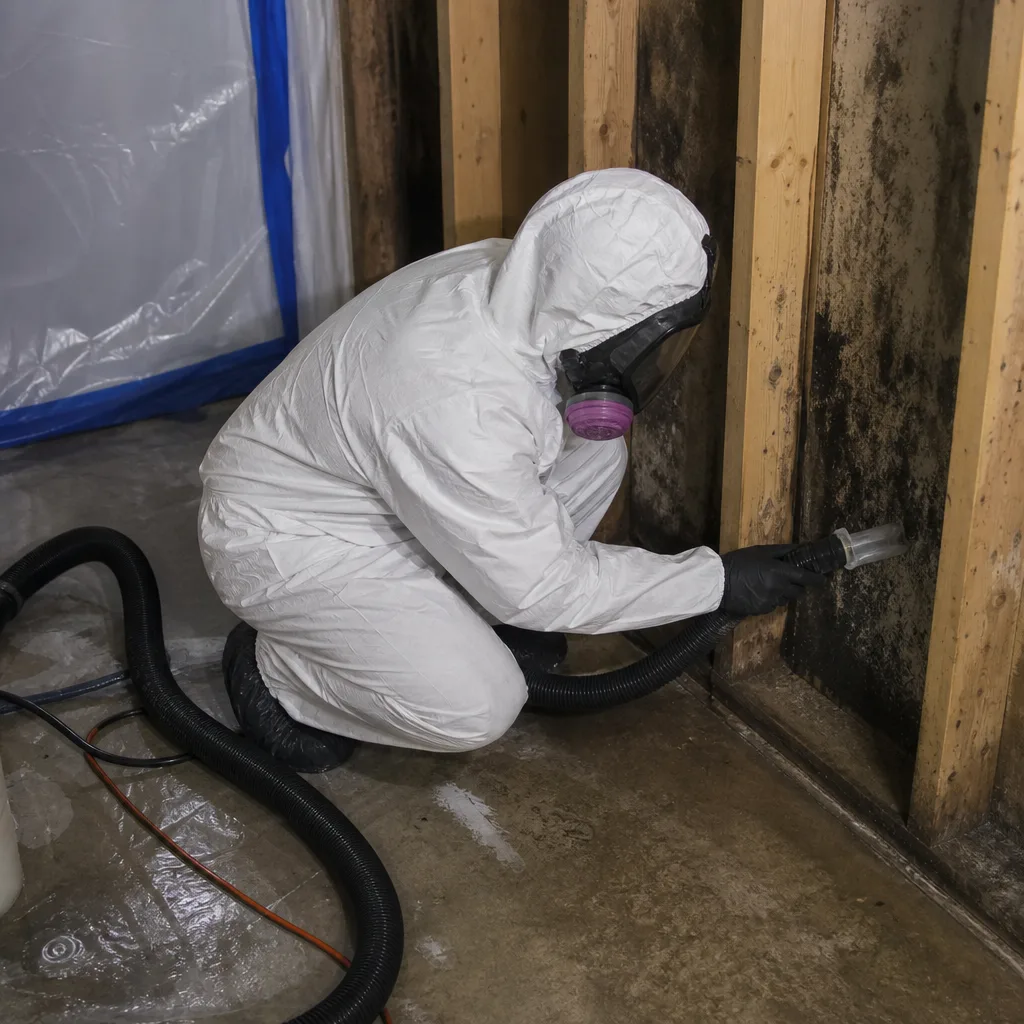
Ceiling & Roof Leak Water Damage
Roof leaks in 1920s-1950s homes often travel along joist cavities and show up far from the actual leak point. We trace the water path with moisture mapping, dry the affected ceiling and insulation, and document the damage for your insurance claim before rebuilding.
What happens when you call
- 1
A real person answersNo phone trees - you reach a local pro.
- 2
You get an upfront price rangeHonest numbers before anyone is dispatched.
- 3
A background-checked tech heads outLicensed & insured, dispatched right away.
- 4
You approve before work beginsNothing starts until you say go.
Water Damage Restoration Costs in Queens Village, NY
A straight basement water removal with extraction and drying in Queens Village typically runs $1,800-$3,200. Burst pipe restoration, especially when it involves opening plaster-and-lath walls, lands between $2,500 and $5,500 depending on how far the water migrated. A sewer backup that requires containment, antimicrobial treatment, and disposal of contaminated materials is more often $3,800-$6,400, and a full finished-basement rebuild after a flood can exceed that. What moves the price: square footage affected, whether a shared party wall requires drying the neighbor’s side, whether the pre-1987 asbestos survey adds a mandatory abatement step, and how many cavities need to be opened to dry properly. The free visual inspection is how we give you a firm number, in writing, before any work starts. Call (631) 557-5029 for an exact scope and estimate. No surprises on the bill.
We Also Serve Cities Near Queens Village
Our crews work throughout this corner of Queens and into the bordering communities. We’re in and out of Oakland Gardens, Hollis, Bellerose, and Floral Park regularly, often on the same day as a Queens Village call. Water Damage Restoration in Queens Village is our home grid, but we know these streets as well.
Queens Village Water Damage Restoration Questions, Answered
How fast can a crew reach my Queens Village home?
Most Queens Village calls see a crew on site within 45 minutes, because our dispatch is live 24/7 and our technicians know the local route network. Call (631) 557-5029 and a person answers, not a recording.
Will my insurance cover water damage in Queens Village?
Coverage depends on your policy and the water source. Sudden bursts and storm damage are often covered; sewer backups may require a specific endorsement. We document everything from hour one and coordinate directly with your adjuster, so the claim is built on clean documentation, not guesswork.
Do I need full restoration or just a cleanup?
If water reached finished walls, flooring, or a party wall, full structural drying is almost always cheaper than waiting. A visual inspection with moisture mapping tells us whether hidden cavities are wet. Call for a free look; the answer is usually clear in twenty minutes.
How much does water damage restoration cost compared to Nassau County?
Queens Village jobs often run slightly higher than Nassau County equivalents because of the mandatory NYC DEP asbestos survey on pre-1987 buildings and the frequent need to dry two addresses when a party wall is involved. Expect $1,800-$6,400 for most jobs, with the free inspection giving you a firm number.
How long does structural drying take in a 1930s Queens Village home?
Plaster-and-lath and brick party walls dry slower than modern drywall. Most Queens Village jobs reach the dry standard in 3-5 days, but we run daily moisture readings until the numbers are right, not until the calendar says so.
Can my family stay in the home during restoration?
For clean-water damage, often yes, though air movers are loud. For Category 3 sewer backups or when containment is running, you’ll want to relocate until sanitation is complete. We’ll tell you straight, before we start, not after.
What certifications do your technicians hold?
Our crews are IICRC-certified (WRT for water damage, ASD for structural drying) and trained to RIA and IFA standards. They’re background-checked, uniformed, and the same team runs the job from extraction to rebuild.
What should I do in the first 30 minutes after water damage in Queens Village?
Shut off the water if you can do it safely, kill power to wet areas, and call (631) 557-5029. Don’t use a shop vacuum on sewage water, and don’t wait to see if it dries on its own. In this housing stock, it won’t.
When a Party Wall Changes Everything
On Queens Village blocks where 1920s-1950s brick semi-detached Colonials share an uninsulated party wall, a water event in one unit routinely shows up as moisture readings in the adjoining home within 24 hours. That single fact changes the entire restoration job. We’re not drying one basement; we’re running containment and drying logs for two addresses and two insurance files before the first air mover is even powered on. If you live in a semi-detached home and your neighbor’s pipe bursts, you may not see water for a day or two, but it’s already wicking through the brick. Our crews know to check the adjoining unit as a matter of course, because on these blocks, a single-house water event is frequently a two-address restoration by the time we arrive. When we worked a burst pipe in the finished basement of a 1930s brick Colonial on a semi-detached block, extraction pulled Category 2 water from the floor while our Dri-Eaz meters showed 22% moisture in the plaster-and-lath wall between that home and its attached neighbor. We knocked on the neighbor’s door, set containment on both sides, and ran structural drying with air movers and dehumidifiers in both basements, coordinating two homeowners, two adjusters, and one NYC DOB permit track for the pre-1987 asbestos survey. That’s the job in Queens Village.
The Asbestos Survey You Didn’t Know You Needed
Here’s something no generic water damage page is going to tell you: virtually every Queens Village restoration that involves cutting into pre-1987 plaster, flooring, or insulation triggers a mandatory NYC DEP asbestos investigative survey. Skip it, and the job stops, the fines start, and your restoration timeline stretches out while you scramble for compliance. In Nassau County, just over the border, that step typically doesn’t apply. In Queens Village, it’s not optional. The survey identifies whether asbestos-containing materials are present in the demolition area; if they are, a licensed abatement step runs before our crew opens a single wall. It adds cost and a couple of days to the schedule, but it’s the law, and a restoration contractor who doesn’t know that about Queens Village shouldn’t be working in Queens Village. Our team handles the survey, the abatement coordination, and the restoration under one roof, so you’re not chasing separate vendors while your basement sits open.
Serving Queens Village, NY - Our Local Coverage Area
We’re based in the Queens Village area and know this community well. Use the map below to see our service coverage - if you’re nearby, we can almost certainly help.
What Happens When Moisture Stays Hidden
Plaster-and-lath walls in a 1930s Queens Village Colonial can look dry on the surface while the framing behind them reads 20% plus on a moisture meter. That hidden moisture is where mold starts, usually within 48 to 72 hours, and it’s why we don’t dry by feel. Our Water Damage Restoration process uses thermal imaging and penetrating meters to find water that never showed up on the floor. When a cavity stays wet after extraction and air movement, we open it, dry it, and rebuild it to match the original profile. Leaving wet insulation behind a plaster wall to “dry on its own” is how you end up with a mold problem and an insurance denial two months later. In a semi-detached home, that hidden moisture is often in the shared wall, which means you might be dealing with mold you can’t see and a neighbor who doesn’t know they have the same problem. We check the adjoining side on every semi-detached job because the alternative is watching two homeowners discover the same wet wall in separate insurance claims, six weeks apart. The line the water left is where we start, but the moisture it left behind is where we finish.
Written by Curt Bowman, Owner at Floodline Restoration Co. We answer the phone with a person, show up when we say we will, and stand behind every restoration in writing.