
Free visual inspection and a written scope of work before any mitigation begins - photos, moisture readings, and drying logs go in your claim file
The scope we write is the scope we bill. Anything new gets shown to you, in writing, before we touch it.
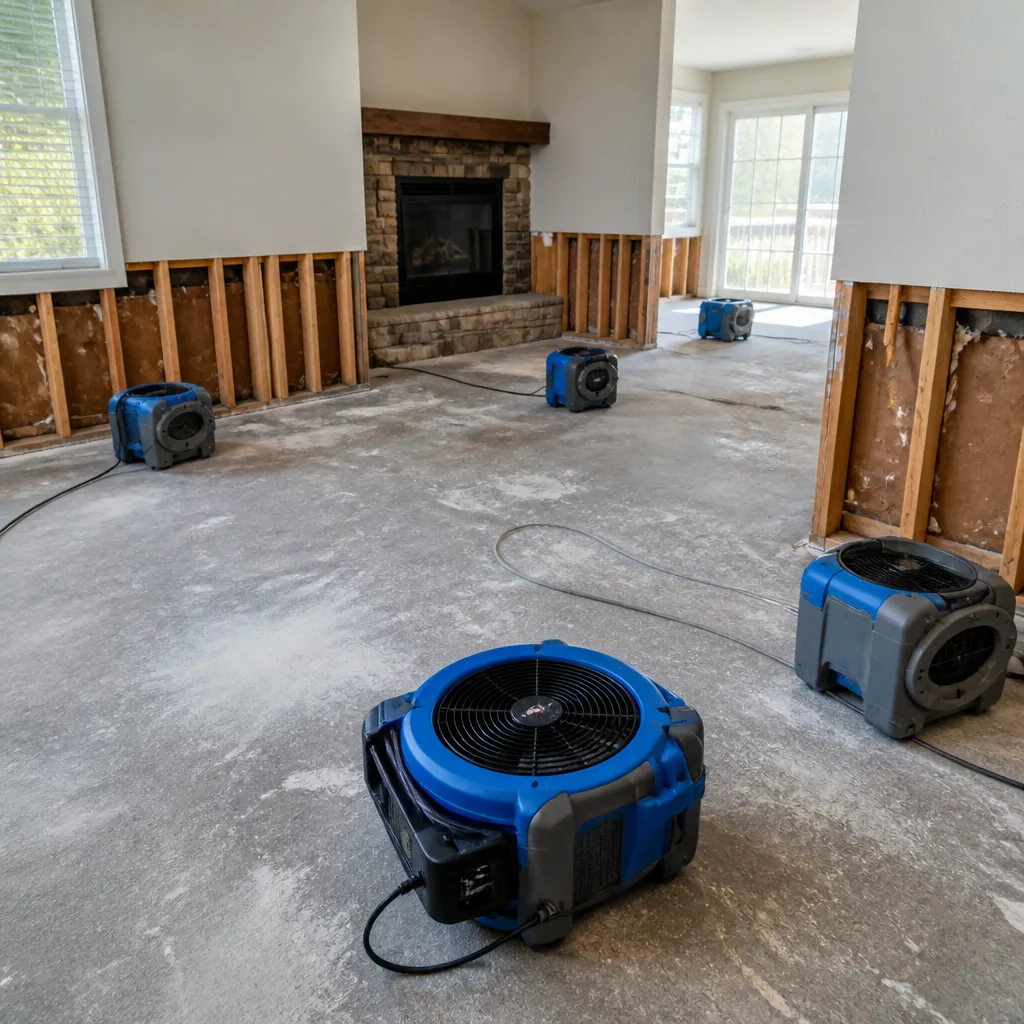
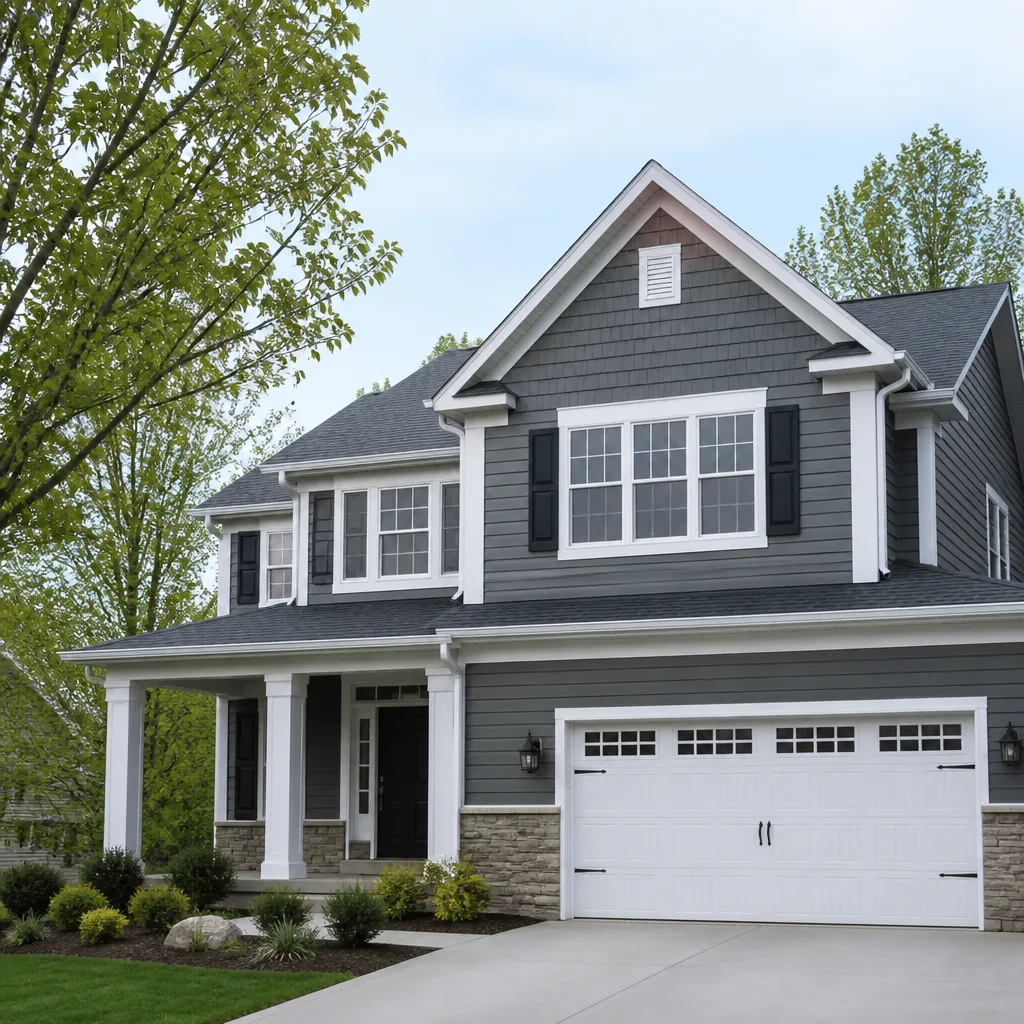
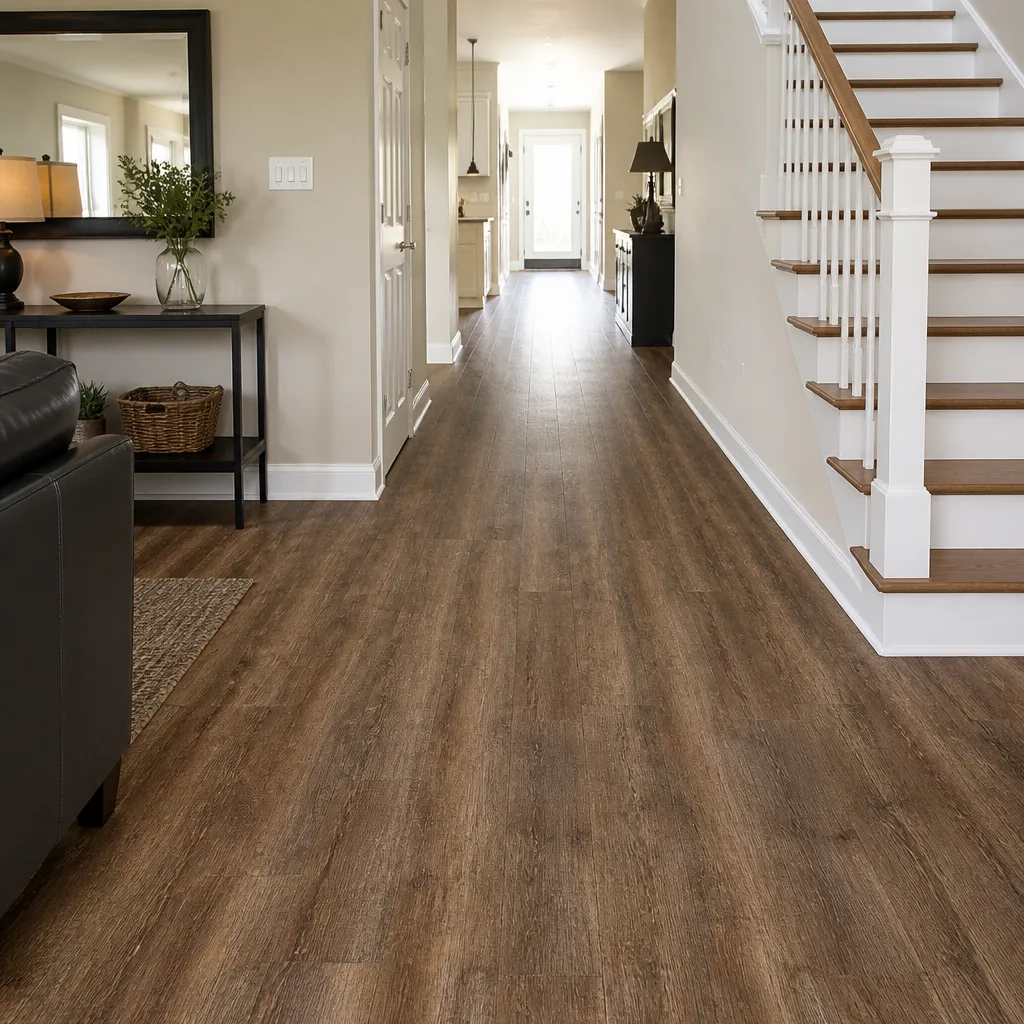

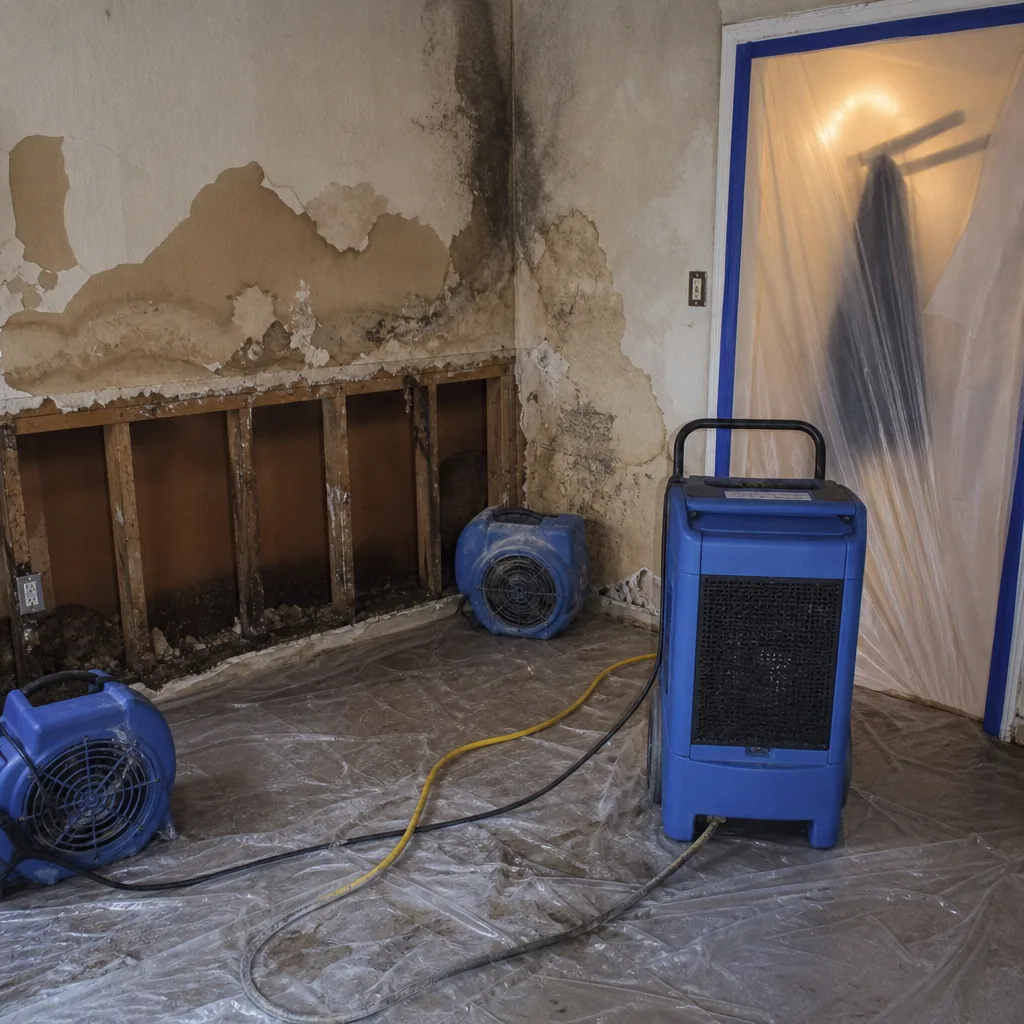 Before
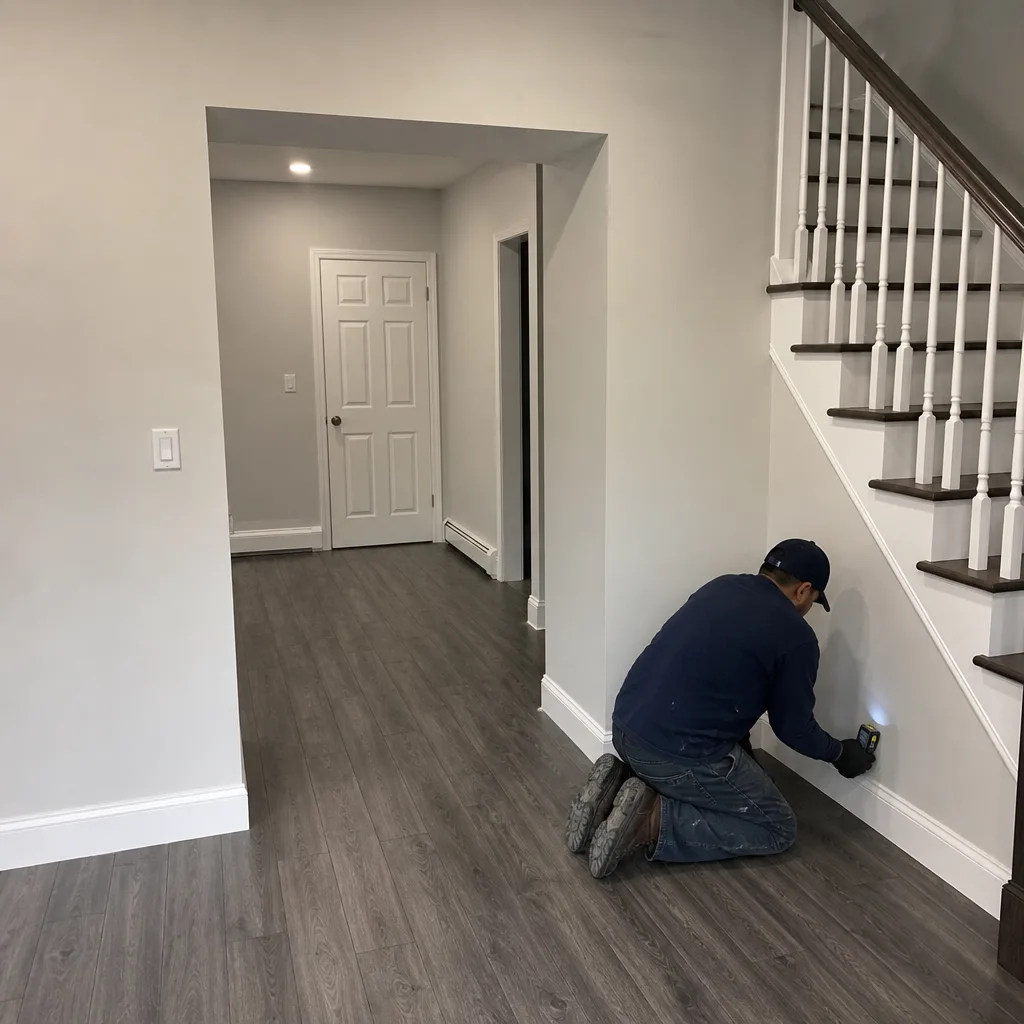 After
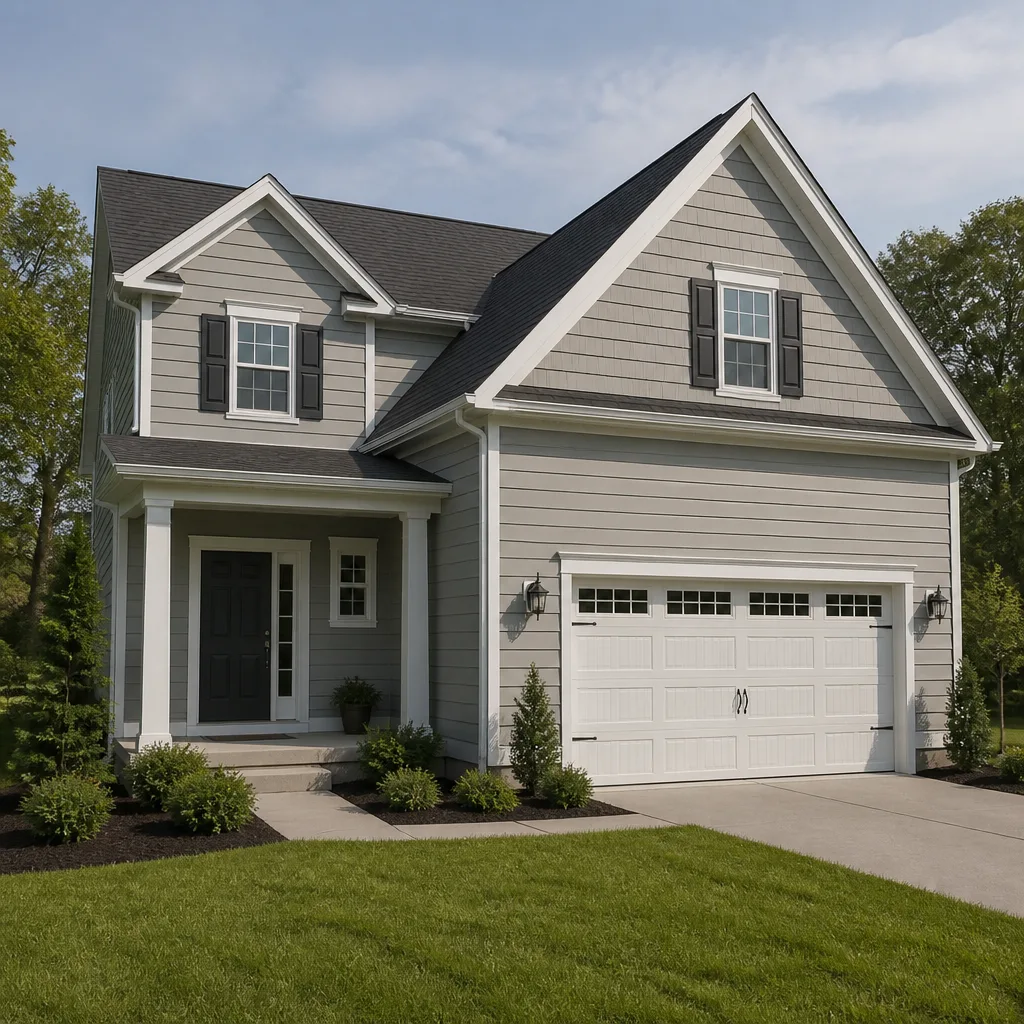
After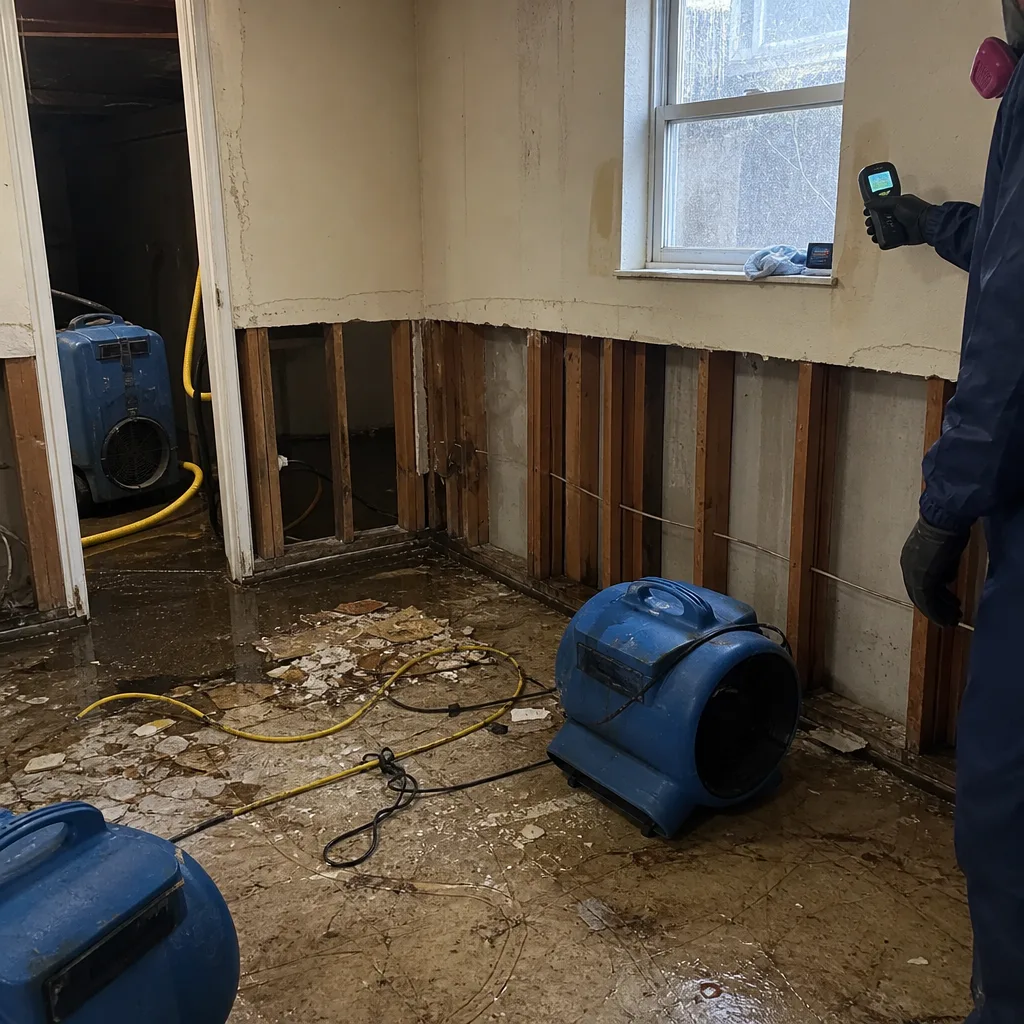 Before
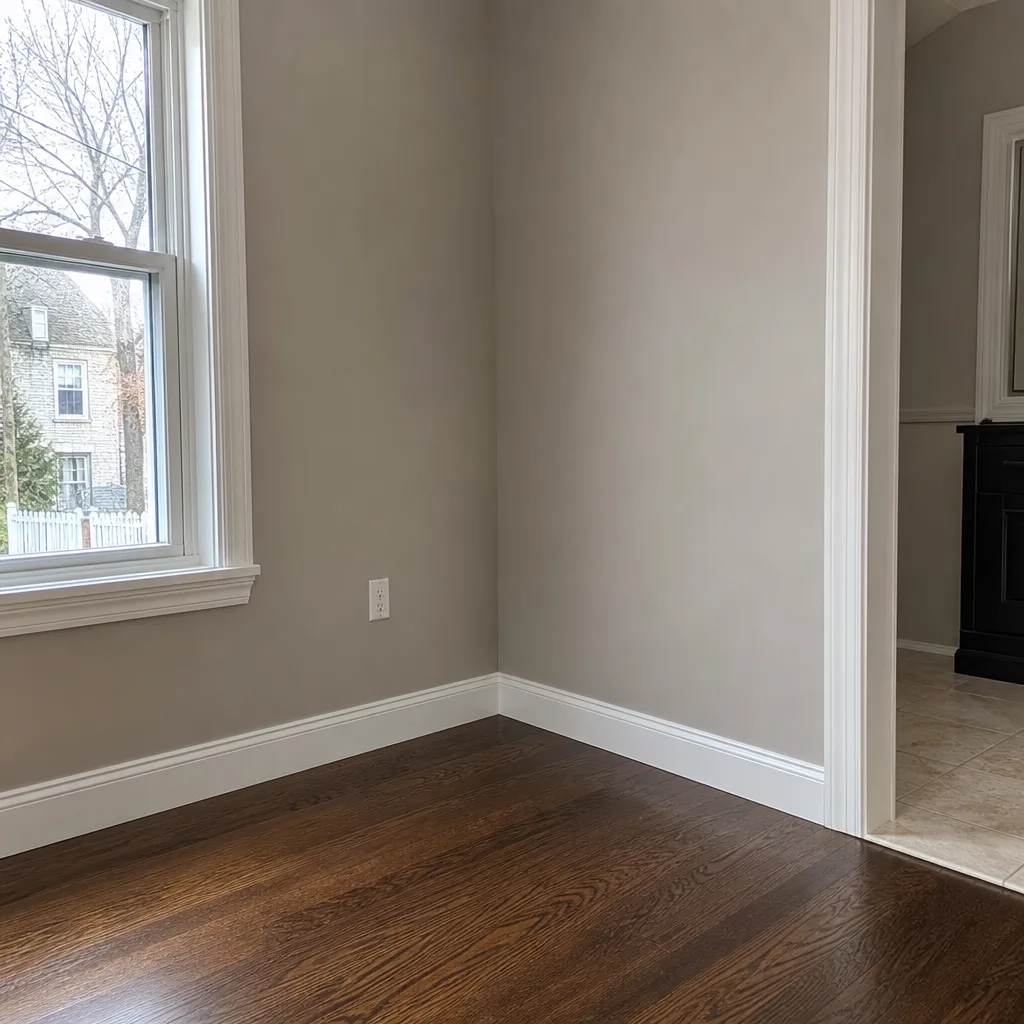 After
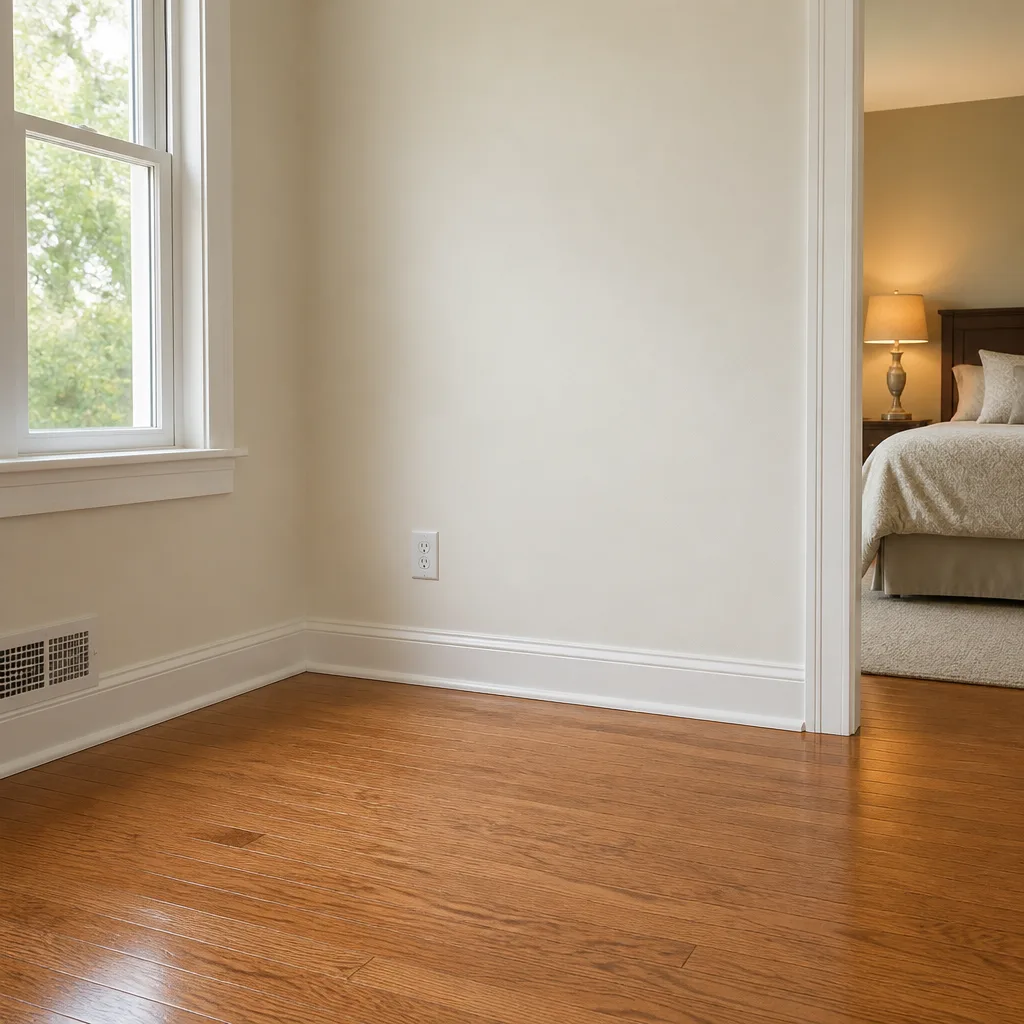
After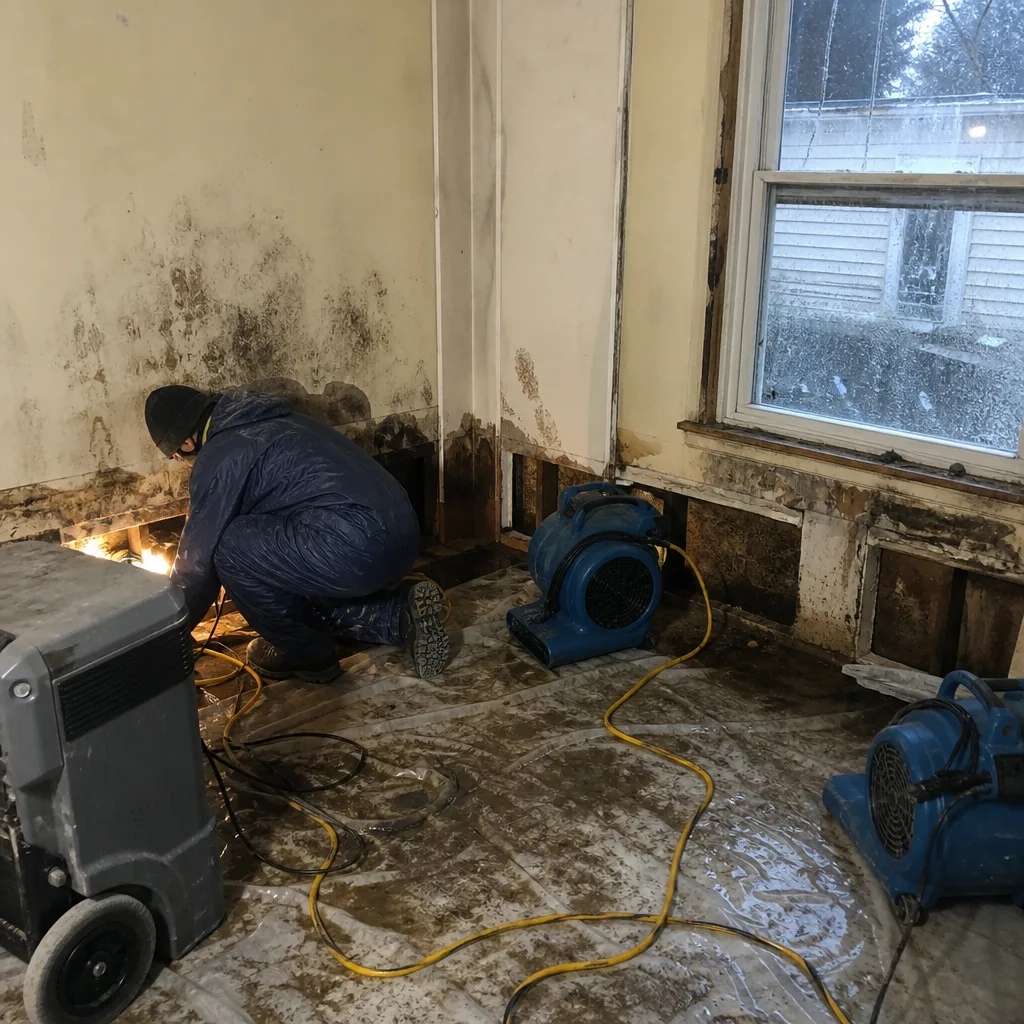 Before
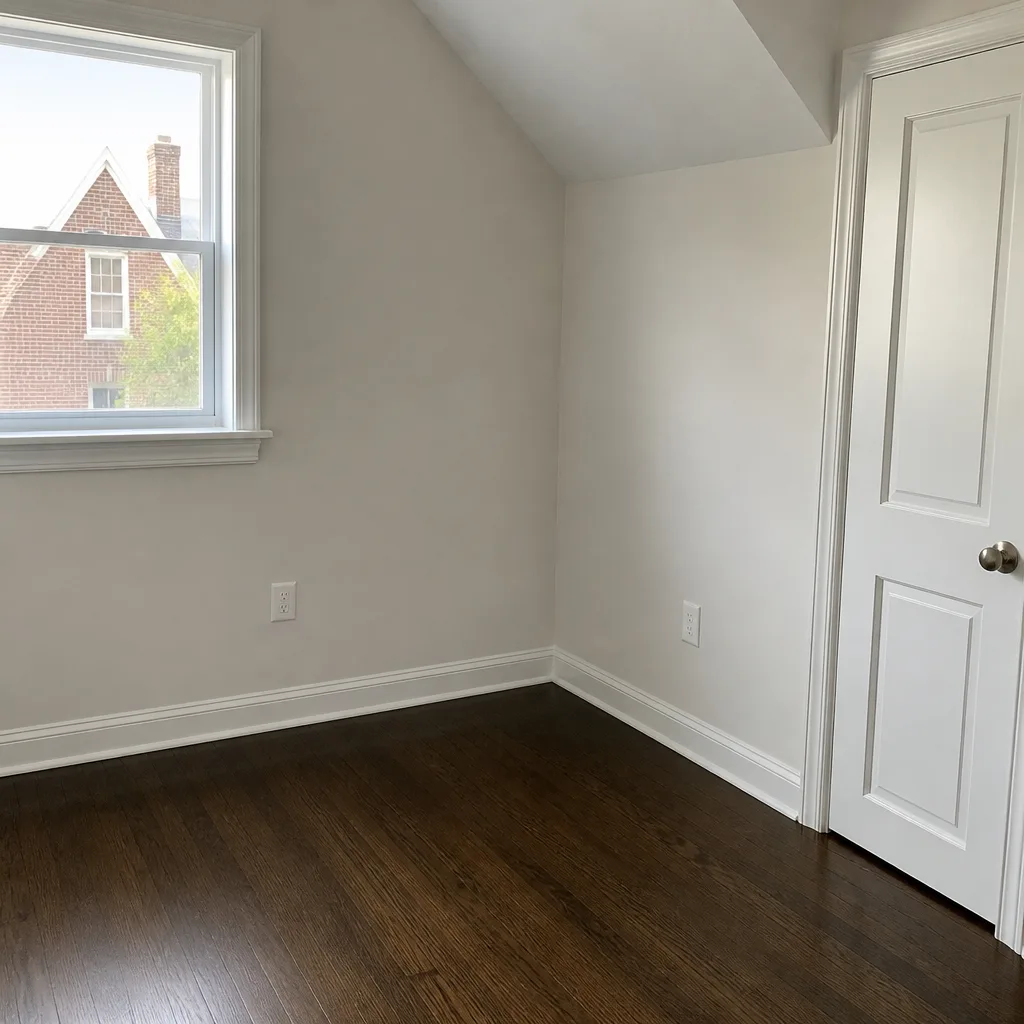 After
After24/7 Emergency Water Damage Restoration in Valley Stream
Water damage restoration in Valley Stream typically costs $1,400 to $4,800 depending on the category of water, square footage affected, and whether structural drying or full reconstruction is required. A burst supply line in a finished basement usually lands on the lower end; a tidal backup from Mill Creek that sat overnight often doesn’t. Call (631) 557-5029 and a live dispatcher answers, any hour, and a certified crew is rolling toward Valley Stream within 45 minutes. The first hour matters because Category 1 water from a ruptured supply line becomes Category 2 within 48 hours, and Category 3 once it contacts sewage, tidal sediment, or standing groundwater. We start extraction the same visit.
Understanding Water Damage Restoration Severity in Valley Stream Properties
Water gets classified by contamination, and that classification drives every decision after. Category 1 is clean water from a supply line, water heater, or overflowing sink. Category 2 carries significant contaminants: dishwasher discharge, washing machine overflow, sump pump failure, roof leaks that have soaked through insulation. Category 3 is grossly contaminated: sewage, tidal backflow, street runoff. Valley Stream sees all three in a single calendar year, and sometimes in a single event. We use thermal imaging and moisture mapping to read what the wall and slab are hiding, then set professional-grade Dri-Eaz dehumidifiers and air movers to drive the structure to the dry standard, not the “feels dry” standard. That matters in Valley Stream’s 1940s and 1950s construction, where horsehair plaster and vinyl asbestos tile hold moisture long after the surface feels dry. The severity scale is not academic here; it’s the difference between a five-day dry-out and a full gut-and-rebuild of a finished basement.
Why Valley Stream Property Owners Choose Floodline Restoration Co.
- 45-minute response commitment: We dispatch crews staged across Nassau County and reach Valley Stream fast, because tidal water does not wait for normal business hours.
- 24/7 live answer: A real person, not a recording, picks up at two in the morning. No call center script. No “we’ll get back to you.”
- IICRC-certified crews: Our technicians hold WRT, FSRT, and AMRT certifications and train to IICRC, RIA, and IFA standards. Background-checked and uniformed on every job.
- Free visual inspection: We walk the loss with you, explain what we’re seeing, and hand you a written scope before any work begins. No pressure, no surprises.
- Direct insurance billing: We document the loss from hour one, bill your carrier directly, and handle adjuster communication so you’re not the messenger.
- One team from extraction to reconstruction: The same Floodline crew that reads the moisture map on day one handles the rebuild, so nothing gets lost between a dry-out contractor and a separate remodeler.
Our Water Damage Restoration Process
Inspection & Assessment
A certified lead tech inspects the loss with thermal imaging and moisture meters. We identify the water category, map the affected area, and explain exactly what we find. You get a written scope before we touch a wall.
Extraction & Stabilization
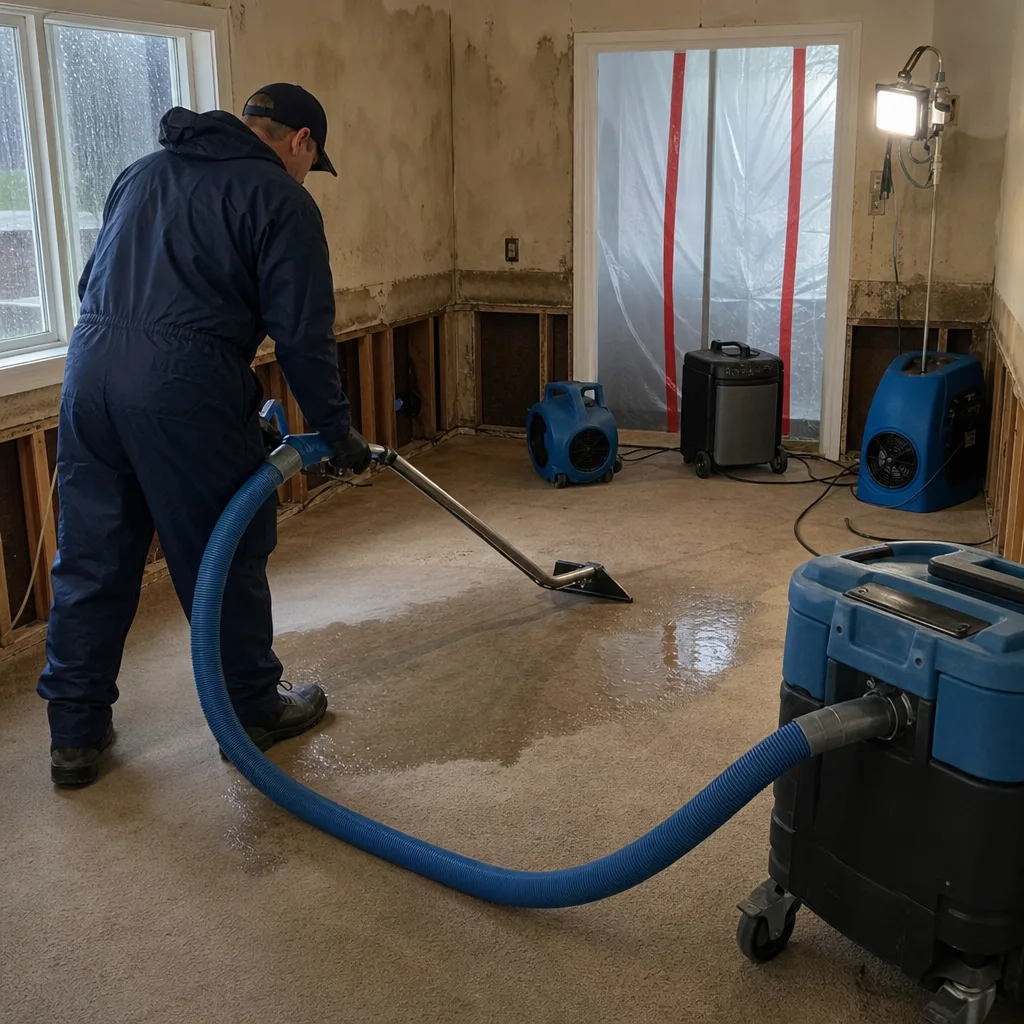
We pull standing water with truck-mounted or portable extraction units, then stabilize compromised materials. If a cast-iron waste stack or galvanized supply line failed, we isolate it so no additional water enters the space.
Drying & Dehumidification
We set Dri-Eaz, Phoenix, and B-Air air movers and dehumidifiers positioned from the moisture map, with daily readings logged until framing, drywall, and flooring reach the dry standard. You and your carrier get that log.
Cleaning & Sanitization
Category 2 and 3 water require antimicrobial application and controlled demolition of porous materials. HEPA air scrubbers run during and after the work to clear airborne spores and particulates.
Mold & Moisture Treatment
We check behind finished basement walls for the hidden mold Valley Stream’s repetitive-loss homes are known for. Where our moisture log shows colonization, we contain, remove, and treat before reconstruction begins.
Repairs & Restoration
Drywall, insulation, flooring, and finishes go back in. If the loss requires full reconstruction, the same Floodline crew handles it, so you’re not handed off to a third-party remodeler mid-job.
Need Emergency Water Damage Restoration in Valley Stream Now?
Crews minutes away, answering live 24 hours a day. The sooner we start, the less it costs.
Working With Your Insurance Company
Insurance adjusters see a lot of Valley Stream losses, and they know what a properly documented claim looks like. We build that file from the first hour: photos of the damage room by room, moisture readings taken with calibrated instruments, daily drying logs, and a line-item scope of work written in the estimating language carriers expect. Our project manager speaks directly with your adjuster, our estimator negotiates scope directly with the carrier, and we bill the carrier directly. You’re copied on everything, but you’re never the middleman. That keeps the claim moving and keeps you focused on getting your home back. For a Water Damage Restoration claim, documentation quality is the difference between a covered loss and a dispute.
What We Provide Your Insurer
- Thorough documentation of the loss
- Photos of all damage, room by room
- Moisture readings and drying logs
- A detailed, line-item scope of work
- Direct coordination with your carrier
Built for Valley Stream’s Loss Calendar
Valley Stream’s water damage does not follow a tidy schedule, but it does repeat. January deep freezes crack original galvanized supply lines in post-war Capes and ranches, sending water through plaster ceilings before anyone notices. Late February and March bring ice damming on shallow-pitched Cape Cod roofs, staining ceilings and saturating wall cavities. Spring thaw and heavy rain push groundwater into below-grade basements through cracks in old block foundations. Summer thunderstorms overwhelm street drainage in low-lying blocks near Mill Creek and along Merrick Road, backing water through floor drains. And nor’easters, from September through March, drive tidal surge up the creek and into interior residential streets, repeating what Superstorm Sandy and Tropical Storm Ida already taught this town. That’s why we keep crews staged for Valley Stream year-round, not seasonally. If you live in Valley Stream, you know the calendar by heart. We do too.
Water Damage Restoration Across Valley Stream’s Neighborhoods
Response routes matter in a town shaped by water. The neighborhoods east of Rockaway Parkway and south of Merrick Road sit closest to the Mill Creek floodplain, and those blocks are where we see tidal backflow through floor drains before our Storm & Disaster Restoration in Valley Stream crews arrive. Homes in the Gibson section, with their tight lots and finished basements, tend to present as repeated losses: water behind paneling, mold behind drywall, cast-iron waste stacks that finally gave out. North of the Southern State Parkway, the split-levels along Fletcher Avenue and Horton Avenue see more freeze-thaw failures: burst supply lines in exterior walls, ice dams on low-slope roofs. Green Acres and Mill Brook, with their mid-century construction, share a common problem: original materials that were never meant to get wet, now getting wet repeatedly. The closer you are to the creek, the more we recommend a post-storm inspection even when the basement looks dry. It rarely is.
Specialized Water Damage Restoration Services We Offer in Valley Stream
Emergency Water Extraction
Standing water from a tidal backup or a burst pipe needs to come out now. We bring truck-mounted extraction and submersible pumps sized for finished basements and crawlspaces, and we get extraction running the same visit. The longer water sits in a Valley Stream basement, the faster wicking moves it up drywall and into framing.
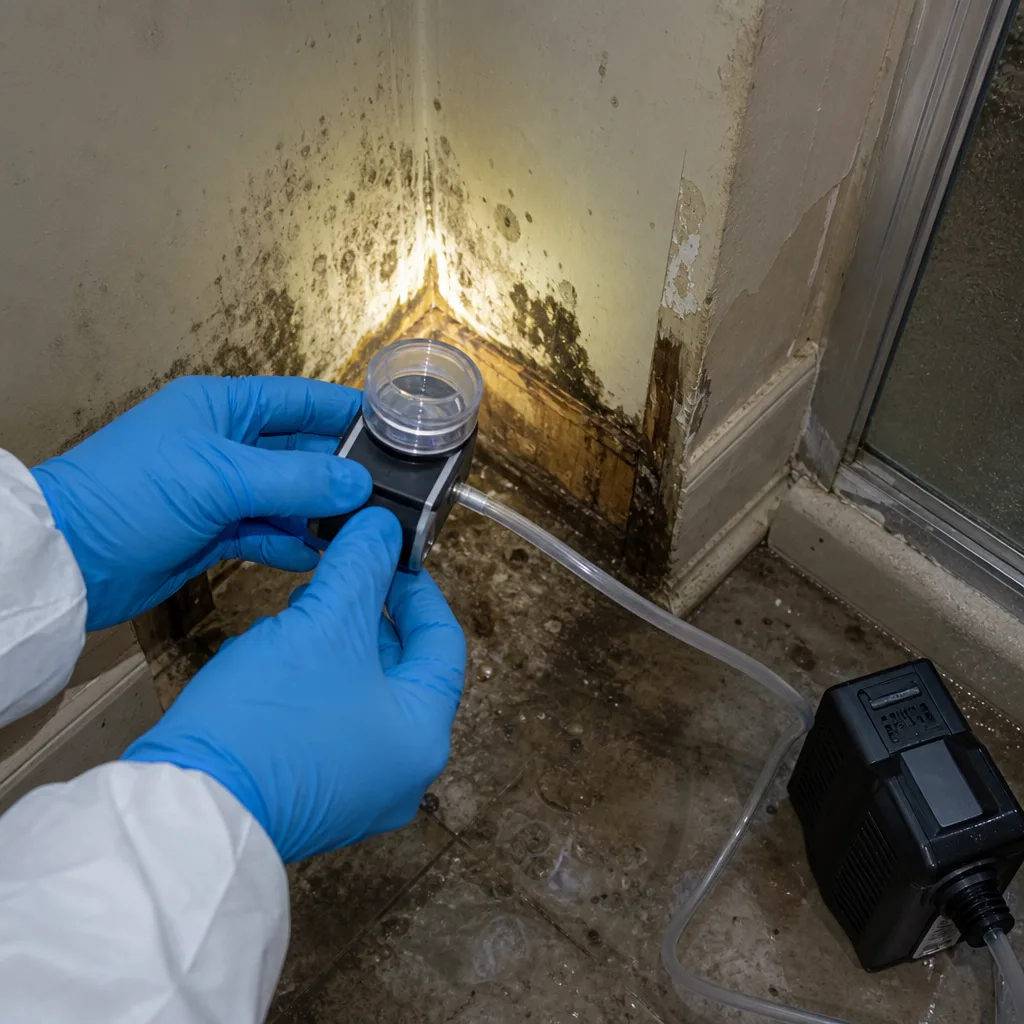
Structural Drying & Dehumidification
Drying a 1950s Cape is not the same as drying a modern build. Horsehair plaster, rock lath, and original hardwood hold moisture differently than drywall over open framing. Our Dri-Eaz dehumidifiers and Phoenix air movers are placed from a moisture map, and we log daily readings until the structure reaches the dry standard, not until the surface feels dry.
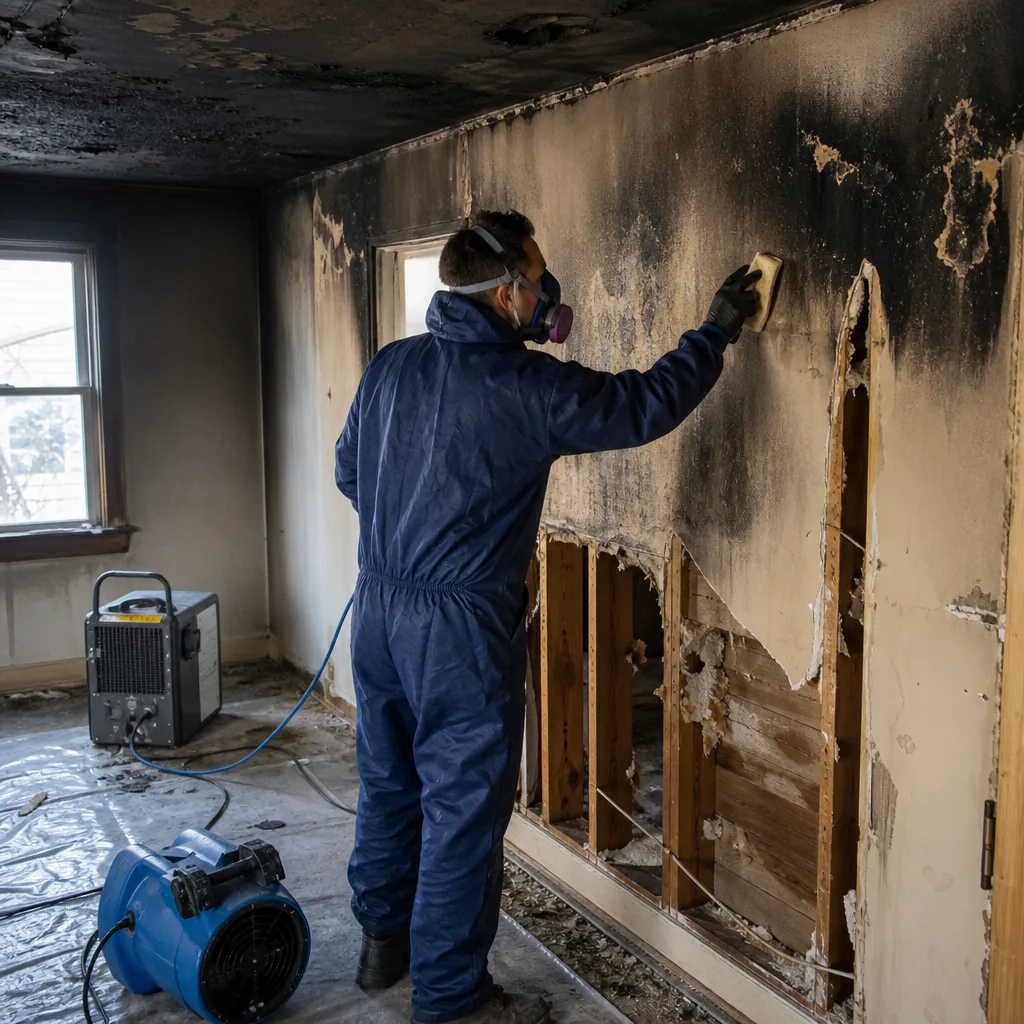
Flood Cleanup
Valley Stream floodwater is rarely clean. Mill Creek backflow carries sediment, salt, and whatever the storm picked up along the way. That’s Category 3 water, and it demands controlled demolition of saturated porous materials, antimicrobial treatment, and HEPA air scrubbing. We handle the full cleanup, not a patch-and-paint cover-up.
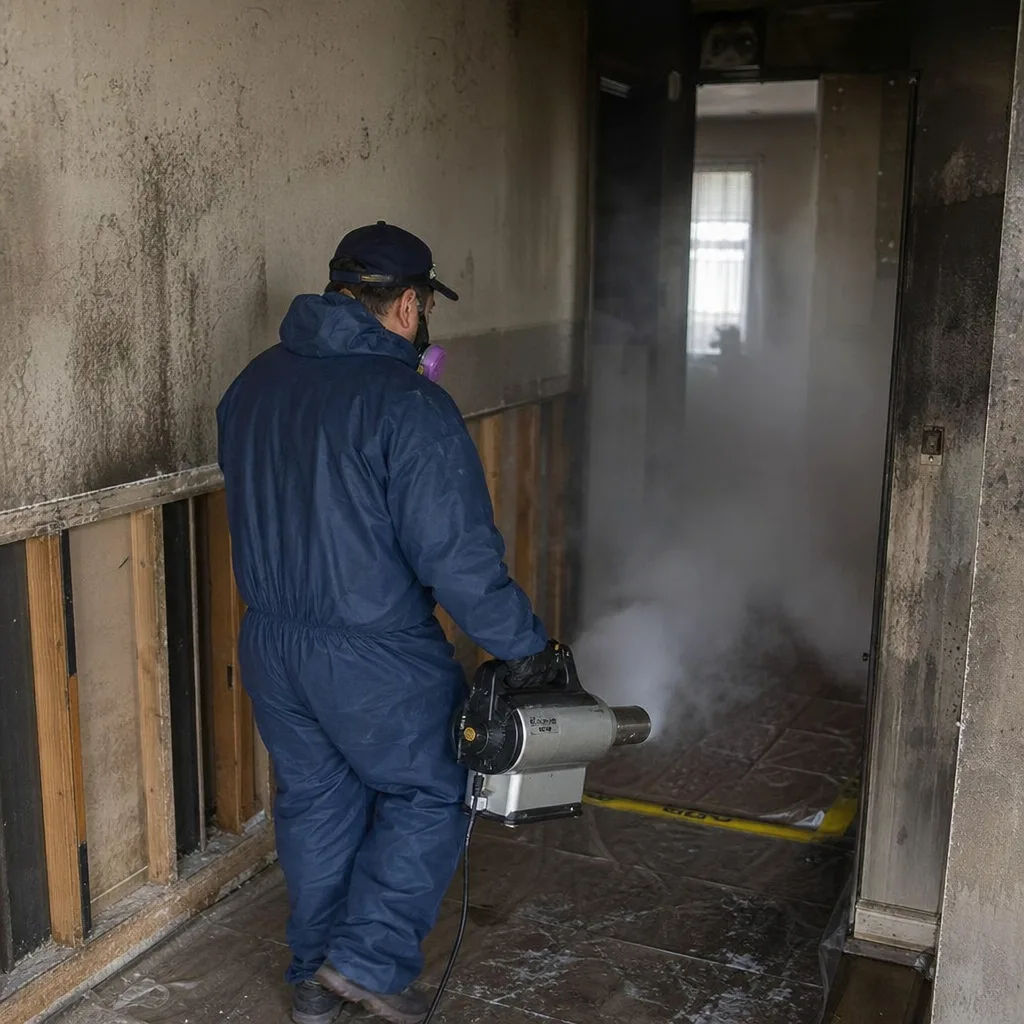
Burst Pipe Restoration
A burst pipe in a 1960s ranch can saturate a finished basement and the ceiling below it in a matter of hours. We locate and stop the source, extract the water, map the migration, and dry the structure. We also identify the reason the pipe failed: galvanized supply lines in Valley Stream homes are often original and rusting from the inside out.
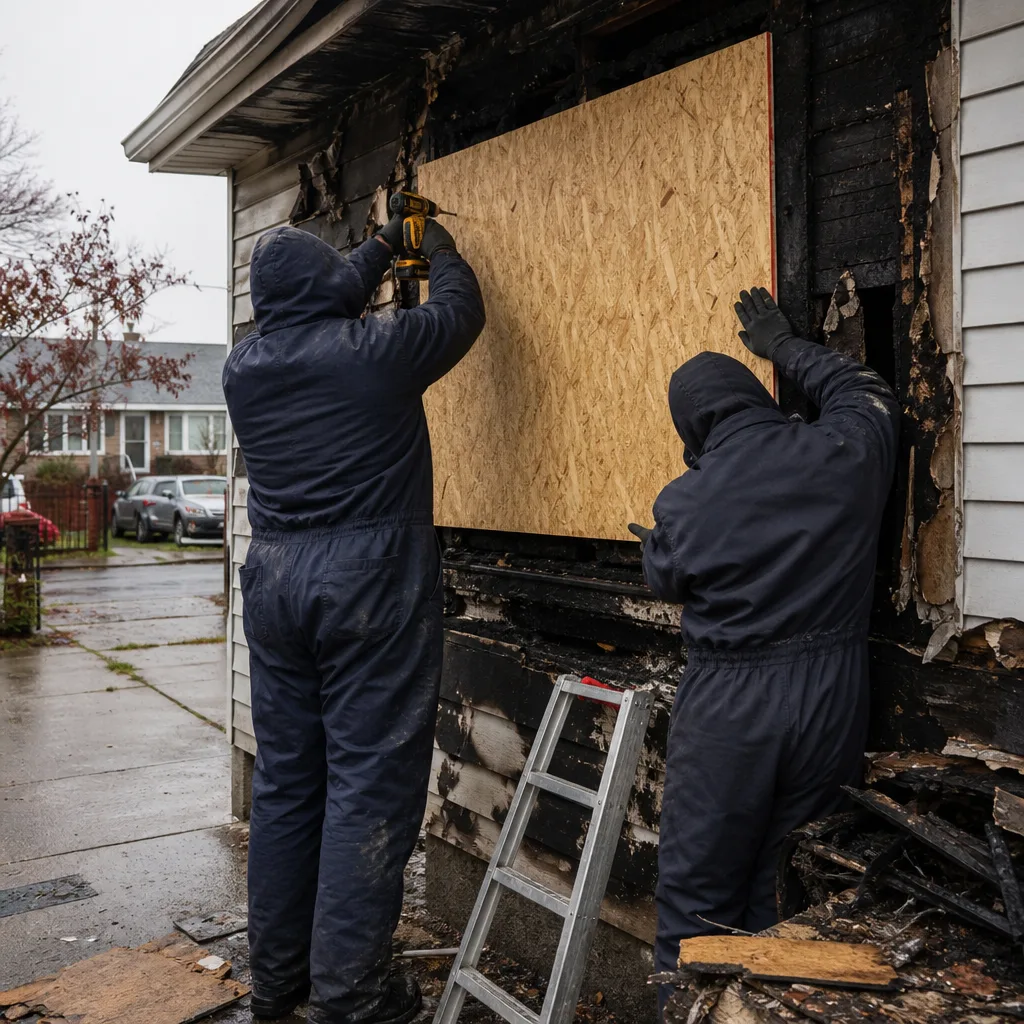
Basement Water Removal
Finished basements in Valley Stream’s post-WWII housing stock are particularly vulnerable. They sit at or below grade, often in FEMA flood zones, and many have flooded before. We remove the water, open the walls where moisture mapping says water is hiding, and document what we find, including the hidden mold repetitive-loss houses are known for.
What happens when you call
- 1
A real person answersNo phone trees - you reach a local pro.
- 2
You get an upfront price rangeHonest numbers before anyone is dispatched.
- 3
A background-checked tech heads outLicensed & insured, dispatched right away.
- 4
You approve before work beginsNothing starts until you say go.
Water Damage Restoration Costs in Valley Stream, NY
What you’ll pay depends on three things: water category, square footage, and what’s behind your walls. Here’s what Valley Stream homeowners typically see:
- Basic Category 1 extraction and drying, unfinished basement, under 400 sq ft: $1,200 – $2,200
- Category 1 loss in a finished basement with controlled demolition of drywall and flooring: $2,800 – $4,800
- Category 2 loss (roof leak, washing machine, sump failure) with drying and rebuild: $3,500 – $7,500
- Category 3 loss (Mill Creek tidal backflow, sewage) with full decontamination and rebuild: $6,000 – $15,000+
- Ice dam water intrusion in a Cape Cod ceiling and wall cavity: $1,800 – $3,500
Most of these are insurance-covered losses. Your deductible is often the only out-of-pocket cost. We bill the carrier directly, and our estimator negotiates the line-item scope with your adjuster. Call (631) 557-5029 for a free visual inspection and a written scope. No obligation, and you’ll have a firm number before any work starts.
We Also Serve Cities Near Valley Stream
Our crews respond across southwestern Nassau County and eastern Queens, including Elmont, Cambria Heights, Floral Park, and New Hyde Park. If you’re in one of these communities and you need Water Damage Restoration in Valley Stream plus the surrounding area, call us. We know the housing stock, the flood patterns, and the water.
Serving Valley Stream, NY - Our Local Coverage Area
We’re based in the Valley Stream area and know this community well. Use the map below to see our service coverage - if you’re nearby, we can almost certainly help.
Valley Stream Water Damage Restoration Questions, Answered
Why does my Valley Stream basement flood during a moderate storm, even when it’s not raining heavily?
Because tidal backflow through Mill Creek doesn’t need heavy rain. A moderate coastal storm pushes water up the creek and into the storm drain system, which then backs up through floor drains in low-lying blocks, especially south of Merrick Road and east of Rockaway Parkway. Your basement is below the level the water wants to reach. Call us at (631) 557-5029 and we’ll map your property’s risk and recommend drainage or sealing that actually addresses tidal backflow, not just sump pump capacity.
I had my finished basement ‘dried out’ after Sandy and again after Ida, but mold keeps coming back. What went wrong?
What likely went wrong is that the contractor dried the surface but never opened the walls. Floodwater wicks up behind drywall and paneling into the framing cavity, and if you seal the wall back up while that cavity is still wet, mold colonizes behind it. Valley Stream has a documented pattern of FEMA repetitive-loss properties where each flood sealed more spores inside. We open the walls where moisture mapping shows water, dry the framing to the dry standard, and treat the cavity before any finishes go back. That’s the difference between a dry-out and a restoration. Call (631) 557-5029 for an inspection if you suspect hidden mold behind your finished walls.
My 1950s Cape Cod has ice damming every winter-can water damage restoration fix the ceiling stain before the next storm?
Yes, but the stain is the symptom, not the problem. We can remove the saturated drywall and insulation, dry the wall and ceiling cavities, and rebuild the affected area. But if the roof ventilation and insulation that caused the ice dam in the first place are not addressed, the same stain will come back next February. Our reconstruction team can correct the underlying condition while we restore the interior. For a firm scope, call (631) 557-5029.
Is the water in my Valley Stream basement after a nor’easter considered clean or contaminated?
Contaminated. Nor’easter surge water that backs up Mill Creek or overflows storm drains is Category 3 water: it carries salt, sediment, street runoff, and in many cases sewage. That means porous materials like drywall, carpet, pad, and upholstered furniture that absorbed it need to be removed, not dried. Hard surfaces need antimicrobial treatment. If you’ve already had contact with the water, wash thoroughly and call us at (631) 557-5029. This is not a mop-and-fan situation.
Do I need a permit for water damage restoration in Valley Stream if I’m just drying out a basement?
For drying and controlled demolition, generally no. But if the restoration involves reconstruction that changes structural elements, electrical, or plumbing, the Town of Hempstead building department may require permits. We handle that determination as part of our scope. We’ll tell you plainly what needs a permit and what doesn’t, and we handle the permit application when reconstruction is part of the job. Call (631) 557-5029 with your specific situation.
How fast can you actually get to my Valley Stream home in an emergency?
We commit to a 45-minute response for emergency water damage calls in Valley Stream. Our crews are staged across Nassau County specifically so we can reach you that fast. A live dispatcher answers at any hour, and the crew arrives with extraction equipment ready to run the same visit. The faster water comes out, the less demolition you need. Call (631) 557-5029 now.
How long does drying and full restoration take in a Valley Stream basement?
Drying alone typically runs three to five days with professional-grade equipment and daily moisture readings. Full restoration, including controlled demolition, mold treatment where needed, and reconstruction, typically runs one to three weeks depending on the scope. Homes with original horsehair plaster and vinyl asbestos tile often take longer, because those materials hold moisture and complicate demolition. We give you a written timeline in the scope before work starts. Call (631) 557-5029 for a free visual inspection and a firm schedule.
Are your technicians actually certified, or is that just marketing?
Our technicians hold IICRC WRT, FSRT, and AMRT certifications and train to RIA and IFA standards. They’re background-checked, uniformed, and equipped with Dri-Eaz, Phoenix, XPOWER, B-Air, and Injectidry equipment. We use moisture mapping and daily drying logs on every job, and we hand those logs to you and your carrier. Certifications are a starting point. The log is the proof.
What should I do in the first 30 minutes after I discover water in my Valley Stream home?
Shut off the water at the main if the source is a supply line. Kill power to the affected area at the breaker if water is near outlets or appliances. Move valuables up and out. Take photos of everything. Then call us at (631) 557-5029. Do not use a shop vac on Category 3 water, and do not enter standing water if you can’t see the floor. The first hour determines how much of your home is salvageable.
Written by Curt Bowman, Owner at Floodline Restoration Co., providing water damage restoration services to Valley Stream and surrounding Nassau County communities since 2010.