
Free visual inspection and a written scope of work before any mitigation begins - photos, moisture readings, and drying logs go in your claim file
The scope we write is the scope we bill. Anything new gets shown to you, in writing, before we touch it.
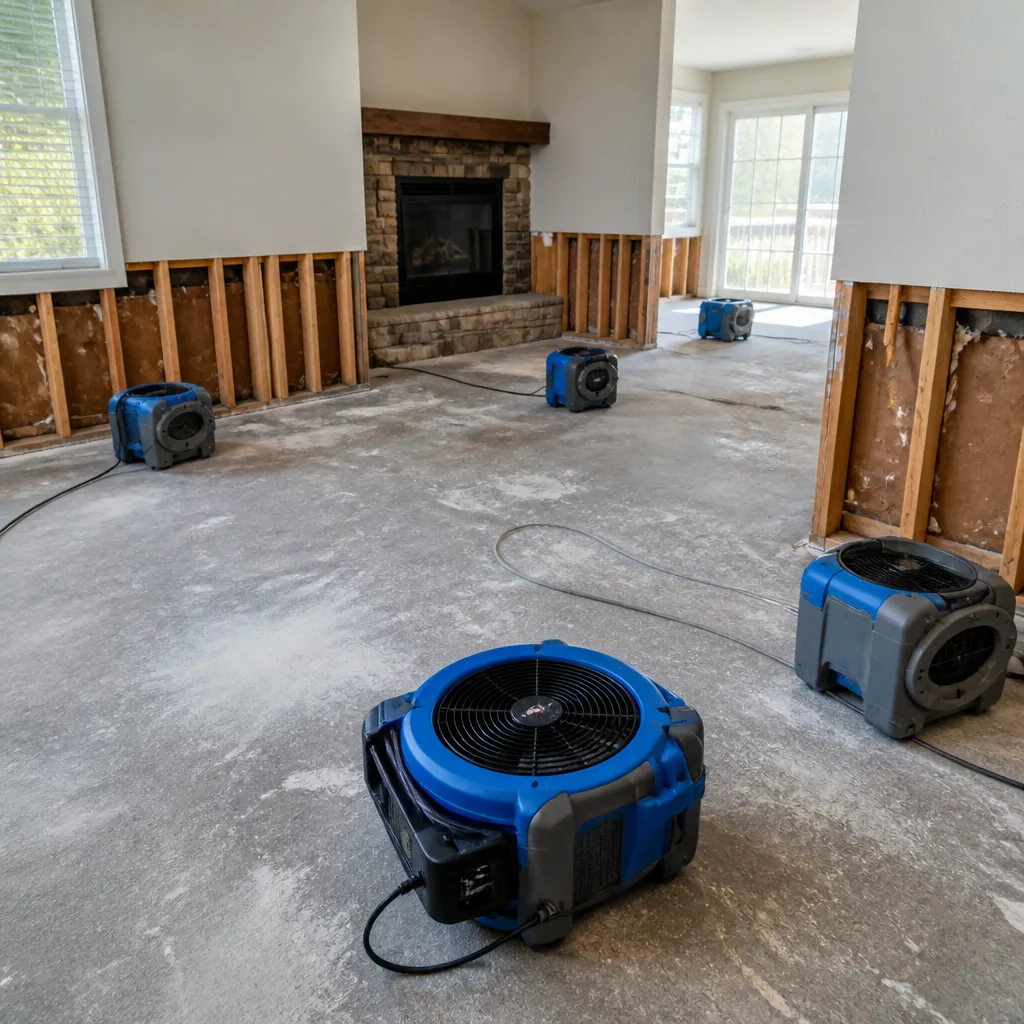
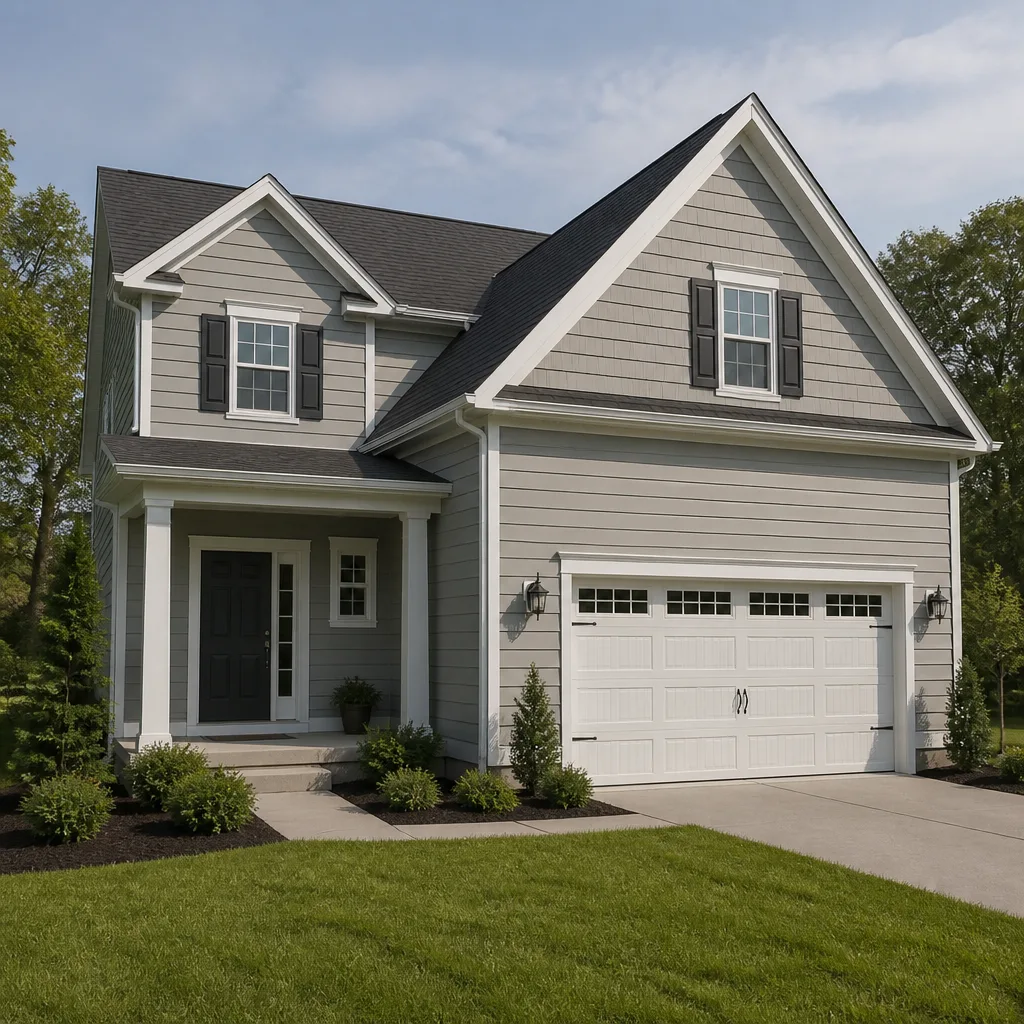
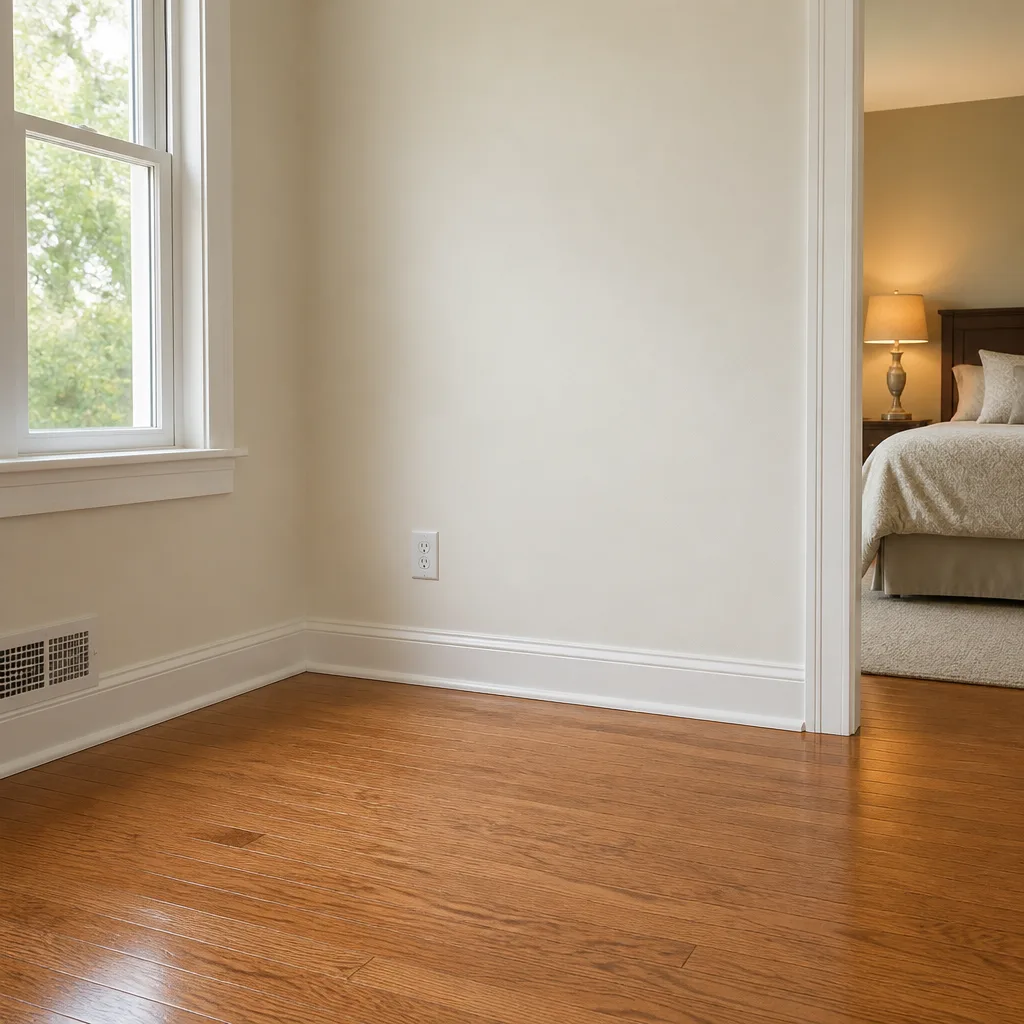
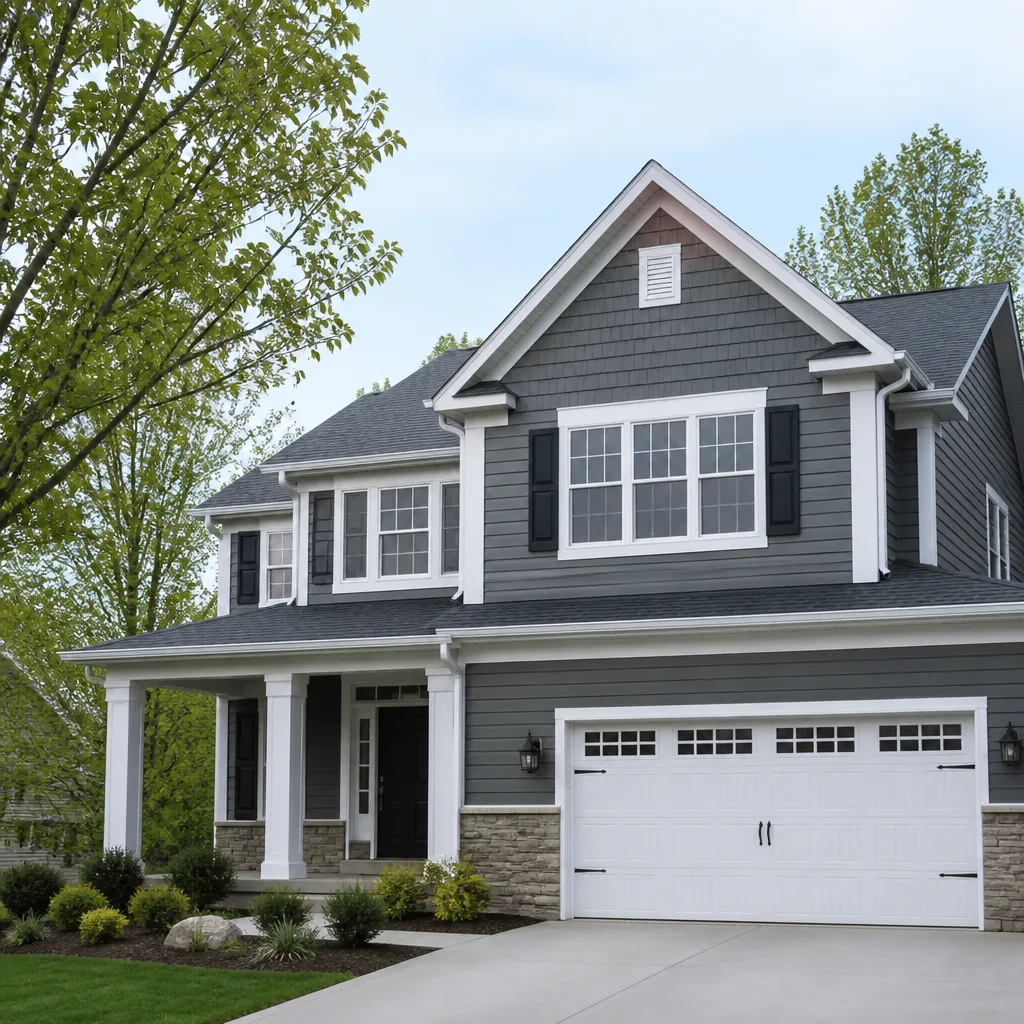
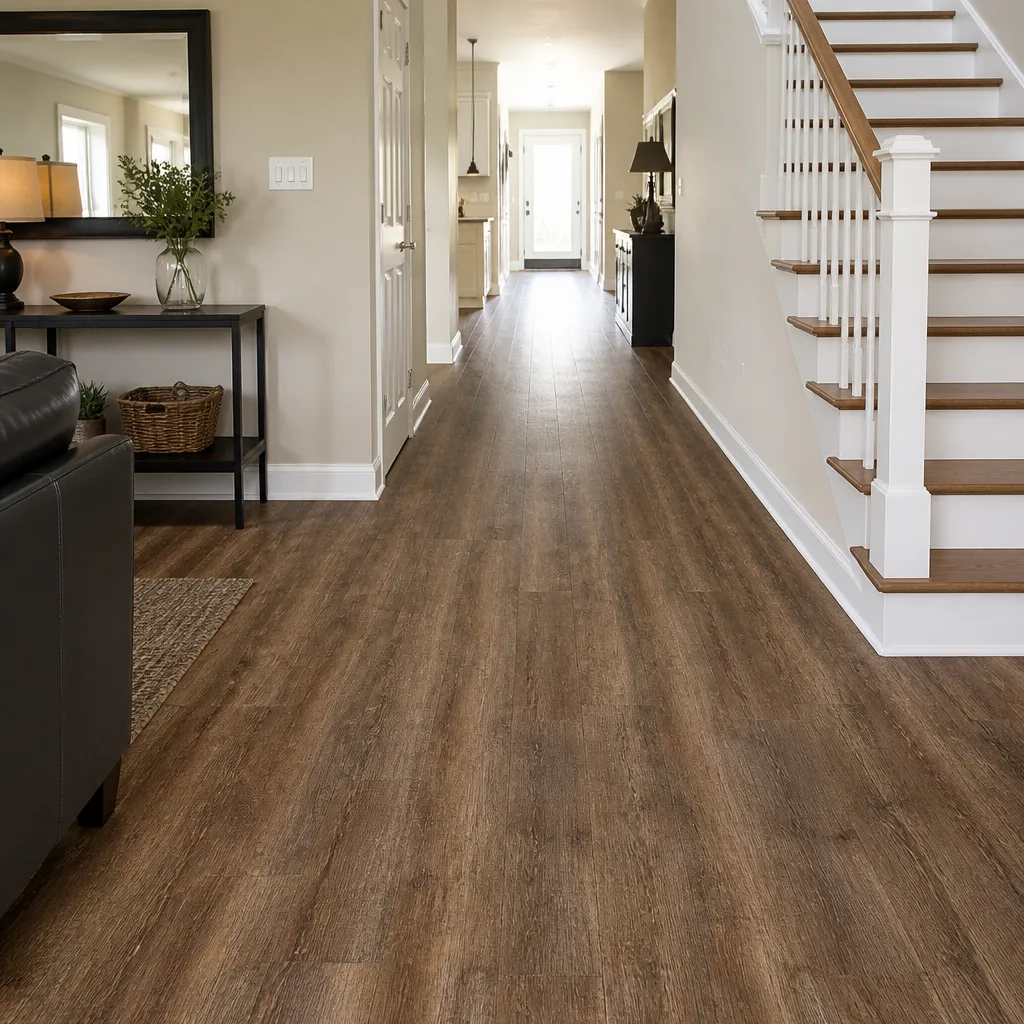
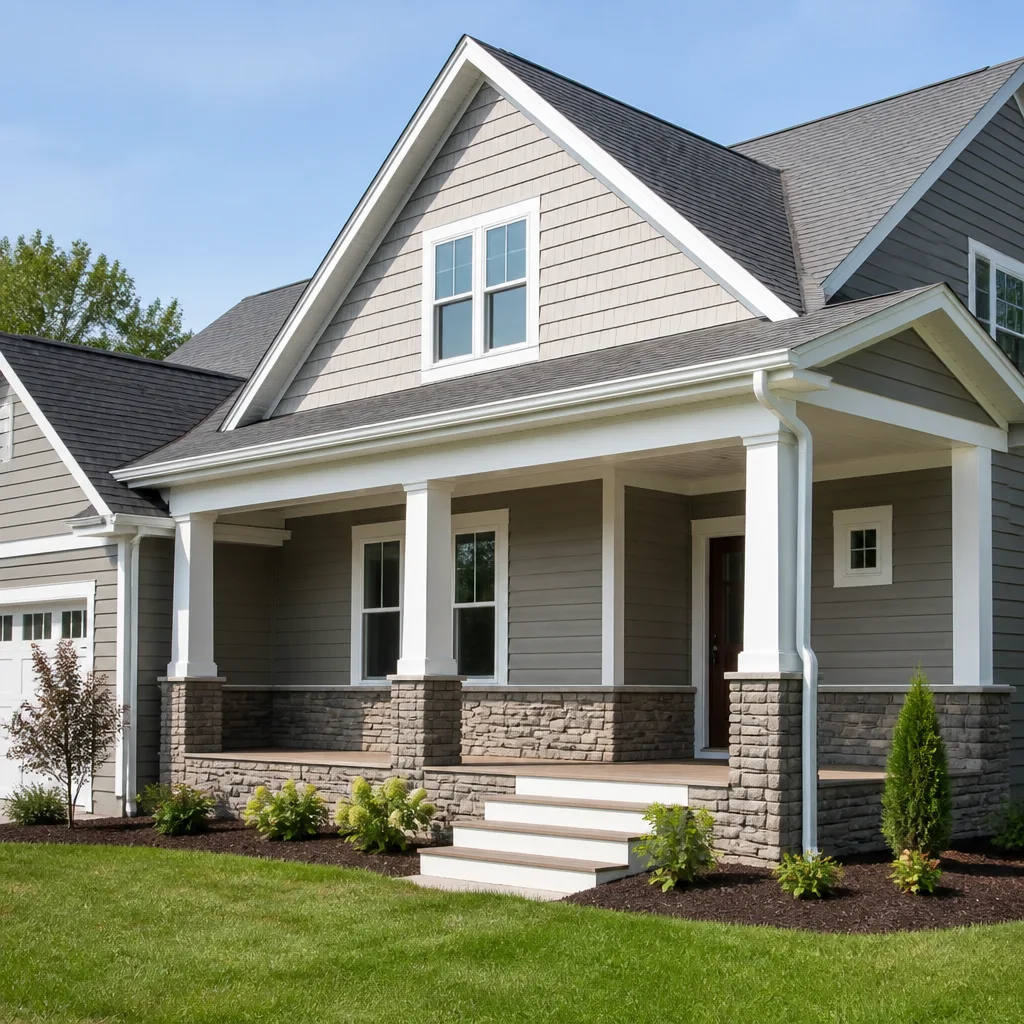
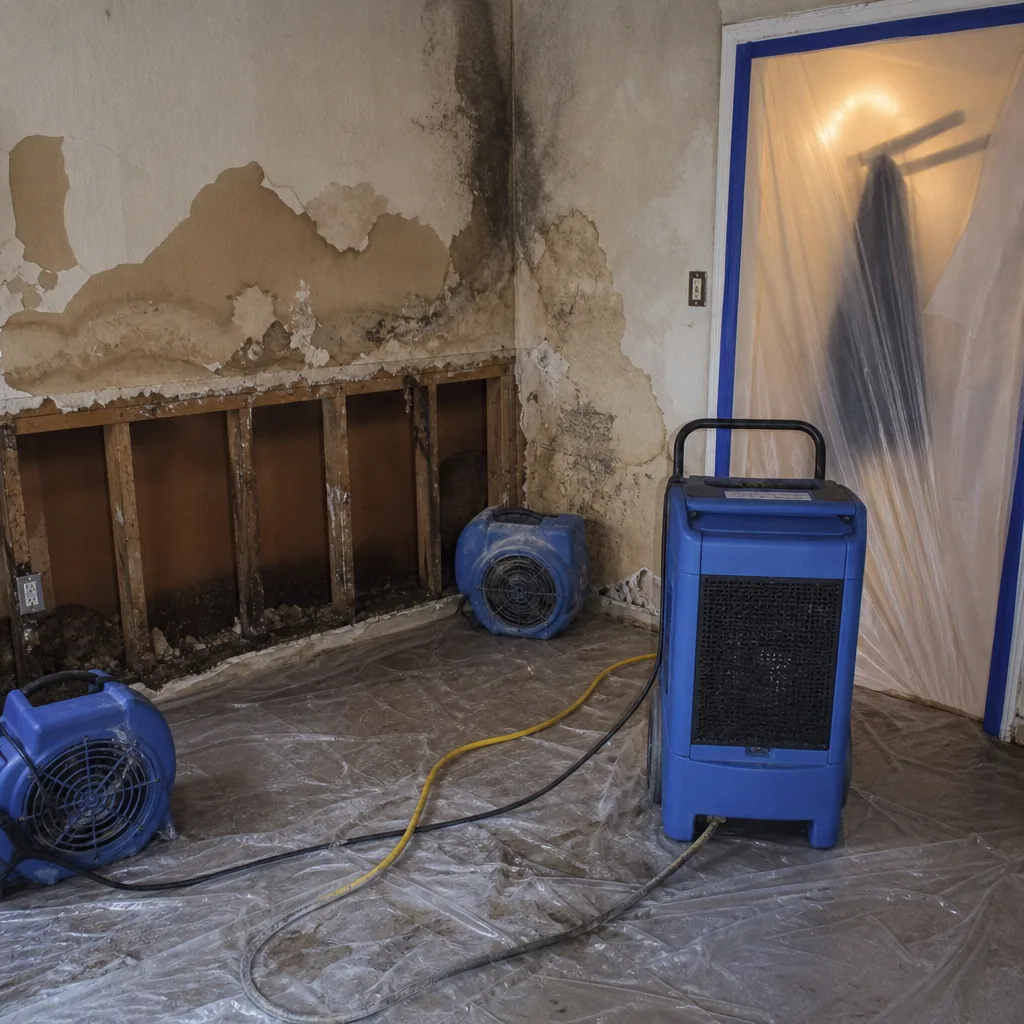 Before
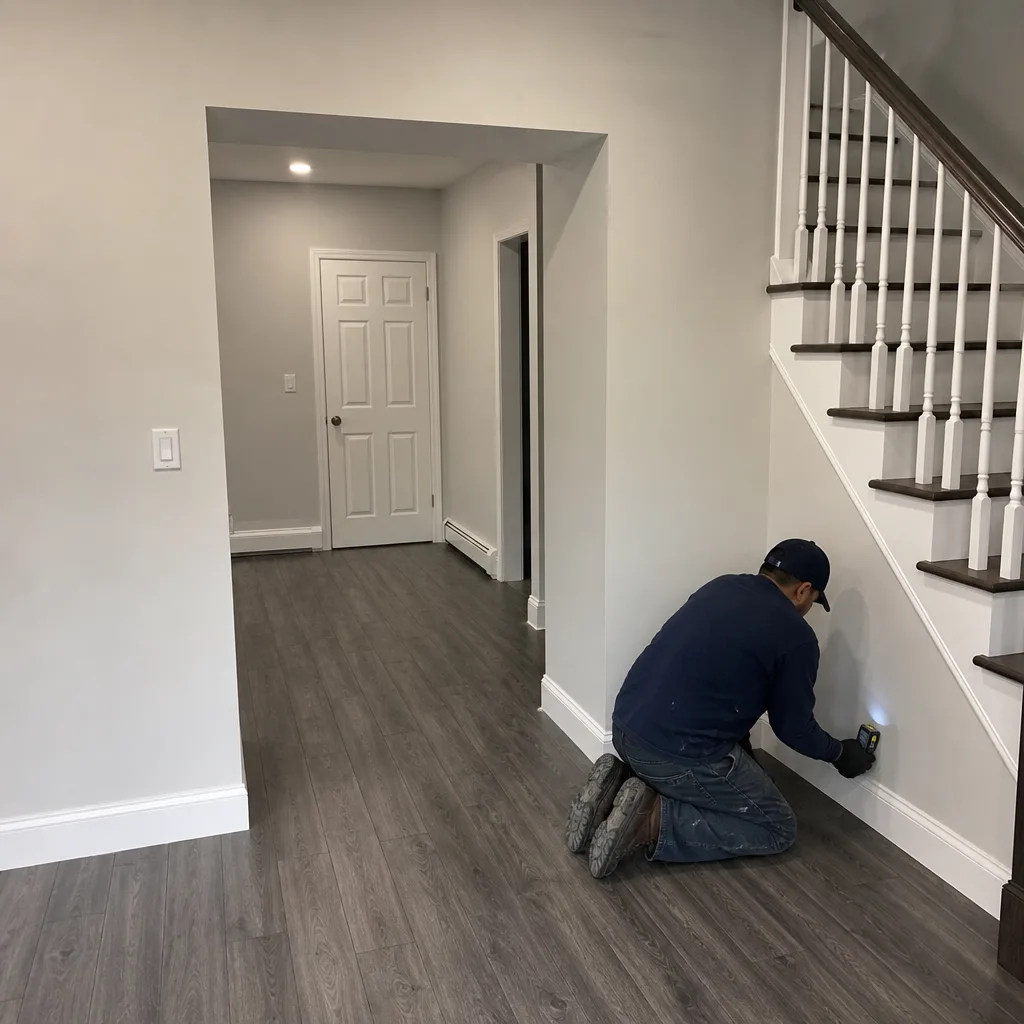 After
After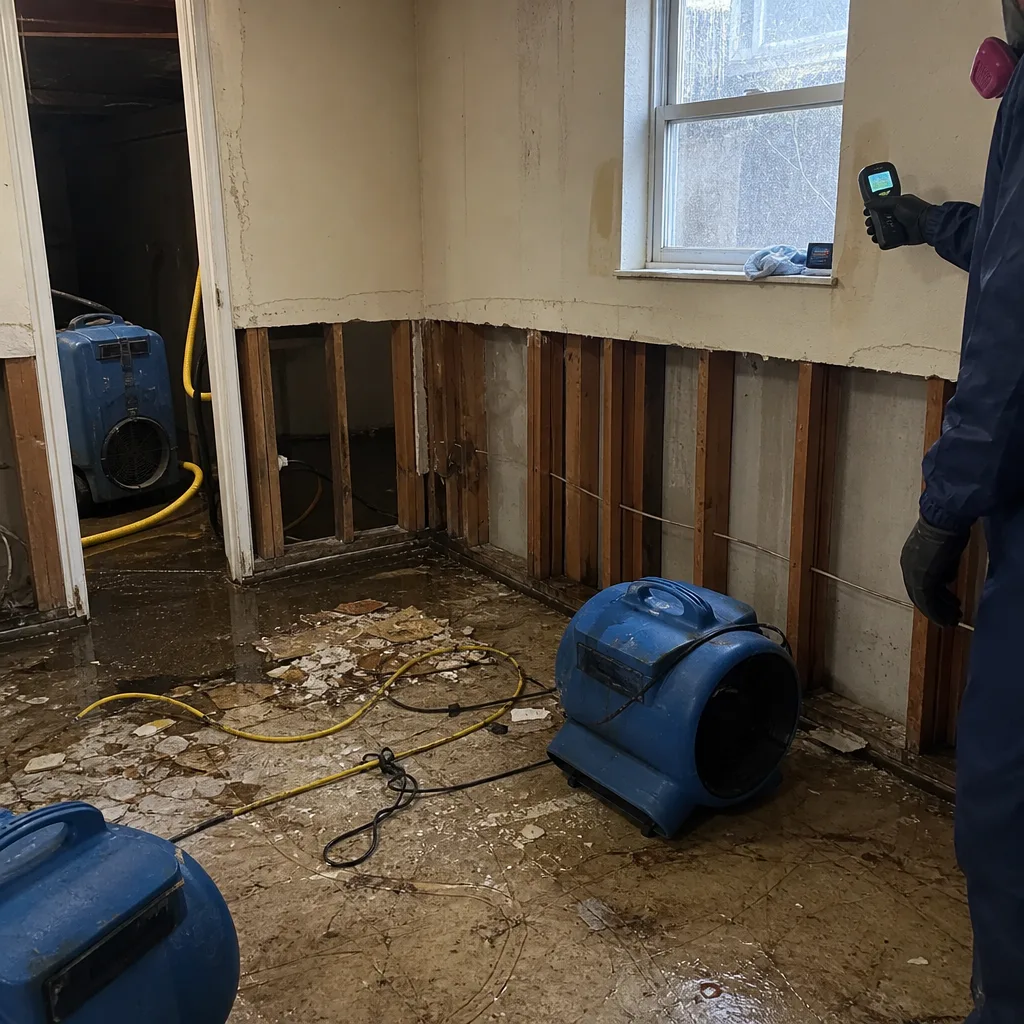 Before
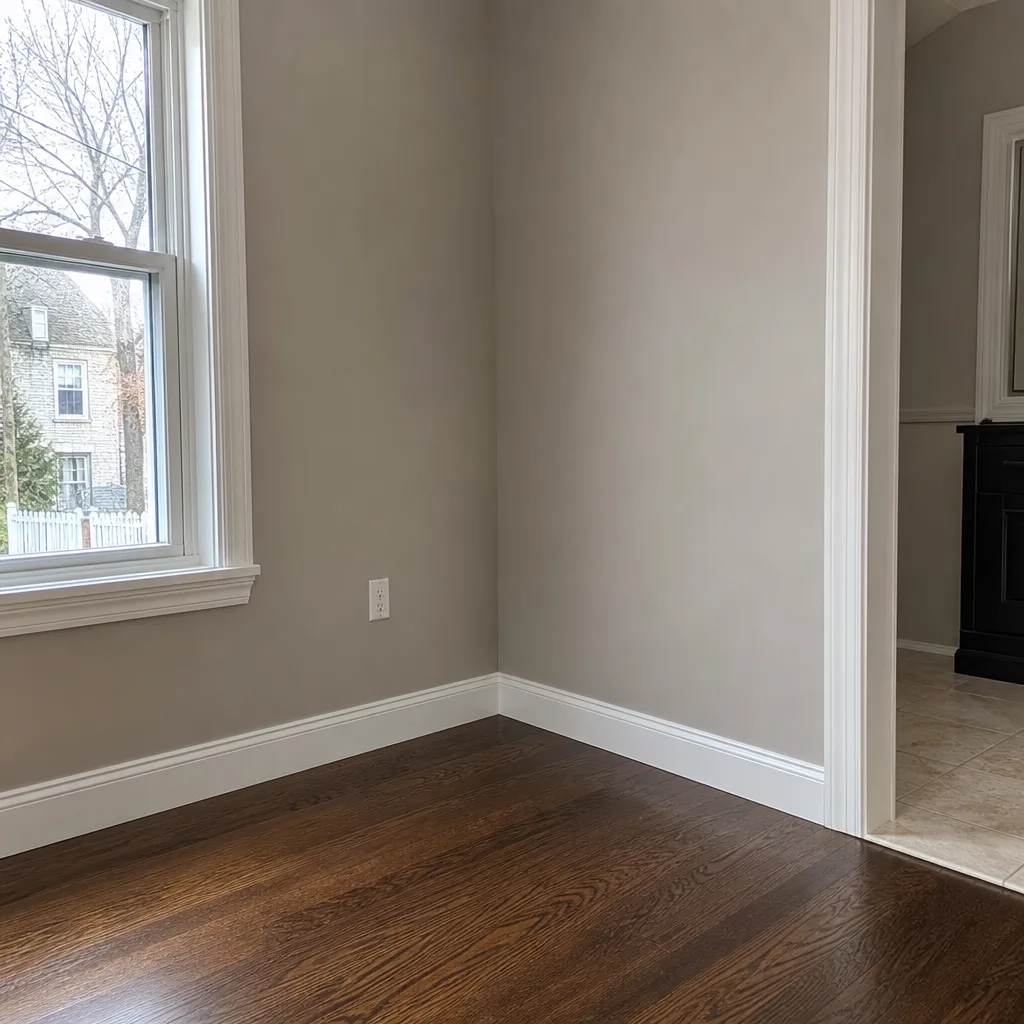 After
After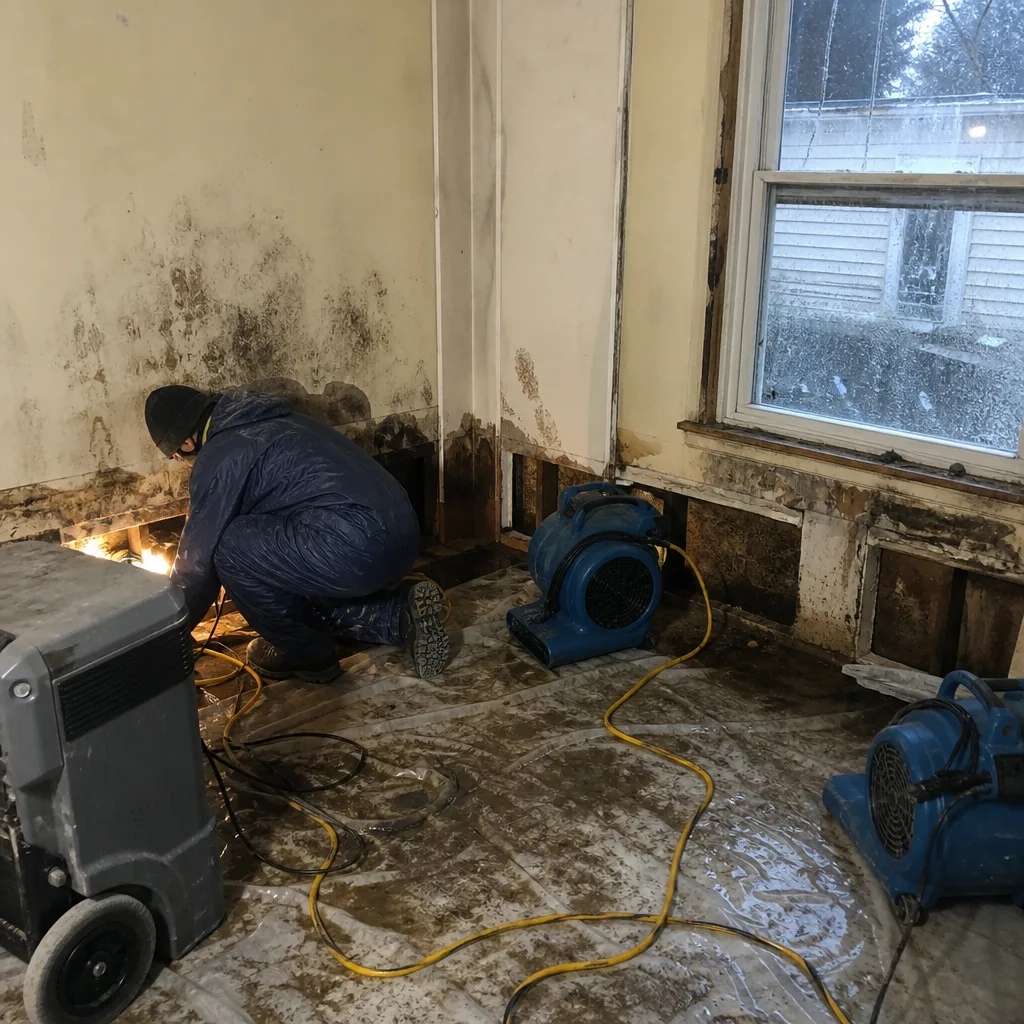 Before
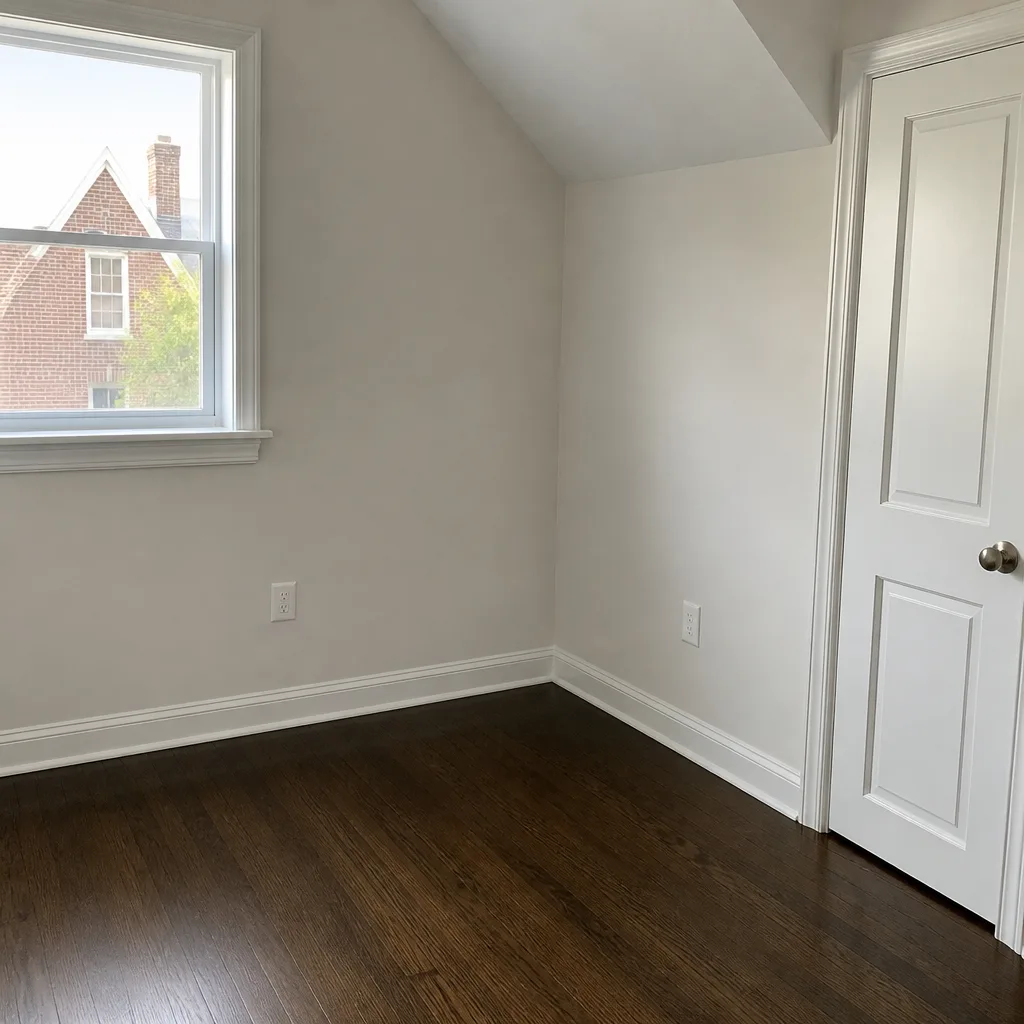 After
After24/7 Emergency Fire & Smoke Damage Restoration in St. Albans
Fire damage in St. Albans moves fast, and so do we. After the trucks leave and the board-up is done, smoke keeps working its way through plaster, joist bays, and the shared party walls of brick rowhouses along Farmers Boulevard and Linden Boulevard. We answer the phone live at (631) 557-5029 at any hour, any day, and a certified crew heads to your neighborhood the moment you hang up. The first hour after a fire matters because soot is acidic and starts etching glass, tarnishing metal fixtures, and working into painted surfaces before the smoke smell even settles. A free visual inspection tells you exactly what you’re dealing with, what your insurance carrier will need, and what the next 72 hours should look like. And because so many St. Albans basements sit below grade on former marshland, firefighting water and smoke residue mix with the same drainage problems this neighborhood already knows too well.
Understanding Fire & Smoke Damage Restoration Severity in St. Albans Properties
Not every fire leaves the same damage signature, and St. Albans’s 1940s and 1950s brick and frame rowhouses present a specific set of problems. A grease fire in a galley kitchen on Murdock Avenue behaves differently than an electrical fire in the attic of a two-family on Francis Lewis Boulevard. We classify soot residue by type: dry protein soot from burned food leaves a fine, greasy film that smears if you wipe it wrong; oily hydrocarbon soot from furnace puff-backs or burning plastics is denser and requires solvent-based cleaning; and the dry, powdery soot from structural wood fires travels furthest, pushing through electrical outlets, baseboards, and the hollow voids inside brick party walls. Smoke follows the path of least resistance, which in a rowhouse means it ends up in the neighbor’s stairwell even when the fire never touched their side. That’s why our crews in St. Albans set up containment and HEPA air scrubbing early rather than chase the odor room by room later.
Why St. Albans Property Owners Choose Floodline Restoration Co.
- 45-minute response commitment: We dispatch from a New York City office with crews stationed to reach St. Albans fast. You’ll get a call when we’re en route, and we arrive when we say we will.
- 24/7 live answer, never a recording: At 2 a.m. after a kitchen fire, a real dispatcher picks up. She knows the difference between a board-up job and a full fire & smoke restoration and she’ll send the right crew.
- IICRC-certified technicians: Our crews hold FSRT (Fire & Smoke Restoration Technician) and WRT (Water Restoration Technician) certifications, and they train to RIA and IFA standards. Uniformed, background-checked, and carrying photo ID.
- Free visual inspection: Before any work starts, we walk the property with you, mark the smoke line, check the joists, and tell you straight what needs to happen. No invoice for that.
- Direct insurance billing: We handle the claim documentation from the first hour and bill your carrier directly. You never play messenger between us and the adjuster.
- One team, start to finish: The same certified crew that boards up and extracts handles structural fire repair and the final coat of paint. No handoff to a subcontractor you’ve never met.
Our Fire & Smoke Damage Restoration Process
Inspection & Assessment
We arrive, walk every room including the basement and the attic hatch, and map the smoke migration. Thermal imaging shows us heat-damaged structural members the naked eye misses. We check the DOB occupancy status on any finished basement before we scope repair work, because an unpermitted apartment changes the compliance picture in St. Albans.
Stabilization & Emergency Board-Up
Broken windows, burned-out door frames, and open roof sections get boarded and tarped the same visit. Openings are a liability, an invitation to further damage, and a code issue in a rowhouse where your neighbor’s wall is your wall.
Water Extraction & Drying
Firefighting water collects where water always collects in St. Albans: basement floor drains, the low corner of the finished rec room, the crawlspace. We extract with truck-mounted and portable units, then set professional-grade Dri-Eaz dehumidifiers and XPOWER air movers with daily moisture readings logged until the dry standard is met.
Smoke & Soot Removal
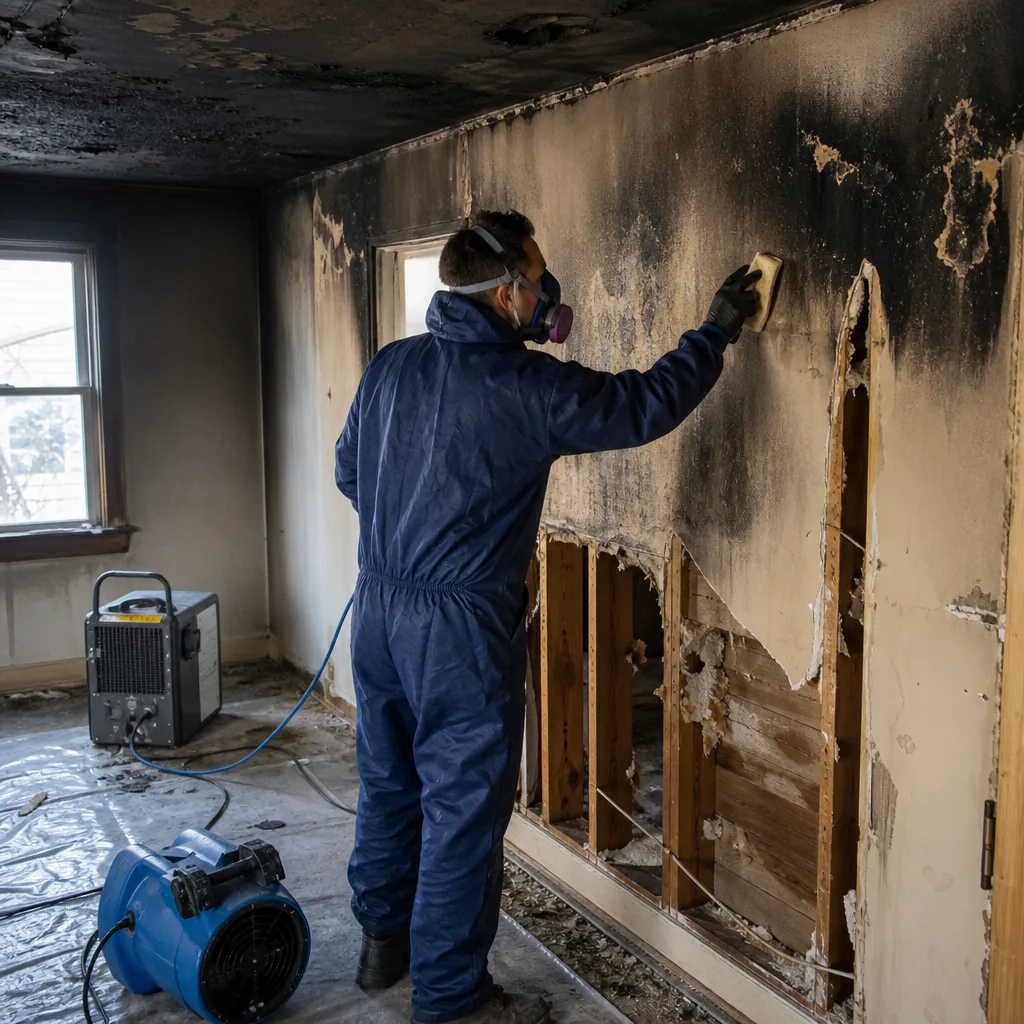
Dry soot removal on studs and joists comes first, using HEPA vacuums and dry chemical sponges on surfaces that can’t get wet. Oily residues need solvent-based cleaning specific to the surface. In rowhouses, we run containment and negative air so soot doesn’t cross into the neighbor’s side through shared voids.
Odor Removal & Deodorization
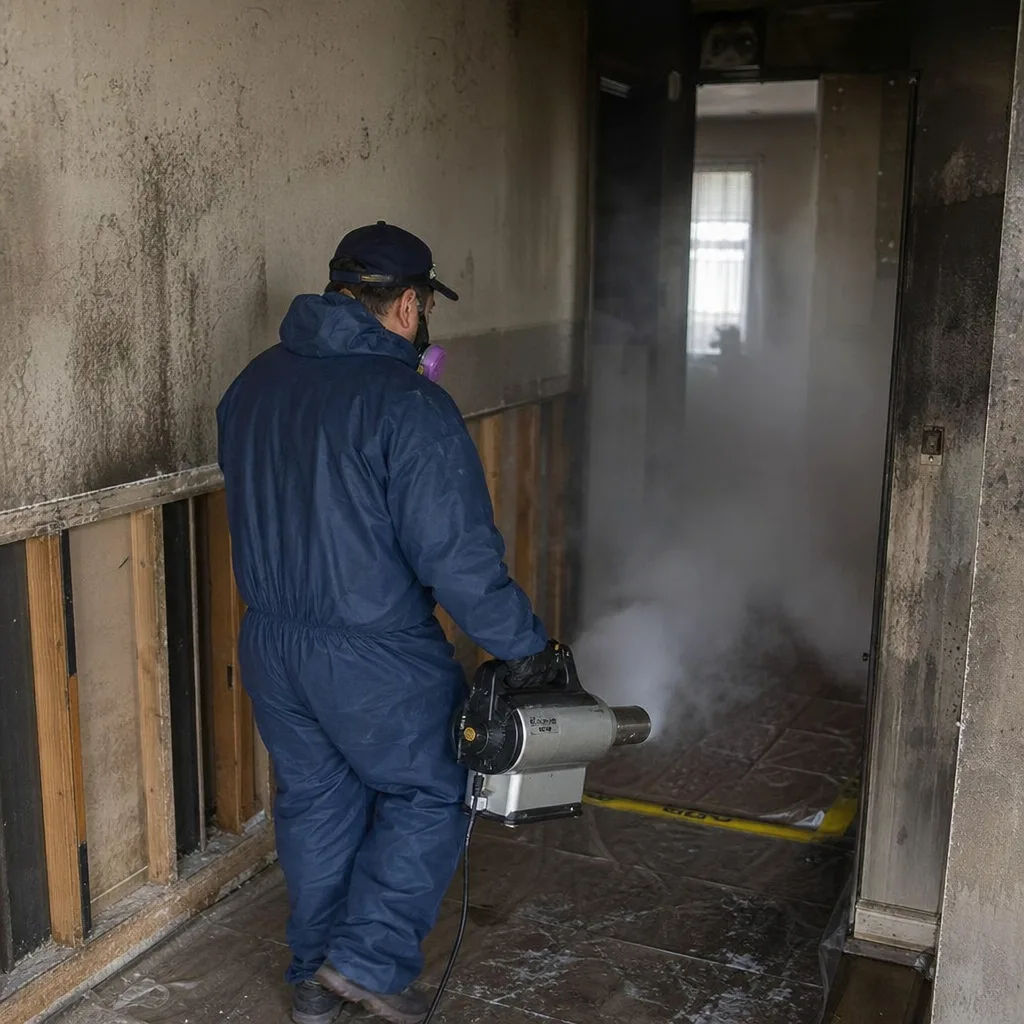
After soot is removed, odor work begins. Thermal fogging drives deodorizer into the same cavities smoke reached, and hydroxyl generators or ozone treatments handle residual particles in the air. The flat grade and tight ventilation in St. Albans means we often run HEPA air scrubbers twice as long as we would in a better-ventilated neighborhood like Forest Hills.
Structural Repairs & Restoration
Charred joists get sistered or replaced, drywall comes out to the studs where smoke saturated it, and finish work brings the space back to pre-loss condition. The same crew that extracted the water installs the trim. That’s the full-cycle promise, in writing, backed by the 90-Day Done Right Promise.
Need Emergency Fire & Smoke Damage Restoration in St. Albans Now?
Crews minutes away, answering live 24 hours a day. The sooner we start, the less it costs.
Working With Your Insurance Company
Insurance claims after a St. Albans rowhouse fire get complicated quickly because the damage often spans multiple categories: fire, water from the hoses, and sewage from a backed-up combined drain. We document all of it from the first hour, with photos of every room, moisture readings, and a line-item scope that matches what the carrier’s adjuster expects to see. Our team communicates with your adjuster directly, and because we provide the same level of documentation the carrier requires, you’re not left translating between a mitigation crew and a desk adjuster. If the basement apartment was unpermitted, we document pre-loss condition carefully and keep containment up so the claim and the DOB situation stay separate.
What We Provide Your Insurer
- Thorough documentation of the loss
- Photos of all damage, room by room
- Moisture readings and drying logs
- A detailed, line-item scope of work
- Direct coordination with your carrier
Built for St. Albans’s Loss Calendar
Fire and smoke damage in St. Albans follows the same rhythm as the weather. January deep freezes strain the wiring in 70-year-old rowhouses, and space heaters pushed into finished basement apartments overload circuits that were never sized for modern draw. Spring thaw brings the first real test of the combined sewer system, and with it, firefighting water that mixes with sewage in floor drains when a fire and a rainstorm hit the same week. Summer thunderstorms knock out power and send lightning into older panels; a smoldering attic fire in July can go unnoticed until smoke pushes through the ridge vents. Nor’easters in fall and winter take down trees along the service alleys behind Linden Boulevard and Francis Lewis Boulevard, and a single downed line can arc into a wall. Our emergency board-up and tarping crews stay busiest after storms because an open roof or window spreads smoke and water damage within hours. Whatever the season, the call is answered live, and the response is the same: get there, stabilize, scope, and stand behind it in writing.
Fire & Smoke Damage Restoration Across St. Albans’s Neighborhoods
St. Albans is a patchwork of tight rowhouse blocks north of Merrick Boulevard, larger detached homes east toward the Cross Island Parkway edge, and the garden-apartment and two-family mix near the LIRR tracks by the St. Albans station at Baisley Boulevard. Off Linden Boulevard, the brick rowhouses share cellars and party walls, so our crews carry extra containment and run HEPA scrubbers in the stairwell first to keep soot from spreading into the attached neighbor’s living space. Up near Addisleigh Park, the homes have more breathing room, and smoke migration patterns follow the old carriage paths and side alleys rather than shared walls. Around Roy Wilkins Park and the blocks off Farmers Boulevard, finished basements are common, and that’s where our crews deal with the double problem of smoke residue settling into drywall and carpet while firefighting water pools in floor drains. On a brick two-family near Merrick Boulevard, our techs arrived after a kitchen fire that had smoldered through the ceiling into a finished basement apartment. We performed structural fire repair on charred floor joists, then used Dri-Eaz HEPA 500 air scrubbers and XPOWER axial air movers for smoke & soot removal, taking moisture readings and drying logs throughout because the neighbor’s garden hose runoff had added category 2 water to the soot. The homeowner was relieved we checked the DOB records before scoping, because the basement rental was unpermitted. We documented pre-loss condition and kept containment up so the stop-work order never reached the crew.
Specialized Fire & Smoke Damage Restoration Services We Offer in St. Albans
Fire Damage Cleanup
After the St. Albans fire department releases the scene, we remove charred building materials, damaged contents, and the water left from suppression efforts. We work from the burn site outward, because soot and debris travel further than the visible fire damage suggests. In rowhouses, that means opening the wall cavities where smoke traveled through the shared block, not just the room where the fire started.
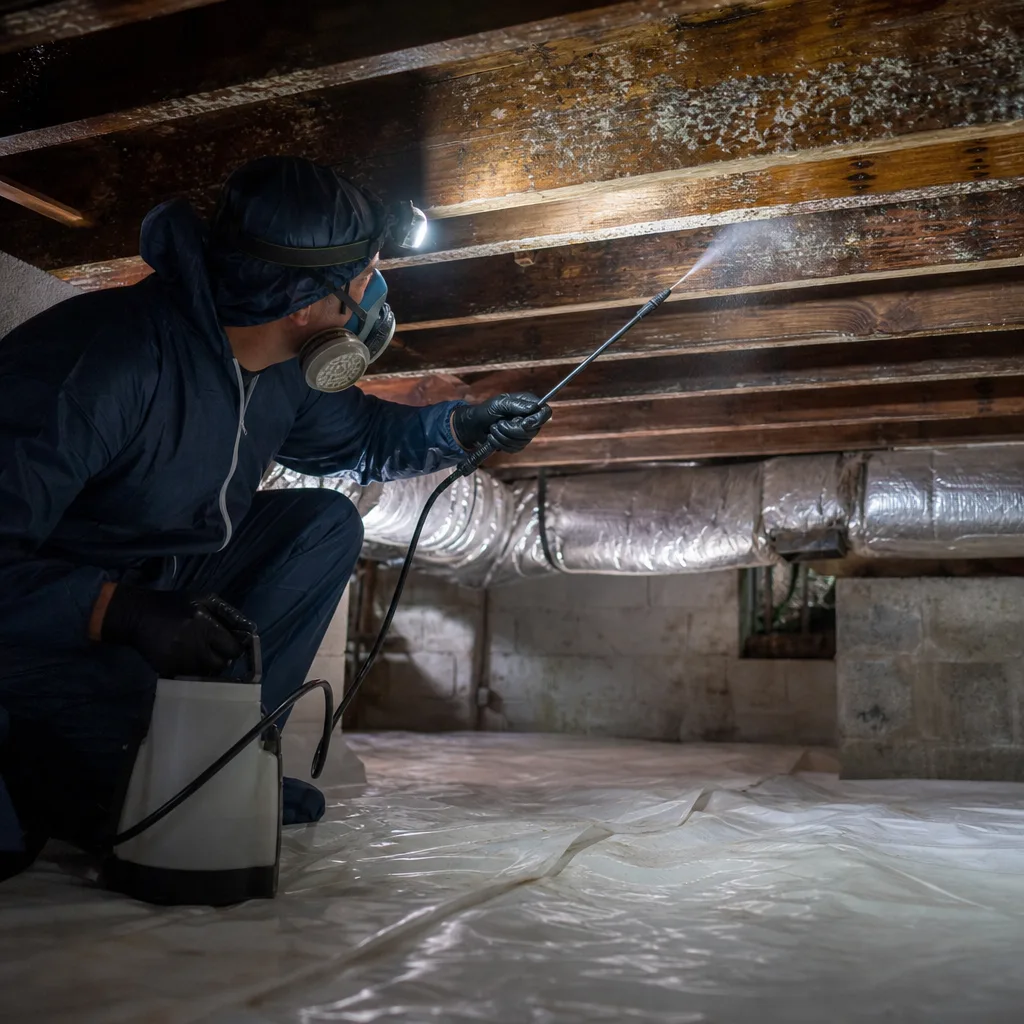
Smoke & Soot Removal
Soot removal in St. Albans’s older homes demands careful surface-by-surface work. Plaster walls absorb smoke differently than the drywall in a newer addition, and the varnish on 1960s wood trim soaks up oily residue. We dry-sponge what we can, wet-clean what needs it, and HEPA-vacuum every horizontal surface before any painting happens. Skip this step, and the paint job fails in six months when the oils bleed through.
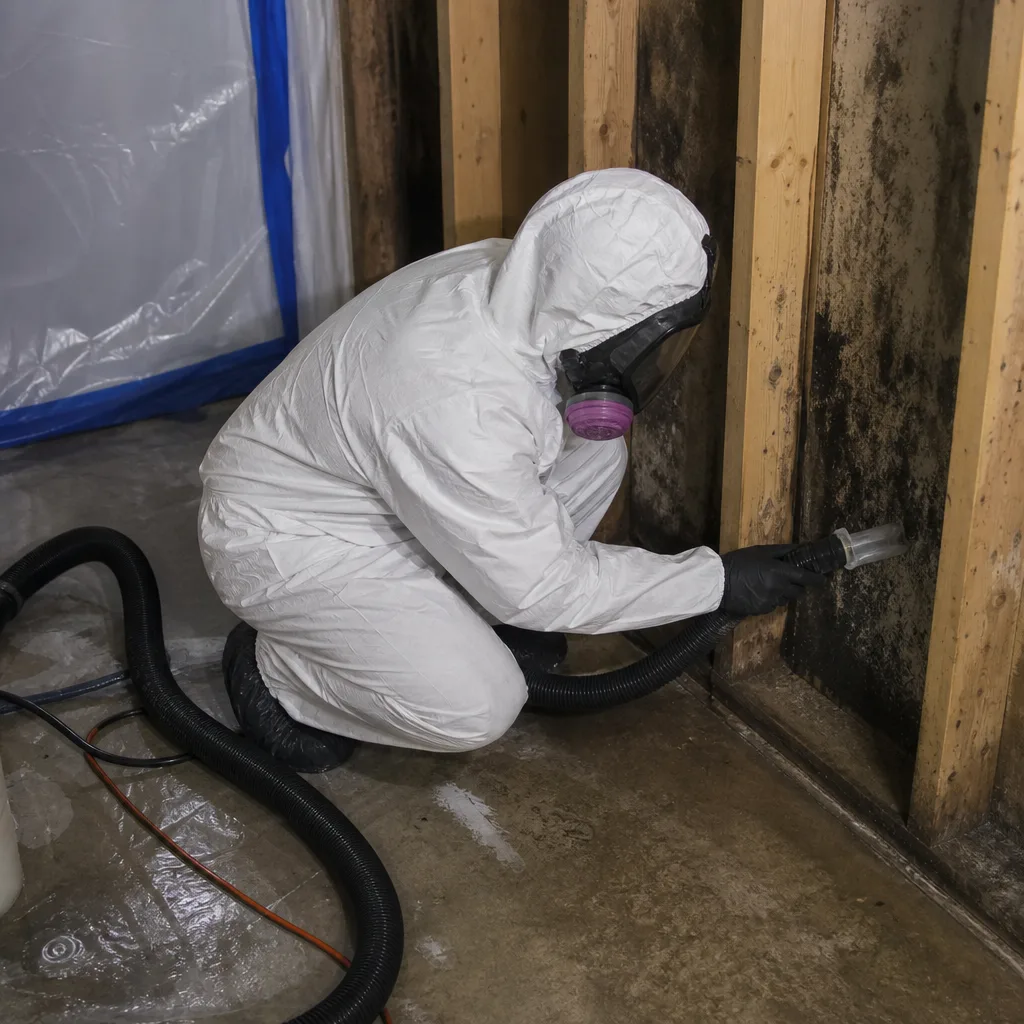
Odor Removal & Deodorization
Smoke odor in a St. Albans rowhouse hides where you can’t see it: behind the lath, inside the cold-air return, under the basement stair tread. Thermal fogging and hydroxyl generators neutralize odor particles in those hidden voids. The flat grade and old brick construction here mean the air moves slowly, so our crews run air scrubbers longer than they would in a suburban split-level. Done right, the smell stays gone, not just masked.
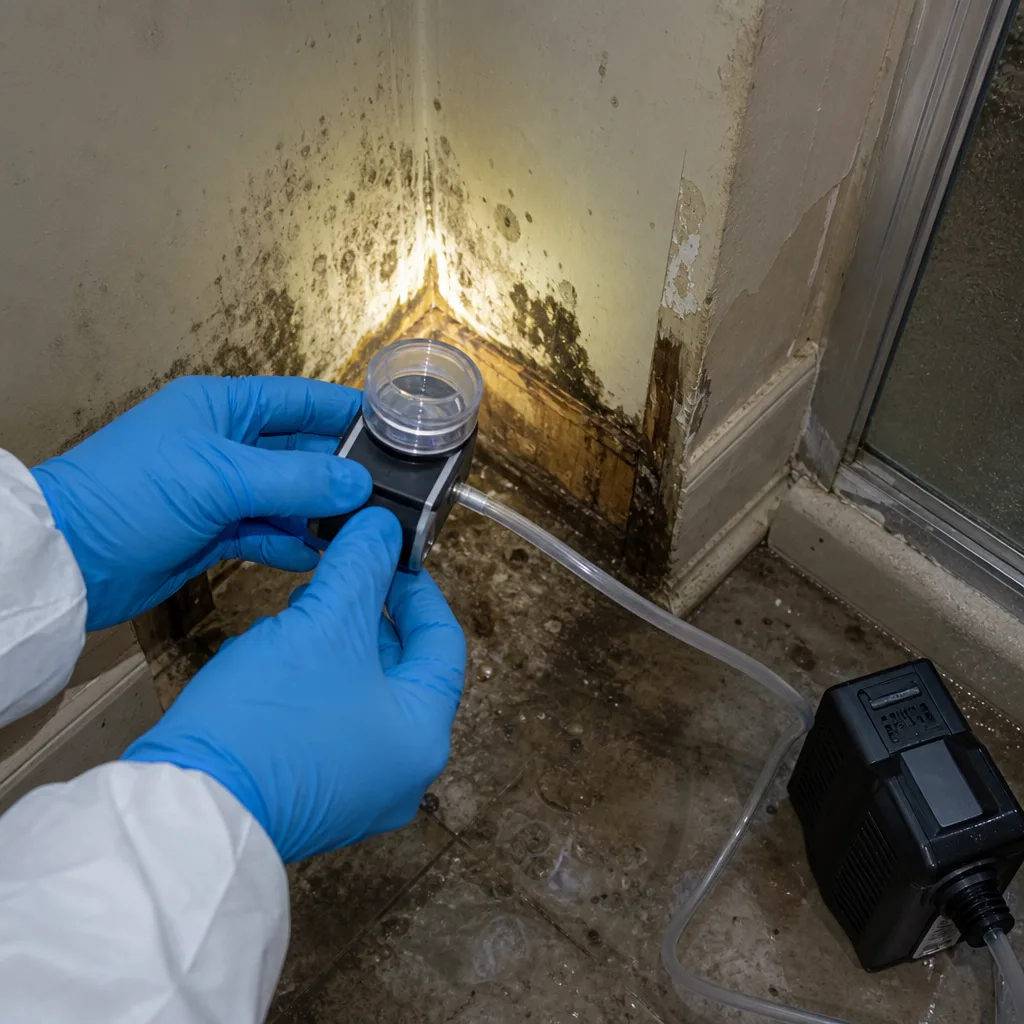
Contents Cleaning & Pack-Out
Furniture, clothing, paperwork, and heirlooms absorb smoke even in rooms the fire never reached. We inventory items, pack out what can be restored, clean it in a controlled environment, and store it until the structure is ready. For a St. Albans homeowner with a lifetime of belongings in a finished basement, a documented contents cleanout prevents the insurance conversation from collapsing into a lump-sum settlement that doesn’t cover replacement.
Emergency Board-Up & Tarping
A burned-out window frame or roof section on a Merrick Boulevard-fronting rowhouse is an open invitation: weather, trespass, animals, more damage. We board and tarp the same day, and we do it properly, with gasketed fasteners that don’t tear more brick out of 70-year-old mortar. This is also the step that keeps your insurance carrier from denying secondary damage under a failure-to-mitigate clause.
What happens when you call
- 1
A real person answersNo phone trees - you reach a local pro.
- 2
You get an upfront price rangeHonest numbers before anyone is dispatched.
- 3
A background-checked tech heads outLicensed & insured, dispatched right away.
- 4
You approve before work beginsNothing starts until you say go.
Fire & Smoke Damage Restoration Costs in St. Albans, NY
What you’ll pay in St. Albans depends on how far the smoke traveled and how much water the firefighters put down. Emergency board-up and tarping on a rowhouse front window typically runs $400 to $800 in this neighborhood. Smoke and soot cleanup for a single kitchen fire with no structural damage usually lands between $2,500 and $5,000. When fire reaches structural members and we’re sistering joists or replacing a section of roof decking, costs climb to $8,000 to $30,000 or more depending on the square footage and the condition of what’s underneath. Odor removal and deodorization for a whole rowhouse, including the basement and the attic, runs $1,800 to $4,500. Contents cleaning for a full basement pack-out typically starts around $3,000 and goes up from there. Most fire and smoke claims are covered under a standard homeowners policy, and we bill your carrier directly. For seniors and veterans in St. Albans, there’s always a 5% discount, and any repair over $250 takes $50 off. The free visual inspection gives you a firm written scope before anything starts. Call (631) 557-5029 for an exact quote, estimates are free.
We Also Serve Cities Near St. Albans
Our crews work daily in Fire & Smoke Damage Restoration assignments that extend into Queens Village, Bellerose, New Hyde Park, and Cambria Heights, and the Fire & Smoke Damage Restoration in St. Albans team knows every street in this corner of southeastern Queens. The response routes, the building types, and the fire damage patterns don’t change much at the border.
Serving St. Albans, NY - Our Local Coverage Area
We’re based in the St. Albans area and know this community well. Use the map below to see our service coverage - if you’re nearby, we can almost certainly help.
St. Albans Fire & Smoke Damage Restoration Questions, Answered
After a kitchen fire in a St. Albans rowhouse, how do you stop smoke odor from migrating into my neighbor’s attached home?
You stop it with containment and pressure control. We seal the shared wall cavities, run HEPA scrubbers in negative air on your side, and monitor the stairwell and the party wall void with a thermal camera to verify no smoke is crossing. Odor that already reached the neighbor’s side is removed with the same thermal fogging and hydroxyl treatment we use in your space, and we coordinate directly with the neighbor so the whole block doesn’t develop a complaint.
My finished basement got smoky from a fire upstairs, but it’s an unpermitted apartment. Will your fire and smoke restoration work get me fined by DOB?
Not if we scope the job right. We check DOB occupancy records before any repair work on a St. Albans finished basement, and we document pre-loss condition so the restoration is framed as mitigation and structural repair, not new construction. Containment stays up the entire time, and no inspection trigger is pulled. This is one of the most common situations we see in this neighborhood, and we’ve navigated it with carriers and code enforcement dozens of times.
Why did my St. Albans basement still smell like smoke weeks after a small fire, even after I repainted?
Because painting over smoke residue is like painting over grease. The oily soot particles are still in the drywall, the sill plate, and the floor joists, and they off-gas through the fresh paint. In St. Albans’s flat, low-lying basements, there’s not enough air movement to carry the odor out naturally, so it just recirculates. The wall cavities have to be opened, the framing cleaned and sealed, and the air itself treated with hydroxyl or ozone before any finish coating goes on.
What’s the difference between the water from the fire hoses and the water already pooled in my basement floor drain after a St. Albans rainstorm?
The fire hose water is likely category 2, meaning contaminated but not fully pathogenic. The water in your floor drain after a heavy rain in St. Albans is category 3, because the combined sewer system backs up raw sewage into basement drains. When both are present, everything is treated as category 3: full antimicrobial treatment, containment, and disposal protocols. The water may look the same, but the risk is not.
Can you board up my St. Albans rowhouse and also repair the structural damage from fire, or do I need two companies?
One company, one team. We board up, tarp, extract water, remove soot, treat odor, and rebuild the charred framing, drywall, and finish work with the same certified crew. You never get handed off to a subcontractor, and the 90-Day Done Right Promise covers the whole job from board-up to final paint. That’s the full-cycle model Floodline Restoration Co. was built around.
How fast can a crew actually reach a St. Albans address?
Our dispatch commitment is 45 minutes in the St. Albans area, day or night. We answer live at (631) 557-5029 and a certified crew starts rolling immediately. The board-up and stabilization happen the same visit, and extraction is running before the crew leaves the first time.
Will my insurance cover smoke and soot cleanup if there was no structural fire?
In most cases yes. Smoke and soot damage from a contained kitchen fire, a furnace puff-back, or even a neighbor’s fire that pushed smoke through the shared wall is a covered peril under standard homeowners policies in New York. We document the damage thoroughly, provide photos and a line-item scope, and bill the carrier directly. Call (631) 557-5029 and we’ll walk you through exactly what your policy covers.
What should I do in the first 30 minutes after a fire in my St. Albans home?
Call us, then don’t touch anything. Don’t wipe soot, don’t turn on the HVAC fan, don’t plug in electronics, and don’t walk through the wet area in street shoes. Every step you take presses soot deeper into carpet and finish surfaces. The faster we start extraction and air scrubbing, the less total restoration work is needed. Call (631) 557-5029 right now and a live dispatcher will walk you through it.
Written by Curt Bowman, Owner at Floodline Restoration Co., serving St. Albans with full-cycle fire, water, and smoke restoration backed by the 90-Day Done Right Promise.