
Free visual inspection and a written scope of work before any mitigation begins - photos, moisture readings, and drying logs go in your claim file
The scope we write is the scope we bill. Anything new gets shown to you, in writing, before we touch it.
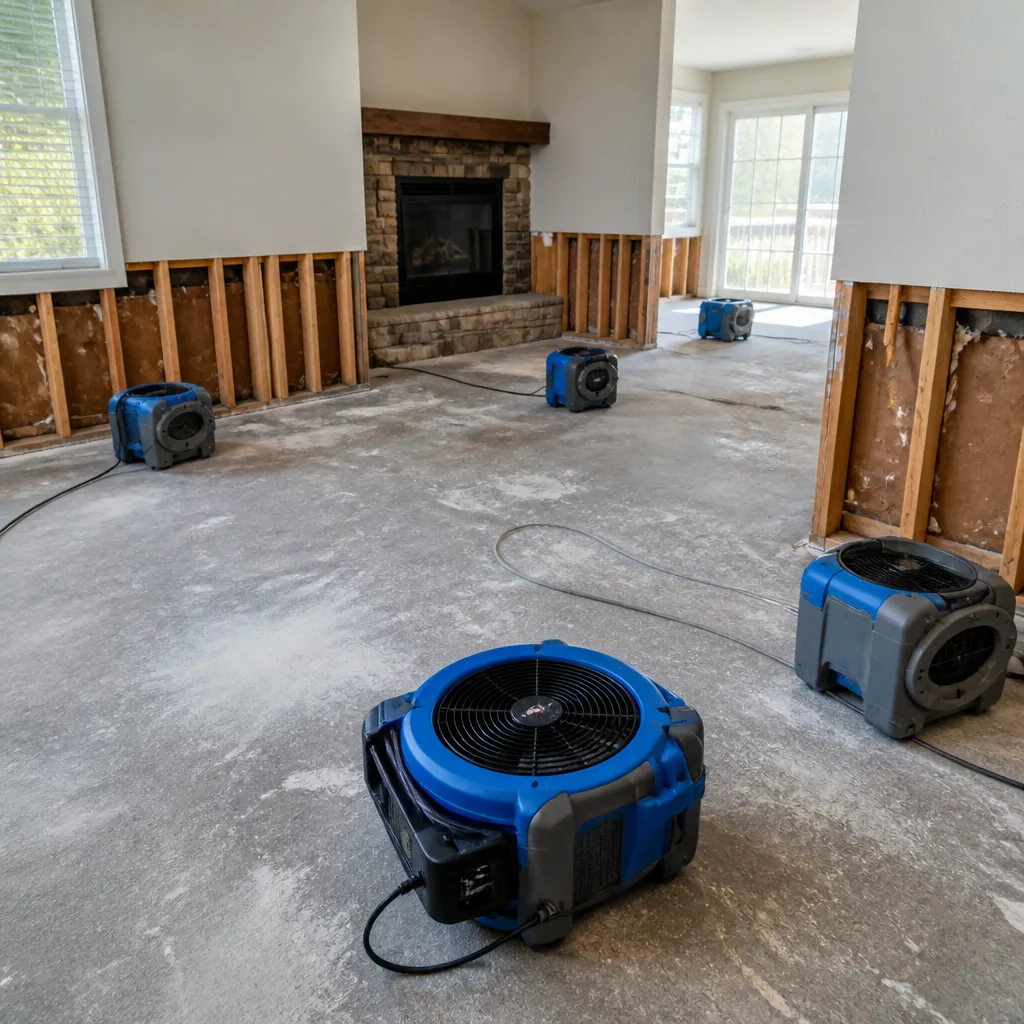
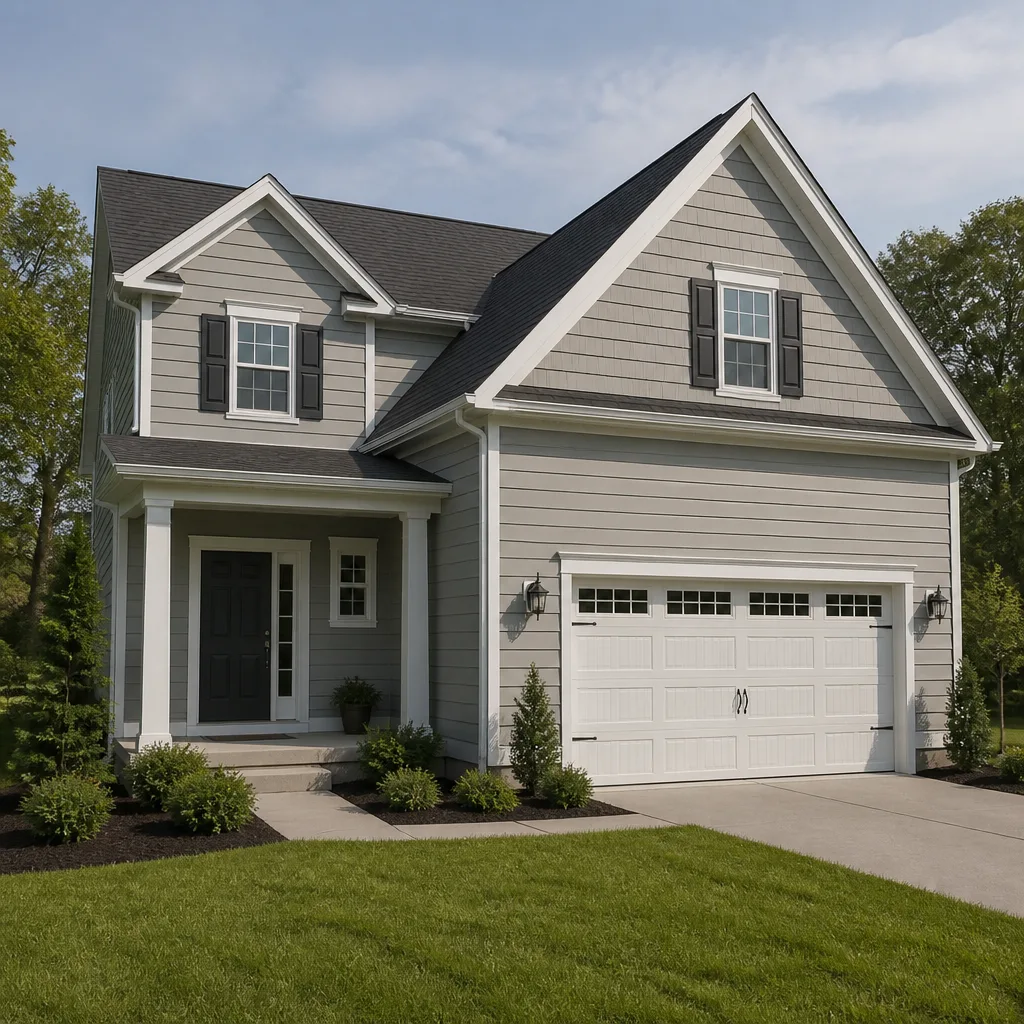
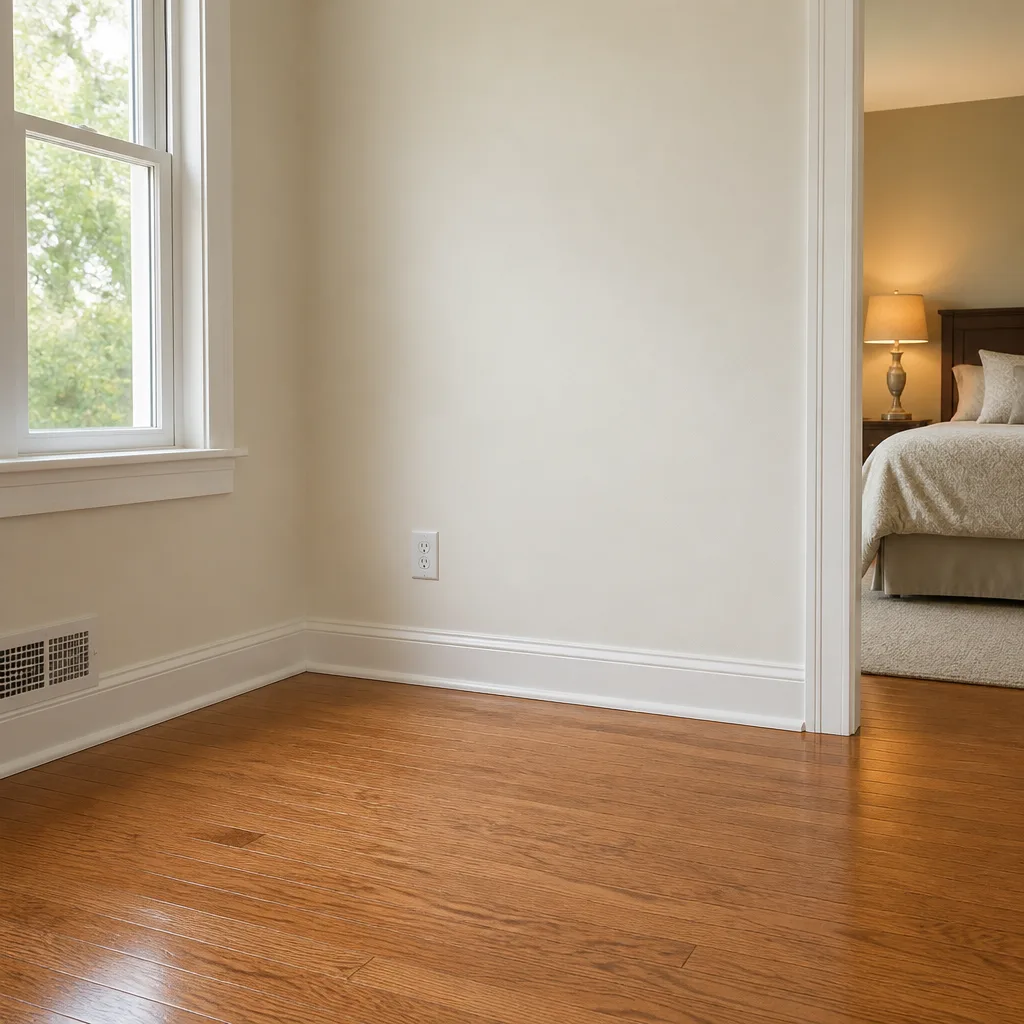
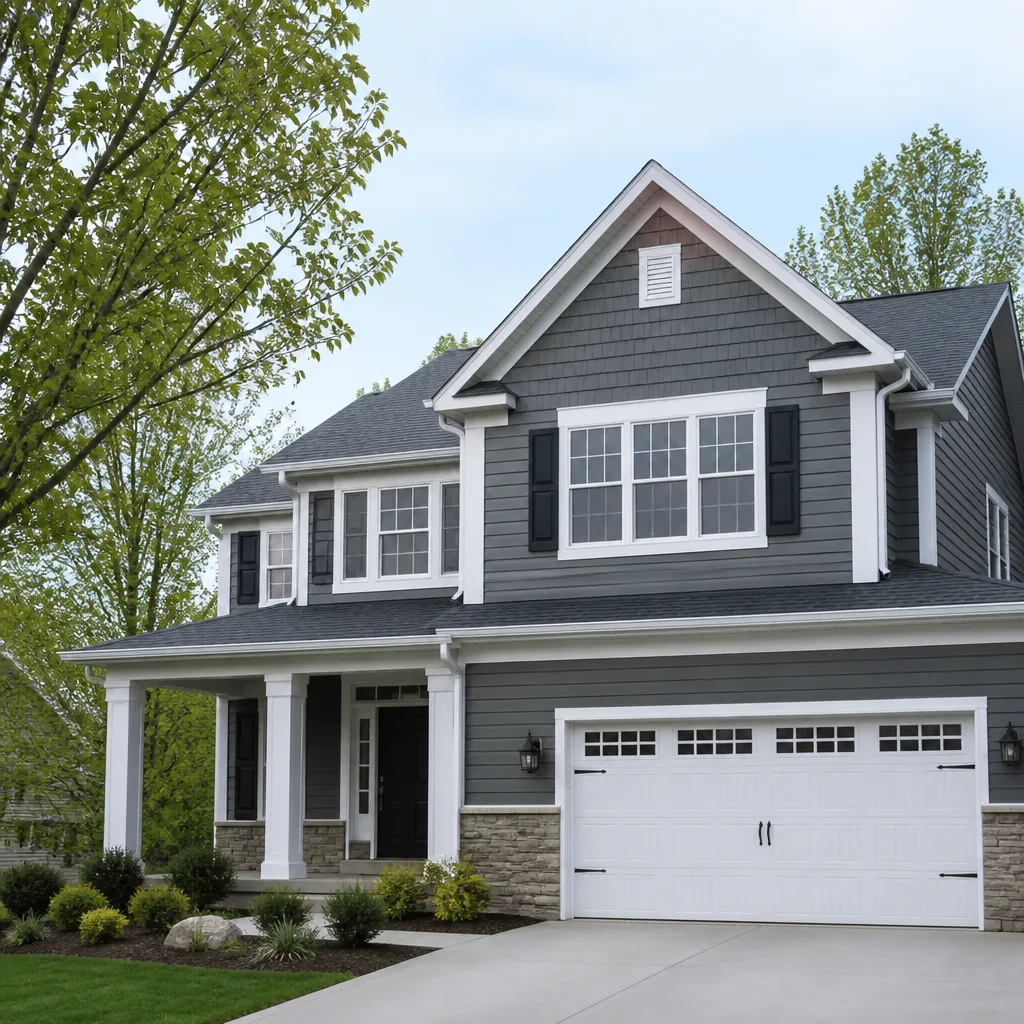
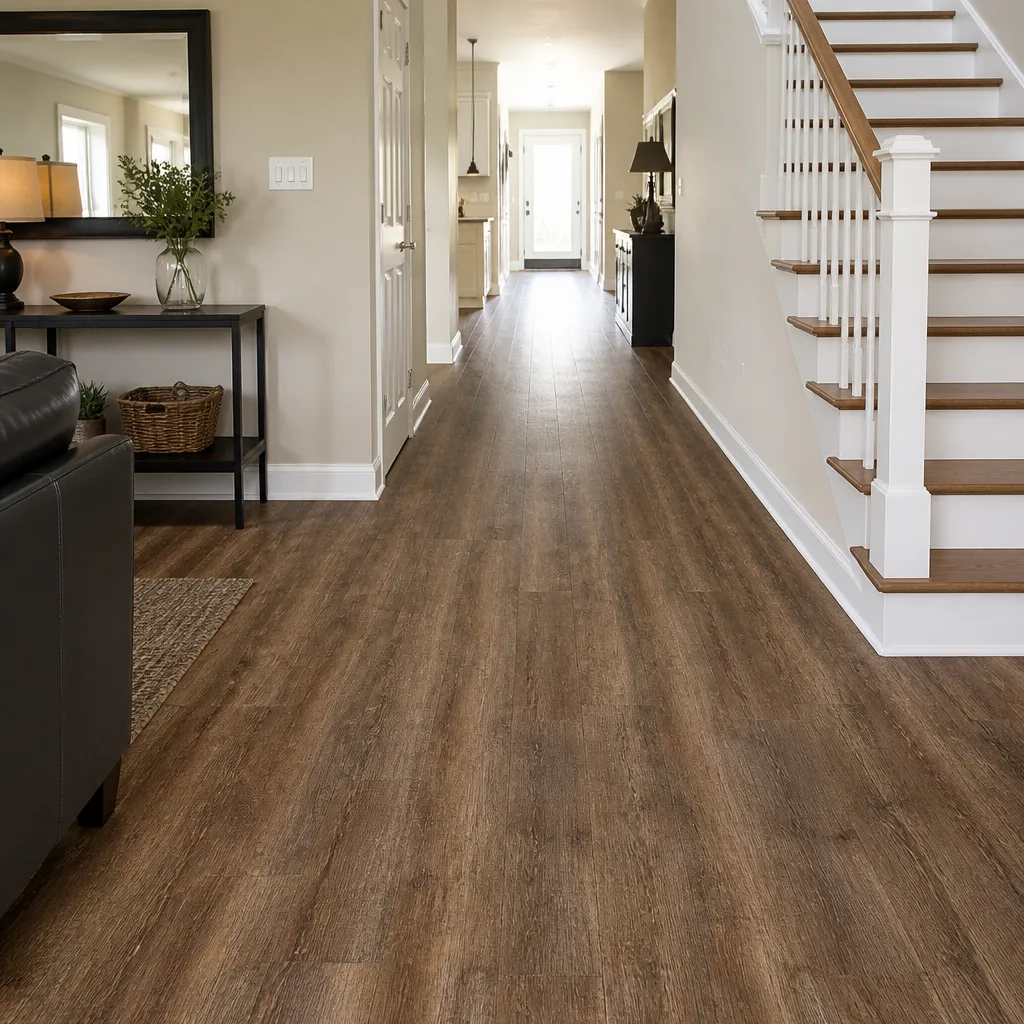
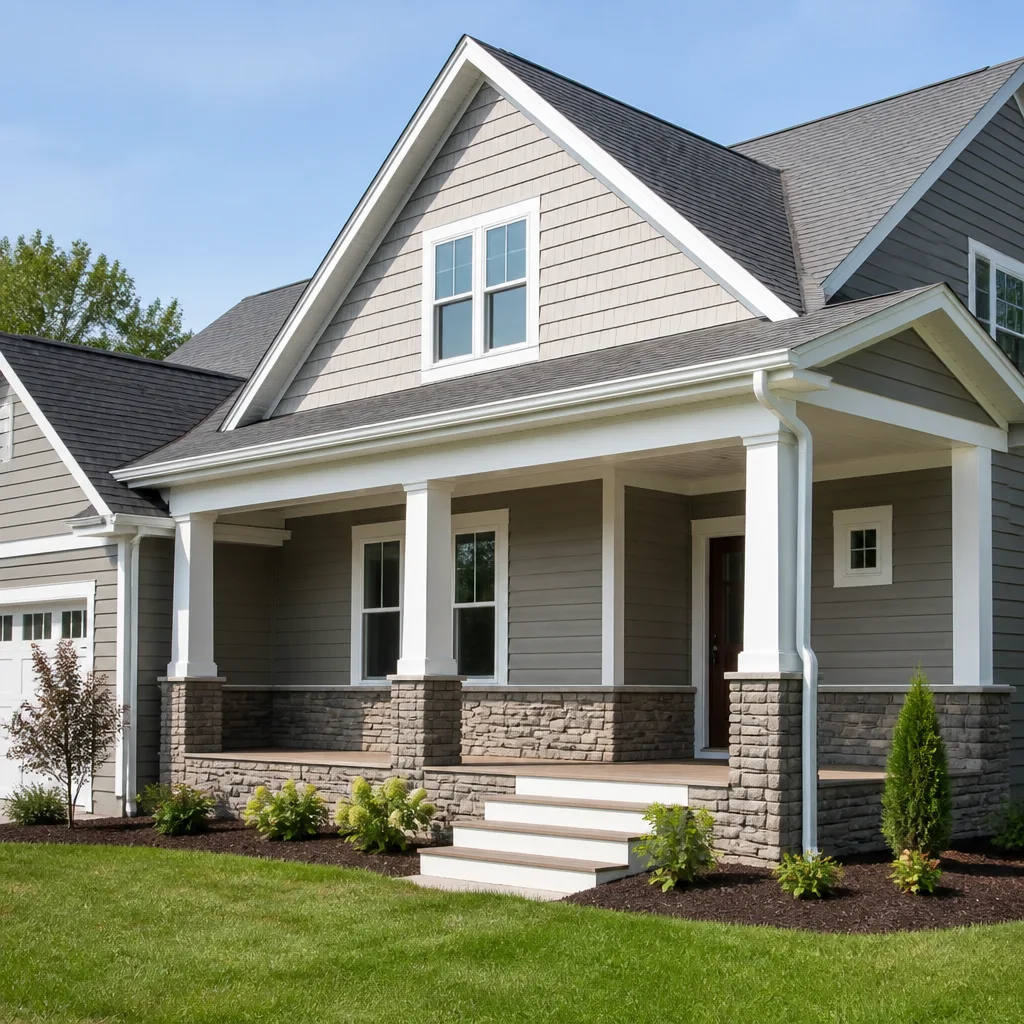
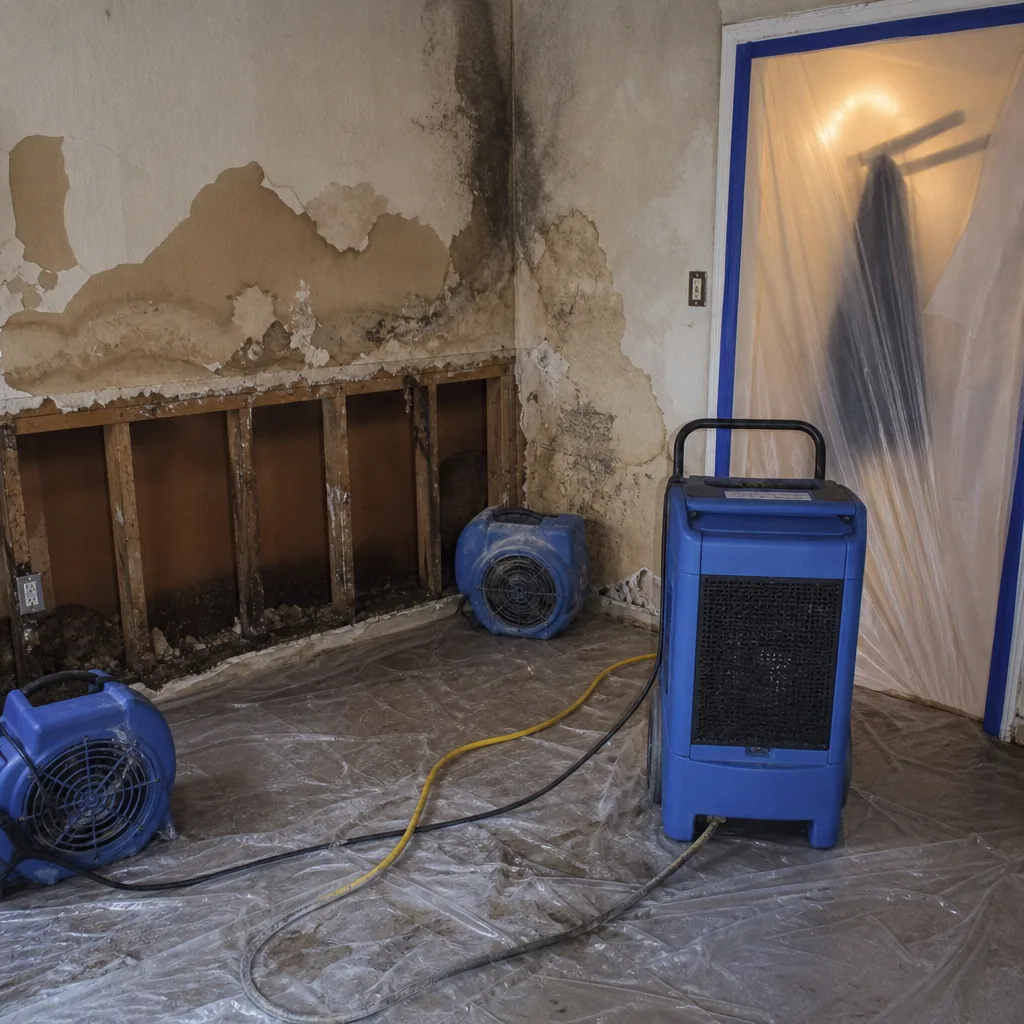 Before
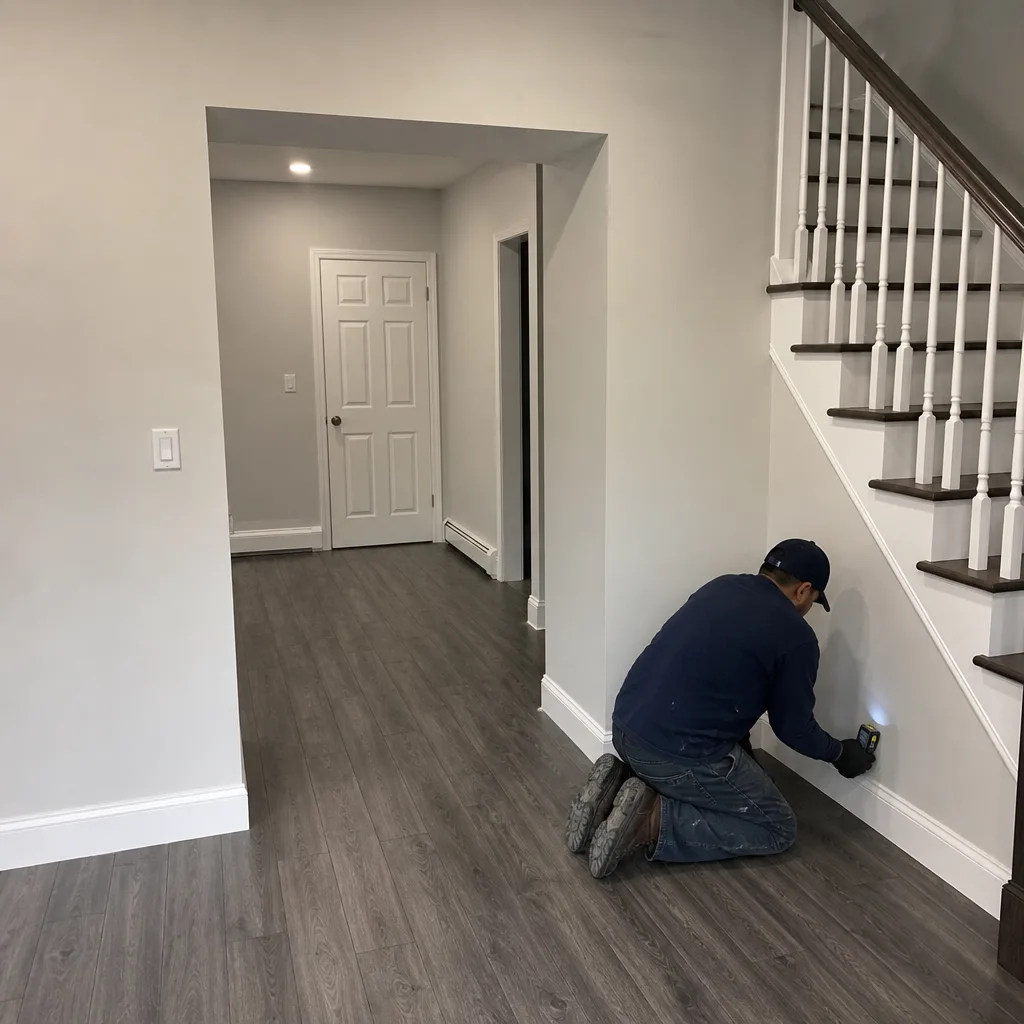 After
After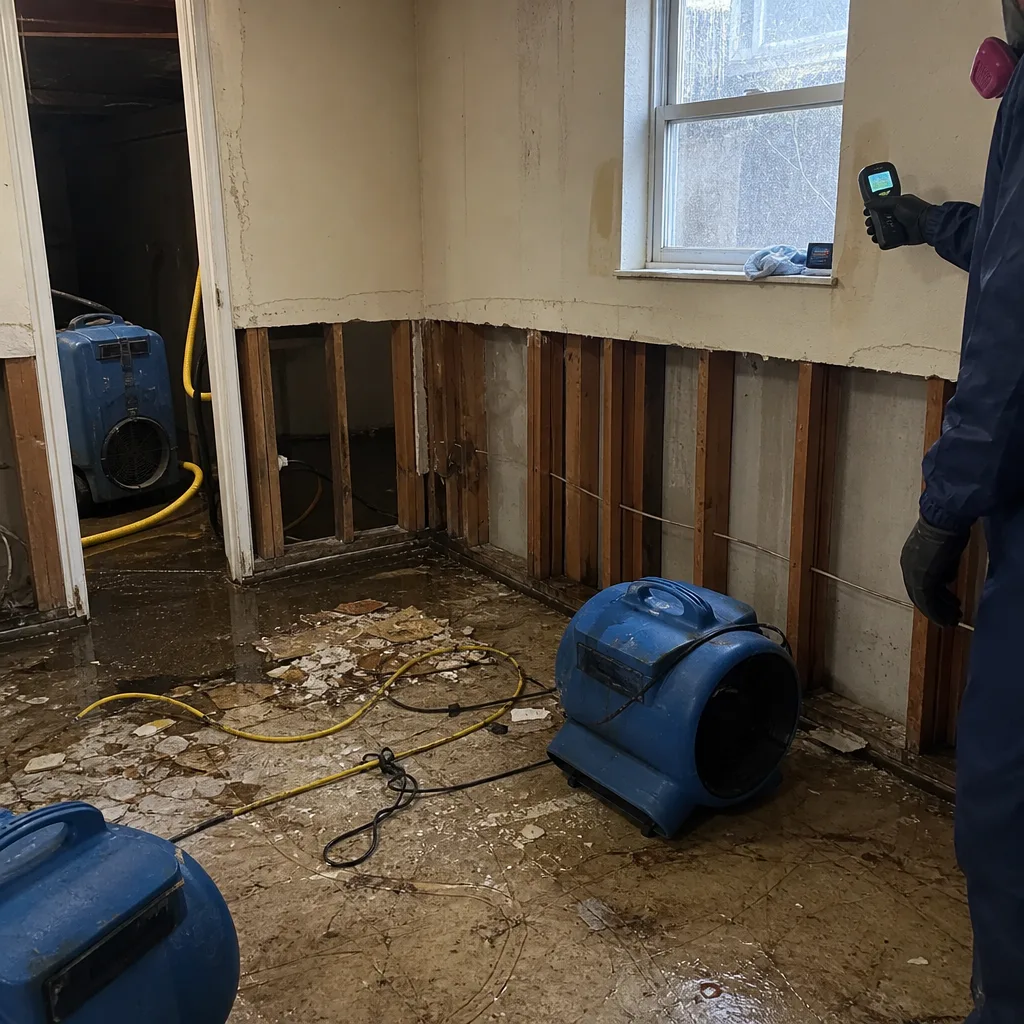 Before
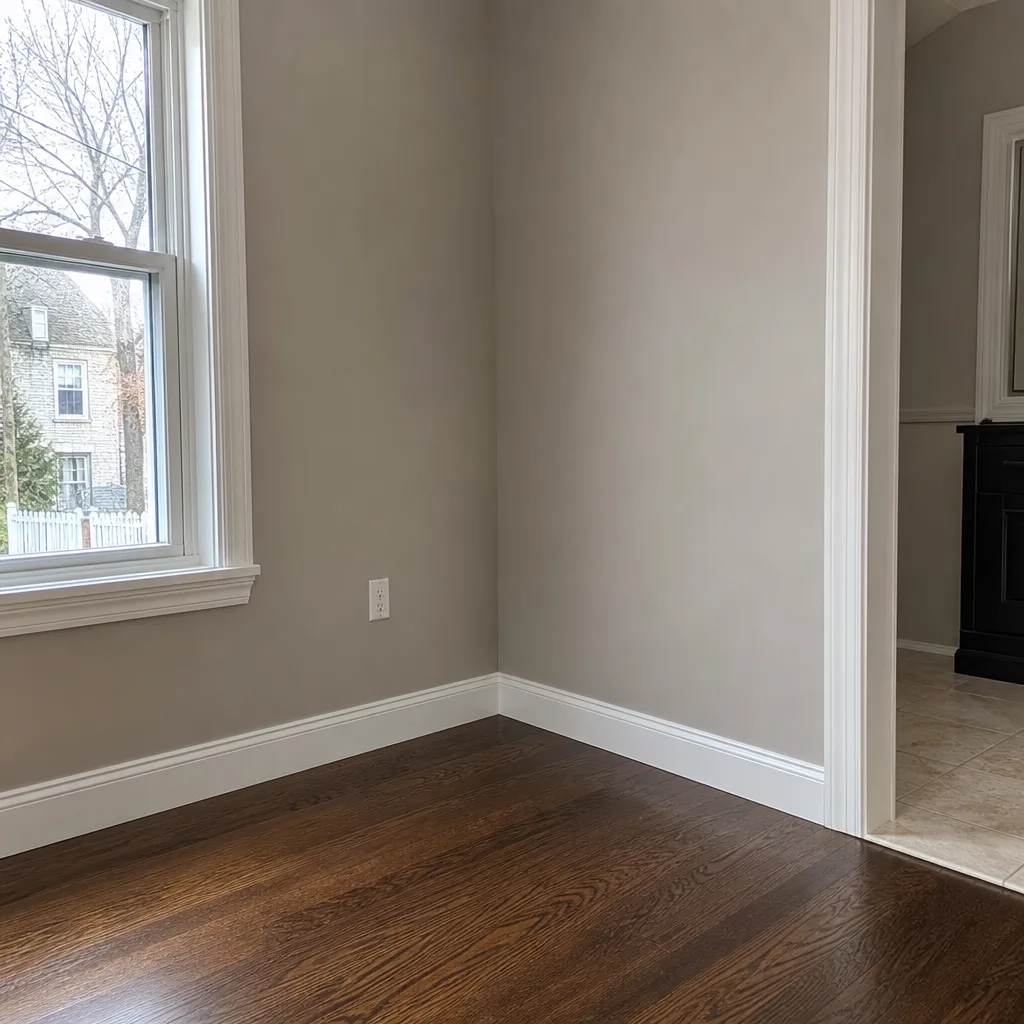 After
After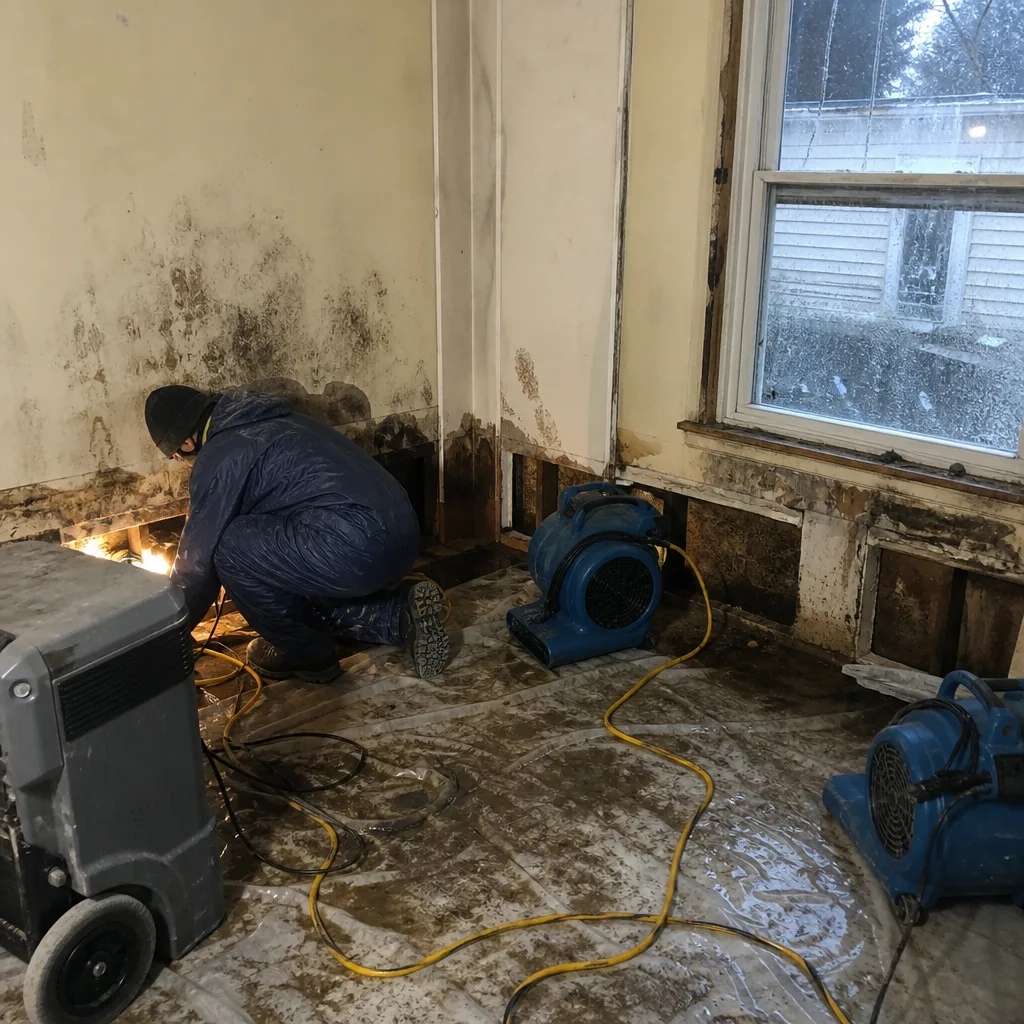 Before
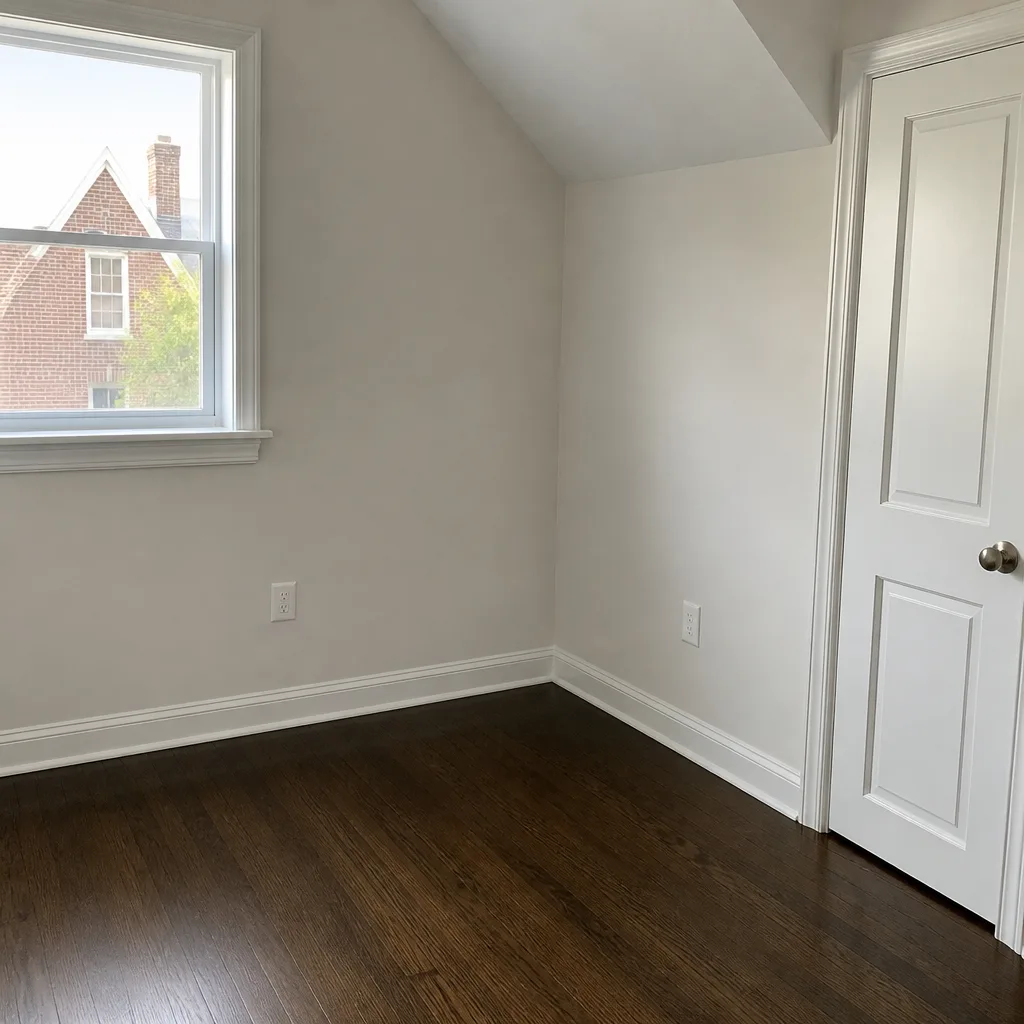 After
After24/7 Emergency Mold Remediation in St. Albans
Mold remediation in St. Albans typically costs between $2,400 and $6,800 for a finished basement job, with inspection and testing running $350 to $650. The sooner we start, the less it costs. Call (631) 557-5029 and a live dispatcher answers right now, day or night. We dispatch crews into St. Albans within 45 minutes of your call, because every hour of active moisture means more drywall to cut out and more flooring to pull. The first hour after you spot mold or a slow basement leak is when containment keeps spores out of your upstairs living space. We do a free visual inspection first. Then we give you a written scope before any work starts. No pressure, no inflated estimates. Just a straight answer about what you’re dealing with.
Understanding Mold Remediation Severity in St. Albans Properties
Mold severity in St. Albans homes breaks down by water category and building vintage. Category 1 water, clean supply-line or rainwater, can grow mold within 48 to 72 hours if humidity stays above 60%. Category 2, gray water from washing machines or sump pits, carries contaminants that feed faster growth. Category 3, sewage-backup water from the neighborhood’s combined sewer system, demands full biohazard containment before any mold work begins, because you’re dealing with pathogens and mold simultaneously. Moisture mapping with thermal imaging tells us where water has wicked behind 1940s and 1950s plaster, drywall, and wood paneling that’s common in St. Albans rowhouses. We use air scrubbers and physical containment to keep spores from migrating to the rest of the house. Clearance testing after remediation confirms the job’s done, not just visually, but by air sample. In St. Albans’s low-lying terrain, a basement that looks dry at the surface can still be holding 70 to 80 percent relative humidity inside the wall cavities, feeding mold you can’t see yet.
Why St. Albans Property Owners Choose Floodline Restoration Co.
- 45-minute response commitment – A live dispatcher confirms a crew in your part of St. Albans immediately, not a call-back later.
- 24/7 live answer, never an automated system – At 2 a.m. you get a person who can actually dispatch, not a recording.
- IICRC-certified crews – Our technicians hold AMRT and WRT certifications, trained for mold remediation and water damage restoration.
- Free visual inspection – We look first, explain what we found, and give you a written scope. You decide.
- Direct insurance billing – We bill your carrier directly and send them the documentation they need. You never play messenger.
- One team from extraction to reconstruction – The crew that removes mold-damaged drywall is the same certified team that rebuilds it.
Our Mold Remediation Process
Inspection & Assessment
We start with a free visual inspection and moisture mapping using thermal imaging and hygrometers. If testing is needed, we take air and surface samples before any containment goes up. You get a written scope with line-item pricing, no surprises.
Containment & Stabilization
We seal the affected area with physical containment and negative air pressure, using HEPA scrubbers to capture spores. Stabilization means stopping the moisture source, whether it’s a leaky window well, a backed-up floor drain, or groundwater seepage behind finished walls.
Drying & Dehumidification
Professional-grade Dri-Eaz and Phoenix dehumidifiers drop the relative humidity in wall cavities and slab areas to below 50%. We log daily moisture readings until the dry standard is met, and we hand that log to you and your insurance carrier.
Cleaning & Sanitization
We remove mold-damaged drywall, paneling, insulation, and any porous material that can’t be saved. Framing gets treated with antimicrobial where appropriate. Hard surfaces get HEPA-vacuumed and sanitized to IICRC standards.
Air Quality Restoration
Air scrubbers run continuously during remediation, and we run post-remediation clearance testing. We’re looking for indoor spore counts that match or beat outdoor baseline levels for St. Albans. You get the lab results.
Repairs & Restoration
The same Floodline crew that did the remediation handles the rebuild: drywall, framing, flooring, trim, paint. We do it to match what was there before, and we stand behind it with the 90-Day Done Right Promise in writing.
Need Emergency Mold Remediation in St. Albans Now?
Crews minutes away, answering live 24 hours a day. The sooner we start, the less it costs.
Working With Your Insurance Company
We handle the claim from the first hour. Our crews document every square foot of affected area with photos, moisture readings, and a line-item scope that your adjuster can actually work with. We speak the same language insurers do: IICRC standards, drying logs, Category 1/2/3 classification. Direct billing means Floodline Restoration Co. coordinates with your carrier, sends the documentation, and follows up. You’re not faxing photos at midnight. Flood-related mold in St. Albans is commonly covered when the water event that caused it is covered. Sewage backup coverage varies by policy. We’ll tell you what we see, and we’ll document it so your adjuster sees it too.
What We Provide Your Insurer
- Thorough documentation of the loss
- Photos of all damage, room by room
- Moisture readings and drying logs
- A detailed, line-item scope of work
- Direct coordination with your carrier
Built for St. Albans’s Loss Calendar
St. Albans gets hit differently than higher-elevation parts of Queens. January deep freezes burst copper supply lines in 1940s and 1950s rowhouses, flooding basements while the water runs behind walls and under vinyl flooring. Spring thaw means groundwater rises through the neighborhood’s historically marshy soil, seeping through slab cracks and cove joints. Summer thunderstorms overwhelm the combined sewer system along Linden Boulevard and Merrick Boulevard, backing Category 3 water through basement floor drains. A 2 to 3 inch rain event here does what a 6 inch event does in Forest Hills, because there’s nowhere for the water to go. Fall nor’easters push storm surge and heavy rain into the same low-lying grade. That’s the St. Albans mold calendar: water events year-round, mold 48 hours behind them. The variable is whether the moisture gets caught early or sits for two weeks while a finished basement quietly grows contamination behind paneling and drywall.
Mold Remediation Across St. Albans’s Neighborhoods
The block-by-block reality of Mold Remediation in St. Albans depends on where you are. Near Addisleigh Park, the 1930s and 1940s brick colonials and semidetached homes have shallower basements and older stone foundations, which means groundwater seepage weeps through mortar joints and behind paneled walls, the kind of slow moisture that breeds mold before anyone notices. Along Linden Boulevard, the mix of frame and brick rowhouses sees sewer-backup contamination more often, simply because the main drains run saturated during heavy rain. Over by Baisley Pond Park, homes sit even closer to the water table, and sump pumps cycle constantly in wet months; a failed pump means a flooded basement and mold inside a week. North of Merrick Boulevard, the single-family frame houses with owner-finished basements, many built out in the 1960s and 1970s, have drywall-over-concrete walls that trap moisture against the slab. Each area responds to the same rain differently, and our crews route accordingly, but the answer is always the same: stop the water, dry the structure, remove what’s contaminated, and rebuild it right.
Specialized Mold Remediation Services We Offer in St. Albans
Mold Inspection & Testing
We test before and after. Pre-remediation sampling tells us what species we’re dealing with and what the spore load is. For St. Albans basements with a history of sewer backup, we commonly test for more than just mold, because Category 3 water brings bacteria and endotoxins that don’t show up in a standard mold panel. Post-remediation clearance confirms the job’s finished to a standard you can hold in your hand.
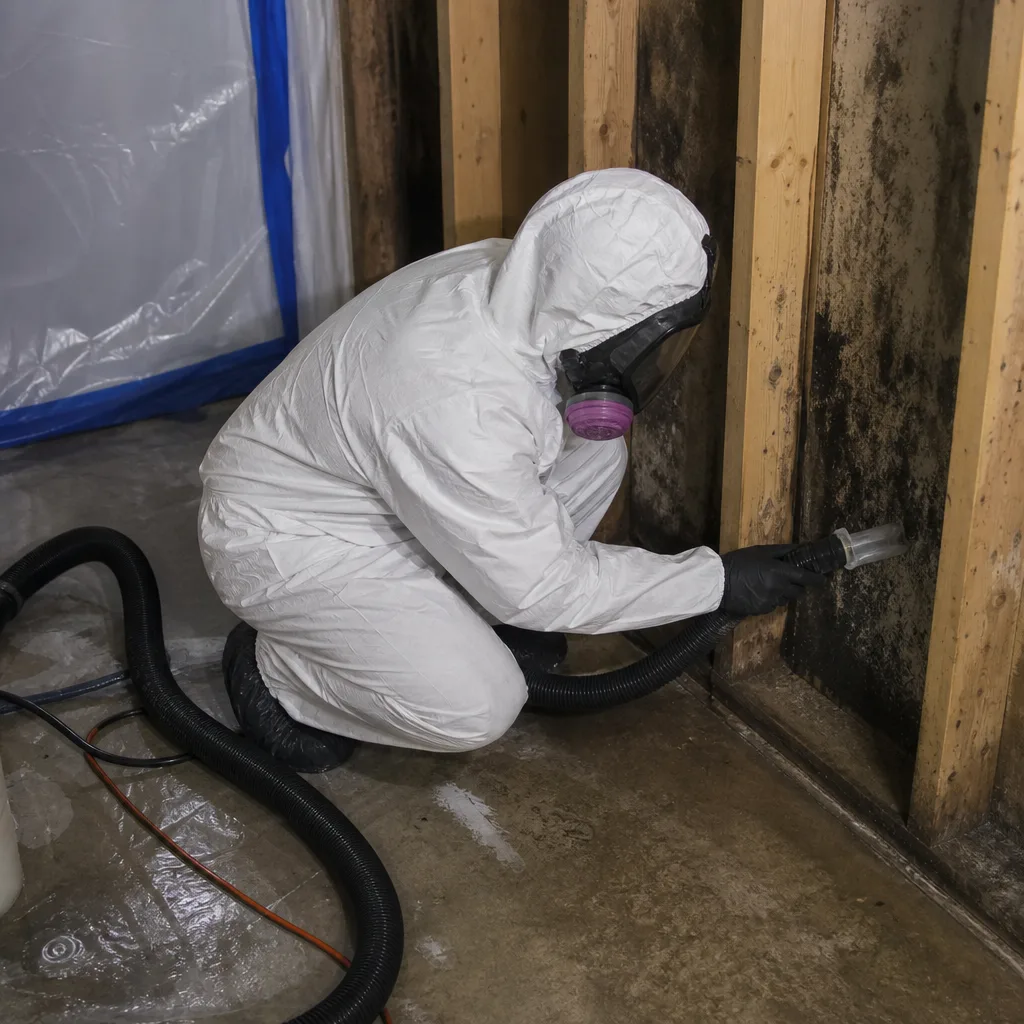
Mold Removal
Mold removal in St. Albans means cutting out the material that can’t be saved: drywall, paneling, insulation, carpet pad. Wood framing gets wire-brushed, HEPA-vacuumed, and treated with antimicrobial where the damage is superficial. We don’t just spray bleach and paint over it. We remove the mold’s food source and dry the cavity to below 50% RH.
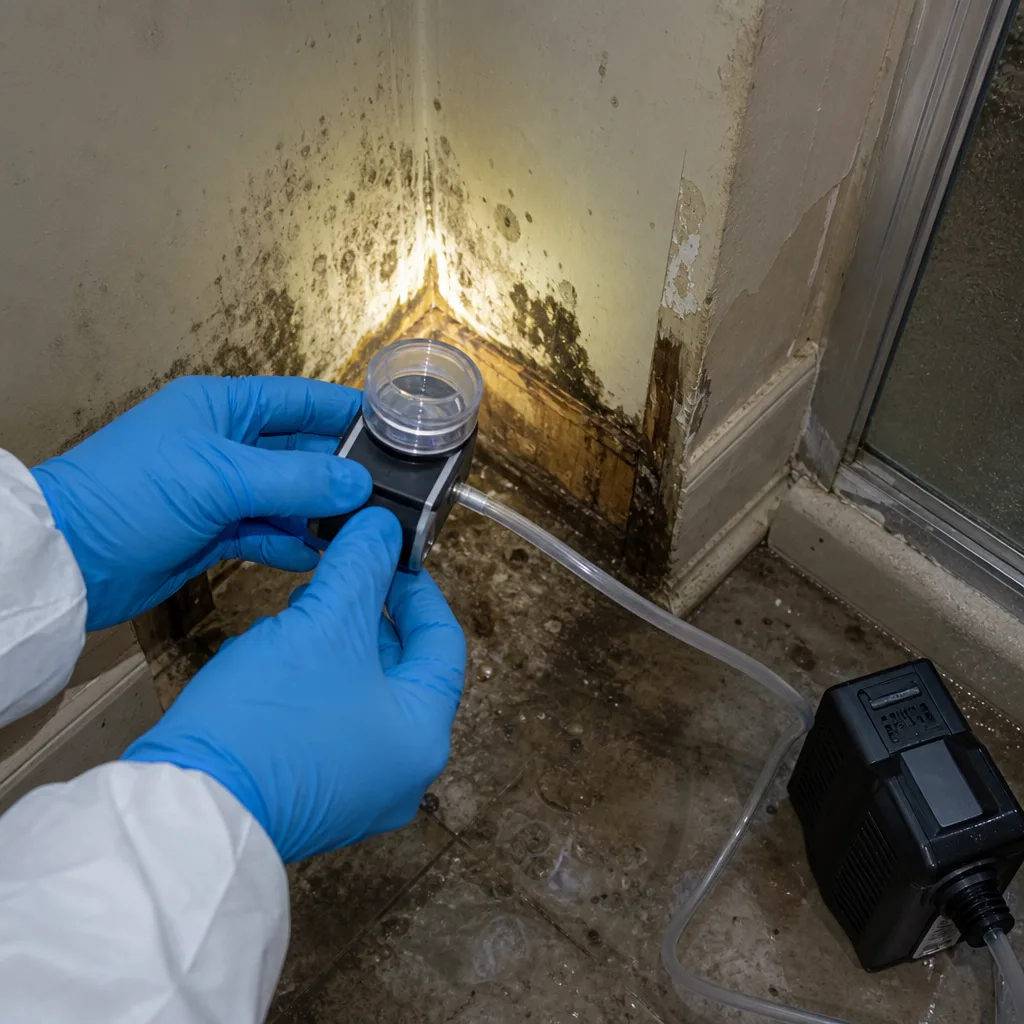
Black Mold Remediation
Stachybotrys, what most people call black mold, grows on materials that have been wet for a long time, usually behind walls or under floors that flooded and never fully dried. St. Albans’s low-lying grade and combined sewer backups create exactly those conditions. We treat black mold jobs with full containment, HEPA air scrubbing, and proper PPE. We don’t cut corners on a hazardous material.
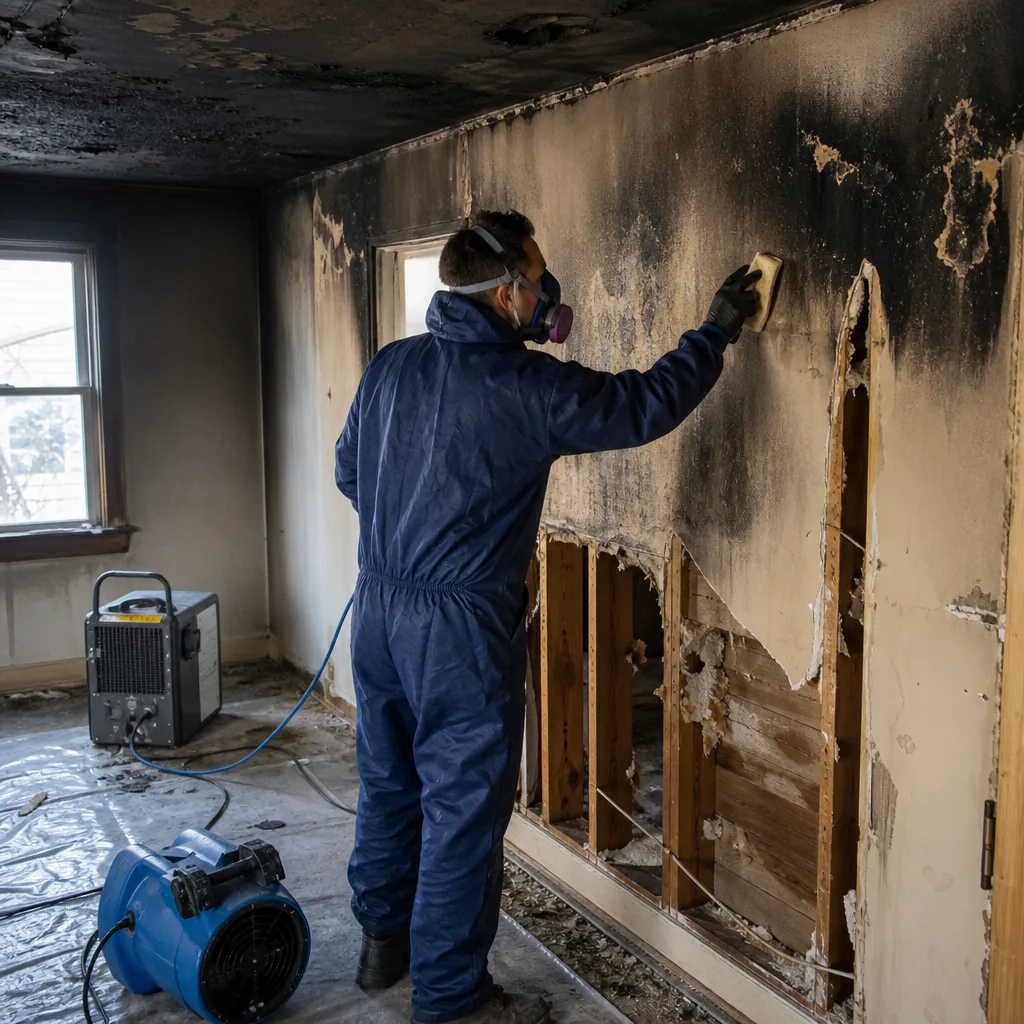
Air Quality Restoration
Mold spores travel. A basement contamination problem in a St. Albans rowhouse works its way up through floor joists and the shared wall cavities between adjoining homes. We run HEPA air scrubbers during remediation and check the air afterward. The goal is a basement that reads as clean as the outdoor air on Linden Boulevard, not just one that looks clean.
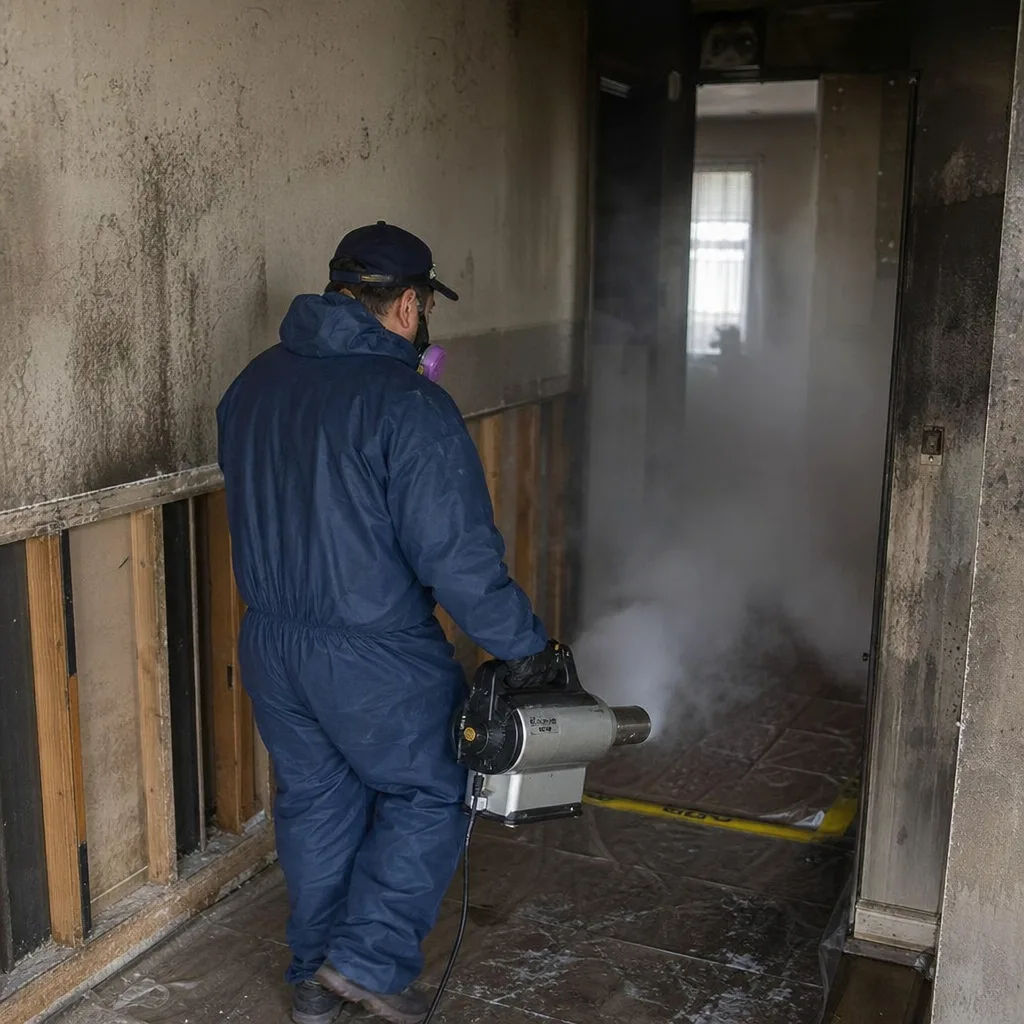
Crawl Space Treatment
St. Albans homes with crawl spaces, mostly the older frame houses off the main boulevards, trap moisture against floor joists and subflooring. We seal vapor barriers, install or repair ventilation, and treat mold on joists and sills. A crawl space that stays dry above 50% RH in July isn’t feeding mold into your first floor.
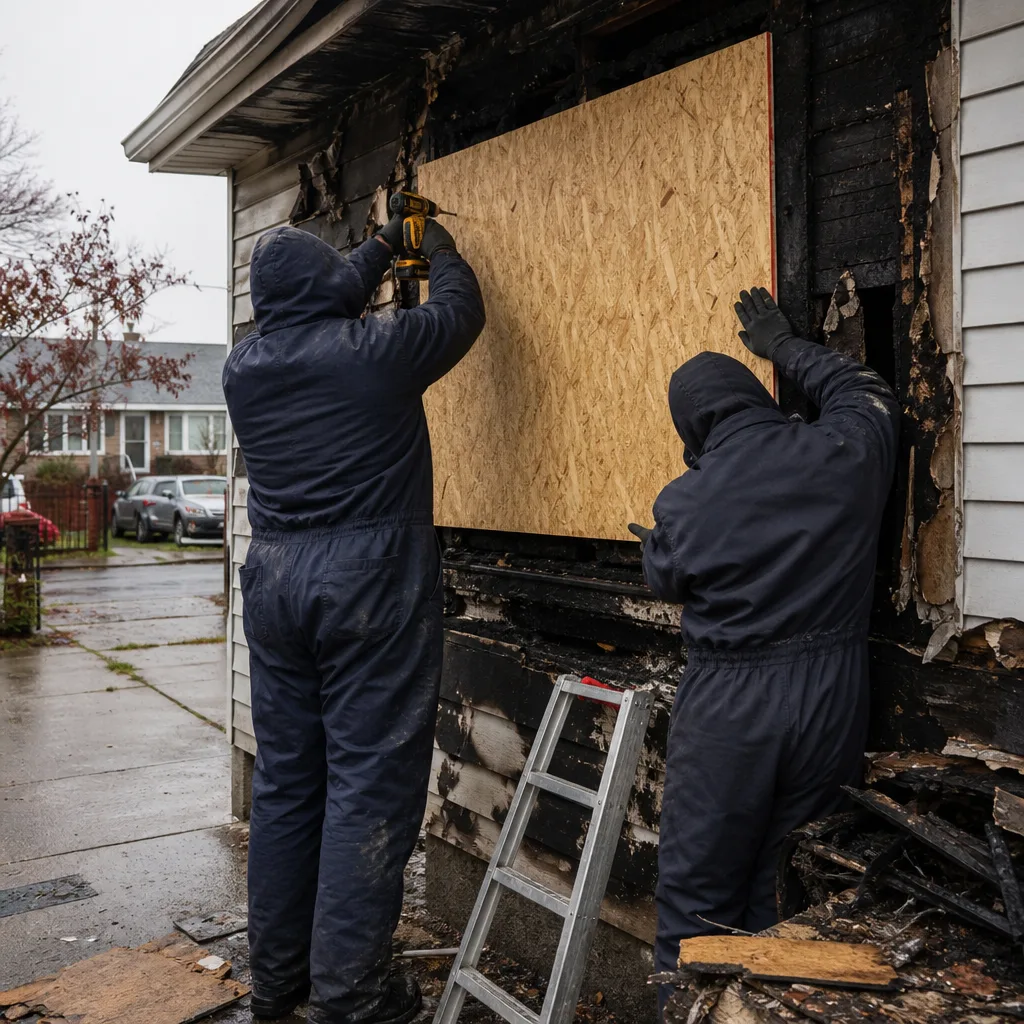
Moisture & Humidity Control
Mold comes back if moisture does. After remediation, we address the source: sump pump upgrades, window well drains, dehumidifier sizing, and downspout corrections. For St. Albans specifically, we look hard at floor drains and the sewer line’s backflow prevention, because that’s where the neighborhood’s water actually enters most basements.
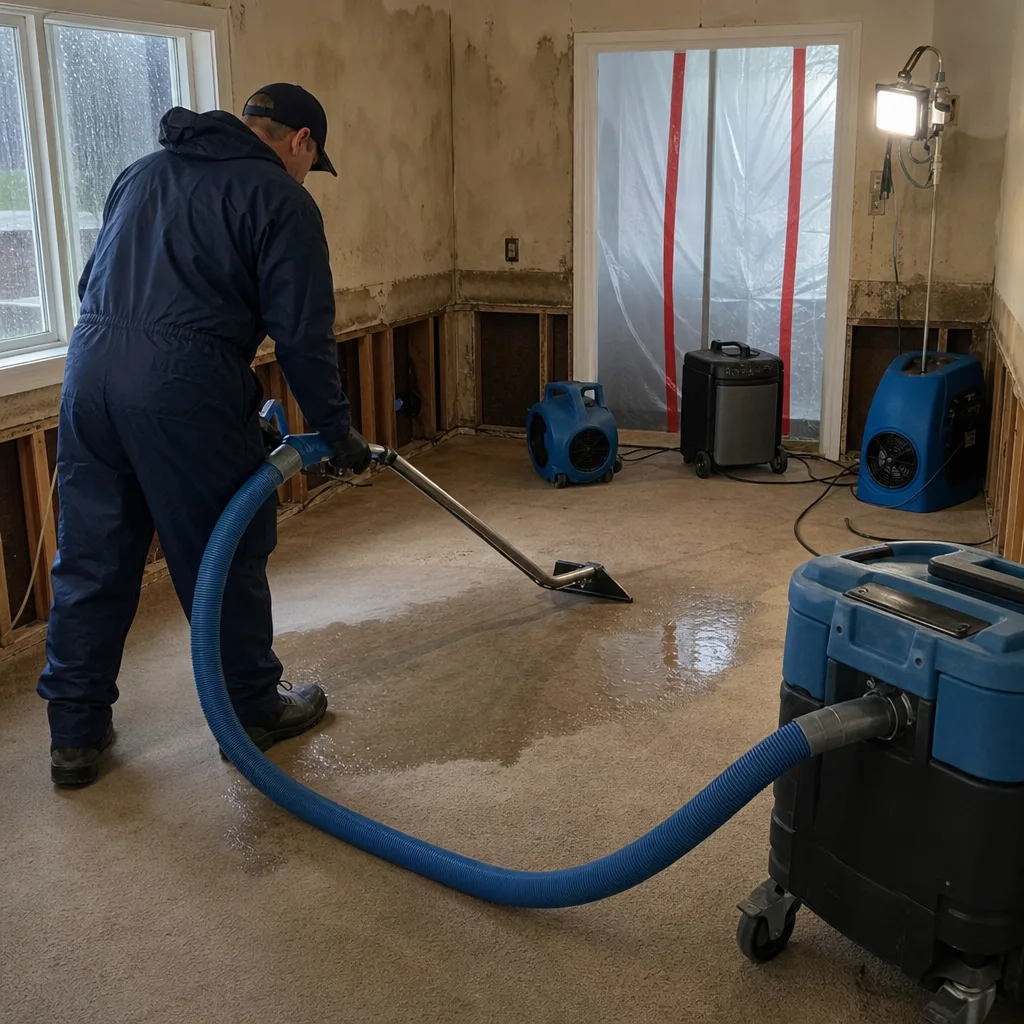
What happens when you call
- 1
A real person answersNo phone trees - you reach a local pro.
- 2
You get an upfront price rangeHonest numbers before anyone is dispatched.
- 3
A background-checked tech heads outLicensed & insured, dispatched right away.
- 4
You approve before work beginsNothing starts until you say go.
Mold Remediation Costs in St. Albans, NY
Here’s what Mold Remediation in St. Albans actually costs. A crawl space mold job with minor surface treatment starts around $1,800 to $3,500. A finished basement with containment, drywall removal, drying, and rebuild runs $4,500 to $9,000. Black mold remediation with full containment and air clearance testing lands between $5,000 and $11,000 depending on square footage. Sewage-related mold, which is common along the combined sewer lines, adds biohazard protocols and typically runs $7,000 to $14,000. The variables are square footage, Category of water, and whether framing needs replacement. Insurance covers the portion tied to a covered water event. Out-of-pocket scenarios usually involve long-standing seepage or humidity-only mold with no single qualifying water event. The free visual inspection gets you a firm, written scope, not an estimate that balloons.
We Also Serve Cities Near St. Albans
Floodline Restoration Co. brings the same 24/7 live dispatch, certified crews, and 90-Day Done Right Promise to homeowners in Queens Village, Bellerose, New Hyde Park, and Cambria Heights. Same square-deal pricing. Same one team from extraction to rebuild.
Serving St. Albans, NY - Our Local Coverage Area
We’re based in the St. Albans area and know this community well. Use the map below to see our service coverage - if you’re nearby, we can almost certainly help.
St. Albans Mold Remediation Questions, Answered
Does St. Albans’ flood-prone terrain mean I need extra mold testing after every basement water event?
Yes, because St. Albans sits on former wetland with a high water table, so water that enters a basement here doesn’t dry out the way it does in higher-elevation neighborhoods. After any basement water event, even a few inches, we recommend moisture mapping within 48 hours and mold testing if any material stayed wet for more than two days. The local combination of marsh soil and combined sewer backups means conditions that cause mold are almost always present. Call (631) 557-5029 and we’ll do a free visual inspection first.
If my basement was rebuilt without a permit and now has mold, can you still remediate it?
We can, but in St. Albans and southeast Queens, NYC DOB enforcement on illegal dwelling units means a stop-work order can freeze remediation if the basement is an unpermitted apartment. Our first step is checking the space’s status before we cut anything. If it’s an owner’s storage or family room with a permit, we proceed normally. If it’s an IDO, we’ll advise you on the code exposure so you can decide how to proceed. We don’t leave you mid-job with a DOB sticker on the door.
Why do St. Albans basements get mold faster than basements in Forest Hills or Flushing?
St. Albans was developed atop former wetland, so the water table is higher and the surrounding ground drains slower. A 2 to 3 inch rain event here sends groundwater into basements that would stay dry on Forest Hills’s higher, rockier grade. Add the neighborhood’s combined sewer system, which backs up through floor drains during heavy rain, and you get Category 2 or 3 water sitting inside finished basements. That combination means mold growth starts faster here because the moisture doesn’t have anywhere to recede.
What’s the difference between Category 2 and Category 3 water in my St. Albans basement?
Category 2 water carries contaminants like washing machine discharge or sump pit overflow. Category 3 is sewage, floodwater, or anything that mixed with the sewer system. In St. Albans, the combined sewer lines along Linden and Merrick Boulevards mean a basement backup is frequently Category 3, not Category 2. Category 3 requires full biohazard containment and more aggressive material removal, which changes both remediation cost and insurance documentation. We classify the water category at the first inspection so your scope is accurate.
How do I know if mold behind my St. Albans paneling is black mold or just mildew?
You can’t tell by looking. Mildew is a surface fungus that wipes off with cleaning. Black mold, or Stachybotrys, grows below the surface of drywall or wood that’s been wet for weeks. The only way to know is lab testing, which we do through air or surface samples. In St. Albans’s 1940s and 1950s homes with original wood paneling, what looks like surface staining is often active mold feeding behind the panel. Call (631) 557-5029 and we’ll test it, not guess at it.
How fast can you actually get to my St. Albans home?
Forty-five minutes, on average, from the time you call. We have crews dispatched from our New York City office that route into St. Albans through Queens Village and Cambria Heights. The dispatcher confirms a crew while you’re still on the phone. Emergency response is live 24/7, every day, including holidays. We don’t put you on a call-back list.
Will my insurance cover mold remediation in St. Albans?
It depends on the water event that caused the mold. If a covered peril like a burst pipe, storm, or sewage backup in a covered line led to the mold, your carrier typically covers the remediation and rebuild, minus your deductible. Long-standing humidity or slow seepage with no qualifying event is usually not covered. We bill your carrier directly and provide the documentation adjusters need, so you never have to argue about what a Category 3 water event was.
What should I do in the first 30 minutes after finding mold in my St. Albans home?
Stop the water if you can. Don’t touch the mold or try to scrub it, because that releases spores and spreads the contamination. Don’t run fans through the room, because that pushes spores into the rest of the house. If there’s standing water, shut off power to that area. Then call (631) 557-5029. A free visual inspection gets you answers without a sales pitch. Do it sooner than later, because mold grows while you wait.
Floodline Restoration Co. has been answering phones with a live person since Curt Bowman founded the company in 2010, and the 90-Day Done Right Promise, our Keystone Standard, has backed every St. Albans mold remediation job we’ve done. One call, one certified crew, one written guarantee. Call (631) 557-5029 now for your free visual inspection.
Written by Curt Bowman, Owner at Floodline Restoration Co., serving St. Albans with mold remediation, water damage restoration, and full rebuilds since 2010.