

Free visual inspection and a written scope of work before any mitigation begins - photos, moisture readings, and drying logs go in your claim file
The scope we write is the scope we bill. Anything new gets shown to you, in writing, before we touch it.
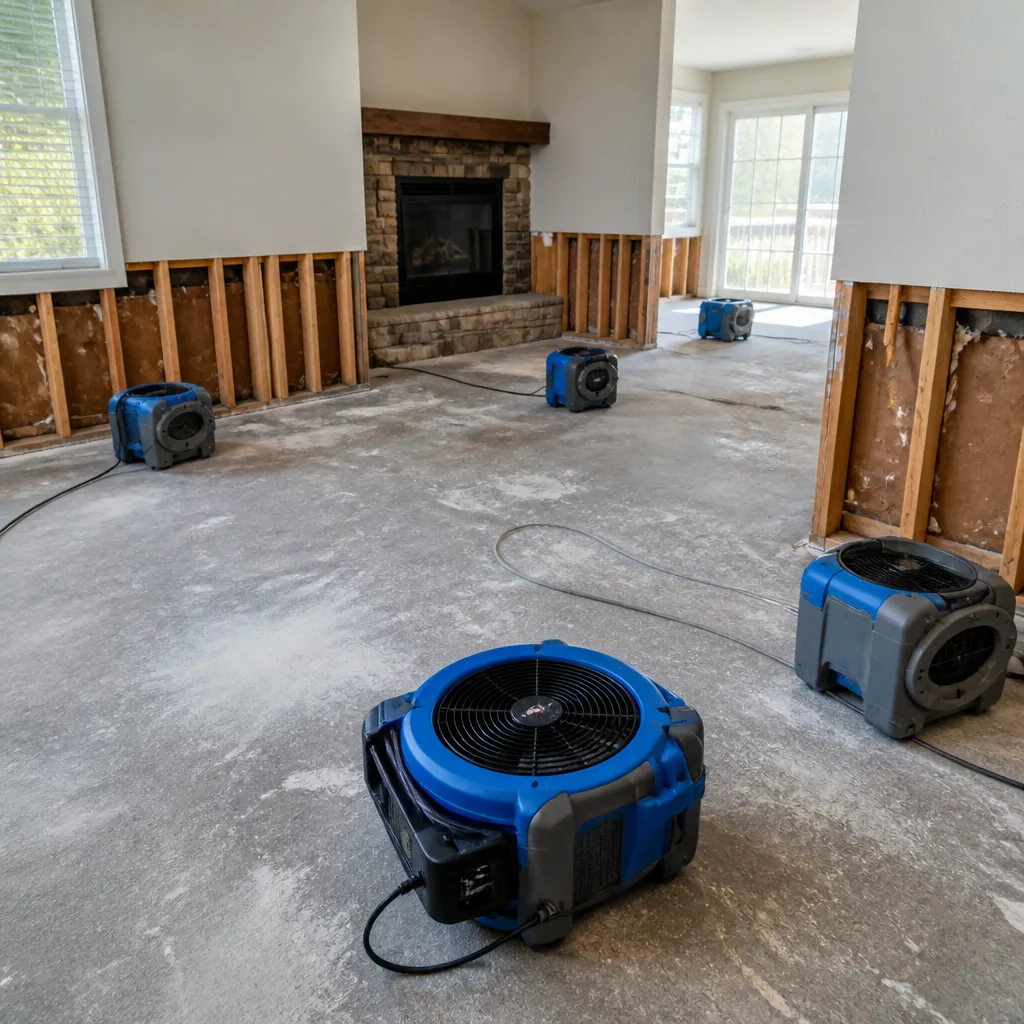
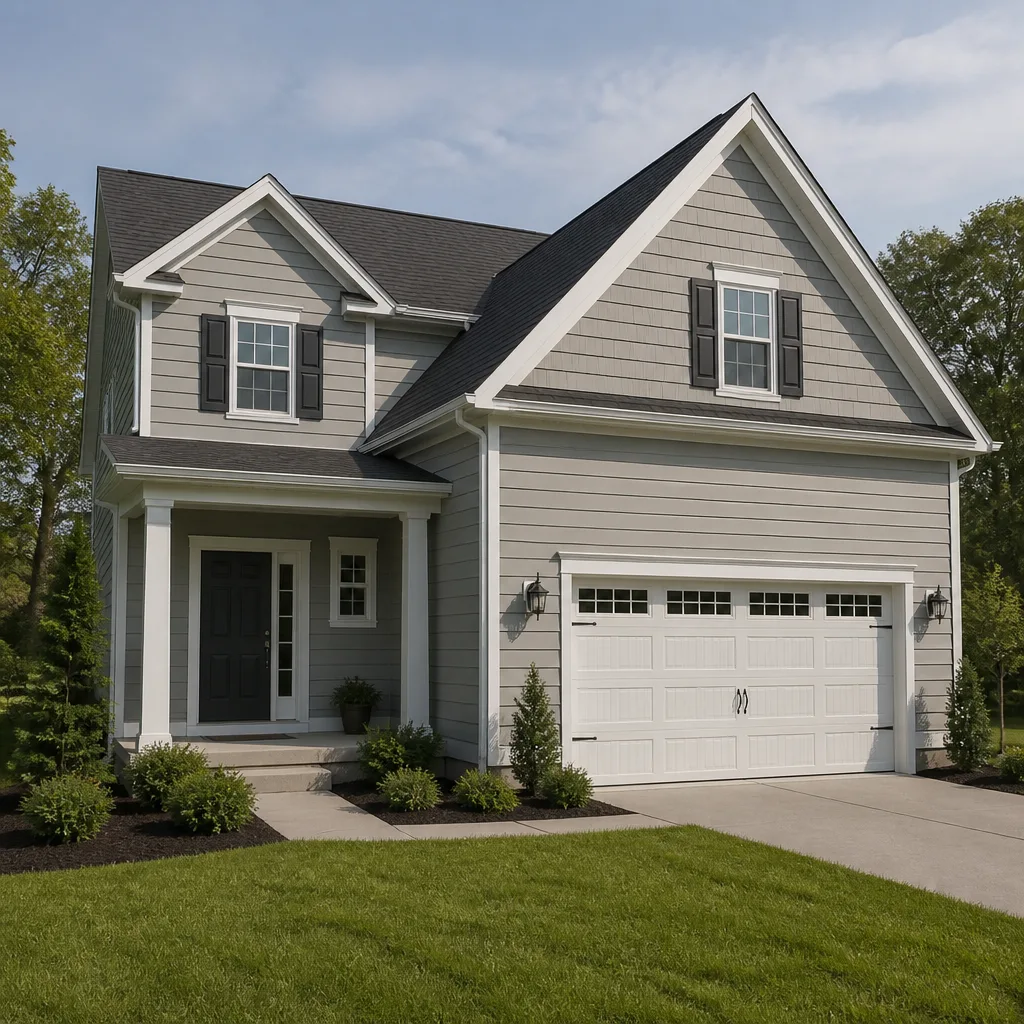
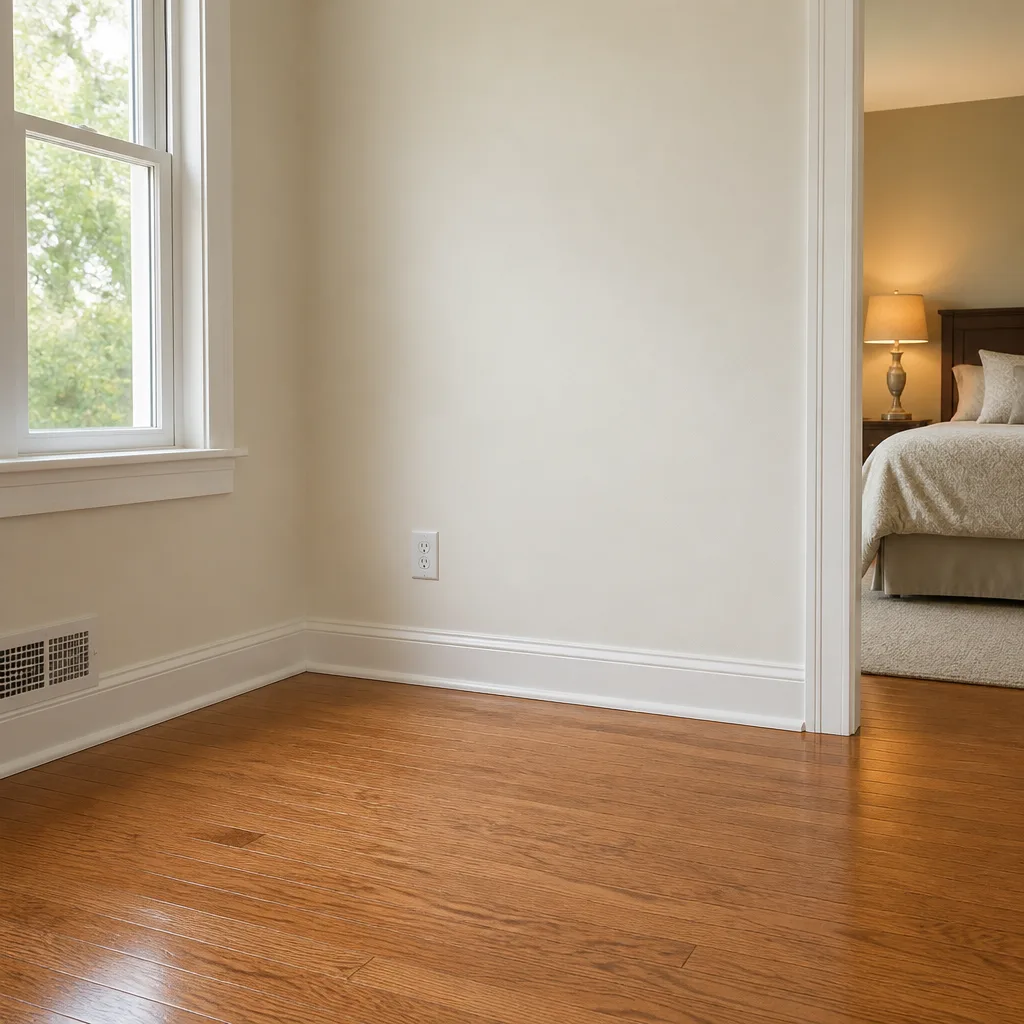
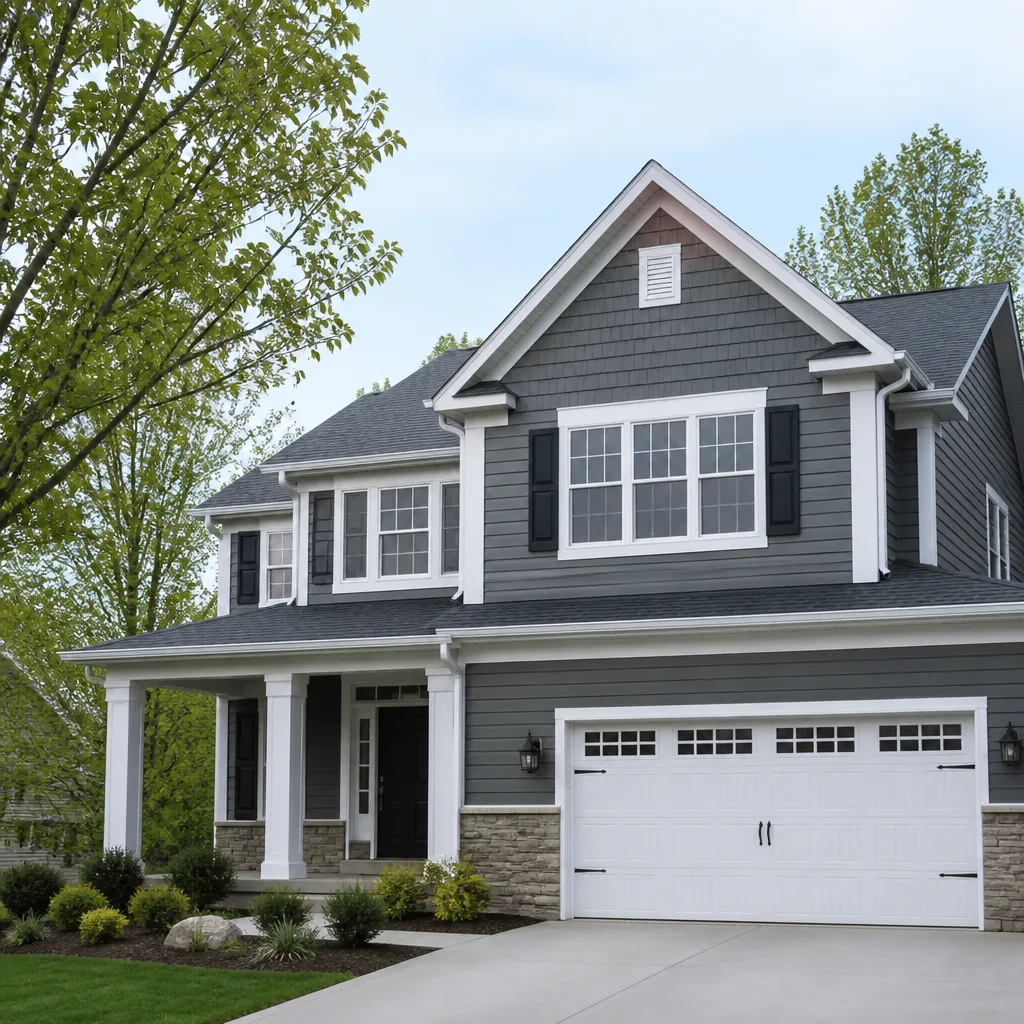
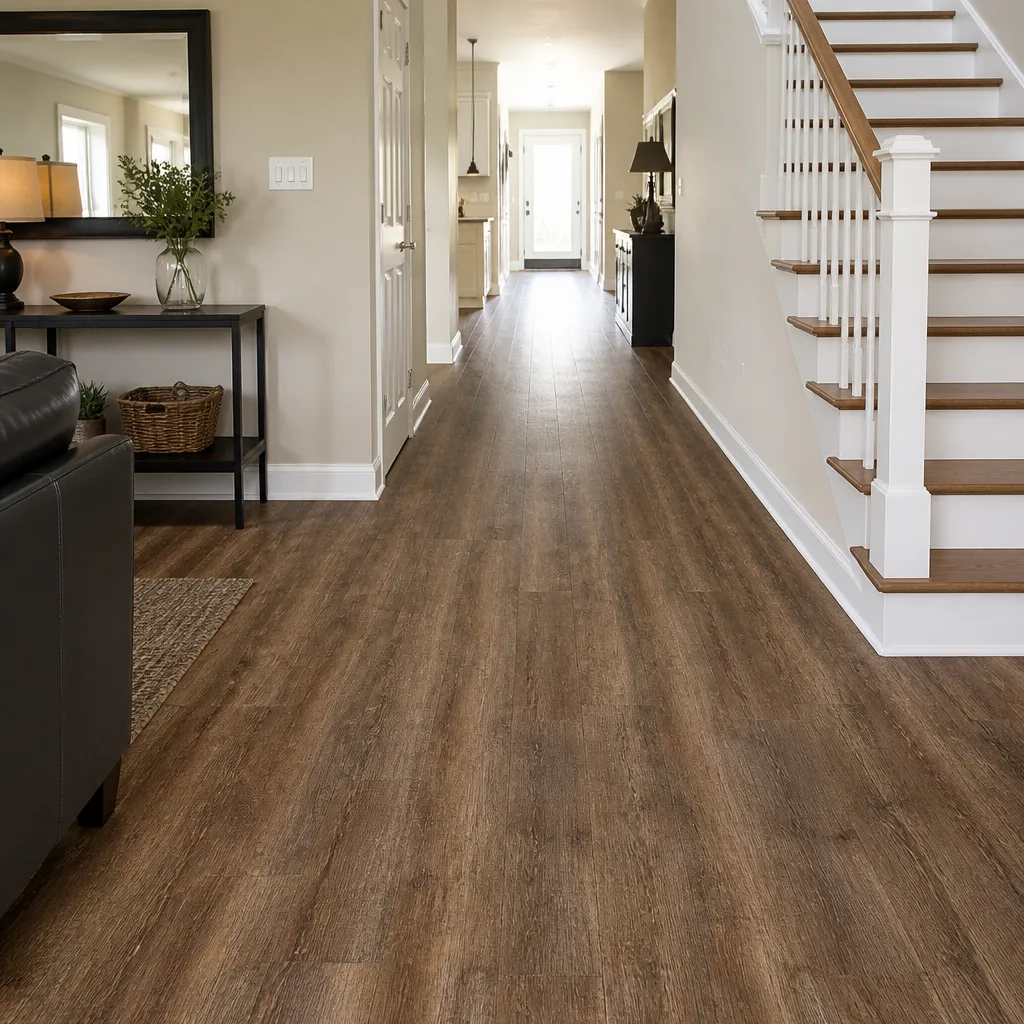

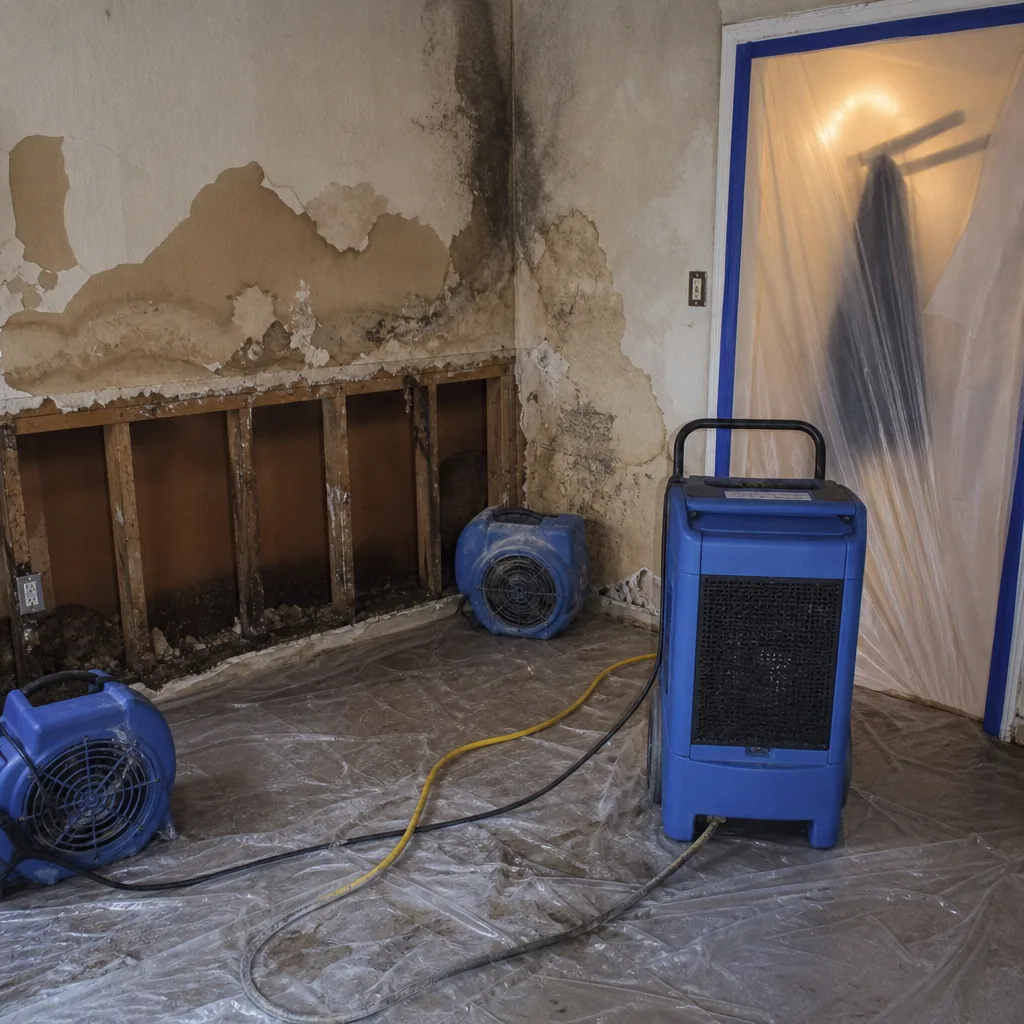 Before
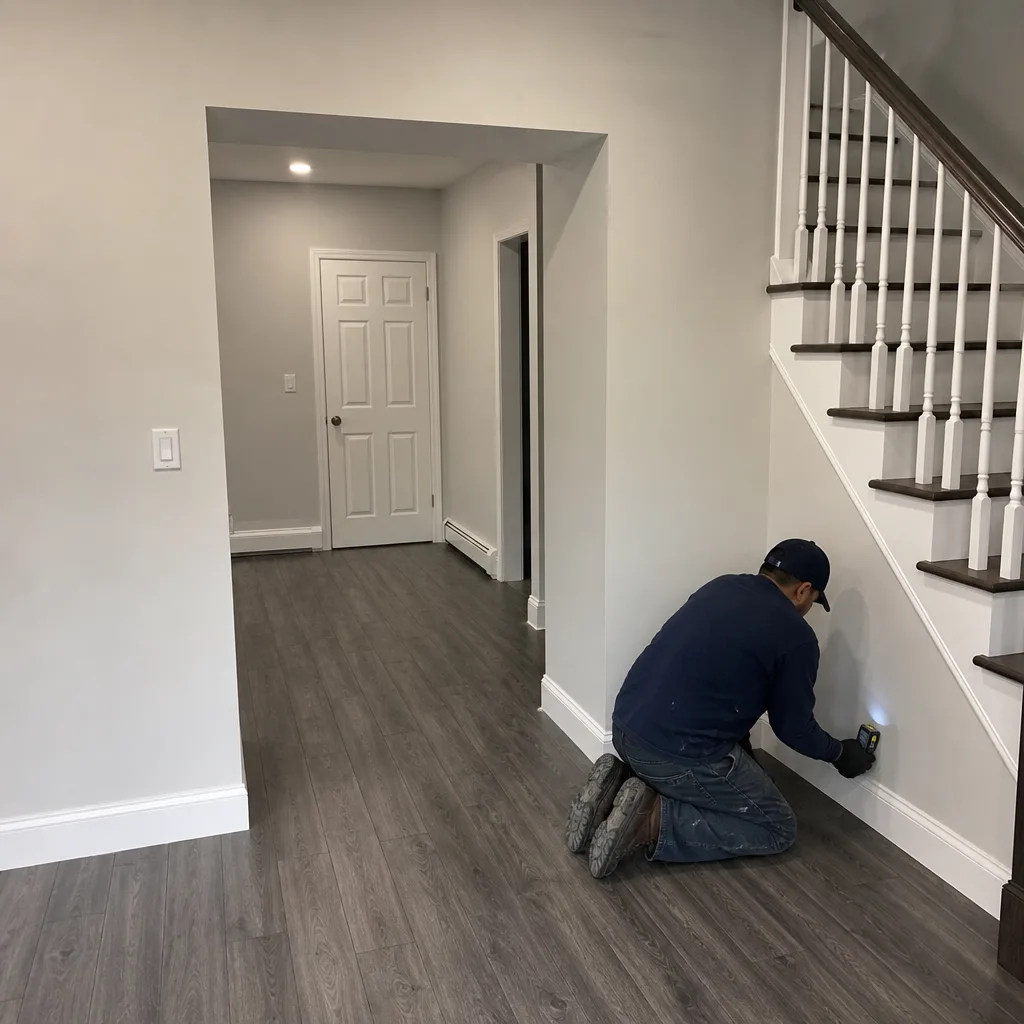 After
After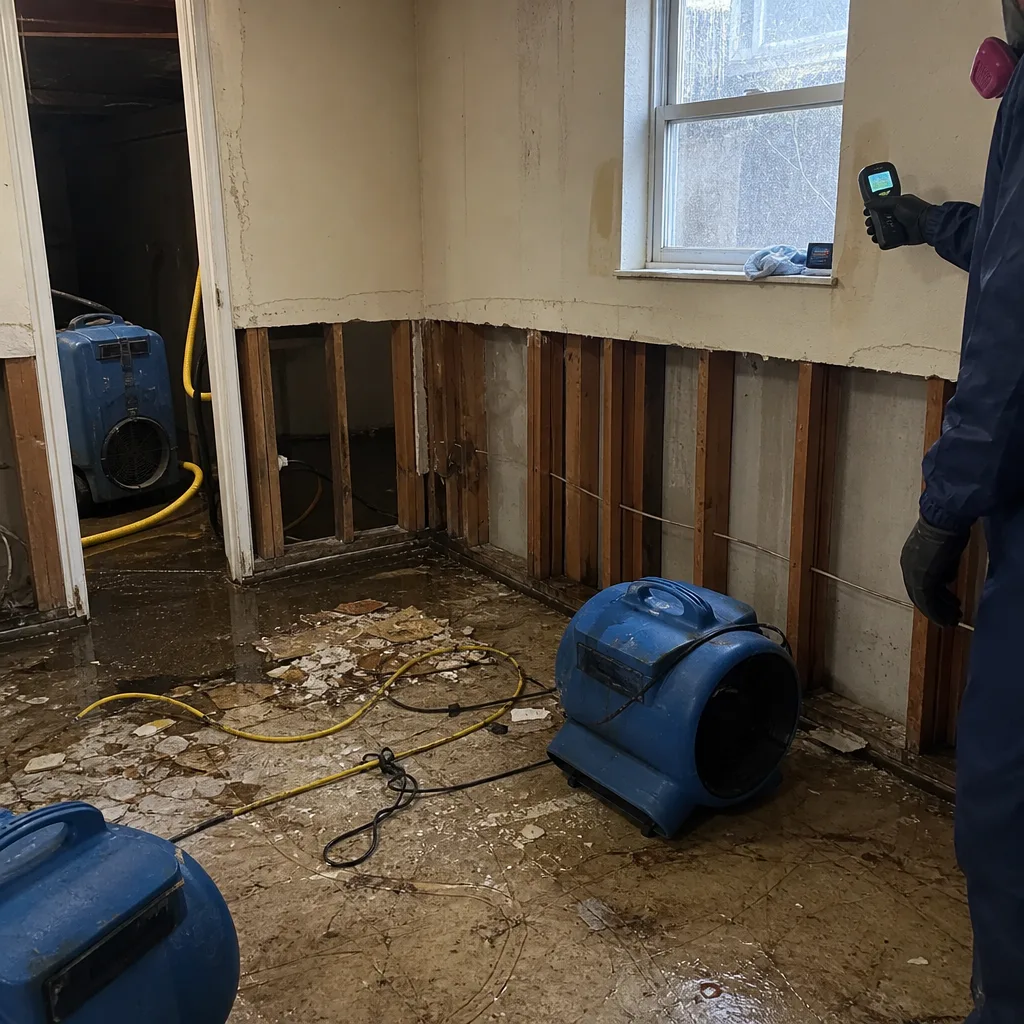 Before
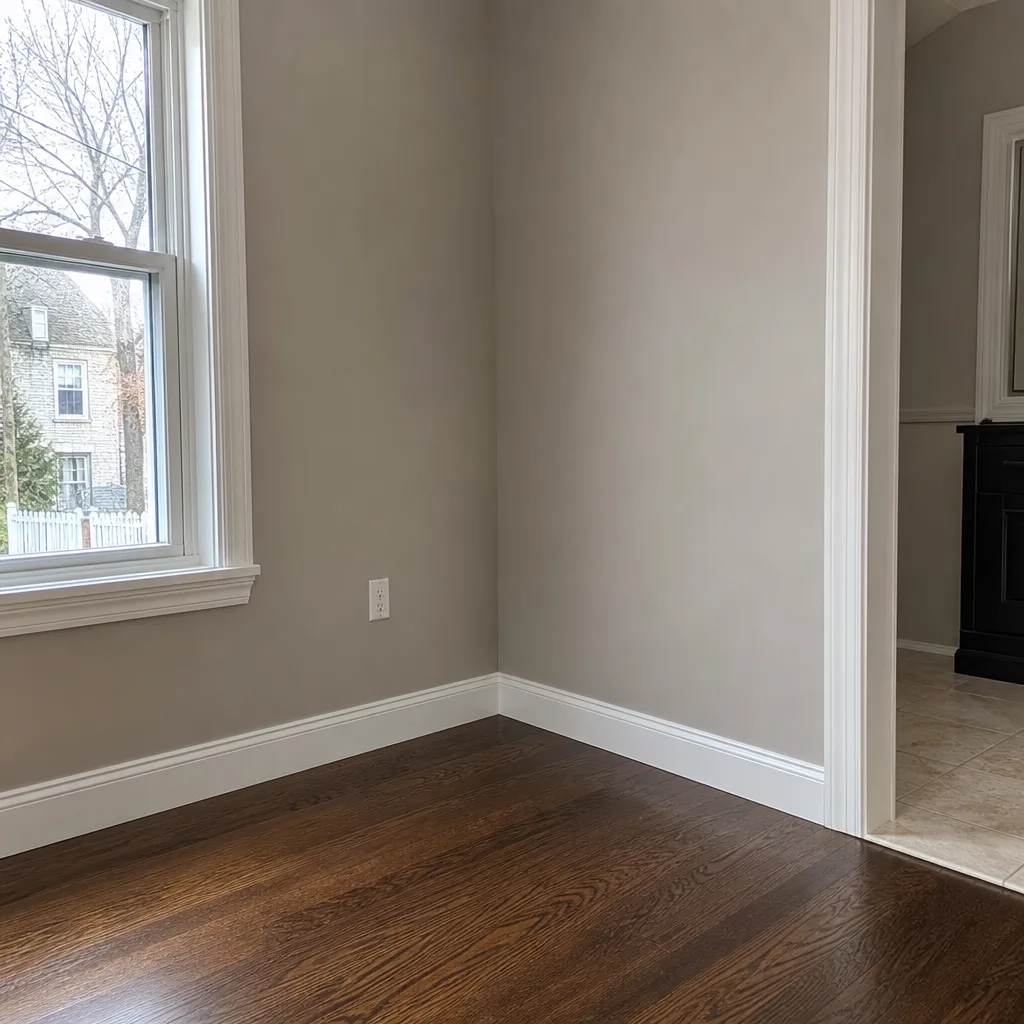 After
After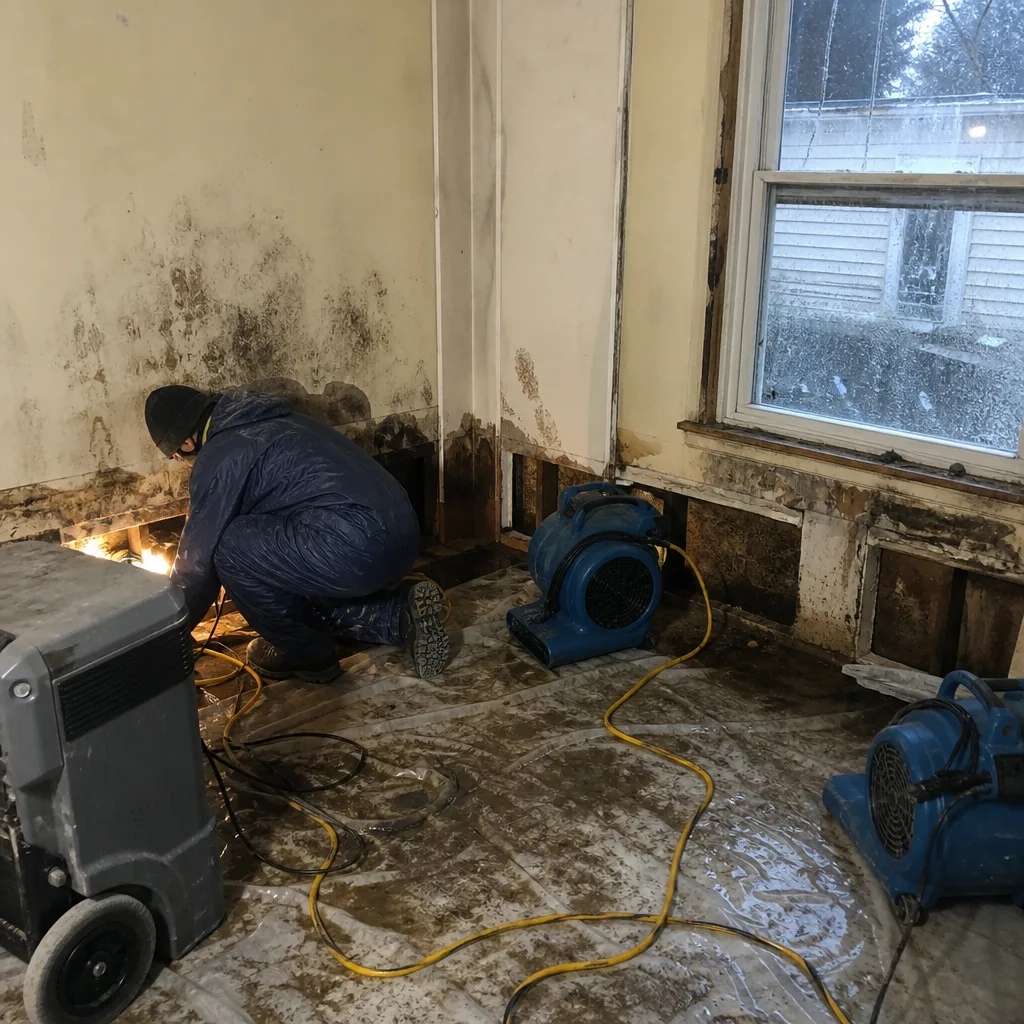 Before
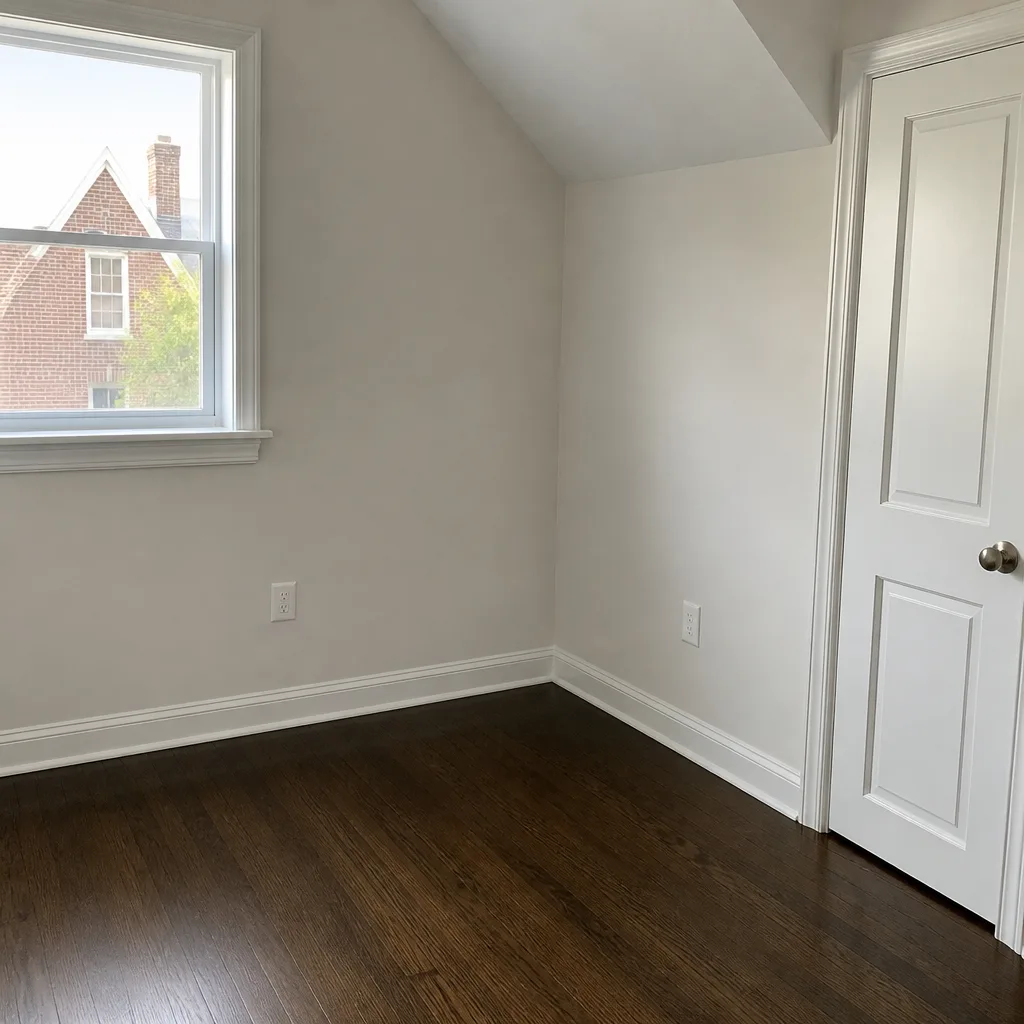 After
After24/7 Emergency Sewage Cleanup in Hollis
Sewage cleanup in Hollis needs to start within the hour. We answer live at (631) 557-5029, and we dispatch crews into the Hollis area the moment you call, any hour, any day. A working crew arrives ready to run extraction and containment, because Category 3 water doesn’t wait. What begins as a floor-drain backup inside one home on a shared block can migrate through party walls and saturate the adjoining basement before the first hour passes. Call us immediately. We start with a free visual inspection, and we start it fast. The first hour determines whether you’re looking at a cleanup or a rebuild.
Understanding Sewage Cleanup Severity in Hollis Properties
Sewage water is Category 3 by definition: grossly contaminated, carrying pathogenic bacteria, viruses, and parasites. It is not the same animal as a clean-water supply-line break. In Hollis, where most homes were built between 1925 and 1950 with original cast-iron drain lines and full below-grade basements, Category 3 losses tend to run deeper than surface water. Raw sewage from a surcharged combined sewer line pushes up through basement floor drains, then finds its way into base plate cavities, behind original mortar-and-lath walls, and under finished flooring. We do not treat a Hollis sewage backup as a mop-and-spray job. We run moisture mapping with thermal imaging and hygrometers, open affected cavities where the structure demands it, and dry to the pre-loss condition standard, not to a quick visual pass. Antimicrobial treatment alone will not clear what has already wicked into 1920s framing.
Why Hollis Property Owners Choose Floodline Restoration Co.
- 45-minute response commitment - from your call to a live crew rolling into Hollis, we commit to getting there fast. Sewage doesn’t slow down and neither do we.
- 24/7 live answer, always a person - a live dispatcher picks up at 2 a.m., not a recording. Call (631) 557-5029 and a real voice answers.
- IICRC-certified crews - our technicians hold IICRC certifications including WRT and AMRT. They are trained to the standards that matter for Category 3 work, and they’re background-checked and uniformed.
- Free visual inspection - we walk the loss with you before any work starts, and you get a written scope. No surprises on the bill.
- Direct insurance billing - we bill your carrier directly and deal with the adjuster ourselves. You never play messenger.
- One team, extraction to reconstruction - the same Floodline crew that pulls the Category 3 water handles drying, sanitization, and rebuild. No mid-job handoff to a stranger.
Our Sewage Cleanup Process
Inspection & Assessment
We start with a full visual and moisture assessment, including the mirror-image basement of the adjoining semi-detached unit. In Hollis, skipping that check is how a one-unit loss becomes a two-unit mold problem. We use thermal imaging and hygrometers to map saturated materials before we touch anything.
Extraction & Stabilization
We remove standing Category 3 water using professional-grade extraction equipment, then stabilize the space. This is not a wet-vac job. We pull contaminated water from floor drains, cavities, and where needed, from beneath finished flooring.
Drying & Dehumidification
Structural drying runs with Dri-Eaz dehumidifiers and XPOWER air movers. Daily moisture readings are logged until every affected surface, including the shared party wall, hits the dry standard. The log is yours, and your carrier’s.
Cleaning & Sanitization
We clean and disinfect all affected surfaces with EPA-registered antimicrobials, including hard-to-reach base plate cavities, as part of our Sanitization Services in Hollis. On 1920s Hollis basements, this means opening wall cavities where sewage has wicked, because surface treatment alone will not clear colonized framing.
Containment & Air Scrubbing
We run HEPA air scrubbers and negative-air containment during the job, especially when raw sewage has aerosolized in a finished basement. This keeps contaminants from spreading to living space upstairs and to the adjoining unit.
Repairs & Restoration
Same crew rebuilds what we opened: drywall, framing, flooring, whatever the job calls for, as part of our Hollis Reconstruction & Cleanup. We do the full cycle. It is the whole point of having one company from day one.
Need Emergency Sewage Cleanup in Hollis Now?
Crews minutes away, answering live 24 hours a day. The sooner we start, the less it costs.
Working With Your Insurance Company
Sewage backup coverage depends on your policy, but here’s what we do regardless: we document from the first hour. Photos, moisture readings, a line-item scope of work. We speak directly with your adjuster, because we have done this long enough to know the language carriers require. In Hollis, where a single backup can involve two adjoining properties and an original cast-iron drain line, proper documentation is the difference between a covered claim and a denied one. We built our process around small details that hold up in a claim file. Our direct billing means you’re not fronting thousands of dollars while insurance decides. We carry the paperwork, we carry the communication, and we hand you a written scope before any work begins.
What We Provide Your Insurer
- Thorough documentation of the loss
- Photos of all damage, room by room
- Moisture readings and drying logs
- A detailed, line-item scope of work
- Direct coordination with your carrier
Built for Hollis’s Loss Calendar
Hollis sits on the flat glacial outwash plain feeding into the Jamaica Bay watershed. That geography matters when the combined sewer system surcharges. Intense Northeast rainfall events hit this part of Queens hard, and the aging segment of New York City’s combined sewer serving the 11423 zip code regularly pushes sewage-contaminated water back up through basement floor drains. Summer thunderstorms are the worst: a flash downpour overwhelms the system within minutes, and basements across a single block back up almost simultaneously. Winter’s threat is frozen cast-iron, which gets brittle in deep freezes and cracks, especially under Hollis’s older one- and two-family homes. Spring thaw brings groundwater pressure. Nor’easters bring all of it at once. The loss pattern for sewage cleanup in Hollis is heavily rainfall-driven, block-wide, and concentrated in attached-home basements.
Sewage Cleanup Across Hollis’s Neighborhoods
Sewage cleanup work in Hollis follows the housing stock. The blocks between Jamaica Avenue and Hillside Avenue are dense rows of 1920s and 1930s semi-detached brick homes with full basements and interconnected floor-drain slopes. When one house backs up, the adjoining house is usually already wicking moisture through the shared party wall before anyone realizes it. Around the residential streets near 191st Street and 104th Avenue, we see a lot of original cast-iron cleanouts that haven’t been touched since the Roosevelt administration. Those lines handle less volume than they did ninety years ago, and they fail accordingly. Down by the Hollis Avenue corridor, heavier commercial mixed-use buildings present larger square footage and different containment demands. Near the Long Island Rail Road Hollis station, older wood-frame homes with below-grade cellars see a different pattern: groundwater infiltration during heavy rain, followed by sewage contamination when the combined system backs up. Every pocket of Hollis has its own failure mode, and we plan containment accordingly. Our Sewage Cleanup team has run hundreds of these houses, and we know what each block throws at you before we walk in.
Specialized Sewage Cleanup Services We Offer in Hollis
Sewage Backup Cleanup
A blocked or surcharged line forces Category 3 water up through your floor drain. In Hollis, this is rarely a one-unit event. We extract, contain, dry, and sanitize, and we always check the mirror-image basement next door. That party wall inspection is not an upsell. It is the difference between a finished job and a mold problem you inherited from your neighbor.
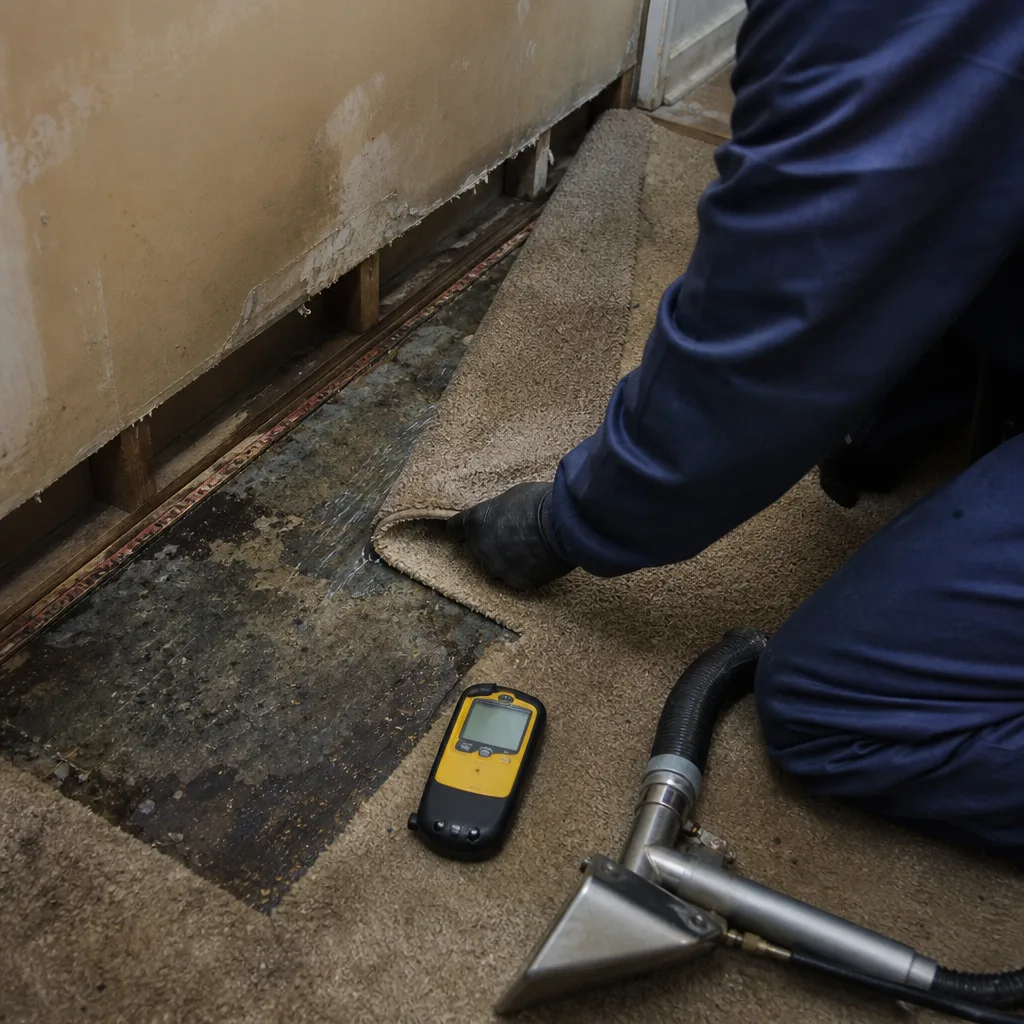
Black Water Extraction
Raw sewage mixed with groundwater or rainwater is black water. In a Hollis basement with original mortar-and-lath walls, black water does not sit politely on the floor. It wicks into base plates, behind plaster, and under tile. We run professional extraction with Dri-Eaz and XPOWER equipment, then dry to the standard, not to the clock.
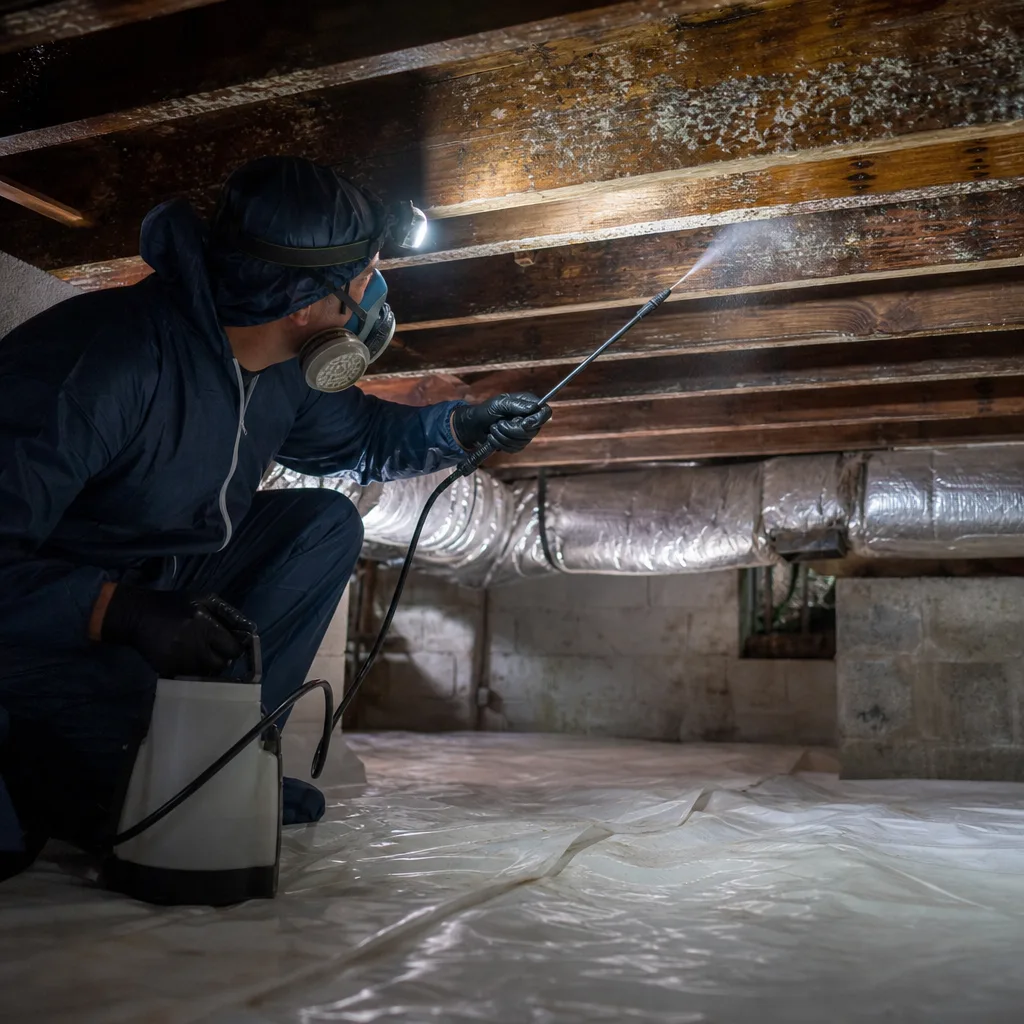
Sanitization & Disinfection
After extraction, the real work begins. We treat every affected surface, open wall cavities where sewage has migrated, and run HEPA air scrubbing to clear the air. A 1938 basement with original framing needs more than a surface spray. We treat it like what it is: a porous structure that held Category 3 water.
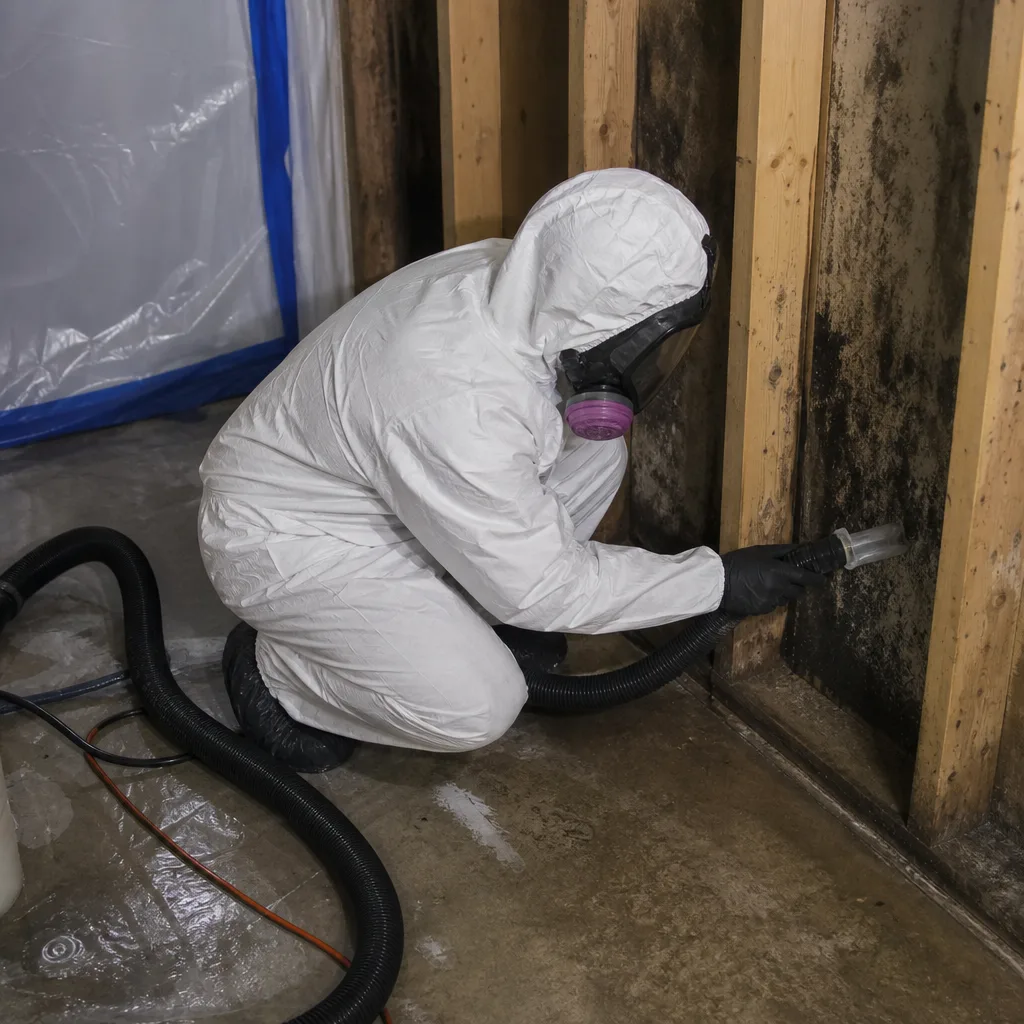
Toilet Overflow Cleanup
An overflow from a basement toilet in a finished basement is Category 3 the moment it leaves the bowl. We pull the contaminated water, remove affected drywall and flooring where necessary, and dry the space to spec. In Hollis semi-detached homes, we pay particular attention to the wall shared with the neighbor, because that’s where hidden wicking happens.
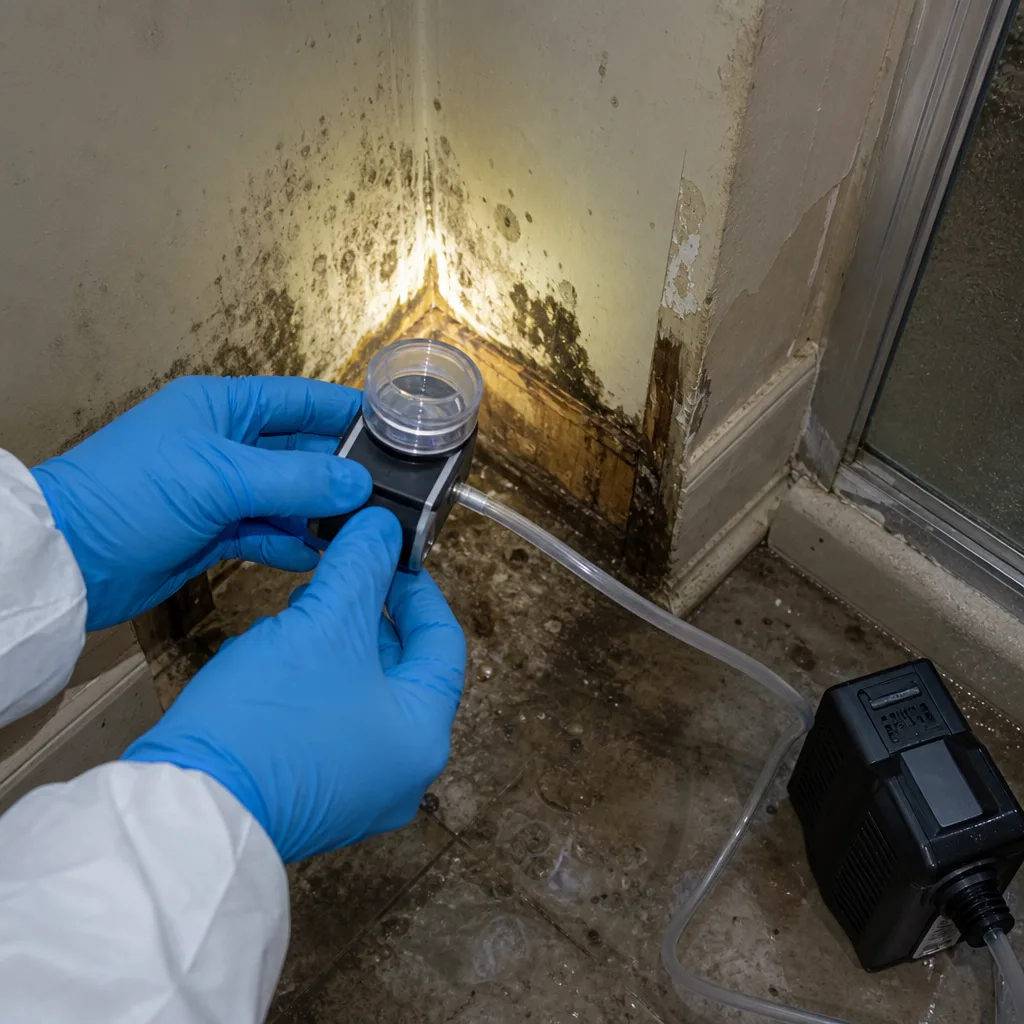
Septic Failure Cleanup
Some Hollis homes still run on older private septic systems, especially on larger lots. When a system fails, raw sewage surfaces or backs up into the home. We handle extraction, cleaning, and our Commercial Restoration in Hollis coordination. Whether the fix is a new leach field or a repaired line, we dry and sanitize the structure first.
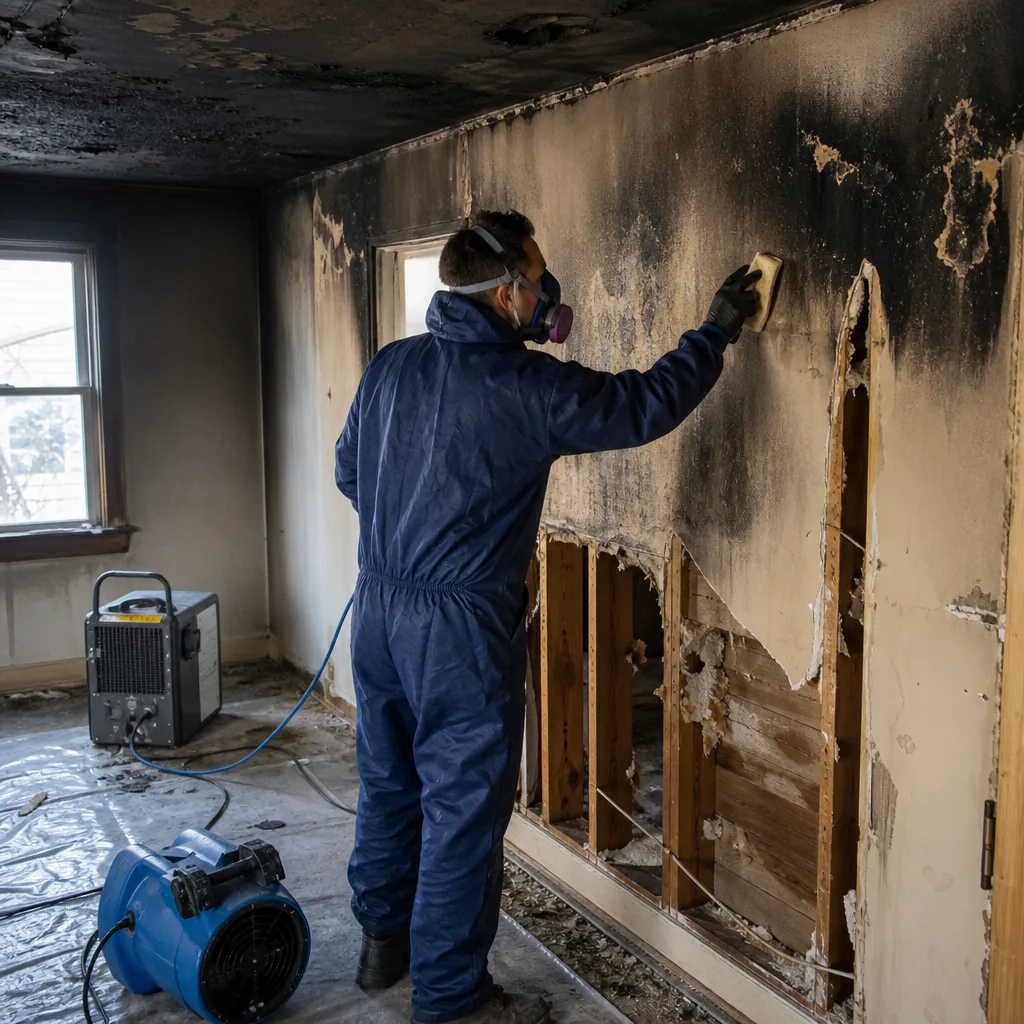
What happens when you call
- 1
A real person answersNo phone trees - you reach a local pro.
- 2
You get an upfront price rangeHonest numbers before anyone is dispatched.
- 3
A background-checked tech heads outLicensed & insured, dispatched right away.
- 4
You approve before work beginsNothing starts until you say go.
Sewage Cleanup Costs in Hollis, NY
In Hollis, a typical basement sewage backup cleanup runs between $2,800 and $6,500 when the affected area is contained to a single finished basement and no major demolition is required. Moderate jobs with full carpet removal, baseboard replacement, and cavity drying land between $6,500 and $11,000. A block-wide combined sewer surcharge that saturates two adjoining semi-detached basements and requires party-wall cavity opening on both sides can reach $14,000 to $22,000 before reconstruction. What moves the price: square footage of affected finished space, whether the shared wall needs opening, and whether original cast-iron drain lines require replacement. Insurance often covers sudden and accidental backup with the right endorsement; if it does not, you want a firm written scope before anyone opens a wall. Our free visual inspection gives you that scope. Call (631) 557-5029. The estimate is free. The clarity is not. Sewage Cleanup in Hollis is what we do, day and night.
We Also Serve Cities Near Hollis
Floodline Restoration Co. runs the same certified crews into Queens Village, Oakland Gardens, Cambria Heights, and Fresh Meadows. Same 24/7 live dispatch, same written scope before work begins, same 90-Day Done Right Promise. If you’re just outside the 11423 boundary, call and ask. We’re likely already on your block.
Hollis Sewage Cleanup Questions, Answered
How do you handle a sewage backup in Hollis when my attached neighbor’s basement has also been affected?
We treat it as one combined job from the start. Before running extraction on the affected side, we inspect the mirror-image basement in the adjoining unit. If the shared masonry party wall shows Category 3 moisture migration, we set containment on both sides and dry both structures to the same standard. This prevents your neighbor’s backup from becoming your recurring mold problem, and it keeps the insurance claim clean by documenting both properties. Call (631) 557-5029 and we’ll coordinate both homeowners directly.
What makes the sewage backups in Hollis different from those in higher-elevation Queens neighborhoods?
Hollis sits on the flat glacial outwash plain feeding toward Jamaica Bay, and its segment of New York City’s combined sewer system surcharges during intense rainfall. That means basement floor-drain backups here are disproportionately Category 3 black-water events, not clean-water seepage. The grade of the land and the age of the combined system push sewage into homes across a block within minutes. Higher-elevation neighborhoods rarely see the same pattern of simultaneous, block-wide sewage intrusion.
Do I need to replace my original cast-iron drain line after a sewage backup, or can it be cleaned?
Most original cast-iron lines in Hollis can be cleaned and re-lined, especially if the backup was a surcharge event rather than a line collapse. If the pipe has cracked, separated at a joint, or rotted through, replacement or trenchless re-lining may be the only real fix. During our inspection, we evaluate the line’s condition as part of the written scope. We’ll tell you straight whether cleaning is enough or whether the pipe is done. No sales pitch, just what the evidence shows.
What is the proper cleanup process for a sewage backup that has saturated my finished basement in Hollis?
Proper sewage cleanup for a finished Hollis basement requires extraction of all standing Category 3 water, removal of saturated finishes that cannot be salvaged, opening wall cavities where sewage has wicked into framing, structural drying to the pre-loss moisture standard, HEPA air scrubbing, and full antimicrobial treatment of all affected surfaces. In a 1920s semi-detached home, that also means inspecting the shared party wall and, often, treating both sides. Shortcutting any of these steps leaves contamination in your walls.
How long will it take before my Hollis basement is safe to re-enter after a sewage cleanup?
It depends on the square footage, the finishes, and how far the contamination has migrated. A contained 400-square-foot unfinished basement may be safe to re-enter within 48 to 72 hours. A finished basement requiring cavity opening and structural drying often runs five to ten days before we sign off. We give you a clear timeline after the initial inspection, and daily moisture readings show the progress. You will not be guessing. Call (631) 557-5029 for a firm answer after we see the space.
How fast can someone actually get to my house in Hollis?
We commit to 45 minutes from your call to our crew rolling onto your street. Hollis is our local service area, and our dispatch is live around the clock. The sooner extraction runs, the less drywall opens, the less flooring lifts, and the less money the job costs. Call us the minute you see sewage backup. Do not wait for the morning.
Will my insurance cover sewage backup cleanup?
Many policies cover sudden and accidental sewage backup only if you carry a specific endorsement. Without that endorsement, the cleanup may be out-of-pocket. We handle this every day: we document the loss from the first hour, bill your carrier directly, and coordinate with your adjuster. The written scope we provide before work starts is written to hold up in a claim file. You never play messenger between us and the carrier.
What should I do in the first 30 minutes after discovering a sewage backup in Hollis?
First, stop using all water in the house - do not flush toilets, run sinks, or use washing machines. Second, shut off electricity to the affected area if standing water is present near outlets or appliances. Third, keep children and pets away from the area. Fourth, call us at (631) 557-5029. Do not attempt to remove sewage yourself. Category 3 water carries pathogens that require professional containment and proper protective equipment. Your job in the first 30 minutes is to stop the flow and make one phone call. We handle the rest.
Serving Hollis, NY - Our Local Coverage Area
We’re based in the Hollis area and know this community well. Use the map below to see our service coverage - if you’re nearby, we can almost certainly help.
A Note on Hollis Semi-Detached Homes
In Hollis, nearly every sewage cleanup is a two-unit job. Shared party walls and interconnected basement floor-drain slopes mean a Category 3 backup at one address has often already wicked into the adjoining semi-detached home before our crew arrives. We saw it on 191st Street between 104th and 105th Avenues, where a basement toilet overflow in a 1938 semi-detached brick home had already saturated the neighbor’s side of the shared masonry wall. Before starting extraction, we set containment on both sides, pulled the original cast-iron cleanout caps, and ran structural drying with Dri-Eaz dehumidifiers and XPOWER air movers until our moisture readings matched the pre-loss condition in both units. That is the standard here. Not one side damp and the other side dry. Both units to the dry standard, with the moisture log to prove it. Done right, and backed in writing. That is the Keystone Standard, and it is how we have run Hollis restoration work since the day we started.
Written by Curt Bowman, Owner at Floodline Restoration Co., serving Hollis with 24/7 emergency restoration.