
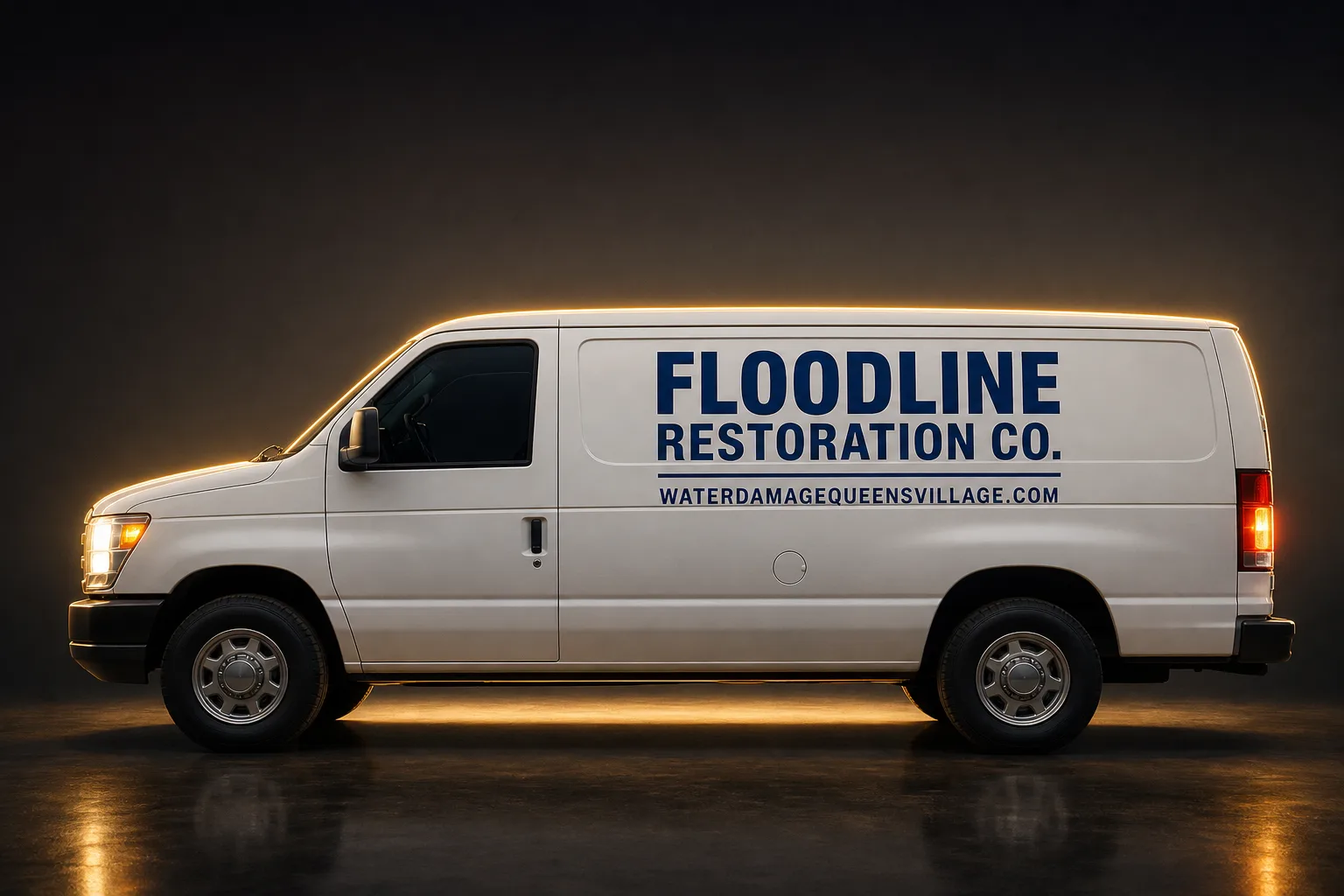
Free visual inspection and a written scope of work before any mitigation begins - photos, moisture readings, and drying logs go in your claim file
The scope we write is the scope we bill. Anything new gets shown to you, in writing, before we touch it.
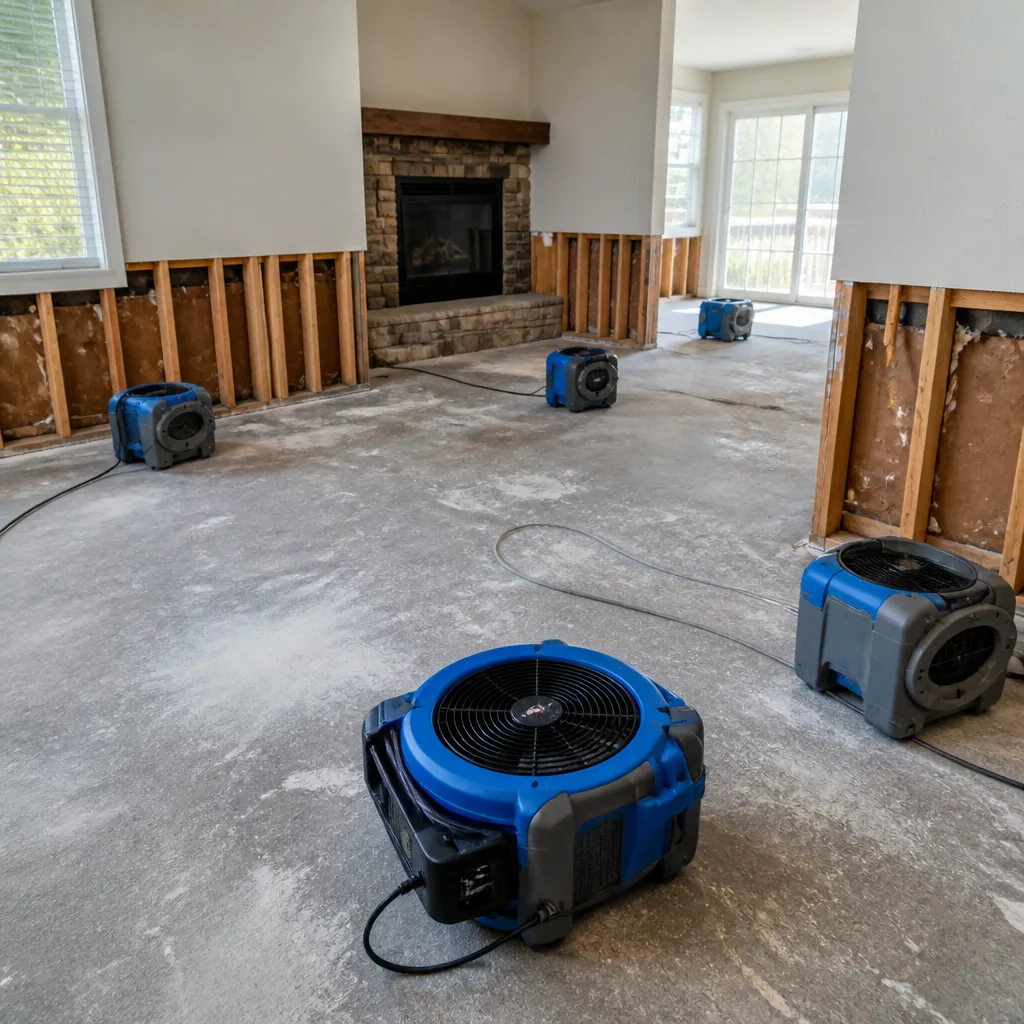
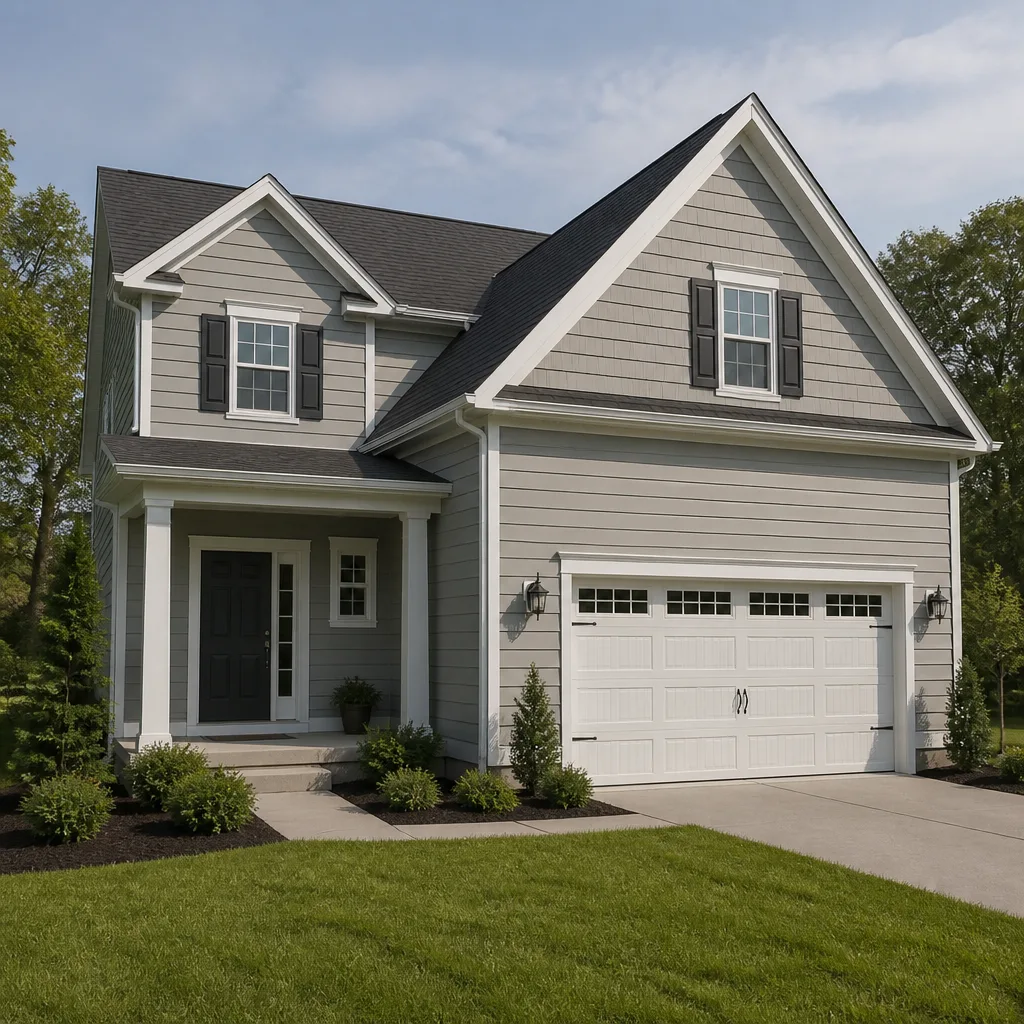
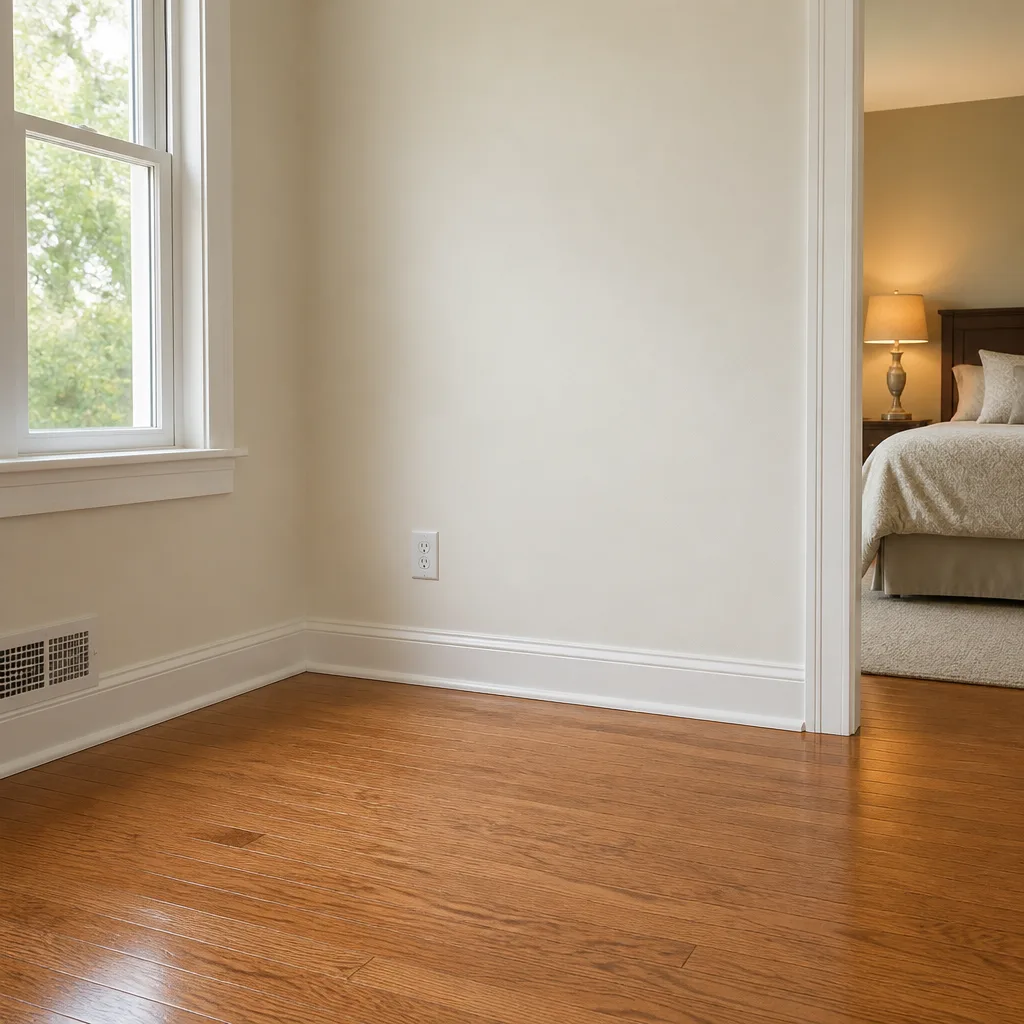
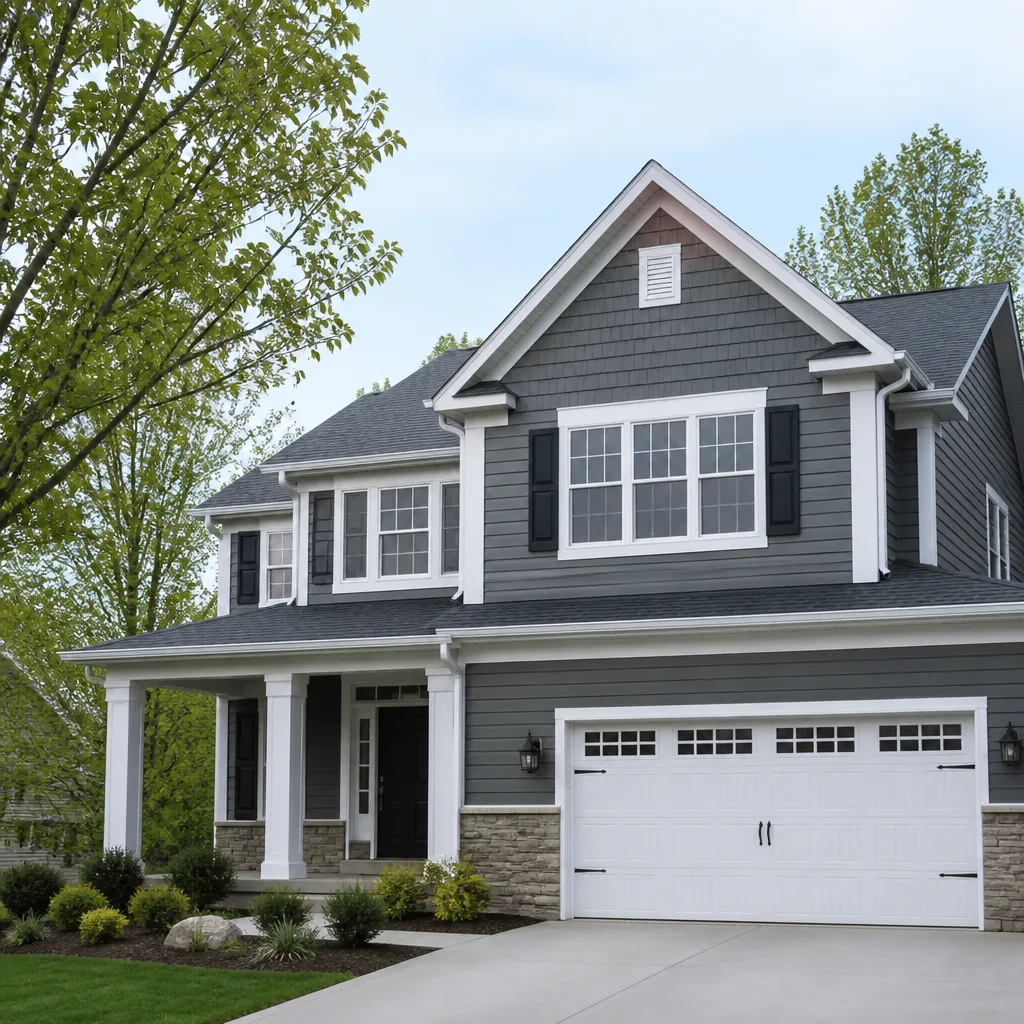
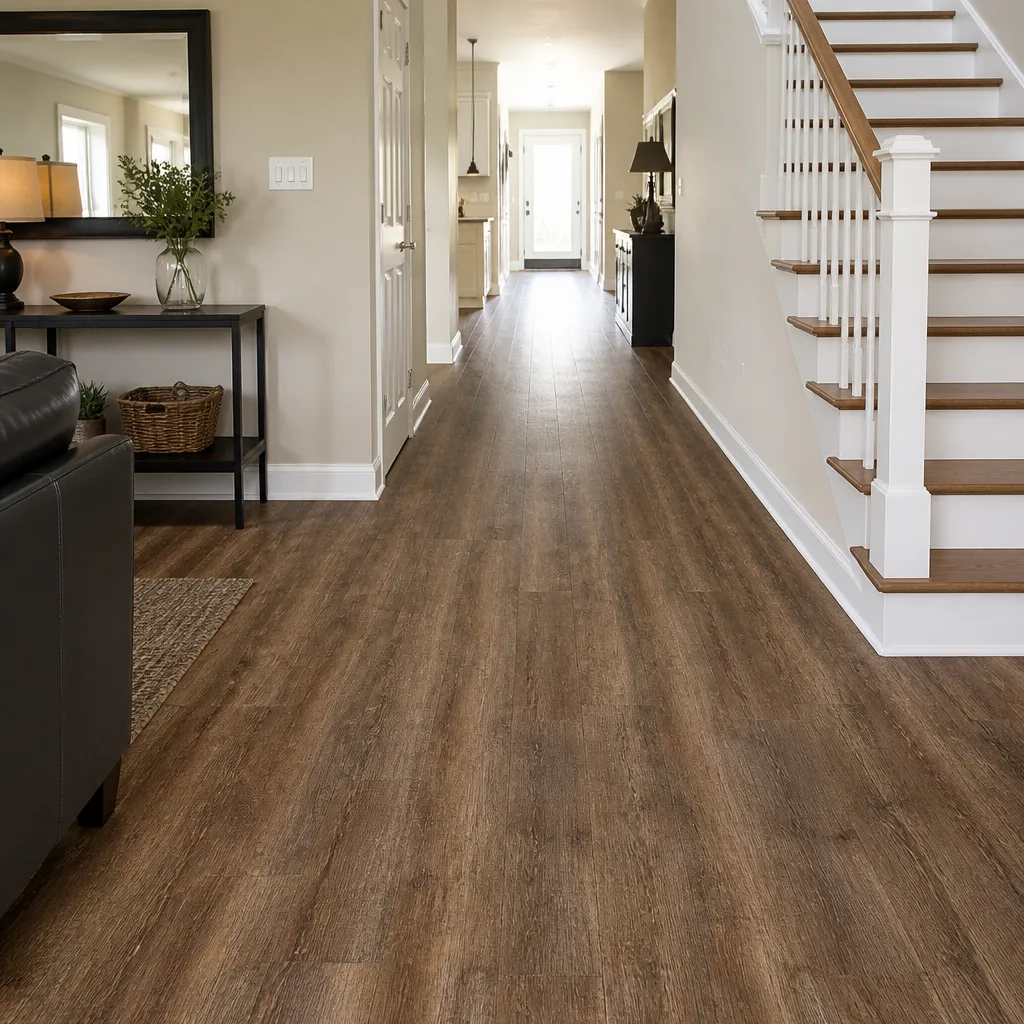
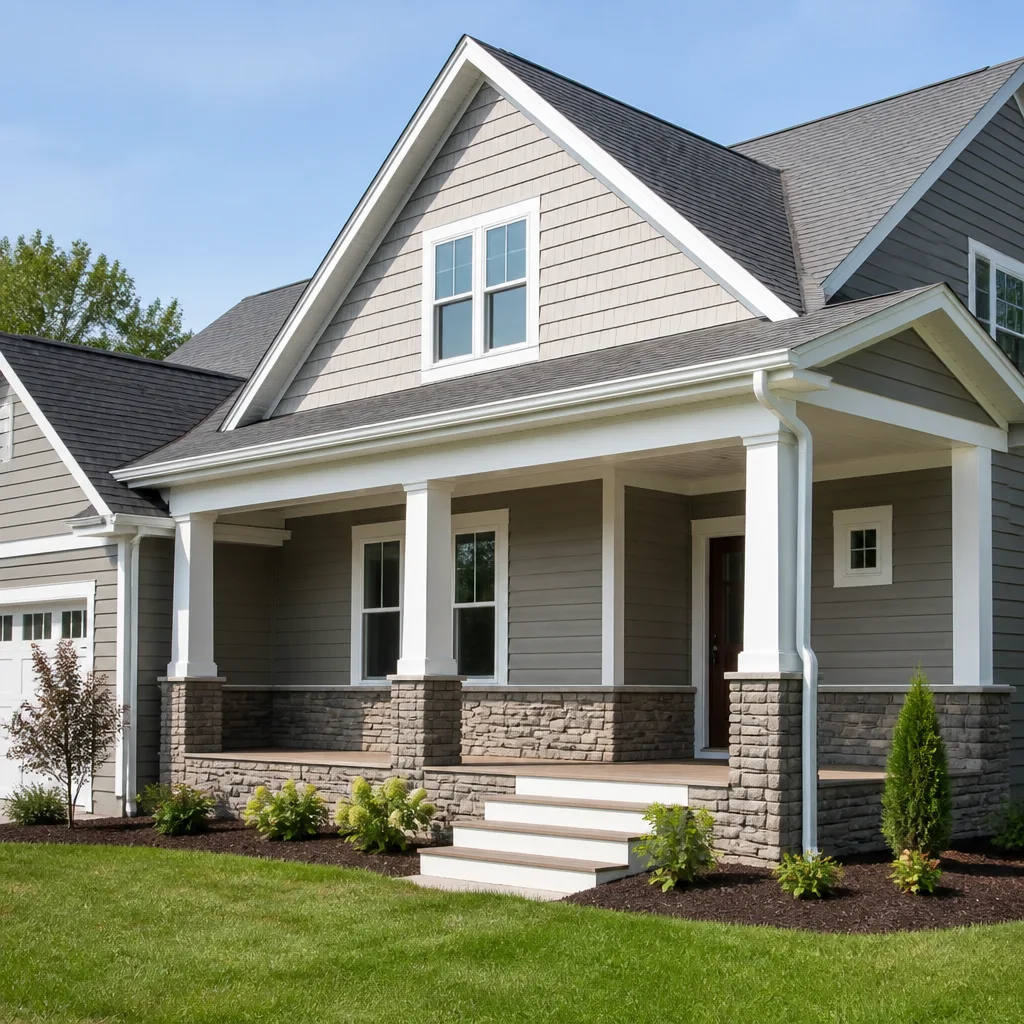
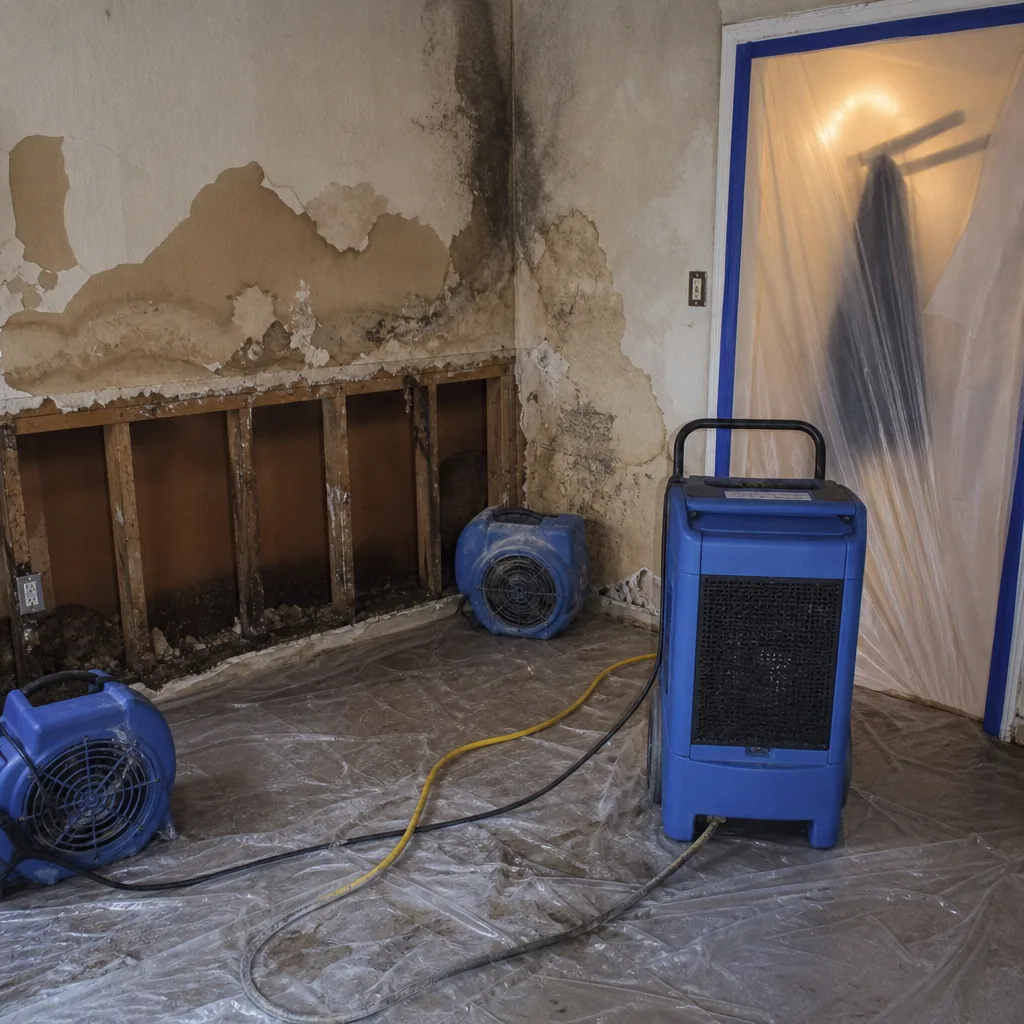 Before
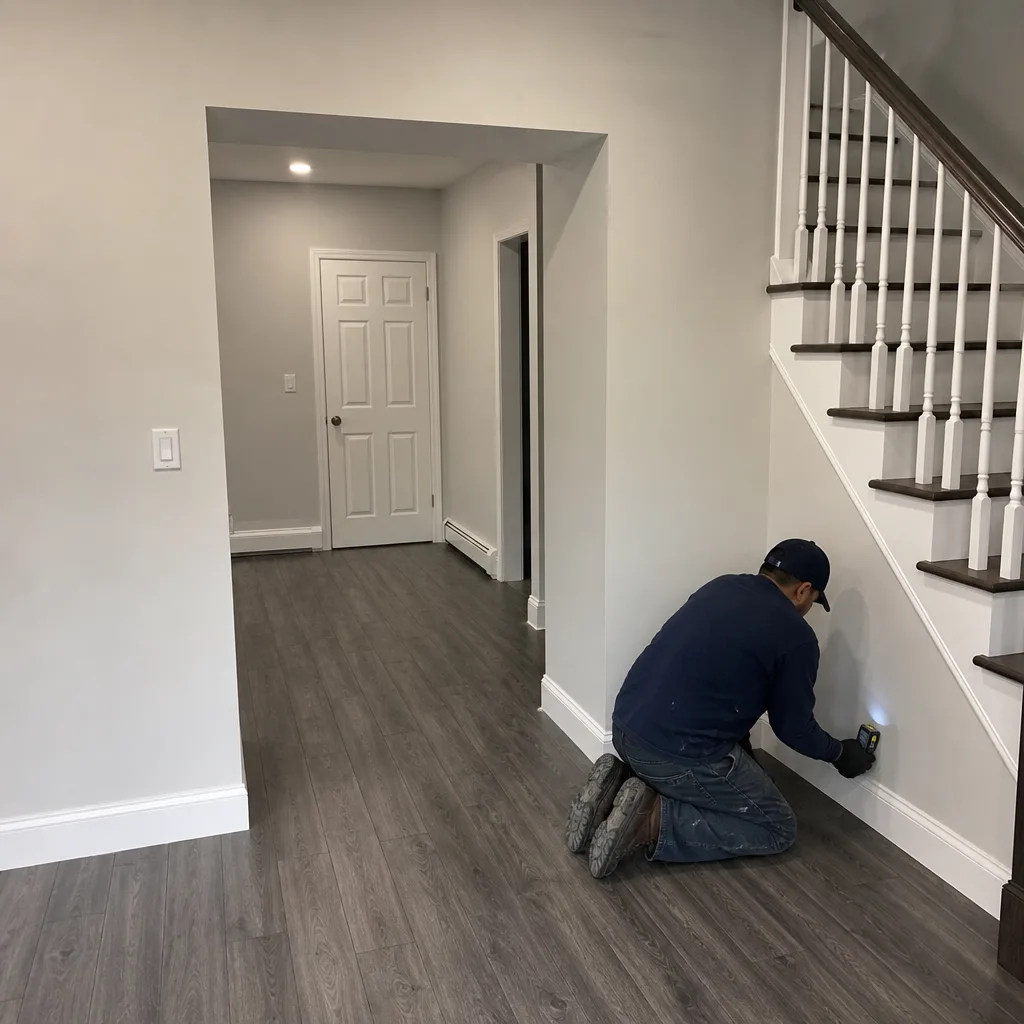 After
After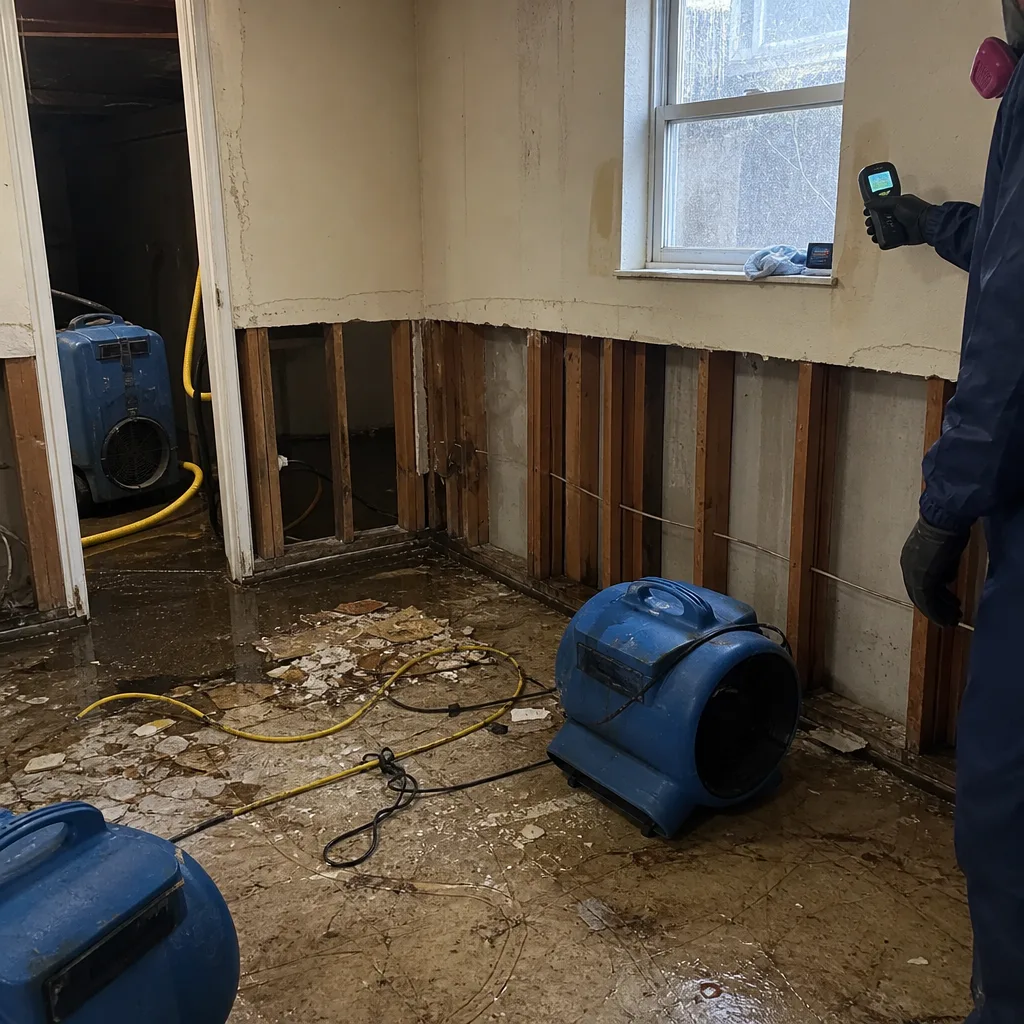 Before
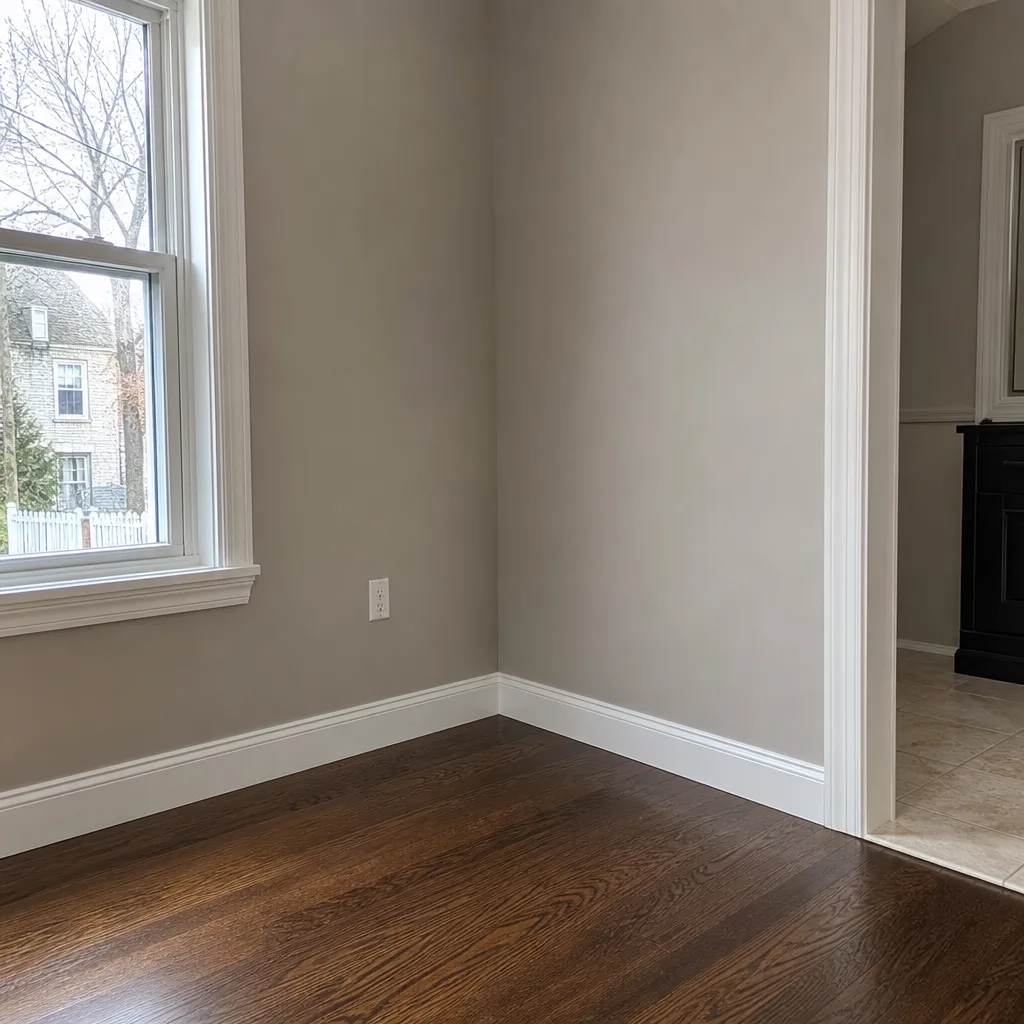 After
After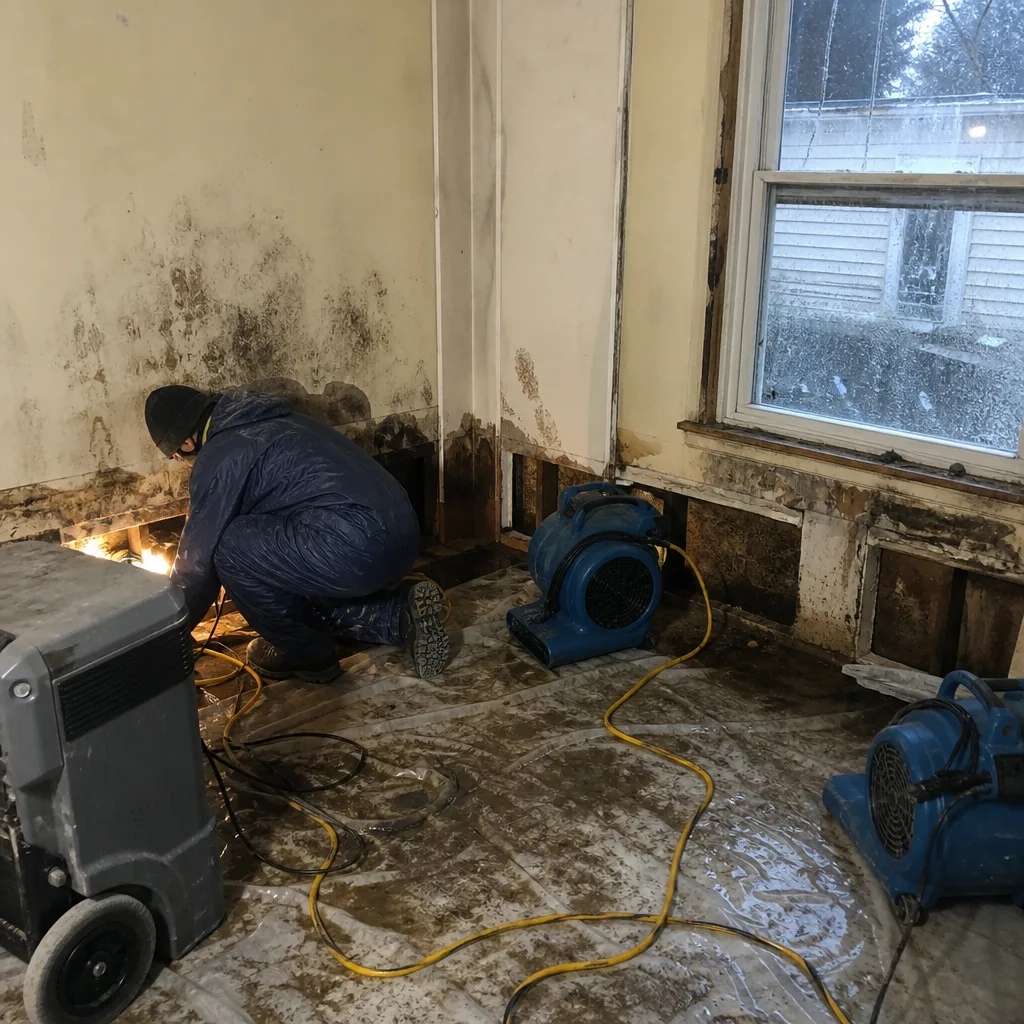 Before
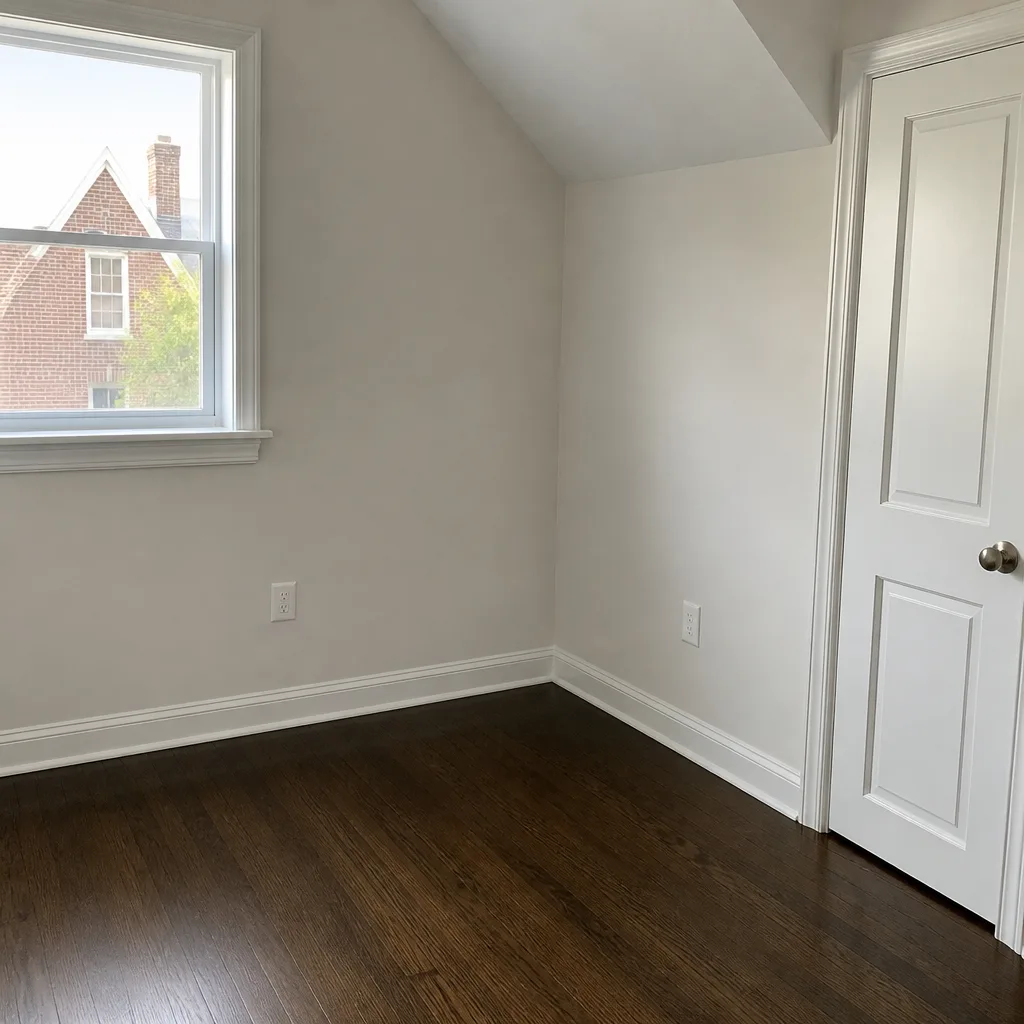 After
After24/7 Emergency Storm & Disaster Restoration in Bellerose
Storm damage in Bellerose moves fast, and so do we. When a nor’easter tears off shingles or a summer squall pushes Category 2 water into your basement, you need a crew that answers the phone at 2 a.m. and gets extraction running the same visit. Call (631) 557-5029 any hour, any day. Floodline Restoration Co. dispatches certified crews throughout Bellerose with professional-grade Dri-Eaz dehumidifiers, XPOWER air movers, and thermal imaging cameras on every truck. The first hour determines whether wet plaster dries or turns into a mold colony behind original Tudor woodwork. Our Storm & Disaster Restoration team does free visual inspections and starts mitigation immediately so the damage doesn’t spread while you wait. A live dispatcher picks up when you call, never a recording.
Understanding Storm & Disaster Restoration Severity in Bellerose Properties
Not all storm water is the same, and Bellerose’s housing stock makes the distinctions matter more. Category 1 water is clean rainwater or a burst supply line. Category 2 carries detergents or biological contaminants. Category 3, what FEMA calls “black water,” arrives when floodwater rises from the street, carrying sewage, lawn chemicals, and whatever else the storm picked up. Most of Bellerose’s 1920s and 1930s brick Tudors have basements. After heavy nor’easters, that Category 3 water pools against original plaster-and-lath walls and the flat glacial outwash plain’s shallow water table, which means subsurface moisture lingers. We classify the water class and category during inspection, then build a moisture map with thermal imaging and hygrometers. On plaster walls, standard pin meters miss hidden pockets deep beyond the surface. Thermal imaging reads the temperature difference moisture creates. Daily readings get logged until the dry standard is met, because Bellerose’s attached and semi-detached construction means one damp party wall can push mold spores into the neighboring unit through shared mortar joints. Containment and HEPA air scrubbing go up before demo starts when mold or Category 3 water is present. This is the trade-level protocol your home needs, not a franchise checklist.
Why Bellerose Property Owners Choose Floodline Restoration Co.
- 45-minute response commitment. Our dispatch board tracks trucks by location, and crews are staged near Jericho Turnpike, Hillside Avenue, and the Cross Island Parkway corridor so Bellerose calls get a crew at the door in under an hour.
- 24/7 live answer, a real person every time. At 3 a.m. during a January deep freeze, you’ll talk to a dispatcher who knows the difference between a burst supply line and a roof leak, not an automated menu.
- IICRC-certified crews. Our technicians carry WRT, FSRT, and AMRT certifications, background-checked and uniformed, trained to the same standards your insurer expects.
- Free visual inspection with written scope. No fee, no pressure. You get a line-item scope before any work starts, and you agree to it in writing.
- Direct insurance billing. We bill your carrier directly and send the documentation they need, so you never play messenger between your adjuster and our office.
- One team from first extraction to finished rebuild. The same crew that maps moisture on day one runs daily readings and rebuilds the finished wall. No mid-job handoff to an unfamiliar subcontractor.
Our Storm & Disaster Restoration Process
Inspection & Assessment
We arrive, walk the property, and classify the water or storm damage. Thermal imaging and moisture meters map what’s wet behind plaster and under floors. You get a written scope of work before anything moves.
Extraction & Stabilization
Standing water comes out first, using truck-mounted extractors and submersible pumps. For storm damage, this phase includes emergency board-up and roof tarping to stop active water intrusion through broken windows or torn shingles.
Drying & Dehumidification
XPOWER air movers and Dri-Eaz dehumidifiers run continuously, positioned for Bellerose’s tight rowhouse clearances. We take daily moisture readings and adjust equipment placement until structural materials hit the dry standard.
Cleaning & Sanitization
Affected surfaces get cleaned and treated with antimicrobials appropriate to the water category. HEPA air scrubbers run during this phase when mold spores or sewage are present.
Specialty Storm Treatment
Storm-specific work includes asbestos testing on pre-1980 pipe insulation, lead paint stabilization where demo reaches 1920s plaster, and clearance testing after mold remediation in shared party walls.
Repairs & Restoration
We rebuild what the storm took apart: drywall, trim, flooring, paint. The finished job matches the rest of the house, and every step is backed by our 90-Day Done Right Promise, in writing.
Need Emergency Storm & Disaster Restoration in Bellerose Now?
Crews minutes away, answering live 24 hours a day. The sooner we start, the less it costs.
Working With Your Insurance Company
Storm damage claims in Bellerose often involve two insurers: yours and, in semi-detached homes, possibly your neighbor’s. We document everything from the first hour so your carrier gets a clean file. That means photos of every affected room, moisture readings showing the damage was storm-caused, and a detailed line-item estimate using industry-standard software your adjuster recognizes. We communicate with your adjuster directly, so you don’t spend your week faxing forms and chasing callbacks. Our crew has walked dozens of Bellerose homeowners through the claim process, including semi-detached cases where two policies covered one shared failure. The documentation we hand you is the same documentation we hand your carrier, nothing hidden, nothing inflated. That’s a square deal.
What We Provide Your Insurer
- Thorough documentation of the loss
- Photos of all damage, room by room
- Moisture readings and drying logs
- A detailed, line-item scope of work
- Direct coordination with your carrier
Built for Bellerose’s Loss Calendar
Bellerose sees a predictable rhythm of storm damage, and we run our dispatch around it. January and February bring deep freezes that burst aging galvanized supply lines inside uninsulated exterior walls. March and April thaw the frozen ground over the flat glacial outwash plain, pushing groundwater into basements through hairline foundation cracks that winter opened wider. June through August, intense convective thunderstorms dump inches of rain in under an hour, overwhelming street drains on Jericho Turnpike and Hillside Avenue and sending flash water over basement stairwells. September through November, nor’easters hit with wind-driven rain that finds every loose clay tile on a 1930s Tudor roof and drives water into the soffits. The original copper and galvanized plumbing in Bellerose’s pre-war houses doesn’t flex like modern PEX does, so freeze-thaw cycles crack joints from the inside while storms pound the outside. That’s why our trucks carry both extraction equipment and board-up materials year-round: the season changes, the water doesn’t wait.
Storm & Disaster Restoration Across Bellerose’s Neighborhoods
Bellerose isn’t one street, and the damage patterns change block by block. On the Queens side, the attached brick rowhouses along 88th Road and 89th Avenue share party walls and roof ridges, so a wind-damaged ridge on one unit opens the neighbor’s attic within hours. Response through the Cross Island Parkway corridor gets our trucks into those blocks fast, even during the evening rush. On the Nassau side, Bellerose Village’s semi-detached Tudors along Superior Road and the blocks off Jericho Turnpike sit on slightly larger lots, but the original clay tile roofs mean wind-driven rain works into the cavity over plaster ceilings. The commercial corridor of Jericho Turnpike itself produces a different call: storefront glass blowouts and flooded basements below street-grade businesses. Near the Long Island Rail Road tracks, homes on the north edge take wind exposure first when storms track in from Hempstead Bay, and our board-up crews prioritize those blocks when a nor’easter is forecast. The deep front lawns and mature street trees along the Village side produce more downed-limb roof and window damage than the tighter Queens blocks. Every Bellerose zone has a repeat loss pattern, and after 14 years of storm calls here, we know them by heart. This is where Storm & Disaster Restoration in Bellerose means something specific, block by block.
Specialized Storm & Disaster Restoration Services We Offer in Bellerose
Storm Damage Cleanup
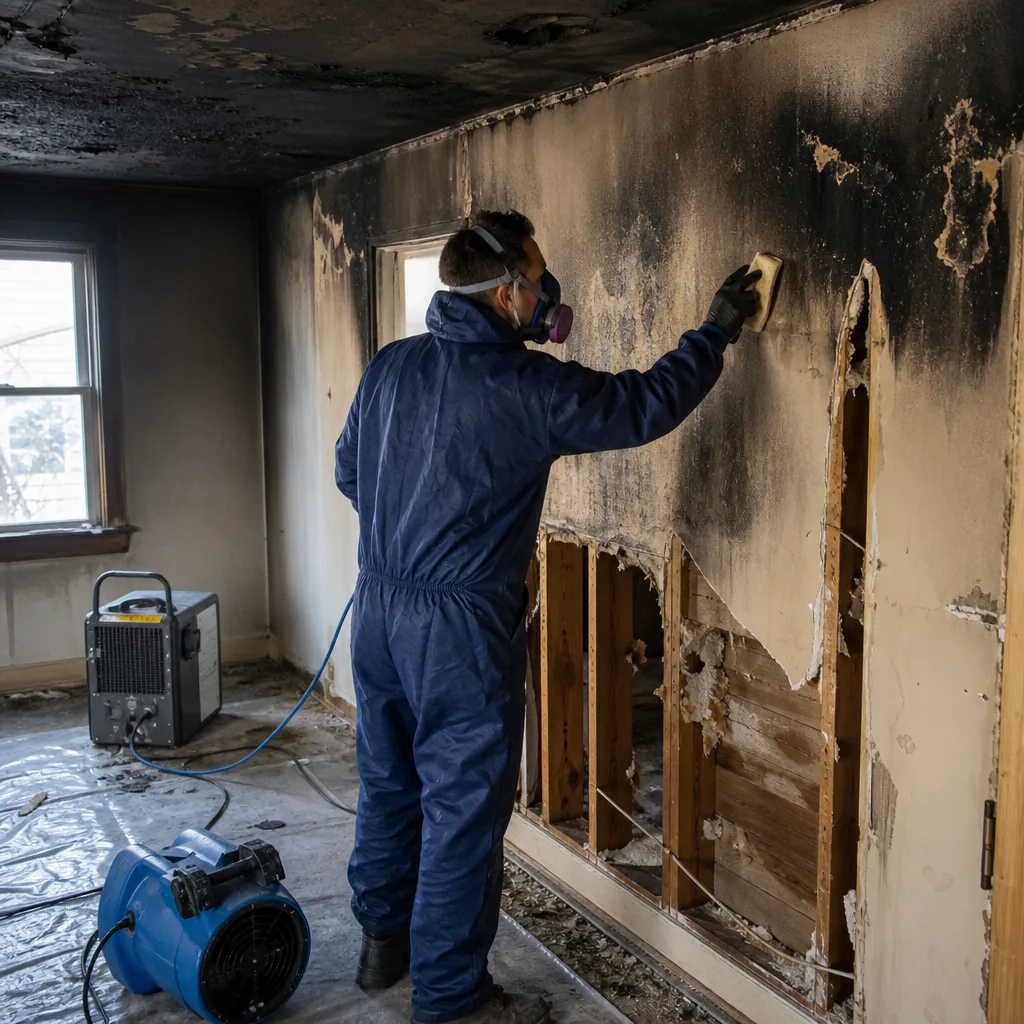
Wind and water leave behind debris, saturated plaster, and damaged contents. We remove the waste, separate what can be salvaged, and get the structure dry before secondary damage sets in. Bellerose’s attached homes mean debris removal has to happen through narrow shared walkways, so our crews use compact extraction setups that fit where a full-size franchise truck can’t park.
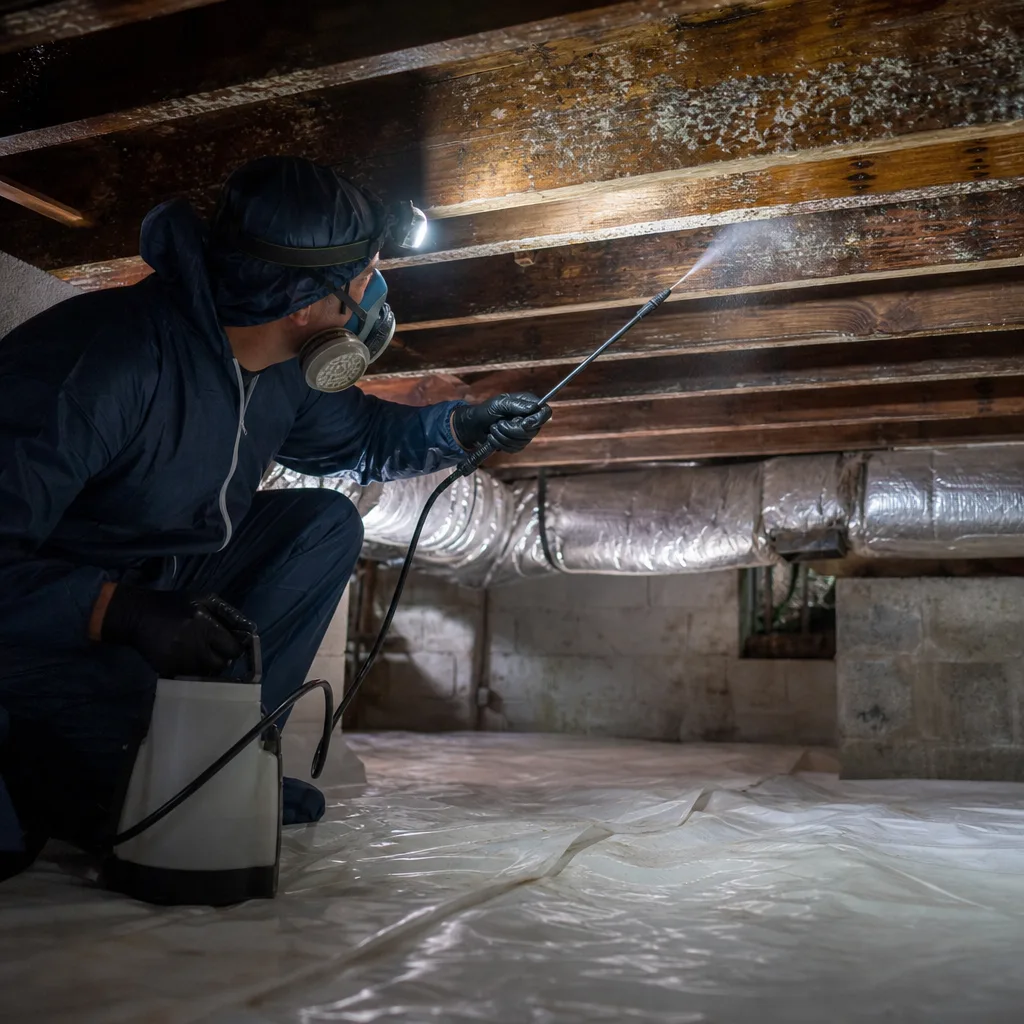
Flood Damage Restoration
When flash flooding fills a Bellerose basement with Category 3 water, we extract, disinfect, and dry the space before mold gets a foothold. The shallow water table under Bellerose means groundwater intrusion keeps seeping even after the rain stops, so our drying plans account for hydrostatic pressure, not just the water you can see. Daily moisture readings confirm when the foundation walls actually hit the dry standard.
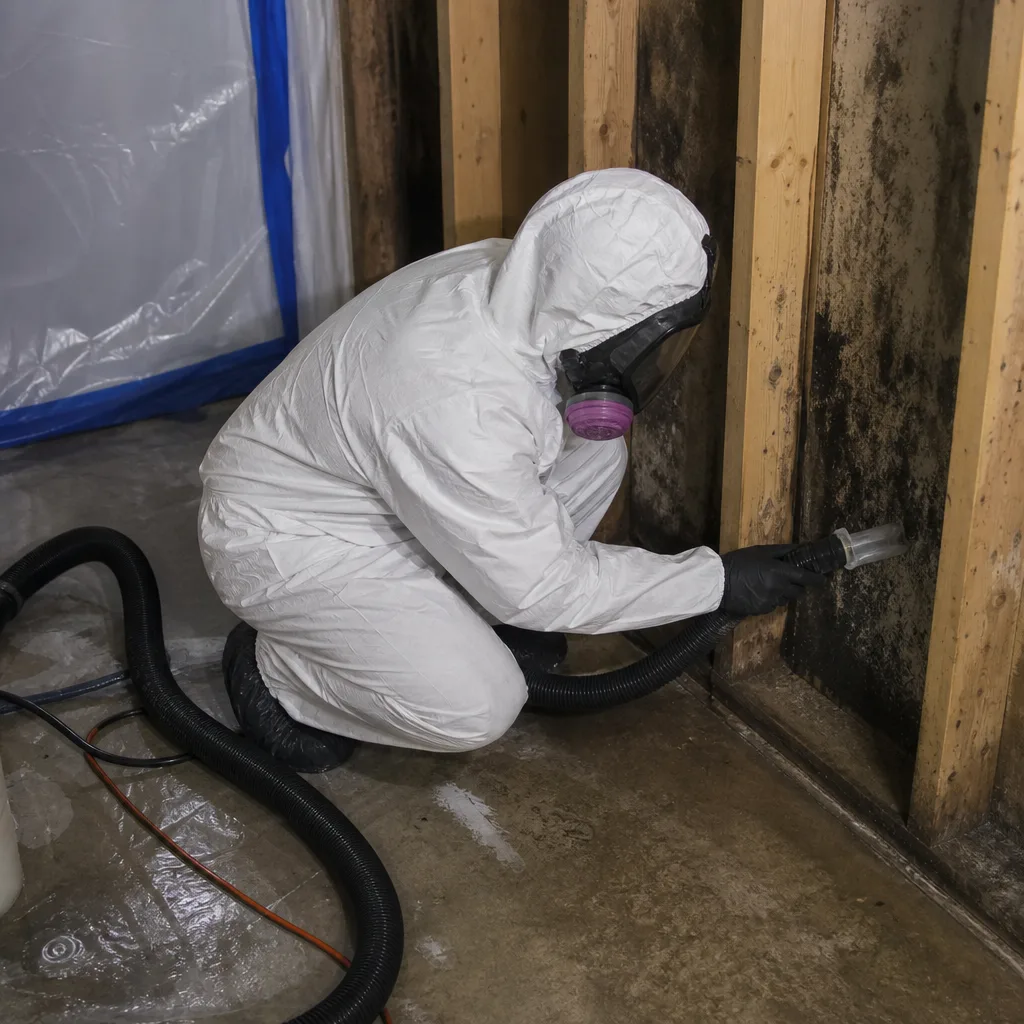
Emergency Board-Up
A broken window on a semi-detached Bellerose home is a security problem for both units. We board up using fasteners that secure to the opening without disturbing the neighbor’s shared wall or framing. On 1930s brick with original wood windows, that means careful anchoring that can be removed without pulling mortar loose. Same-day board-up is standard, and we photograph everything for your insurer.
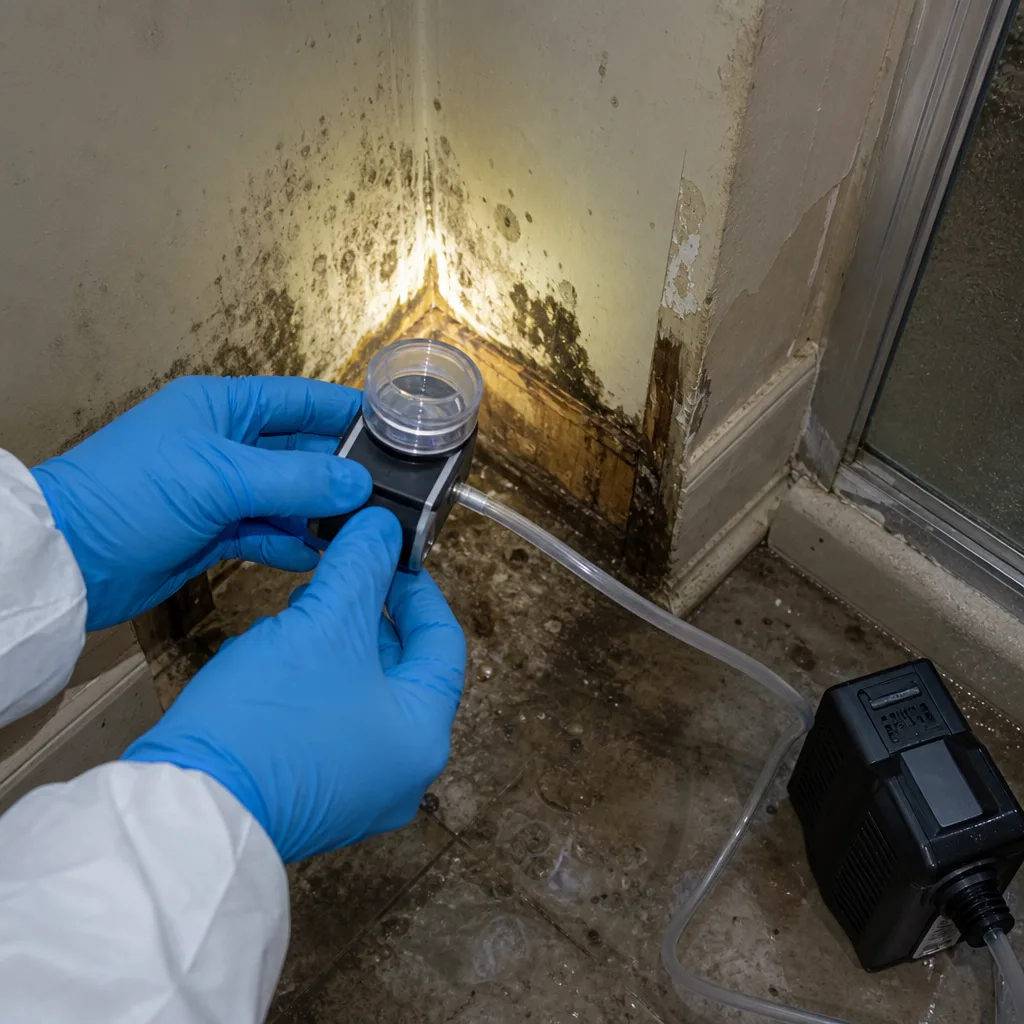
Roof Tarping
A torn clay tile roof over a Bellerose Tudor can’t be fixed in the rain, but it can be stopped. We tarp roof penetrations and missing tile sections immediately, using weighted and mechanically fastened systems that hold through the next storm. On steep Tudor pitches, our crews work with harnesses and never ask a homeowner to climb up.
Debris Removal
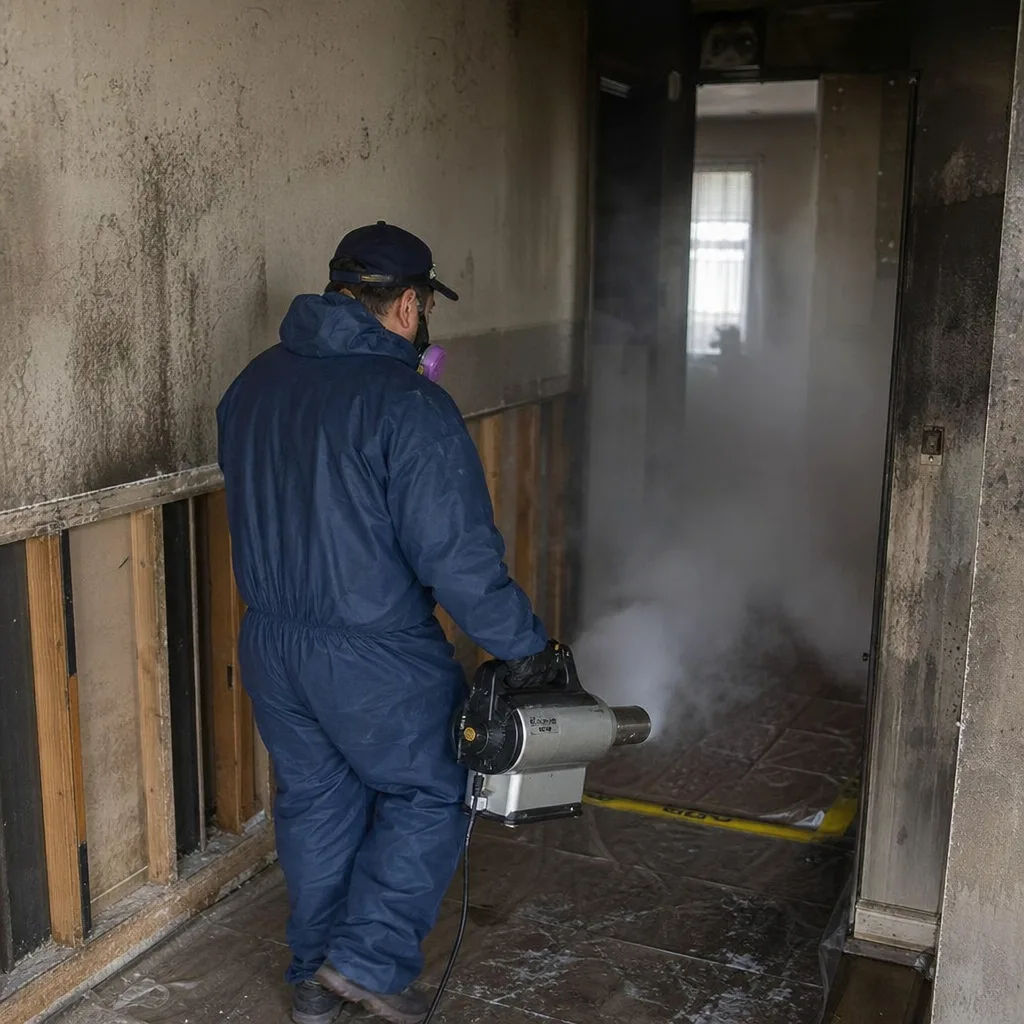
Storm debris on Bellerose streets includes branches, shingles, and sometimes parts of a neighbor’s fence. We haul it off and document what came from the storm versus preexisting conditions, which keeps your claim clean. Debris cleanup also clears access paths so drying equipment can be placed without tripping hazards in tight side yards.
What happens when you call
- 1
A real person answersNo phone trees - you reach a local pro.
- 2
You get an upfront price rangeHonest numbers before anyone is dispatched.
- 3
A background-checked tech heads outLicensed & insured, dispatched right away.
- 4
You approve before work beginsNothing starts until you say go.
Storm & Disaster Restoration Costs in Bellerose, NY
Storm restoration pricing in Bellerose reflects the age and construction of the housing stock, not a national average. Board-up for one window on a semi-detached brick home typically runs $250 to $450. Roof tarping on a clay tile Tudor starts around $400 and can reach $900 for steep-pitch work requiring mechanical anchoring. Water extraction and drying for a typical Bellerose basement flood runs $1,800 to $4,200, depending on category of water, square footage, and how long plaster has been saturated. Storm damage cleanup with debris removal usually lands between $900 and $2,500 when no structural demolition is needed. If asbestos abatement or lead paint stabilization is required, that’s a separate line item, and we walk you through exactly what’s mandatory under Nassau County or NYC DOB rules before we start. Insurance covers most storm-related losses, and we bill your carrier directly, so your out-of-pocket is often just the deductible. The free visual inspection is the only way to get a firm number, and there’s no cost or obligation to have us walk the property. Call (631) 557-5029 and we’ll schedule it the same day.
We Also Serve Cities Near Bellerose
Floodline Restoration Co. crews are staged to respond across the Queens/Nassau border, and we regularly handle storm calls in Floral Park, Queens Village, Oakland Gardens, and New Hyde Park. The same dual-license protocol and 45-minute response commitment applies wherever we dispatch in the immediate Bellerose area.
Serving Bellerose, NY - Our Local Coverage Area
We’re based in the Bellerose area and know this community well. Use the map below to see our service coverage - if you’re nearby, we can almost certainly help.
Bellerose Storm & Disaster Restoration Questions, Answered
How do you handle a storm damage restoration when only half of my semi-detached home is in Bellerose Village and the other half is in Queens?
We file permits and follow code requirements for both jurisdictions simultaneously, because we maintain licensing with both NYC DOB and Nassau County. Your restoration won’t stall at the county line. The same crew works both units, one coordinated scope, two permit files.
Do I need asbestos testing before you start tearing out water-damaged walls in my 1930s Bellerose Tudor?
Yes, on pre-1980 homes we test pipe insulation, floor tiles, and plaster skim coats before any demo starts. Asbestos fibers released during tear-out can force full containment and abatement, tripling the job cost and timeline. Testing costs a few hundred dollars and tells us exactly what we’re cutting into.
How long does structural drying actually take in a Bellerose semi-detached brick home after a storm?
Plaster-and-lath walls in these 1920s and 1930s houses retain moisture far longer than modern drywall, so expect 5 to 10 days of continuous dehumidification rather than the 3 to 4 days a wood-framed suburban home might need. Daily moisture readings confirm when materials hit the dry standard, and we hand you the log.
What happens if floodwater in my Bellerose basement is Category 3, not just clean rainwater?
Category 3 water means sewage or street-level contaminants are present, so the response changes completely. We contain the area with plastic sheeting, run HEPA air scrubbers, remove saturated porous materials, and disinfect hard surfaces before drying starts. Carpet and drywall that soaked Category 3 water get removed, not dried in place.
Can you board up a broken window on a semi-detached Bellerose home without damaging my neighbor’s shared wall?
Yes. We anchor board-up materials to the window opening’s own framing, not into the neighbor’s side of the party wall. On 1930s brick with original wood windows, we use fasteners that come out clean, so the repair doesn’t leave anchor holes in your neighbor’s living room wall.
How fast can a crew actually get to my Bellerose home after I call?
Our dispatch board shows live truck locations, and crews are staged along Jericho Turnpike and the Cross Island Parkway corridor. Most Bellerose calls get a crew on site in 45 minutes or less, day or night. Extraction is usually running within the first hour of arrival.
Will my insurance cover storm damage in Bellerose, and do you handle the adjuster?
Most storm-related losses, including wind damage, flooding from roof leaks, and burst supply lines, are covered under standard homeowners policies, though ground-water flooding may require a separate flood policy. We document everything from the first hour, file the claim documentation for you, and communicate with your adjuster directly.
What should I do in the first 30 minutes after storm damage hits my Bellerose home?
Shut off power to affected areas if water is near outlets, move valuables upstairs, and call us at (631) 557-5029. Don’t walk through standing water if you’re not sure where it came from. The sooner we start extraction and drying, the less likely you’ll need demo on saturated plaster walls. Call us first; we’ll walk you through the next hour while the truck is rolling.
Floodline Restoration Co. handles the full cycle of storm damage in Bellerose, from the first board-up to the final finish coat. One team, one scope, one name accountable at the end. Our 90-Day Done Right Promise is in writing, not fine print. If it’s not done right, we make it right. Call (631) 557-5029 for a free inspection, any hour, any day. A live person answers.
Written by Curt Bowman, Owner at Floodline Restoration Co., serving Bellerose with honest, written-guarantee restoration.