
Free visual inspection and a written scope of work before any mitigation begins - photos, moisture readings, and drying logs go in your claim file
The scope we write is the scope we bill. Anything new gets shown to you, in writing, before we touch it.
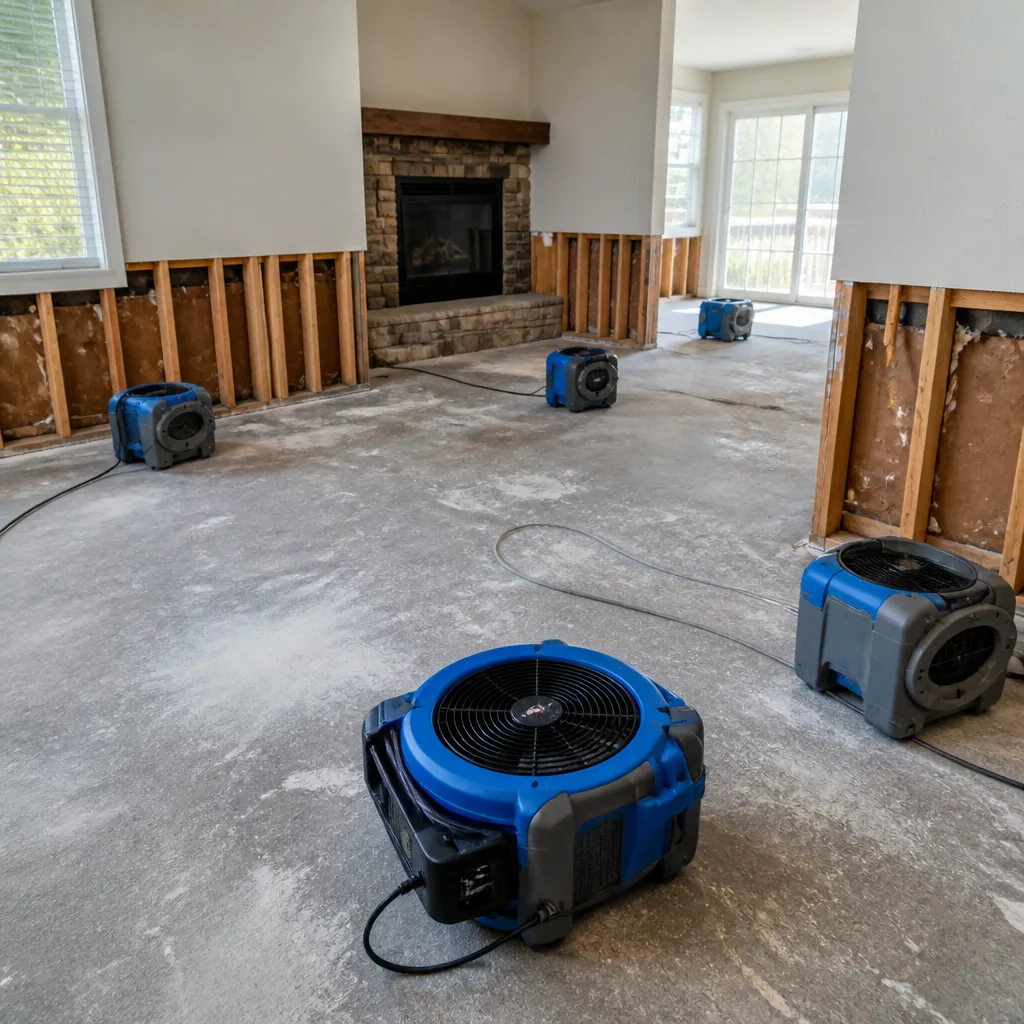
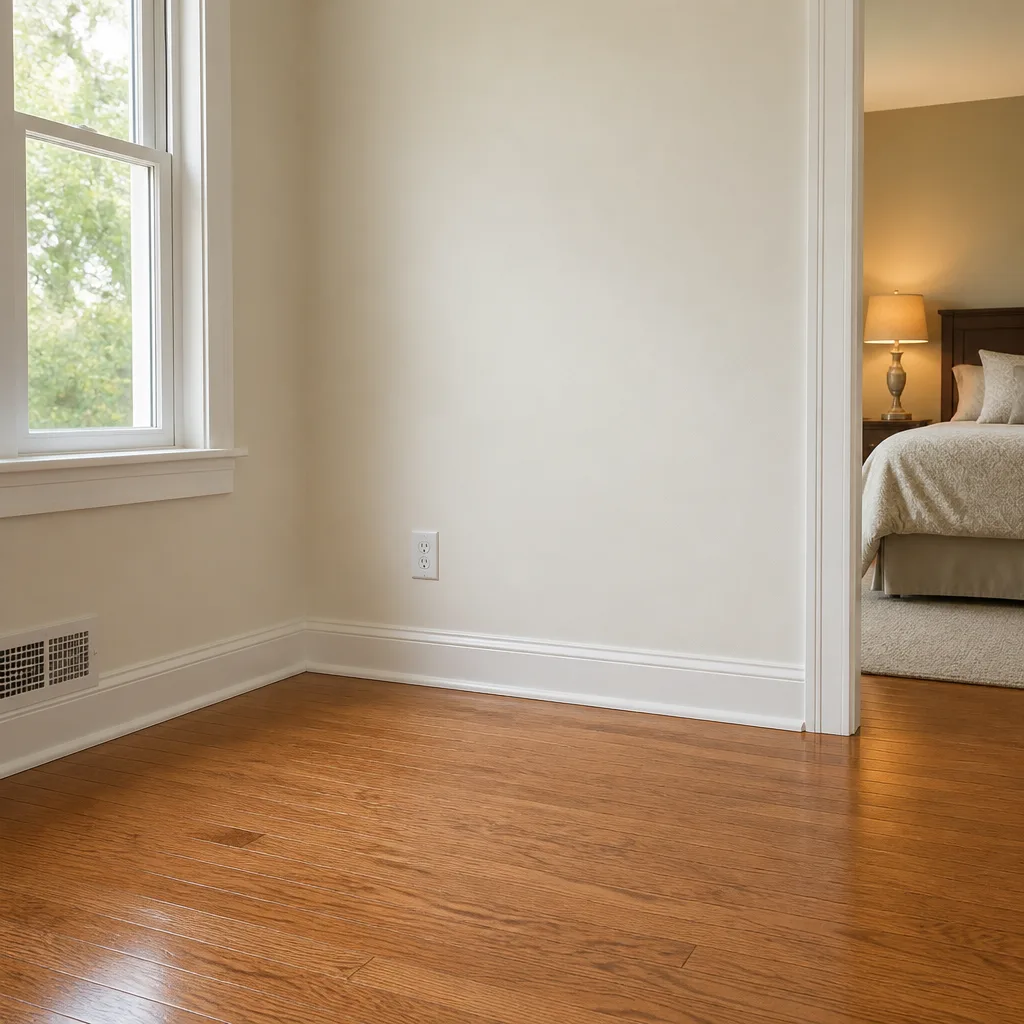
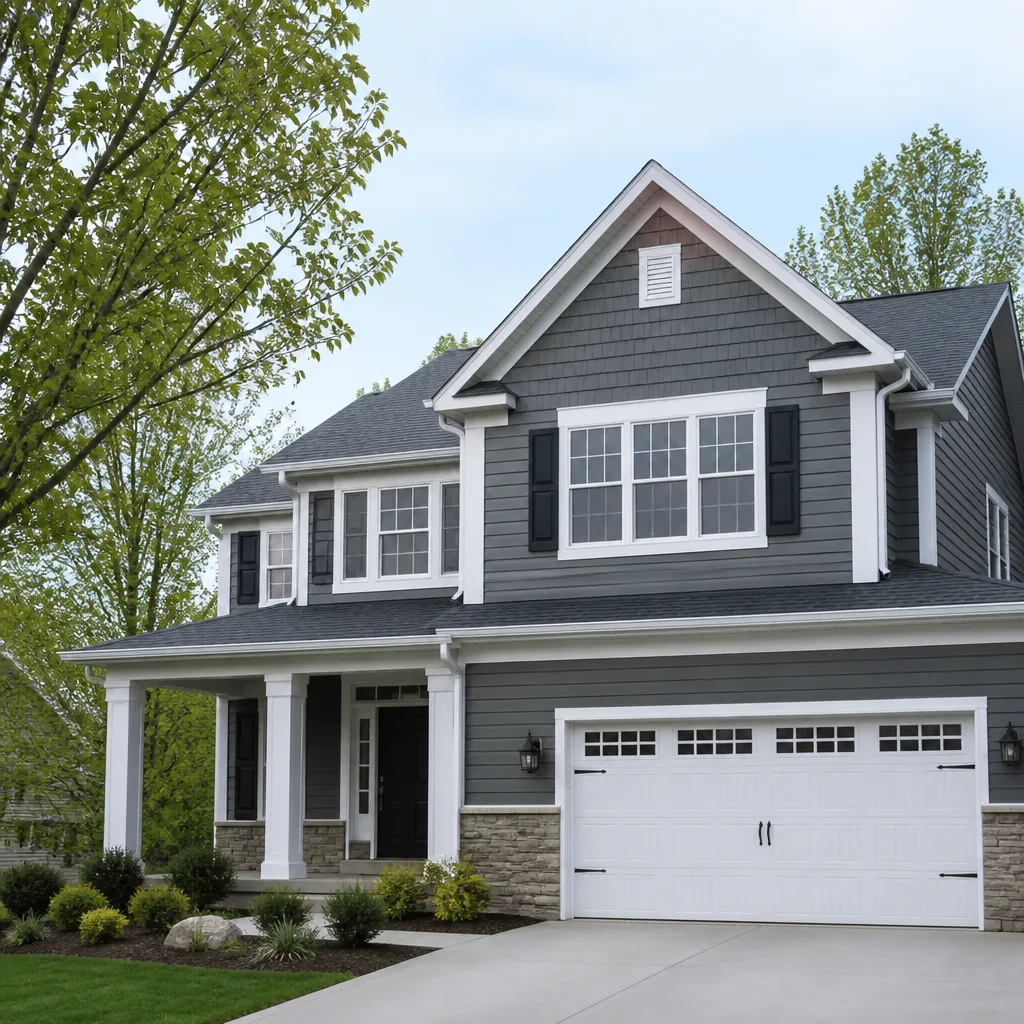
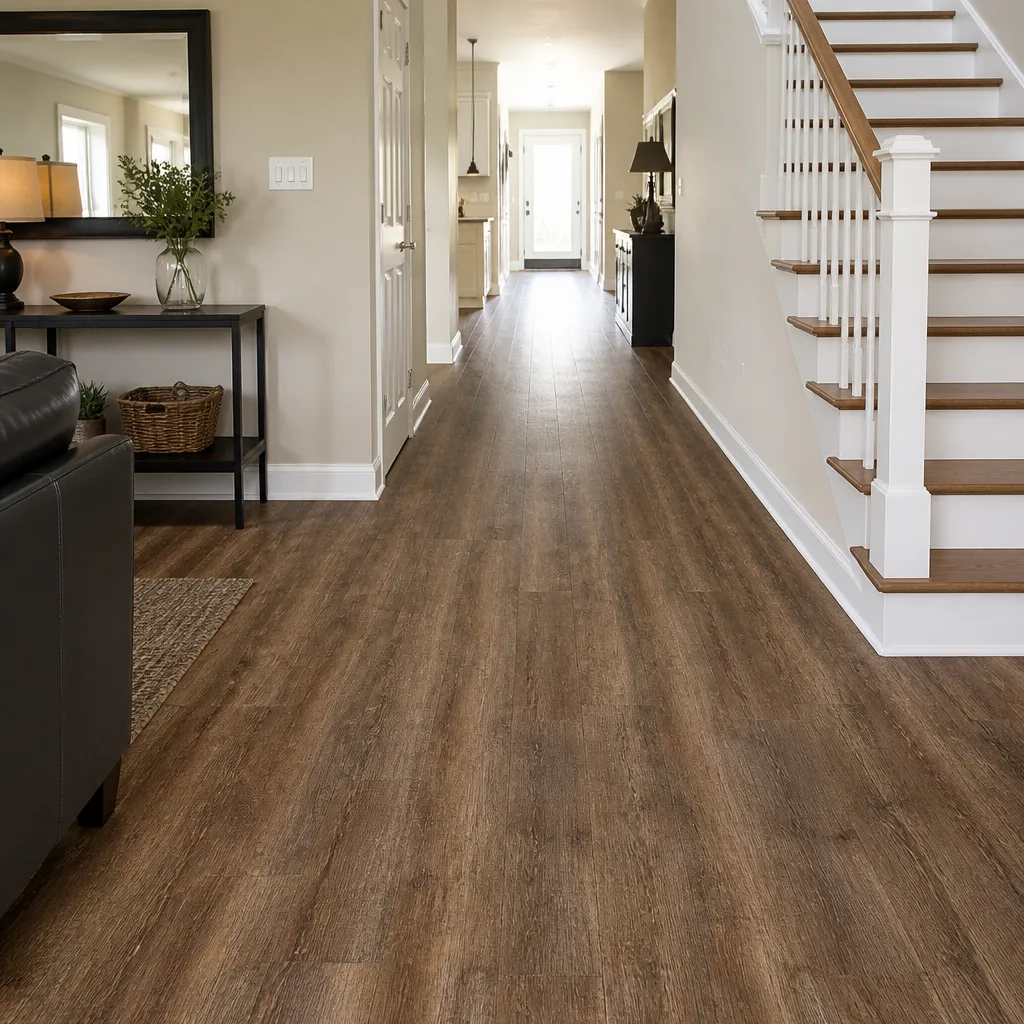
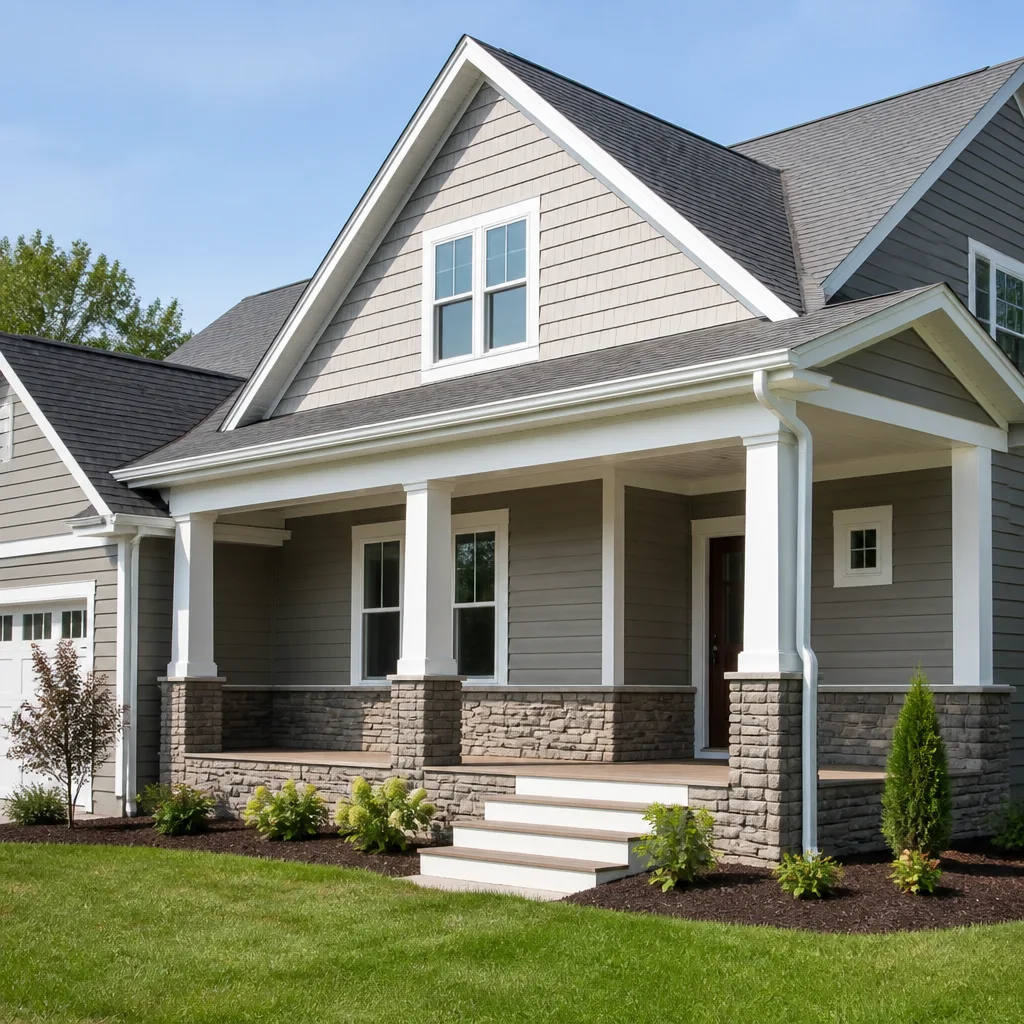
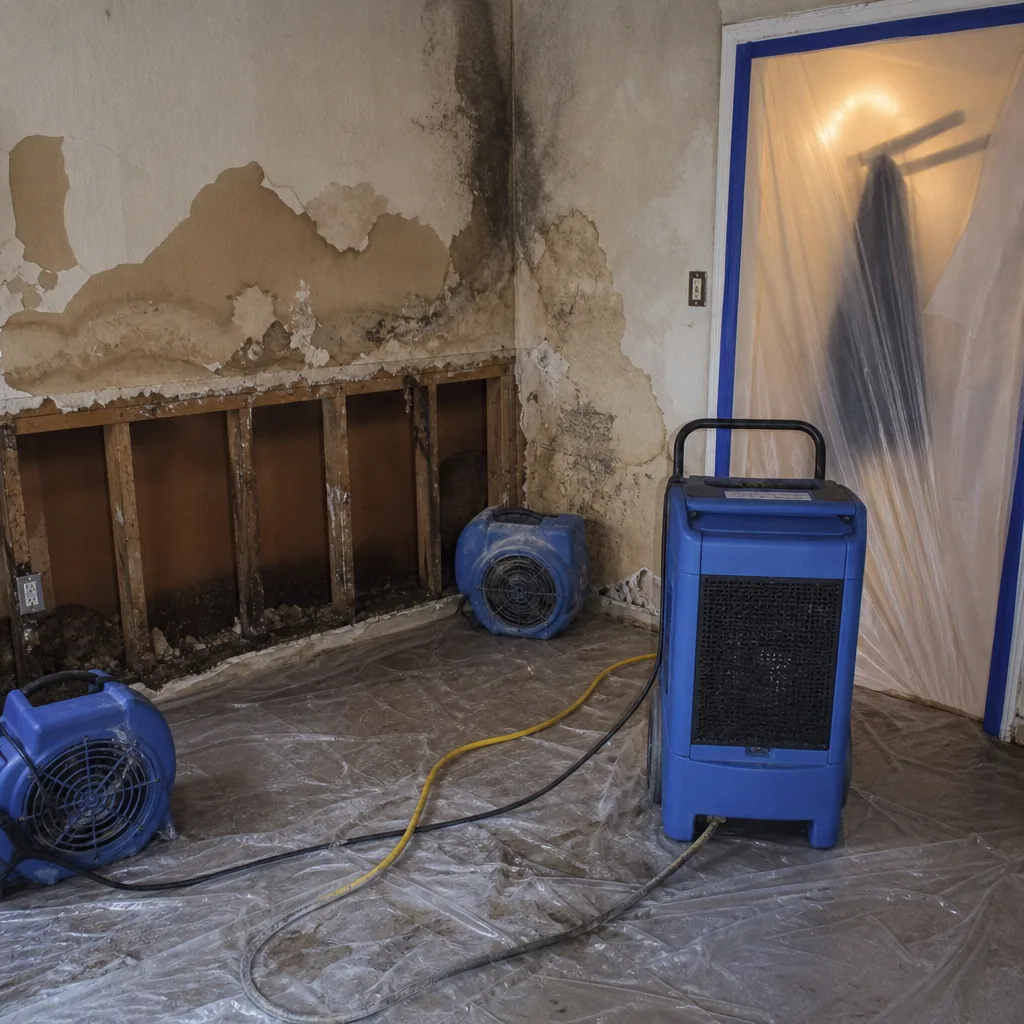 Before
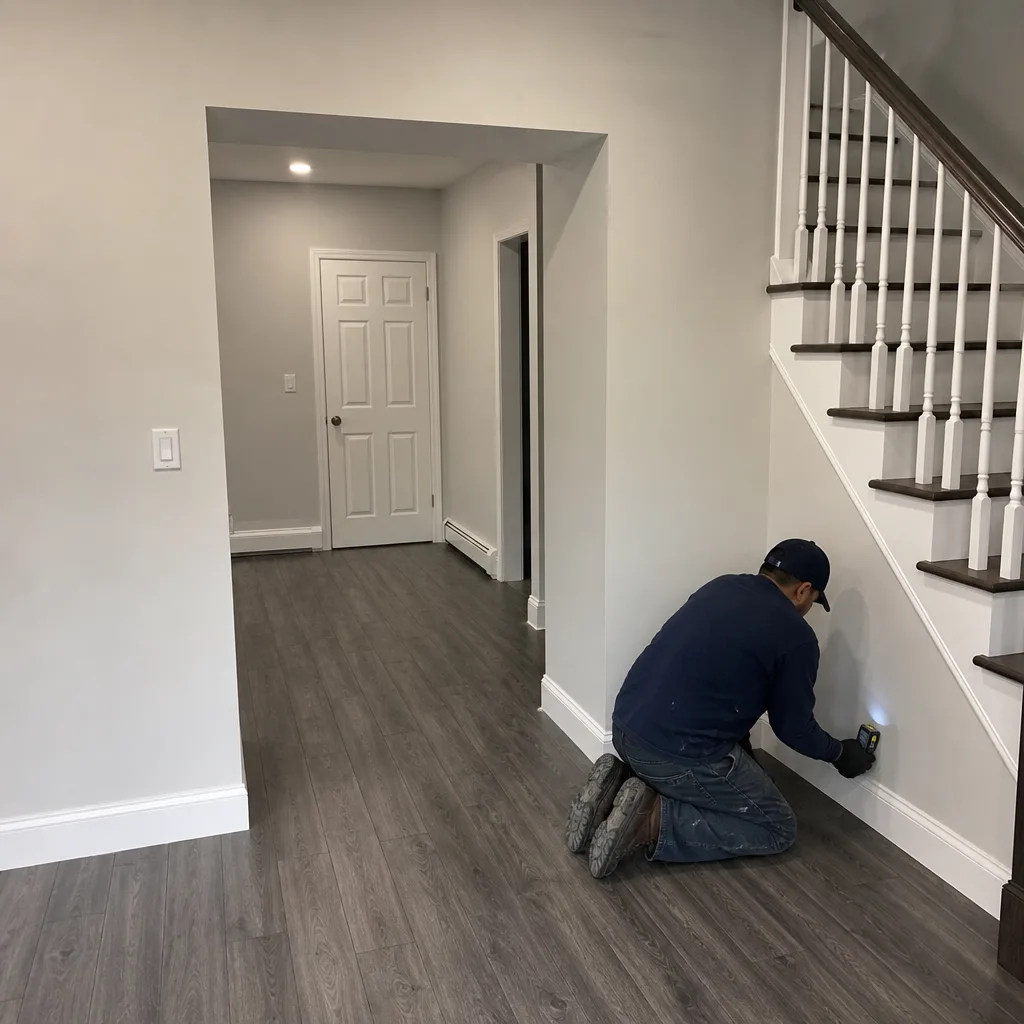 After
After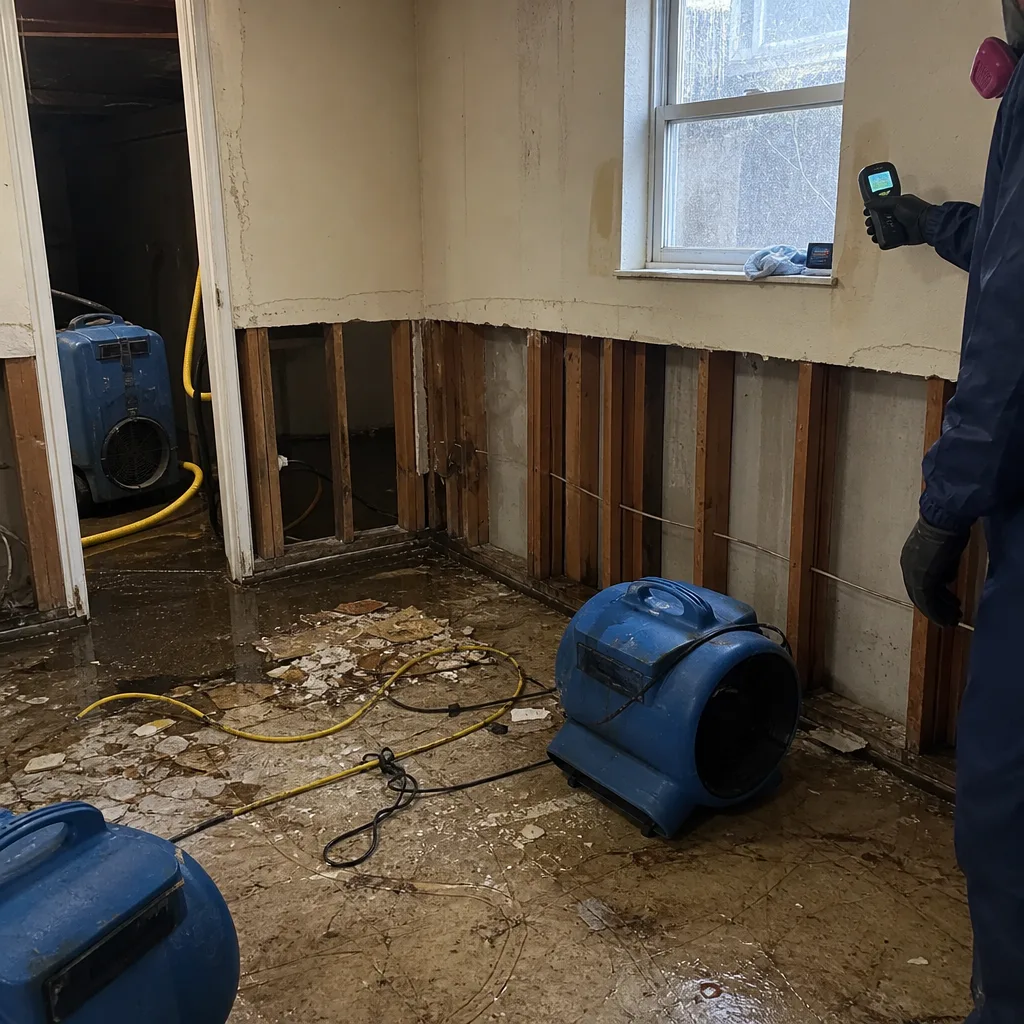 Before
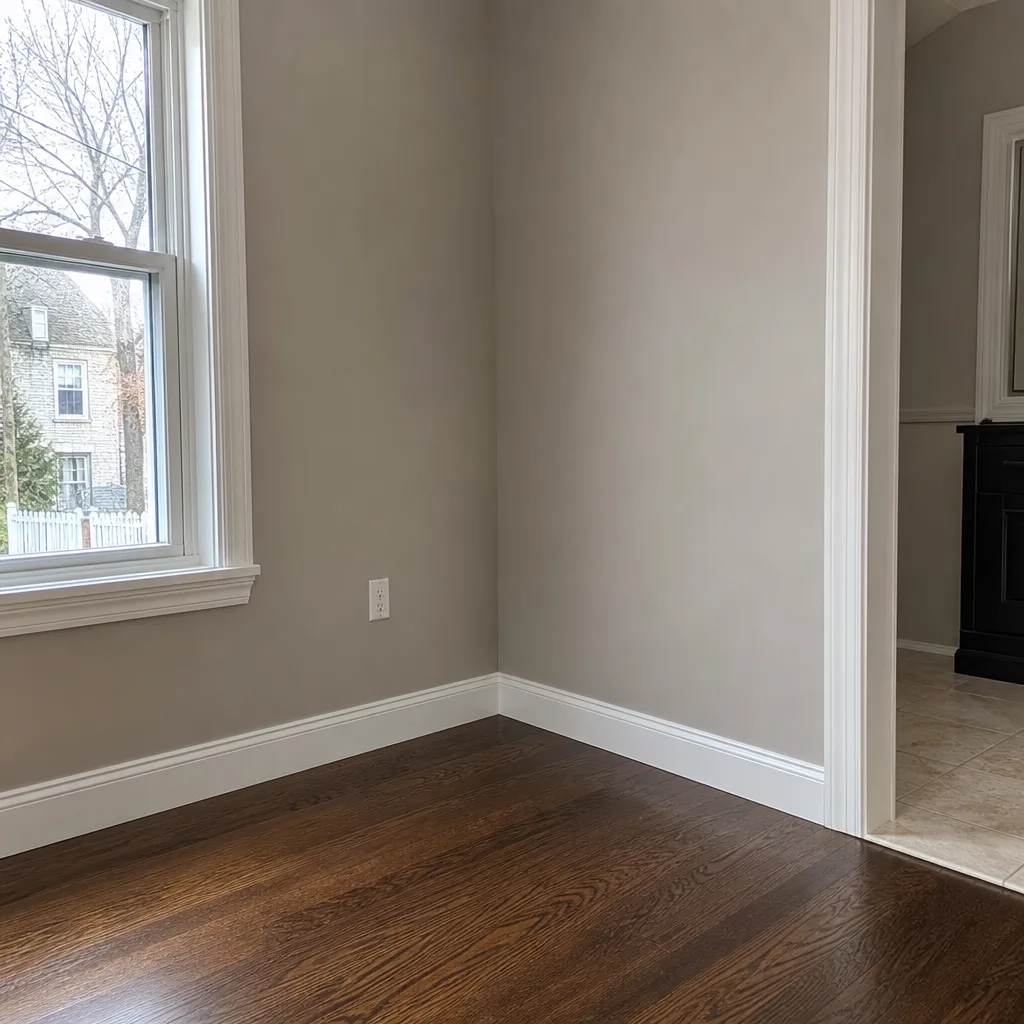 After
After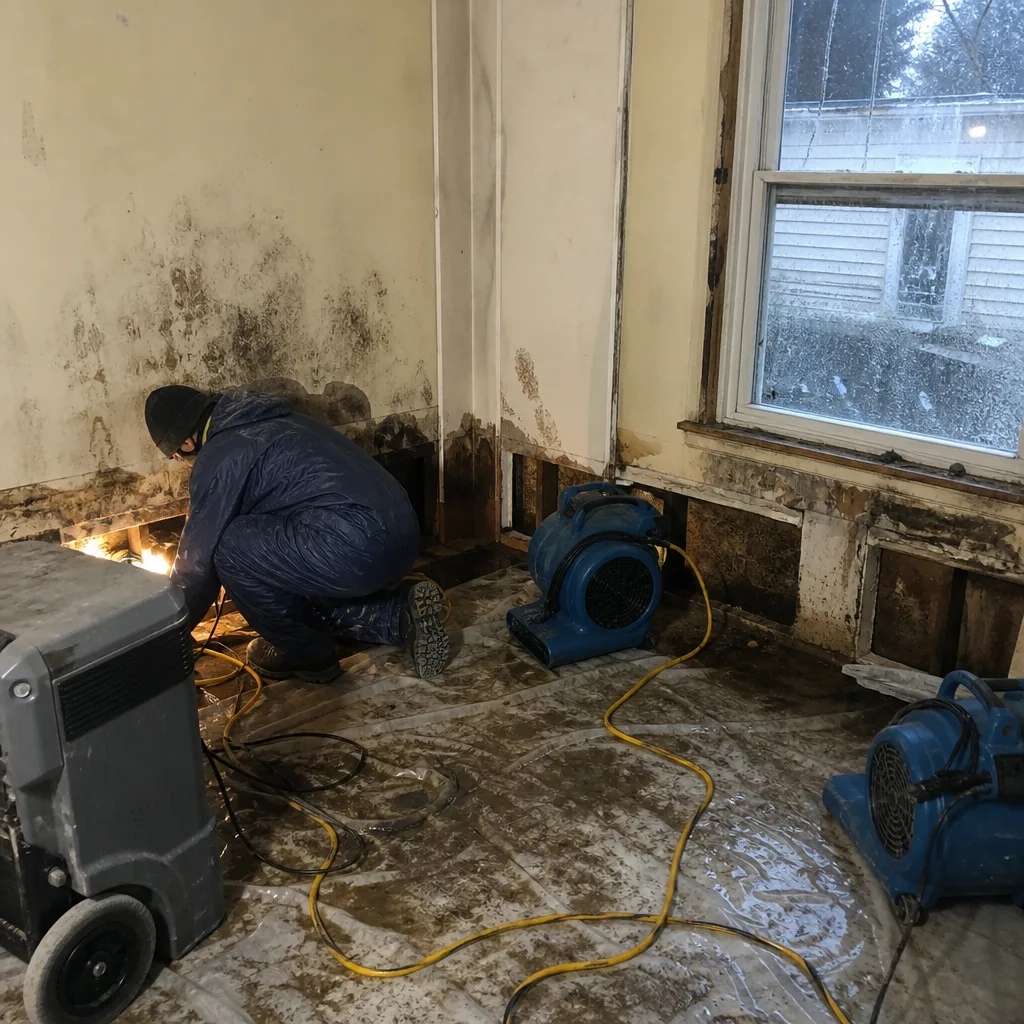 Before
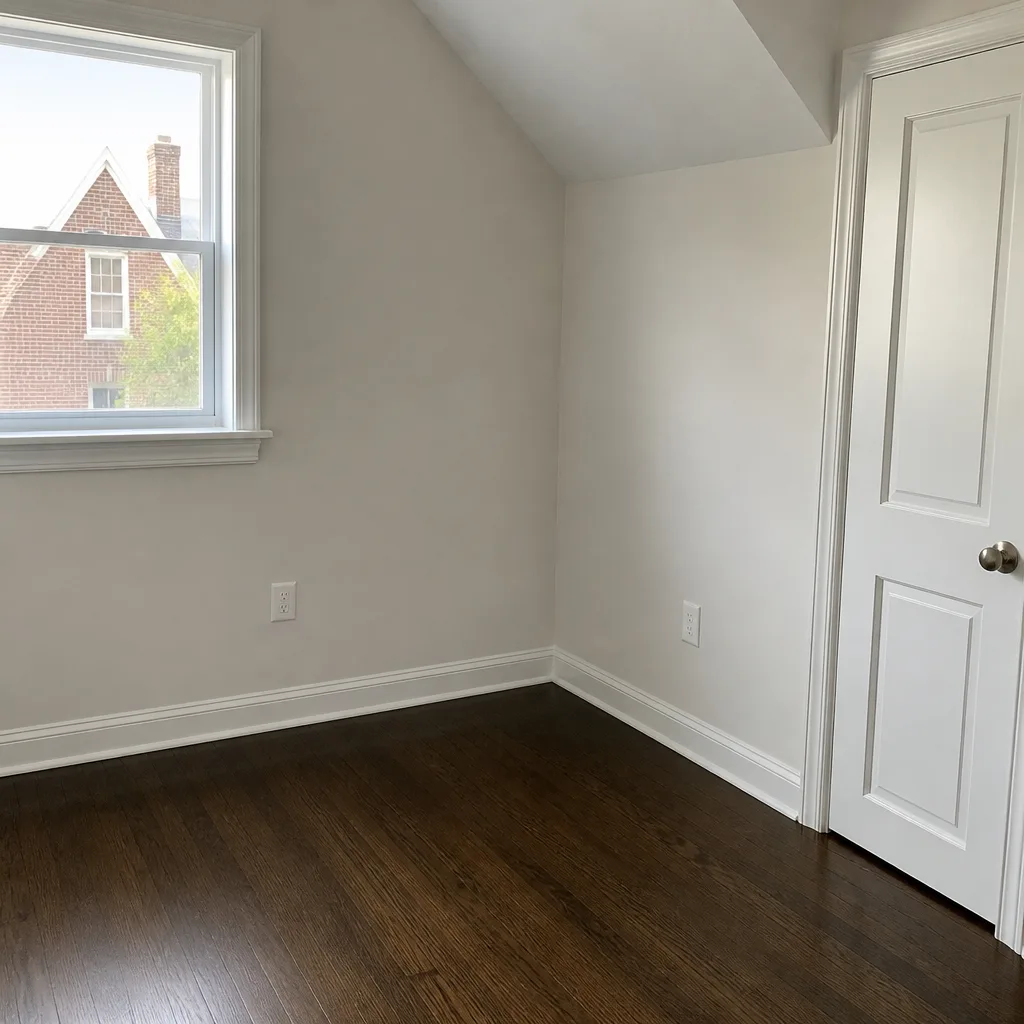 After
After24/7 Emergency Storm & Disaster Restoration in St. Albans
Storm and disaster restoration in St. Albans, NY typically costs between $1,800 and $9,500 depending on whether you’re dealing with Category 1 stormwater intrusion or Category 3 sewage-contaminated floodwater, but most homeowners pay less than $5,000 when extraction starts within hours, not days. Crews from Floodline Restoration Co. answer live around the clock at (631) 557-5029 and dispatch into St. Albans within 45 minutes of your call. The first hour after water enters a basement matters more than most homeowners realize: sheetrock begins wicking moisture upward immediately, and once saturated material sits for more than 48 hours, mold becomes a real possibility. We begin with a free visual inspection, then get pumps and air movers running the same visit, because in St. Albans, on low-lying former wetland terrain, water that has nowhere to go will find the path of least resistance, usually your basement floor drain or window well.
Understanding Storm & Disaster Restoration Severity in St. Albans Properties
Storm damage in St. Albans rarely stays Category 1 for long. The moment stormwater pushes through a basement window well or backs up through a floor drain connected to the neighborhood’s aging combined sewer, that water picks up whatever it touches: soil, sewage, street runoff. We classify water by three categories. Category 1 is clean water from a supply line or direct rainfall intrusion. Category 2 carries significant contamination from runoff, sump-pump overflow, or washing-machine discharge. Category 3 is grossly contaminated, the kind that rises from sewer backups, and it demands full biohazard protocols with containment, personal protective equipment, and antimicrobial treatment. St. Albans’s housing stock, mostly 1940s through 1960s brick and frame rowhouses, complicates matters further because many basements were finished decades ago over original slab or shallow footings sitting near the water table. Moisture mapping behind brick veneer walls often finds hidden pockets that a visual check would miss, which is why our techs use thermal imaging and hygrometers before declaring a structure dry. The goal is simple: stop water before it becomes a Category 3 biohazard job.
Why St. Albans Property Owners Choose Floodline Restoration Co.
- 45-minute response commitment into St. Albans. We track our dispatch board, not a voicemail box. When you call at 2 a.m., a live dispatcher answers and a crew heads your way.
- A live person answers, every hour, every day. No recording, no callback queue. At (631) 557-5029, you get a person who can authorize dispatch immediately.
- IICRC-certified crews with WRT and ASD certifications. Water damage restoration and applied structural drying are exactly what St. Albans basements need, especially when finished spaces are involved.
- Free visual inspection before any work begins. We walk the property, map the moisture, and hand you a written scope so you know the plan and the price before we touch a screwdriver.
- Direct insurance billing, no homeowner-as-messenger. We document everything from hour one and coordinate with your adjuster in writing, with photos and drying logs included.
- One team from first extraction to final coat of paint. The same certified crew that pumps the water out rebuilds the baseboards. No mid-job handoff, no inherited strangers in your home.
Our Storm & Disaster Restoration Process
Inspection & Assessment
We arrive fast and start with moisture mapping across affected surfaces. Thermal imaging and hygrometer readings tell us where water traveled, including behind walls and under flooring. We check IDO status on any basement apartment before scoping the work.
Extraction & Stabilization
Our Dri-Eaz and Phoenix pumps remove standing water quickly. For sewer-contaminated stormwater, containment goes up and we treat the space as biohazard from that moment, not later.
Drying & Dehumidification
Air movers and dehumidifiers run continuously, with daily moisture readings logged until structural dry standard is met. We log every reading and hand that log to you and your carrier.
Cleaning & Sanitization
HEPA air scrubbing clears particulates while antimicrobial treatment addresses bacterial contamination. For Category 3 events, this step includes disposal of saturated porous materials under controlled conditions.
Storm-Specific Treatment
This is where we address what St. Albans storms actually do: brick veneer weep-hole drainage, window-well regrading, sump-pump evaluation, and emergency board-up or roof tarping if wind damage opened the envelope.
Repairs & Restoration
Drywall, flooring, trim, paint, door track and panel work if wind damaged your garage. The same crew that started the job finishes it, and the 90-Day Done Right Promise goes in writing before we leave.
Need Emergency Storm & Disaster Restoration in St. Albans Now?
Crews minutes away, answering live 24 hours a day. The sooner we start, the less it costs.
Working With Your Insurance Company
Insurance claims for storm damage in St. Albans hinge on documentation. The carrier needs to see exactly what happened, when it happened, and what it cost to fix it, and adjusters who see thorough documentation approve claims faster and with less pushback. We generate that documentation from the first hour: photos of every affected room, moisture readings before and during drying, a line-item scope of work, and open communication with your adjuster. Because we bill the carrier directly, you are not out-of-pocket waiting for reimbursement. When a finished basement in St. Albans floods, the claim often covers demolition, drying, and rebuild, but only when the file demonstrates Category classification and the full scope. We’ve handled enough claims in Queens to know what insurers expect, and we give it to them the first time.
What We Provide Your Insurer
- Thorough documentation of the loss
- Photos of all damage, room by room
- Moisture readings and drying logs
- A detailed, line-item scope of work
- Direct coordination with your carrier
Built for St. Albans’s Loss Calendar
St. Albans takes its storm hits in predictable waves. January and February bring deep freezes that split supply lines in unheated basements and crawl spaces, especially in the neighborhood’s older rowhouses along Farmers Boulevard and Linden Boulevard where original plumbing has seen sixty winters. Spring thaw saturates the soil and pushes groundwater against foundation walls, which is when we see the first basement seepage calls near Baisley Pond Park and the flat blocks east of Merrick Boulevard. Summer brings those fast, violent thunderstorms that drop two to three inches in an hour, and on St. Albans’s low-lying grade, that water overwhelms yard drains and window wells before the storm has even passed. Nor’easters in early fall are the events that produce the worst combined hits: wind damage up top, stormwater down below, and sewer backups through basement floor drains when the municipal system surcharges. Understanding this calendar means we stage equipment and crews accordingly, which is why our response time into St. Albans holds steady even on the worst nights of the year.
Storm & Disaster Restoration Across St. Albans’s Neighborhoods
St. Albans is not one uniform grid, and storm damage behaves differently from block to block. The area around Farmers Boulevard and Murdock Avenue holds some of the neighborhood’s oldest rowhouses, many with window wells that sit barely above grade; during heavy rain, those wells are the first point of failure. Closer to Baisley Pond Park, the water table sits higher, which means sump pumps run longer and harder after every storm, and those pumps burn out at the worst possible moment. Along Linden Boulevard, the commercial and mixed-use buildings face a different issue: flat roofs with aging membrane, debris from wind-lifted tree limbs, and storefront doors that gap under pressure. Down toward Merrick Boulevard and the boundaries with Cambria Heights, many of the frame two-family homes have rear additions placed over shallow footings, and those additions separate from the main structure during high-wind events, opening gaps where water enters unseen. In every one of these pockets, the answer starts with getting on site fast, reading the moisture honestly, and scoping the job properly before touching a wall.
Specialized Storm & Disaster Restoration Services We Offer in St. Albans
Flood Damage Restoration
When a St. Albans basement floods, the clock is running. We extract standing water with truck-mounted and portable Dri-Eaz pumps, set up containment if the water is Category 2 or 3, and run air movers and dehumidifiers until moisture mapping shows structural dry standard. On former wetland terrain, this often takes longer than homeowners expect, because moisture keeps wicking up from the slab even after the visible water is gone.
Storm Damage Cleanup
Wind and water leave debris, saturated drywall, soaked insulation, and mud-caked flooring. Our crews remove it all under controlled handling, which matters when the debris is contaminated. We cut and bag affected material, HEPA-vacuum the space, and prepare the structure for drying and rebuild without leaving a mess for you to finish.
Emergency Board-Up
A broken window or compromised door in St. Albans after a storm is an open invitation to further water intrusion, not to mention unauthorized entry. We deploy same-visit board-up for any breach, using weatherproof materials that hold until permanent repair can be scheduled. This is not a stopgap; we treat it as part of the mitigation.
Roof Tarping
Wind-lifted shingles and limb impact damage happen fast in a nor’easter. Our crews install reinforced tarping anchored to the structure, not the shingle layer, to keep rain out until a roofer can complete the full repair. For St. Albans rowhouses with shared party walls, we cover the exposed section while respecting the neighbor’s side.
Debris Removal
Downed limbs, broken fence sections, storm-flung trash, even pieces of your neighbor’s awning. We haul it all, but we photograph and catalog everything first because your insurer may cover removal as part of the loss. Clean site, clear scope, no surprises.
What happens when you call
- 1
A real person answersNo phone trees - you reach a local pro.
- 2
You get an upfront price rangeHonest numbers before anyone is dispatched.
- 3
A background-checked tech heads outLicensed & insured, dispatched right away.
- 4
You approve before work beginsNothing starts until you say go.
Storm & Disaster Restoration Costs in St. Albans, NY
St. Albans pricing reflects the reality of this neighborhood’s housing stock. Here is what we see on actual invoices:
- Category 1 basement extraction and drying (unfinished space): $1,800-$3,400
- Category 2-3 flood with containment and biohazard treatment: $3,200-$7,500
- Finished basement demo, drying, and rebuild: $7,000-$18,000 depending on scope
- Emergency board-up per opening: $350-$900
- Roof tarping (average rowhouse section): $550-$1,200
- Wind damage door track and panel repair: $450-$1,800
What moves the price most is how long water sat before we arrived, whether sewage is involved, and whether the basement was finished. Insurance covers most of these costs when the loss is sudden and the documentation is solid. We lay out the numbers face to face, in writing, before work starts, and our $50 Off Any Repair Over $250 and Senior & Veteran 5% discount apply here.
We Also Serve Cities Near St. Albans
Floodline Restoration Co. runs crews into Queens Village, Bellerose, New Hyde Park, and Cambria Heights with the same 45-minute response commitment and live dispatch that St. Albans homeowners get. If you’re on the edges of St. Albans near one of these communities, call us and we’ll get someone moving.
Serving St. Albans, NY - Our Local Coverage Area
We’re based in the St. Albans area and know this community well. Use the map below to see our service coverage - if you’re nearby, we can almost certainly help.
St. Albans Storm & Disaster Restoration Questions, Answered
How quickly does stormwater in a St. Albans basement become a Category 3 biohazard?
Stormwater that backs up through a basement floor drain connected to the combined sewer becomes Category 3 immediately upon contact with sewage, and in St. Albans, with aging combined sewer infrastructure, a heavy rain can force that backup within the first hour of a storm. Water that enters through a window well as clean rainwater typically becomes Category 2 within 24 to 48 hours as it picks up soil and bacteria from building materials. The safest approach is to treat all stormwater intrusion in St. Albans basements as potentially contaminated from the start. Call (631) 557-5029 and we’ll assess the category on site before touching anything.
Does Floodline Restoration check for illegal basement apartment status before starting a storm damage job in St. Albans?
Yes. Before scoping any basement restoration in St. Albans, we check the DOB status of the space, especially if it shows signs of being finished as a rental unit. Southeast Queens has active IDO enforcement, and a flood-damaged finished basement can trigger a stop-work order mid-remediation if permits reveal the space was unpermitted. That leaves a family living in a gutted space while the job sits frozen. We identify this risk up front and route the scope accordingly, so you are never caught between restoration and code compliance without knowing your options.
What wind-rated door or reinforcement work do you do for St. Albans rowhouses before a storm?
We reinforce entry doors, install wind-rated garage door track and panel systems, and seal gaps around rowhouse doors where pressure-driven rain enters during nor’easters. Most St. Albans rowhouses have original 1940s-1960s door frames that have shifted over sixty-plus winters, leaving gaps that matter when wind gusts hit 50 mph. We align frames, replace worn track, and upgrade to impact-rated materials where the homeowner wants it. This work is scoped in writing before any charge, and the 90-Day Done Right Promise applies.
How do you handle post-storm track or panel damage on a St. Albans garage door?
We inspect the full door system, because a bent track is rarely alone: panels stress, rollers bind, and the opener fights the misalignment until it burns out. For St. Albans garages on narrow rowhouse driveways, wind exposure between buildings can flex panels repeatedly during a nor’easter, causing fatigue cracks. We replace or reinforce track and panels, and we deliver the same written scope and direct insurance billing we use on every storm job. Wind damage repair on a garage door here typically starts around $450.
Why does St. Albans need different storm restoration protocols than Flushing or Forest Hills?
St. Albans sits on flat, low-lying former wetland, so stormwater has nowhere to drain quickly, while Flushing and Forest Hills generally have better elevation and more modern stormwater infrastructure in places. That means a two-to-three-inch rain event in St. Albans can pond in yards and push through window wells that would stay dry elsewhere. Combined-sewer backups are also more common here, which changes the risk from simple water damage to Category 3 biohazard work. Our protocols for St. Albans assume sewer-backup potential and IDO complications from the first assessment, not as an afterthought.
How fast can you actually get to St. Albans in an emergency?
Our dispatch target is 45 minutes or less into St. Albans, day or night. That’s a live dispatcher on the phone, a crew dispatched from the nearest staging location, and extraction equipment rolling the same hour. On nights when nor’easters hit the whole borough, specific neighborhoods surge with calls, and we move crews from adjacent response zones to keep St. Albans covered. For the fastest response, call (631) 557-5029 and describe the water level and whether sewage is involved so we bring the right containment gear immediately.
Will insurance cover storm damage restoration in St. Albans?
Most homeowner policies cover sudden storm damage, including wind-driven rain, sewer backup if the endorsement is in place, and the resulting drying and rebuild. Finished basement finishes are typically covered up to policy limits, which is one reason documentation of scope and category matters as much as it does. We photograph every phase and bill your carrier directly. For an exact answer about your policy, call (631) 557-5029 and we’ll review the situation in plain terms.
What should I do in the first 30 minutes after stormwater enters my St. Albans home?
Shut off the power to the affected area at the breaker if water is near outlets, then call (631) 557-5029. Do not walk through standing water in a finished basement if you suspect it came up through a floor drain; that water may contain sewage. Move what you can from the water’s path but do not start ripping out drywall yourself, because contaminated material spread around a finished basement makes the biohazard scope worse. We’ll be there fast, and we’ll assess the category before anything is disturbed.
During the September nor’easter, our crew responded to a 1950s brick rowhouse on Farmers Boulevard where the basement rental unit had taken on two feet of stormwater. We performed emergency water extraction with our Dri-Eaz pumps, set up containment and air movers, and logged moisture readings every four hours until structural drying was complete. Because the space was an unfinished basement, we avoided the IDO stop-work risk and restored the space to pre-loss condition in four days.
St. Albans’s flat, low-lying grade, developed atop former wetland, means stormwater has nowhere to drain quickly, so even a 2-3 inch rain event can overwhelm yard drainage and window wells, sending water into basements that would stay dry in better-elevated neighborhoods like Forest Hills or Flushing. Our Storm & Disaster Restoration team carries that reality into every scope. If you need us in St. Albans, call (631) 557-5029 for a free estimate.
Written by Curt Bowman, Owner of Floodline Restoration Co., founded in 2010 and serving New York City from its metro dispatch office.