
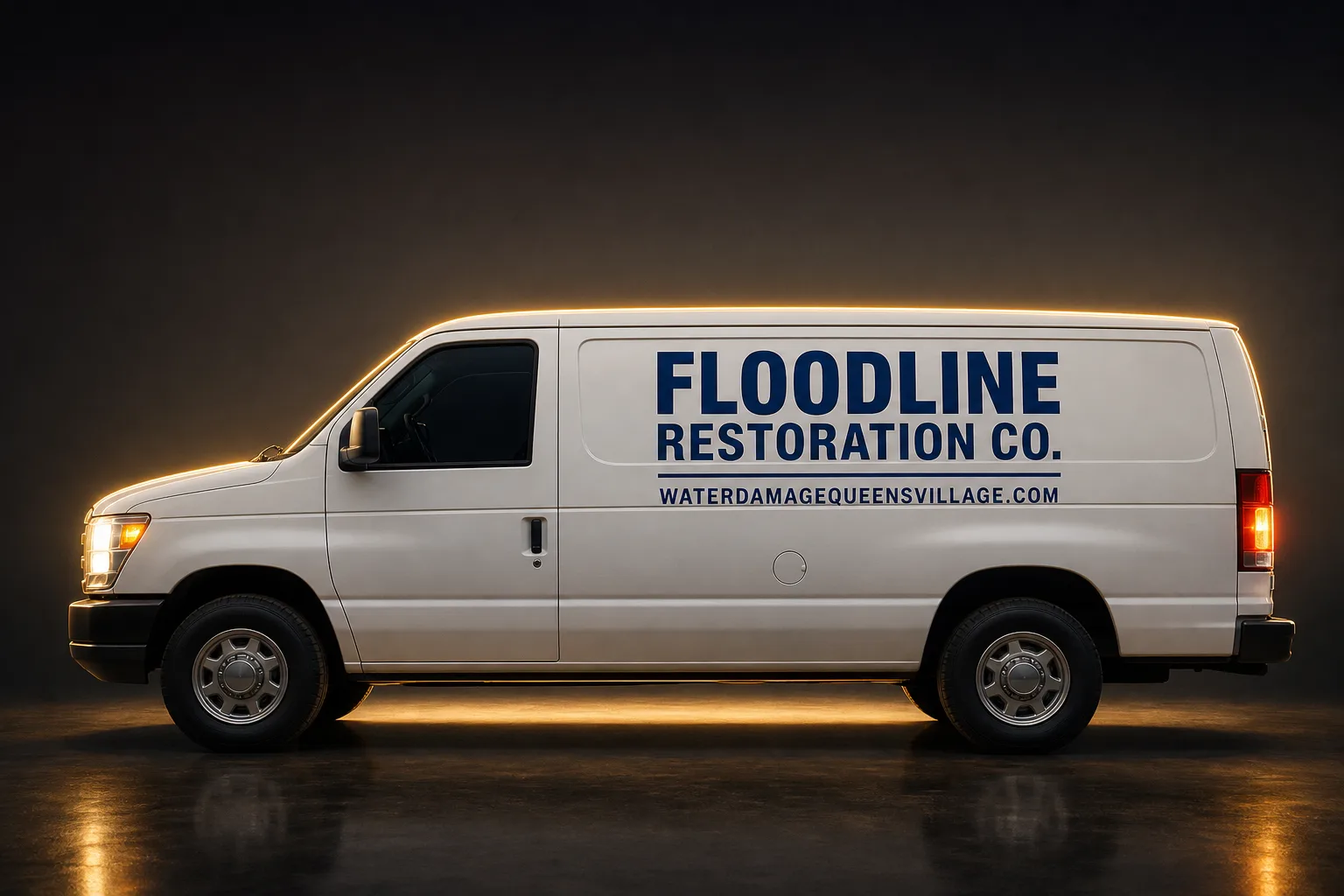
Free visual inspection and a written scope of work before any mitigation begins - photos, moisture readings, and drying logs go in your claim file
The scope we write is the scope we bill. Anything new gets shown to you, in writing, before we touch it.
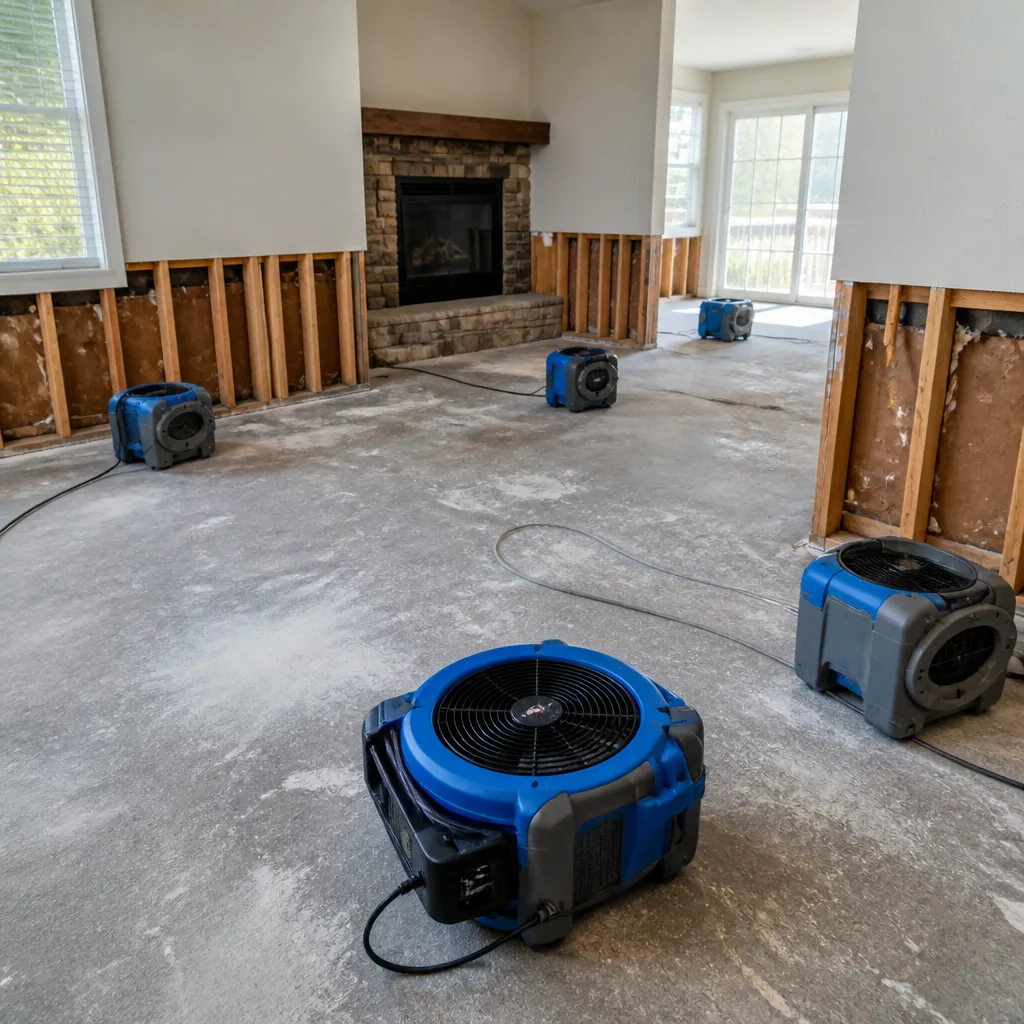
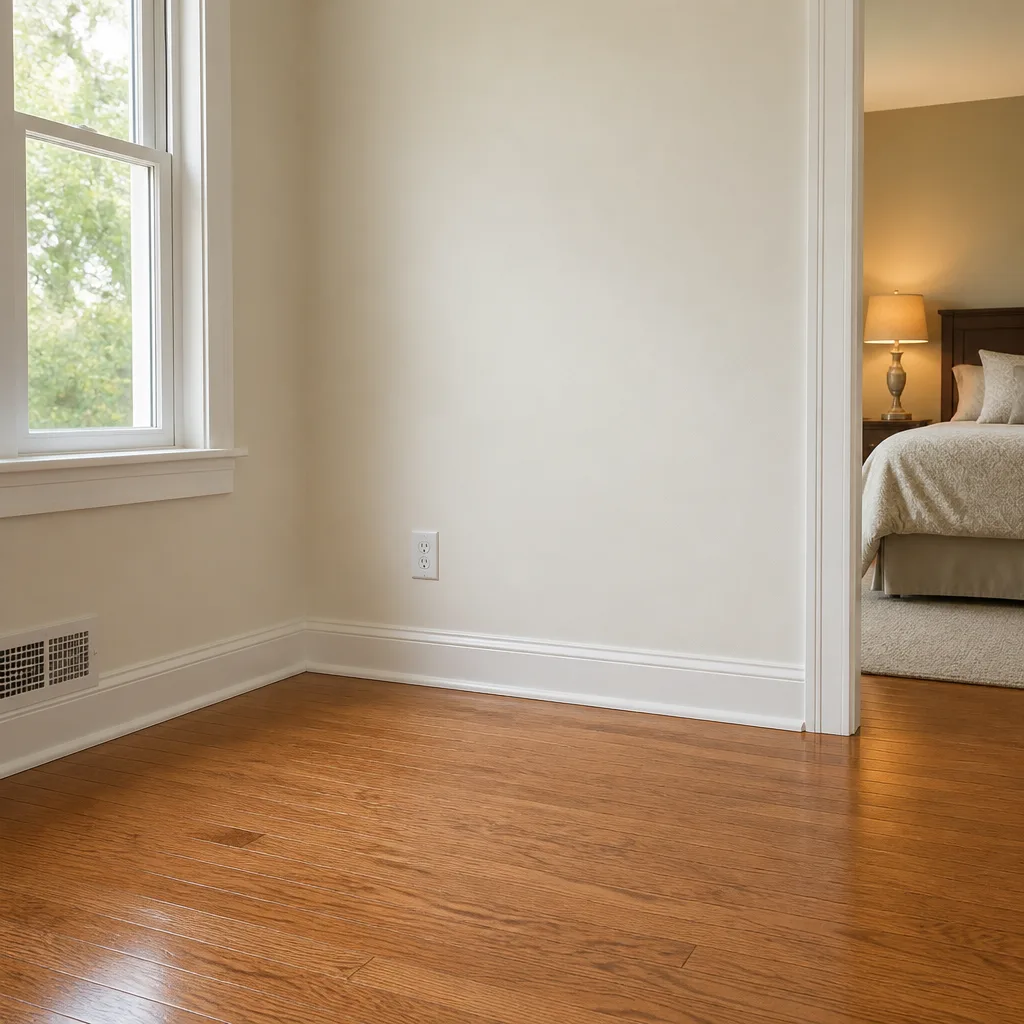
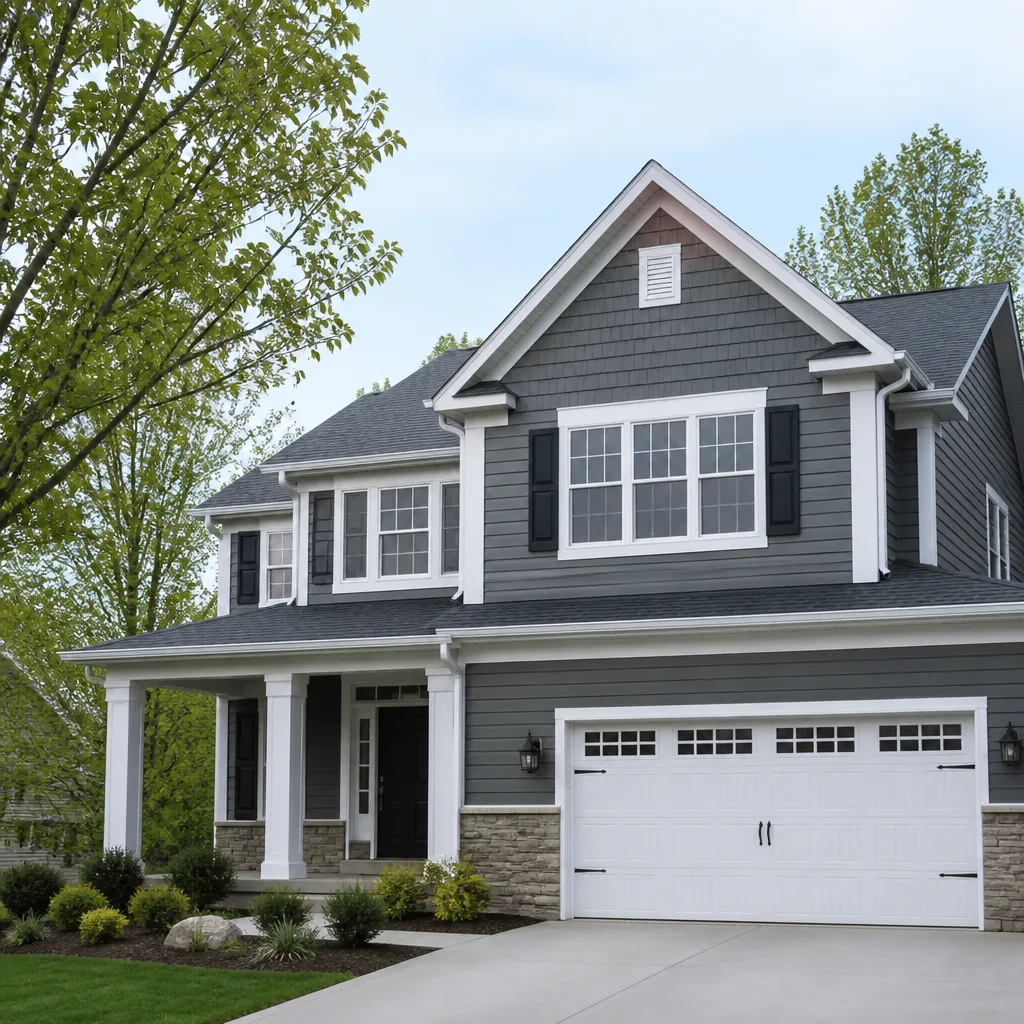
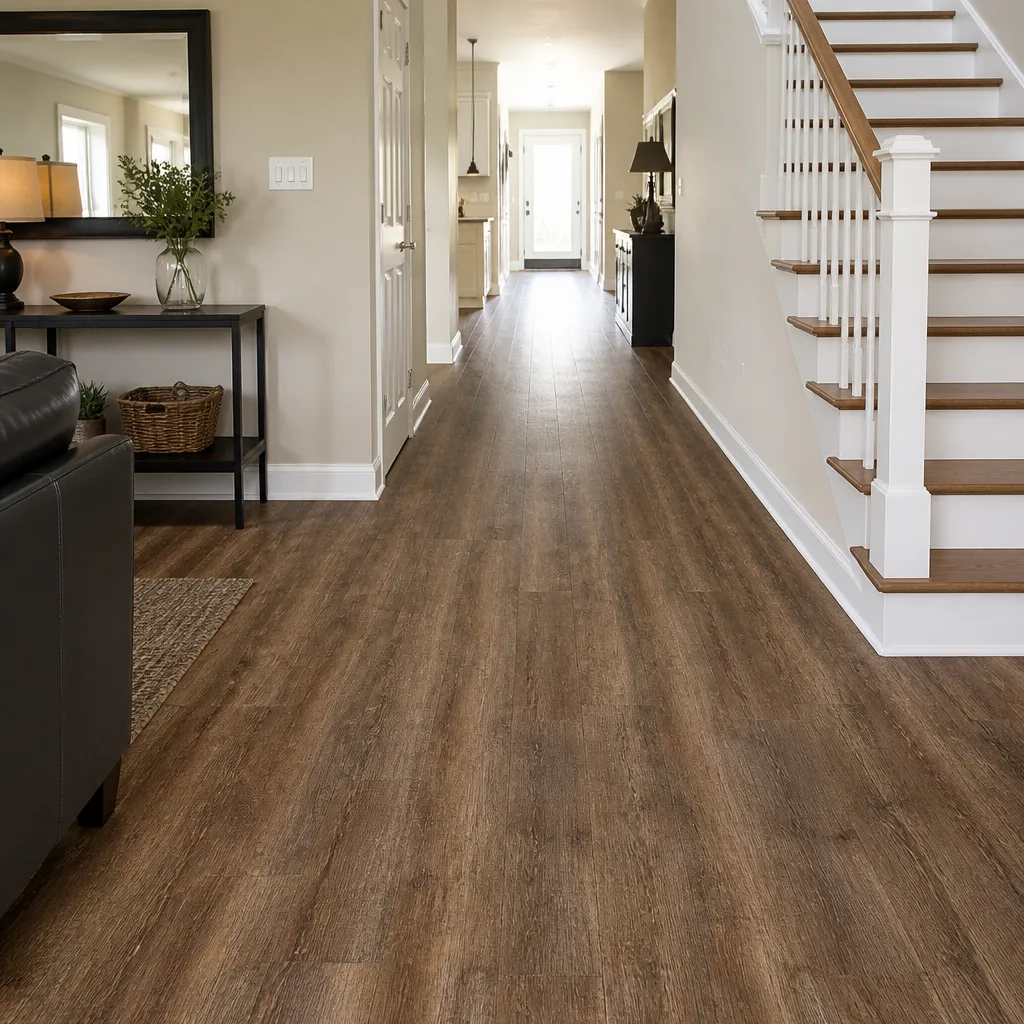
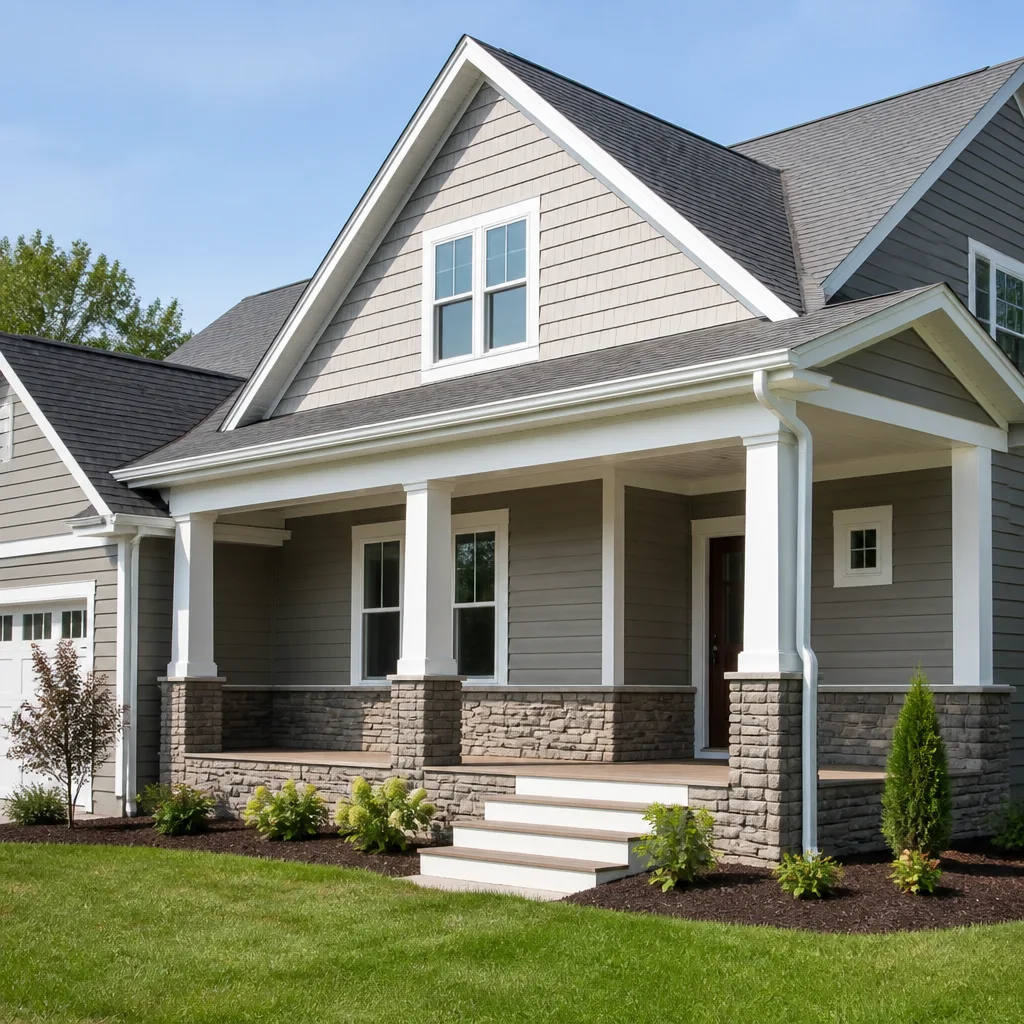
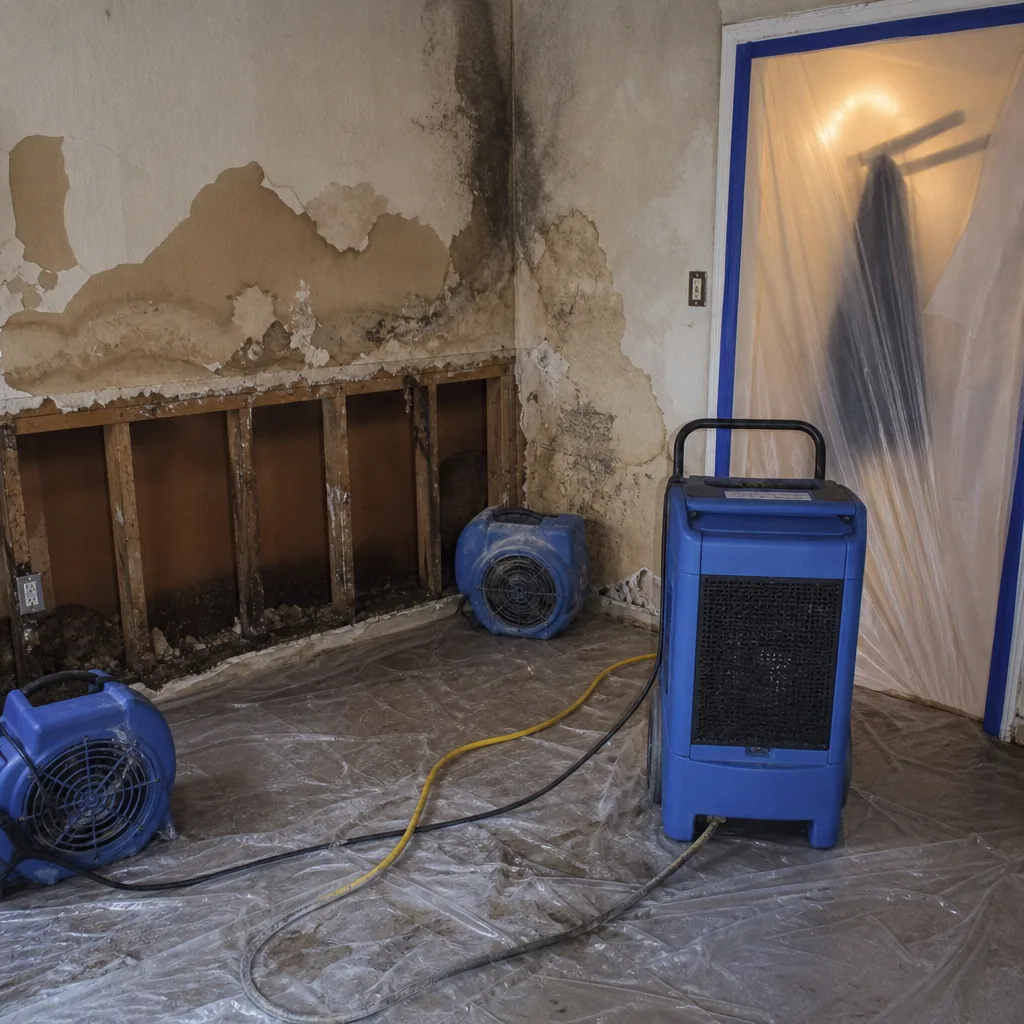 Before
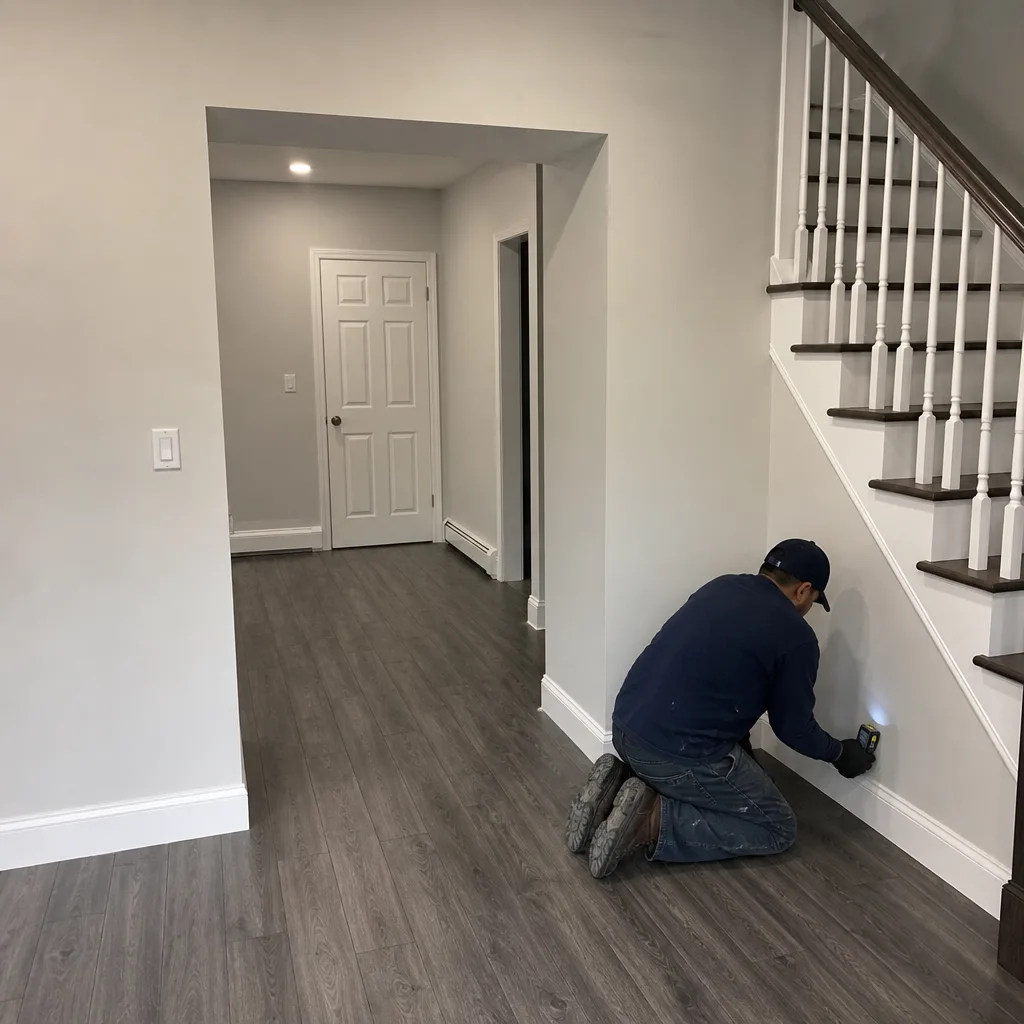 After
After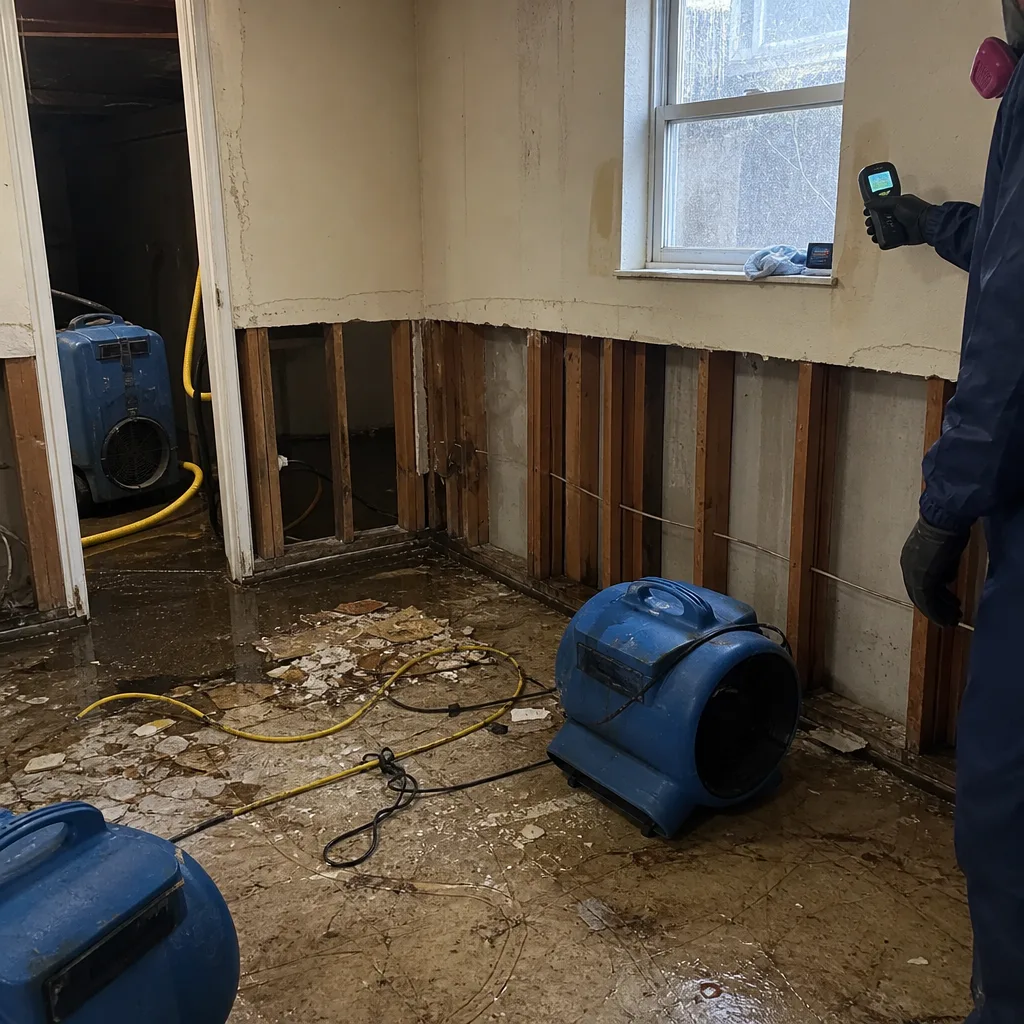 Before
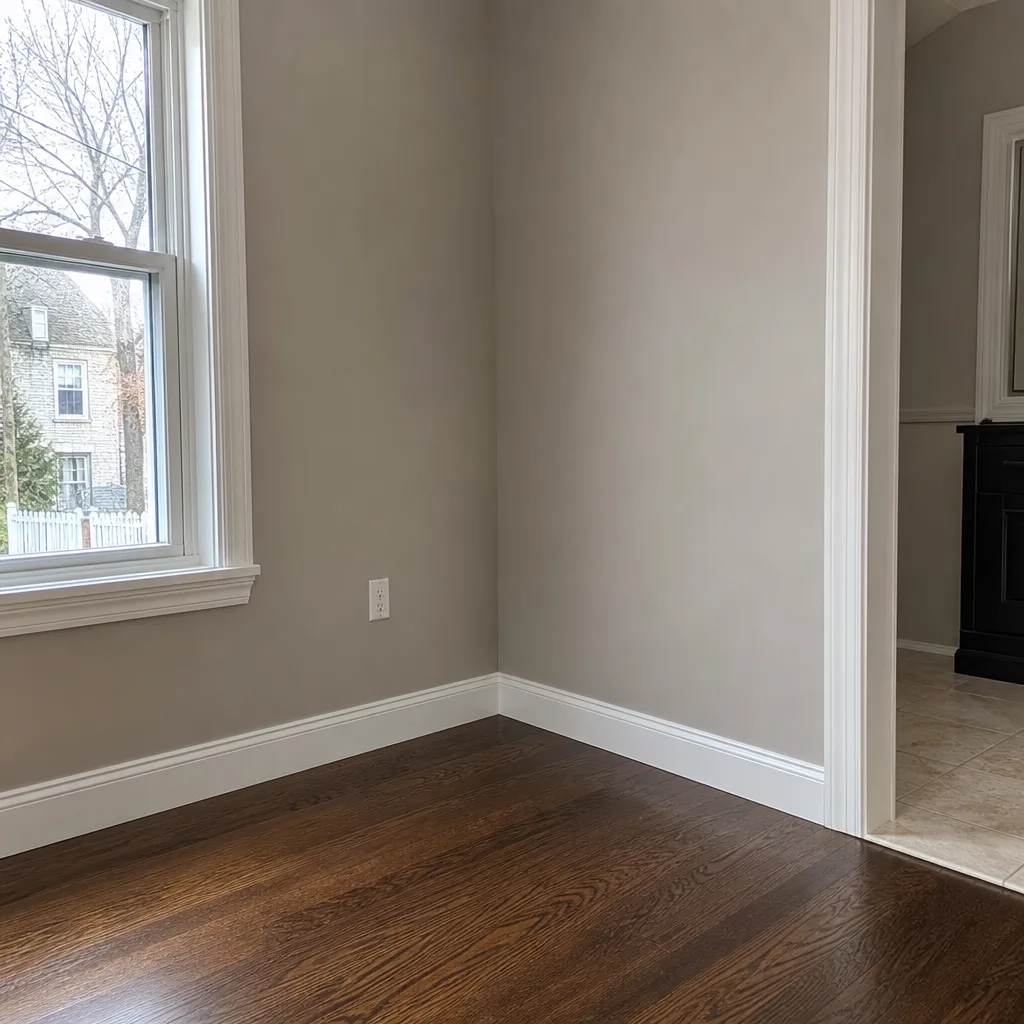 After
After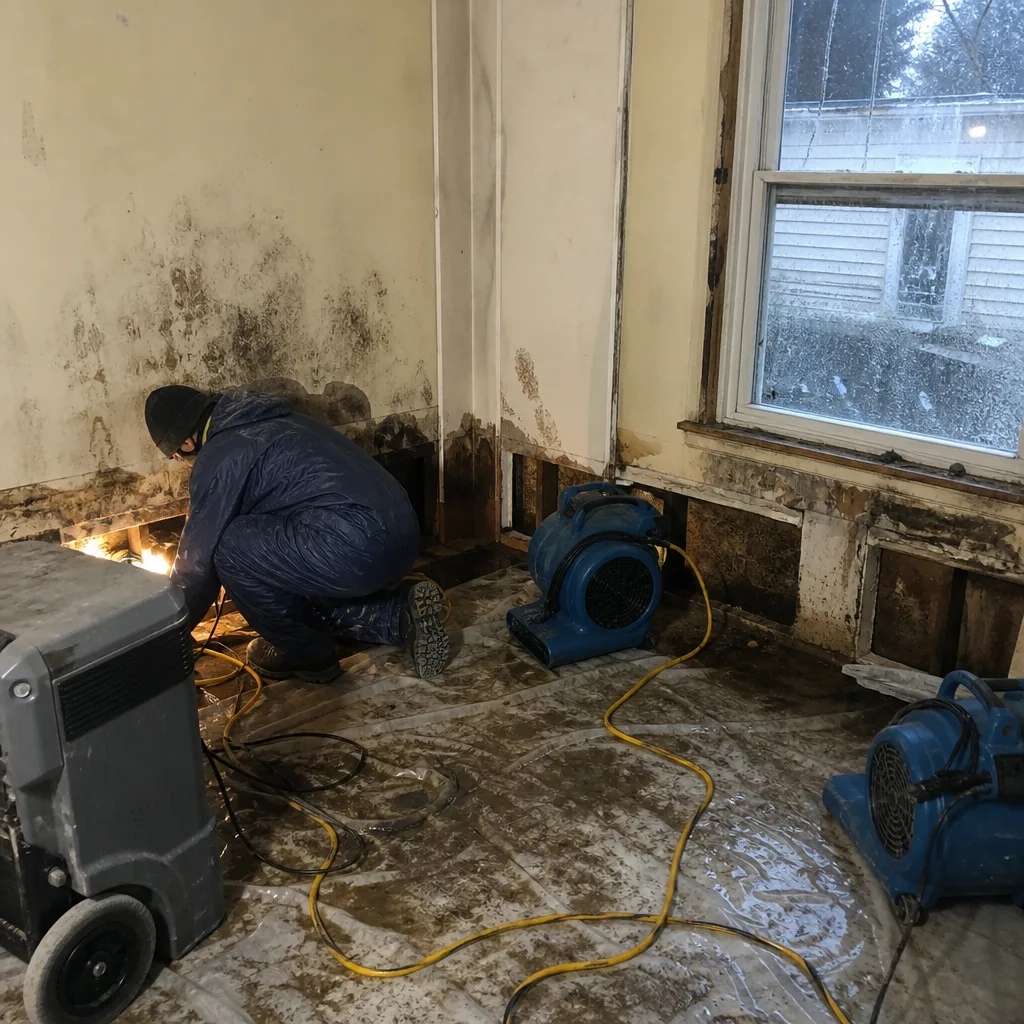 Before
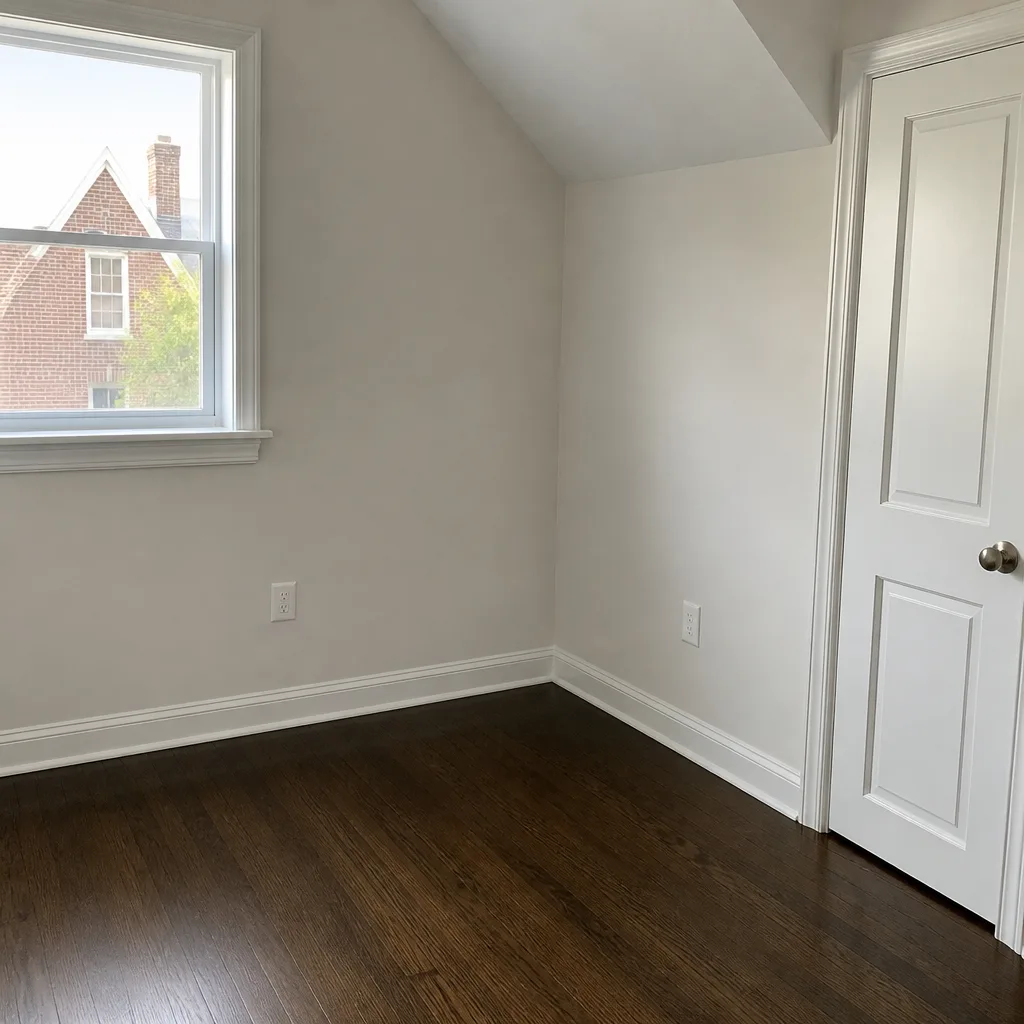 After
After24/7 Emergency Water Damage Restoration in Bellerose
Water damage in Bellerose moves fast, especially in the 1920s and 1930s brick semi-detached homes that define this neighborhood. A burst supply line or backed-up sewer can soak original plaster-and-lath walls within minutes, and that moisture doesn’t just sit on the surface, it wicks into joist bays, party walls, and the shared cavities between attached units. Our Water Damage Restoration team answers live around the clock and dispatches crews into Bellerose within 45 minutes. Call (631) 557-5029 the moment you see standing water, staining, or a bubbling ceiling. The first hour determines whether you’re looking at a dry-out or a full gut-and-rebuild, and we’d rather catch it early than bill you for demolition later.
Understanding Water Damage Restoration Severity in Bellerose Properties
Not all water is equal. Restoration classified under IICRC S500 standards breaks down into three categories. Category 1 is clean water from a supply line or faucet. Category 2 carries contaminants, think washing machine overflow or sump pump discharge. Category 3 is grossly contaminated, meaning sewage, storm surge, or ground water that’s picked up whatever sits on a Bellerose basement floor. The category decides the entire approach: extraction method, antimicrobial treatment, whether porous materials get cleaned or cut out. In Bellerose’s housing stock, the bigger variable is wall construction. Original plaster over wood lath holds water the way drywall simply doesn’t, it absorbs it, traps it, and releases it slowly. That means structural drying timelines stretch out, moisture mapping has to account for hidden cavities behind plaster keys, and standard pin meters routinely under-read. Our crews use thermal imaging alongside penetrating and non-penetrating meters to find what the plaster is hiding. Skip that step and you’re leaving moisture behind a finished wall, where it turns into mold months after the insurance claim closes.
Why Bellerose Property Owners Choose Floodline Restoration Co.
- 45-minute response commitment in Bellerose. We’re not driving from an hour away, we stage crews on the Queens/Nassau edge so someone is always close.
- A live person answers, 24/7. No phone tree, no “leave a message.” At 2 a.m. you get a dispatcher who knows Bellerose addresses and starts moving crews immediately.
- IICRC-certified technicians. WRT and ASD credentials, trained to RIA and IFA standards, with background checks and uniforms on every job.
- Free visual inspection. We assess the situation, map the moisture, and hand you a written scope before any work starts. No surprises on the bill.
- Direct insurance billing. We work with your carrier, provide the documentation, and coordinate with adjusters so you’re not the messenger.
- One team, start to finish. Extraction, drying, and rebuild handled by the same crew. No mid-job handoff to a subcontractor you’ve never met.
Our Water Damage Restoration Process
Inspection & Assessment
We map the full extent of moisture using thermal imaging, hygrometers, and penetrating meters. On Bellerose’s plaster-and-lath walls, this step is where we find hidden water pockets that generic crews miss.
Extraction & Stabilization
Standing water comes out first. Truck-mounted and portable extraction units pull water from floors, carpets, and wall cavities. We also stabilize the source, if the supply line is still active we shut it down before anything else.
Drying & Dehumidification
Here’s where Bellerose’s brick construction changes the math. We run professional-grade Dri-Eaz and Phoenix dehumidifiers plus air movers configured for tight rowhouse floor plans. Daily moisture readings get logged until the dry standard is met, not an estimate, an actual number.
Cleaning & Sanitization
Flood water carries more than water. We clean and treat affected surfaces with antimicrobial agents appropriate to the water category, and HEPA-scrub the air where contamination is a concern.
Structural Drying Verification
Bellerose walls with original plaster need proof they’re actually dry, not a guess. Thermal imaging and multiple meter types confirm the cavity is clear before any cosmetic work begins.
Repairs & Restoration
We rebuild what the water took out: drywall, plaster patches, trim, flooring, paint. The same crew that ran the drying handles the rebuild, which means nobody blames the last guy and the job actually gets finished.
Need Emergency Water Damage Restoration in Bellerose Now?
Crews minutes away, answering live 24 hours a day. The sooner we start, the less it costs.
Working With Your Insurance Company
Insurance claims for water damage get denied or underpaid when documentation is thin. We photograph everything from the first hour, maintain daily moisture logs, and generate line-item scopes that match the estimating software your adjuster uses. When we say we handle direct coordination, we mean our team talks to the carrier so you don’t have to explain the difference between Category 2 and Category 3 water to a claims rep. The 90-Day Done Right Promise applies here too. If something isn’t right, we make it right, in writing, no argument. That’s the Keystone Standard, and it’s on every job we take in Bellerose.
What We Provide Your Insurer
- Thorough documentation of the loss
- Photos of all damage, room by room
- Moisture readings and drying logs
- A detailed, line-item scope of work
- Direct coordination with your carrier
Built for Bellerose’s Loss Calendar
Bellerose has a water damage calendar that repeats every year, and it’s predictable if you know the terrain. January and February bring deep freezes that burst galvanized supply lines in uninsulated crawl spaces and exterior wall cavities. The 1920s and 1930s plumbing in these Tudor-style and brick rowhouses was never designed for the freeze-thaw cycles we get now, and a split pipe behind a plaster wall can run for hours before anyone notices a stain. Spring thaw saturates the flat glacial outwash plain this neighborhood sits on, and the shallow water table pushes water into basements through floor cracks and cove joints. Summer thunderstorms dump inches in an hour, overwhelming the combined storm and sanitary sewers that serve older sections of Bellerose, and we end up extracting Category 3 water from finished basements. Autumn nor’easters back up against the Cross Island Parkway corridor and bring wind-driven rain through aging clay tile roofs. Every season has a signature failure mode here, and a restoration company that doesn’t know them is learning on your claim.
Water Damage Restoration Across Bellerose’s Neighborhoods
Bellerose isn’t one uniform block of housing, it’s a patchwork of building eras and lot configurations that change the restoration approach. The blocks east of Cross Island Parkway, up toward the Bellerose Village side, are classic 1920s brick Tudors with original clay tile roofs and tight side yards that limit equipment access. Basement water removal here often means running hoses through narrow alley-load entrances and managing drying in split floor plans with closed-off stairwells. Over near the Floral Park border, the semi-detached pairs sit so close that a supply-line failure in one unit routinely migrates through shared joist bays into the mirror unit next door. Down by Jericho Turnpike, the smaller attached homes have shallow basements with low ceiling clearance, which changes dehumidifier placement and air-mover configuration entirely. And the blocks within Bellerose’s Queens section fall under NYC Department of Buildings jurisdiction, meaning permits, inspections, and contractor licensing all run through a different system than the Nassau County side, even on the same street. Our crews work all of it, and we route based on the building, not just the ZIP code. For context on how we cover the full area, see Water Damage Restoration in Bellerose.
Specialized Water Damage Restoration Services We Offer in Bellerose
Bellerose’s housing mix, its dual jurisdiction, and its pre-war construction patterns mean water damage rarely presents as one clean problem. These are the specific services we run most often here.
Emergency Water Extraction
The faster water comes out, the less it costs to put back together. Our extraction teams carry truck-mounted and portable units sized for Bellerose’s tight basement entries and narrow service alleys. Standing water in a finished basement can be pumped and vacuumed within the first visit, before it soaks into plaster walls and built-in millwork that older Bellerose homes are full of.
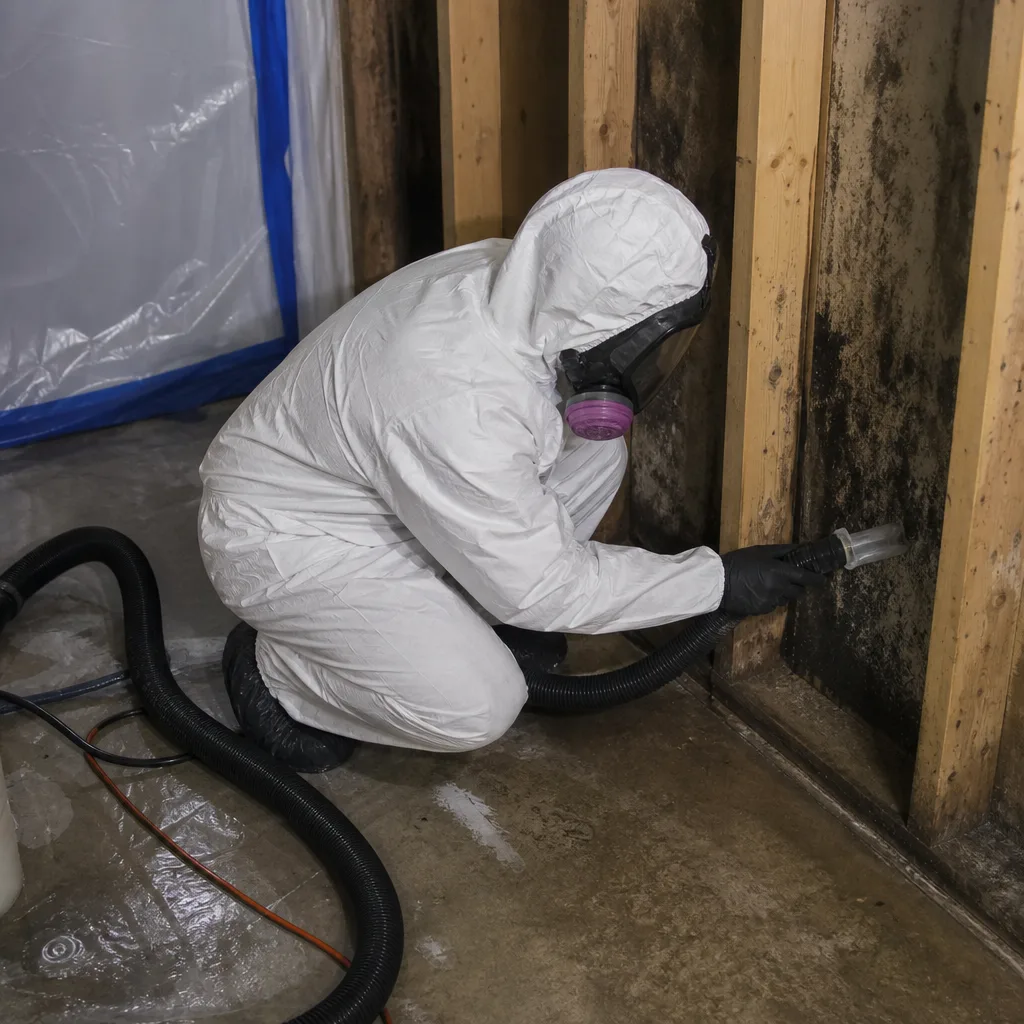
Structural Drying & Dehumidification
This is the service that separates a real restoration company from a guy with fans. Bellerose’s brick rowhouses trap moisture, and the original plaster-and-lath walls hold water like a sponge. We run Dri-Eaz and Phoenix dehumidifiers with XPOWER air movers configured for these specific floor plans, take daily readings, and produce a drying log you and your insurer can hold up against the finished job.
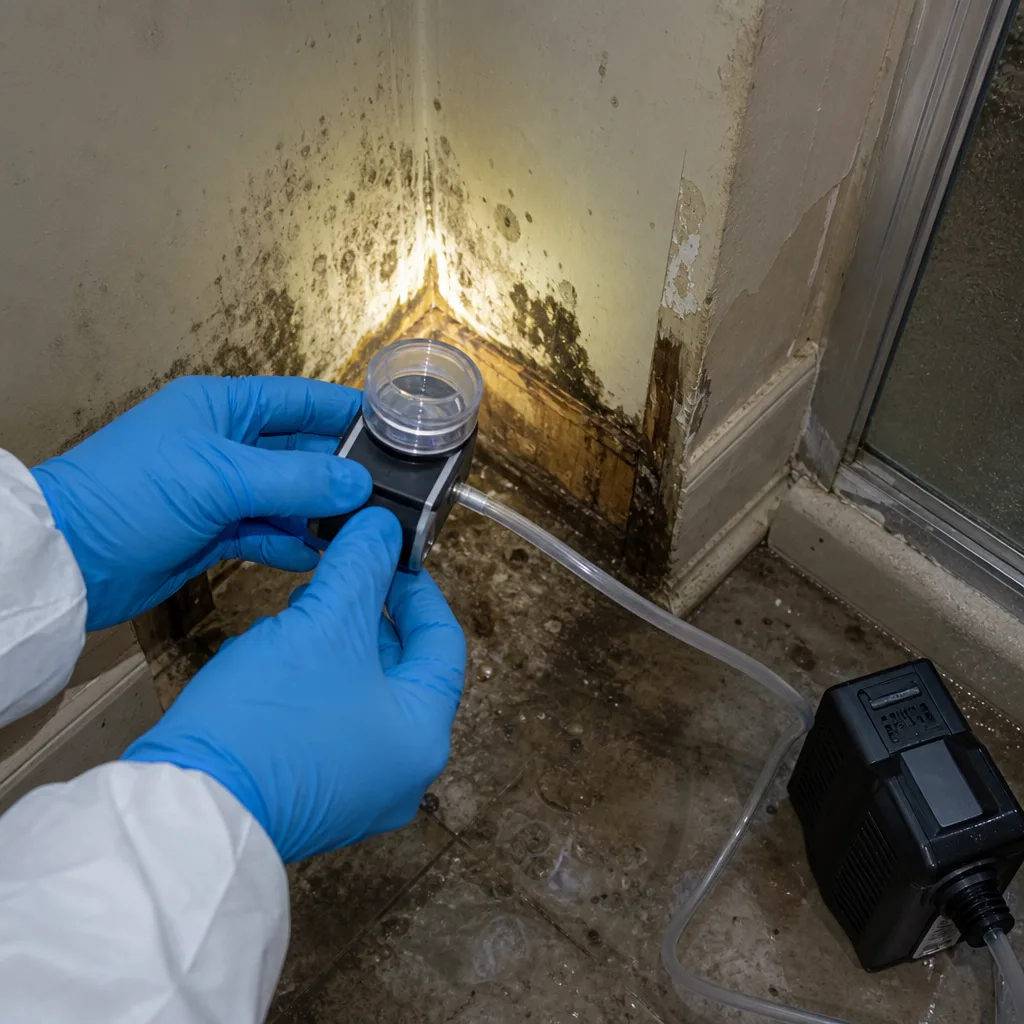
Flood Cleanup
Storm water crossing a Bellerose property line brings in whatever it picked up along the way. That’s Category 3 water, and cleaning it properly means extraction first, then antimicrobial treatment, then structural drying. We handle the full sequence and document each step for the claim.
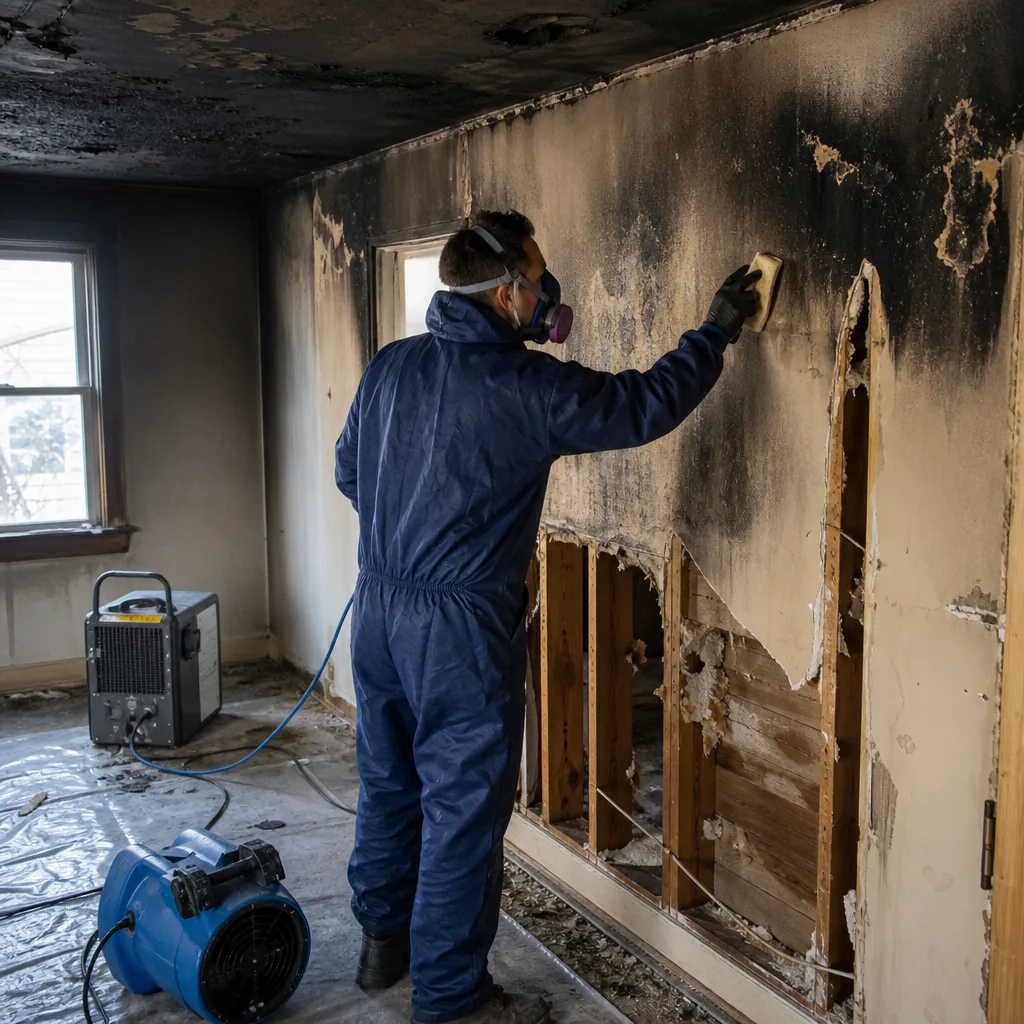
Burst Pipe Restoration
Bellerose’s original galvanized and early copper supply lines fail in predictable ways, usually at threaded joints and in exterior wall cavities where insulation is thin. We locate the leak source, extract the water, dry the cavity, and rebuild the damaged wall or ceiling. Pipe repair itself is handled quickly and matched to the home’s era.
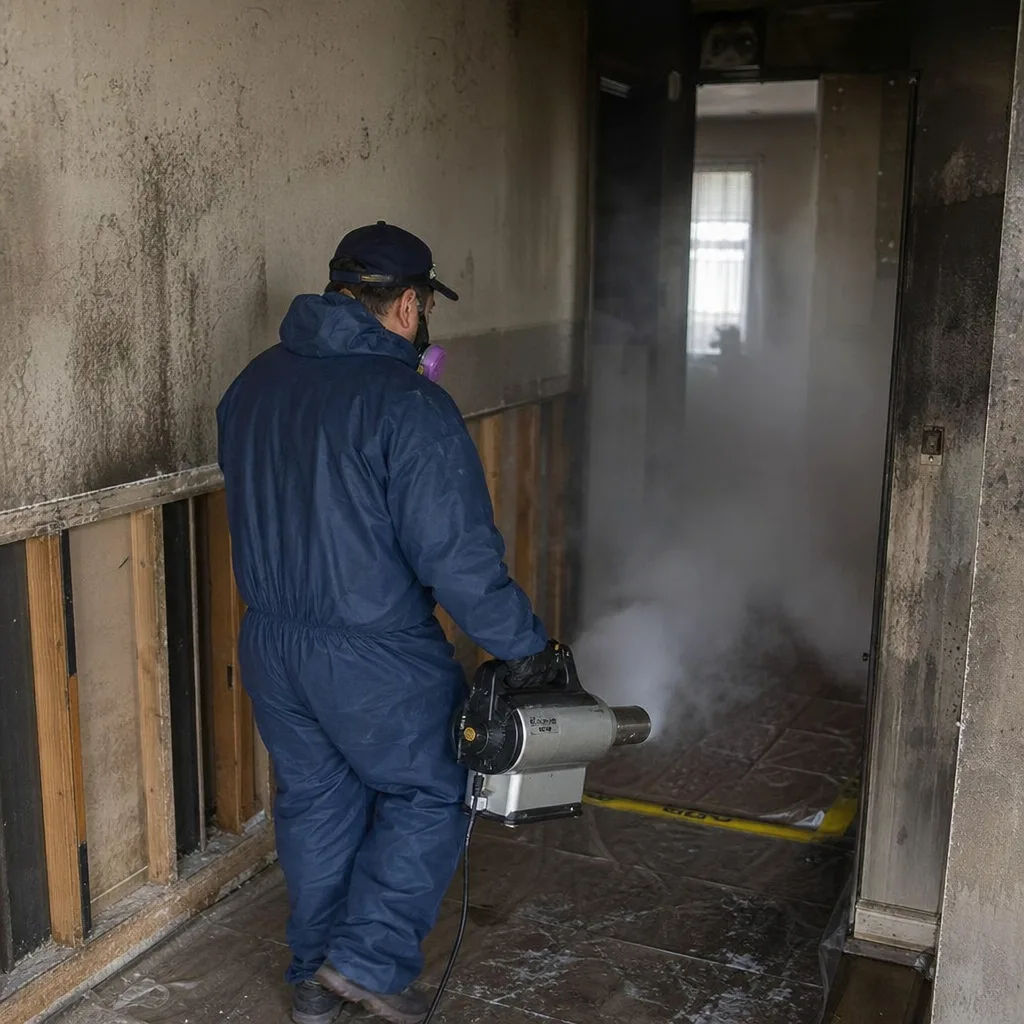
Basement Water Removal
Basements in Bellerose fill up for two reasons: groundwater rising through the floor after heavy rain, or interior supply-line failures. Either way, the water sits in low-ceiling, poorly ventilated spaces and lingers. We remove it, dry it, and treat the surfaces, then assess whether drain tile, a sump upgrade, or simple grading is the right prevention for the next storm.
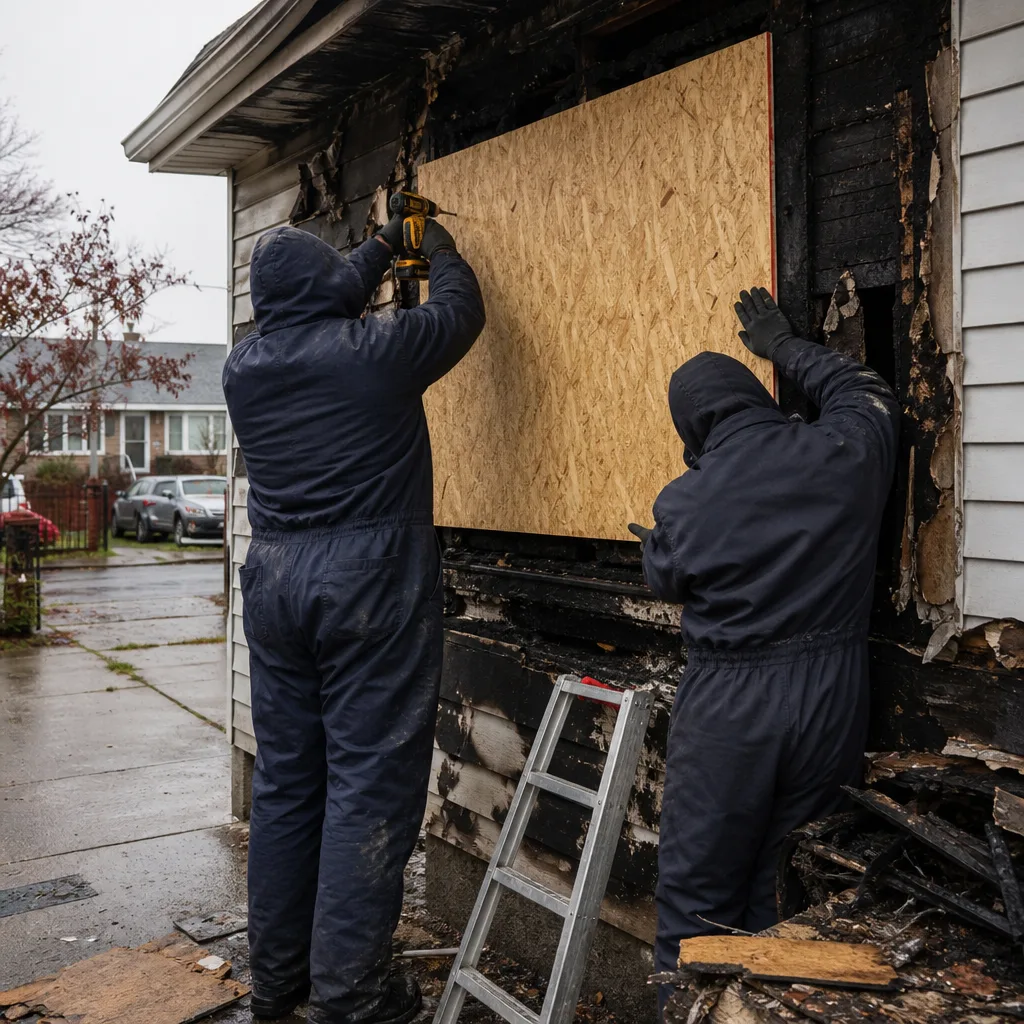
Ceiling & Roof Leak Water Damage
Clay tile roofs on 1920s Bellerose Tudors leak quietly. By the time a plaster ceiling shows a stain, the cavity above has been wet for days. We open the affected area, dry the joist bays with targeted equipment, and repair or replace the plaster or drywall. On the Bellerose Village side, we coordinate inspections through the municipal code office when the leak crosses into structural framing.
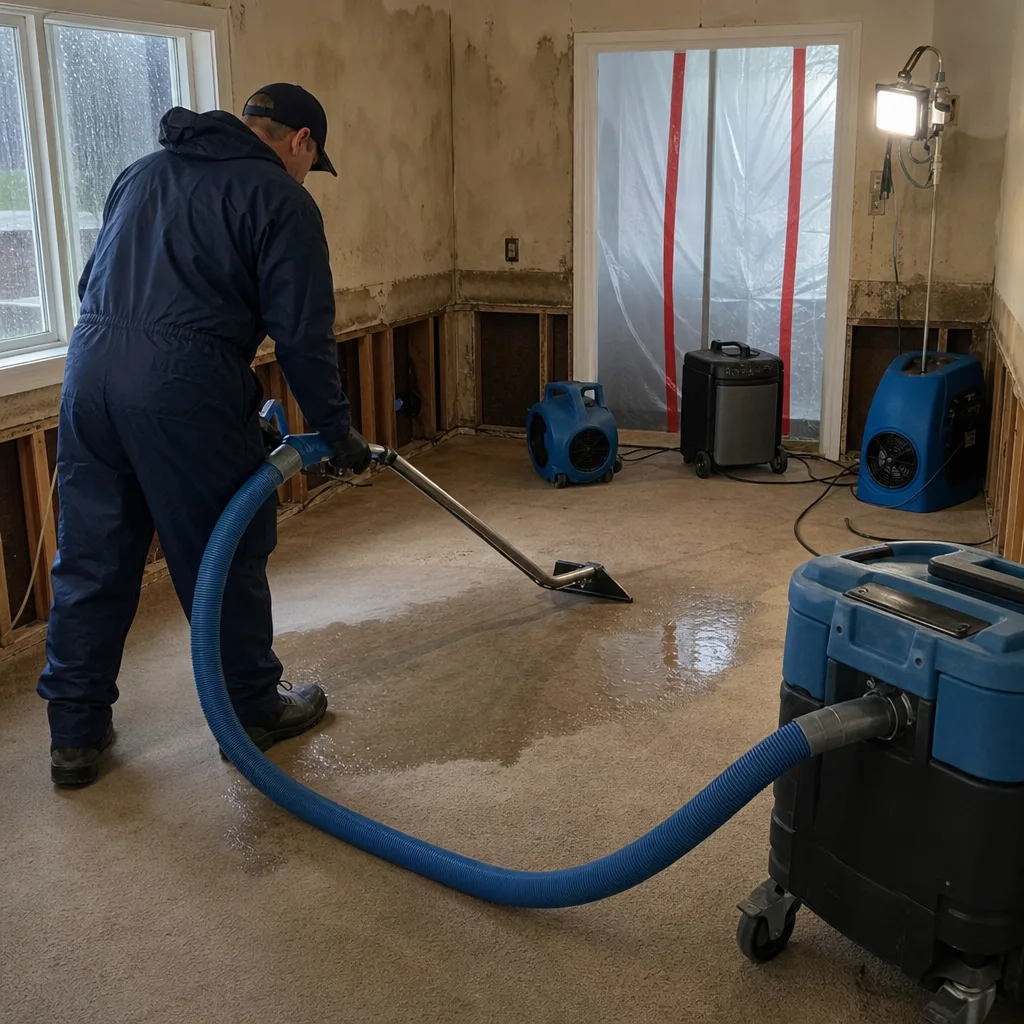
What happens when you call
- 1
A real person answersNo phone trees - you reach a local pro.
- 2
You get an upfront price rangeHonest numbers before anyone is dispatched.
- 3
A background-checked tech heads outLicensed & insured, dispatched right away.
- 4
You approve before work beginsNothing starts until you say go.
Water Damage Restoration Costs in Bellerose, NY
Honest numbers for Bellerose’s market: emergency water extraction alone typically runs $600 to $1,400 depending on the square footage and how much water is standing. Structural drying and dehumidification runs $1,800 to $4,200 for a typical basement or single-floor event, with equipment runs and daily monitoring included. A burst-pipe repair with dry-out and wall rebuild lands between $3,500 and $8,500, depending on whether the pipe is in an exterior wall (higher, more involved) or a basement utility area (lower). Full Category 3 flood cleanup with antimicrobial treatment and finish restoration starts around $5,000 and goes up from there. What moves the price: plaster-and-lath versus drywall (plaster costs more to dry and repair), access difficulty in tight Bellerose entries, and whether permits on the Queens side versus Nassau side add scope. Insurance covers most of these losses, and we bill your carrier directly. A free visual inspection gets you a written scope with real numbers before you approve anything.
We Also Serve Cities Near Bellerose
Our crews regularly run water damage jobs in Floral Park, Queens Village, Oakland Gardens, and New Hyde Park. The same dual-license capability, the same 45-minute response commitment, and the same written guarantee apply across the Queens/Nassau border.
Bellerose Water Damage Restoration Questions, Answered
What happens when a water damage job in Bellerose spans the Queens/Nassau border?
We run two parallel permitting paths at once. The Queens-side unit gets filed under NYC DOB with an NYC-licensed contractor of record, and the Nassau-side mirror unit gets filed under Bellerose Village municipal rules. The work itself is identical, but the permits, fee schedules, and inspection sequences run through completely separate systems. We carry both licenses and manage the filings so you don’t play messenger between two code books on the same block.
How do you dry original plaster-and-lath walls in Bellerose’s 1920s-1940s homes without tearing them out?
Plaster releases moisture slowly, so the drying plan runs longer and uses a different verification approach. We use thermal imaging to find hidden water pockets behind the plaster keys, then place penetrating meters at mapped locations to track the actual moisture content inside the wall cavity. Air movers get positioned to create negative pressure that pulls moisture out through the wall’s natural porosity. In many cases, plaster can be dried in place and saved, which matters when you’re trying to preserve original Bellerose craftsmanship.
Why does basement water removal take longer in Bellerose than in neighboring suburban towns?
This neighborhood sits on a flat glacial outwash plain with a shallow water table. The brick rowhouse construction traps ground-level moisture, and the original basements were never built with modern drainage or ventilation in mind. Evaporation is slower, so dehumidification runs longer, and the dense lot patterns limit how much air we can move through narrow entry points. A wood-frame suburban home might dry in two days; a Bellerose brick semi-detached basement can take four or five to reach the dry standard.
Do Bellerose water damage jobs require special handling for lead paint or asbestos?
Often, yes. Pre-1978 lead paint and pre-1980 asbestos in pipe insulation and floor tiles are routine findings in homes built in the 1920s through the 1940s. Before any demolition or wall opening, we test and, when needed, bring in certified abatement. That’s not an upsell, it’s the law, and skipping it is how homeowners end up with a bigger problem than the water damage that started the job.
Can your crew actually get drying equipment into a Bellerose alley-load or townhome door?
Yes. We’ve done it hundreds of times. Our equipment is configured for tight clearances, narrow entries, and small rooms. The drying plan gets sized to the access: smaller dehumidifiers placed in multiple locations instead of one oversized unit, air movers moved through interior passageways, and hoses run through windows where that’s cleaner. On a 1930s brick Tudor semi-detached pair near the Cross Island Parkway, our crew ran separate drying plans for both mirrored units through a single alley-load entry, and both sides hit the dry standard within three days.
How fast can someone actually get to my Bellerose home?
We commit to 45 minutes. That’s not a sales line, that’s a dispatch priority. We stage crews on the Queens/Nassau edge specifically so Bellerose addresses get first response, not a drive-by from a franchise across the county. Call (631) 557-5029 and you’ll get a live person at any hour.
Do I need full restoration, or can I just clean and dry the area myself?
If the water came from a clean supply line and you caught it within minutes, a shop vac and fans might be enough, but Bellerose’s plaster walls hide saturation that looks fine on the surface. The risk is moisture left behind a wall cavity that turns into mold in six to eight weeks, then a much more expensive remediation. Our inspection is free and visual. If you don’t need us, we’ll tell you.
What should I do in the first 30 minutes after discovering water damage?
Shut off the water at the main if you can safely reach it. Cut power to any affected rooms at the breaker panel. Move small items out of the water if it’s safe to do so. Then call us. Don’t wait for the stain to spread, and don’t assume the insurance company will pay more if the damage looks worse. They’ll pay what the scope documents, and early extraction is almost always cheaper than late demolition.
Serving Bellerose, NY - Our Local Coverage Area
We’re based in the Bellerose area and know this community well. Use the map below to see our service coverage - if you’re nearby, we can almost certainly help.
One Restoration Firm, Two Code Books, One Guarantee
Bellerose sits squarely on the Queens/Nassau County border, and that fact shapes every serious water damage job in this neighborhood. The same rowhouse block can fall under NYC DOB jurisdiction on one side of the line and Bellerose Village municipal rules on the other. A restoration firm working here has to hold dual licensing, dual permit workflows, and dual inspection relationships, and most don’t. We do. That’s the difference between a job that gets signed off and one that stalls mid-inspection over paperwork nobody mentioned. The 90-Day Done Right Promise covers both sides of the border, in writing, no argument. The line the water left is where we start, and we don’t hand the job off until extraction, drying, and rebuild are finished by the same certified crew.
Written by Curt Bowman, Owner at Floodline Restoration Co., serving Bellerose and the Queens/Nassau border communities.